
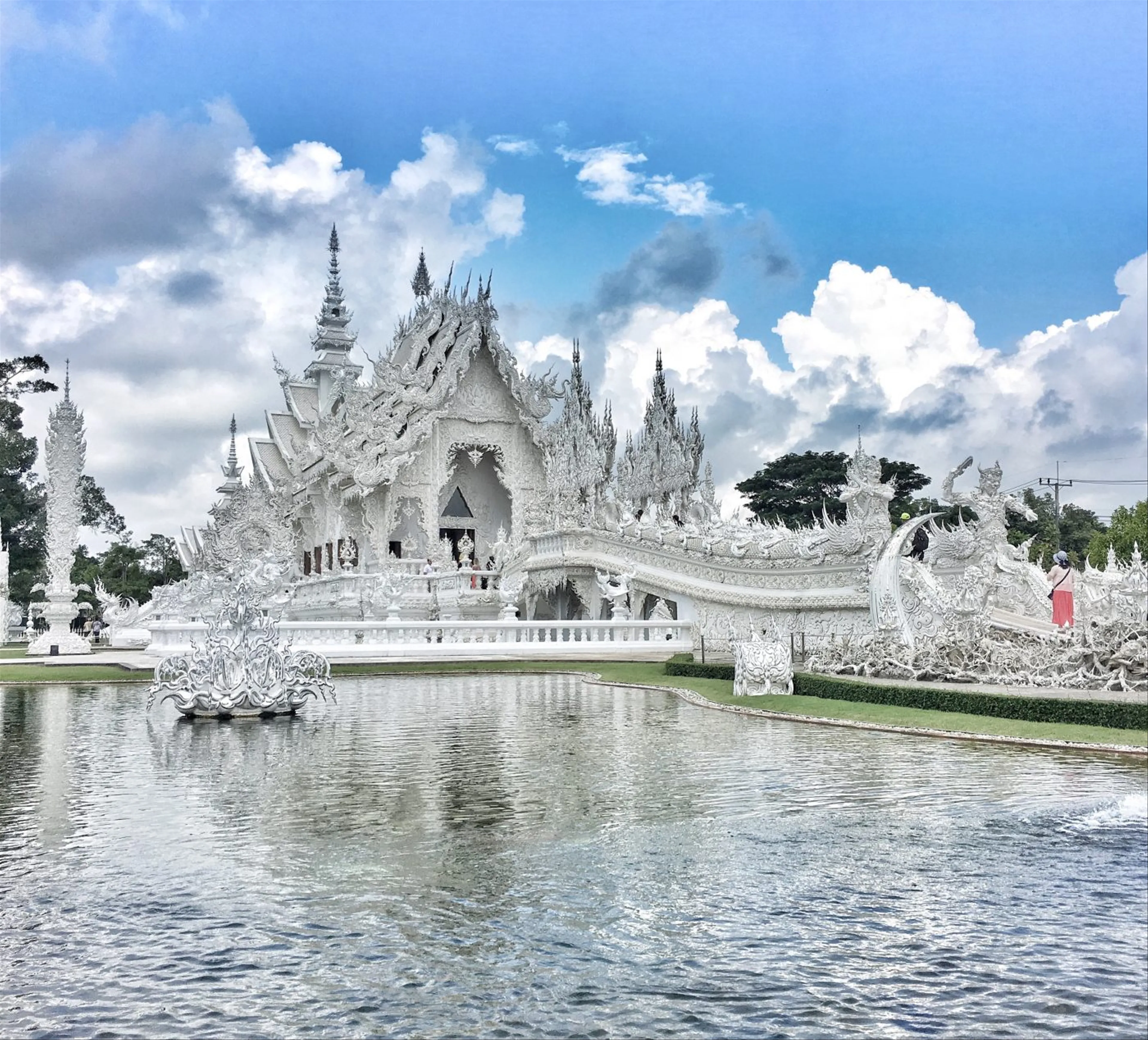
Explore the captivating beauty of Chiang Rai's White Temple, a stunning fusion of art and spirituality in Thailand.
Wat Rong Khun, commonly known as the White Temple, is not merely a place of religious observance but a masterpiece born from the creative vision of Thai artist Chalermchai Kositpipat. His ambition was to create a symbol of purity and enlightenment, reflecting the teachings of Buddhism through a contemporary lens. The temple is a striking departure from traditional Thai temple architecture, embracing a modern aesthetic that captivates and inspires visitors from around the world.

Chalermchai's vision for Wat Rong Khun began in 1997, with the goal of creating a temple that would represent the purity of Buddha. The artist used his own funds to finance the project, a testament to his dedication and passion. The white color of the temple symbolizes the purity of the Buddha, while the intricate glass mosaics embedded within the white plaster reflect the light, representing the Buddha's wisdom that "shines all over the Earth and the universe." It is this interplay of light and shadow that adds a dynamic element to the temple, making it a living, breathing art piece that changes with the time of day and the seasons.
The design of Wat Rong Khun is heavily influenced by Buddhist symbolism and Thai culture but is also infused with global influences that make it unique. Chalermchai integrates contemporary elements and pop culture references within the traditional Buddhist narrative, making the temple a bridge between the past and the present. This bold approach is evident in the murals inside the main temple, which depict a surreal mix of historical and modern imagery, including scenes from Hollywood movies and global events, inviting visitors to ponder the intersection of spirituality and the modern world.
Chalermchai’s dedication to the project is unwavering, with plans to expand and continue the work for years to come. The artist aims to leave behind a legacy that will inspire future generations. Wat Rong Khun is not only a testament to Chalermchai's artistic prowess but also a symbol of his belief in the transformative power of art and spirituality. The ongoing nature of the construction means that each visit to the temple offers something new to discover, as Chalermchai and his team continually add new elements to the evolving masterpiece.
Through Wat Rong Khun, Chalermchai Kositpipat has created a space that invites reflection and meditation, urging visitors to explore deeper philosophical questions while admiring the sheer beauty of the temple. His creative vision has turned Wat Rong Khun into a beacon of cultural dialogue and spiritual exploration, drawing countless travelers to experience its tranquil beauty.
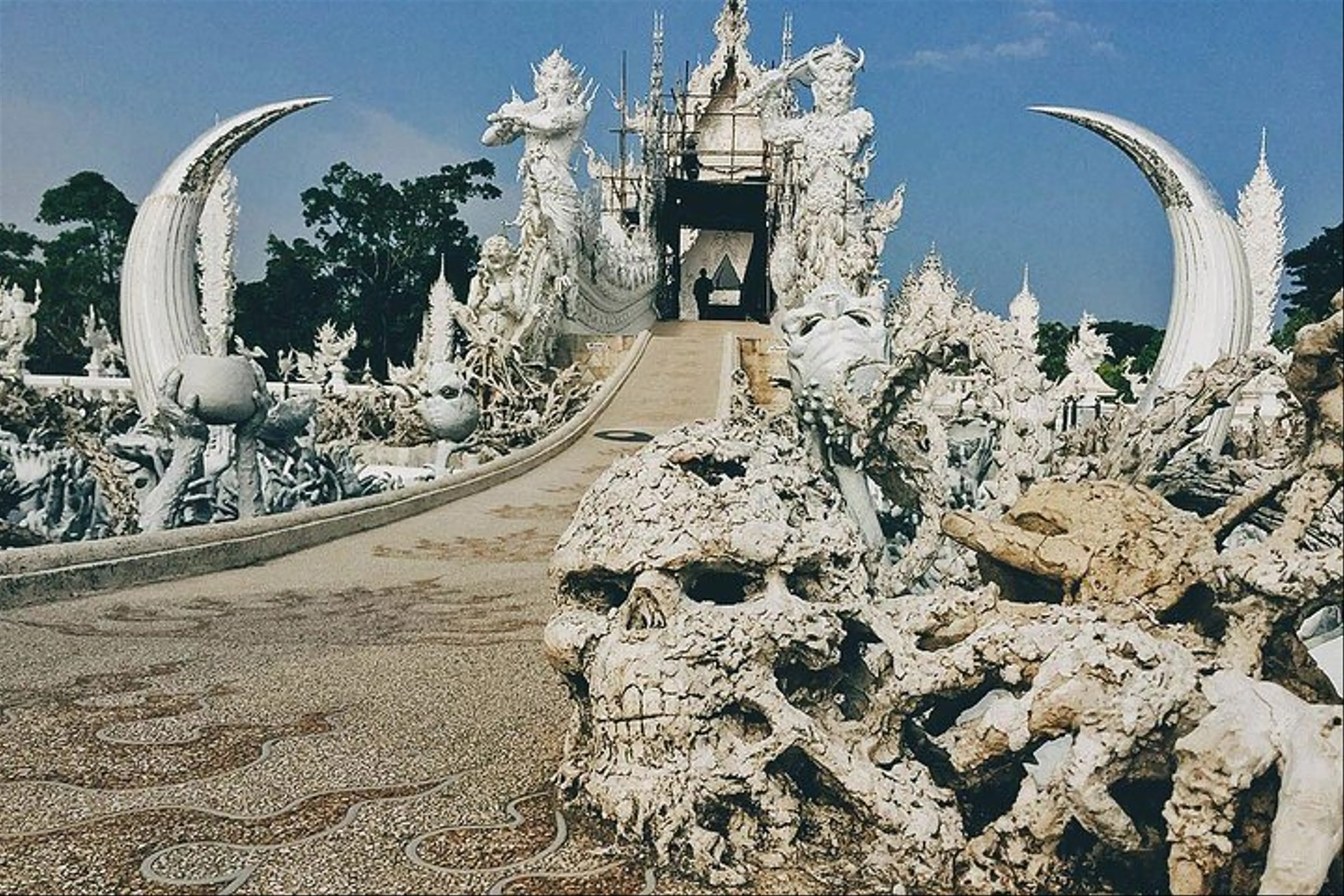
As you approach Wat Rong Khun, the first thing that captures your attention is the dazzling white facade, which seems almost otherworldly against the lush green Thai landscape. The temple complex consists of several buildings, each a marvel of intricate design and artistry. The main building, or ubosot, serves as the centerpiece, showcasing a unique fusion of traditional Thai architecture and avant-garde artistic expression.
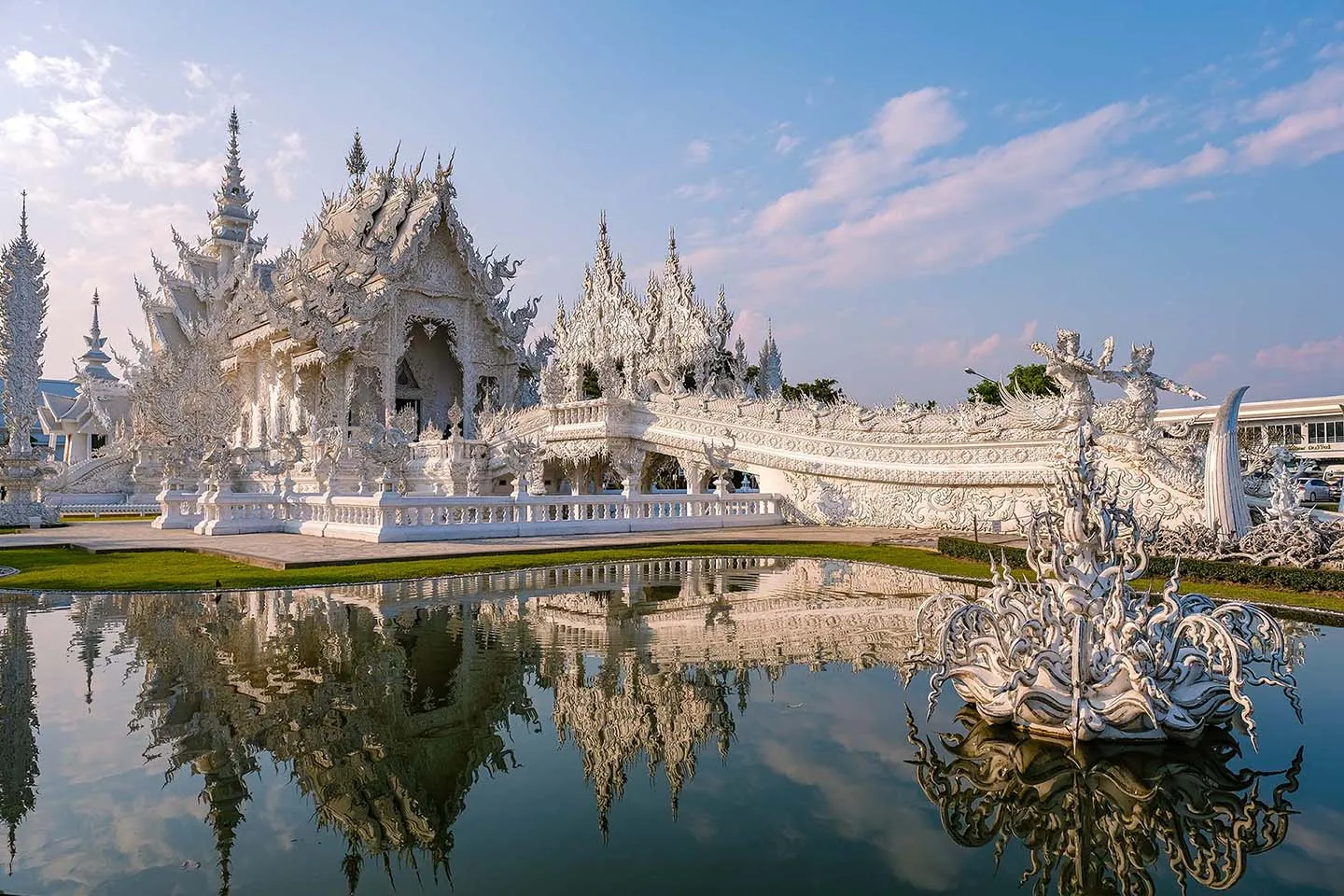
The entrance to the temple is marked by a striking bridge that crosses a small pond, symbolizing the journey from the cycle of rebirth to the state of Nirvana. This bridge is guarded by a sea of outreaching hands, representing unrestrained desire and human suffering. As you walk across, it's a symbolic passage towards enlightenment, encouraging self-reflection and awareness of life's transient nature.
Upon crossing the bridge, visitors are greeted by the temple's main hall, where the exterior's delicate carvings captivate the onlooker. These carvings, while rooted in Buddhist symbolism, also incorporate modern motifs. Mythical creatures and celestial beings are depicted alongside symbols of contemporary life, suggesting a dialogue between the spiritual and the temporal.
Inside the main hall, the walls are adorned with expansive murals that are nothing short of mesmerizing. These frescoes extend the temple's narrative, illustrating the battle between good and evil through a surreal blend of historical, religious, and pop culture imagery. This fusion challenges the traditional perception of sacred spaces, encouraging visitors to contemplate the implications of modern life on spiritual growth.
The temple grounds also feature other architectural wonders, such as the golden building, which contrasts sharply with the temple's primary white motif. This building, often mistaken as part of the temple, actually houses restrooms. Its opulent gold coloring is a deliberate choice by artist Chalermchai, symbolizing worldly desires and material wealth, in stark contrast to the purity and spiritual enlightenment symbolized by the white structures.
Beyond the main buildings, the temple complex is dotted with smaller structures and sculptures, each contributing to the overarching narrative of the journey towards enlightenment. These include the "Ubosot's Guardians," two statues that stand vigil at the temple's entrance, and the "Bridge of the Cycle of Rebirth," which serves as a visual representation of the path to spiritual awakening.
Every element of Wat Rong Khun is designed with meticulous attention to detail, making each visit a new opportunity to discover hidden meanings and appreciate the depth of Chalermchai's artistic vision. The temple's ongoing construction ensures that it remains a dynamic place that evolves over time, much like the spiritual journeys of those who visit it.
Wat Rong Khun, the White Temple, is a tapestry of symbolism and spiritual significance, intricately woven into its architecture and art. Each element of the temple is deliberately crafted to convey profound Buddhist teachings, inviting visitors to engage in a journey of introspection and spiritual reflection.

At the heart of the temple's symbolism is the color white, chosen by Chalermchai Kositpipat to represent purity and the divine nature of the Buddha. This choice contrasts with traditional Thai temples, which often use vibrant colors and gold, thus highlighting Wat Rong Khun's unique approach to spiritual representation. The reflective glass mosaics embedded throughout the structure symbolize the wisdom of the Buddha, aiming to illuminate the minds of those who visit, much like the sun's rays cast light on the Earth.
The temple's entrance, marked by a bridge over a small pond, acts as a metaphor for crossing from the realm of worldly desires into a spiritual sanctuary. The multitude of hands reaching up from the pond's depths embodies human suffering and desire, serving as a stark reminder of the challenges one must overcome on the path to enlightenment. This passage compels visitors to abandon their earthly attachments and open their minds to spiritual growth as they move towards the main temple.
Inside the main hall, the murals depict a vivid narrative of the continuous battle between good and evil. The inclusion of modern elements, such as superheroes and iconic figures from popular culture, serves to contextualize these timeless themes within the framework of contemporary life. This approach encourages visitors to reflect on the moral and ethical dilemmas posed by modernity, and how they intersect with spiritual teachings.
Elsewhere on the temple grounds, the golden building, a stark contrast to the pristine white structures, symbolizes worldly greed and materialism. Its presence is a deliberate commentary on the distractions of wealth and the importance of focusing on spiritual rather than material gain. This dichotomy between the golden and white structures emphasizes the temple's overarching message of pursuing enlightenment over earthly pleasures.
Throughout Wat Rong Khun, mythical creatures and celestial beings are depicted in various forms, each carrying its own symbolic meaning. These figures serve as guardians of the spiritual realm, guiding visitors as they navigate the temple's rich tapestry of symbolism. This interplay of traditional Buddhist iconography with modern artistic expression creates a dynamic dialogue that invites contemplation on the nature of existence and the pursuit of spiritual enlightenment.
In essence, the White Temple is a sanctuary for spiritual exploration, where every element is infused with meaning and purpose. It challenges visitors to look beyond the surface and delve into the deeper philosophical questions that underpin the human experience. Through its symbolism and spiritual significance, Wat Rong Khun inspires a journey of self-discovery and enlightenment, transcending cultural and temporal boundaries.
As you wander through the enchanting grounds of Wat Rong Khun, there are several key attractions and experiences that should not be overlooked. Each corner of the temple complex offers a unique glimpse into the artistic vision of Chalermchai Kositpipat, as well as a deeper understanding of the spiritual messages woven throughout this sacred site.

One of the first notable stops is the "Bridge of the Cycle of Rebirth," which serves as a powerful introduction to the spiritual journey that awaits. As you cross this bridge, take a moment to truly absorb the symbolism around you. The sea of hands reaching up is a poignant reminder of the suffering and desires that bind humanity to the cycle of rebirth. This visual metaphor sets the tone for the introspective journey that unfolds as you delve deeper into the temple grounds.
Upon reaching the main temple hall, or ubosot, you'll find yourself captivated by the intricate details of its architecture. While the exterior is a visual feast, it's the interior murals that truly demand attention. These expansive artworks are replete with allegorical imagery that merges traditional Buddhist narratives with contemporary cultural references. As you explore these murals, consider the interplay between past and present, and how modern life is reflected in these timeless spiritual battles.
A visit to Wat Rong Khun would be incomplete without experiencing the golden building, often referred to as the "Golden Toilet." This striking edifice stands in stark contrast to the temple's predominant white theme. While it may seem unusual for a restroom to be an attraction, its opulent gold color serves as a deliberate artistic statement on materialism and ego. The juxtaposition invites contemplation on the distractions of worldly wealth versus the pursuit of spiritual purity.
Throughout the temple grounds, you will encounter various sculptures and smaller structures, each contributing to the narrative of spiritual enlightenment. Keep an eye out for the "Ubosot's Guardians," statues that stand sentinel at the temple's entrance, embodying the protective forces that guide visitors on their spiritual quest. These figures, along with other mythical creatures and celestial beings scattered across the site, enrich the experience with layers of symbolism that invite deeper reflection.
For a truly immersive experience, take some time to explore the artist's gallery located on the premises. Here, you can gain further insight into Chalermchai Kositpipat's broader body of work and his artistic journey. This gallery not only showcases his artistic evolution but also offers a glimpse into the mind of the visionary behind Wat Rong Khun, enhancing your appreciation for the temple as both a spiritual and artistic marvel.
Finally, as you conclude your visit, pause to appreciate the serene landscaping that surrounds the temple. The lush gardens and tranquil ponds create a harmonious atmosphere that complements the temple's aesthetic and spiritual ambiance. The natural beauty of the setting provides the perfect backdrop for reflection, allowing the teachings of Wat Rong Khun to resonate long after you leave its grounds.
Visiting Wat Rong Khun, commonly known as the White Temple, is a unique experience that combines artistic wonder with spiritual reflection. To make the most of your visit, it's important to be well-prepared with practical travel tips that ensure a smooth and enriching experience.
Firstly, consider the best time to visit. Chiang Rai enjoys a tropical climate, so aim to visit during the cooler months between November and February. This period offers more comfortable temperatures, making it ideal for exploring the temple grounds without the discomfort of intense heat. Early mornings or late afternoons are also preferable to avoid the midday sun and to experience fewer crowds.
As Wat Rong Khun is an active place of worship, modest dress is required. Visitors should wear clothing that covers their shoulders and knees. Lightweight, breathable fabrics are recommended, especially during warmer months. If needed, sarongs can often be borrowed or rented at the entrance to ensure compliance with the dress code.
Reaching the temple is relatively straightforward. It is located about 13 kilometers south of Chiang Rai’s city center. You can hire a taxi or take a local bus from the Chiang Rai bus terminal. For those traveling independently, renting a motorbike or bicycle can also be a scenic and flexible option. Ample parking is available near the temple for those driving.
Entrance to the White Temple requires a ticket, with a small fee that contributes to the ongoing maintenance and expansion of the site. It’s advisable to carry cash, as credit card facilities may not be available. The temple is open daily from 8:00 AM to 5:00 PM, but check ahead for any changes in operating hours, especially during holidays or special events.
Photography is allowed in certain areas, but be respectful and mindful of signs indicating where it is prohibited, particularly inside the main ubosot. This helps preserve the sacred atmosphere and prevents distractions for those in meditation or prayer.
While exploring the grounds, take time to visit the adjacent art gallery, which showcases Chalermchai Kositpipat's other works. This will provide a deeper understanding of the artistic context behind the temple. Souvenirs, including postcards and prints of the artwork, can be purchased on-site, supporting the artist’s vision and the temple's upkeep.
Consider your itinerary when planning your visit to ensure you have enough time to fully appreciate the complexity and beauty of the site. Allow at least two to three hours to explore the temple and its surroundings at a leisurely pace, soaking in the intricate details and symbolic elements.
Finally, respect the tranquility of the temple grounds. Speak softly, refrain from touching the art, and follow any instructions given by the staff or guides. This ensures that all visitors can enjoy their experience in a serene and respectful environment.
By following these practical tips, your visit to Wat Rong Khun will be a memorable and enlightening journey into one of Thailand’s most unique cultural landmarks.
While Wat Rong Khun is undeniably a highlight of any trip to Chiang Rai, the region boasts a variety of other attractions that offer further insight into Northern Thailand's rich cultural and natural landscape. Exploring these sites enhances your understanding of the area's diverse heritage and provides a more comprehensive travel experience.
Just a short drive from the White Temple is the Baan Dam Museum, also known as the Black House. Created by the late Thai artist Thawan Duchanee, this collection of buildings is a stark contrast to Wat Rong Khun. The Black House features dark, moody tones and is filled with an eclectic mix of artwork and artifacts, including animal bones, skulls, and intricate wood carvings. This museum invites contemplation on the themes of life, death, and the human condition, offering a counterbalance to the ethereal beauty of the White Temple.
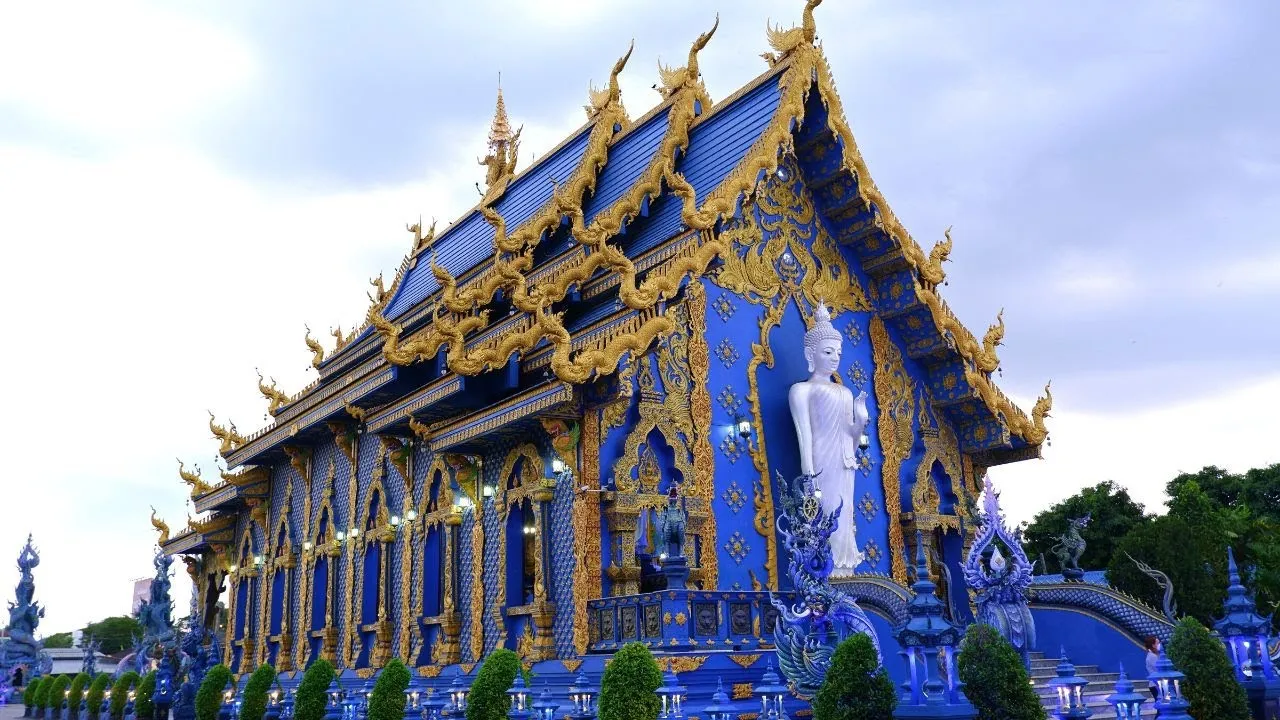
Another must-visit destination is the Blue Temple, or Wat Rong Suea Ten. This relatively new addition to Chiang Rai's spiritual sites is renowned for its vivid blue hues and gold accents. The temple's interior is adorned with intricate murals that depict Buddhist teachings, and its serene atmosphere makes it a perfect spot for quiet reflection. The Blue Temple is a testament to the region's evolving artistic expression, with its contemporary design drawing influence from traditional Thai motifs.
For those interested in history and culture, the Mae Fah Luang Art and Cultural Park offers a peaceful retreat amidst lush gardens. Home to an impressive collection of Lanna artifacts and traditional teakwood structures, the park provides a glimpse into the cultural heritage of Northern Thailand. The park's centerpiece, the Haw Kham or Golden Pavilion, houses an extensive collection of religious art and is a prime example of traditional Lanna architecture.
Nature enthusiasts will find plenty to explore in the surrounding countryside. The Singha Park, located a short distance from the city, offers vast landscapes of tea plantations, flower gardens, and serene lakes. Visitors can enjoy activities such as cycling, zip-lining, and guided tours of the tea plantations, making it an ideal spot for outdoor adventures and relaxation.
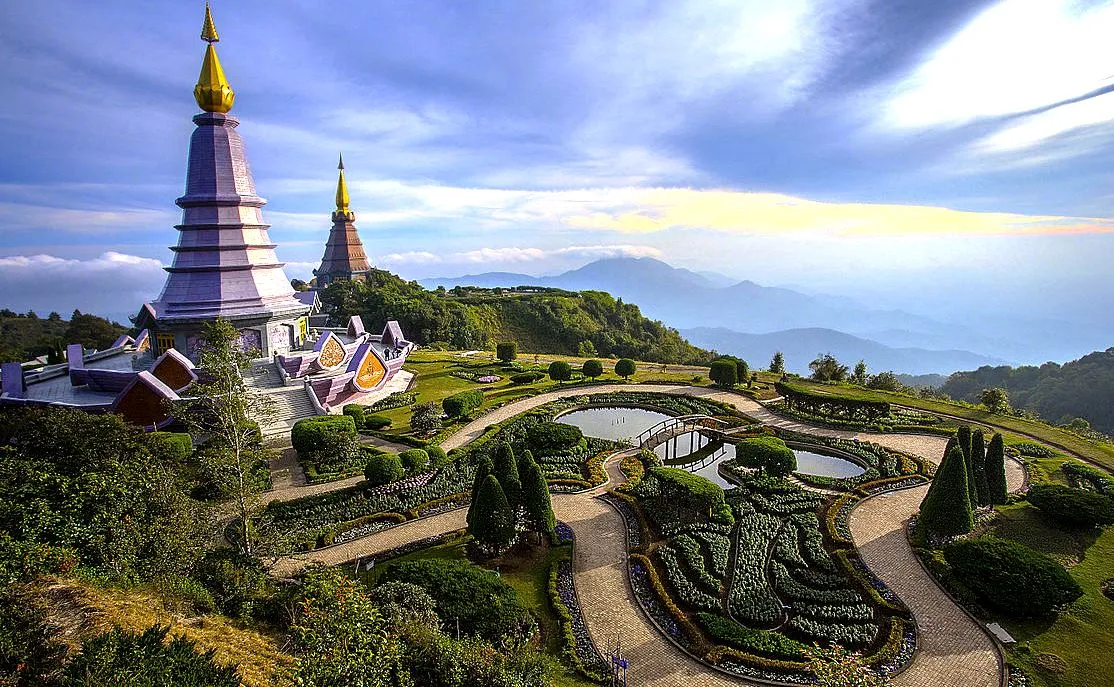
Finally, a visit to the Doi Tung Royal Villa and Mae Fah Luang Garden is highly recommended. Situated in the mountains, this former residence of the Princess Mother is set amidst beautifully landscaped gardens. The villa itself offers insights into the royal family's efforts in environmental conservation and community development, while the surrounding gardens showcase a stunning array of flowers and plants, providing breathtaking views of the mountains.
Exploring these nearby attractions allows travelers to delve deeper into the cultural and natural richness of Chiang Rai, offering a diverse array of experiences that complement the spiritual journey at Wat Rong Khun. Each site contributes to a broader understanding of the region's artistic and historical context, making Chiang Rai a destination that is as enlightening as it is beautiful.
When visiting Wat Rong Khun, or any sacred site in Thailand, understanding and observing cultural etiquette is essential to show respect for the significance of the site and for the people who consider it a place of worship. As a visitor, your actions should reflect an appreciation for cultural traditions and the spiritual atmosphere that pervades the temple grounds.

Firstly, it is important to dress appropriately. Wat Rong Khun is an active temple, and modest attire is required. Visitors should ensure their shoulders and knees are covered. While the temple provides sarongs for those who arrive unprepared, dressing respectfully before you arrive demonstrates forethought and appreciation for local customs.
Upon entering the temple grounds, remove your shoes before stepping into any indoor areas, particularly the main ubosot. This act is a sign of respect and a common practice in many Asian cultures. Additionally, walking quietly and speaking softly helps maintain the serene environment that devotees and tourists alike come to appreciate.
Photography is generally permitted in outdoor areas, but it is crucial to pay attention to signage and staff instructions, especially within the main hall where photography might be restricted. This rule helps preserve the sacred atmosphere and the integrity of the art. Always ask for permission before taking pictures of monks or other worshippers, as this is a matter of personal and cultural sensitivity.
When interacting with monks or temple staff, show respect by maintaining a polite demeanor. It is customary in Thailand to greet people with a 'wai,' a gesture where you place your palms together in a prayer-like position and bow slightly. This greeting is a mark of respect, particularly when addressing monks or elders.
As Wat Rong Khun is a place for reflection and meditation, ensure your phone is on silent and refrain from any behavior that could disrupt others. This includes avoiding loud conversations, laughter, or disruptive actions. Such mindfulness allows everyone to have a contemplative and peaceful experience.
Lastly, be mindful of any offerings or donations you may wish to make. While contributions are not obligatory, they are appreciated as they support the temple's ongoing maintenance and artistic projects. If you choose to donate, do so discreetly and with sincerity.
By following these guidelines, you not only show respect for the cultural and spiritual significance of Wat Rong Khun but also enhance your own experience by engaging with the temple in a meaningful and respectful manner. This approach fosters a deeper appreciation for the rich cultural tapestry of Thailand, allowing you to connect with its heritage on a profound level.
Exploring the culinary landscape of Chiang Rai is a journey into the heart of Northern Thailand’s rich and diverse food culture. While the serene beauty of Wat Rong Khun captivates your senses visually, the local cuisine offers a feast for the taste buds, with flavors that are as vibrant and intricate as the temple’s architecture.
Chiang Rai, nestled in the lush landscapes of the Golden Triangle, boasts a unique culinary heritage influenced by its proximity to Laos and Myanmar. This results in a variety of dishes that are distinct from the more familiar Thai flavors found in Bangkok or the southern regions. Here, the cuisine tends to be less spicy but rich in herbs and spices, offering a refreshing and aromatic dining experience.
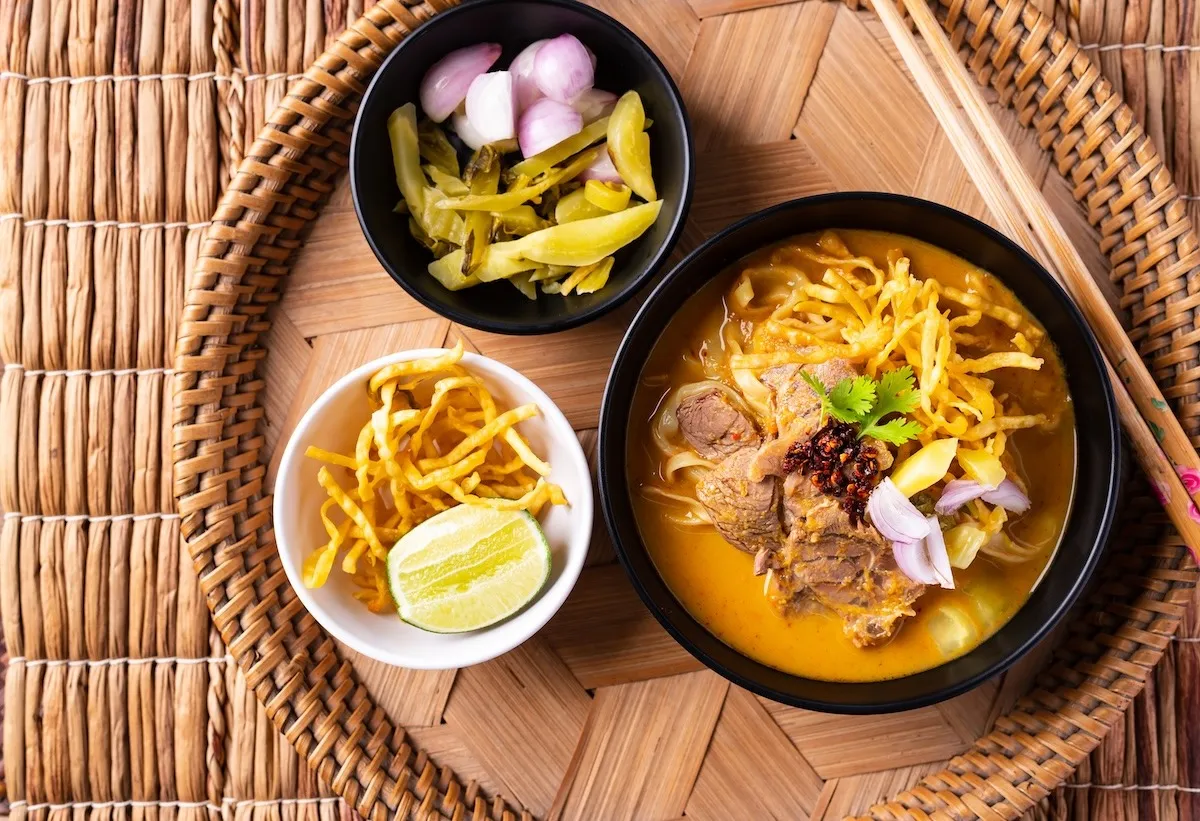
A must-try dish is Khao Soi, a delectable curry noodle soup that is a staple of Northern Thai cuisine. This dish combines soft egg noodles with a creamy coconut curry broth, topped with crunchy fried noodles, pickled mustard greens, shallots, and a squeeze of lime. The combination of textures and flavors makes Khao Soi a beloved favorite among locals and visitors alike.
Another local specialty is Sai Ua, or Northern Thai sausage. This spicy pork sausage is infused with a blend of herbs and spices, such as lemongrass, kaffir lime leaves, and galangal, giving it a distinctive flavor profile. It is often enjoyed grilled, accompanied by sticky rice and a selection of fresh vegetables, making for a hearty and satisfying meal.
For those with a penchant for adventurous flavors, Nam Prik Noom is a must-experience dish. This Northern Thai chili dip is made from roasted green chilies, garlic, shallots, and coriander, pounded together to create a spicy, aromatic paste. It is typically served with a side of steamed vegetables or pork cracklings, offering a fiery kick that perfectly complements the region’s milder dishes.
Chiang Rai's night markets are vibrant hubs where you can savor these culinary delights while immersing yourself in the local culture. The bustling atmosphere, filled with the aroma of sizzling street food, provides an authentic glimpse into the city’s daily life. Here, you can sample a variety of street food, from skewered meats to sweet desserts like Khanom Krok, coconut rice pancakes that are crisp on the outside and soft on the inside.
For a more refined dining experience, many local restaurants offer tasting menus that showcase the best of Northern Thai cuisine, often accompanied by traditional music and dance performances. These meals not only highlight the culinary diversity of the region but also provide insight into the cultural traditions that have shaped Chiang Rai's food scene.
Whether you are dining at a street-side stall or a high-end restaurant, the culinary delights of Chiang Rai promise to enhance your travel experience, leaving you with a deeper appreciation for the flavors and traditions of Northern Thailand. Savoring local Thai cuisine in this region is as much an exploration of cultural heritage as it is a culinary adventure, offering nourishment for both the body and soul.

Explore the stunning White Temple in Chiang Rai, Thailand. A blend of traditional and modern art, perfect for cultural enthusiasts.
Explore Chiang Rai, Thailand—a city of artistic marvels, vibrant markets, and cultural treasures. Begin your journey here!
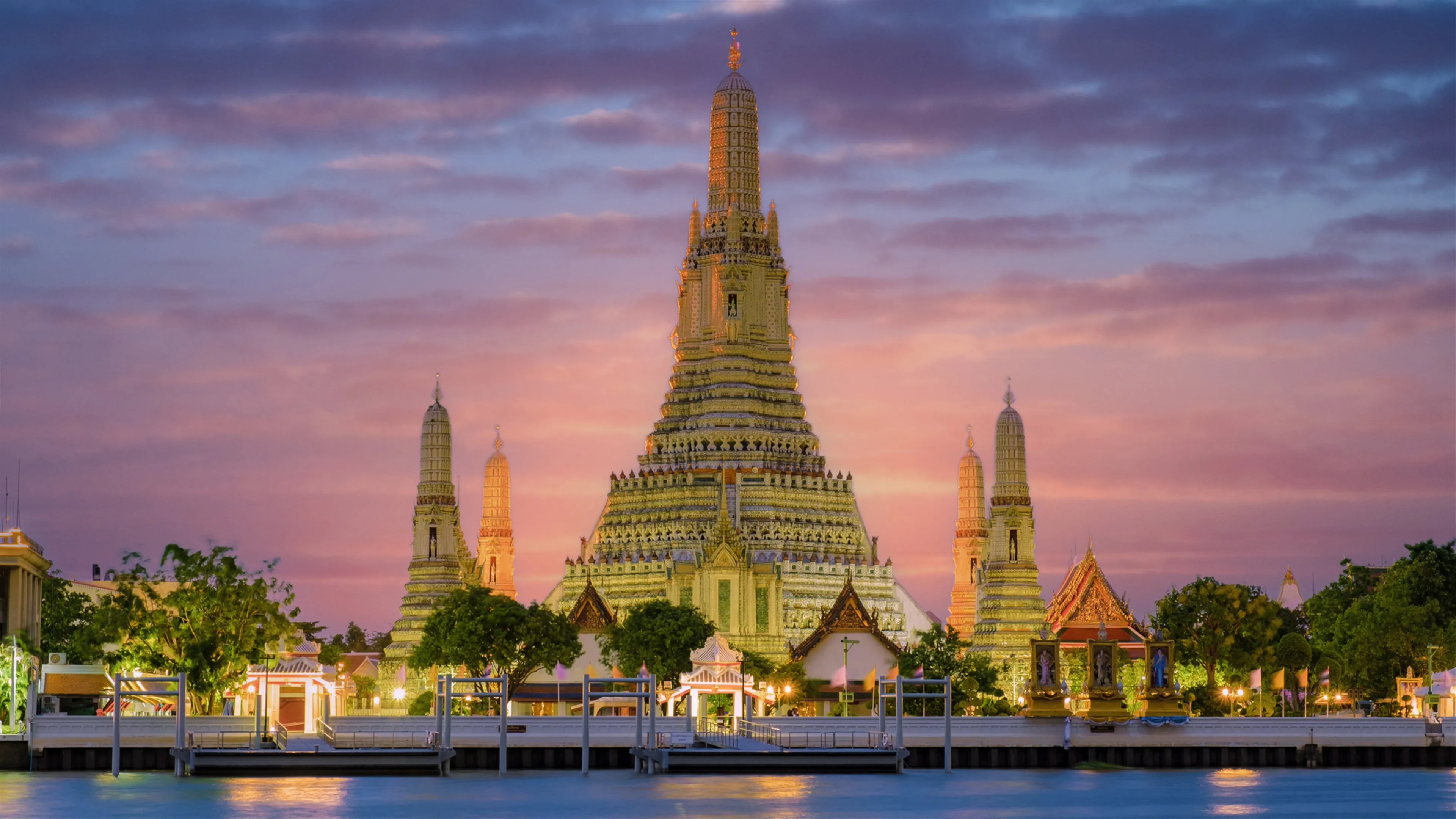
Explore Wat Arun, Bangkok's picturesque Temple of Dawn, and immerse yourself in its serene beauty and cultural significance.