
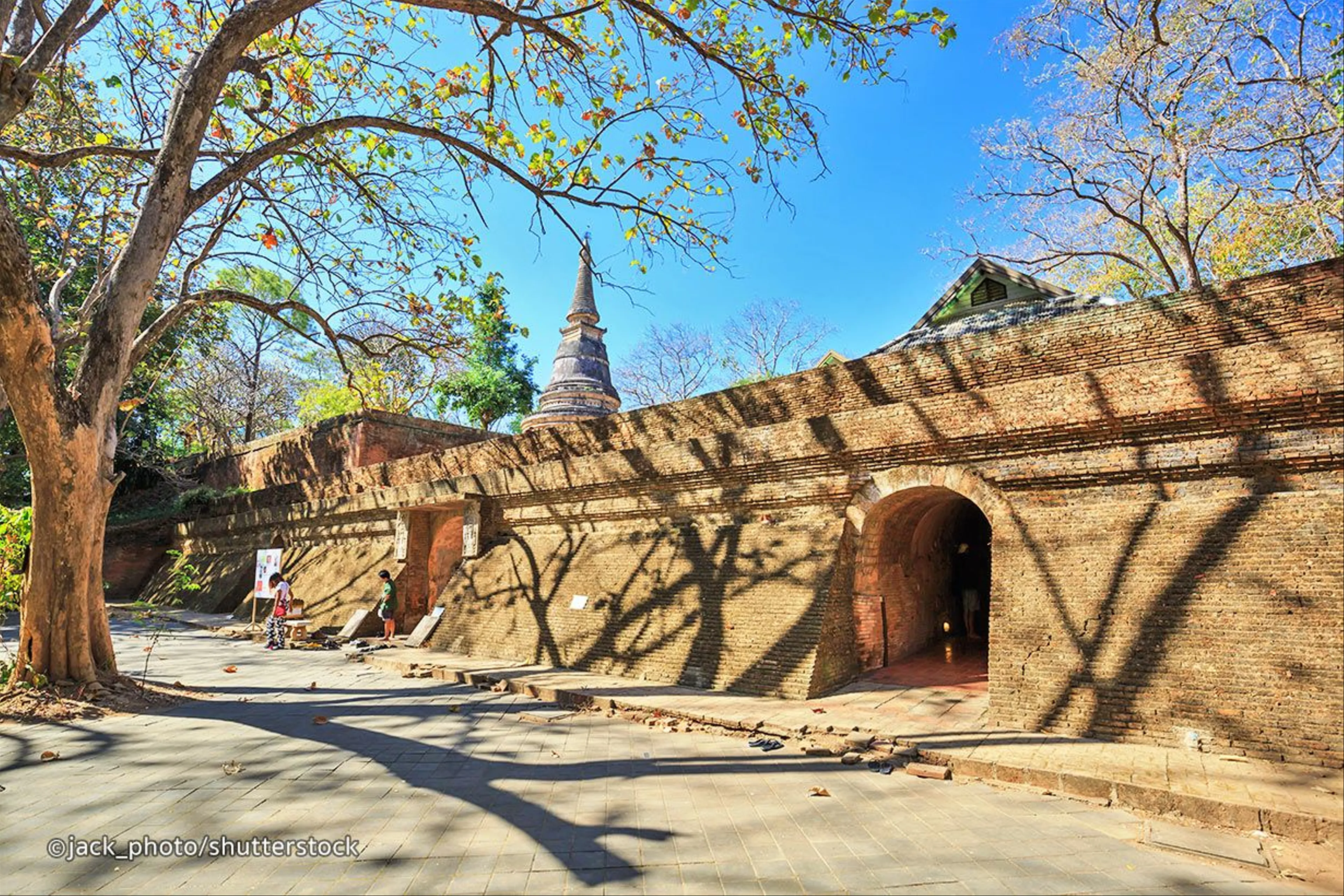
Explore the tranquil beauty and ancient mysteries of Wat Umong, a hidden forest temple in Chiang Mai, Thailand.
Nestled in the lush outskirts of Chiang Mai, Wat Umong, also known as the "Tunnel Temple," is a spiritual sanctuary that offers a unique blend of history, culture, and serene nature. This hidden gem, dating back to the 13th century, is enveloped by a dense forest, providing an atmosphere of tranquility and introspection that is difficult to find in the bustling city center. Wat Umong's origins are deeply tied to the Lanna Kingdom, a powerful and culturally rich empire that flourished in Northern Thailand.

The temple was commissioned by King Mangrai, the founder of Chiang Mai, as a place of meditation and retreat for monks. It was specifically designed to cater to the needs of a revered monk known for his wisdom and unique teaching methods. The temple's most distinctive feature, its labyrinth of tunnels, was created to aid monks in their meditation practices, shielding them from distractions and allowing them to focus deeply on their spiritual pursuits.
Throughout its history, Wat Umong has weathered periods of neglect and restoration, each phase adding layers to its spiritual and architectural narrative. The temple was abandoned for several centuries during which the forest reclaimed much of the land, making it a forgotten relic until the mid-20th century when it was restored to its current glory. Today, Wat Umong stands as a testament to the resilience and enduring nature of spiritual practice amidst the ever-changing tides of history.
Visitors to Wat Umong are not only greeted with the opportunity to explore its ancient tunnels and marvel at its historical significance but also to experience a profound sense of peace and reflection. The temple's serene environment, with its whispering trees and reflective ponds, invites one to pause and connect with the deeper aspects of life, making it a must-visit for anyone seeking a meaningful escape in Chiang Mai.
One of the most captivating aspects of Wat Umong is its unique architectural design, which seamlessly integrates with the natural environment. Unlike the more ornate temples found throughout Thailand, Wat Umong's understated elegance is characterized by its earthen tunnels and simple, yet profound, structures. This simplicity is not just aesthetic but serves a functional purpose, enhancing the meditative atmosphere that pervades the temple grounds.
_20190704151929.jpg)
The most intriguing feature of Wat Umong is undoubtedly its tunnel system, a labyrinthine network that lies beneath the temple. These tunnels were carved into the hillside and are lined with ancient brick and stucco, creating a mystical and somewhat otherworldly environment. The tunnels were specifically designed to provide monks with a quiet and isolated space for meditation, free from the distractions of the outside world. As you wander through these passages, the dim lighting and cool, earthy scent evoke a sense of stepping back into a bygone era.
Each corridor within the tunnel system is adorned with faded murals and Buddhist iconography, offering a glimpse into the spiritual teachings and artistic expressions of the past. These remnants of ancient art are a testament to the temple's long-standing role as a center for spiritual learning and reflection. The tunnels also serve a practical purpose, maintaining a comfortable temperature throughout the year, which further aids in the meditative experience.
Above ground, the temple complex features a large, serene chedi (stupa), which stands as a focal point amidst the lush greenery. This structure, like the tunnels, is constructed with simplicity in mind, allowing nature to be the primary adornment. The chedi's presence is both commanding and peaceful, inviting visitors to reflect on the impermanence of life.
Wat Umong's architecture, with its harmonious balance of natural and man-made elements, encapsulates the essence of Thai Buddhist philosophy. It encourages visitors to look beyond the physical and explore the spiritual, fostering a deeper connection with both the environment and oneself. This distinctive blend of architecture and nature makes Wat Umong a truly unique destination for those seeking spiritual serenity and introspection.
Wat Umong stands as a beacon of spiritual significance, drawing countless visitors who seek a deeper connection with Buddhism and its teachings. This temple, with its tranquil forest setting and ancient roots, serves as a powerful reminder of the harmonious coexistence between nature and spirituality. Unlike other temples that often showcase opulence and grandeur, Wat Umong offers a more introspective experience, allowing visitors to engage with the essence of Buddhist practice and philosophy.
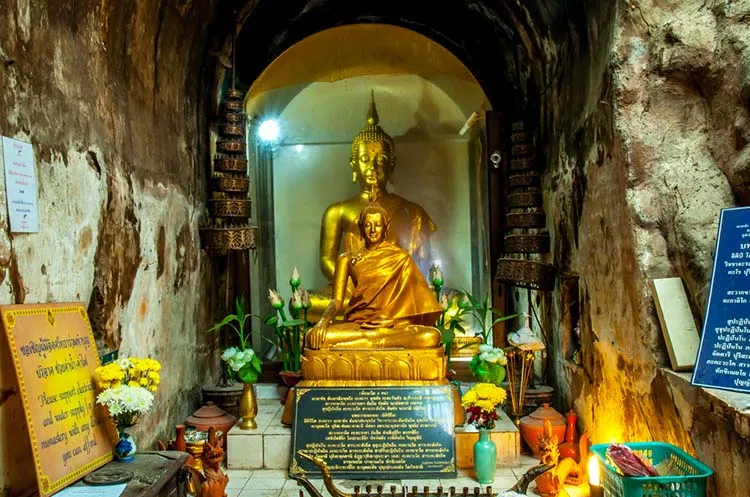
The temple's spiritual allure is deeply intertwined with its natural surroundings. The dense forest that envelops Wat Umong provides a serene backdrop that encourages mindfulness and meditation. The chirping of birds and the rustling of leaves create a symphony of nature, inviting visitors to pause and immerse themselves in the present moment. This natural environment is not merely a setting but a vital component of the temple's spiritual experience, promoting the Buddhist principle of interconnectedness between all living things.
At the heart of Wat Umong's spiritual significance is its role as a center for monastic life and Buddhist study. Monks residing at the temple engage in daily meditation practices, study ancient texts, and participate in rituals that have been passed down through generations. For visitors, this offers a unique opportunity to observe and, in some cases, partake in these practices, gaining insight into the disciplined and contemplative lifestyle that Buddhism advocates.
The temple also hosts regular meditation retreats and Dhamma talks, providing both novices and seasoned practitioners the chance to deepen their understanding of Buddhist teachings. These sessions are often conducted by experienced monks who share insights into the path of mindfulness, compassion, and inner peace. Engaging in these activities can be a transformative experience, offering a new perspective on life and one's place within the world.
Wat Umong's collection of ancient relics and statues further enriches its spiritual ambiance. Scattered throughout the temple grounds are numerous Buddha images, each symbolizing different aspects of the Buddha’s life and teachings. These statues serve as focal points for meditation and reflection, inviting visitors to contemplate the core tenets of Buddhism, such as impermanence, suffering, and the path to enlightenment.
In essence, Wat Umong's spiritual significance lies in its ability to offer a sanctuary for reflection and growth. It provides a space where one can step away from the material world and explore the deeper, often unseen layers of existence. For many, a visit to Wat Umong is not just a journey through history and nature but a pilgrimage to the heart of Buddhist spirituality, a place where serenity and wisdom converge.
As you step beyond the confines of Wat Umong’s architectural marvels, a verdant haven awaits. The lush forest surroundings of this hidden gem in Chiang Mai are not merely a picturesque backdrop but an integral part of the temple's spiritual tapestry. The dense canopy of trees creates a serene, natural cocoon that insulates visitors from the hustle and bustle of the outside world, allowing for a truly immersive experience in nature.

Walking through the forest paths, visitors can feel the gentle embrace of nature, with every rustle of leaves and the occasional call of exotic birds adding to the symphony of tranquility. The forest is home to a variety of flora and fauna, each contributing to the delicate ecosystem that thrives here. This biodiversity not only enhances the visual appeal of the surroundings but also offers a living lesson in the Buddhist principle of interconnectedness, where every element plays a role in the balance of life.
Among the towering trees and whispering bamboo, you may come across small shrines and statues hidden away in the underbrush, each a quiet testament to the spiritual history embedded in the land. These hidden gems encourage exploration and contemplation, inviting visitors to discover their own moments of introspection amidst the beauty of the natural world. The meandering trails lead to secluded spots perfect for meditation or simply pausing to appreciate the peaceful ambiance.
One of the most enchanting features of the forest is the reflective ponds scattered throughout the area. These tranquil water bodies mirror the sky and surrounding greenery, creating a perfect harmony of elements. The ponds are often home to turtles and fish, their gentle movements adding to the soothing atmosphere. Sitting by these ponds offers a moment of calm reflection, a chance to engage with the natural world in a way that is both grounding and uplifting.
For those interested in wildlife, the forest is a haven for birdwatchers and nature lovers alike. The diverse avian population includes both resident and migratory species, offering a dynamic viewing experience throughout the year. Observing these creatures in their natural habitat can be a meditative experience in itself, reminding visitors of the simplicity and beauty of life.
The forest surrounding Wat Umong is more than just a scenic landscape; it is a living, breathing part of the temple's spiritual ecosystem. It offers a space for reflection, a reminder of the beauty and complexity of nature, and a place to reconnect with oneself. Whether you are a seasoned traveler or a spiritual seeker, exploring the lush forest around Wat Umong is an opportunity to experience the profound serenity that this sacred space has to offer.
Wat Umong is not just a historic and architectural marvel but also a vibrant center for cultural and religious practices that offer visitors a glimpse into the living traditions of Thai Buddhism. The temple is a hub for both monastic life and lay practitioners who come to deepen their spiritual understanding and practice.

One of the core activities at Wat Umong is the daily alms-giving ceremony, where monks walk through the surrounding community at dawn to collect food offerings. This practice, known as "Tak Bat," is a cornerstone of Thai Buddhist culture, emphasizing the reciprocal relationship between the monastic community and laypeople. For visitors, participating in or observing this serene ritual offers a profound insight into the simplicity and humility that underpin Buddhist monastic life.
Wat Umong is also renowned for its meditation retreats and courses, which attract both locals and international visitors seeking spiritual growth. These retreats provide an opportunity to engage deeply with meditation techniques under the guidance of experienced monks, who offer teachings on mindfulness, concentration, and insight. Participants are encouraged to embrace silence, self-reflection, and discipline, fostering a transformative experience that extends beyond the duration of their stay.
The temple hosts regular Dhamma talks, where monks deliver teachings on various aspects of the Buddha's teachings. These sessions are open to the public and cover a range of topics, from ethical living to the nature of suffering and the path to enlightenment. The talks are often followed by discussions, allowing attendees to ask questions and explore the teachings in a contemporary context, making ancient wisdom accessible and relevant to modern life.
In addition to these practices, Wat Umong celebrates several Buddhist festivals throughout the year. One of the most significant is Visakha Bucha, commemorating the birth, enlightenment, and passing of the Buddha. During this festival, the temple grounds come alive with candlelit processions, chanting, and communal prayers, creating an atmosphere of unity and devotion. Participating in these celebrations offers a unique opportunity to witness and experience the rich cultural tapestry of Thai Buddhism.
Visitors can also engage in various merit-making activities, such as offering flowers, lighting incense, or making donations for temple upkeep. These acts are believed to generate positive karma, fostering spiritual progress and well-being. The temple provides ample opportunities for individuals to practice generosity and mindfulness, reinforcing the interconnectedness and compassion that are central to Buddhist teachings.
Through its diverse array of cultural and religious practices, Wat Umong serves as a living embodiment of Buddhist principles. It invites visitors not only to observe but also to participate in a rich tradition that nurtures spiritual growth and community connection. Whether through meditation, learning, or festive celebration, the cultural and religious practices at Wat Umong offer a pathway to deeper understanding and inner peace.
When planning a visit to Wat Umong, it's essential to equip yourself with practical information to ensure a seamless and enriching experience. Situated approximately four kilometers west of Chiang Mai's old city, Wat Umong is easily accessible by several modes of transportation, making it a convenient yet tranquil escape from urban life.
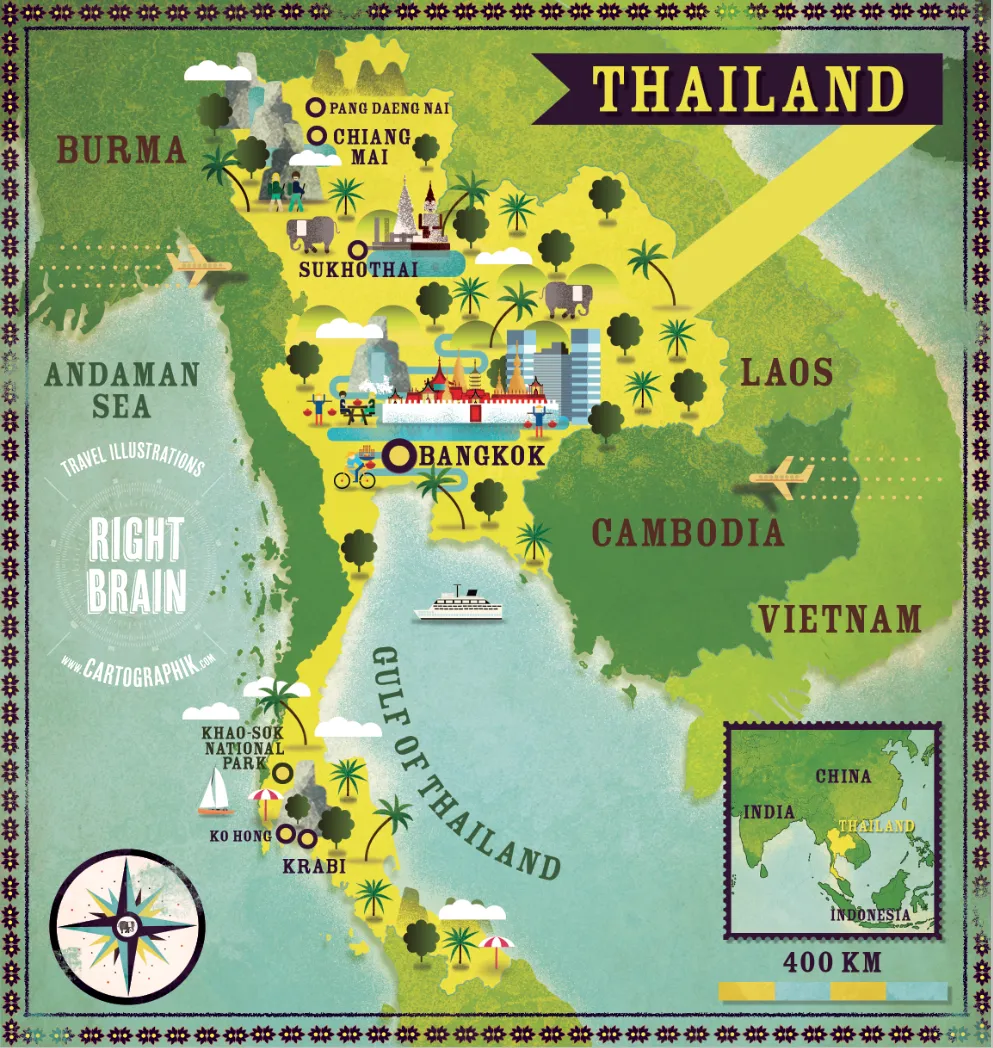
One of the most convenient ways to reach Wat Umong is by hiring a tuk-tuk or a songthaew (shared taxi), both of which are readily available throughout Chiang Mai. The journey offers a scenic glimpse of the city's outskirts and the lush greenery that characterizes the area surrounding the temple. Alternatively, for those seeking a bit more adventure and autonomy, renting a bicycle or motorbike allows for a leisurely ride through the picturesque landscape, although visitors should exercise caution on unfamiliar roads.
Upon arrival, you'll find that the temple is open to visitors daily from early morning until late afternoon, allowing ample time to explore its various facets. There is no formal entrance fee, but donations are appreciated and help with the temple's maintenance and community activities. Dressing modestly is recommended, as it shows respect for the sacred space; shoulders and knees should be covered, and footwear should be removed when entering temple buildings.
Wat Umong's tranquil setting is ideal for those who wish to escape the crowds and engage in personal reflection. While the temple itself is a peaceful retreat, it's best to visit during weekdays or early mornings to avoid the larger weekend crowds. This timing ensures a more intimate experience, allowing you to fully immerse yourself in the serene environment and spiritual ambiance.
For those interested in participating in meditation sessions or Dhamma talks, it's advisable to check the temple's schedule in advance, as these events are subject to change. English-speaking monks may be available, offering guidance and insights into meditation practices and Buddhist teachings. Engaging in these activities can enhance your visit, providing a deeper understanding of the temple's spiritual significance.
Before leaving, take a moment to visit the small on-site museum and library, which house a collection of Buddhist texts and artifacts. These resources offer additional context and insight into the temple's history and the broader scope of Thai Buddhism, enriching your overall experience.
Finally, consider setting aside time to explore the surrounding forest area, where walking trails beckon with promises of serene encounters with nature. Whether you're a seasoned traveler or a first-time visitor to Thailand, Wat Umong offers a unique opportunity to connect with both the spiritual and natural world, leaving you with lasting memories of this hidden gem in Chiang Mai.
Engaging with the monastic community at Wat Umong offers a rare glimpse into the daily life and spiritual practices of Buddhist monks. This interaction provides visitors with a deeper understanding of the principles and routines that guide monastic life, offering insights that go beyond the typical tourist experience. The monks at Wat Umong are often open to sharing their wisdom and experiences, creating a bridge between visitors and the rich tradition of Thai Buddhism.
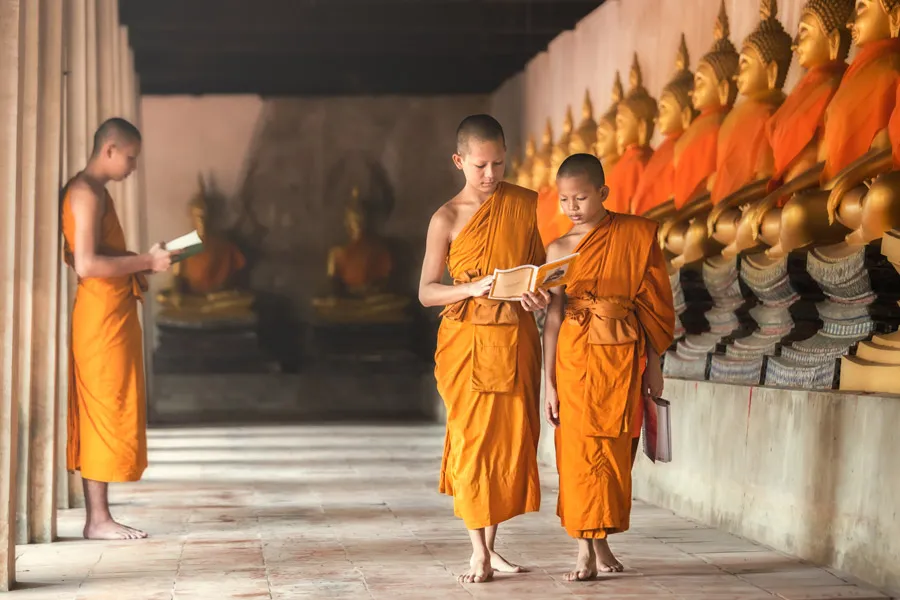
One of the most profound ways to engage with the monastic community is by participating in meditation sessions led by the monks themselves. These sessions are not only an opportunity to learn meditation techniques but also to explore the philosophical underpinnings of Buddhist practice. Monks guide participants through the principles of mindfulness and concentration, offering personalized advice and support to help deepen their practice. This engagement can be transformative, providing a space for introspection and spiritual growth.
Beyond meditation, visitors are encouraged to engage in conversations with the monks. These interactions can occur informally during a stroll around the temple grounds or more formally during organized Dhamma talks. Monks often enjoy discussing various aspects of Buddhist teachings, offering perspectives on how these ancient principles can be applied to modern life. These dialogues are enriching not only for visitors seeking spiritual insight but also for the monks, who appreciate the opportunity to share their knowledge and learn from diverse viewpoints.
Engaging with the monastic community also involves observing and participating in daily rituals and practices. Visitors can witness the monks' disciplined routines, which begin at dawn with alms collection and continue throughout the day with chanting, study, and meditation. These activities reflect the monks' commitment to simplicity and mindfulness, offering a living example of Buddhist ideals. By observing or participating in these practices, visitors gain a deeper appreciation for the dedication required to maintain a monastic lifestyle.
The monks at Wat Umong are also involved in various community outreach programs, focusing on education and social welfare. Visitors interested in contributing to these initiatives can inquire about volunteer opportunities or make donations to support the temple's efforts. Engaging with these programs not only helps the community but also fosters a sense of connection and purpose, aligning with the Buddhist tenet of compassion.
Ultimately, engaging with the monastic community at Wat Umong allows visitors to experience the temple as more than just a historical site; it becomes a living, breathing part of their spiritual journey. This interaction provides a unique opportunity to explore the depths of Buddhist teachings, fostering a sense of peace and understanding that lingers long after leaving the temple grounds. Whether through meditation, conversation, or participation in daily rituals, engaging with the monks enhances the overall experience, offering an authentic connection to the heart of Thai Buddhism.
Exploring Wat Umong offers a profound journey into spiritual serenity, but the surrounding area of Chiang Mai is equally rich with attractions and experiences that beautifully complement a visit to this hidden forest temple. These nearby destinations provide travelers with a well-rounded view of the cultural and natural wonders that Northern Thailand has to offer.

Just a short drive from Wat Umong, you’ll find the Doi Suthep-Pui National Park, a must-visit for nature enthusiasts and those seeking breathtaking views. The park is home to the famous Wat Phra That Doi Suthep, a sacred temple situated atop a mountain, offering panoramic vistas of Chiang Mai. The temple itself is an architectural marvel, adorned with intricate carvings and a golden stupa that gleams in the sunlight. The journey up the mountain is equally rewarding, with lush landscapes and the chance to spot diverse wildlife along the way.
For those interested in history and culture, the Chiang Mai City Arts & Cultural Center is an excellent stop. Located in the heart of the old city, this museum provides an engaging overview of the region's history, art, and traditions. Through interactive exhibits and multimedia presentations, visitors can gain insight into the Lanna Kingdom's legacy and the cultural evolution of Chiang Mai.
Animal lovers should consider visiting the Elephant Nature Park, a sanctuary dedicated to the rescue and rehabilitation of elephants. This ethical sanctuary offers a unique opportunity to learn about elephant conservation efforts while interacting with these gentle giants in their natural habitat. It's a heartwarming experience that aligns with the principles of compassion and respect for all living beings.
If you're looking to delve deeper into Thai culinary arts, a cooking class at one of Chiang Mai's renowned cooking schools can be a delightful addition to your itinerary. These classes typically include a visit to a local market to select fresh ingredients, followed by hands-on instruction in preparing traditional Thai dishes. It's a fun and flavorful experience that allows you to take a piece of Thailand's vibrant cuisine back home with you.
Finally, for a more relaxed experience, consider strolling through the Chiang Mai Night Bazaar, a bustling market that comes alive at dusk. Here, you'll find an array of handicrafts, textiles, and artwork, offering a glimpse into the region's artisanal heritage. The market is also a great place to sample a variety of street food, from spicy sausages to sweet mango sticky rice.
Combining a visit to Wat Umong with these nearby attractions provides a comprehensive exploration of Chiang Mai's spiritual, cultural, and natural landscapes. Each experience adds a unique layer to your journey, enriching your understanding and appreciation of this enchanting region.
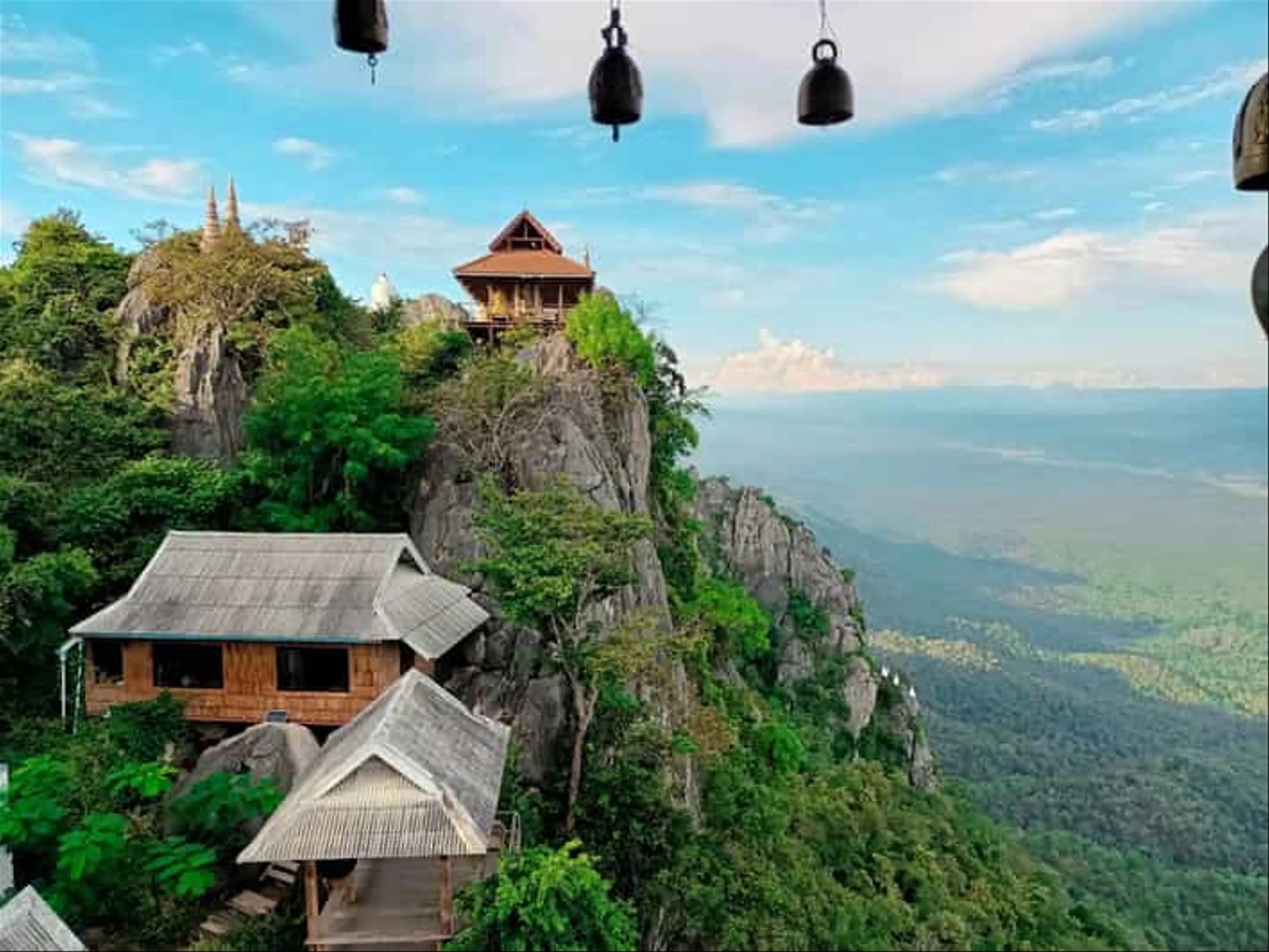
Explore the lesser-known temples of Chiang Mai and discover the secrets of Thailand's ancient Lanna culture.

Unlock the secrets of Chiang Mai's hidden temples with our guide to the city's spiritual gems. Explore Thailand's rich cultural heritage.
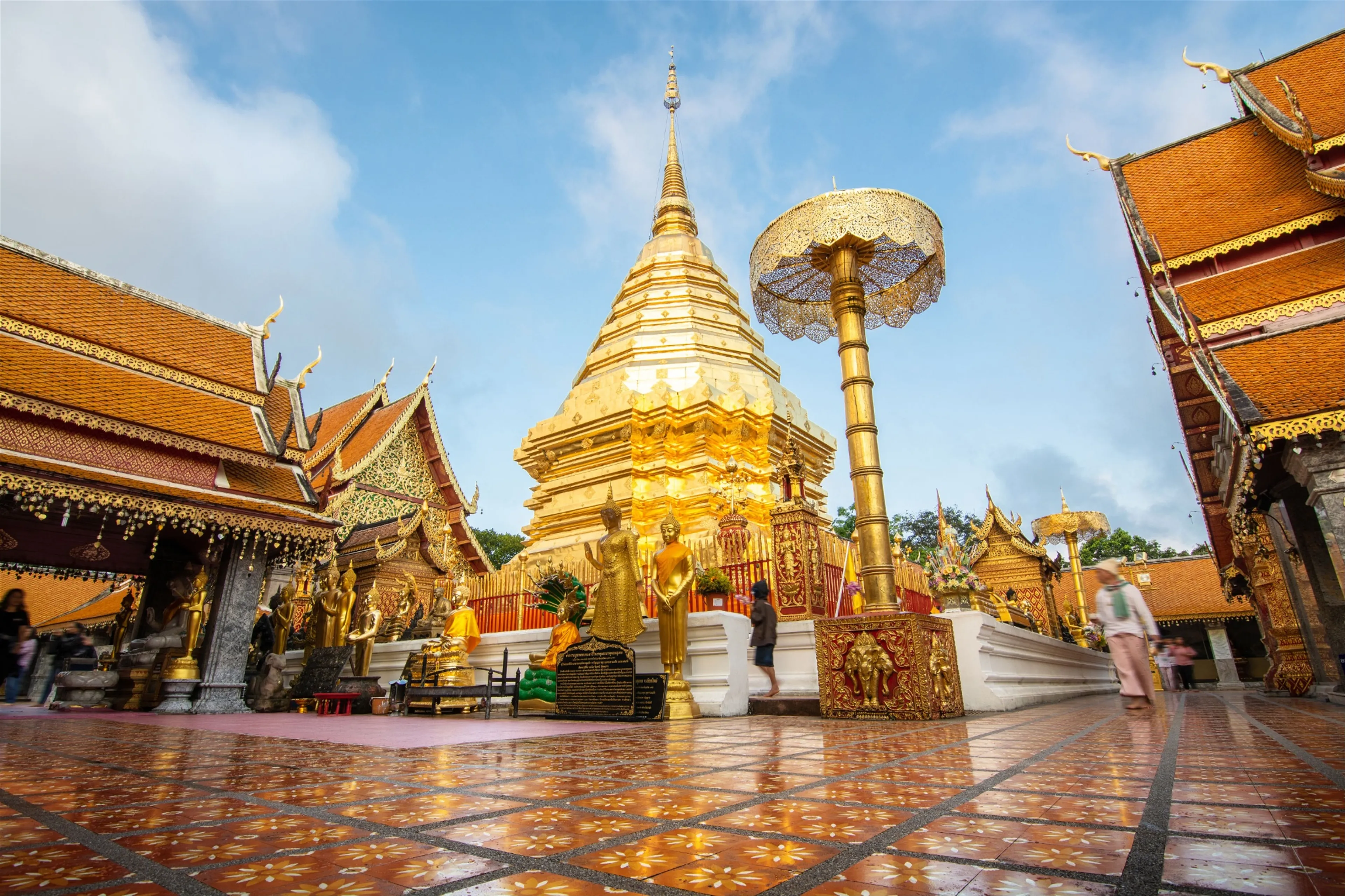
Explore Wat Phra That Doi Suthep in Chiang Mai, Thailand, a spiritual haven offering breathtaking views and rich cultural history.