

Unlock the secrets of Chiang Mai's hidden temples with our guide to the city's spiritual gems. Explore Thailand's rich cultural heritage.
Nestled in the mountainous terrain of northern Thailand, Chiang Mai stands as a testament to the country's rich spiritual heritage. Known as the "Rose of the North," this vibrant city is a fusion of ancient traditions and modern allure, offering travelers a unique opportunity to delve into its profound spiritual roots. Founded over 700 years ago, Chiang Mai was once the capital of the Lanna Kingdom, a realm that played a pivotal role in the cultural and religious development of the region. Today, its legacy endures in the form of stunning temples, each with its own story to tell.
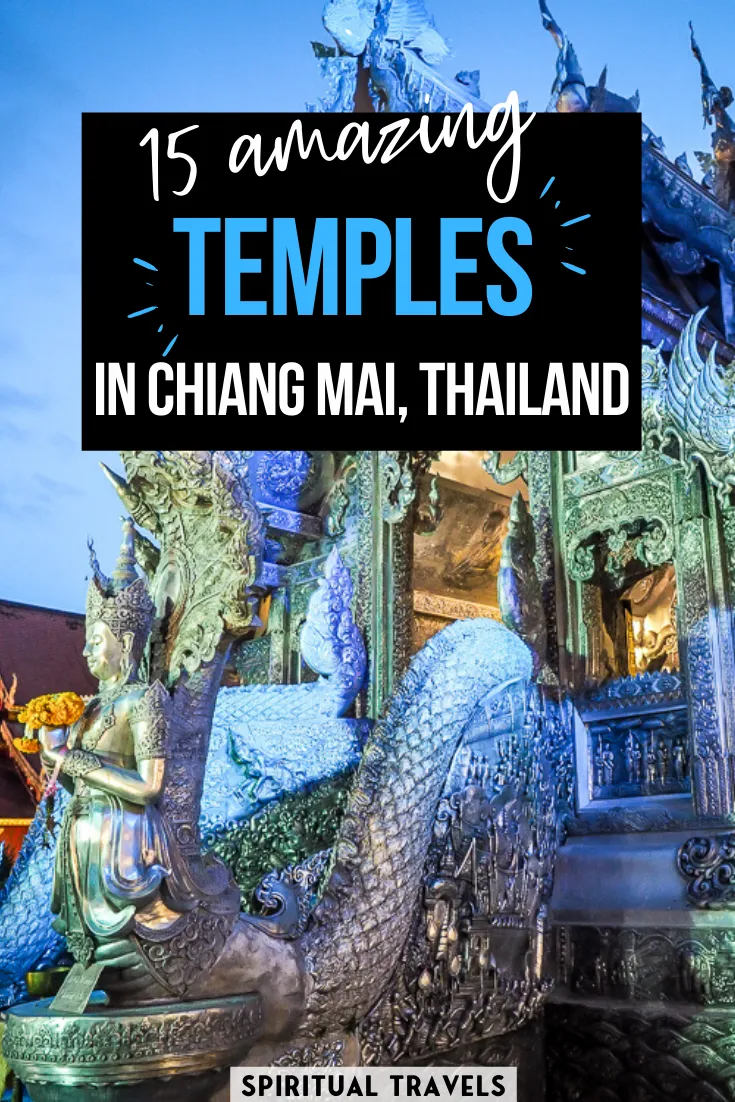
Chiang Mai's spiritual heritage is deeply intertwined with Buddhism, which is the dominant religion in Thailand. The city is home to over 300 temples, or "wats," as they are known locally, each serving as a sanctuary of peace and a beacon of historical significance. These temples not only reflect the architectural brilliance of ancient Thai artisans but also offer insights into the spiritual practices that have shaped the lives of the local people for centuries. From the intricate carvings to the serene Buddha statues, each element of these sacred spaces is imbued with spiritual symbolism and cultural richness.
The spiritual journey through Chiang Mai is not just about visiting temples; it is about understanding the way of life that revolves around these sacred places. Monks in saffron robes are a common sight, embodying the city's living spirituality. Many temples offer meditation classes and spiritual retreats, inviting visitors to experience the tranquility and mindfulness that are central to Buddhist teachings. This aspect of Chiang Mai's spiritual heritage provides a unique opportunity for travelers to engage deeply with the local culture in a meaningful way.
As you embark on a journey to discover the hidden temples of Chiang Mai, you'll find that each visit is more than just an exploration of architectural beauty. It is an invitation to connect with the city's soul and uncover the profound wisdom embedded in its spiritual legacy. Whether you are seeking enlightenment, peace, or simply a deeper understanding of Thai culture, Chiang Mai's temples offer a transformative experience that is both enlightening and enriching.
Chiang Mai's temples are more than mere places of worship; they are living chronicles of the region's storied past and cultural evolution. Each temple, or wat, serves as a historical landmark, capturing centuries of dynastic changes, artistic developments, and religious transformations. As you explore these sacred sites, you embark on a journey through time, witnessing the legacy of the Lanna Kingdom and its enduring impact on Thailand's spiritual landscape.

The architectural styles of Chiang Mai's temples reflect a confluence of influences, from the grandeur of Lanna craftsmanship to the refined elegance of Burmese and Sri Lankan designs. This architectural diversity is a testament to the region's historical role as a cultural crossroads where traders, pilgrims, and artisans from across Asia converged, leaving behind an indelible mark on the city's spiritual fabric. Stunning stupas, intricately carved facades, and soaring chedis all narrate tales of devotion, patronage, and artistic achievement.
Historically, temples in Chiang Mai served as centers of education and community life. They were places where knowledge, art, and spirituality intertwined, fostering a spirit of learning and communal harmony. Monasteries attached to these temples were the primary educational institutions for young boys, teaching them not only religious doctrines but also subjects such as astrology, traditional medicine, and the arts. This educational legacy continues today, with many temples still hosting schools and engaging in community support.
Temples such as Wat Phra Singh, Wat Chedi Luang, and Wat Chiang Man hold particular historical significance. Wat Phra Singh, for instance, is famed for housing the revered Phra Singh Buddha image, believed to have been brought from Sri Lanka in the 14th century. Wat Chedi Luang, once home to the Emerald Buddha, is a monumental structure that speaks of the city's former glory and resilience, having been partially restored after an earthquake in the 16th century. Wat Chiang Man, the oldest temple in the city, offers a glimpse into the early days of the Lanna Kingdom with its ancient relics and inscriptions.
The historical significance of Chiang Mai's temples is further enriched by the stories of the people who have maintained and revered these sacred sites over the centuries. From kings and queens to monks and laypeople, countless individuals have contributed to the preservation and embellishment of these temples, ensuring that their spiritual and cultural narratives continue to inspire future generations. As you wander through the temple grounds, you are not only stepping into a space of historical reverence but also becoming part of an ongoing narrative that connects the past with the present.
Nestled quietly within the lush greenery of Chiang Mai's Suthep Mountain lies Wat Umong, a hidden gem known as the Forest Temple. This serene sanctuary offers a unique spiritual experience, distinct from the city's more prominent temples. Established in the 14th century by King Mangrai, Wat Umong is renowned for its tranquil setting, surrounded by dense forest and a network of ancient tunnels that provide a sense of mystery and seclusion.

Wat Umong's most distinctive feature is its labyrinth of tunnels, which were originally constructed to allow monks to meditate in peace, away from the distractions of the outside world. These tunnels, adorned with faded murals depicting Buddhist teachings, create an otherworldly atmosphere, inviting visitors to delve deeper into their own contemplative journeys. The temple's design reflects a harmonious blend of nature and architecture, emphasizing the Buddhist principle of simplicity and detachment from materialism.
Beyond its architectural allure, Wat Umong is a haven for those seeking spiritual reflection and mindfulness. The temple grounds are home to a large pond teeming with fish and turtles, where visitors can engage in the local tradition of freeing captured animals as an act of merit-making. This practice, coupled with the serene environment, encourages a deeper connection with nature and an appreciation for the interconnectedness of all life forms.
Wat Umong is also an active center for Buddhist learning and meditation. It offers various programs for both novices and experienced practitioners, ranging from meditation retreats to Dhamma talks. These sessions, often led by resident monks, provide invaluable insights into Buddhist philosophy and the practice of mindfulness, making Wat Umong an ideal destination for those looking to enrich their spiritual understanding.
The temple's peaceful surroundings and its emphasis on introspection make it a favorite among locals and travelers alike who wish to escape the hustle and bustle of city life. As you wander through the shaded paths and listen to the gentle rustling of leaves, you may find yourself enveloped in a profound sense of calm, the kind that only a place steeped in centuries of spiritual devotion can offer.
Visiting Wat Umong is not just about exploring its historical and architectural marvels; it's about immersing oneself in an environment that encourages personal growth and spiritual renewal. This forest temple stands as a testament to the enduring power of nature and spirituality to heal and inspire, making it a must-visit for anyone on a spiritual journey through Chiang Mai.
Perched majestically atop Doi Suthep mountain, Wat Phra That Doi Suthep is one of Chiang Mai's most iconic and revered temples. This stunning temple not only serves as a spiritual beacon for Buddhists but also offers visitors breathtaking panoramic views of the sprawling city below. The journey to Wat Phra That Doi Suthep is an adventure in itself, with the temple accessible via a winding road that ascends the lush mountainside, culminating in a steep staircase of 306 steps flanked by intricately carved Naga serpents. For those who prefer a less strenuous route, a funicular is available to whisk visitors to the top.
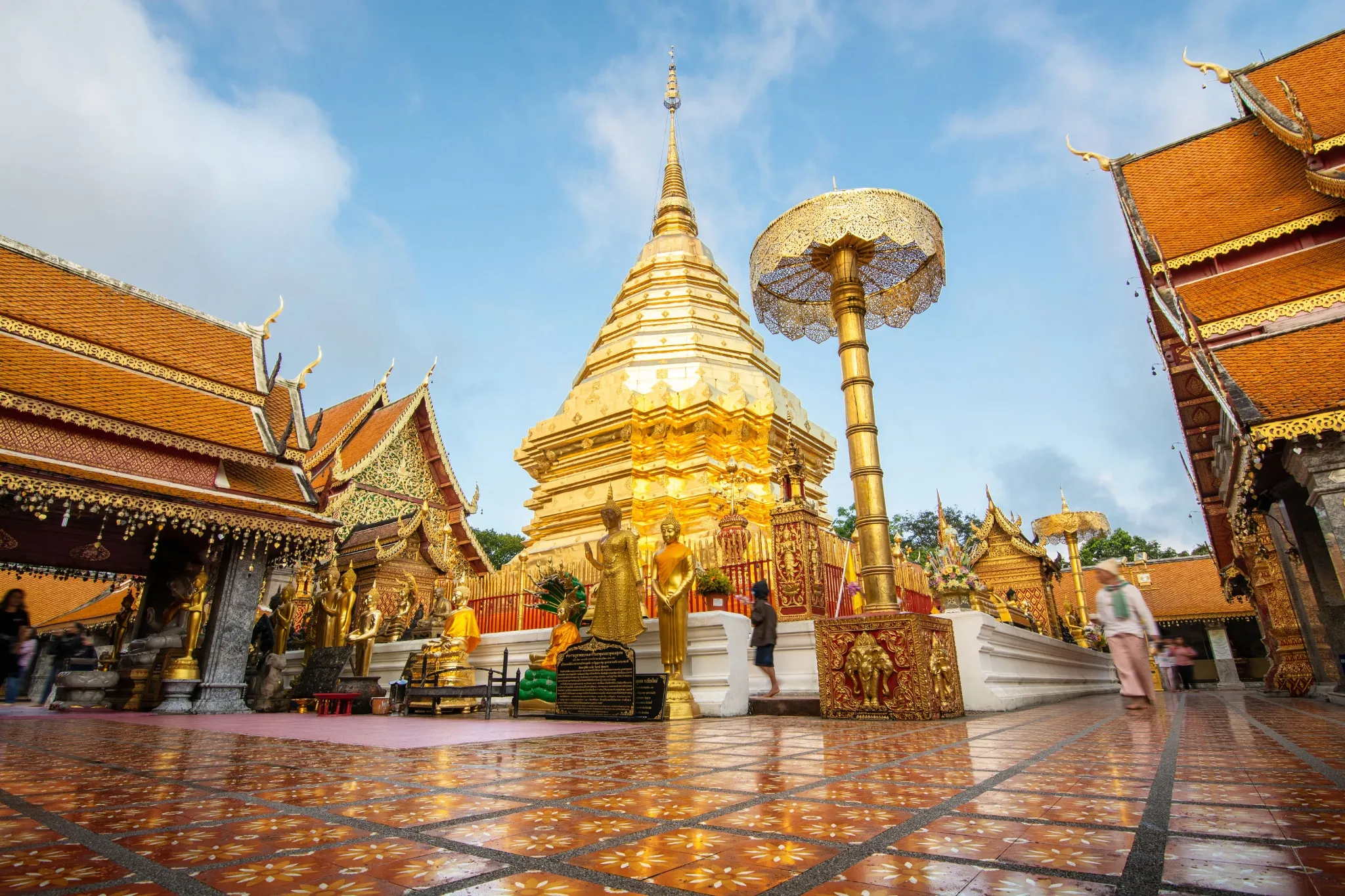
Founded in 1383, Wat Phra That Doi Suthep holds immense religious significance, believed to house a relic of the Buddha. According to legend, a fragment of the Buddha's shoulder bone was enshrined within the temple's central chedi, a gleaming gold stupa that serves as the focal point of the temple complex. This sacred relic is the reason behind the temple's establishment, and it continues to draw pilgrims and tourists alike who come to pay their respects and partake in the temple's spiritual ambiance.
The architecture of Wat Phra That Doi Suthep is a splendid example of Lanna style, characterized by its intricate wood carvings, lavish gold leaf accents, and elaborate murals depicting Buddhist stories and teachings. The temple grounds are adorned with statues and shrines, each contributing to the sanctity and beauty of the site. The central stupa, in particular, is a masterpiece of craftsmanship, covered in gold leaf that glistens under the sun, creating a radiant focal point that can be seen from miles away.
Beyond its architectural and spiritual allure, Wat Phra That Doi Suthep offers visitors an opportunity to engage with local customs and traditions. Rituals such as circling the chedi three times while making a wish, lighting incense, and offering lotus flowers allow visitors to connect with the local culture in a meaningful way. The temple also hosts various religious festivals and ceremonies throughout the year, including the Visakha Bucha Day, which attracts throngs of devotees who partake in candlelit processions and other spiritual activities.
Visiting Wat Phra That Doi Suthep is a multi-sensory experience that combines spiritual reflection with natural beauty. The temple's elevated position provides an ideal vantage point to witness the sweeping vistas of Chiang Mai and its surrounding landscape, offering a moment of serenity and awe that complements the temple's spiritual significance. Whether you're seeking enlightenment, cultural immersion, or simply a moment of peace amidst the clouds, Wat Phra That Doi Suthep invites you to discover the profound connection between the sacred and the natural world.
Wat Suan Dok, or the "Flower Garden Temple," is a captivating site in Chiang Mai that embodies a harmonious blend of cultures, reflecting both its historical roots and contemporary significance. Situated west of the Old City, this temple offers a unique contrast to the city's bustling urban landscape, inviting visitors to explore a serene space where cultural confluence and spiritual reverence coexist beautifully.
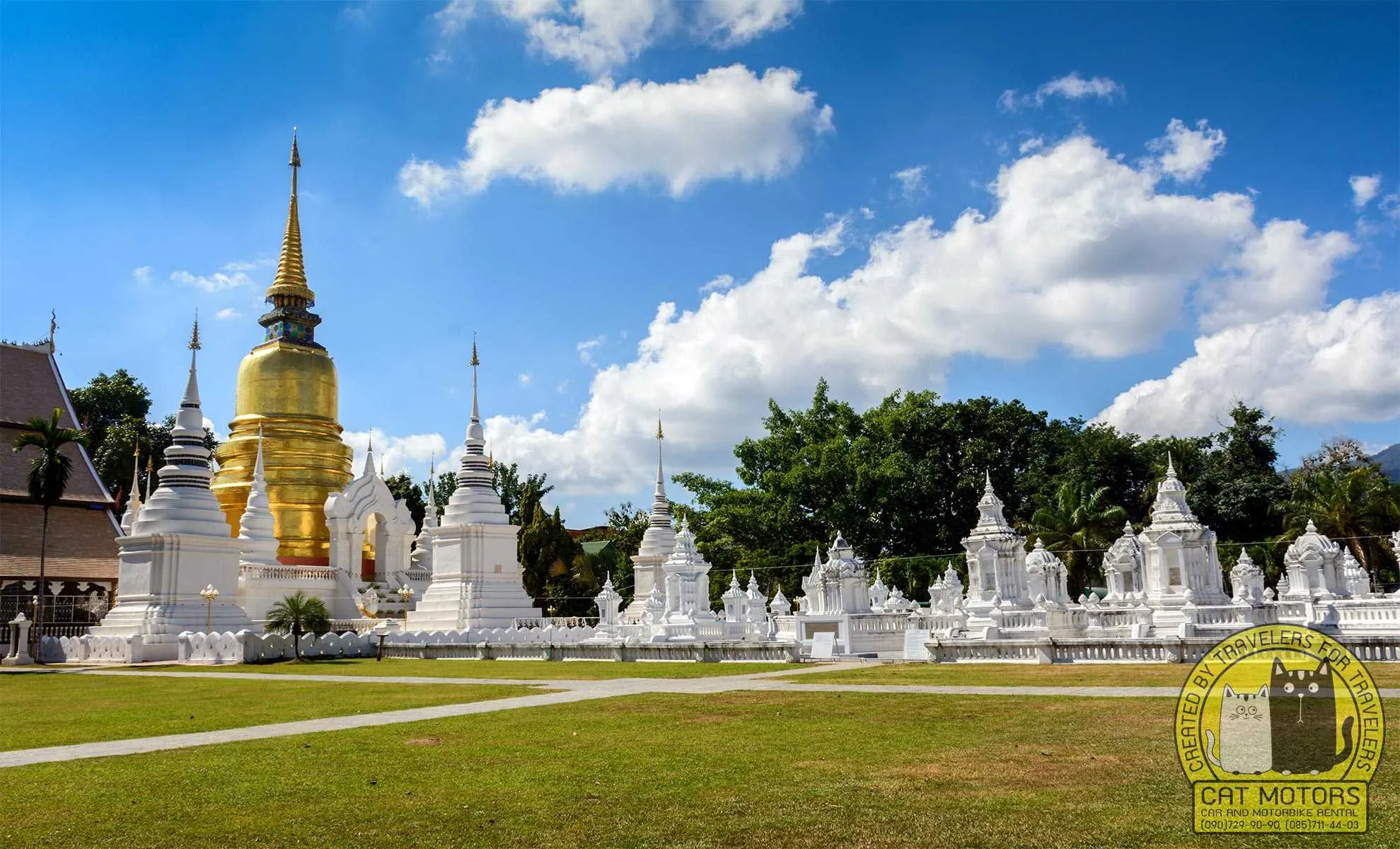
Originally established in the 14th century at the behest of King Kue Na, Wat Suan Dok was built on what was once a royal flower garden, hence its name. The temple was designed to house a sacred relic of the Buddha, which was divided into two parts—one of which is enshrined here, while the other found its home at Wat Phra That Doi Suthep. This shared relic history underscores the interconnected spiritual tapestry of Chiang Mai's temples.
Wat Suan Dok is renowned for its distinctive architectural features that blend Lanna and Sri Lankan styles, a testament to the region's historical connections with other Buddhist cultures. The temple's most striking aspect is its grand central stupa, a towering structure that gleams with gold and white, surrounded by an array of smaller stupas. These smaller stupas serve as memorials for Chiang Mai's royal family members, adding an element of historical intrigue and reverence to the temple grounds.
Beyond its architectural allure, Wat Suan Dok serves as a vibrant center for Buddhist learning and cultural exchange. The temple is home to Mahachulalongkornrajavidyalaya University, one of Thailand's leading institutions for Buddhist studies. This gives the temple a lively atmosphere, where monks and novices from across Asia come to study and practice, fostering an environment of cross-cultural interaction and understanding.
One of the most enriching experiences at Wat Suan Dok is participating in the popular "Monk Chat" programs. These sessions offer visitors a unique opportunity to engage in open dialogue with monks, learning about their daily lives, beliefs, and practices. This cultural exchange not only demystifies the monastic lifestyle but also bridges cultural gaps, allowing travelers to gain a deeper appreciation of Buddhism and Thai culture.
The temple grounds, with their expansive spaces and lush greenery, provide a tranquil retreat for meditation and reflection. Visitors can often be found wandering through the serene gardens or sitting quietly beneath the shade of ancient trees, soaking in the peaceful ambiance that pervades the area.
Wat Suan Dok stands as a testament to the rich tapestry of cultural and religious influences that have shaped Chiang Mai over the centuries. It invites travelers to not only marvel at its architectural beauty but also to engage meaningfully with the local culture and spirituality. Whether you are a history enthusiast, a spiritual seeker, or a cultural explorer, Wat Suan Dok offers a unique and enriching experience that embodies the spirit of cultural harmony and spiritual depth.
Wat Chedi Luang, known as the "Temple of the Great Stupa," is one of Chiang Mai's most significant and awe-inspiring historical sites, offering visitors a profound glimpse into the city's storied past. Situated in the heart of the Old City, this remarkable temple complex is a testament to the grandeur of the Lanna Kingdom, showcasing a blend of religious devotion and architectural prowess that has captured the imaginations of travelers and pilgrims for centuries.
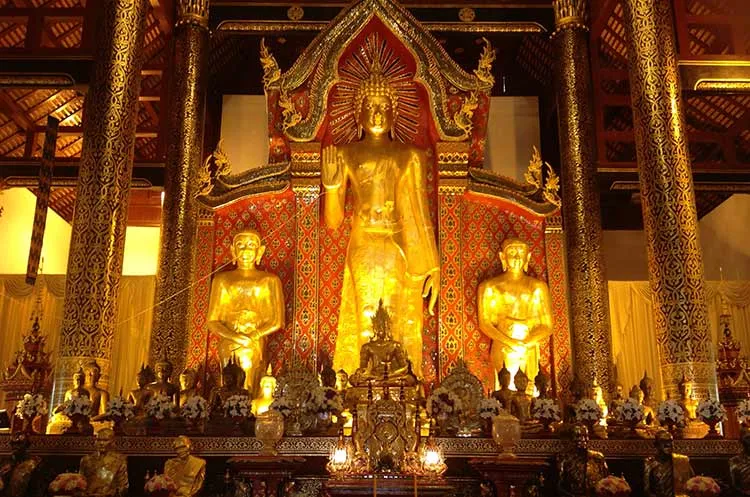
Constructed in the 14th century under the reign of King Saen Muang Ma, Wat Chedi Luang was initially intended to house the ashes of the king's father. Over the years, the temple complex expanded, and by the mid-15th century, it had become the proud home of the Emerald Buddha, Thailand's most revered religious icon. Although the Emerald Buddha was relocated to Bangkok following an earthquake that partially destroyed the chedi in the 16th century, the temple remains a revered site, with its towering stupa standing as a symbol of resilience and spiritual significance.
The chedi itself, once the tallest structure in ancient Chiang Mai, is a striking example of Lanna architecture. Its imposing silhouette, now partially restored, still dominates the temple grounds, drawing visitors with its majestic presence and intricate detailing. The base of the chedi is adorned with stone elephant statues, a motif symbolizing strength and stability in Buddhist iconography, while the upper tiers, though weathered by time, retain a sense of their original splendor.
Beyond its architectural allure, Wat Chedi Luang plays an active role in the spiritual and communal life of Chiang Mai. The temple is a center for religious ceremonies and festivals, including the annual Inthakhin Festival, a centuries-old event that seeks blessings for the city and its inhabitants. During this festival, the temple becomes a lively hub of activity, with locals and visitors participating in rituals, processions, and offerings that celebrate Chiang Mai's spiritual heritage.
For those seeking a deeper connection with Buddhism, Wat Chedi Luang offers various opportunities for engagement. Visitors can participate in meditation sessions or attend blessings by resident monks, gaining insights into the teachings and practices that underpin the Buddhist way of life. Furthermore, the temple's "Monk Chat" program allows guests to engage in open dialogues with monks, fostering cultural exchange and a greater understanding of monastic traditions.
Wat Chedi Luang's serene atmosphere and historical significance make it a must-visit destination for anyone exploring Chiang Mai's spiritual landscape. As you wander through its expansive grounds, you'll find yourself immersed in a space where the echoes of the past resonate with the living spirituality of the present, offering a unique and enriching experience that transcends time and place. Whether you're drawn by its architectural beauty, historical intrigue, or spiritual depth, Wat Chedi Luang invites you to discover the enduring legacy of a temple that has witnessed the ebb and flow of Chiang Mai's rich cultural tapestry.
When visiting the temples of Thailand, including those in Chiang Mai, it is important to approach these sacred spaces with respect and understanding of local customs. Observing cultural etiquette not only shows reverence for the spiritual significance of these sites but also enhances your experience as a traveler, allowing for a deeper connection with Thai culture.

The first and foremost aspect of temple etiquette is dressing appropriately. Visitors should wear modest clothing that covers their shoulders and knees, as a sign of respect. For women, it is advisable to avoid sleeveless tops, short skirts, or revealing attire. Men should also refrain from wearing shorts or sleeveless shirts. Many temples offer sarongs or shawls at the entrance for those who need to cover up, but it is always best to come prepared.
Before entering the temple buildings, it is customary to remove your shoes. This practice is a sign of respect and cleanliness, reflecting the sacred nature of the space. Most temples have designated areas for shoe storage near the entrance, and it is important to ensure that your feet are clean before entering.
Once inside, maintaining a quiet and respectful demeanor is essential. Temples are places of worship and meditation, so keeping noise levels down is crucial to preserving the peaceful atmosphere. If you are traveling with children, ensure they are well-behaved and understand the importance of being respectful within the temple grounds.
When visiting a temple, it is crucial to be mindful of your body language. Avoid pointing your feet towards Buddha images or monks, as feet are considered the lowest and least clean part of the body in Thai culture. If sitting, tuck your feet behind you and avoid pointing them directly at any sacred objects or people. Additionally, it is customary to keep your head lower than that of a monk when interacting with them, as the head is considered the highest and most sacred part of the body.
Photography is typically allowed in temple complexes, but it is important to be respectful and discreet. Always ask for permission before taking photos of people, particularly monks, and avoid disturbing any religious ceremonies or meditation sessions. Additionally, some areas, especially those housing sacred relics or images of the Buddha, may have restrictions on photography, so be sure to adhere to any posted signs or instructions from temple staff.
When making offerings or participating in temple rituals, such as lighting incense or placing lotus flowers, do so with sincerity and respect. These acts are a way to engage with the spiritual practices of the temple and should be approached with mindfulness and reverence. If you are unsure of the proper procedure, observing locals or asking temple staff for guidance can be helpful.
Lastly, supporting temple activities and maintenance through donations is a common practice that helps sustain these spiritual sites. While not obligatory, leaving a small donation is a gesture of appreciation for the opportunity to share in the temple's spiritual and cultural heritage.
By observing these cultural etiquettes, you not only show respect for the local traditions but also enhance your own experience, allowing you to fully appreciate the spiritual depth and cultural richness of Thailand's temples.
Embarking on a temple tour in Chiang Mai is a journey into the heart of Thailand's spiritual and cultural tapestry. To make the most of your exploration, it's essential to plan ahead and consider a few practical tips and recommendations that will enhance your experience and ensure a memorable visit.
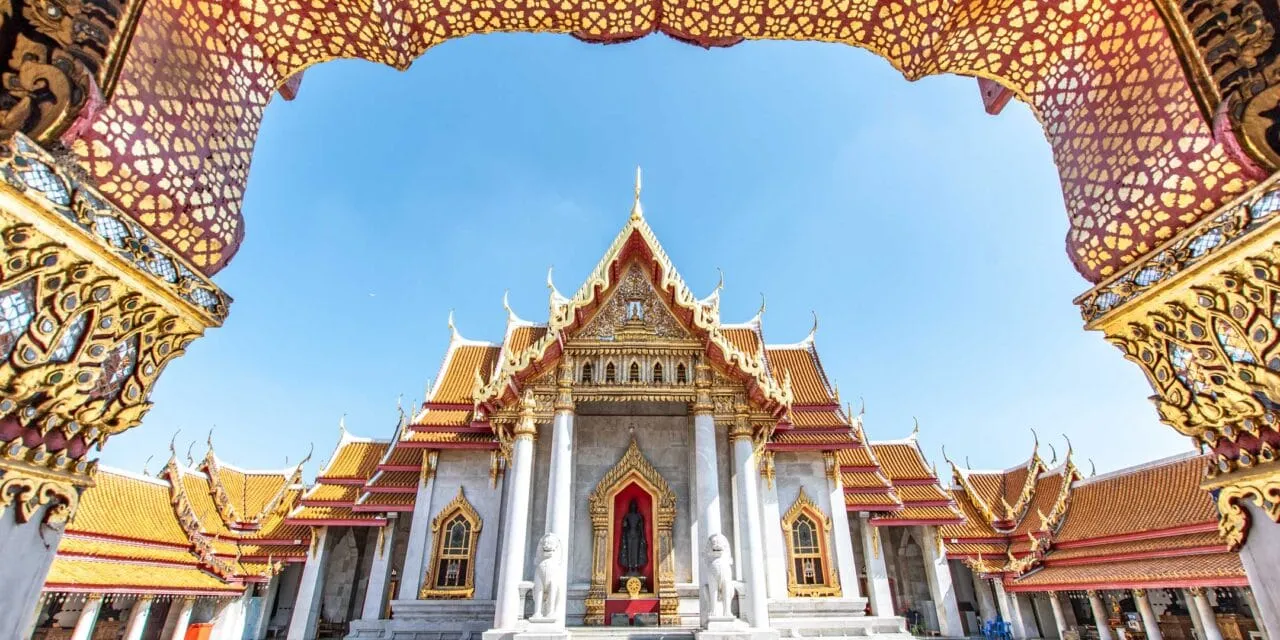
Firstly, identify the temples you wish to visit and map out your route. With over 300 temples scattered across the city and its surroundings, prioritizing your itinerary is crucial. Consider starting with iconic sites like Wat Phra That Doi Suthep and Wat Chedi Luang, which offer both historical significance and breathtaking views. For a more secluded experience, include hidden gems such as Wat Umong and Wat Suan Dok in your plans.
Timing is key to enjoying a peaceful temple visit. Early mornings or late afternoons are ideal, as these times are generally quieter, allowing you to explore the temples without the crowds. The cooler temperatures during these periods also make for a more comfortable experience, especially when climbing the steps to temples like Wat Phra That Doi Suthep.
Transportation is another important consideration. While some temples are within walking distance of each other in the city center, others, like Wat Phra That Doi Suthep, require a bit of travel. Renting a scooter or bicycle can be a convenient option for exploring at your own pace. Alternatively, hiring a songthaew (a shared red truck taxi) or a private guide can offer insights and context that enrich your visit.
Ensure you are dressed appropriately for temple visits, respecting the cultural etiquette of modest attire. This includes clothing that covers your shoulders and knees. Bringing a light scarf or shawl is a good idea, as it can be easily used to cover up when necessary and also offers protection from the sun.
Keeping hydrated is crucial, especially during the hotter months. Carry a refillable water bottle to stay refreshed as you explore. Many temples have free drinking water stations, allowing you to refill and reduce plastic waste.
Don't rush your temple visits. Take the time to absorb the atmosphere, architecture, and spiritual energy of each site. Engage in the activities offered, such as meditation sessions or "Monk Chats," to gain deeper insights into Buddhist practices and the local culture. This mindful approach will enrich your experience and provide a more profound connection with the spiritual heritage of Chiang Mai.
Photography is a wonderful way to capture your journey, but always be respectful of the sacred spaces and the people within them. Avoid taking photos during religious ceremonies or of individuals without permission. Instead, focus on capturing the intricate details of the temple architecture and the serene ambiance.
Finally, consider supporting the temples through donations or by purchasing items from temple shops. These contributions help maintain the sites and fund community projects. By giving back, you become a part of the ongoing preservation of Chiang Mai's cultural and spiritual legacy.
With careful planning and a respectful approach, your temple tour in Chiang Mai will be a rewarding and enlightening experience, offering lasting memories and a deeper understanding of Thailand's rich spiritual tradition.
Chiang Mai is not only renowned for its stunning temples and historical significance but also as a sanctuary for those seeking spiritual enrichment through meditation and mindfulness practices. This northern Thai city offers a variety of retreats and programs that cater to both novices and seasoned practitioners, providing a peaceful escape from the hectic pace of modern life.
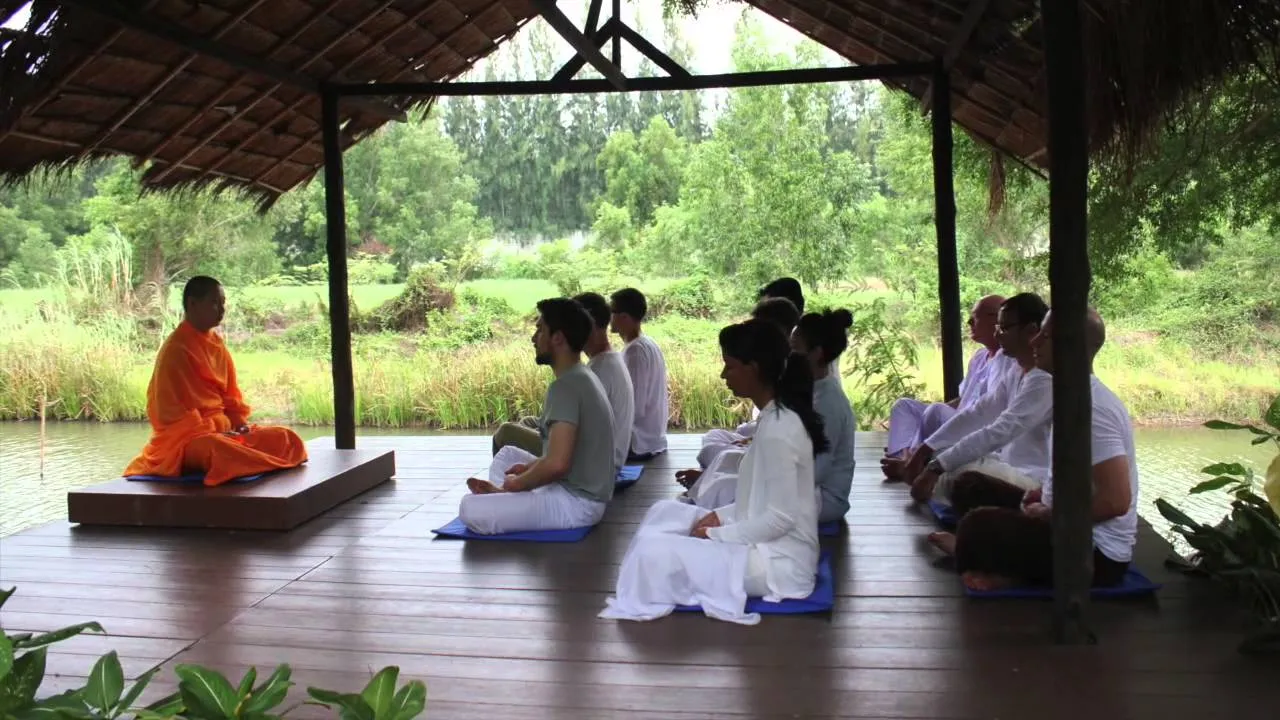
The essence of meditation and mindfulness in Chiang Mai is deeply rooted in the Buddhist tradition, which emphasizes the cultivation of inner peace and awareness. Many temples and meditation centers in the city offer structured retreats that guide participants in developing mindfulness skills. These retreats range from one-day introductory sessions to intensive week-long programs, each designed to help individuals connect with their inner selves and achieve a state of tranquility.
One of the most popular retreats can be found at Wat Umong, often referred to as the Forest Temple. Here, participants can immerse themselves in a serene natural environment, surrounded by lush greenery and the soothing sounds of nature. The temple offers meditation classes led by experienced monks who provide teachings on Buddhist philosophy and practical meditation techniques. These sessions are designed to help participants cultivate mindfulness and compassion, fostering a deeper understanding of themselves and the world around them.
In addition to temple-based retreats, Chiang Mai is home to several dedicated meditation centers that offer tailored programs focusing on different aspects of mindfulness practice. Centers such as the Mahasiddha Yoga School and the International Meditation Center offer courses that blend traditional Buddhist teachings with modern mindfulness techniques, providing a comprehensive approach to spiritual development. These centers often emphasize the importance of daily practice, encouraging participants to integrate mindfulness into their everyday lives.
The benefits of engaging in a meditation retreat in Chiang Mai are manifold. Participants often report a sense of rejuvenation and clarity, finding that the practices help reduce stress and enhance emotional well-being. The retreats also offer an opportunity to disconnect from the digital world and reconnect with oneself, fostering a sense of inner peace and balance.
Beyond the personal benefits, meditation retreats in Chiang Mai offer a unique cultural experience. Engaging with local monks and teachers provides insights into Thai culture and Buddhist practices, enriching one's understanding of the spiritual traditions that have shaped the region for centuries. This cultural exchange enhances the retreat experience, offering participants a holistic view of mindfulness as it is practiced in its cultural context.
For those considering a meditation retreat in Chiang Mai, preparation is key. It's important to approach the experience with an open mind and a willingness to engage deeply with the practices. Packing comfortable clothing suitable for meditation, a journal for personal reflections, and a respectful attitude towards the teachings and the environment will ensure a fulfilling and transformative retreat experience.
Whether you are seeking to deepen your meditation practice or simply looking for a peaceful escape, Chiang Mai's meditation and mindfulness retreats offer a unique opportunity to explore the spiritual depths of this enchanting city. The experience promises not only personal growth and relaxation but also a profound connection to the spiritual heritage of Thailand, leaving a lasting impact on your journey.
Chiang Mai's temples are not only architectural marvels but also vibrant centers of community life, coming alive during the city's numerous local festivals and events. Participating in these celebrations offers travelers a deeper insight into the cultural and spiritual tapestry of the region, enhancing any temple visit with a dynamic glimpse into local traditions.

One of the most significant events is Loy Krathong, known locally as Yi Peng, which takes place in November. This enchanting festival sees the night sky illuminated with thousands of paper lanterns, while rivers and moats sparkle with floating krathongs—small, decorated baskets released as offerings to honor the water spirits. Temples across Chiang Mai, including Wat Phan Tao and Wat Chedi Luang, host special ceremonies and processions, providing visitors with a mesmerizing blend of light, sound, and spiritual reflection. Participating in the release of a lantern or krathong is a moving experience that symbolizes letting go of past misdeeds and making wishes for the future.
Another important festival is Songkran, the Thai New Year, celebrated in April. This exuberant event transforms Chiang Mai into a lively hub of water fights and cultural activities. Temples play a central role in Songkran celebrations, with locals visiting to make merit and participate in the traditional bathing of Buddha images. Wat Phra Singh is particularly noteworthy during Songkran, as it becomes the focal point for spiritual rituals and processions. Engaging in these festivities offers travelers a joyous way to experience Thai hospitality and the deep-rooted cultural significance of the New Year celebrations.
Inthakhin Festival, unique to Chiang Mai, centers around the revered city pillar housed at Wat Chedi Luang. Celebrated in May or June, this festival is a time for locals to pray for the prosperity and protection of the city. The temple grounds become a bustling scene of worshippers who bring offerings of flowers, candles, and incense. Participating in the rituals of Inthakhin offers a rare opportunity to witness the deep spiritual connection that the people of Chiang Mai hold with their city, providing a profound context to the historical and spiritual significance of the temple.
Visakha Bucha Day, commemorating the birth, enlightenment, and death of the Buddha, is another pivotal event on the Buddhist calendar. Celebrated in May, this day sees large crowds gathering at temples like Wat Phra That Doi Suthep for candlelit processions and chanting ceremonies. Joining these processions, where participants circle the temple's sacred chedi with candles in hand, allows visitors to partake in a serene and contemplative experience, fostering a deeper connection with the local Buddhist community.
For those interested in a more intimate cultural experience, smaller temple fairs and local celebrations occur throughout the year, offering a chance to enjoy traditional music, dance, and local cuisine. These events provide an authentic glimpse into life in Chiang Mai, allowing travelers to interact with locals and gain a richer understanding of the cultural context surrounding the temples.
Planning a visit to coincide with one of these festivals or events not only enhances the temple experience but also provides a deeper appreciation of the cultural and spiritual traditions that define Chiang Mai. Engaging with these vibrant celebrations offers a unique opportunity to connect with the local community and gain insights into the enduring legacy of the region's spiritual heritage.
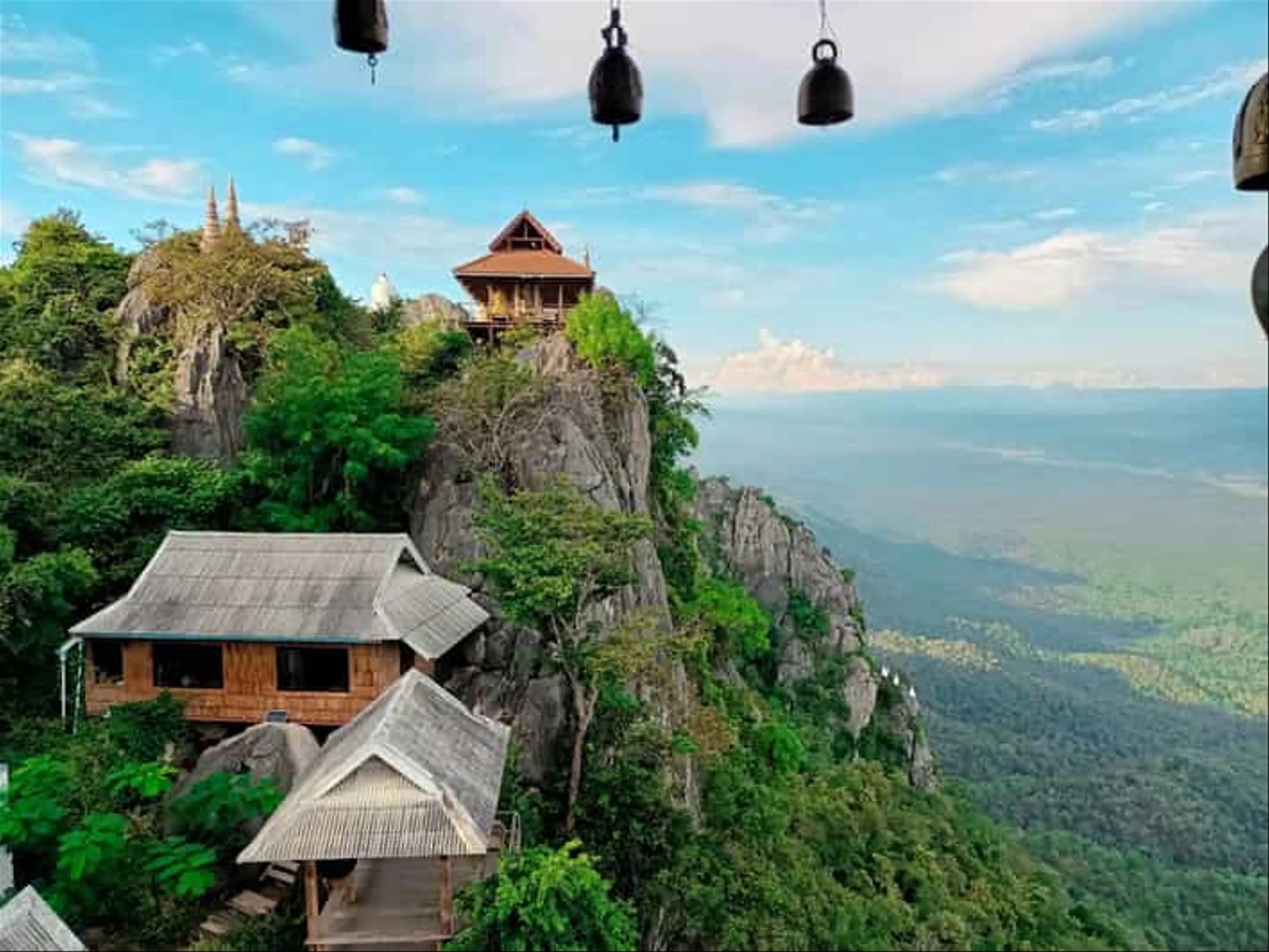
Explore the lesser-known temples of Chiang Mai and discover the secrets of Thailand's ancient Lanna culture.
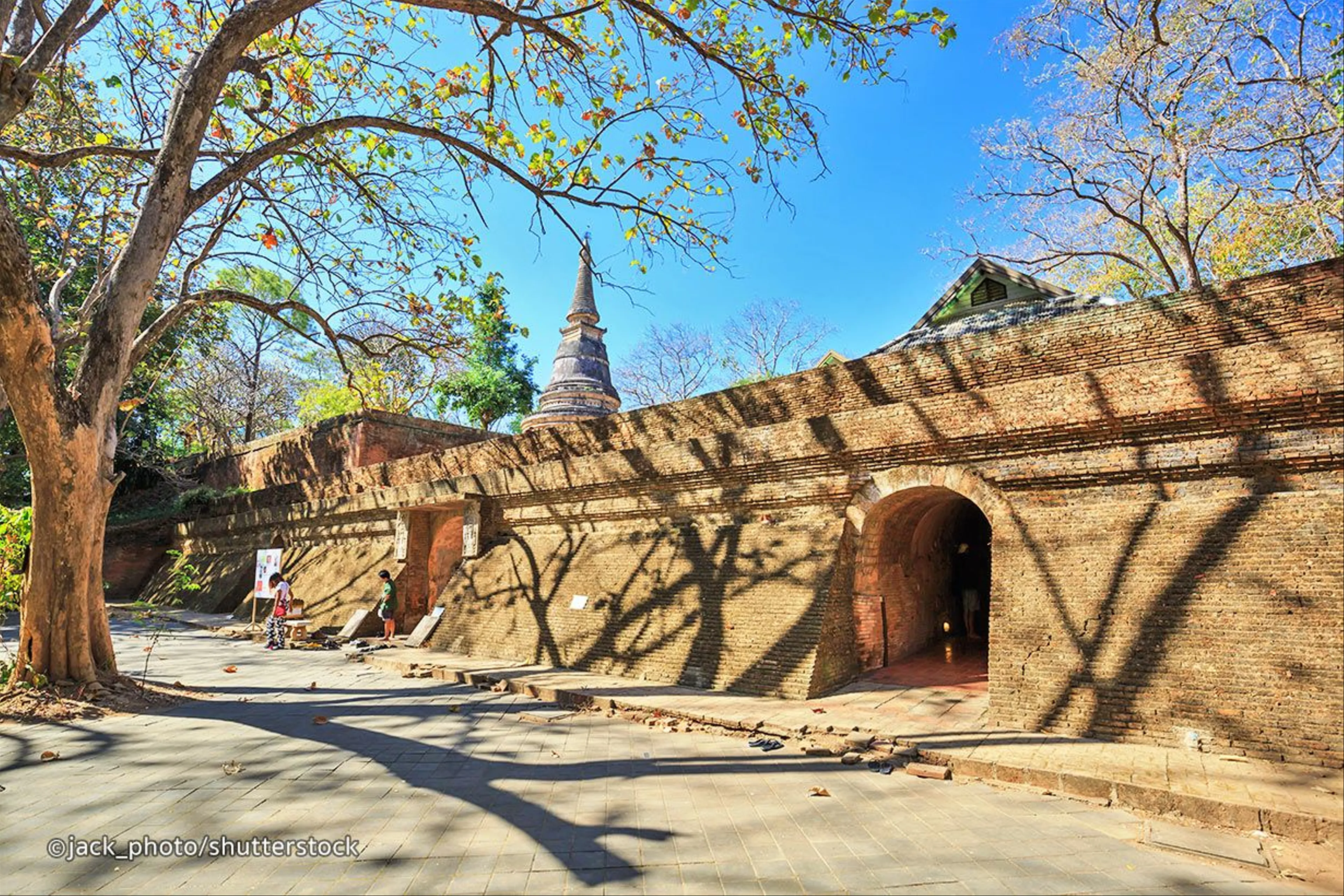
Explore the tranquil beauty and ancient mysteries of Wat Umong, a hidden forest temple in Chiang Mai, Thailand.

Explore Chiang Mai's mystical temples and uncover the spiritual essence of Thailand's cultural heart.