

Explore Chiang Mai's mystical temples and uncover the spiritual essence of Thailand's cultural heart.
Chiang Mai, a city nestled in the mountainous region of northern Thailand, serves as a spiritual and cultural heart of the country, with its temples standing as testaments to centuries of rich history and tradition. Founded in 1296 as the capital of the ancient Lanna Kingdom, Chiang Mai quickly became a pivotal center for religion, trade, and governance. The temples, or 'wats' as they are locally known, are not just places of worship but are also repositories of art, history, and culture that reflect the city’s storied past.
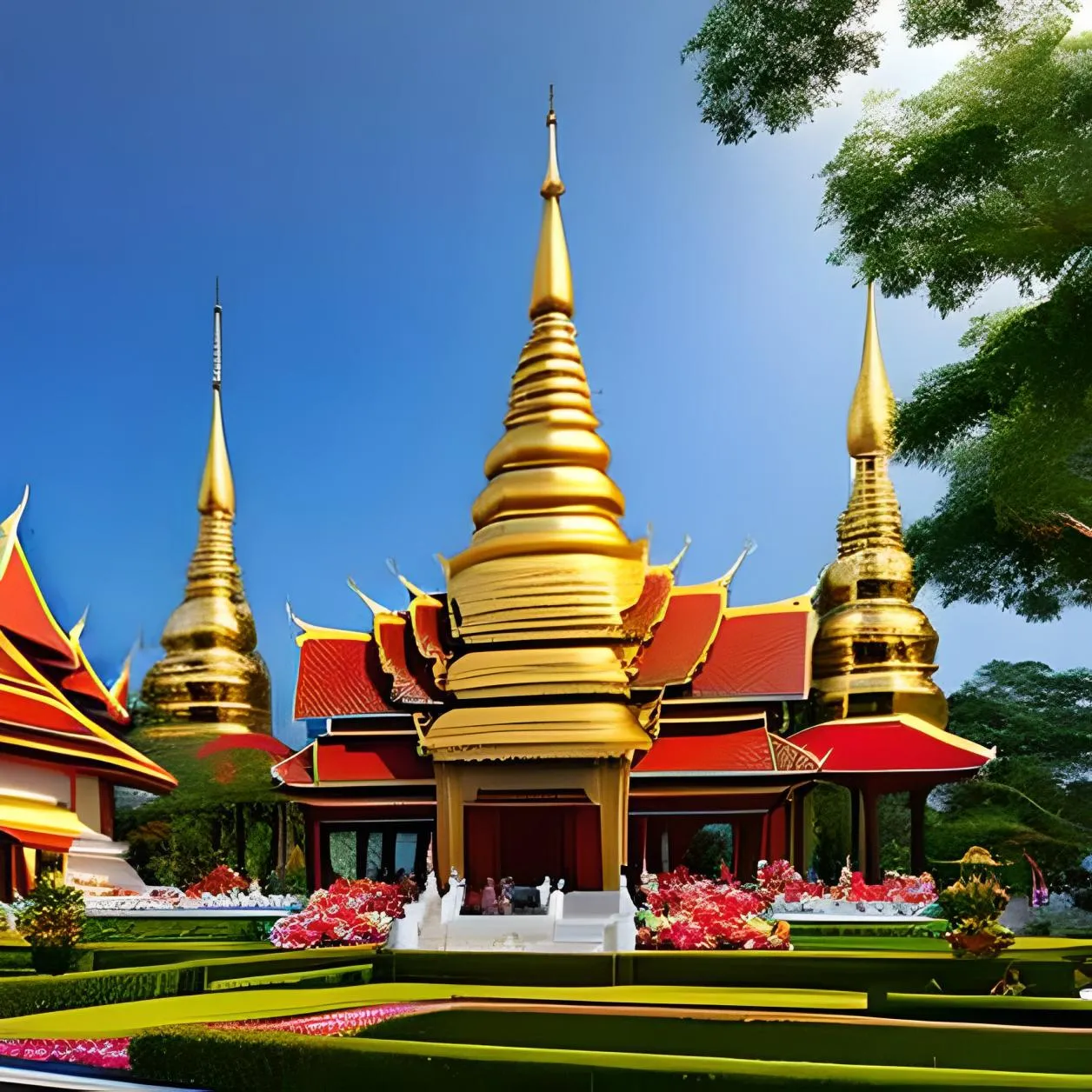
The historical significance of Chiang Mai's temples is deeply intertwined with the spread of Theravada Buddhism in Southeast Asia. As Buddhism gained prominence, the rulers of the Lanna Kingdom commissioned the construction of numerous temples, each one more majestic than the last, to demonstrate their piety and reinforce their legitimacy. These temples served as vital hubs for monastic education, playing a crucial role in the dissemination of Buddhist teachings and the preservation of sacred texts.
One of the most iconic temples in Chiang Mai is Wat Phra That Doi Suthep. Perched on a mountain overlooking the city, its origins date back to the 14th century during the reign of King Kuena. According to legend, the temple was established to house a relic of the Buddha, which was miraculously duplicated, leading to the temple's founding site being chosen by a sacred white elephant. This story not only underscores the temple's religious importance but also highlights the blend of myth and history that defines many of Chiang Mai's sacred sites.
Another historically significant temple is Wat Chedi Luang, originally constructed in the 14th century and once home to the revered Emerald Buddha, Thailand's most sacred religious artifact. The temple's towering chedi, though partially destroyed by an earthquake in the 16th century, remains an imposing presence, symbolizing the resilience and enduring spirit of the city.
These temples are more than architectural marvels; they are living embodiments of the region's cultural evolution. They reflect the artistic influences of various periods, including the Lanna, Sukhothai, and Burmese styles, each contributing to the unique aesthetic that defines Chiang Mai's spiritual landscape. Visitors can observe intricate carvings, gilded decorations, and mural paintings that narrate tales from Buddhist scriptures, offering insights into the beliefs and values of past generations.
In essence, the historical significance of Chiang Mai's temples is profound, offering a window into the city’s past while continuing to serve as vibrant centers of spiritual life. They are not only places of worship but also cultural treasures that invite exploration and reflection, allowing travelers to connect with the enduring legacy of Thailand’s northern capital.
Wat Phra That Doi Suthep, a revered symbol of Thai spirituality, stands majestically atop the Doi Suthep mountain, approximately 15 kilometers from the city center of Chiang Mai. Its location offers not only a spiritual retreat but also breathtaking panoramic views of the city below, making it a must-visit destination for both pilgrims and tourists alike.
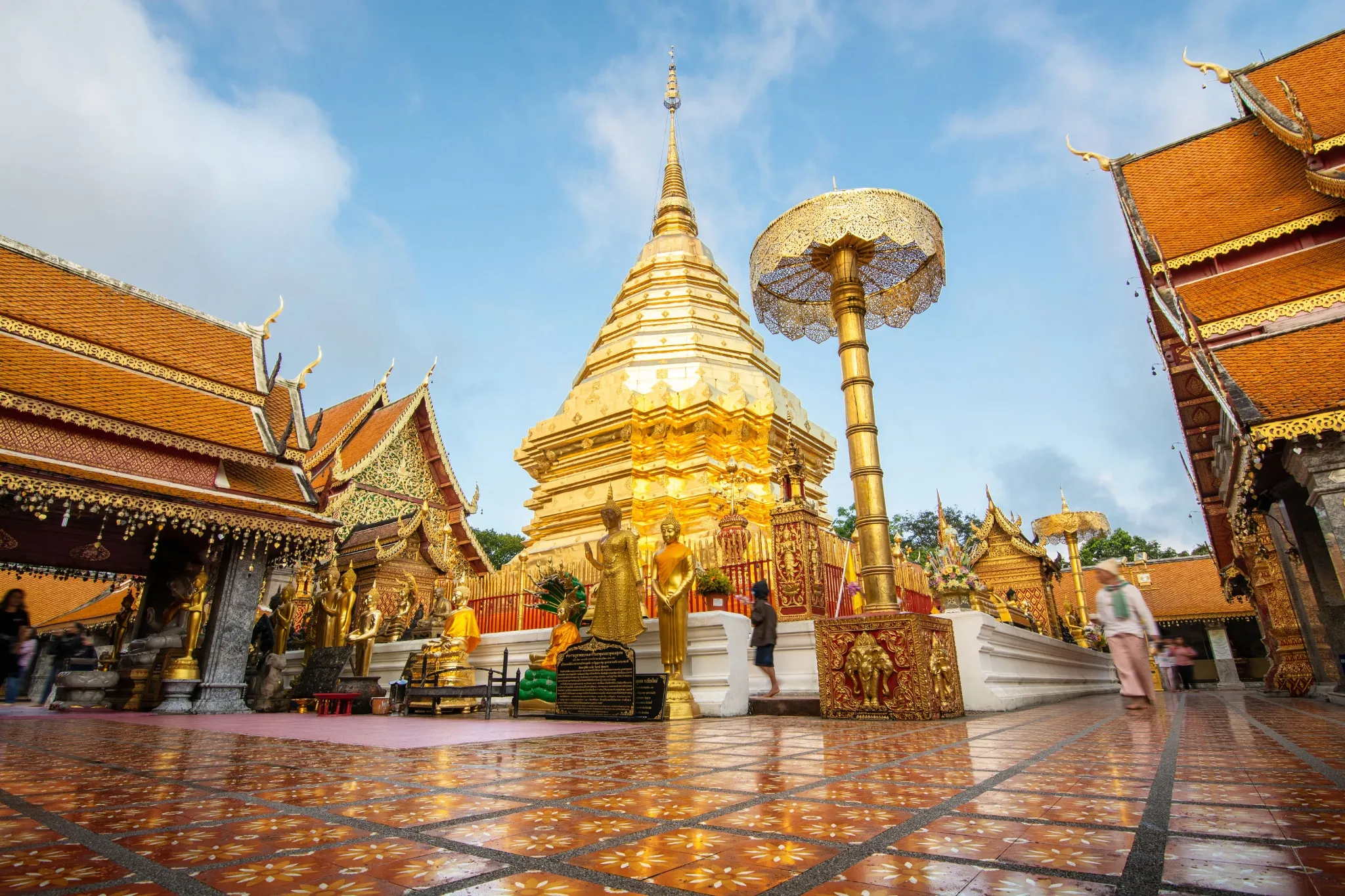
The temple's origins are steeped in legend and mystery. It is said that in the late 14th century, a monk from Sukhothai named Sumana Thera brought a relic believed to be Buddha's shoulder bone to the area. According to lore, the relic miraculously replicated itself, one part of which was placed on a white elephant that was released into the surrounding jungle. The elephant is said to have climbed Doi Suthep, stopped, trumpeted three times, and died at the site, thus marking the spot where the temple was built. This storied past enriches the temple with a sense of mysticism that continues to draw spiritual seekers from around the world.
Visitors to Wat Phra That Doi Suthep will encounter a striking Naga (serpent deity) staircase consisting of 306 steps, which leads to the temple complex. Climbing these steps is considered an act of merit, offering a physical and symbolic ascent towards spiritual enlightenment. For those unable or unwilling to climb, a tram is available to whisk visitors to the top.
Once inside the temple grounds, visitors are greeted by the resplendent sight of the central golden chedi, a striking spire covered in gold leaf that glistens under the sun. This chedi enshrines the sacred relic and serves as the focal point for devotees who come to pay their respects, make offerings, and seek blessings. The chedi is surrounded by an intricately decorated cloister, lined with Buddha statues and vibrant murals depicting scenes from the life of the Buddha.
The temple complex is more than just a place of worship; it is a vibrant center of cultural and religious activity. Various ceremonies and festivals are held throughout the year, with the temple particularly coming alive during the Buddhist festival of Visakha Bucha, which marks the birth, enlightenment, and death of Buddha. During this time, the temple becomes a beacon for thousands of pilgrims who participate in a candlelit procession around the chedi, creating a mesmerizing spectacle of light and devotion.
Beyond its religious significance, Wat Phra That Doi Suthep offers an opportunity for introspection and tranquility. The serene ambiance, punctuated by the sound of tinkling bells and the scent of incense wafting through the air, provides a peaceful escape from the bustling city below. Whether one visits for spiritual reasons, historical interest, or simply to enjoy the stunning views, Wat Phra That Doi Suthep embodies the harmonious blend of nature and spirituality that defines Chiang Mai's temple landscape.
Exploring Wat Chedi Luang, often referred to as the 'Temple of the Great Stupa', offers a deep dive into the heart of Chiang Mai's cultural and spiritual essence. Located in the center of the old city, Wat Chedi Luang is one of the most significant historical landmarks in Chiang Mai, attracting both devotees and history enthusiasts from around the globe.

Construction of the temple began in the late 14th century under the rule of King Saen Muang Ma, but it took nearly a century to complete. Originally built to house the ashes of the king's father, the temple complex was subsequently expanded by successive rulers, reaching its zenith in the 15th century when it briefly housed the Emerald Buddha, Thailand's most sacred religious relic. Though the original chedi was partially destroyed by an earthquake in 1545, its ruins continue to evoke a powerful sense of the past.
The temple's architectural features are a testament to the grandeur of the Lanna period, showcasing a blend of traditional Lanna and Sri Lankan influences. As you approach the temple, you are greeted by the imposing sight of the massive brick chedi that towers over the complex. Though time has weathered its exterior, the chedi remains a symbol of resilience, standing as a poignant reminder of the temple's storied past.
Visitors are often drawn to the intricate carvings and ornate details that adorn the temple structures. The main viharn, or assembly hall, is a marvel of traditional Thai architecture, with its sweeping rooflines and intricately carved wooden details. Inside, the serene image of the Phra Chao Attarot, a large standing Buddha statue, commands reverence, offering a focal point for meditation and reflection.
Wat Chedi Luang is also home to the revered 'City Pillar' (Inthakin), believed to protect the city and its inhabitants. Although the pillar itself is not on public display, the shrine that houses it becomes a bustling hub of activity during the annual Inthakin Festival, when locals gather to make offerings and participate in ceremonies aimed at ensuring the city's prosperity and well-being.
The temple grounds offer more than just historical intrigue; they are a vibrant center of community life. The daily monk chat program invites visitors to engage in informal conversations with the resident monks, providing a unique opportunity to learn about Buddhist philosophy and monastic life. This interaction fosters cultural exchange and deepens understanding, making a visit to Wat Chedi Luang a culturally enriching experience.
Whether you're captivated by its history, architecture, or spiritual ambiance, Wat Chedi Luang stands as a vital piece of Chiang Mai's identity. It offers a glimpse into the city's illustrious past while continuing to play an active role in its present, making it an essential stop on any journey through the mysteries of Chiang Mai's temples.
Wat Phra Singh, known as the Temple of the Lion Buddha, stands as a magnificent emblem of Chiang Mai's spiritual and artistic heritage. Nestled within the walls of the old city, this cherished temple is one of the most revered in northern Thailand and is renowned for its stunning Lanna-style architecture and significant religious artifacts. Established in the 14th century during the reign of King Phayu, Wat Phra Singh was initially built to enshrine the ashes of his father, King Kham Fu, and has since become a vital spiritual center in the region.

The temple's most revered feature is the Phra Buddha Sihing, a revered Buddha image believed to have originated from Sri Lanka. This sacred statue is enshrined in the Viharn Lai Kham, a small but exquisitely decorated chapel that showcases the intricate artistry characteristic of the Lanna period. The viharn’s walls are adorned with vibrant murals depicting the Jataka tales, stories of the Buddha's previous lives, which offer a glimpse into the cultural and religious life of the past. These murals are not only an artistic treasure but also serve as a narrative tool that has educated generations of devotees.
Wat Phra Singh is also famed for its annual Songkran Festival celebrations, where the Phra Buddha Sihing is paraded through the streets of Chiang Mai, allowing locals and visitors to participate in the traditional water blessings that mark the Thai New Year. This event underscores the temple's role as a focal point for community gathering and cultural preservation, reinforcing its status as a living monument to the city’s enduring traditions.
Beyond its architectural and historical significance, Wat Phra Singh serves as a bustling hub of monastic activity. The temple complex is home to a large community of monks who engage in daily rituals and teachings, providing a serene environment for meditation and reflection. Visitors are often encouraged to observe or participate in these practices, offering a unique opportunity to experience the rhythms of monastic life and deepen their understanding of Buddhist principles.
The temple grounds are meticulously maintained, with manicured gardens and shaded walkways that invite contemplation and relaxation. As you wander the serene pathways, you may encounter locals and tourists alike, drawn to the temple's tranquil ambiance and the opportunity to connect with Chiang Mai's rich spiritual heritage.
Whether you're drawn by its historical allure, its artistic splendor, or the peacefulness that permeates its sacred spaces, Wat Phra Singh is an essential stop on any spiritual journey through Chiang Mai. It embodies the harmonious blend of culture, art, and devotion that characterizes the city’s temple landscape, offering a profound and enriching experience for all who visit.
Chiang Mai is celebrated for its famous temples, yet the city is also home to numerous lesser-known treasures that offer a more intimate glimpse into its spiritual and cultural tapestry. These hidden gems, often overlooked by the typical tourist trail, provide a serene escape and a deeper connection to the local way of life, making them worthwhile additions to any explorer's itinerary.

One such hidden gem is Wat Umong, a unique forest monastery located at the foot of Doi Suthep. Established in the late 13th century during the reign of King Mangrai, Wat Umong is renowned for its peaceful natural setting and ancient tunnels. These subterranean passages, adorned with faded murals and inscriptions, were designed as meditation retreats for monks, fostering an atmosphere of introspection and tranquility. The temple grounds are expansive, dotted with stone statues and a reflective pond, offering visitors a meditative escape into nature.
Another lesser-known but equally enchanting site is Wat Suan Dok, a temple steeped in history and architectural beauty. Originally constructed in the 14th century as a royal garden temple, Wat Suan Dok houses a large central chedi and a collection of smaller, whitewashed stupas that contain the ashes of Chiang Mai's former royal family. The temple is also home to the prestigious Buddhist University, drawing students from across Thailand and beyond. Visitors can participate in monk chat sessions here, providing a unique opportunity to engage with monks and gain insights into Buddhist practices and philosophy.
For those seeking a temple that blends historical charm with community spirit, Wat Lok Moli offers a delightful visit. Situated just outside the northern moat of the old city, this temple is known for its impressive Lanna-style chedi and beautifully carved teakwood viharn. Wat Lok Moli has a quieter, more local atmosphere, where visitors can witness daily rituals and ceremonies that reflect the enduring traditions of Chiang Mai. The temple also hosts regular festivals and events, making it a lively hub of cultural activity.
Wat Chiang Man, the oldest temple in the city, is another must-see for those interested in Chiang Mai's rich history. Founded by King Mangrai in the late 13th century, the temple is celebrated for its ancient relics, including two revered Buddha images and a crystal figurine believed to have protective powers. The temple complex is a testament to the skillful artistry of the Lanna period, with intricate carvings and vibrant murals that captivate the imagination.
These lesser-known temples of Chiang Mai invite travelers to step off the beaten path and experience the city’s spiritual heritage from a unique perspective. They offer not only architectural beauty and historical depth but also moments of quiet reflection and cultural exchange, enriching any journey through the mystic allure of Thailand’s northern gem.
Understanding Lanna architecture and artistry is essential for anyone looking to fully appreciate the temples of Chiang Mai. This distinctive style, which flourished during the Lanna Kingdom's golden age, is characterized by its intricate woodwork, elaborate carvings, and harmonious integration with the natural surroundings. At its core, Lanna architecture reflects both the spiritual beliefs and the cultural identity of the region, making it a unique artistic expression that continues to captivate visitors.

The Lanna Kingdom, which extended across northern Thailand and parts of present-day Laos and Myanmar, developed a rich cultural heritage that blended indigenous traditions with influences from neighboring regions. This fusion is evident in the architecture of its temples, where local materials such as teak wood were used to create soaring, tiered roofs and intricately carved facades. These elements not only showcase the technical prowess of Lanna artisans but also embody the harmonious relationship between man and nature, a central tenet of Buddhist philosophy.
One of the defining features of Lanna temple architecture is the multi-tiered roof, often adorned with gilded finials and decorative elements. These roofs are not merely aesthetic; they serve a symbolic purpose, representing the layers of the universe and the ascent toward enlightenment. The sweeping eaves, often extending far beyond the walls, provide shelter from the tropical sun and rain, demonstrating a practical adaptation to the local climate.
The artistry of Lanna temples extends beyond architecture to include a wealth of decorative arts. Intricate carvings and murals depict scenes from Buddhist scriptures, local folklore, and historical events, offering a visual narrative that educates and inspires. These artworks serve as a testament to the skill and creativity of Lanna craftsmen, who utilized a variety of techniques and materials to bring their spiritual and cultural visions to life.
Lanna artisans were also known for their mastery of repoussé, a technique of hammering metal from the reverse side to create intricate reliefs. This method is often seen in the delicate detailing of temple doors and window shutters, adding a layer of opulence and complexity to the structures. The use of gold leaf is another hallmark of Lanna artistry, symbolizing purity, enlightenment, and the divine, and is frequently applied to Buddha images and temple icons.
In addition to its visual splendor, Lanna architecture and artistry convey deeper spiritual meanings. Every element, from the positioning of the temple to the orientation of the Buddha statues, is designed in accordance with Buddhist cosmology and principles, creating a space that is both sacred and serene. This thoughtful integration of art, architecture, and spirituality is what makes the Lanna style so compelling, drawing visitors into a world where history, culture, and faith coalesce.
For travelers exploring Chiang Mai's temples, understanding the nuances of Lanna architecture and artistry offers a richer, more nuanced appreciation of these sacred spaces. It invites reflection on the cultural continuity and artistic innovation that have defined northern Thailand for centuries, providing insights into the enduring legacy of the Lanna Kingdom. By delving into this rich tradition, visitors can connect more deeply with the spirit of the city and its timeless allure.
Participating in traditional temple ceremonies in Chiang Mai offers an immersive experience into the spiritual life of Thailand's northern region. These ceremonies, deeply rooted in Buddhist traditions, provide a unique opportunity for travelers to engage with the local culture, foster a sense of community, and gain a deeper understanding of the religious practices that have shaped this vibrant city.

One of the most accessible ways to participate is by attending a morning alms-giving ceremony. This daily ritual, known as "Tak Bat," involves local Buddhists offering food to monks as they pass through the streets. Visitors are welcome to join, but it is important to approach the ceremony with respect and mindfulness. Participants should dress modestly, remain silent, and follow the lead of the locals. Offering alms is considered an act of merit-making, symbolizing generosity and humility while supporting the monastic community.
Another significant ceremony is the "Wai Phra," or paying respects to the Buddha. This involves lighting incense sticks, offering flowers, and making a donation or placing a lotus flower at the base of a Buddha statue. The gesture is both a spiritual offering and an expression of reverence, allowing participants to reflect on their intentions and the teachings of Buddhism. Many temples, such as Wat Phra Singh and Wat Chedi Luang, invite visitors to join in these practices, enhancing their spiritual journey.
During key Buddhist festivals, such as Visakha Bucha and Loy Krathong, temples across Chiang Mai become the focal points for large-scale ceremonies and celebrations. These events are marked by candlelit processions, traditional music, and communal prayers, creating a sense of unity and collective devotion. Joining a festival ceremony provides an unforgettable experience, as the temple grounds come alive with the vibrant energy of thousands of worshippers and the enchanting glow of candlelight.
For a more intimate experience, visitors can participate in meditation sessions or "Dhamma talks" hosted by temples throughout the city. These sessions, often led by resident monks, offer insights into Buddhist philosophy and meditation techniques. Engaging in these practices allows travelers to connect with the spiritual essence of Chiang Mai and find inner peace amidst the bustling city life. It is an opportunity to slow down, reflect, and embrace the mindfulness that is central to Buddhist teachings.
Overall, participating in traditional temple ceremonies in Chiang Mai enriches the travel experience by offering a deeper connection to the local culture and spirituality. These interactions foster personal growth, cultural appreciation, and a greater understanding of the harmonious blend of tradition and modernity that defines Chiang Mai's temple landscape. Whether through quiet reflection or vibrant celebration, visitors are invited to be part of the living tapestry of Buddhist practices that continue to thrive in this captivating city.
Visiting temples in Thailand, particularly in culturally rich cities like Chiang Mai, offers a profound opportunity to engage with the country's spiritual heritage. However, it is important to approach these sacred spaces with respect and mindfulness to ensure a positive experience for both visitors and the local community. Here are some essential tips for respectful temple visits in Thailand, ensuring that your journey is both enjoyable and culturally sensitive.

First and foremost, dress modestly. Temples are places of worship, and appropriate attire is crucial. Both men and women should wear clothing that covers the shoulders and knees. Avoid wearing revealing or tight-fitting outfits, and opt for loose, comfortable clothes. Many temples offer sarongs or shawls at the entrance for those who arrive unprepared, but it’s best to bring your own to ensure you are always temple-ready.
Upon entering a temple, it is customary to remove your shoes. Look for designated areas or signs indicating where shoes should be left. This practice is a mark of respect and cleanliness, acknowledging the temple as a sacred space. Additionally, be mindful of stepping over the threshold of temple entrances, as it is considered disrespectful. Instead, step over them carefully without touching the threshold itself.
Photography is generally allowed in most temples, but always ask for permission if you are uncertain. Some areas, such as inside the ordination hall (ubosot) or near sacred relics, may have restrictions on photography to preserve the sanctity of the space. Even when permitted, ensure that your photography does not disturb worshippers or ceremonies. Avoid using flash, which can be intrusive, and always respect signage that prohibits photography.
When inside the temple, it is important to maintain a quiet and respectful demeanor. Keep conversations to a minimum and speak in hushed tones, as loud noises can disturb the peaceful atmosphere and those who are praying or meditating. In addition, refrain from pointing at Buddha statues or images with your feet, as this is considered highly disrespectful in Thai culture, where the feet are viewed as the lowest part of the body.
While exploring the temple grounds, be attentive to local customs and practices. Observing how locals behave can provide valuable insights into temple etiquette. For instance, it is customary to offer a wai—a traditional Thai greeting with palms pressed together and a slight bow—to monks or temple staff as a sign of respect. However, remember that physical contact with monks is prohibited, especially for women, so maintain an appropriate distance and avoid direct touch.
Contributing to the temple’s upkeep through donations is a gracious gesture, though not obligatory. Many temples have donation boxes, and even a small contribution is appreciated. These donations help maintain the temple and support the monastic community, allowing them to continue their spiritual and cultural activities.
By following these guidelines, visitors can ensure that their temple visits in Thailand are respectful and enriching experiences. These practices not only honor the sacredness of the temples but also foster a deeper understanding and appreciation of Thai culture and Buddhist traditions. Ultimately, a respectful visit enhances the spiritual journey for both the traveler and the local community, creating a harmonious exchange that transcends cultural boundaries.
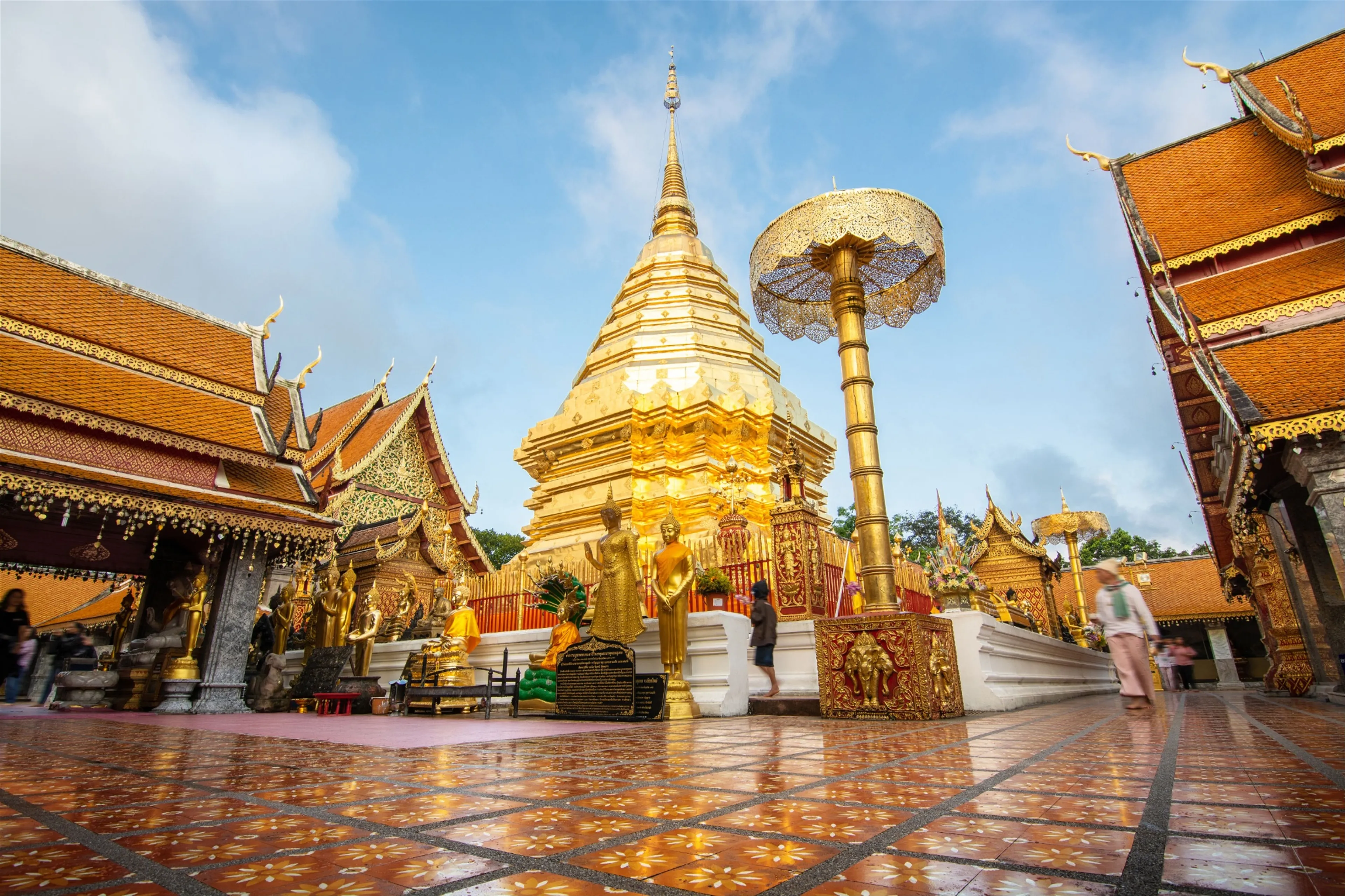
Explore Wat Phra That Doi Suthep in Chiang Mai, Thailand, a spiritual haven offering breathtaking views and rich cultural history.
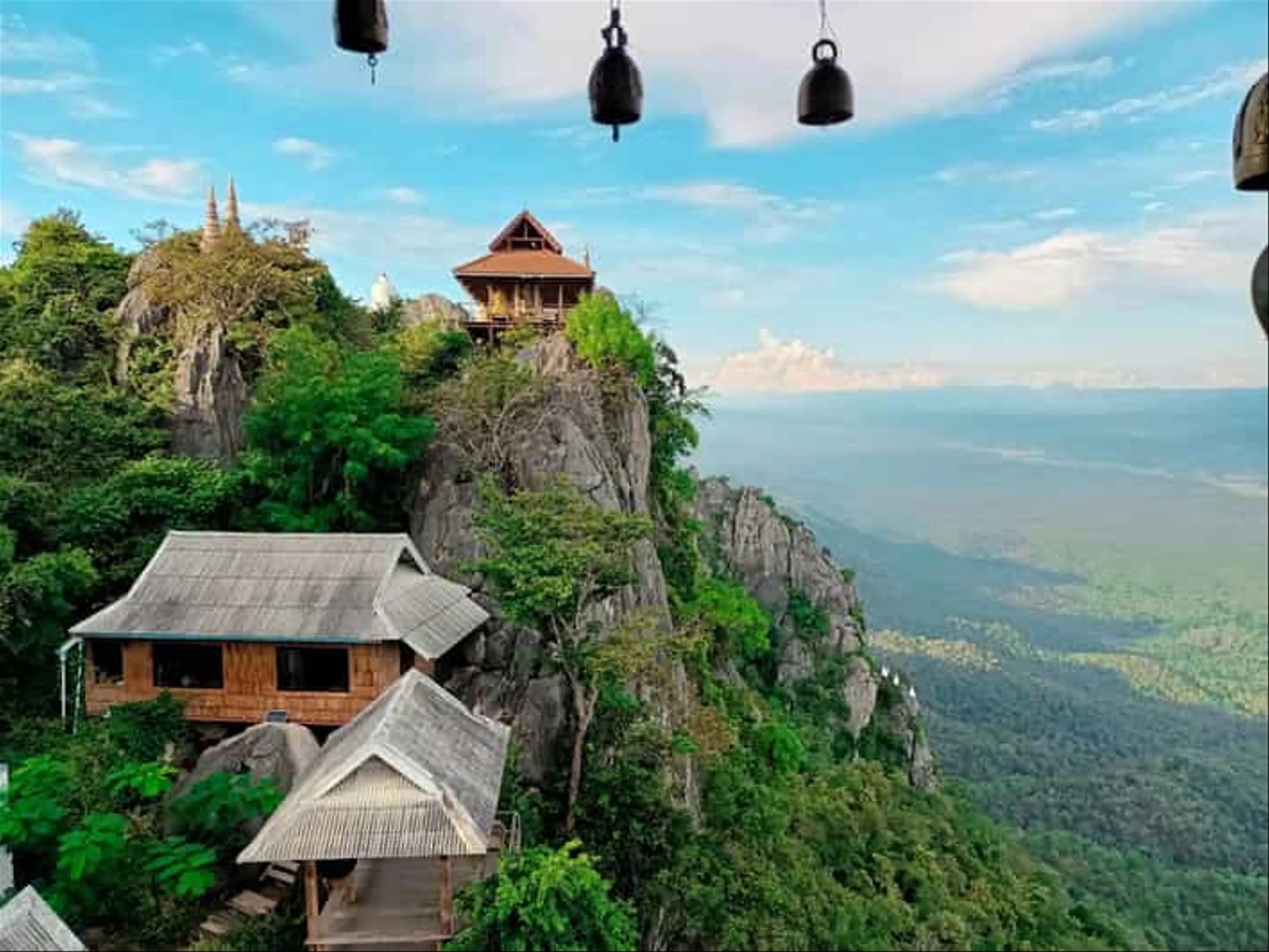
Explore the lesser-known temples of Chiang Mai and discover the secrets of Thailand's ancient Lanna culture.

Unlock the secrets of Chiang Mai's hidden temples with our guide to the city's spiritual gems. Explore Thailand's rich cultural heritage.