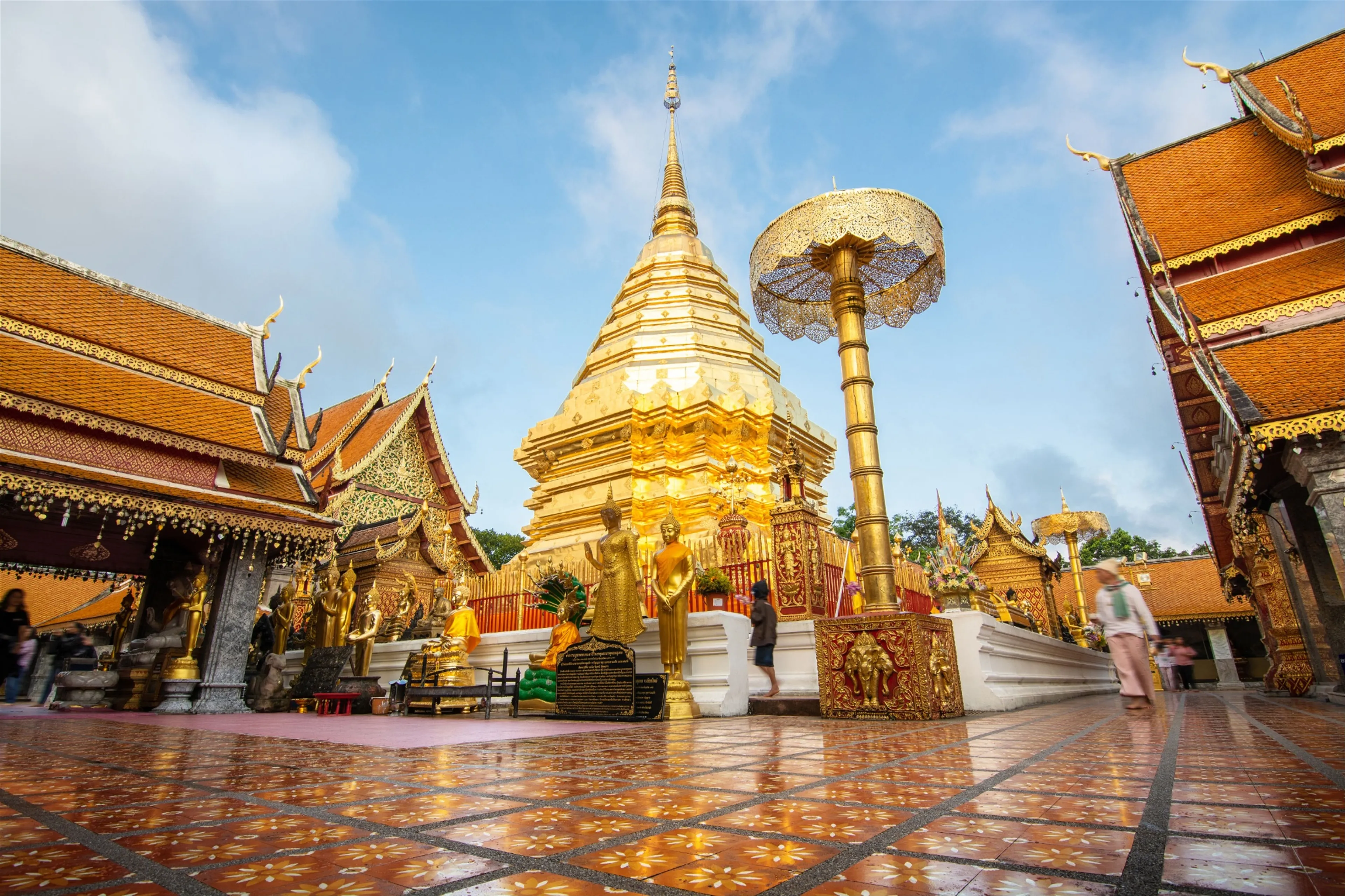
Explore Wat Phra That Doi Suthep, a spiritual gem in Chiang Mai, Thailand. Discover its rich history, stunning architecture, and breathtaking views.
Nestled amidst the lush green hills of northern Thailand, Wat Phra That Doi Suthep stands as a beacon of cultural and spiritual significance. This revered Buddhist temple, located just 15 kilometers from the heart of Chiang Mai, offers visitors a unique combination of breathtaking natural beauty and profound historical importance. Perched atop Doi Suthep mountain, the temple not only provides a serene retreat for spiritual seekers but also serves as an emblem of the region's rich heritage and traditions.
:max_bytes(150000):strip_icc()/wat-doi-suthep-183487883-5c26ca76c9e77c000127f56c.jpg)
Established in 1383, Wat Phra That Doi Suthep is steeped in legend and lore. According to local tales, the temple's location was chosen by a sacred white elephant, which carried a relic of the Buddha to the mountaintop. This relic, believed to be a bone from the Buddha's shoulder, is enshrined in a majestic golden chedi that forms the heart of the temple complex. This spiritual site has since become a pilgrimage destination for Buddhists from around the world, offering a glimpse into the deep-rooted religious practices of Thailand.
Beyond its spiritual allure, Wat Phra That Doi Suthep is renowned for its architectural splendor. The temple complex showcases an exquisite blend of traditional Lanna-style architecture, with intricate carvings and ornate decorations that reflect the artistic prowess of the region. As you ascend the 306-step Naga staircase, flanked by mythical serpents, you are greeted by a panoramic view of Chiang Mai and its surroundings, a sight that enhances the temple's mystical ambiance.
Visiting Wat Phra That Doi Suthep is not merely a sightseeing expedition; it is an immersive experience that connects travelers with the spiritual essence of Thailand. Whether you seek enlightenment, cultural insight, or simply a moment of tranquility, this iconic temple invites you to explore its serene sanctuaries and vibrant courtyards while soaking in the harmonious blend of nature and spirituality.
Wat Phra That Doi Suthep is more than just a temple; it is a symbol of Chiang Mai's historical and spiritual identity. Its origins are deeply intertwined with the rich tapestry of Lanna history, a kingdom that once thrived in northern Thailand. The temple's establishment in the late 14th century marks a significant period when the Lanna kingdom was at its zenith, contributing greatly to the cultural and religious landscape of the region. The temple's founding is closely linked to the reign of King Kuena, a devout Buddhist monarch who was instrumental in fostering Buddhism in the Lanna kingdom.

The legends surrounding Wat Phra That Doi Suthep are as captivating as its history. The most celebrated story is that of the sacred white elephant, a tale that has been passed down through generations. According to legend, a revered monk discovered a relic of the Buddha and presented it to King Kuena. The relic miraculously split into two pieces, and one was placed on the back of a white elephant. The elephant, considered an auspicious animal in Thai culture, ascended Doi Suthep and, upon reaching the summit, trumpeted three times before peacefully lying down and passing away. This event was seen as a divine sign, prompting the king to construct a temple at the site to house the relic.
In addition to the storied white elephant, Wat Phra That Doi Suthep is enveloped in numerous local myths and folklore. These stories reflect the deep spiritual connection the local populace has with the temple, viewing it not only as a place of worship but also as a guardian of Chiang Mai. The temple's golden chedi, which enshrines the Buddha relic, stands as a testament to the enduring faith and devotion of the people, its gleaming surface visible from afar, inviting pilgrims and travelers alike to partake in its sacred aura.
Beyond its legendary origins, Wat Phra That Doi Suthep has played a vital role in the spiritual and cultural life of Chiang Mai. It has been a site of pilgrimage for centuries, drawing believers from across Thailand and beyond, who come to pay their respects and seek blessings. The temple has also been a center for Buddhist learning and practice, with monks residing within its grounds, continuing the traditions of meditation and teaching that have been upheld for generations.
In essence, Wat Phra That Doi Suthep is a living monument to the spiritual heritage of Thailand, encapsulating the mystical allure and historical depth that define the region. Its legends, intertwined with historical facts, offer a profound understanding of the cultural identity that continues to shape the lives and beliefs of the people of Chiang Mai.
Wat Phra That Doi Suthep is a testament to the exquisite artistry and architectural innovation of the Lanna Kingdom. This iconic temple is a visual feast that captivates visitors with its intricate design and cultural symbolism. At the heart of the temple complex lies the magnificent golden chedi, a dazzling structure that glistens under the sunlight, symbolizing the enlightenment of the Buddha. This chedi is not only an architectural masterpiece but also a spiritual beacon, as it houses the revered relic of the Buddha.

As you enter the temple grounds, the intricacy of the Lanna-style architecture becomes apparent. The elaborate carvings and ornate details on the temple buildings reflect a deep commitment to craftsmanship and spiritual expression. Traditional motifs adorn the walls, doors, and roofs, each telling a story or representing a spiritual concept. The craftsmanship is not merely decorative but serves to convey the profound religious and cultural heritage of the region.
One of the most striking features is the Naga staircase, which is both a functional and symbolic element of the temple. Guarded by mythical serpents, known as "naga," this staircase is believed to represent the path to enlightenment. Each step taken is a symbolic journey towards spiritual awakening, with the naga serving as protectors and guides. This architectural element not only enhances the temple's mystical ambiance but also serves as a reminder of the spiritual journey that pilgrims undertake.
The temple complex also includes an array of smaller shrines, each dedicated to various deities and spiritual figures. These shrines offer a glimpse into the syncretic nature of Thai Buddhism, where traditional Buddhist beliefs are seamlessly blended with local animist and Hindu influences. The integration of these diverse elements reflects the rich tapestry of beliefs that characterize Thai spirituality and offers visitors a deeper understanding of the cultural context in which the temple exists.
Beyond its visual grandeur, Wat Phra That Doi Suthep is a living center for religious practice. The temple is often filled with the sounds of chanting monks and devotees, creating an atmosphere of reverence and tranquility. The rhythmic chants and the scent of incense wafting through the air add to the sensory experience, making a visit to the temple not just a visual delight but a holistic spiritual encounter.
The architectural marvels of Wat Phra That Doi Suthep are not merely static relics of the past; they are vibrant expressions of a living culture that continues to inspire and captivate. Each element of the temple, from its grand chedi to its smallest shrine, invites visitors to explore and reflect upon the spiritual and cultural richness of northern Thailand. As you wander through the temple grounds, you are not only witnessing architectural brilliance but also engaging with a legacy that has been cherished and preserved for centuries.
Visiting Wat Phra That Doi Suthep offers more than just a visual spectacle; it immerses travelers in a profound spiritual experience. Nestled in the tranquil embrace of Doi Suthep, the temple serves as a sanctuary where age-old rituals and practices unfold, connecting the present with centuries of Buddhist tradition. For those seeking spiritual enrichment, the temple presents an opportunity to engage with these practices, offering both insight and introspection.

One of the most revered rituals at Wat Phra That Doi Suthep is the lighting of incense and candles. Visitors participate in this practice to pay homage to the Buddha and to set intentions or prayers. The act of lighting incense is deeply symbolic, representing the burning away of negative thoughts and the illumination of wisdom. As the fragrant smoke ascends, it is believed to carry one's prayers to the heavens, creating a moment of reflection and connection to the divine.
Another significant practice is the offering of lotus flowers at the base of the golden chedi. The lotus, a symbol of purity and enlightenment in Buddhism, is presented as a gesture of reverence. This act invites visitors to contemplate the journey towards enlightenment, drawing parallels with the lotus that rises unstained from the mud. The serene act of offering flowers fosters a meditative state, encouraging introspection and spiritual clarity.
Monks chanting at dawn and dusk is a daily occurrence that enriches the spiritual atmosphere of the temple. These chants, consisting of ancient Pali scriptures, reverberate through the temple grounds, creating a soothing and contemplative ambiance. Visitors are welcome to sit quietly during these sessions, absorbing the rhythmic sounds that are said to purify the mind and soul. Participation in these chanting sessions provides a rare glimpse into the monastic life and the spiritual discipline upheld by the temple’s residents.
The ritual of circumambulation, or walking meditation, around the chedi is a practice that many visitors engage in. This involves walking clockwise around the chedi three times, a symbolic act representing right action, right speech, and right thought. The rhythmic pacing of this ritual encourages mindfulness, allowing participants to focus inward and cultivate a sense of peace and balance.
Additionally, Wat Phra That Doi Suthep offers opportunities for deeper spiritual engagement through meditation sessions. These sessions, often led by resident monks, provide guidance on mindfulness and meditation techniques. Attending a meditation session within the serene temple environment enables visitors to explore inner stillness and enhances their understanding of Buddhist practices.
In essence, the spiritual experience at Wat Phra That Doi Suthep transcends mere observation. It invites visitors to participate in a sacred dance of ritual and reflection, offering a gateway to understanding the profound spiritual heritage of Thailand. Each practice, from lighting incense to meditation, is a thread in the rich tapestry of Buddhist tradition, inviting seekers to weave their own spiritual narrative within the hallowed grounds of this iconic temple.
Wat Phra That Doi Suthep is celebrated not only for its spiritual and architectural grandeur but also for the breathtaking panoramic views it offers. As you reach the summit of Doi Suthep, the temple unveils a vista that is nothing short of spectacular, providing a picturesque backdrop that complements the temple's serene ambiance.

The ascent to the temple itself is a journey through nature's splendor. As you wind your way up the mountain, dense forests of lush, emerald greenery envelop the path, offering glimpses of vibrant flora and fauna. This natural beauty sets the stage for the awe-inspiring views that await at the temple's pinnacle. Upon arrival, visitors are greeted by sweeping vistas of Chiang Mai and its surrounding landscape, a sight that is both humbling and invigorating.
From the temple grounds, the city of Chiang Mai sprawls below, a tapestry of urban life interwoven with patches of verdant green. On clear days, the visibility extends to the distant horizon, where rolling hills meet the azure sky. This panoramic view is especially enchanting at sunrise and sunset, when the changing light paints the scenery in hues of gold and pink, casting a magical glow over the cityscape and the temple itself.
For photography enthusiasts, Wat Phra That Doi Suthep provides an unparalleled opportunity to capture the essence of northern Thailand's natural beauty. The interplay of light and shadow across the landscape creates dynamic scenes that are ever-changing and endlessly captivating. Whether you are an amateur or a seasoned photographer, the views from the temple offer a canvas of inspiration.
The scenic beauty of Wat Phra That Doi Suthep also invites moments of reflection and tranquility. As you gaze over the expansive view, there is a profound sense of peace that comes from feeling connected to the natural world. The gentle breeze, the rustling leaves, and the distant chirping of birds all contribute to a serene atmosphere, encouraging visitors to pause, breathe deeply, and immerse themselves in the present moment.
Beyond the temple's immediate surroundings, Doi Suthep-Pui National Park offers additional opportunities for exploration. Hiking trails weave through the park's pristine wilderness, leading to hidden waterfalls and secluded viewpoints. These trails provide a deeper dive into the region's natural beauty, allowing travelers to experience the diverse ecosystems that thrive in this mountainous terrain.
In essence, the panoramic views and scenic beauty of Wat Phra That Doi Suthep are integral to the temple's allure. They enrich the visitor experience, offering a visual feast that complements the spiritual and cultural riches of this cherished site. Whether you are a nature lover, a spiritual seeker, or simply in search of a tranquil escape, the vistas from Doi Suthep promise to leave an indelible impression, inviting you to return to this remarkable place time and time again.
Wat Phra That Doi Suthep is not only a spiritual haven but also a vibrant cultural hub that hosts a variety of festivals and events throughout the year. These celebrations offer visitors a unique opportunity to witness the living traditions and cultural richness of northern Thailand, as the temple becomes a focal point for both religious and community gatherings.

One of the most significant festivals celebrated at Wat Phra That Doi Suthep is the annual Visakha Bucha Day. Observed in May, this important Buddhist holiday commemorates the birth, enlightenment, and death of the Buddha. On this day, the temple comes alive with fervent activity as devotees from across the region gather to participate in candlelit processions, offering prayers and chanting in unison. The atmosphere is both solemn and joyous, providing a poignant reminder of the temple's enduring spiritual significance.
Another key event is the annual Doi Suthep Pilgrimage, which takes place in the early part of the year. This pilgrimage sees hundreds of devotees making their way up the mountain on foot, a journey that symbolizes both physical and spiritual devotion. The pilgrimage is an act of merit-making, where participants engage in meditation, chanting, and offerings, culminating in a communal celebration at the temple. For visitors, joining the pilgrimage is a memorable experience that offers a deep connection to the local community and its spiritual practices.
Loy Krathong, the festival of lights, is another enchanting event celebrated at the temple. Held in November, this festival involves the release of intricately decorated floating vessels, or "krathongs," into the water, symbolizing the letting go of past grievances and inviting good fortune. While the primary celebrations occur in the city, Wat Phra That Doi Suthep provides a serene setting for personal reflection and participation in this beautiful tradition. The sight of flickering candles floating in the temple's ponds adds a magical dimension to the festival, capturing the essence of tranquility and renewal.
In addition to these major festivals, Wat Phra That Doi Suthep also hosts a variety of smaller events and ceremonies that reflect the rhythm of monastic life. These include ordination ceremonies for novice monks, almsgiving rituals, and meditation retreats, each providing insight into the daily practices and spiritual disciplines that sustain the temple community. Visitors are often welcome to observe or participate in these events, offering a window into the authentic cultural and spiritual life of the region.
Participating in the festivals and events at Wat Phra That Doi Suthep provides a rich cultural insight into the vibrant traditions of northern Thailand. These celebrations not only highlight the temple's spiritual importance but also serve as a testament to the enduring cultural heritage that continues to thrive in Chiang Mai. For travelers, engaging with these events is a profound way to deepen their understanding of Thai culture and forge meaningful connections with the local community.
Visiting Wat Phra That Doi Suthep is a journey filled with cultural discovery and spiritual awe, but to make the most of your experience, it’s essential to be prepared with some practical travel tips. These insights will help you navigate your visit smoothly and ensure you fully appreciate the temple's beauty and significance.

Firstly, consider the timing of your visit. The temple can get quite crowded, especially during weekends and festivals, so planning your trip during the early morning or late afternoon can offer a more serene experience. The morning light provides a soft illumination that enhances the temple’s golden chedi, while visiting at sunset allows you to witness the breathtaking views as the sun dips below the horizon.
Transportation to Wat Phra That Doi Suthep is relatively straightforward. Many visitors opt to take a songthaew, which is a type of shared red taxi, from the city center of Chiang Mai. These are affordable and offer a scenic ride up the mountain. Alternatively, for a more flexible option, renting a scooter or hiring a private car are also popular choices. For those who enjoy a bit of adventure, hiking up the Monk’s Trail provides a rewarding journey through lush forest paths leading to the temple.
When visiting the temple, dressing appropriately is crucial as it is a place of worship. Ensure your clothing covers your shoulders and knees as a sign of respect. Sarongs and covers are often available for rent at the entrance if needed. Additionally, wearing comfortable shoes is advisable since you’ll be navigating the 306-step Naga staircase to reach the temple grounds.
Once at the temple, entry requires a modest fee, which is used for the temple’s upkeep. Be mindful of the temple's rules and customs, such as removing your shoes before entering certain areas and maintaining a respectful demeanor. Photography is allowed, but be discreet, especially during religious ceremonies.
For those interested in deepening their spiritual experience, consider participating in a meditation session or observing the monks’ chanting rituals. These activities provide a greater understanding of the temple’s spiritual ambiance and the daily practices of the Buddhist community.
Lastly, it is advisable to stay hydrated and protect yourself from the sun, especially during the hotter months. Bringing a bottle of water and applying sunscreen can make your visit more comfortable. After your exploration, consider visiting the nearby Doi Suthep-Pui National Park or the Hmong Village to enrich your understanding of the local culture and natural beauty.
By following these practical travel tips, your visit to Wat Phra That Doi Suthep will be not only more enjoyable but also more meaningful. Embrace the opportunity to connect with the spiritual and cultural essence of this remarkable destination, making memories that will last a lifetime.
While Wat Phra That Doi Suthep is undoubtedly a highlight of Chiang Mai, the area surrounding the temple offers a wealth of attractions and activities that enrich any travel itinerary. From cultural experiences to natural explorations, there's much to discover in the vicinity of this iconic temple.

One of the closest nearby attractions is the Bhubing Palace, located just a short drive from Wat Phra That Doi Suthep. This royal winter residence is renowned for its beautifully manicured gardens and exotic plant species. Visitors can explore the palace grounds, which are particularly stunning during the blooming season when roses and other vibrant flowers are in full display. The cool mountain air and lush surroundings make it a perfect stop for those seeking tranquility and a glimpse into the lifestyle of the Thai royal family.
For nature enthusiasts, Doi Suthep-Pui National Park offers an array of outdoor activities. Beyond the well-trodden paths to the temple, the park is crisscrossed with hiking trails that lead to picturesque waterfalls, such as the Mon Tha Than Waterfall and the Huay Kaew Waterfall. These serene spots provide an ideal setting for picnics or simply enjoying the soothing sounds of cascading water amidst the verdant forest.
The Hmong Village, also known as Ban Doi Pui, is another cultural gem located near the temple. This village offers a fascinating insight into the traditional lifestyle of the Hmong people, one of Thailand's ethnic minorities. Visitors can explore the village museum to learn about Hmong history and culture, browse local handicraft stalls, and sample traditional Hmong cuisine. The village's vantage point also provides beautiful views of the surrounding mountains, making it a rewarding cultural and scenic stop.
For those interested in exploring Chiang Mai's coffee culture, a visit to one of the many coffee plantations in the area is a must. The fertile hills around Doi Suthep are home to several coffee farms where travelers can learn about the coffee-making process, from bean to cup. These visits often include tastings of locally grown Arabica coffee, offering a delightful experience for coffee aficionados.
If you're looking to immerse yourself further in local traditions, consider participating in a Thai cooking class offered by various culinary schools located in and around Chiang Mai. These classes typically start with a market tour to select fresh ingredients, followed by hands-on instruction in preparing authentic Thai dishes. It's a fun and interactive way to delve into the culinary heart of the region while acquiring new skills to take home.
Finally, the Chiang Mai Night Safari, situated not far from Doi Suthep, offers a unique opportunity for wildlife enthusiasts. This nocturnal zoo allows visitors to observe a variety of animals in their natural behaviors during nighttime tours, making it an exciting and educational experience for all ages.
In essence, the area surrounding Wat Phra That Doi Suthep is brimming with activities and attractions that cater to a wide range of interests. Whether you're drawn to cultural exploration, natural beauty, or culinary adventures, the region promises a rich tapestry of experiences that complement the spiritual journey to this revered temple.
Explore Wat Phra That Doi Suthep in Chiang Mai, Thailand, a spiritual haven offering breathtaking views and rich cultural history.

Explore Chiang Mai's mystical temples and uncover the spiritual essence of Thailand's cultural heart.
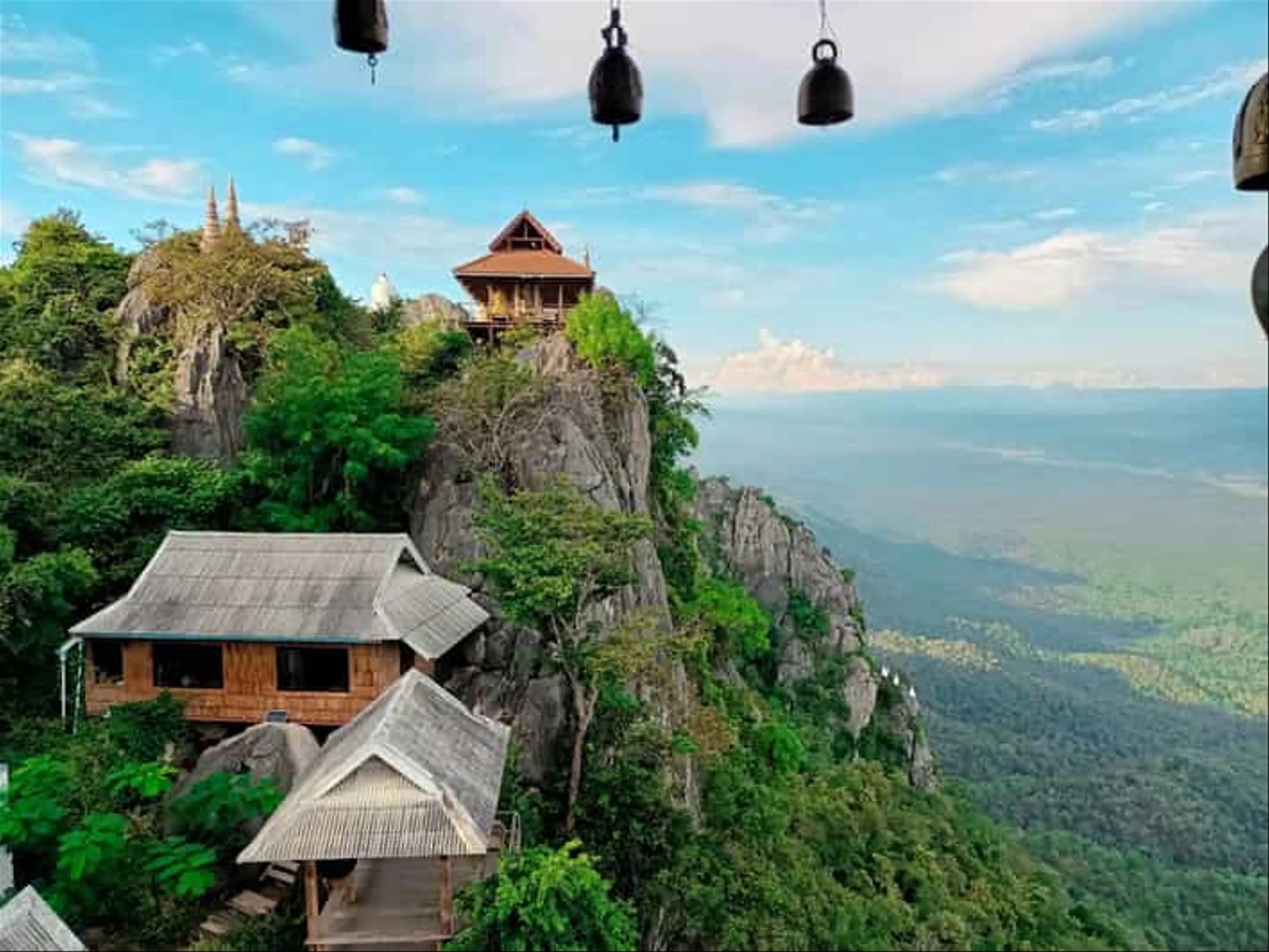
Explore the lesser-known temples of Chiang Mai and discover the secrets of Thailand's ancient Lanna culture.