

Explore the stunning White Temple in Chiang Rai, Thailand. A blend of traditional and modern art, perfect for cultural enthusiasts.
Chalermchai Kositpipat, the visionary behind the White Temple, also known as Wat Rong Khun, is a celebrated Thai visual artist whose work has redefined contemporary Thai art. Born in 1955 in Chiang Rai, Chalermchai's journey to becoming one of Thailand's most renowned artists is as fascinating as the temple he created. Educated at the prestigious Silpakorn University in Bangkok, he initially faced criticism for blending traditional Thai art with modern influences, a distinctive style that is now his signature.

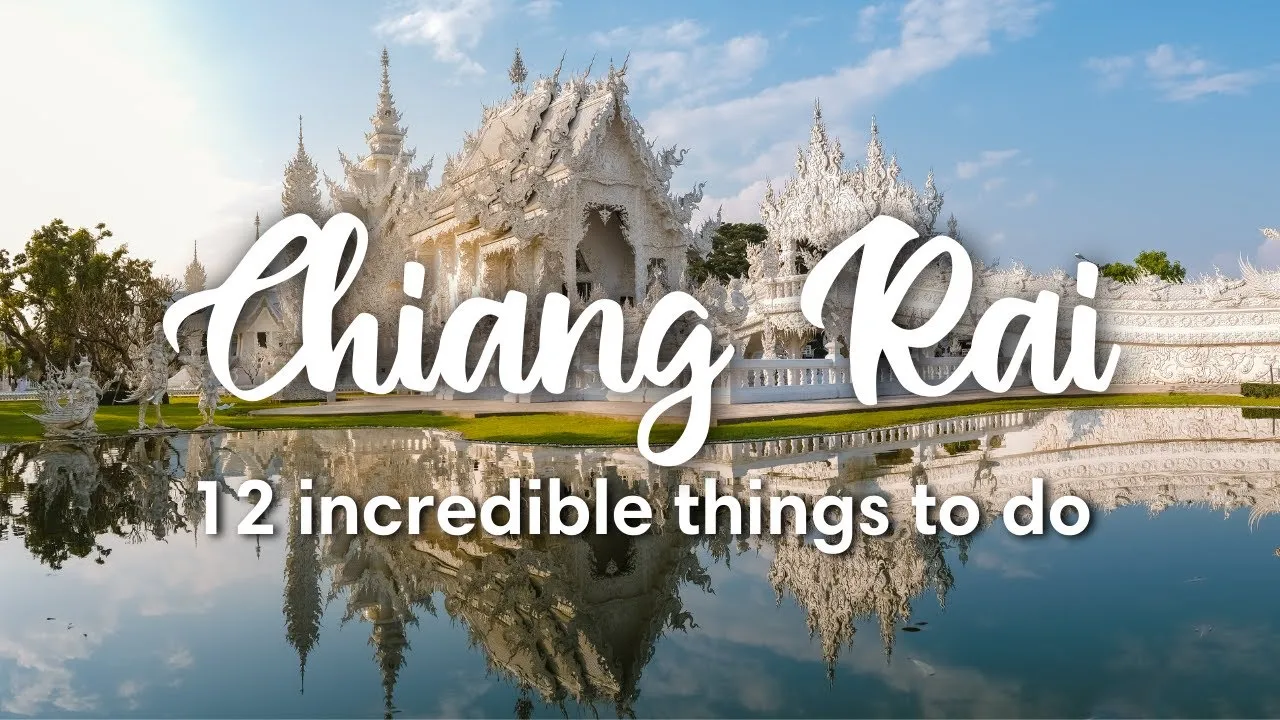
Chalermchai’s audacious vision for the White Temple was to create a living piece of art that would serve both as a place of worship and a symbol of enlightenment. Unlike traditional Thai temples, Wat Rong Khun stands out with its brilliant white exterior, symbolizing the purity of the Buddha. The use of reflective glass embedded in the plaster adds a celestial glow, representing the Buddha’s wisdom that shines brightly over the Earth.
The construction of the White Temple began in 1997, and it is a work in progress, with Chalermchai meticulously overseeing each phase of its development. Fully self-funded, Chalermchai’s dedication to his vision is evident in his refusal to accept donations that could compromise his artistic integrity. This project is a testament to his commitment to art and spirituality, blending Buddhist teachings with profound aesthetic beauty.
Beyond his artistic prowess, Chalermchai is profoundly spiritual, which deeply influences his work. He believes art is a path to enlightenment, and through the White Temple, he seeks to inspire visitors to reflect on their own spiritual journeys. His unconventional approach to art and spirituality has garnered international attention, making Wat Rong Khun a must-visit destination for art lovers and spiritual seekers alike.
Chalermchai's work extends beyond the temple; he is also known for his paintings and sculptures that reflect his unique style, characterized by intricate detail and symbolic meaning. His contributions to Thai art were recognized when he received the prestigious Silpathorn Award in 2001, further solidifying his role as a cultural icon. His ongoing dedication to the White Temple is not just about creating a place of beauty; it is about crafting a legacy that will inspire generations to come.
Stepping into the White Temple, or Wat Rong Khun, is akin to entering a realm where art and spirituality converge to create an architectural marvel unlike any other. The temple's design is a harmonious blend of traditional Thai architecture and surreal, modern elements, making it a unique masterpiece that captivates visitors at every turn. The temple's brilliant white exterior is more than just an aesthetic choice; it holds deep symbolic meaning. The whiteness signifies the purity of the Buddha, a stark contrast to the often colorful façades of other Thai temples.

The intricate carvings and sculptures that adorn the temple are imbued with symbolism, each carefully crafted to convey messages of morality and the path to enlightenment. For instance, the bridge leading to the temple represents the transition from the cycle of rebirth to the state of enlightenment, a journey that requires abandoning worldly temptations and desires. Flanking this bridge are hundreds of outreaching hands, depicting unrestrained desire and suffering, reminding visitors of the Buddhist teachings on the nature of human existence.
Upon crossing the bridge, visitors are greeted by the Ubosot, the main hall of the temple, where the exquisite use of reflective glass fragments embedded in the structure creates a mesmerizing play of light. This reflects the Buddha's wisdom, believed to illuminate the world, offering spiritual guidance to those who seek it. The interior of the Ubosot further surprises with its unconventional murals that blend traditional Buddhist imagery with pop culture icons. This juxtaposition serves to illustrate the conflict between good and evil, urging reflection on contemporary moral issues.
The temple's grounds are dotted with sculptures that challenge and provoke thought, from mythical creatures to modern-day heroes. These elements not only showcase Chalermchai Kositpipat's creativity and daring vision but also invite visitors to ponder the deeper meanings behind each piece. The design of Wat Rong Khun is a continuous narrative of spiritual introspection and artistic expression, where every element plays a role in conveying profound philosophical insights.
The ongoing construction of the White Temple ensures that it remains a dynamic work of art, constantly evolving and expanding. Each new addition is carefully considered and meticulously crafted, staying true to Chalermchai's vision of a temple that serves as a living canvas. Through this ever-changing architectural landscape, Wat Rong Khun remains a beacon of cultural and spiritual significance, drawing visitors from around the world to experience its ethereal beauty and profound symbolism.
The White Temple, or Wat Rong Khun, is not just an architectural wonder but also a profound symbol of cultural significance and spiritual themes deeply rooted in Buddhist philosophy. Unlike traditional temples that primarily serve as places of worship, Chalermchai Kositpipat has designed this temple to be an educational space where visitors can explore and contemplate the core teachings of Buddhism.
One of the most striking aspects of the temple is its ability to convey the Buddhist cycle of life, death, and rebirth through artistic symbolism. The journey through the temple grounds mirrors the path of spiritual awakening, guiding visitors from the chaos of earthly existence towards the serene wisdom of enlightenment. This theme is reflected in the temple's layout, which encourages introspection and personal reflection.
The cultural significance of the White Temple is also evident in its ability to bridge the past with the present. Chalermchai's integration of contemporary cultural elements with traditional Buddhist motifs provides a unique commentary on modern society's challenges. By incorporating images of pop culture figures and global events within the temple's murals, he invites visitors to consider how these influences affect their spiritual lives and ethical decisions.
Wat Rong Khun's design also emphasizes the importance of purity and the pursuit of ethical living, core tenets of Buddhist teachings. The temple's pristine white color is a reminder of the purity of the Buddha's teachings, urging visitors to strive for moral clarity in their own lives. The reflective surfaces throughout the temple symbolize the illumination of wisdom, casting light on the path to spiritual enlightenment.
Furthermore, the White Temple serves as a cultural ambassador for Thailand, showcasing the country's rich artistic heritage and spiritual depth. It stands as a testament to the enduring relevance of Buddhist philosophy in contemporary life and highlights the dynamic nature of Thai cultural expressions. This blend of the traditional and the modern captures the imagination of visitors, providing a holistic experience that is both educational and transformative.
In essence, the White Temple is more than a visual spectacle; it is a cultural and spiritual journey that invites exploration and introspection. Every element of Wat Rong Khun is carefully crafted to inspire a deeper understanding of life and spirituality, making it a significant landmark not only in Thailand but across the world. Its ongoing evolution ensures that it remains a vibrant beacon of cultural dialogue and spiritual reflection, continuing to attract and enlighten visitors from all walks of life.
Exploring the grounds of the White Temple, or Wat Rong Khun, offers visitors a journey that is as much about personal reflection as it is about appreciating the artistry and creativity of its creator, Chalermchai Kositpipat. As you step onto the temple grounds, you are greeted with an array of experiences that blend aesthetic beauty with profound symbolism, each inviting you to delve deeper into the narratives they present.
Begin your exploration at the iconic Bridge of the Cycle of Rebirth. This is more than just a passage into the temple; it symbolizes the transition from the earthly realm to a state of enlightenment. The bridge is flanked by a sea of outreaching hands, representing the endless cycle of human desire and suffering, a poignant reminder of the Buddhist teachings on detachment and liberation. This initial encounter sets the tone for the reflective journey ahead.
Once across the bridge, you will find yourself in front of the Ubosot, the temple's main building, where the intricate artistry and spiritual symbolism converge. The Ubosot's exterior, adorned with gleaming glass fragments, reflects sunlight in a dazzling display that symbolizes the wisdom of the Buddha illuminating the darkness of ignorance. Inside, the murals offer a surprising juxtaposition of traditional and modern imagery, encouraging visitors to contemplate the moral dilemmas of contemporary life.
As you wander the temple grounds, take time to appreciate the multitude of sculptures that punctuate the landscape. From mythical creatures guarding the temple to modern-day figures and pop culture icons, these sculptures challenge traditional perceptions and provoke thought. Each piece is meticulously crafted, offering layers of meaning that invite interpretation and reflection on the interconnectedness of the spiritual and material worlds.
Beyond the main temple, the complex includes a museum and an art gallery showcasing Chalermchai's other works, providing further insight into his artistic journey and the evolution of his style. The gallery is a testament to his creativity, featuring paintings and sculptures that echo the themes of the White Temple, blending traditional Thai aesthetics with contemporary narratives.
Visitors are also encouraged to participate in the temple's interactive elements. The wishing well and the leaves of gold are particularly popular, where you can write down your hopes and prayers, adding your personal touch to the temple. This participatory aspect of the temple experience underscores the idea of personal engagement in the spiritual journey.
Finally, the temple grounds offer serene spaces for meditation and quiet reflection. These areas are thoughtfully designed to encourage mindfulness and tranquility, allowing visitors to pause and connect with the profound spiritual energy that permeates the environment. Whether sitting quietly by a lotus pond or under a canopy of trees, you are invited to find your own moment of peace and introspection.
Exploring the White Temple is a multifaceted experience that goes beyond mere visual appreciation. It is a journey of discovery that invites you to engage with themes of life, spirituality, and the human condition, leaving you with a deeper understanding of both the art and the philosophy that underpin this extraordinary place.
When planning your visit to the White Temple in Chiang Rai, timing can significantly enhance your experience. The best time to visit is during the cooler months from November to February. During this period, the weather is more comfortable for exploring the temple grounds, with temperatures ranging from 15 to 28 degrees Celsius (59 to 82 degrees Fahrenheit). This season also coincides with Thailand’s peak tourist season, so be prepared for larger crowds.
For those preferring a quieter experience, consider visiting during the shoulder months of March and October. While the temperatures start to rise, the temple is less crowded, allowing for a more intimate exploration of its intricate details and symbolism. Alternatively, visiting early in the morning or late afternoon can also help you avoid the busiest times of the day, providing the opportunity to enjoy a more peaceful atmosphere.
When visiting the White Temple, it's important to adhere to the dress code, as it is a place of worship. Modest attire is required; ensure your shoulders and knees are covered. Lightweight, breathable clothing is recommended due to the warm climate, and comfortable shoes are essential for walking around the expansive grounds.
Photography is allowed on the temple grounds, but be mindful of the signs indicating where photos are prohibited, particularly inside the main hall, the Ubosot. Capture the temple’s stunning exterior and unique sculptures, but remember to be respectful of the space and other visitors.
The White Temple is open daily from 8:00 AM to 6:00 PM. To make the most of your visit, consider joining a guided tour. These tours often provide deeper insights into the temple’s symbolism and the history behind its creation, enriching your understanding and appreciation of Chalermchai Kositpipat’s vision.
For a truly immersive experience, spend time at the adjacent art gallery and museum. Here, you can explore more of Chalermchai's work and gain a broader perspective on contemporary Thai art and culture. Don’t miss the opportunity to participate in interactive elements, like writing your wishes on metal leaves to hang on the temple’s wishing tree, adding a personal touch to your visit.
Finally, plan to spend a couple of hours exploring the entire complex. Whether you are an art enthusiast, a spiritual seeker, or simply a curious traveler, the White Temple offers a multifaceted experience that is sure to leave a lasting impression. Be sure to bring water, sunscreen, and a hat to stay comfortable as you explore this remarkable cultural and spiritual landmark.
While the White Temple is undoubtedly a highlight of Chiang Rai, the region offers a wealth of other attractions that make it a must-visit destination in Thailand. To truly experience the cultural richness and natural beauty of Chiang Rai, consider exploring these nearby attractions that each offer their unique allure.
Just a short drive from the White Temple is the Blue Temple, or Wat Rong Suea Ten. Known for its striking sapphire hues, the Blue Temple is a vibrant contrast to the White Temple's serene whiteness. The temple’s intricate murals and the large, majestic Buddha statue inside make it a captivating site to explore. Designed by a protégé of Chalermchai Kositpipat, this temple is a testament to the ongoing evolution of Thai temple art.
Another must-see is the Black House Museum, or Baan Dam Museum, created by the late Thai artist Thawan Duchanee. This dark and enigmatic collection of over 40 structures showcases Duchanee’s interpretation of traditional Thai architecture infused with a gothic twist. The museum houses an eclectic array of art pieces, including animal bones, wood carvings, and contemporary sculptures, offering visitors a thought-provoking experience.
For those interested in history and culture, a visit to the Hill Tribe Villages provides an immersive experience into the lives of Chiang Rai’s indigenous communities. The region is home to several ethnic groups, such as the Akha, Karen, and Lahu. Tours offer insight into their traditional lifestyles, crafts, and customs, providing a unique cultural perspective beyond the typical tourist attractions.
Nature lovers will find the Doi Tung region an enchanting escape. Famous for the Doi Tung Royal Villa and Mae Fah Luang Garden, this area offers stunning landscapes and lush botanical gardens. The Royal Villa, once the residence of the Princess Mother, is now a museum that narrates the story of her life and her impactful community development initiatives in the region. The gardens, with their vibrant floral displays, are perfect for a leisurely stroll amidst nature.
For an adventurous day trip, head to the Golden Triangle, where Thailand, Laos, and Myanmar converge. This historic area, once notorious for opium production, now hosts museums and scenic viewpoints. The Hall of Opium, in particular, provides a comprehensive history of the opium trade and its impact on the region. The Golden Triangle offers a blend of cultural history and breathtaking views of the Mekong River.
Finally, no trip to Chiang Rai is complete without exploring its bustling night market. The Chiang Rai Night Bazaar offers a lively atmosphere with a multitude of stalls selling everything from local handicrafts to delicious street food. It’s an ideal place to unwind after a day of sightseeing, enjoy traditional Thai performances, and indulge in local culinary delights.
Incorporating these nearby attractions into your itinerary ensures a well-rounded exploration of Chiang Rai. From its artistic temples to its rich cultural heritage and stunning natural landscapes, Chiang Rai promises an enriching experience for every traveler. Each site complements the spiritual and aesthetic journey begun at the White Temple, making your trip to this northern Thai gem truly unforgettable.
Embracing the local culture and cuisine in Chiang Rai offers an enriching experience that goes beyond sightseeing, inviting travelers to immerse themselves in the traditions and flavors of northern Thailand. This region, with its unique blend of ethnic diversity and historical influences, provides a fascinating tapestry of cultural experiences that are as compelling as they are diverse.
.jpg)
One of the most captivating aspects of Chiang Rai's culture is its ethnic diversity. The province is home to several hill tribes, including the Akha, Lahu, Karen, and Hmong, each with their distinct customs, attire, and traditions. Visitors have the opportunity to engage with these communities, learning about their way of life, traditional crafts, and ceremonies. Participating in cultural tours or homestays can provide deeper insights into their ancestral practices and foster a greater appreciation for their contributions to Thailand's cultural mosaic.
Cuisine plays a pivotal role in the cultural identity of Chiang Rai, offering a culinary journey that reflects the region's agricultural abundance and ethnic influences. Northern Thai cuisine, known as Lanna cuisine, is characterized by its use of fresh herbs, vegetables, and spices. Sticky rice, or "khao niaow," is a staple, often served with a variety of flavorful dishes such as "khao soi" (curry noodle soup) and "nam ngiaw" (spicy pork and tomato soup). These dishes showcase the bold flavors and fragrant spices that are hallmarks of the local culinary tradition.
Street food is an integral part of Chiang Rai's dining culture, with vibrant night markets offering an array of delectable options. The Chiang Rai Night Bazaar is a must-visit for food enthusiasts, where you can sample local snacks like "sai ua" (northern Thai sausage) and "kao lam" (sweet sticky rice cooked in bamboo). The atmosphere is lively, with food vendors showcasing their skills and locals gathering to enjoy a communal dining experience.
For a more immersive culinary experience, consider partaking in a cooking class. Many local chefs offer workshops where you can learn to prepare traditional dishes, providing a hands-on understanding of the ingredients and techniques that define northern Thai cuisine. These classes often include visits to local markets, where you can explore the rich array of fresh produce and spices that form the backbone of the region's culinary heritage.
Chiang Rai's tea culture is another aspect not to be missed. The region's cool climate and fertile soil make it ideal for tea cultivation, with several plantations offering tours and tastings. Visitors can learn about the tea production process and sample various locally grown teas, such as oolong and green tea, while enjoying the serene beauty of the plantations.
In embracing the local culture and cuisine of Chiang Rai, travelers not only experience the flavors and traditions that define this northern Thai province but also gain a deeper understanding of the rich cultural tapestry that makes this region so unique. Whether through exploring hill tribe villages, savoring street food delicacies, or learning the art of Thai cooking, Chiang Rai offers a wealth of opportunities to connect with its vibrant heritage, ensuring a memorable and culturally enriching journey.
As the White Temple continues to draw visitors from around the globe, the importance of sustainable tourism becomes increasingly critical to preserve this iconic site for future generations. Wat Rong Khun is not just a place of artistic and spiritual significance; it is a testament to the delicate balance between tourism and conservation. By adopting sustainable practices, both visitors and the local community can ensure the longevity and integrity of this extraordinary temple.

One of the primary ways to support sustainable tourism at the White Temple is by being mindful of the environmental impact. Visitors are encouraged to respect the temple grounds by refraining from littering and minimizing waste. The temple complex has made efforts to provide recycling and waste disposal facilities, and visitors can contribute by using these resources responsibly. Additionally, reducing the use of single-use plastics and bringing reusable water bottles can significantly lessen the ecological footprint of each visit.
Transportation choices also play a crucial role in sustainable tourism. Opting for eco-friendly travel options, such as shared transportation or biking, can reduce carbon emissions associated with individual car travel. The local community offers several bicycle rental services, allowing tourists to enjoy a more intimate and environmentally friendly exploration of Chiang Rai and its surroundings. This not only supports sustainability but also enhances the travel experience by providing a closer look at the local culture and landscape.
Supporting local businesses and artisans is another key aspect of sustainable tourism. The White Temple's surrounding area is home to a vibrant community of craftspeople and small enterprises. By purchasing locally produced goods and dining in local establishments, visitors can contribute to the economic well-being of the community, ensuring that the benefits of tourism are equitably distributed. This approach fosters a symbiotic relationship between visitors and residents, promoting social sustainability.
Education and awareness are fundamental to preserving the cultural heritage of Wat Rong Khun. Visitors are encouraged to learn about the temple's history, symbolism, and cultural significance before and during their visit. Guided tours can provide deeper insights into the sustainable practices already in place and how they contribute to the temple's preservation. By understanding the importance of these efforts, tourists can become advocates for preserving cultural sites worldwide.
Chalermchai Kositpipat, the mastermind behind the White Temple, is committed to ensuring that his creation remains a beacon of cultural and spiritual enlightenment. He has implemented measures to manage visitor numbers and mitigate the impact of tourism on the temple's infrastructure. Visitors can support these efforts by respecting visitor guidelines and participating in initiatives designed to protect the site.
Ultimately, the preservation of the White Temple for future generations depends on a collective commitment to sustainable tourism. By making conscious choices that prioritize environmental care, cultural respect, and community support, visitors can play a pivotal role in safeguarding this remarkable landmark. Through these efforts, the White Temple will continue to inspire and enlighten travelers from all over the world, serving as a lasting testament to the harmony between art, spirituality, and sustainable tourism.
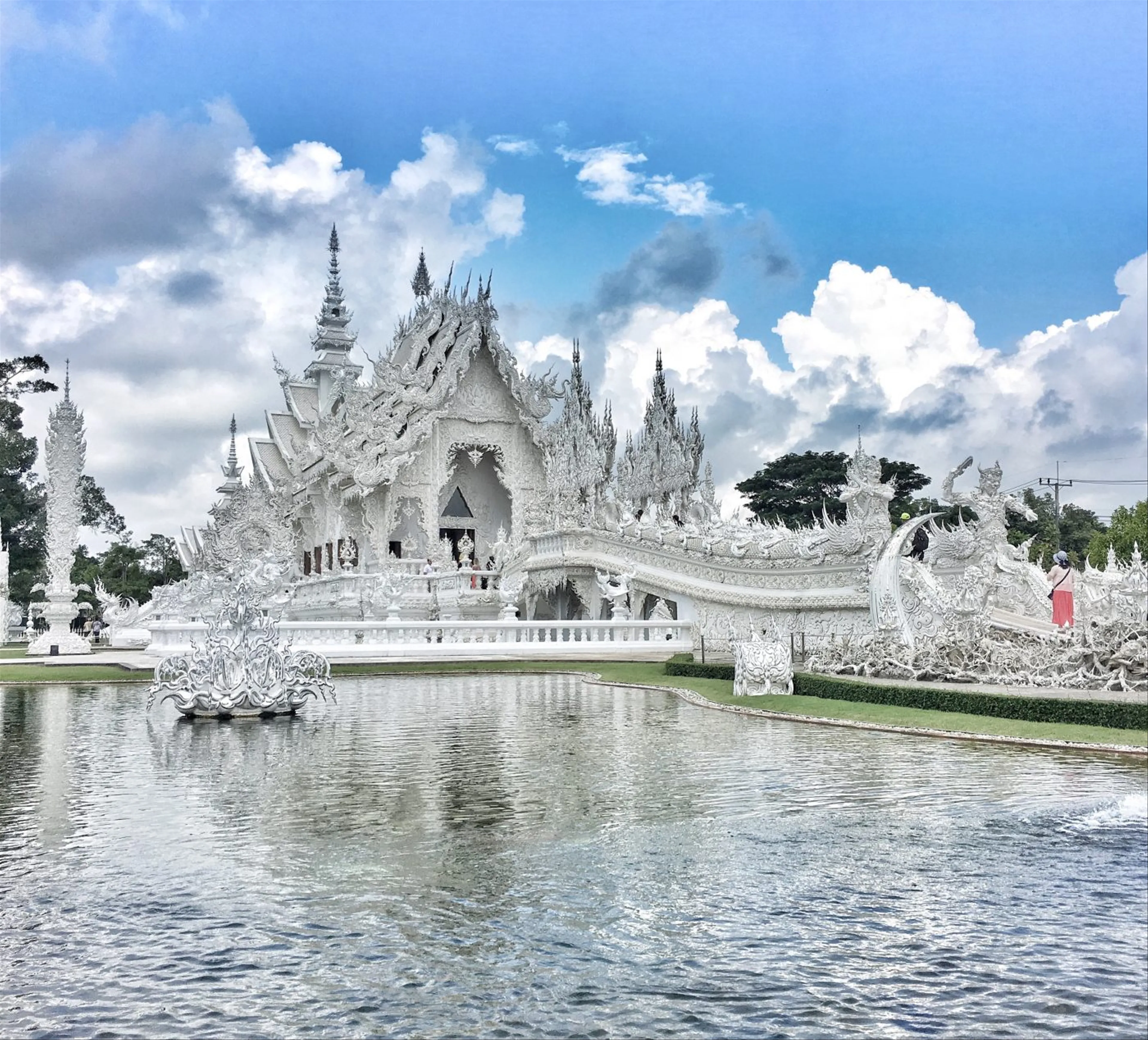
Explore the captivating beauty of Chiang Rai's White Temple, a stunning fusion of art and spirituality in Thailand.
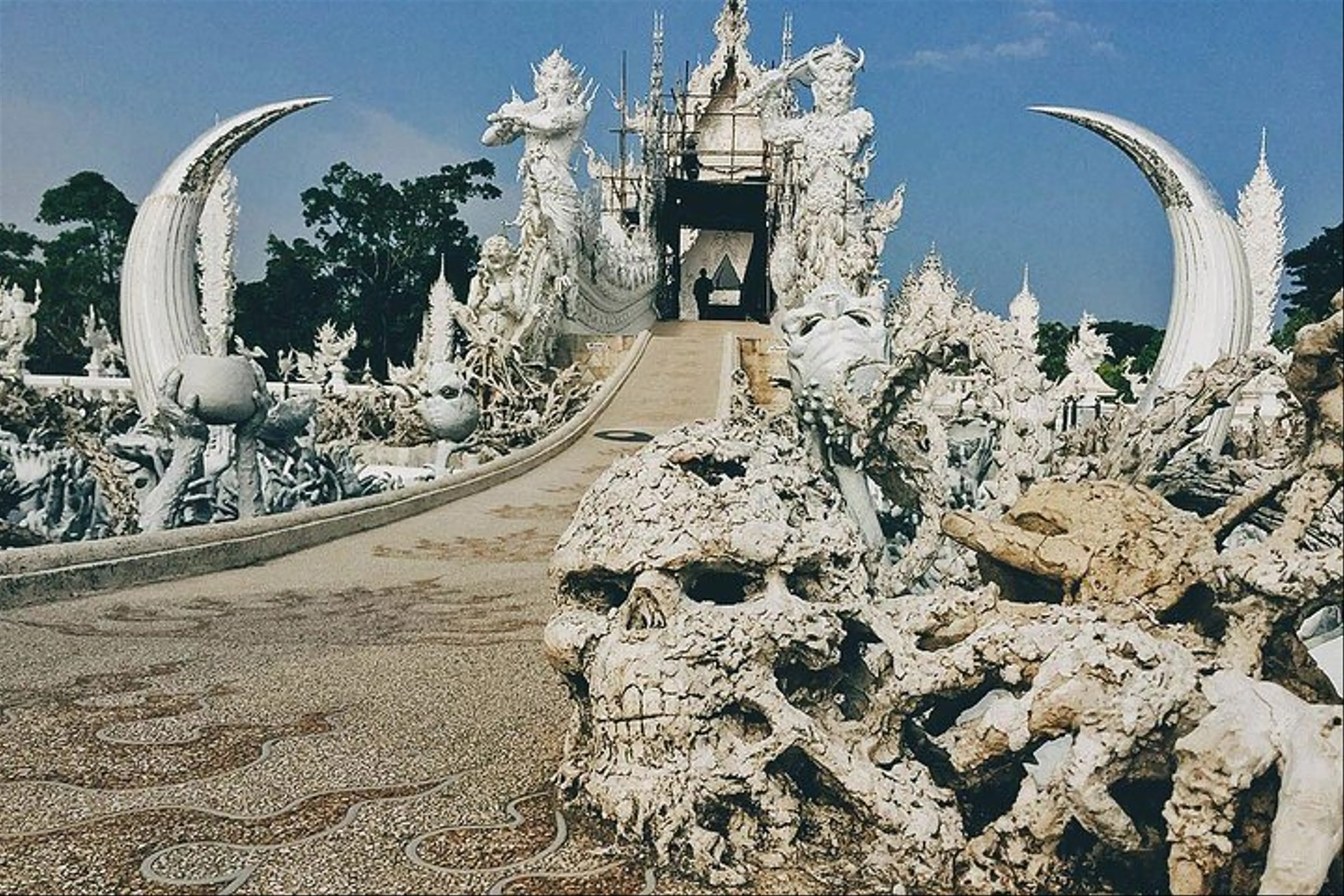
Explore Chiang Rai, Thailand—a city of artistic marvels, vibrant markets, and cultural treasures. Begin your journey here!
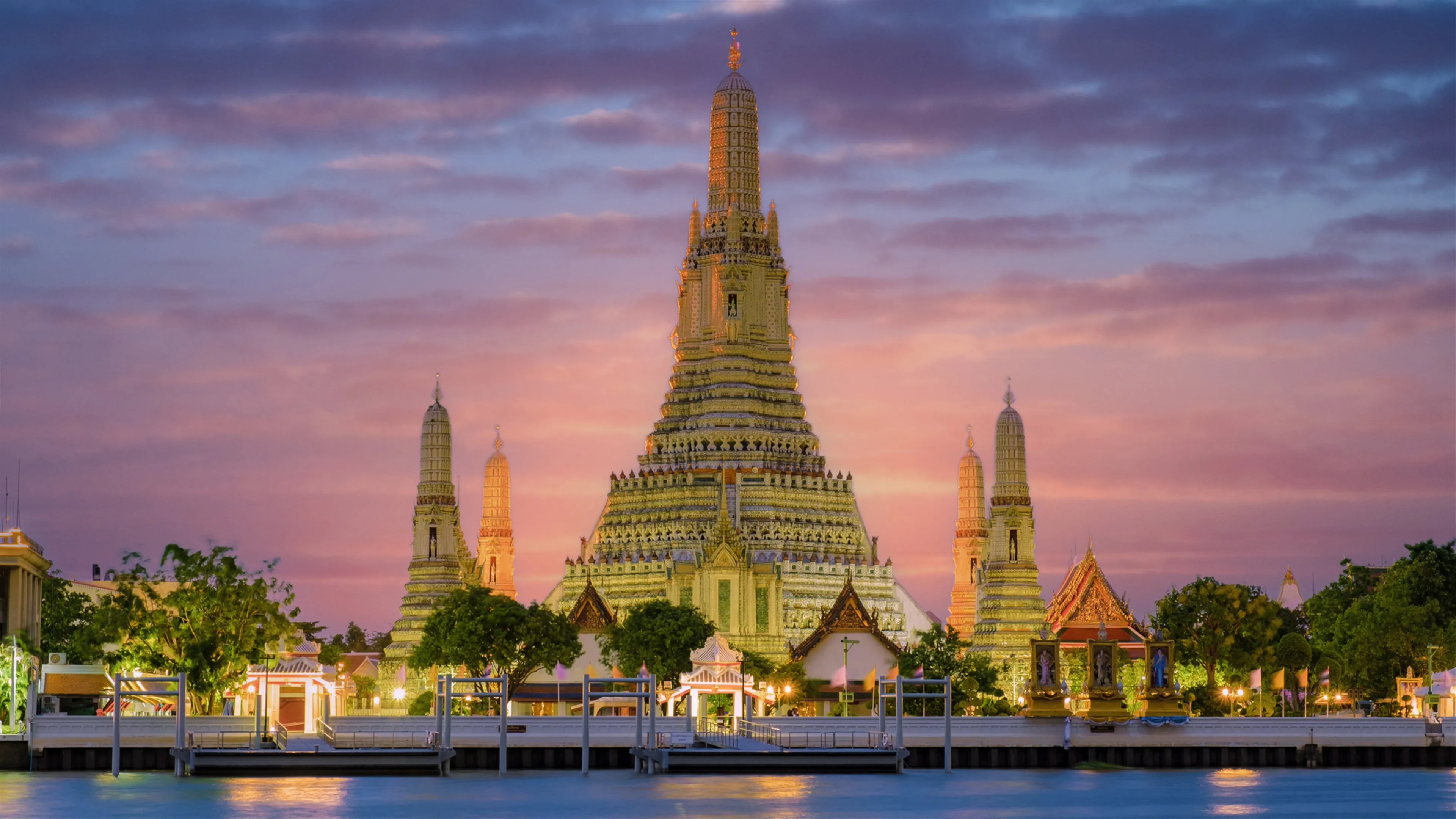
Explore Wat Arun, Bangkok's picturesque Temple of Dawn, and immerse yourself in its serene beauty and cultural significance.