

Explore the magical Lantern Festival in Chiang Mai, Thailand, and immerse yourself in a captivating cultural experience under the glowing night sky.
The Lantern Festival in Chiang Mai, known locally as Yi Peng, is deeply rooted in Thai tradition and Buddhist practices, offering a fascinating glimpse into the cultural tapestry of northern Thailand. This enchanting festival is celebrated annually during the full moon of the twelfth month in the Thai lunar calendar, typically in November. It coincides with the Loy Krathong festival, another luminous event, but Yi Peng is distinctive to the Lanna region, encompassing Chiang Mai.

The origins of Yi Peng can be traced back to the ancient Lanna Kingdom, which reigned over much of northern Thailand from the 13th to the 18th century. The festival's celebration of light and renewal is symbolic of letting go of the past year’s misfortunes and making wishes for the future. Participants release hundreds of paper lanterns, or khom loi, into the night sky, believing that as the lanterns ascend, they carry away troubles and bring good luck.
Beyond its spiritual significance, Yi Peng holds deep cultural importance. It is a time for family gatherings, traditional music, and dance performances, reflecting the communal spirit of the Thai people. The festival also serves as an opportunity for locals to honor Buddha. Lanterns are often released after being blessed by monks, reinforcing the connection between the festival and Buddhist teachings.
Yi Peng not only celebrates personal reflection and renewal but also offers a chance to appreciate the beauty of Chiang Mai's cultural heritage. The city itself transforms into a vibrant canvas of lights, with temples adorned in colorful decorations and streets bustling with food stalls and local artisans showcasing their crafts. For international travelers, participating in Yi Peng is an immersive experience that provides a profound understanding of Thai customs and the enduring influence of the Lanna culture.
Timing your visit to coincide with the Yi Peng Lantern Festival in Chiang Mai can be a rewarding experience, offering a unique opportunity to witness one of Thailand’s most breathtaking cultural events. The festival is traditionally held on the full moon of the twelfth month in the Thai lunar calendar, which typically falls in November. This timing not only aligns with the lunar cycle but also marks the end of the rainy season, providing a serene backdrop of clear skies for the lanterns' ascent.
:max_bytes(150000):strip_icc()/GettyImages-158259836-59cbd45c519de20012e2dff7.jpg)
To fully immerse yourself in the festival, it’s important to plan your trip around the key dates and events. The main celebrations usually span over a few days, with the most significant activities occurring on the night of the full moon. However, events and smaller celebrations often start a day or two before and continue afterwards, allowing visitors several days to engage with various cultural activities.
The heart of the Yi Peng celebrations takes place in and around the old city of Chiang Mai. Iconic locations such as the Tha Phae Gate and the banks of the Ping River become focal points for festivities, featuring vibrant parades, cultural performances, and street markets. Temples throughout the city, such as Wat Phan Tao and Wat Chedi Luang, also host special ceremonies and are beautifully decorated with lanterns, creating an ethereal ambiance perfect for photography and cultural exploration.
For those seeking a more structured experience, several organized events offer scheduled lantern releases. Venues outside the city, like the Mae Jo University, are renowned for their synchronized lantern releases, where thousands of lanterns are launched simultaneously, creating a mesmerizing spectacle of light. These events often require advance ticket purchases due to their popularity among both locals and tourists.
To make the most of your visit, it’s advisable to arrive in Chiang Mai a few days before the full moon to acclimate and explore the city’s rich heritage at a leisurely pace. Accommodations can fill up quickly during the festival, so booking in advance is recommended. By thoughtfully timing your trip, you can experience the magic of Yi Peng and the enchanting cultural tapestry of Chiang Mai at its most radiant.
The Yi Peng Lantern Festival in Chiang Mai is a visual spectacle that captivates the senses and enriches the soul. As twilight descends upon the city, the anticipation builds, and the streets fill with a colorful array of activity and celebration. Expect a mesmerizing blend of sights and sounds that transform the city into a radiant wonderland.

One of the most striking features of the festival is the release of thousands of khom loi, or paper lanterns, into the night sky. This breathtaking scene creates an illuminated tapestry of floating lights that gently drift upwards, painting the heavens with a warm, golden glow. As the lanterns ascend, they symbolize the release of worries and the hope for a bright future, providing an emotional and spiritual connection for both participants and observers alike.
Beyond the lantern release, the festival encompasses a diverse array of cultural performances and events. Traditional Lanna music and dance are prominently featured, offering a glimpse into the region's rich artistic heritage. Street parades weave through the city, with performers in elaborate costumes showcasing their talents, creating a lively and festive atmosphere. Expect to encounter local musicians playing traditional instruments and dancers performing intricate routines, all contributing to the vibrant energy of the festival.
The festival also provides an opportunity to indulge in the rich flavors of Thai cuisine. Street vendors line the roads, offering a tantalizing array of local delicacies. From savory dishes like pad thai and khao soi to sweet treats such as mango sticky rice and coconut ice cream, the culinary offerings are as diverse and enticing as the festival itself. Sampling these dishes is an essential part of the Yi Peng experience, allowing visitors to savor the unique tastes of northern Thailand.
Temples throughout Chiang Mai become focal points of beauty and reflection during the festival. These sacred spaces are adorned with intricate lantern displays and colorful decorations, inviting visitors to explore and meditate. Many temples host special ceremonies, where monks perform blessings and rituals that deepen the spiritual significance of the occasion. The serene ambiance of these sacred sites provides a moment of tranquility amidst the joyous festivities, offering a deeper understanding of the cultural and religious aspects of Yi Peng.
As you wander through the illuminated streets, you’ll find local artisans showcasing their crafts, from lantern-making to traditional weaving. These artisans often give live demonstrations, offering insights into the craftsmanship and skill that underpin these cultural traditions. Engaging with local artists not only enhances the festival experience but also supports the preservation of Chiang Mai's vibrant cultural heritage.
In essence, the Yi Peng Lantern Festival is a feast for the eyes and the spirit. It offers a unique opportunity to immerse oneself in the cultural richness of Chiang Mai, where the ethereal beauty of the lanterns and the warmth of Thai hospitality create unforgettable memories for all who partake in this magical event.
Participating in the Yi Peng Lantern Festival by releasing your own lantern is a deeply personal and unforgettable experience that allows you to connect with the festival’s spiritual and cultural essence. It’s a moment where you actively partake in the symbolism of letting go and looking forward, making it a highlight of any visit to Chiang Mai during this magical time.
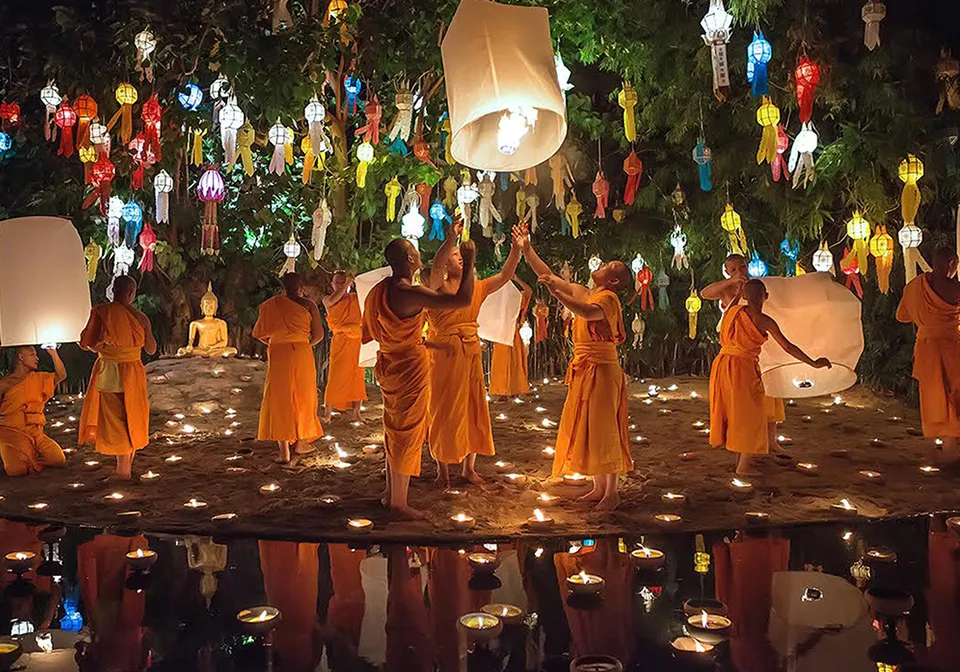
To begin, you'll need to acquire a khom loi, the traditional paper lantern used in the festival. These are readily available from various vendors around Chiang Mai, particularly near key festival sites and temples. Choosing a lantern is a step infused with intention; many believe that the act of selecting and preparing a lantern is as significant as its release.
Once you have your lantern, take a moment to reflect on your intentions or wishes. The symbolic nature of the lantern release is tied to the idea of renewal and hope, and many participants take this opportunity to meditate on personal goals or shed past burdens. Writing a message or inscribing a wish on the lantern’s paper surface is a common practice, adding a personal touch to the ritual.
When it’s time to release your lantern, find a safe, open space where the lantern can ascend without obstruction. Popular locations include the banks of the Ping River or open fields near organized events. It’s important to follow local guidelines and respect safety instructions, as the mass ascent of lanterns requires careful coordination to ensure a safe and environmentally friendly experience.
Lighting the lantern is a communal activity often shared with family or friends. Carefully ignite the fuel source at the base of the lantern and hold it steady as the warm air fills the paper shell, lifting it gently. This process can take a few minutes, offering a meditative pause as you watch the lantern transform from a simple object into a vessel of light.
As your lantern takes flight, join the collective gaze of onlookers marveling at the sky, now aglow with countless floating lights. This shared moment of awe and reflection is a powerful reminder of the festival's communal spirit, as every lantern contributes to the breathtaking tapestry above.
Finally, while participating in the lantern release, respect the cultural sensitivity of the event. Many local communities view the festival as a sacred ceremony, and being mindful of customs and traditions enhances the experience for everyone involved. Approach the celebration with an open heart and a spirit of gratitude for the opportunity to engage with Chiang Mai’s vibrant culture.
Releasing your own lantern during the Yi Peng Festival is more than just a visual delight; it is an act of participation in a centuries-old tradition that offers a profound sense of connection to the people and heritage of northern Thailand. Whether you are a solo traveler or with loved ones, this experience is sure to leave a lasting impression, filled with the warmth and wonder of this enchanting festival.
Attending the Yi Peng Lantern Festival in Chiang Mai offers a unique opportunity to engage with Thai culture, but it also calls for an understanding of the local customs and etiquette to fully appreciate the experience. Respecting these traditions not only enhances your visit but also honors the cultural significance of this beautiful event.

Firstly, it’s important to dress appropriately when attending the festival, especially if you plan to visit temples or participate in ceremonies. Modest clothing is recommended; this means covering your shoulders and knees. Lightweight, breathable fabrics are ideal for staying comfortable in the tropical climate while adhering to cultural norms.
When visiting temples, it is crucial to observe proper decorum. Remove your shoes before entering the temple grounds, and be mindful of your behavior. Temples are sacred spaces, and maintaining a quiet, respectful demeanor is appreciated. If you wish to take photographs, always ask for permission first, particularly if monks or worshippers are present.
Engaging with local traditions is a wonderful way to deepen your understanding of the festival. Many locals partake in merit-making activities, such as offering food to monks or making donations to temples. Joining these practices can be a meaningful way to connect with the community and participate in the festival’s spiritual undertones.
When releasing lanterns, it is important to adhere to safety guidelines and respect the environment. The local authorities often provide instructions on where and how to safely release lanterns. Avoid areas with heavy vegetation or close to buildings, and always ensure your lantern is biodegradable to minimize environmental impact.
Respecting personal space and maintaining a positive attitude are also key aspects of participating in the festival. The event attracts large crowds, and being patient and polite can greatly enhance your experience. A simple smile or "khop khun ka/khrap" (thank you in Thai) goes a long way in expressing appreciation and building rapport with locals.
Lastly, take the time to learn about the significance of the festival and its rituals. Understanding the historical and cultural context of Yi Peng enriches your participation and demonstrates respect for the traditions you are witnessing.
By embracing these cultural etiquettes and traditions, you not only show your appreciation for Thai culture but also contribute to the respectful and celebratory ambiance that makes the Yi Peng Lantern Festival such a cherished event. Your mindful participation ensures that this enchanting celebration continues to be a source of joy and inspiration for both locals and visitors alike.
While the Yi Peng Lantern Festival is undoubtedly a highlight of any trip to Chiang Mai, the city and its surroundings offer a wealth of experiences that extend beyond the festival's luminous charm. Exploring Chiang Mai beyond the lantern festival allows travelers to dive deeper into the region's rich cultural tapestry, natural beauty, and vibrant community life.
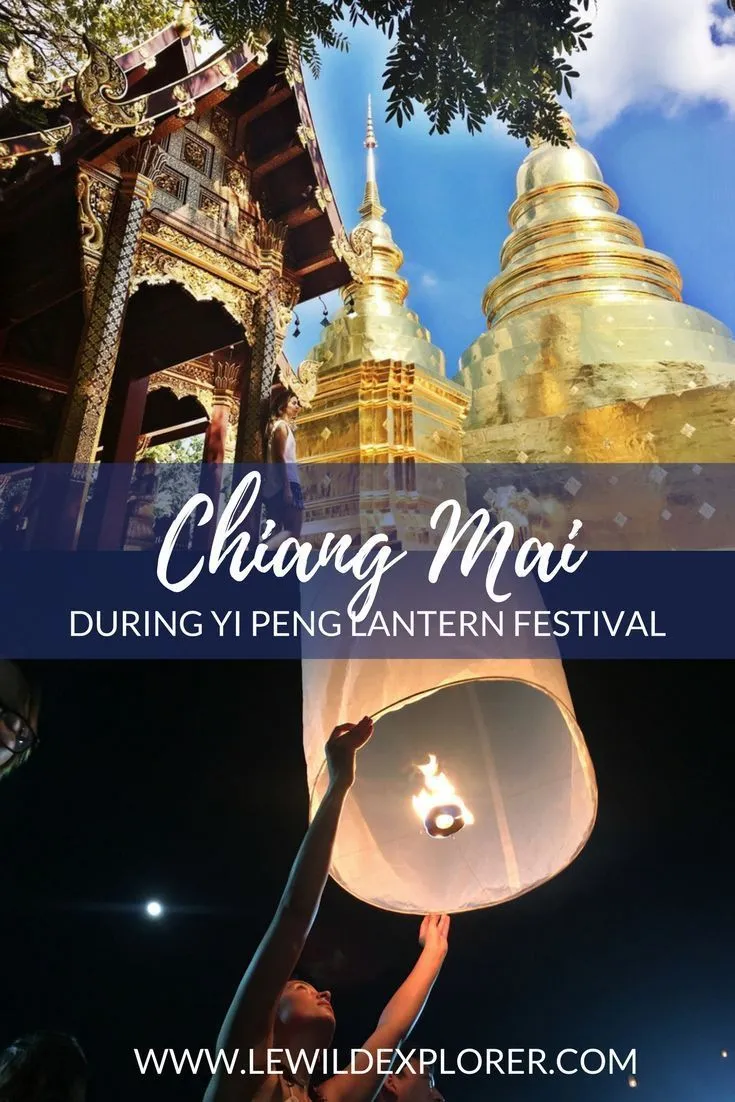
Start your exploration with a visit to Chiang Mai's historic Old City. Enclosed by remnants of ancient walls and a moat, this area is home to a plethora of temples, including the revered Wat Phra Singh and Wat Phan Tao. Each temple offers a unique architectural style and historical significance, providing insights into the spiritual backbone of the region. Strolling through the narrow streets of the Old City, you'll encounter charming cafes, bustling markets, and artisan shops that capture the essence of Chiang Mai's creative spirit.
For a taste of Chiang Mai's natural splendor, venture into the nearby mountains. Doi Suthep-Pui National Park is a must-visit, offering lush landscapes and breathtaking views of the city below. Within the park, Wat Phra That Doi Suthep stands as a spiritual beacon. This iconic temple, perched on a mountain, can be reached by climbing a 300-step staircase lined with mythical Naga serpents. At the summit, you'll find a golden chedi and panoramic vistas that make the journey worthwhile.
Chiang Mai is also a hub for traditional Thai crafts. The Bo Sang Handicraft Centre, located just outside the city, is renowned for its exquisite umbrella-making tradition. Watching skilled artisans create delicate, hand-painted umbrellas is a testament to the craftsmanship that defines the region. Similarly, the nearby village of Ban Tawai offers a deep dive into woodcarving and other local crafts, making it a perfect spot for picking up unique souvenirs.
The culinary scene in Chiang Mai is a delightful exploration in itself. The city is famous for its Northern Thai cuisine, which blends flavors and techniques distinct from other regions of Thailand. Delve into local dishes such as khao soi, a rich coconut curry noodle soup, or sai ua, a flavorful northern sausage. For an immersive gastronomic experience, consider joining a cooking class to learn the secrets behind these traditional recipes.
Chiang Mai's night markets are another highlight, providing a sensory feast of sights, sounds, and tastes. The Night Bazaar and the Sunday Walking Street Market are vibrant hubs where you can shop for handmade goods, sample street food, and enjoy live performances. These markets are perfect for soaking up the lively atmosphere and engaging with the local community.
For those interested in sustainable tourism, Chiang Mai offers several opportunities to connect with nature and wildlife responsibly. Elephant sanctuaries around the city provide ethical experiences where visitors can learn about and care for these majestic creatures without partaking in rides or performances. These sanctuaries focus on conservation and education, providing a meaningful way to contribute to the welfare of Thailand's elephant population.
As your time in Chiang Mai draws to a close, consider taking a leisurely bike ride through the countryside or a serene boat trip on the Ping River. These experiences offer a tranquil contrast to the festival's excitement, allowing you to reflect on the cultural and natural richness that makes Chiang Mai a truly enchanting destination.
Chiang Mai, a city that captivates with its cultural vibrancy, also entices travelers with its culinary offerings. The local cuisine is a delightful reflection of the region’s Lanna heritage, characterized by bold flavors, aromatic spices, and an emphasis on fresh ingredients. Exploring Chiang Mai's culinary delights is an adventure for the palate, offering a taste of the city's rich history and diverse influences.

At the heart of Chiang Mai's culinary scene is khao soi, a beloved northern Thai dish that perfectly encapsulates the region’s flavors. This rich, coconut curry noodle soup is served with both soft and crispy noodles and garnished with lime, pickled mustard greens, and shallots. A fusion of Burmese and Thai influences, khao soi is a must-try for any visitor, with countless street stalls and restaurants offering their own variations.
Another iconic dish is sai ua, a northern Thai sausage that bursts with flavor. Made from a mixture of coarsely chopped pork, herbs, and spices, including lemongrass, kaffir lime leaves, and galangal, sai ua is grilled to perfection. This aromatic sausage is often enjoyed as a snack or accompaniment to sticky rice, providing a spicy and savory bite that is both satisfying and addictive.
Chiang Mai's markets are a treasure trove of culinary delights, offering a sensory feast for food enthusiasts. The Warorot Market, a bustling hub of activity, is the place to sample a variety of local snacks and street food. Here, you can try nam prik ong, a northern Thai chili dip made from minced pork and tomatoes, typically served with fresh vegetables and sticky rice. This dish highlights the region’s love for bold and balanced flavors.
For those with a sweet tooth, Chiang Mai offers an array of traditional desserts that are sure to delight. Mango sticky rice is a perennial favorite, featuring ripe mango slices paired with sweet sticky rice drizzled with coconut cream. Another popular treat is khanom krok, small coconut pancakes that are crispy on the outside and soft on the inside, often topped with green onions or sweet corn.
The city’s vibrant night markets are not only perfect for shopping but also for indulging in a culinary journey. The Sunday Walking Street Market and the Night Bazaar are excellent places to explore a wide variety of dishes, from grilled meats and seafood to freshly made smoothies and exotic fruits. These markets provide an authentic taste of Chiang Mai's street food culture, offering a casual dining experience amidst the lively atmosphere.
For a deeper dive into the culinary traditions of Chiang Mai, consider joining a cooking class. Many local chefs offer workshops that take you from market tours to hands-on cooking sessions, allowing you to create classic northern Thai dishes. This immersive experience not only enhances your understanding of the ingredients and techniques but also allows you to bring a piece of Chiang Mai's culinary heritage back home.
In essence, the culinary landscape of Chiang Mai is as enchanting as its cultural festivals. Each dish tells a story, inviting you to savor the diverse flavors and traditions that define northern Thai cuisine. Whether indulging in a street food feast or savoring a traditional meal, the culinary delights of Chiang Mai promise to leave a lasting impression on your taste buds and your travel memories.
Choosing the right accommodation during the Yi Peng Lantern Festival in Chiang Mai is essential for making the most of your experience. The city offers a diverse range of lodging options, from luxurious resorts to budget-friendly hostels, each providing unique benefits that cater to different travel preferences. Here are some insightful tips to help you find the perfect place to stay during this magical festival.

For those seeking to immerse themselves in the heart of the festivities, staying within the Old City is an ideal choice. This area is not only steeped in history but also serves as the epicenter for many of the festival's events, including parades and temple ceremonies. Accommodation options here range from charming boutique hotels housed in traditional wooden buildings to contemporary guesthouses offering modern amenities. Staying in the Old City allows you to easily explore the festival on foot, soaking in the vibrant atmosphere without the need for transportation.
If you prefer a more tranquil setting, consider staying in the Nimmanhaemin area. Known for its trendy cafes, art galleries, and boutique shops, Nimmanhaemin offers a lively yet laid-back vibe. Accommodations in this neighborhood often feature stylish interiors and a hip ambiance, providing a perfect retreat after a day of festival activities. While slightly removed from the main festival sites, the area is well-connected by public transport and tuk-tuks, making it convenient to venture into the Old City when desired.
For travelers who appreciate luxury and comfort, Chiang Mai boasts several high-end resorts and hotels that offer a serene escape from the bustling festival energy. Many of these establishments are located along the scenic banks of the Ping River, providing stunning views and a peaceful environment. These resorts often include additional amenities such as spas, swimming pools, and fine dining options, allowing guests to unwind in style while still being a short drive away from the festival's main attractions.
Budget-conscious travelers need not worry, as Chiang Mai is home to a wide array of affordable accommodations. From cozy hostels with social atmospheres to budget hotels offering essential amenities, there are plenty of options to suit any tight travel budget. These establishments often facilitate a sense of community among travelers, providing opportunities to meet fellow festival-goers and share experiences.
Regardless of where you choose to stay, it is crucial to book your accommodation well in advance. The Yi Peng Lantern Festival is a popular event that attracts visitors from around the world, leading to high demand for lodging. Securing your accommodation early ensures a wider selection and potentially better rates, giving you peace of mind as you plan your trip.
In summary, whether you wish to be in the midst of the action or prefer a quieter respite, Chiang Mai offers a diverse range of accommodation options to suit every traveler's needs. By selecting the right place to stay, you can fully enjoy the enchanting Yi Peng Lantern Festival and create unforgettable memories in this culturally rich city.
Capturing the magical essence of the Yi Peng Lantern Festival in Chiang Mai through photography is a rewarding endeavor that enables you to relive the experience and share its beauty with others. To help you make the most of this enchanting festival, here are some insightful photography tips that cater to both novice and seasoned photographers.
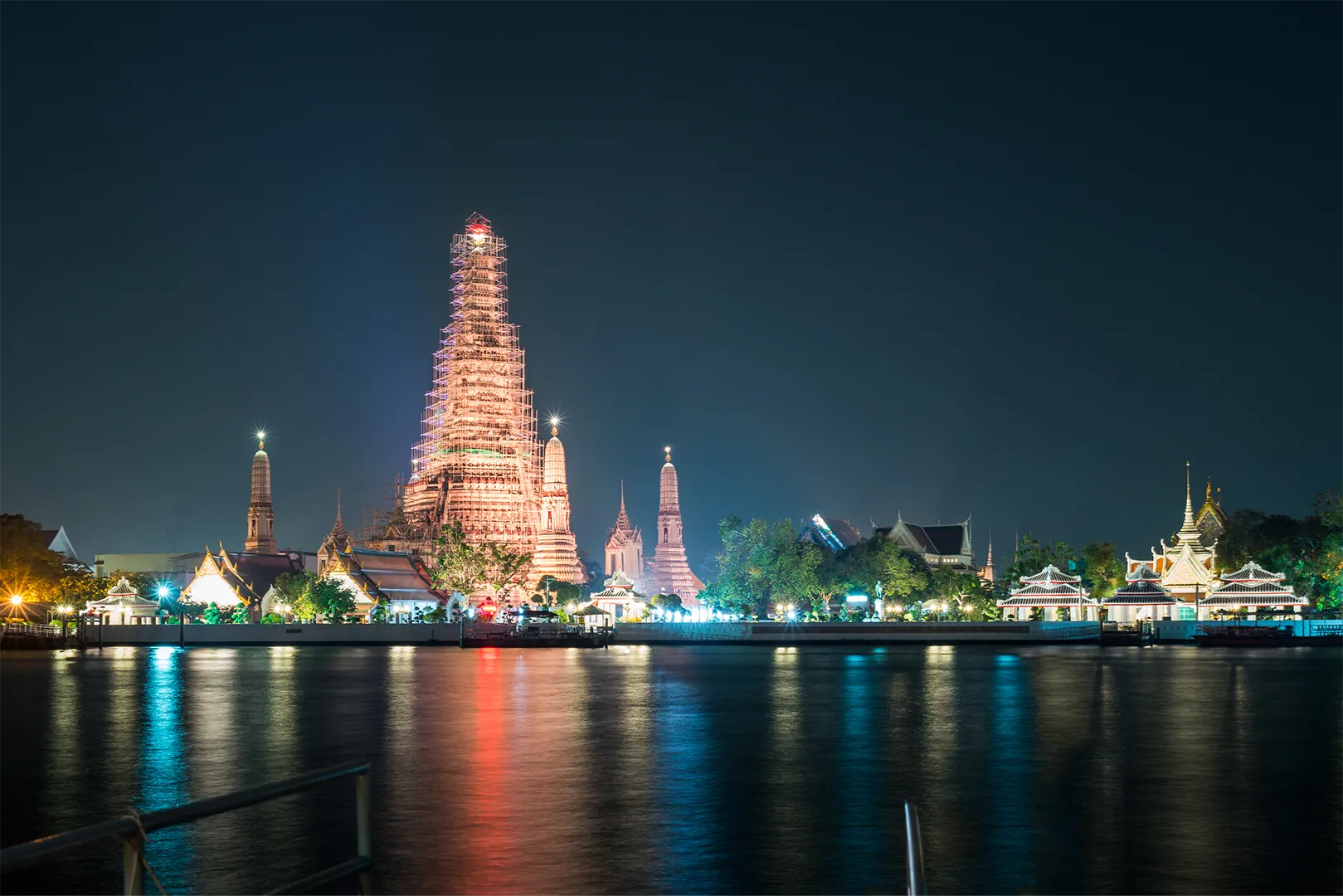
Firstly, understand the importance of timing. The festival's most photogenic moments occur after sunset when the lanterns are released into the night sky. Arrive early to secure a good vantage point, especially at popular locations like the Ping River or organized events outside the city. This not only allows you to set up your equipment but also gives you the opportunity to capture the buildup and excitement as people prepare their lanterns.
When photographing the lantern release, consider using a tripod. The stability provided by a tripod is essential for capturing sharp images during low-light conditions and long exposures. This is particularly important when photographing the lanterns' ascent, as the movement combined with the dim lighting can result in blurry images without adequate stabilization.
Experiment with different exposure settings to achieve the desired effect. A longer exposure can beautifully capture the trail of lanterns as they ascend, creating a stunning visual of light streaks against the night sky. Conversely, a shorter exposure can freeze the moment, highlighting individual lanterns and the expressions of people participating in the release.
Utilize a wide aperture to let in more light and create a shallow depth of field. This technique allows you to focus on a specific subject, such as a lantern or a participant, while softly blurring the background. It’s an effective way to draw attention to the main subject and convey the emotion and atmosphere of the festival.
Composition plays a crucial role in photography, so be mindful of framing your shots. Capture the context by including elements like temple decorations, traditional costumes, or the surrounding crowd. These details add depth to your images and tell a more comprehensive story of the festival experience.
Don't forget to capture the candid moments. The festival is a vibrant cultural event filled with emotion and interaction. Photographing people as they prepare, release, and watch the lanterns can produce powerful images that convey the communal spirit and personal reflections of the festival.
Post-processing can enhance your photographs, but aim to maintain the authenticity of the scene. Adjustments to contrast, brightness, and color balance should emphasize the natural beauty of the event without overshadowing it with heavy edits. Preserving the warm glow of the lanterns and the ambient lighting can evoke the festival's magical atmosphere.
Finally, respect the experience of others while photographing. Be considerate of those around you, avoiding obstructing views or disrupting the serene moments of the ceremony. Your presence should enhance the event, not detract from it, ensuring that everyone can enjoy and appreciate the beauty of Yi Peng.
By applying these photography tips, you can capture the enchanting moments of the Yi Peng Lantern Festival with skill and sensitivity, creating a visual diary of your journey that reflects the cultural richness and luminous beauty of Chiang Mai.
The Yi Peng Lantern Festival in Chiang Mai is a breathtaking cultural event, but its environmental impact is an important consideration for both organizers and participants. As the festival grows in popularity, so does the need for sustainable practices to preserve the region's natural beauty and cultural heritage. Understanding and mitigating the environmental impact of the festival is crucial to ensuring that its enchanting magic can continue for generations to come.

One of the primary environmental concerns associated with the Yi Peng Festival is the release of thousands of paper lanterns, known as khom loi. While these lanterns create a stunning visual spectacle, they can also pose risks to wildlife and the environment if not properly managed. Traditionally, khom loi are made from biodegradable materials like rice paper and bamboo, which helps minimize their ecological footprint. However, ensuring that all lanterns are made from environmentally friendly materials remains a critical challenge.
Efforts to improve sustainability at the festival have led to the introduction of several eco-conscious initiatives. Organizers and local authorities actively promote the use of biodegradable lanterns and provide guidelines on safe release practices. These measures aim to prevent lanterns from landing in areas where they could cause harm, such as forests, water bodies, or agricultural fields. Visitors are encouraged to purchase lanterns from reputable vendors who prioritize sustainability, ensuring that their experience aligns with eco-friendly principles.
In addition to managing the lanterns themselves, waste management during the festival is another crucial aspect of sustainability. The influx of tourists during Yi Peng results in increased waste production, from food packaging to festival souvenirs. To address this, Chiang Mai has implemented various waste reduction strategies, such as providing ample disposal facilities and promoting recycling efforts. Visitors are encouraged to dispose of their waste responsibly and to support local businesses that adhere to sustainable practices.
The festival also offers an opportunity to raise environmental awareness among attendees. By integrating educational initiatives into the festivities, organizers can inform both locals and tourists about the importance of protecting the environment. Workshops and informational booths on topics such as waste reduction, responsible tourism, and the ecological significance of the region can foster a greater understanding of sustainability issues, inspiring positive change beyond the festival.
Community involvement plays a vital role in the festival's sustainability efforts. Local organizations and volunteers often collaborate to clean up areas affected by the festival, ensuring that any debris is promptly removed. These community-driven initiatives not only help maintain the cleanliness of Chiang Mai but also strengthen the sense of communal responsibility and pride in preserving the region's natural and cultural assets.
Ultimately, the sustainability of the Yi Peng Lantern Festival relies on the collective efforts of organizers, participants, and the wider community. By embracing eco-friendly practices and fostering a culture of environmental stewardship, the festival can continue to enchant visitors while safeguarding the delicate balance of Chiang Mai's ecosystems. Through conscious participation and mindful decision-making, attendees can contribute to a more sustainable future for this beloved cultural event, ensuring that its luminous beauty endures for years to come.
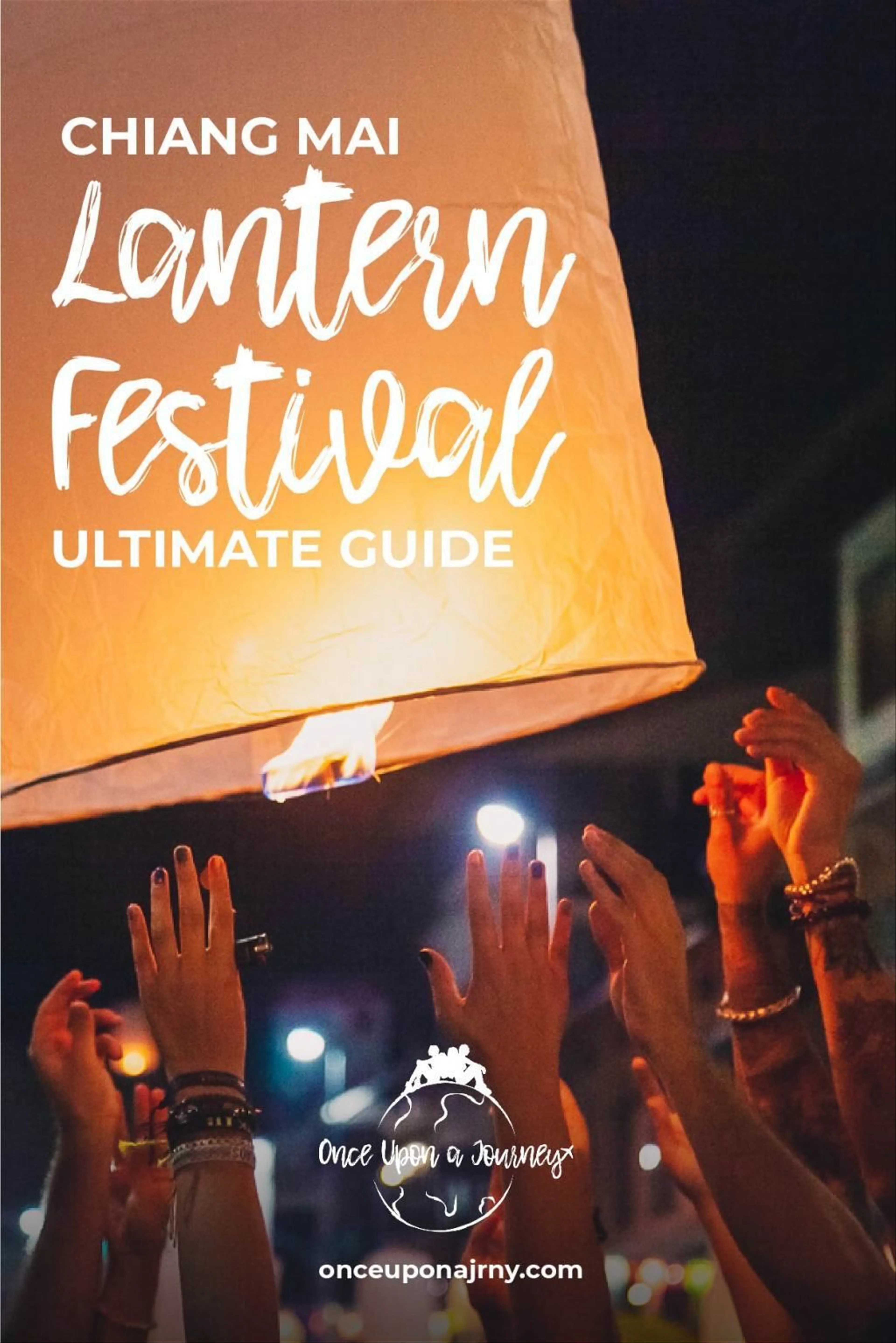
Explore the magic of Chiang Mai's Lantern Festival. Discover traditions, vibrant festivities, and serene beauty in this Thai celebration.
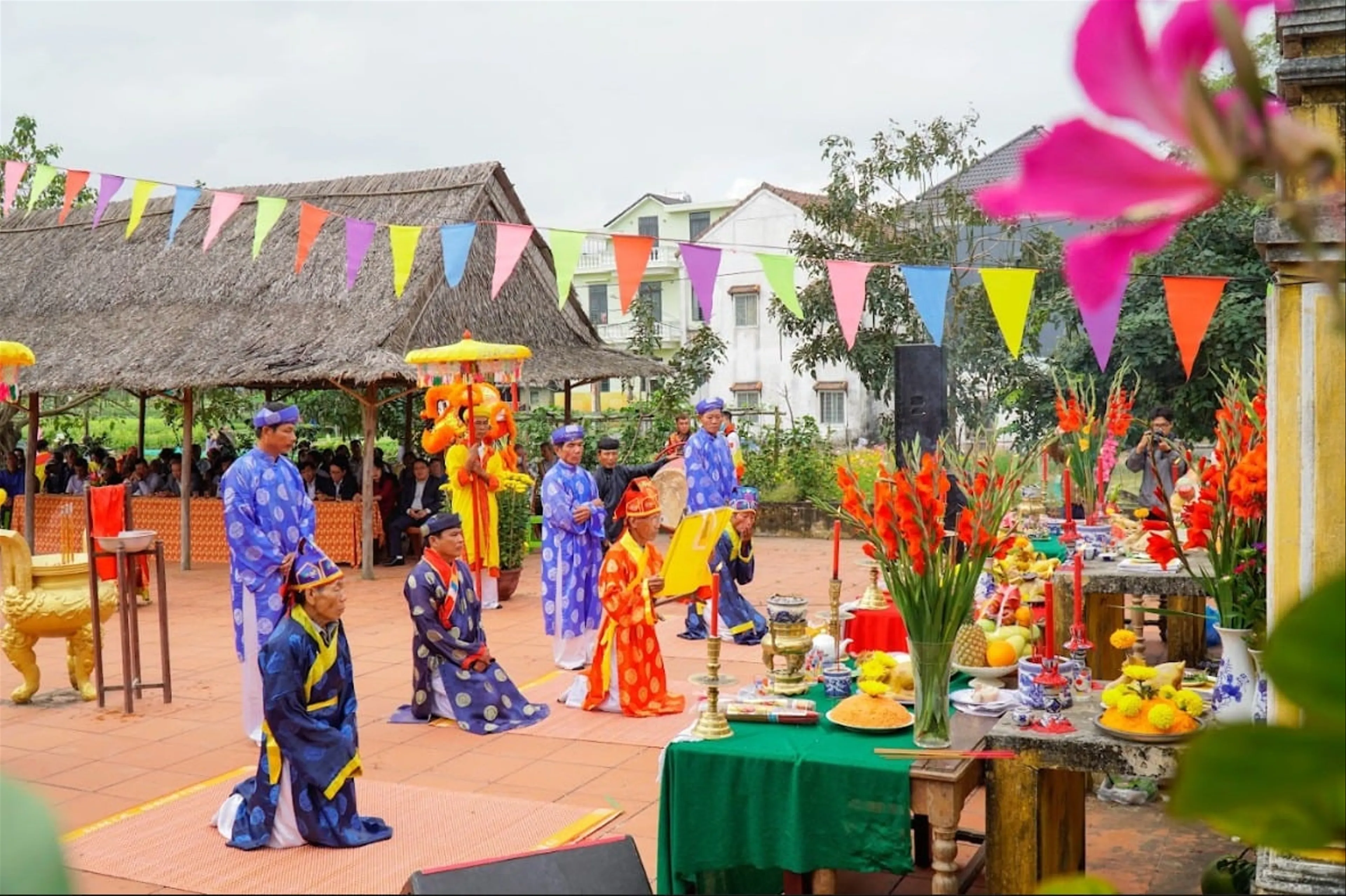
Hoi An, the ancient jewel nestled along the Hoai River, transforms into a radiant and vibrant spectacle during its festive seasons. It's not just an opportunity to admire the tranquil charm of the ancient town but also a chance to immerse yourself in the jubilant atmosphere and unique cultural experiences. Let Bdatrip guide you through some of the most outstanding festivals that promise unforgettable moments.
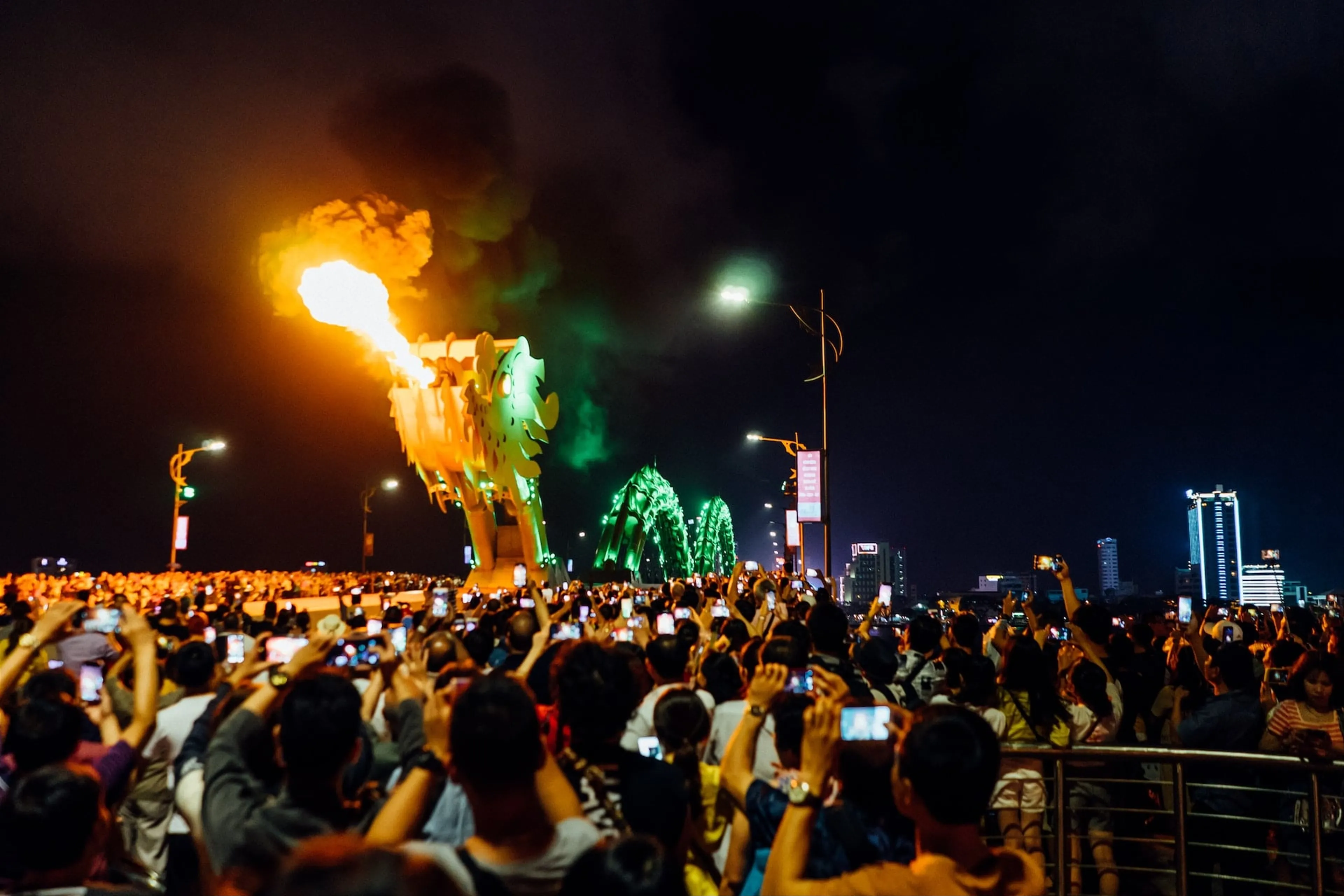
Vietnam is a country that celebrates its culture and heritage in a grand way. Let's take you on a cultural journey through Vietnam to discover its colorful festivals that have a hold on life there.