Explore Chiang Mai's night markets, a culinary paradise where the flavors of Northern Thailand come alive with every bite.
Chiang Mai, nestled in the mountainous regions of northern Thailand, is a city where tradition meets innovation. It's a destination that enthralls visitors with its rich history, vibrant culture, and breathtaking landscapes. However, one of the most compelling reasons to explore this enchanting city is its night markets, which offer a tantalizing culinary adventure that reflects the heart and soul of the region.
As the sun sets, Chiang Mai transforms into a bustling hub of activity, where the air is infused with the aromas of sizzling street food and the vibrant energy of locals and tourists alike. These night markets are not just a place to eat; they are a cultural experience that showcases the diversity and creativity of Thai cuisine. Here, amidst a kaleidoscope of colors and sounds, you can sample everything from traditional Northern Thai dishes to innovative fusion creations, each with its unique blend of flavors and spices.
Chiang Mai's night markets are distinguished by their variety and authenticity. Each stall is a small window into the culinary traditions that have been passed down through generations, lovingly prepared by vendors who take pride in their craft. Whether you're a seasoned foodie or a curious traveler, the night markets offer something for every palate. From the fiery heat of som tam (papaya salad) to the comforting warmth of khao soi (coconut curry noodle soup), every bite is a new discovery.
Beyond the food, these markets are a social and cultural tapestry, where locals and visitors mingle, share stories, and forge connections. It's a place where you can lose yourself in the rhythm of the city, wandering through lively stalls adorned with vibrant textiles, handmade crafts, and unique souvenirs. The night markets of Chiang Mai are a testament to the city's ability to preserve its heritage while embracing the new, making them an essential stop for anyone seeking an authentic taste of Thailand.
The culinary traditions of Northern Thailand, particularly in Chiang Mai, are a fascinating tapestry woven from the region's unique history, geography, and cultural influences. Rooted in Lanna culture, the cuisine here is distinct from the more widely known dishes of Central and Southern Thailand, offering flavors and ingredients that tell stories of the past while embracing the present.

At the heart of Northern Thai cuisine is its emphasis on fresh, local ingredients. The fertile valleys around Chiang Mai provide a bounty of herbs, vegetables, and fruits that are integral to the dishes you'll encounter. Sticky rice, known as "khao niao," is a staple, often served in small bamboo baskets and eaten with the hands. Unlike the fragrant jasmine rice of the south, sticky rice is preferred here for its ability to complement the robust flavors of Northern dishes.
A hallmark of the region's cuisine is its bold use of spices and herbs, which create complex layers of taste. The use of galangal, lemongrass, and kaffir lime leaves infuses dishes with a fresh, citrusy aroma, while the ubiquitous chili peppers add a fiery kick that is balanced by the sweetness of palm sugar. Fermented fish sauce and shrimp paste, staples in many Thai kitchens, are used sparingly, allowing the natural flavors of the ingredients to shine.
One of the distinguishing features of Northern Thai cuisine is its array of curries. Unlike the coconut milk-based curries found elsewhere in Thailand, Northern curries are often broth-based and lighter. Gaeng Hang Lay, a Burmese-influenced pork curry, is a local favorite, known for its rich, warming spices and tamarind-infused tanginess. Meanwhile, the famed Khao Soi, a creamy coconut curry noodle soup, offers a delightful contrast of textures with its crispy fried noodles topping soft, chewy ones beneath.
Beyond individual dishes, the culinary traditions in Chiang Mai reflect a communal dining culture. Meals are often served "khan tok" style, where small dishes are shared among family and friends, encouraging a sense of community and connection. This approach to dining is not just about nourishment but also about sharing experiences and creating memories around the table.
Influences from neighboring countries, such as Myanmar, Laos, and China, have also left their mark on Northern Thai cuisine. This blend of culinary traditions has resulted in an array of dishes that are at once familiar and intriguingly new to the adventurous palate. Whether it's the fragrant herbal sausages known as "sai oua" or the comforting simplicity of "nam prik noom," a spicy green chili dip, the food of Northern Thailand is a celebration of flavor and tradition.
Exploring the rich culinary traditions of Northern Thailand is an invitation to delve deeper into the cultural heart of Chiang Mai. Each dish is a reflection of the land and its people, offering a taste of the region's vibrant history and a glimpse into its culinary future. For travelers seeking an authentic experience, the flavors of Northern Thailand provide an unforgettable journey through the senses.
When exploring Chiang Mai's night markets, the array of culinary delights can be overwhelming, yet thrilling for any food enthusiast. Here, you will find a tapestry of flavors that offer a true taste of the region's culinary prowess. Each dish tells a story of tradition and innovation, making it essential to know which delicacies are a must-try during your visit.

Start your culinary journey with "Sai Oua," the Northern Thai sausage. This aromatic delight is packed with an irresistible blend of lemongrass, kaffir lime leaves, and galangal, offering a burst of flavors with every bite. Usually grilled to perfection, it’s a popular choice for those looking to experience authentic Northern Thai spices.
Next, indulge in a bowl of "Khao Soi," a dish that embodies the essence of Chiang Mai’s culinary scene. This creamy coconut curry noodle soup is adorned with crispy fried noodles and a squeeze of lime, creating a harmonious blend of textures and flavors. It's a dish that perfectly balances the richness of the coconut milk with the subtle heat of the curry.
For a snack that packs a punch, try "Som Tam," the spicy green papaya salad. This dish is a staple across Thailand but has a special twist in Chiang Mai. It combines shredded green papaya with a medley of ingredients like tomatoes, peanuts, dried shrimp, and chili, all pounded together in a mortar and pestle. The result is a refreshing and fiery dish that tantalizes the taste buds.
Another must-try is "Gaeng Hang Lay," a Northern Thai curry that reflects the region’s historical ties with Burma. This dish features tender pork belly simmered in a fragrant mix of ginger, garlic, and tamarind, resulting in a curry that is both savory and slightly tangy. It's a comforting dish that warms both the heart and soul.
As you wander through the market, don't miss out on "Nam Prik Noom," a Northern Thai chili dip that is a staple accompaniment to many meals. Made from roasted green chilies, garlic, and shallots, it's perfect for dipping with sticky rice or fresh vegetables. Its smoky and spicy profile is a testament to the bold flavors of the region.
Finish your culinary exploration with a sweet treat like "Khanom Krok," small coconut pancakes that are a popular street food dessert. These delightful bites are crispy on the outside and soft on the inside, often topped with spring onions or sweet corn for an added burst of flavor.
Each of these dishes offers a unique insight into the culinary traditions of Northern Thailand, making them essential tasting experiences at the night markets. As you savor each bite, you are not just enjoying a meal; you are partaking in a rich cultural tapestry that has been crafted over centuries. Whether you're a seasoned traveler or a first-time visitor, the flavors of Chiang Mai’s night markets promise an unforgettable journey through the senses.
Exploring Warorot Market, or Kad Luang as it is known locally, offers an immersive glimpse into the everyday life and culinary traditions of Chiang Mai. Situated near the Ping River, this bustling market is a beloved local haunt where the true essence of Northern Thai culture and cuisine comes alive. Unlike the more tourist-oriented night markets, Warorot Market provides an authentic experience, where you can witness the vibrant interplay of colors, sounds, and aromas that define Chiang Mai.

Warorot Market is a feast for the senses, beginning with its dynamic atmosphere. As you enter, you are greeted by a symphony of vendors enthusiastically showcasing their goods. The market sprawls over several floors, with each level offering a diverse array of products. From fresh produce and exotic fruits to handmade textiles and traditional clothing, it is a treasure trove for those eager to explore the local way of life.
One of the highlights of Warorot Market is its extensive array of food stalls, where you can sample a variety of Northern Thai delicacies. This is the perfect place to try "Sai Ua," the renowned Northern Thai sausage, made fresh daily and grilled to aromatic perfection. For those with a sweet tooth, the market offers a delightful selection of local desserts such as "Khao Lam," sticky rice cooked in bamboo, infused with coconut milk and sugar for a naturally sweet treat.
A visit to Warorot Market is not complete without exploring its vibrant spice and herb stalls. Here, you can purchase fresh curry pastes, dried chilies, and a variety of herbs that are integral to Thai cooking. These ingredients not only make for excellent souvenirs but also provide an opportunity to bring a taste of Chiang Mai back to your own kitchen.
Beyond its culinary offerings, Warorot Market is a cultural hub where you can observe the daily interactions of Chiang Mai's residents. It's a place where locals gather to shop, eat, and socialize, providing visitors with a genuine insight into Northern Thai lifestyle. The market's bustling energy and friendly vendors create a welcoming environment, inviting you to engage in conversations and learn more about the stories behind the products.
For those interested in fashion and textiles, Warorot Market offers a selection of traditional Lanna clothing and intricate hill tribe textiles. These beautifully crafted garments and fabrics reflect the rich cultural heritage of the region and are perfect for those looking to take home a piece of Chiang Mai's artistic legacy.
Exploring Warorot Market is an enriching experience that goes beyond mere shopping. It is an opportunity to connect with the heart of Chiang Mai, understanding its people and their customs through the lens of its vibrant market culture. Whether you're tasting the bold flavors of Northern Thai cuisine or admiring the craftsmanship of local artisans, a visit to Warorot Market is a journey into the soul of Chiang Mai, offering memories that linger long after the trip has ended.
Street food in Thailand is much more than a convenient meal on the go; it is a deeply ingrained cultural phenomenon that reflects the lifestyle and values of the Thai people. The vibrant street food scene offers a window into the country's culinary heritage, communal spirit, and the everyday lives of its citizens. From bustling cities to quiet villages, food stalls line the streets, providing a space where social interactions naturally unfold and community ties are strengthened.
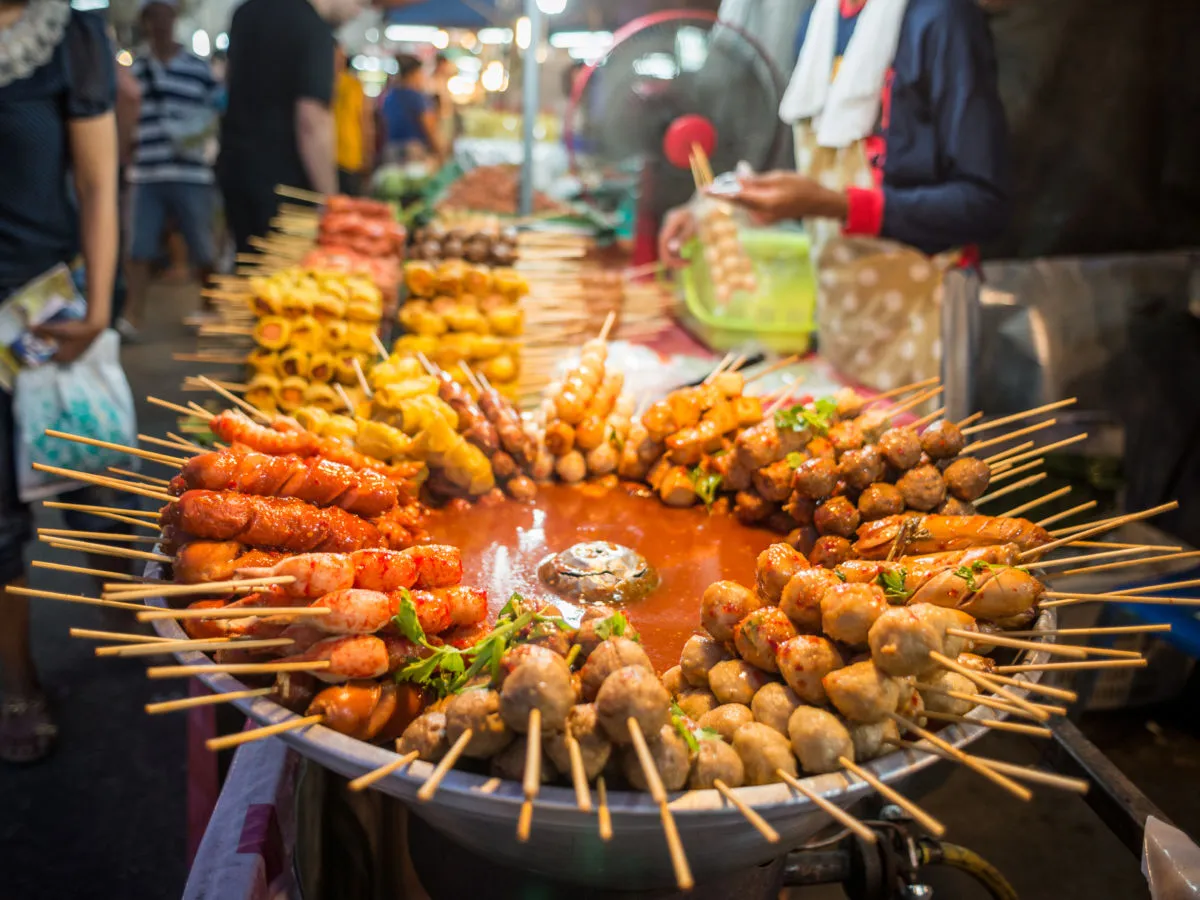
At its core, street food in Thailand embodies the essence of Thai hospitality and the importance of food as a social connector. The act of sharing a meal, especially in a public setting, is a cherished tradition that encourages camaraderie and storytelling. Street food vendors often become local fixtures, known not just for their culinary skills but also for their friendly interactions and the welcoming atmosphere they create. This communal dining experience fosters a sense of belonging and shared identity among diners, whether they are lifelong residents or travelers passing through.
Moreover, street food in Thailand is a testament to the nation's resourcefulness and culinary creativity. Many dishes originated from the need to make the most of available ingredients, leading to a diverse array of flavors and textures that define Thai cuisine today. From the fragrant herbs and spices that enliven each dish to the ingenious use of fresh, local produce, street food showcases the dynamic interplay between tradition and innovation. Vendors often take pride in their unique family recipes, which have been passed down through generations, ensuring that each bite is steeped in history and cultural significance.
The accessibility and affordability of street food also play an important role in its cultural significance. In a country where the pace of life varies greatly between urban and rural areas, street food provides a quick and economical option for people from all walks of life. It serves as an equalizer, bringing together individuals from diverse backgrounds to enjoy the same culinary delights. This inclusivity is a reflection of the Thai concept of "sanuk," which emphasizes the importance of enjoying life and finding pleasure in everyday moments.
Street food markets, much like those in Chiang Mai, are also cultural landmarks that offer insights into the local way of life. They are vibrant hubs of activity, where the air is filled with sizzling sounds and enticing aromas. These markets are often situated near key cultural or historical sites, further enriching the experience for visitors who wish to immerse themselves in the local culture. By engaging with street food, travelers not only satisfy their appetites but also gain a deeper understanding of Thailand's cultural tapestry.
In essence, the cultural significance of street food in Thailand cannot be overstated. It is a living expression of the nation's history, values, and traditions, providing a delicious gateway to understanding the heart and soul of Thai society. For anyone exploring Thailand, indulging in its street food is an essential part of the journey, offering both nourishment and a profound connection to the vibrant culture that makes this country so unique.
Visiting Chiang Mai's night markets is an adventure in itself, where the vibrant atmosphere and a myriad of culinary delights await at every turn. To make the most of your experience and navigate these bustling markets with ease, it's helpful to arm yourself with a few key tips and insights.

Firstly, timing is everything. Arriving early, around sunset, allows you to explore the market before the crowds swell. This gives you the chance to leisurely wander through the stalls, observe vendors setting up, and even engage in conversation with them about their offerings. Early birds also have the advantage of sampling freshly prepared dishes while securing the best seating spots to enjoy their meals.
An essential strategy is to come hungry and with an open mind. The sheer variety of food can be overwhelming, so approach your night market visit as a culinary journey. Be adventurous and try dishes you may not find elsewhere. Sampling smaller portions from multiple stalls allows you to experience a broader range of flavors and textures without filling up too quickly.
Cash is king in Chiang Mai's night markets. Most vendors do not accept credit cards, so it's wise to carry enough cash, preferably in small denominations, to make transactions smoother and faster. This not only helps vendors with change but also speeds up the process, especially during peak hours when stalls are busy.
Language barriers can be an exciting challenge. While many vendors understand basic English, learning a few Thai phrases can enhance your interactions and show respect for local culture. Simple phrases like "hello" (sawasdee) and "thank you" (khop khun) go a long way in creating a positive and memorable experience.
For those concerned about food safety, look for stalls with high turnover. A steady stream of customers usually indicates fresh, popular food. Observing how food is prepared and ensuring it is cooked to order can also help alleviate concerns. Trust your instincts; if something doesn't look or smell right, there are plenty of other options to explore.
Be mindful of the environment by minimizing waste. Bring your own reusable utensils and bags to reduce plastic usage. Many vendors are happy to accommodate this eco-friendly practice, and it contributes to a cleaner, more sustainable market experience.
Lastly, embrace the ambiance. Night markets are as much about soaking in the lively atmosphere as they are about the food. Take time to enjoy the street performances, browse the non-food stalls for unique souvenirs, and simply people-watch. This immersive experience is what makes Chiang Mai's night markets a highlight of any visit.
By following these tips, you'll be well-equipped to navigate the bustling night markets of Chiang Mai, ensuring a delightful and culturally enriching experience that will linger long in your memories.
As the world increasingly turns its attention to sustainable practices, Chiang Mai stands out as a beacon of environmental mindfulness, particularly in its approach to cuisine. The city's culinary landscape is not only celebrated for its bold flavors and diverse offerings but also for its commitment to sustainability and local sourcing. This focus on environmental stewardship is evident in the way many vendors and restaurateurs in Chiang Mai prioritize locally sourced ingredients, traditional farming methods, and eco-friendly practices.

At the heart of this movement is the emphasis on using fresh, seasonal ingredients that are sourced from the surrounding fertile regions. Chiang Mai's geography, with its lush valleys and temperate climate, provides an abundance of produce that finds its way into the local cuisine. From aromatic herbs like Thai basil and cilantro to tropical fruits such as mangoes and lychees, the region's bounty is celebrated in dishes that highlight the natural flavors and nutritional benefits of these ingredients.
Farmers' markets play a crucial role in this sustainable food ecosystem. These markets, often held weekly, are gathering places for small-scale farmers to sell their produce directly to consumers. This direct farm-to-table approach not only supports local economies but also reduces the carbon footprint associated with transporting goods over long distances. By purchasing directly from farmers, chefs and home cooks alike can ensure the freshness and quality of their ingredients while fostering a closer connection to the land and its stewards.
Sustainability in Chiang Mai's cuisine extends beyond ingredient sourcing to encompass traditional farming practices that have been passed down through generations. Many local farmers employ organic and permaculture techniques that work in harmony with the environment. These methods avoid the use of harmful pesticides and fertilizers, promoting biodiversity and soil health. Such practices not only protect the ecosystem but also enhance the flavor profile of the produce, making for a richer culinary experience.
In the bustling night markets and vibrant street food scene, the focus on sustainability is reflected in the use of biodegradable packaging and the reduction of waste. Many vendors are adopting eco-friendly alternatives to single-use plastics, such as banana leaves, which are often used as natural, compostable serving vessels. This shift towards greener practices not only helps to preserve Chiang Mai's natural beauty but also aligns with the global movement towards more responsible consumption.
Additionally, the rise of farm-to-table restaurants in Chiang Mai is a testament to the city’s evolving culinary ethos. These establishments often feature menus that change with the seasons, reflecting the availability of ingredients and celebrating the diversity of local produce. By showcasing the best of what the region has to offer, these restaurants educate diners about the importance of sustainability and the joy of eating in harmony with nature.
Chiang Mai's commitment to sustainability and local sourcing is a powerful reminder of the impact that mindful consumption can have on both the environment and the community. As travelers explore the city's culinary offerings, they are invited to partake in a dining experience that respects and preserves the land's natural resources, ensuring that future generations can continue to enjoy the vibrant flavors and rich traditions of Northern Thai cuisine.
Chiang Mai's night markets are a sensory delight, offering travelers a chance to immerse themselves in the vibrant culture and culinary diversity of Northern Thailand. Each market has its own unique charm, and knowing where to go and what to experience can elevate your visit from memorable to extraordinary. Here’s a guide to the best night market experiences in Chiang Mai, tailored to help you navigate these bustling hubs like a local.
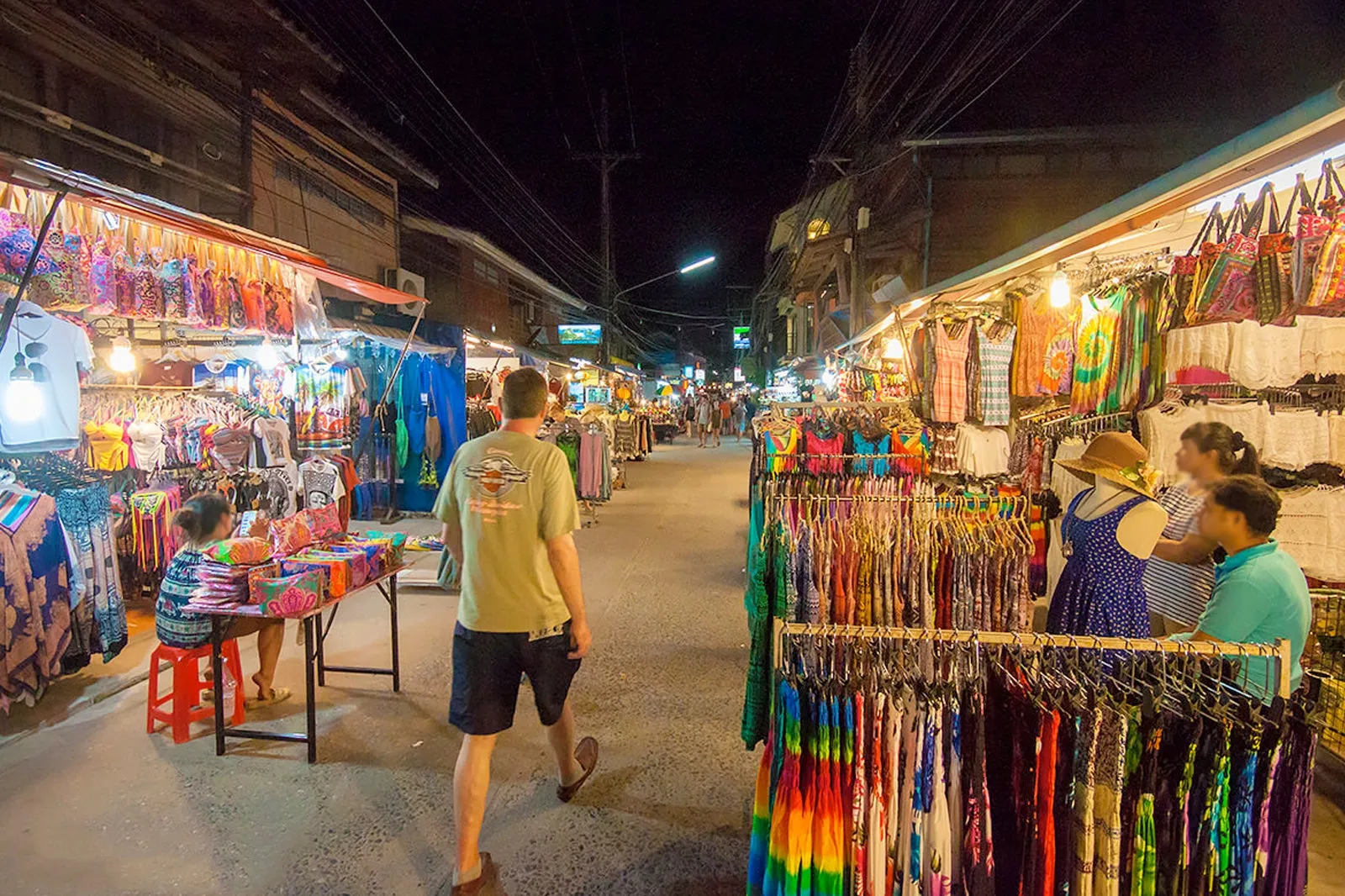
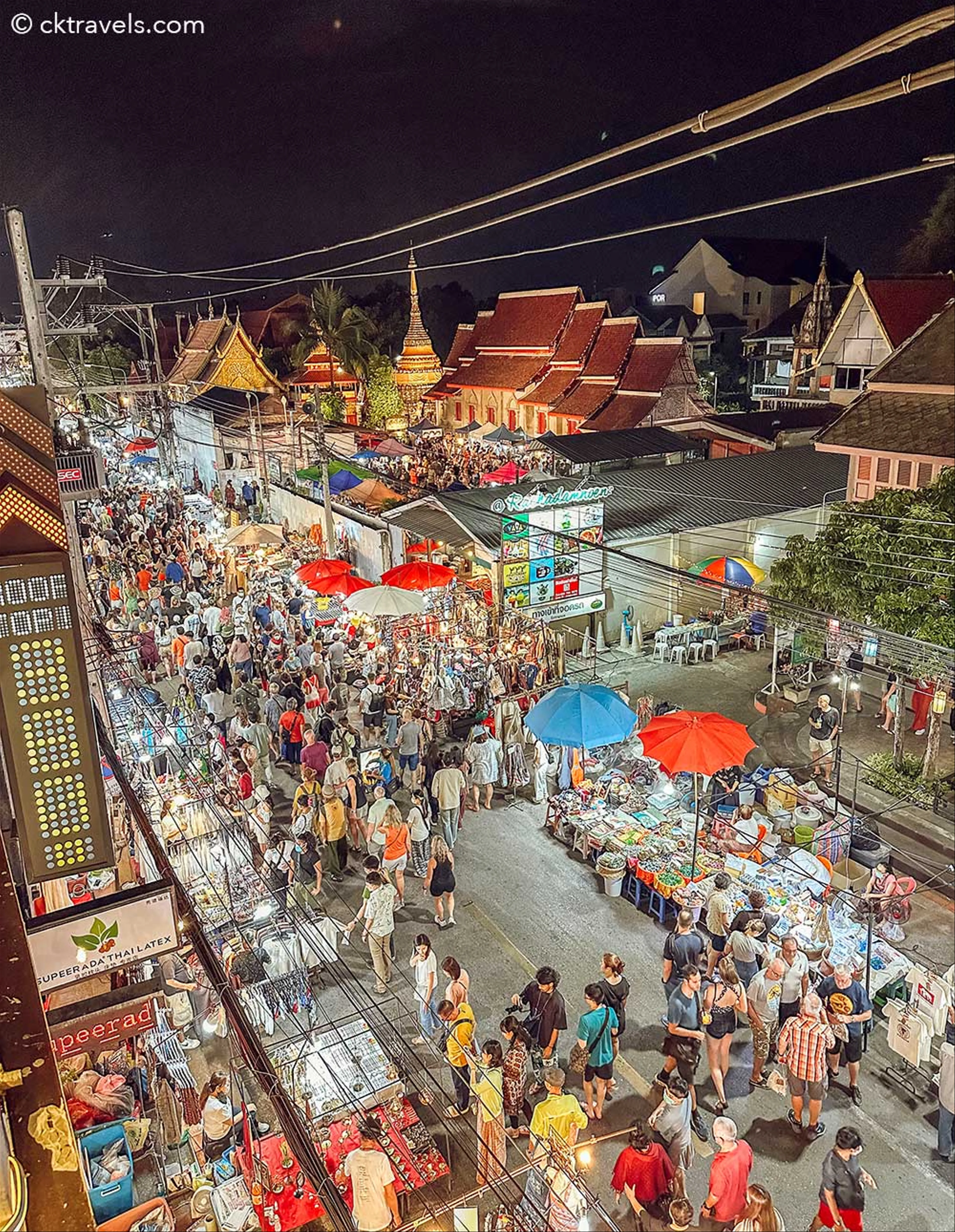
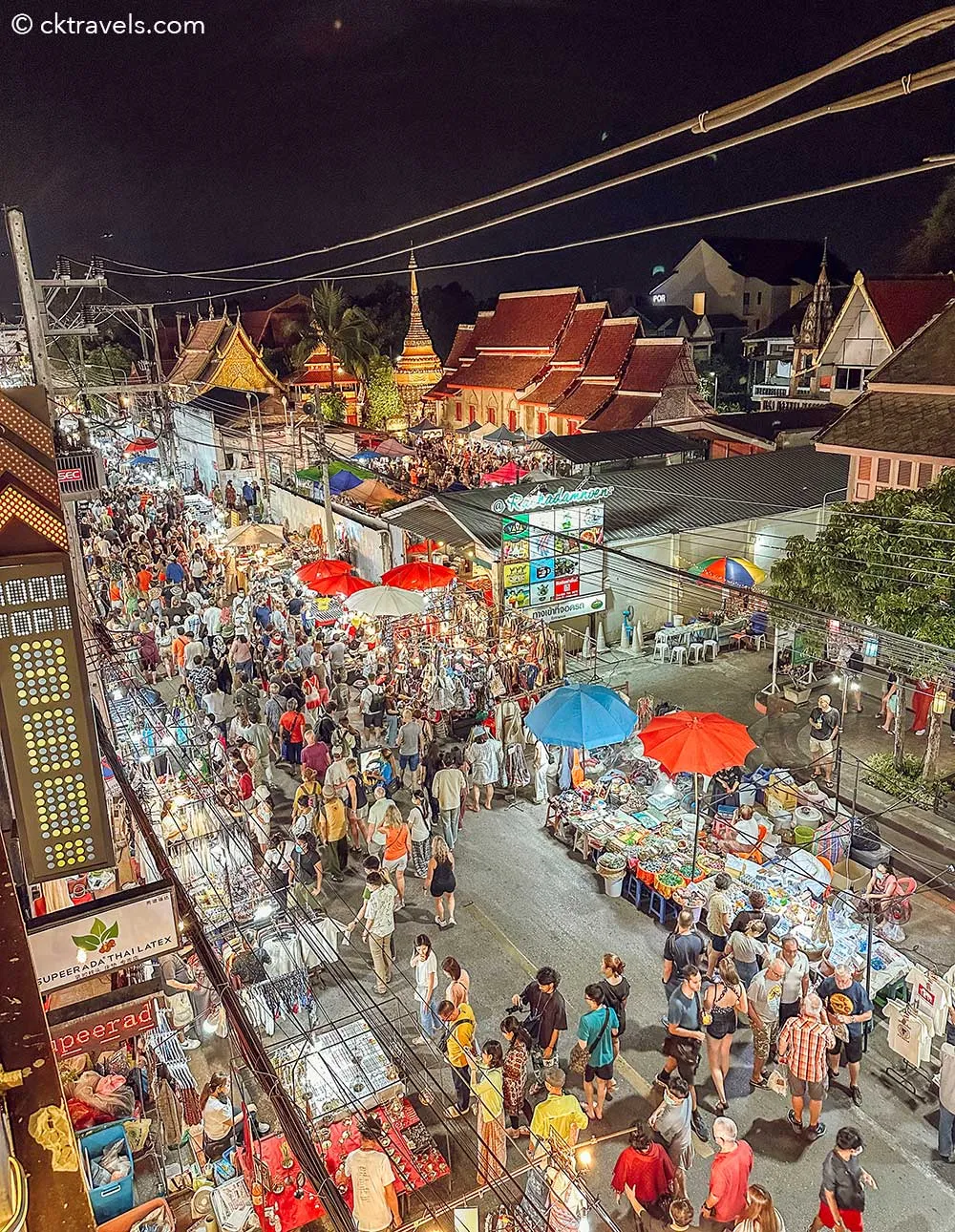
Start your journey at the Sunday Walking Street Market, also known as Tha Pae Walking Street. This market is a favorite among locals and tourists alike, sprawling along Ratchadamnoen Road in the heart of the Old City. Here, you can enjoy the lively ambiance as performers entertain with traditional music and dance, creating a festive atmosphere. The market is a treasure trove of artisanal crafts, handmade jewelry, and unique souvenirs, ideal for travelers looking to take home a piece of Chiang Mai's creativity.
If you're in Chiang Mai over the weekend, the Saturday Night Market on Wua Lai Road is a must-visit. Known for its relaxed vibe and wide array of local handicrafts, this market is perfect for those seeking a more laid-back experience. The street is famous for its silversmiths, so be sure to explore the exquisite silver jewelry and ornaments on offer. As you stroll, indulge in a variety of street food delights, from savory grilled meats to sweet desserts, all freshly prepared by skilled vendors.
For a truly local experience, head to the Chang Puak Gate Night Market, often referred to as the North Gate Market. This spot is less touristy and offers a more authentic taste of Northern Thai cuisine. Here, you can savor some of the best khao kha moo (stewed pork leg) in town, famously served by the "Cowboy Hat Lady," a beloved figure in Chiang Mai's street food scene. The market's bustling energy and local charm make it a great place to mingle with residents and enjoy a genuine culinary adventure.
Another gem is the Anusarn Market, located in the Night Bazaar area. This market offers a vibrant mix of food, shopping, and entertainment, with live music performances enhancing the lively atmosphere. It's an excellent place to sample a variety of international cuisines, alongside traditional Thai dishes. Anusarn Market is also known for its seafood, so don't miss the opportunity to try fresh grilled prawns or a steaming bowl of tom yum soup.
For those who appreciate a more curated experience, the Malin Plaza Night Market near Chiang Mai University offers a modern twist on the traditional night market. With its trendy stalls and youthful vibe, it's popular among students and younger travelers. Here, you can find everything from contemporary fashion to innovative food creations, all set against the backdrop of a lively social scene.
Each of these night markets offers a distinctive glimpse into Chiang Mai's vibrant culture and culinary landscape. By exploring these diverse markets, travelers can enjoy a rich tapestry of experiences that go beyond mere sightseeing. Whether you're hunting for unique souvenirs, indulging in mouthwatering dishes, or simply soaking in the local atmosphere, Chiang Mai's night markets promise an unforgettable journey through the heart of Northern Thailand.

Discover Chiang Mai's hidden culinary gems in its charming alleyways, offering a taste of authentic Thai flavors.
Dive into the heart of Chiang Mai's culinary scene and savor the unique flavors of Northern Thailand.
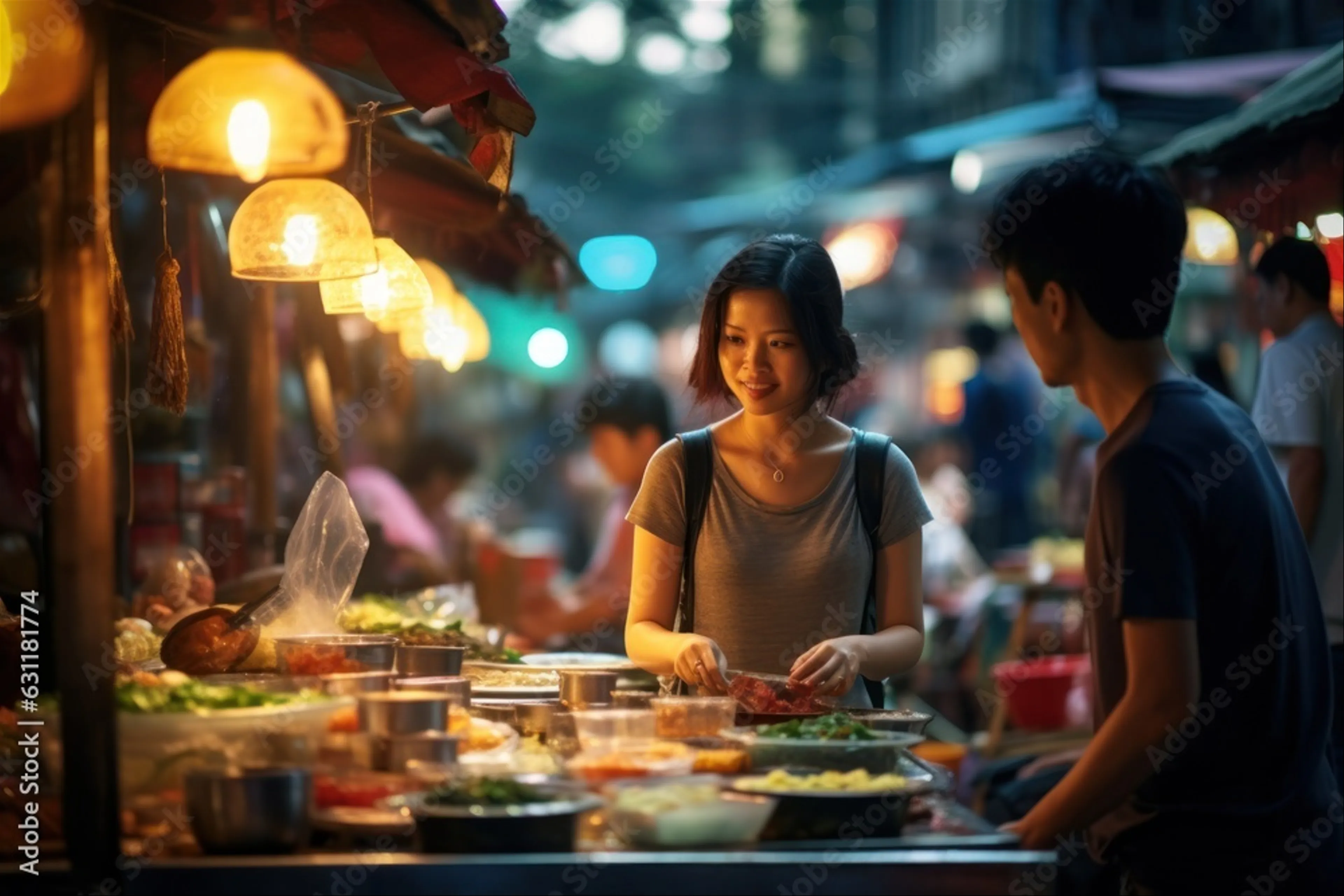
Explore Bangkok's night markets and indulge in authentic Thai street food. Discover the vibrant flavors and cultural delights of Thailand's cuisine.