

Dive into the heart of Chiang Mai's culinary scene and savor the unique flavors of Northern Thailand.
Northern Thai cuisine, known locally as Lanna cuisine, is a vibrant tapestry of flavors and traditions that reflect the region's rich cultural heritage and diverse influences. Situated amidst the lush mountains and valleys of Thailand, Chiang Mai serves as a culinary gateway to this unique gastronomic world. Unlike the often fiery dishes of central Thailand, Northern Thai cuisine is characterized by its subtlety, with an emphasis on fragrant herbs, smoky flavors, and a harmonious blend of salty, sour, and sweet notes.

One of the hallmarks of Northern Thai cuisine is its reliance on seasonal and locally sourced ingredients. Fresh herbs such as lemongrass, kaffir lime leaves, and galangal are staples, imparting a distinctive aroma and complexity to the dishes. Sticky rice, known as "khao niaow," is a fundamental part of every meal, typically served in small woven baskets and often eaten with the hands—a practice that enhances the communal dining experience.
The influence of neighboring Myanmar, China, and Laos is evident in northern dishes, which often feature fermented ingredients and preserved foods. Nam prik ong, a popular Northern Thai chili dip made with ground pork and tomatoes, showcases this fusion of flavors. It's typically served with fresh vegetables and sticky rice, offering a delightful balance of spicy, savory, and tangy tastes.
Another quintessential dish is khao soi, a coconut curry noodle soup that is both comforting and complex. This beloved dish combines tender egg noodles with a rich, aromatic broth made from coconut milk and an array of spices. Topped with crispy fried noodles and accompanied by pickled mustard greens, lime wedges, and shallots, khao soi is a must-try for anyone seeking a true taste of Northern Thailand.
Northern Thai cuisine also celebrates the art of grilling. Sai ua, or Northern Thai sausage, is packed with herbs and spices, including lemongrass, kaffir lime, and chili, creating an explosion of flavors with each bite. It is frequently enjoyed as a snack or as part of a larger meal, highlighting the region's love for bold, aromatic dishes.
Beyond the individual dishes, the essence of Northern Thai cuisine lies in its communal dining culture. Meals are often shared, with an array of dishes placed at the center of the table for everyone to enjoy. This style of eating not only fosters a sense of togetherness but also allows diners to experience a diverse range of flavors in a single sitting, making every meal an adventure in itself.
In Chiang Mai, visitors can explore this rich culinary heritage through bustling local markets, street food stalls, and family-run restaurants, each offering a glimpse into the heart and soul of Northern Thai cuisine. Whether it's savoring a bowl of freshly prepared khao soi or discovering the subtle nuances of a homemade curry, the flavors of Northern Thailand promise to captivate and inspire the palate.
Embarking on a culinary journey through Chiang Mai offers travelers the chance to immerse themselves in the authentic flavors and textures that define Northern Thai cuisine. Beyond the well-known khao soi and sai ua, Chiang Mai boasts a variety of must-try dishes that encapsulate the region’s culinary diversity and innovation.

One dish that stands out is "gaeng hang lay," a slow-cooked pork curry that reflects the historical influence of Burmese cuisine. This dish is characterized by its rich, aromatic broth, infused with tamarind, ginger, and a medley of spices that create a subtly sweet and tangy flavor profile. Unlike typical Thai curries, gaeng hang lay is less creamy and more stew-like, making it a hearty option for those seeking comfort food with a Northern twist.
For a taste of Northern Thailand's inventive use of ingredients, "laap muang" is a must-try. This Northern Thai version of the popular laap salad features minced meat seasoned with a unique blend of spices, including cumin and cloves, which set it apart from its Isan counterpart. Often made with pork or beef, laap muang offers a delightful balance of flavors and textures, best enjoyed with a side of fresh herbs and sticky rice.
Another local favorite is "kanom jeen nam ngiao," a spicy and savory noodle soup that is both satisfying and complex. This dish features fermented rice noodles served in a flavorful broth made from pork or beef, tomatoes, and a unique ingredient known as "ngiao," or dried red cotton flowers. Topped with bean sprouts, crispy pork rinds, and a sprinkle of fresh herbs, this dish embodies the vibrant and layered flavors of Northern Thai cuisine.
For those with a penchant for street food, "khao kha moo," or braised pork leg on rice, is an essential culinary experience. The pork is tenderly cooked until it melts in the mouth, accompanied by a rich, savory sauce. Served over a bed of jasmine rice with a side of pickled mustard greens and a hard-boiled egg, this dish is a staple of Chiang Mai’s bustling food scene.
Finally, no culinary adventure in Chiang Mai would be complete without indulging in "kaeng khanun," a young jackfruit curry that exemplifies the region’s emphasis on fresh, local ingredients. The dish combines tender pieces of jackfruit with a savory, slightly spicy curry sauce, often enriched with pork or pork ribs for added depth of flavor. This dish is a testament to the creativity and resourcefulness of Northern Thai cooking.
Exploring these must-try dishes in Chiang Mai not only tantalizes the taste buds but also offers a deeper understanding of the cultural and historical influences that have shaped Northern Thai cuisine. Each dish is a story, a tradition kept alive through generations, inviting travelers to savor the unique culinary tapestry of this enchanting region.
Exploring Chiang Mai's vibrant markets is an essential part of any culinary adventure through Northern Thailand. These bustling hubs of activity offer a sensory feast, with an array of sights, sounds, and aromas that capture the essence of the region's rich culinary traditions. From colorful produce to aromatic spices and handcrafted goods, the markets are a microcosm of the local lifestyle and a treasure trove for food enthusiasts seeking to delve deeper into the heart of Northern Thai cuisine.
One of the most famous markets in Chiang Mai is the Warorot Market, known locally as Kad Luang. Situated near the Ping River, this sprawling market is a hive of activity from dawn till dusk. Here, travelers can find an assortment of fresh fruits and vegetables, many of which are unique to the region, such as the sweet and tangy tamarind or the fragrant longan. The market is also a great place to sample local snacks and street food, with vendors offering everything from crispy pork rinds to freshly made sai ua sausages.
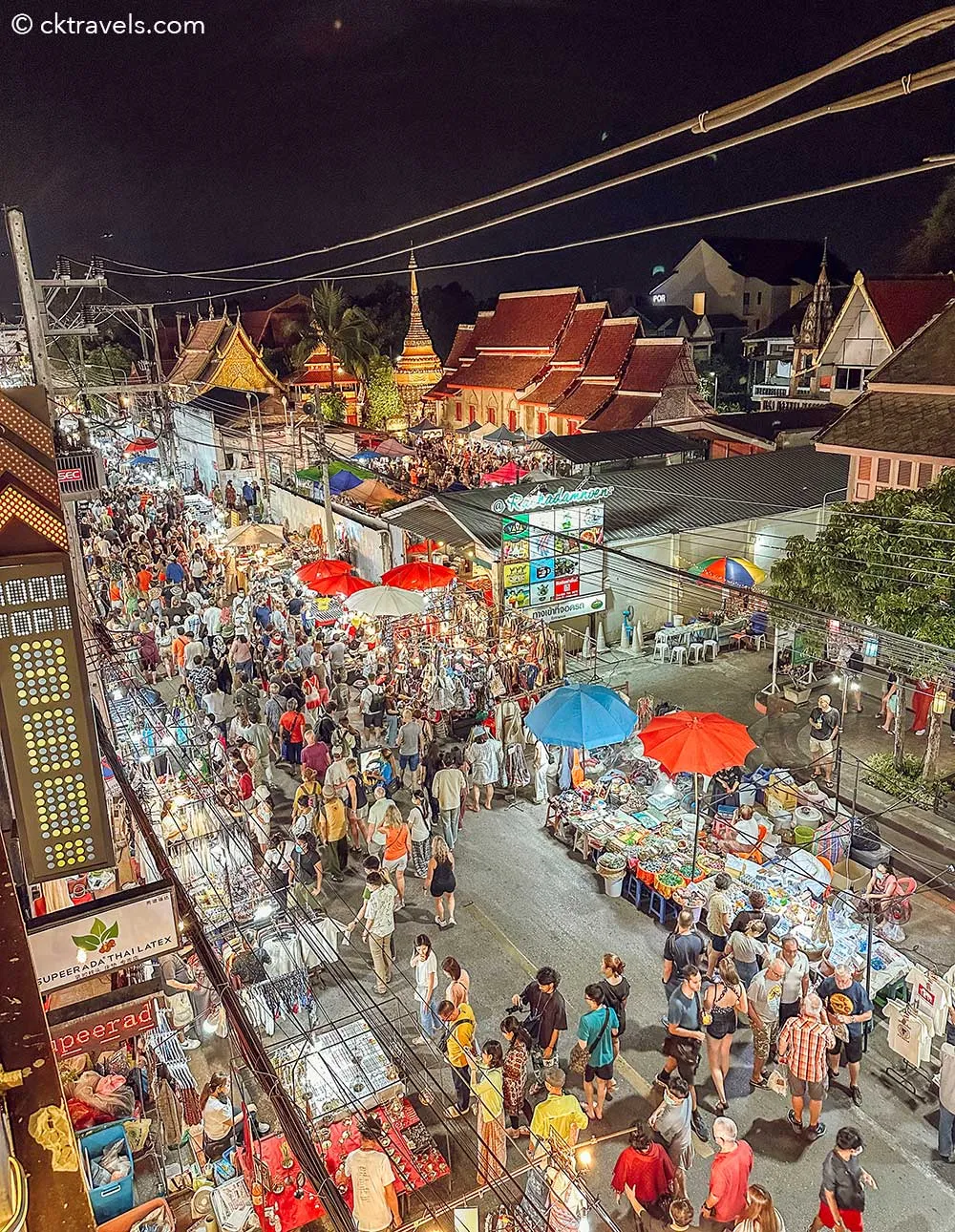
For those interested in a more immersive experience, the Saturday Walking Street Market on Wualai Road is a must-visit. This weekend market transforms the street into a vibrant pedestrian zone, where locals and tourists alike gather to browse an eclectic mix of crafts, clothing, and, of course, food. As you stroll through the market, the air is filled with the enticing aroma of grilled meats, spicy curries, and sweet desserts. It's the perfect opportunity to taste traditional Northern Thai dishes and discover new flavors.
The Sunday Walking Street Market, located on Ratchadamnoen Road, offers a similar yet distinct experience. This market is one of the largest in Chiang Mai and is renowned for its lively atmosphere and diverse offerings. In addition to sampling local delicacies, visitors can admire the craftsmanship of local artisans who sell everything from intricate silver jewelry to handwoven textiles. The market's vibrant energy is infectious, making it a favorite spot for both shopping and dining.
For a glimpse into the local way of life, the Muang Mai Market is an excellent choice. Primarily a wholesale market, it caters to local chefs and restaurant owners hunting for the freshest ingredients. Here, travelers can observe the hustle and bustle as vendors unload truckloads of produce, seafood, and meats. It's a fascinating insight into the supply chain that supports Chiang Mai's thriving food scene.
Exploring these markets not only offers a chance to indulge in delicious food but also provides a deeper understanding of Chiang Mai's cultural fabric. Each market tells a story of the community it serves, reflecting the traditions, values, and flavors that have been passed down through generations. Whether you're a seasoned foodie or a curious traveler, Chiang Mai's markets promise a rich and rewarding exploration of Northern Thai culture.
Embarking on a walking tour through the streets of Chiang Mai is a culinary adventure like no other. The city’s vibrant street food scene offers an array of flavors and experiences that are sure to enthrall both the seasoned epicure and the curious traveler. As you meander through the bustling alleys and lively avenues, you'll discover a world where traditional recipes and innovative twists coexist, each bite offering a glimpse into the heart of Northern Thai culture.

Begin your street food journey at the famed Chiang Mai Gate Market, a bustling hotspot that comes alive in the evenings. Here, the aroma of sizzling meats and fresh herbs fills the air as vendors prepare an array of delectable dishes. Try "som tam," a spicy green papaya salad that showcases the perfect balance of heat and tanginess, often pounded fresh in a mortar and pestle right before your eyes. Pair it with "gai yang," succulent grilled chicken marinated in lemongrass and garlic, cooked to golden perfection over an open flame.
As you continue your exploration, make your way to the Chang Phuak Gate Night Market. This lively venue is particularly famous for its "khao kha moo," a dish of tender braised pork leg served with rice, perfectly embodying the comforting essence of Northern Thai street food. Don't miss the chance to try "khanom krok," delightful coconut milk pancakes that are crispy on the outside and soft and creamy on the inside, a sweet treat that beautifully rounds off any meal.
For a truly immersive experience, venture into the lesser-known alleyways and discover hidden gems like "ho mok pla," a steamed fish curry custard that is both fragrant and flavorful. Wrapped in banana leaves, this dish is a testament to the resourcefulness and creativity of local street vendors. Another must-try is "nam prik noom," a green chili dip often enjoyed with sticky rice and assorted vegetables, offering a fiery kick that is beloved by locals.
The walking tour would be incomplete without a stop at the Sunday Walking Street Market, where the ambiance is as enticing as the food itself. Amidst the lively chatter and vibrant displays, you'll find "kanom jeen" stalls serving these delicate rice noodles with a choice of curries and sauces. This dish, often accompanied by fresh herbs and pickled vegetables, is a delightful representation of the region's culinary diversity.
Beyond the food, the street food tour offers a chance to engage with the vendors, many of whom have been perfecting their craft for decades. Their stories and passion add authenticity and warmth to the experience, making each dish not just a meal, but a connection to the local way of life. As you savor these street food delights, you’ll come to appreciate the vibrant tapestry of flavors that define Chiang Mai, leaving you with a deeper understanding and appreciation of Northern Thai cuisine.
For those who wish to take their culinary journey beyond tasting and delve into the art of Thai cooking, Chiang Mai offers an array of immersive cooking classes that provide a hands-on experience in mastering the flavors of Northern Thailand. These classes are a perfect opportunity for food enthusiasts to gain an insider's perspective on the ingredients, techniques, and cultural significance of Northern Thai cuisine.
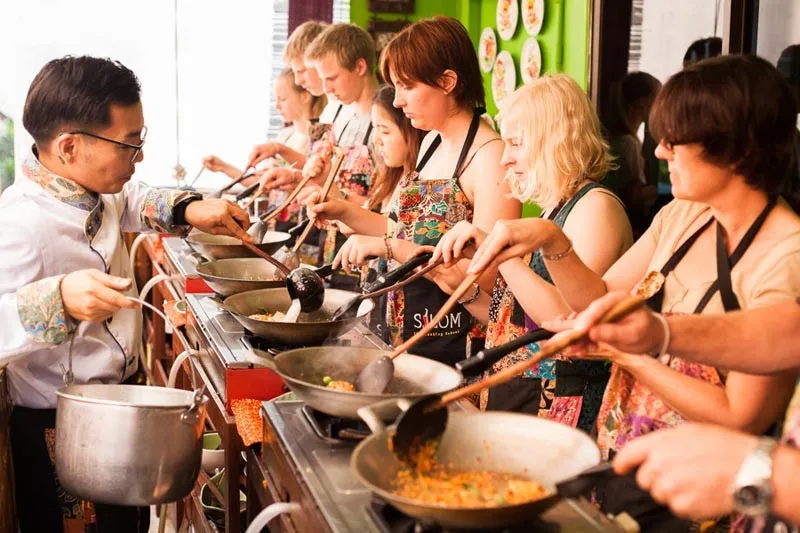
Cooking schools in Chiang Mai cater to all levels of culinary expertise, from beginners eager to learn the basics to seasoned cooks looking to refine their skills. Many classes begin with a guided visit to a local market, where participants can explore the vibrant array of fresh produce and traditional ingredients that form the backbone of Northern Thai cooking. This market tour is not only insightful but also sets the stage for understanding the importance of freshness and seasonality in Thai cuisine.
Once back in the kitchen, participants are introduced to the fundamental components of Northern Thai dishes, such as the use of aromatic herbs, spices, and pastes that are often crafted from scratch. Under the guidance of skilled local chefs, you’ll learn to balance flavors and create dishes like "khao soi" with its rich coconut curry broth, or "gaeng hang lay," the aromatic pork curry influenced by neighboring Burma.
One of the highlights of these cooking classes is the opportunity to learn traditional techniques, such as making curry paste using a mortar and pestle or perfecting the art of steaming fish in banana leaves to create "ho mok pla." Participants also gain insight into the communal nature of Thai meals, as classes often culminate in a shared feast where everyone can enjoy the fruits of their labor.
Beyond the practical skills, these cooking classes offer a deeper cultural understanding, often interwoven with stories of local traditions and the historical evolution of Northern Thai cuisine. The chefs, many of whom have inherited their recipes through generations, provide personal anecdotes and tips that bring the culinary heritage of the region to life.
Whether you're looking to recreate the flavors of Chiang Mai back home or simply wish to appreciate the intricacies of Thai cooking, these classes provide a memorable and enriching experience. You'll leave not only with newfound skills and recipes but also with a connection to the cultural tapestry that makes Northern Thai cuisine so unique.
The culinary landscape of Chiang Mai is deeply enriched by the diverse influences of the hill tribes that inhabit the mountainous regions of Northern Thailand. Each tribe brings its own unique culinary traditions and ingredients, contributing to the vibrant tapestry that defines Northern Thai cuisine. Understanding the impact of these tribes offers a deeper appreciation of the cultural and gastronomic diversity that characterizes the region.
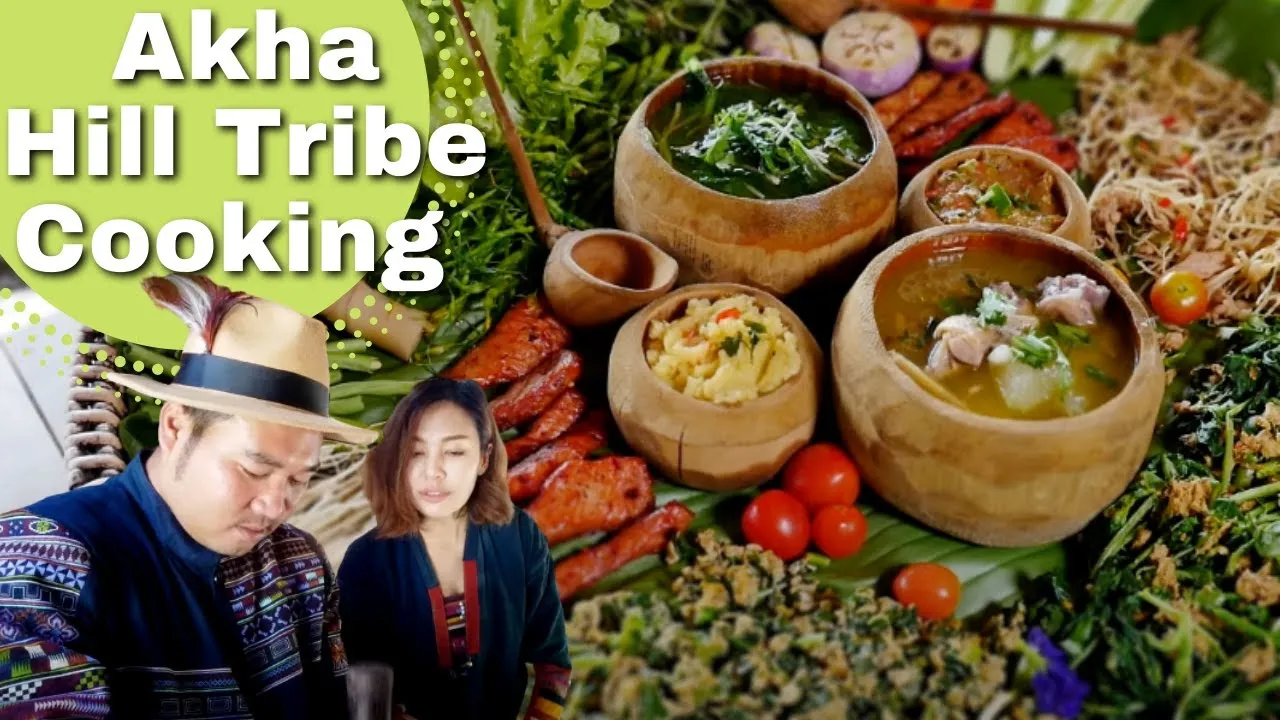
Among the most prominent hill tribes are the Karen, Hmong, Akha, and Lahu, each with distinct culinary practices that reflect their history, environment, and resources. The Karen people, for instance, are renowned for their use of wild herbs and vegetables, often foraged from the surrounding forests. This reliance on nature’s bounty is evident in dishes like "pak waan" stir-fry, which features a variety of wild greens, showcasing the tribe's deep connection to the land.
The Hmong tribe, known for their agricultural expertise, contribute significantly through their cultivation of unique crops like corn, peanuts, and various root vegetables. Their influence can be seen in dishes such as "hmong sausage," which is often flavored with a mix of garlic, coriander, and local spices, offering a savory and aromatic experience that is both comforting and distinctive.
Akha cuisine, on the other hand, is noted for its bold flavors and the use of fermented ingredients. The Akha people have a tradition of preserving foods, which adds an intriguing depth to their dishes. "Akha salad," a refreshing mix of vegetables, herbs, and spicy dressings, often incorporates fermented fish or beans, providing a unique twist that reflects the tribe's culinary ingenuity.
The Lahu people's cuisine is characterized by simplicity and heartiness, often featuring meats and vegetables cooked over an open flame. One of their signature dishes is "lahu grilled chicken," marinated in a blend of garlic, ginger, and chili before being roasted to perfection, highlighting the tribe's emphasis on bold, straightforward flavors.
Beyond individual dishes, the hill tribes have contributed significantly to the communal aspect of Northern Thai dining. Meals are often shared among family and friends, with an assortment of dishes laid out for everyone to enjoy. This approach not only fosters a sense of community but also allows for a broader exploration of flavors and textures, making each meal a collective celebration.
The influence of hill tribes on local cuisine is not just about the ingredients they introduce but also the stories and traditions they carry. These culinary practices are a testament to the tribes' resilience and adaptability, reflecting their ability to thrive in harmony with their natural surroundings. As travelers explore Chiang Mai's culinary scene, they are invited to not only savor the flavors but also appreciate the cultural narratives that each dish embodies, offering a richer and more meaningful dining experience.
Chiang Mai, with its abundant fresh produce and diverse culinary heritage, is a haven for vegetarians and vegans seeking flavorful and satisfying meals. The city's vibrant food scene offers an array of plant-based options that cater to both traditional tastes and modern dietary preferences, making it an ideal destination for those who wish to explore Northern Thai cuisine without compromising their lifestyle choices.

One of the most celebrated vegetarian dishes is "khao soi jay," a plant-based version of the iconic Northern Thai coconut curry noodle soup. This dish swaps traditional protein ingredients for tofu or an assortment of vegetables while retaining its rich and aromatic coconut milk broth, infused with a blend of spices that create a comforting and hearty meal. Topped with crispy fried noodles, fresh cilantro, and lime wedges, khao soi jay offers a delightful burst of flavors and textures.
For a taste of traditional Northern Thai salads, "som tam," or green papaya salad, is a must-try. This dish, naturally vegetarian, features shredded unripe papaya mixed with tomatoes, green beans, and peanuts, all tossed in a tangy dressing of lime juice, chili, and palm sugar. For a vegan twist, simply request the dish without fish sauce, ensuring a refreshing and zesty experience that is both satisfying and light.
Chiang Mai's street food scene also offers an array of vegan-friendly delights. "Kanom krok," small coconut pancakes, are a popular snack that provides a sweet and creamy bite-sized treat. Made with rice flour and coconut milk, these pancakes are cooked in cast iron pans, resulting in a crispy exterior and a soft, custardy center. They are often enjoyed as a street-side dessert that captures the essence of Thai confectionery.
For those seeking a heartier meal, "gaeng om," a Northern Thai herbal soup, can be adapted to a vegan diet by omitting meat and focusing on an assortment of vegetables and tofu. This soup is rich in aromatic herbs like lemongrass, kaffir lime leaves, and galangal, offering a wholesome and warming dish that reflects the region's emphasis on fresh herbs and spices.
Several restaurants in Chiang Mai specialize in vegetarian and vegan Thai cuisine, offering creative adaptations of traditional dishes. Establishments like "Pun Pun" and "Anchan Vegetarian Restaurant" are well-known for their innovative menus that highlight local ingredients while respecting traditional flavors. These eateries provide a welcoming environment for diners to enjoy a wide range of plant-based dishes, from curries and stir-fries to salads and soups, ensuring a satisfying meal for every palate.
Exploring vegetarian and vegan options in Chiang Mai not only delights the taste buds but also offers a window into the region's adaptability and creativity in the kitchen. By embracing the natural bounty of the land and the rich tapestry of Northern Thai flavors, travelers can savor the best of Chiang Mai's culinary scene while adhering to their dietary choices. Each meal becomes an opportunity to appreciate the subtle nuances and innovative approaches that define the region's gastronomy, offering a rewarding and inclusive culinary adventure.
Embarking on a journey through Chiang Mai means immersing oneself in the captivating world of Lanna dining, an experience that transcends mere sustenance and delves deep into the cultural heritage of Northern Thailand. Traditional Lanna dining is not just about the food; it's a celebration of history, community, and the art of gathering, offering travelers a unique window into the region's soul.

One of the most distinctive aspects of Lanna dining is the "khantoke" dinner, a traditional communal meal that showcases the warmth and hospitality of Northern Thai culture. The term "khantoke" refers to the low, circular wooden trays used to present an array of dishes. Guests sit on the floor around these trays, fostering a sense of intimacy and connection as they share the meal. This dining style harks back to the days of the Lanna Kingdom, where such gatherings were a staple of royal and communal celebrations alike.
A typical khantoke meal features a variety of Northern Thai specialties, each offering a glimpse into the region's diverse flavors and culinary techniques. Dishes often include "gaeng hang lay," a savory pork curry with Burmese influences, and "nam prik noom," a spicy green chili dip served with fresh vegetables. Accompanying these are an assortment of grilled meats, crispy pork skin, and "kaep mu," or fried pork rinds, which provide both texture and flavor contrast.
The experience is further enriched by cultural performances that often accompany khantoke dinners. Traditional Lanna music and dance bring the evening to life, offering insights into the region's artistic heritage. These performances, featuring the graceful movements of Thai dancers and the rhythmic sounds of local instruments, create an atmosphere that is both festive and immersive, transporting diners back to the grandeur of the Lanna era.
For those seeking an even more authentic experience, Chiang Mai's rural villages offer opportunities to dine with local families, providing a firsthand look at Lanna hospitality. These meals are often more rustic but equally rich in flavor, with dishes prepared using age-old family recipes passed down through generations. This setting allows travelers to engage with locals, learn about their way of life, and appreciate the role of food as a communal and cultural cornerstone.
Beyond the khantoke dinner, Lanna dining is characterized by its emphasis on balance and variety. Meals typically include a harmonious blend of flavors—spicy, sour, sweet, and salty—crafted from fresh, locally sourced ingredients. Sticky rice, a staple of Northern Thai cuisine, accompanies most meals, often served in small woven baskets that add to the tactile and communal experience.
Visitors to Chiang Mai can explore a range of venues offering these traditional dining experiences, from elegant cultural centers to charming homestays. Each venue provides its own interpretation of Lanna dining, ensuring that every meal is a unique exploration of Northern Thai culture. Whether enjoying a grand khantoke dinner or a simple village feast, the essence of Lanna dining lies in its ability to bring people together, creating moments of shared joy and lasting memories.

Explore Chiang Mai's culinary scene and discover the unique flavors of Northern Thai cuisine. A must-read for food lovers!
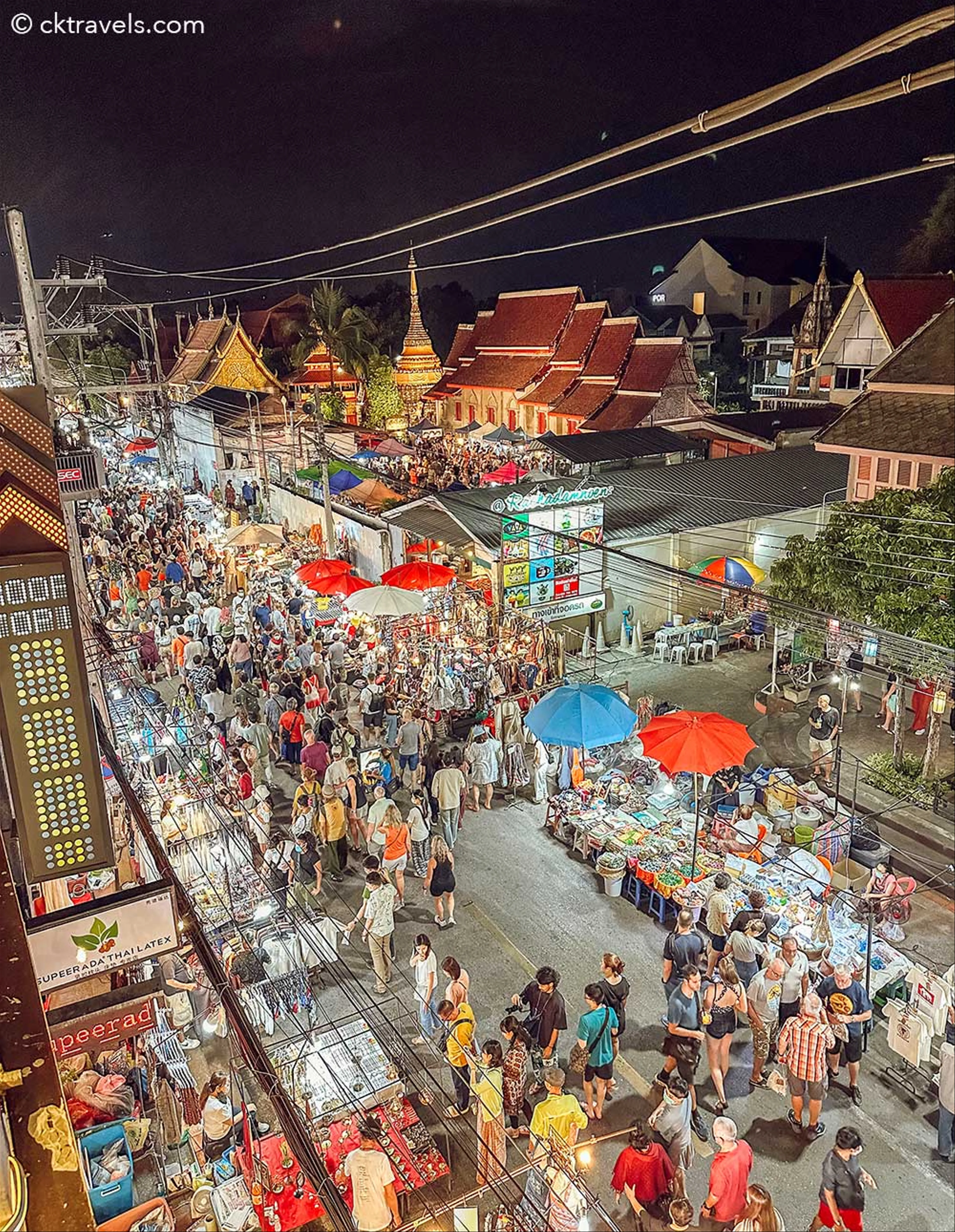
Explore Chiang Mai's night markets, a culinary paradise where the flavors of Northern Thailand come alive with every bite.
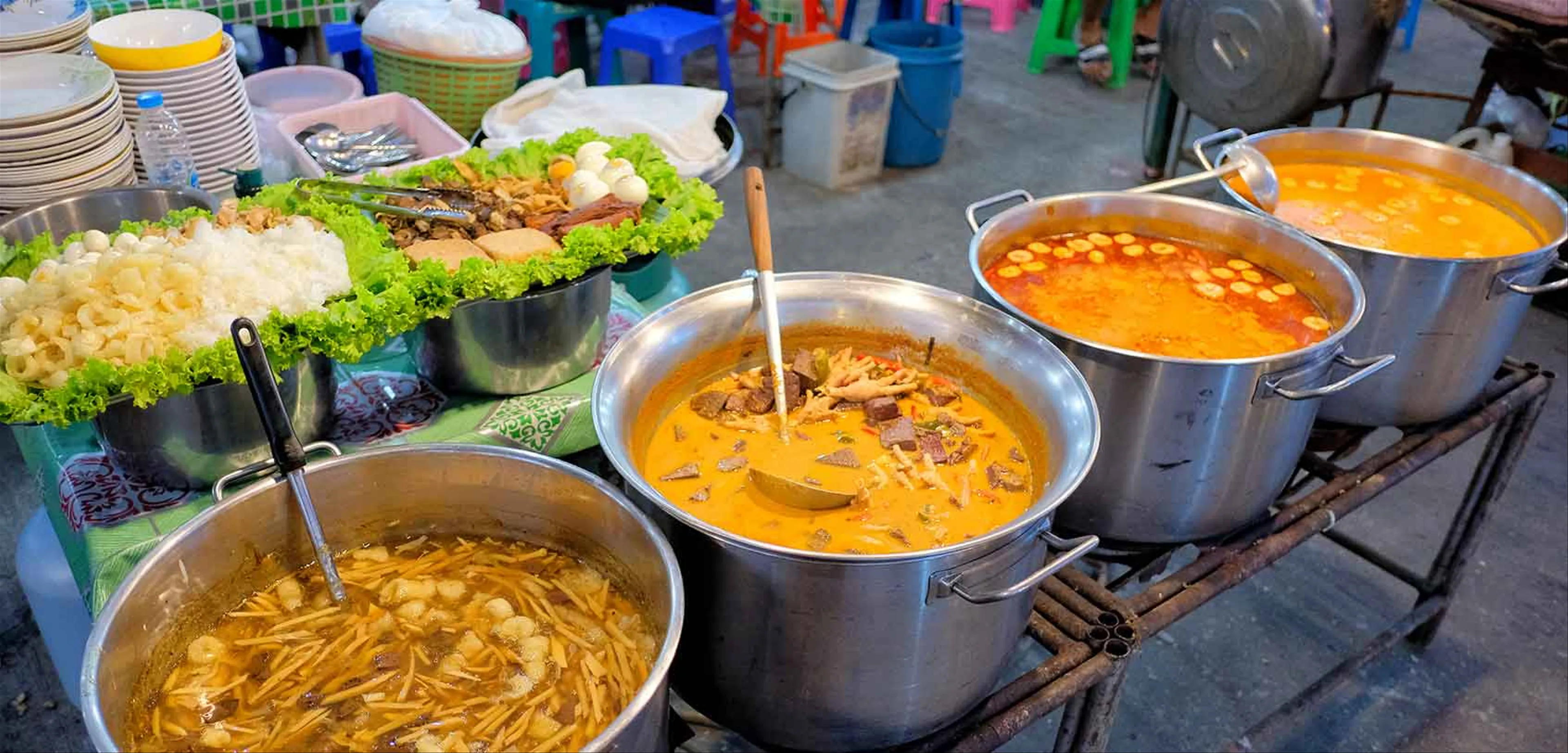
Discover Chiang Mai's vibrant street food scene with must-try delicacies that promise a feast for the senses in Thailand.