

Explore Chiang Mai's culinary scene and discover the unique flavors of Northern Thai cuisine. A must-read for food lovers!
Northern Thai cuisine, often overshadowed by the more famed dishes of central Thailand, offers a distinct and tantalizing culinary experience that is deeply rooted in the region’s rich history and diverse cultural influences. Nestled amidst the mountainous landscapes of Thailand, Chiang Mai serves as the culinary heart of Northern Thailand, where age-old recipes and traditional cooking methods have been preserved and celebrated. The cuisine here is a harmonious blend of flavors that reflect the convergence of Burmese, Lao, and Chinese culinary traditions, each contributing unique elements to the vibrant food scene.

At the core of Northern Thai cuisine is its emphasis on fresh, locally sourced ingredients, which are used to create dishes that are both hearty and aromatic. The region’s cooler climate and fertile land make it ideal for growing a variety of herbs and vegetables that are integral to its dishes. Staples such as sticky rice, which is favored over jasmine rice in the north, accompany most meals, providing a comforting foundation for the bold flavors that characterize the cuisine.
The use of herbs and spices is another hallmark of Northern Thai cooking. Ingredients like galangal, lemongrass, and kaffir lime leaves are used liberally, imbuing dishes with a fragrant quality that is both enticing and invigorating. Northern Thai curries, such as the famous khao soi, often feature a rich coconut base, balanced with spices that offer a warm, complex flavor profile. Unlike the fiery heat of Southern Thai dishes, northern curries tend to be milder, allowing the intricate flavors to shine through.
Fermentation and preservation techniques play a significant role in Northern Thai cuisine. Traditional methods passed down through generations have resulted in beloved staples like nam phrik ong, a spicy tomato and pork chili dip, and sai ua, a flavorful sausage packed with herbs and spices. These dishes not only highlight the ingenuity of Northern Thai cooking but also offer a glimpse into the region's cultural tapestry.
In Chiang Mai, food is more than just sustenance; it is a celebration of life and community. Local markets bustle with activity, with vendors offering an array of freshly prepared delicacies, from grilled meats to sweet treats, each telling a story of the land and its people. Dining in Chiang Mai presents an opportunity to engage with the local culture, as meals are often shared, creating moments of connection and joy. As you savor the flavors of Northern Thai cuisine, you embark on a culinary journey that is as enriching as it is delicious, revealing the heart and soul of Chiang Mai's vibrant food scene.
At the heart of Northern Thai cuisine lies an intimate connection with the land, where local ingredients not only define the flavors but also narrate stories of the region's agricultural heritage. Chiang Mai, with its abundant natural resources, serves as a thriving hub for fresh produce, making it a paradise for food enthusiasts keen on authentic culinary experiences. The fertile valleys and temperate climate allow for a diverse range of ingredients that bring distinct textures and flavors to the table.

Among the most cherished ingredients in this part of Thailand is sticky rice, known locally as "khao niao." This glutinous variety of rice is a staple that complements every meal, often served in small bamboo baskets, making it an integral part of the dining experience. Unlike the more polished jasmine rice of central Thailand, sticky rice is favored for its chewy texture, which pairs beautifully with the robust flavors of Northern Thai dishes.
Herbs and vegetables play a pivotal role in elevating the flavor profiles of Northern Thai cuisine. The region's markets are a kaleidoscope of fresh produce, including fragrant lemongrass, aromatic kaffir lime leaves, and spicy bird's eye chilies. These herbs are not just flavor enhancers but are also celebrated for their health benefits, adding a therapeutic dimension to the culinary offerings. Local chefs skillfully blend these ingredients to create dishes that are not only delicious but also reflective of the area's natural bounty.
In addition to herbs, Northern Thailand boasts an array of unique vegetables, such as the bitter melon and the subtly sweet winter melon, which are often featured in soups and stir-fries. Fresh greens like water spinach (morning glory) and ferns from the surrounding forests find their way into local recipes, providing a fresh, crisp contrast to the richer elements of the cuisine.
Protein sources in Northern Thai dishes are equally influenced by the region's geography. The proximity to rivers and forests means that fish and freshwater ingredients are readily available. Local fish is often grilled or used in soups, while pork and chicken are staple meats, frequently incorporated into curries and sausages. Noteworthy is the use of fermented ingredients, such as pickled mustard greens and fish sauce, which add depth and umami to the dishes, highlighting the inventive preservation techniques passed down through generations.
The influence of local ingredients in Northern Thai cuisine is a testament to the region's symbiotic relationship with its environment. Each dish is a celebration of the land's generosity, crafted with an understanding of how these natural elements can be harmonized to create memorable flavors. As you explore the culinary landscape of Chiang Mai, you will discover that every meal is an opportunity to taste the essence of Northern Thailand, where tradition and innovation meet in every bite.
Diving into the culinary scene of Chiang Mai, one encounters a tapestry of signature dishes that embody the essence of Northern Thai cuisine, offering a sensory journey through the region's storied traditions and vibrant flavors. Each dish tells a tale of cultural convergence and adaptation, where age-old recipes have been meticulously preserved, yet remain open to subtle innovations that reflect the dynamic spirit of the city.
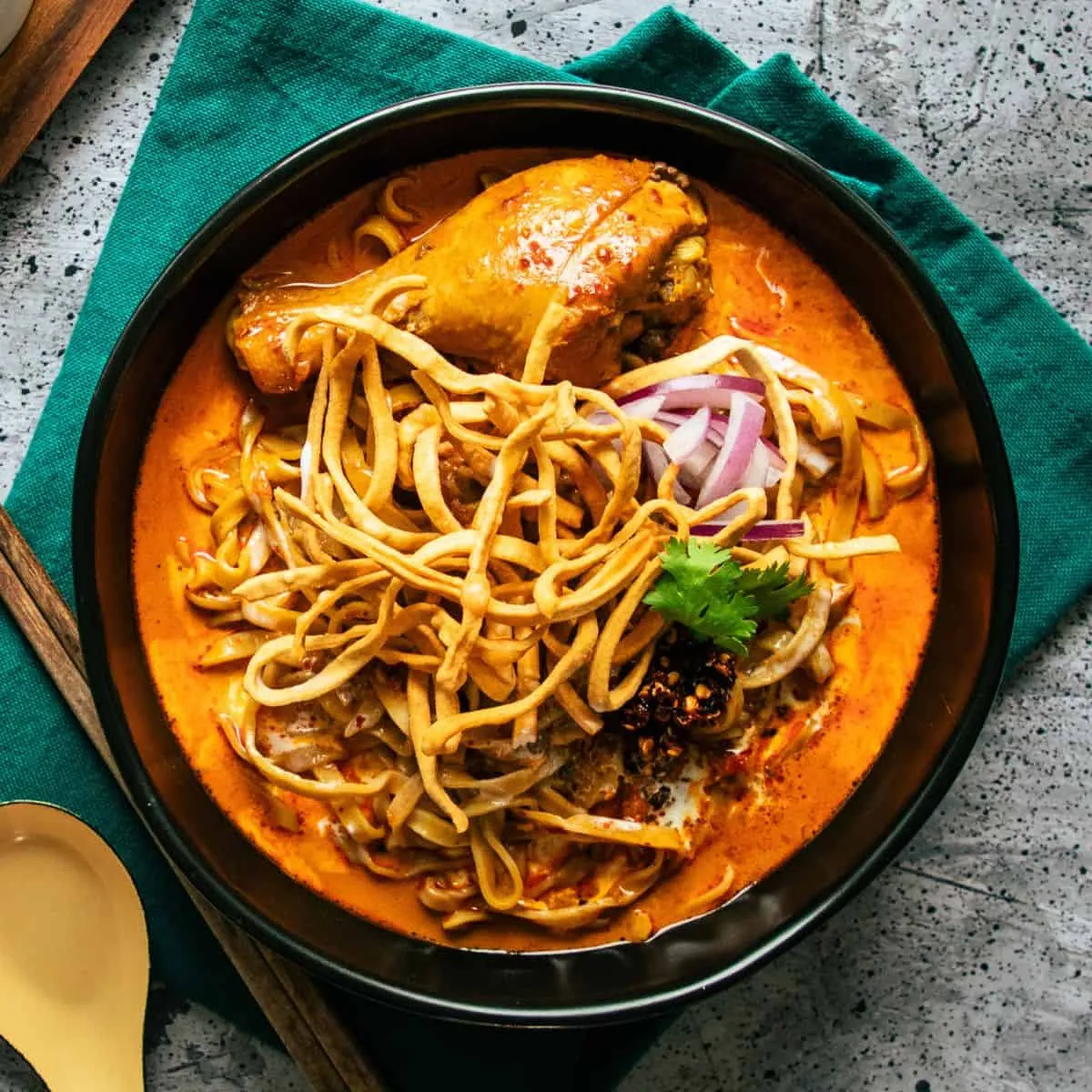
One of the most iconic dishes you must try in Chiang Mai is "khao soi," a luscious coconut curry noodle soup that captures the heart of Northern Thai cooking. This dish features tender egg noodles bathed in a rich, aromatic curry broth, topped with crispy fried noodles for texture. Often garnished with lime, pickled cabbage, and shallots, khao soi is a harmonious blend of spices, offering a warm, comforting embrace with every spoonful. It is a culinary highlight that showcases the region's unique take on curry, differing markedly from the spicier southern varieties.
Another must-try is "sai ua," a fragrant Northern Thai sausage that bursts with flavor. Made from minced pork mixed with a medley of herbs and spices, including lemongrass, kaffir lime leaves, and chili, sai ua is grilled to perfection, creating a smoky, aromatic delight. This sausage is often enjoyed as a snack, accompanied by sticky rice and a variety of dipping sauces, making it a staple at local markets and eateries alike.
"Gaeng hang lay" is a dish that beautifully illustrates the influence of Burmese cuisine on Northern Thai food. This pork belly curry is known for its deep, complex flavors, achieved through a slow-cooking process that allows the meat to absorb the rich, tangy sauce made with tamarind, ginger, and garlic. Unlike other Thai curries, gaeng hang lay is less reliant on coconut milk, resulting in a dish that is both hearty and subtly spiced, perfect for those who appreciate robust, savory flavors.
No exploration of Chiang Mai's culinary offerings would be complete without a taste of "nam phrik ong," a spicy chili dip that exemplifies the creativity and resourcefulness of Northern Thai cooking. Made with minced pork, tomatoes, and a generous amount of chilies, this dip is often paired with fresh vegetables and sticky rice, providing a spicy, tangy accompaniment that elevates any meal. It is a dish that invites communal dining, encouraging sharing and conversation around the table.
For those with a sweet tooth, "khanom jeen nam ngiao" is a delightful option. This dish features fermented rice noodles served with a piquant tomato-broth soup, often enriched with pork or beef. Topped with pork blood cubes and crispy fried garlic, it offers a unique combination of flavors and textures, making it a beloved choice among locals and adventurous travelers alike.
In Chiang Mai, dining is not just about sustenance; it's about celebrating the intricate interplay of flavors that reflect the region's rich cultural tapestry. Each signature dish offers a window into the culinary soul of Northern Thailand, encouraging travelers to savor and appreciate the timeless traditions that continue to thrive in this vibrant city.
Embarking on a street food adventure in Chiang Mai is an exhilarating experience that immerses you in the heart of Northern Thai culture. The city’s bustling night markets serve as vibrant epicenters of culinary exploration, where the tantalizing aromas of sizzling meats and fragrant spices fill the air, enticing both locals and travelers alike. This street food scene offers a diverse array of flavors and textures, allowing you to sample the authentic tastes of the region in an informal, lively setting.
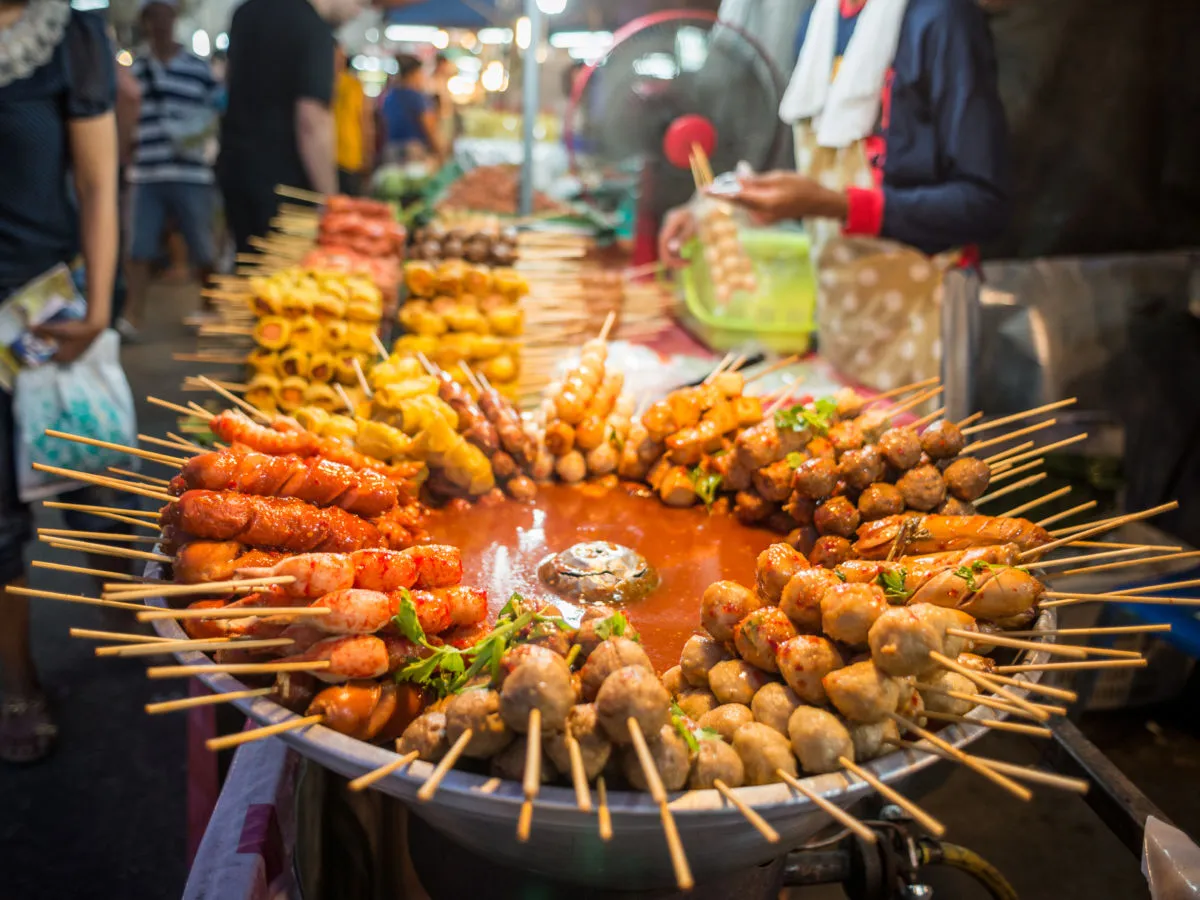
One of the most iconic street food destinations is the Chiang Mai Night Bazaar, where vendors line the streets with stalls brimming with local delicacies. Here, you can try "khanom krok," delightful coconut pancakes that are crispy on the outside and soft on the inside, offering a sweet, creamy treat that is perfect for dessert or a snack. These bite-sized delights are made from rice flour and coconut milk, cooked to perfection on a hot griddle, and often topped with green onions or sweet corn for an added twist.
For those craving something savory, "moo ping," or grilled pork skewers, are a must-try. Marinated in a blend of garlic, soy sauce, and coconut milk, these skewers are grilled over charcoal, infusing the meat with a smoky, caramelized flavor that is simply irresistible. Typically served with sticky rice, moo ping is a popular choice for a quick yet satisfying meal on the go.
Another street food staple is "som tam," the quintessential Thai green papaya salad. Made fresh on the spot, this dish combines shredded green papaya with tomatoes, green beans, peanuts, and a zesty dressing of lime juice, fish sauce, and chilies. The result is a refreshing, spicy salad that perfectly balances sweet, sour, and savory notes, offering a vibrant contrast to the richer dishes available at the market.
No street food adventure in Chiang Mai would be complete without sampling "khanom jin," a dish of thin rice noodles served with a variety of curries and toppings. Whether you choose a mild coconut-based curry or a spicy fish curry, khanom jin provides a versatile and customizable meal that caters to diverse palates. Toppings like boiled eggs, pickled vegetables, and fresh herbs enhance the flavors, making each serving a personalized culinary delight.
Beyond the food itself, the street food scene in Chiang Mai is an opportunity to engage with the local community. Vendors often share stories and insights about their dishes, offering a personal touch that enriches the dining experience. As you navigate the vibrant markets, you'll discover that each bite tells a story of tradition, innovation, and the unwavering passion of the people who bring these flavors to life.
Whether you're a seasoned foodie or a curious traveler, Chiang Mai's street food offers an unforgettable journey through Northern Thai cuisine. It's a celebration of flavors, textures, and the cultural tapestry that defines this enchanting city, inviting you to taste, explore, and savor every moment of your culinary adventure.
In Northern Thai cuisine, herbs and spices are not merely ingredients; they are the essence that breathes life into every dish, transforming simple meals into aromatic masterpieces. The culinary traditions of Chiang Mai heavily rely on the skillful use of these fresh and dried botanicals, which provide depth, complexity, and a distinctive character to the region's food.
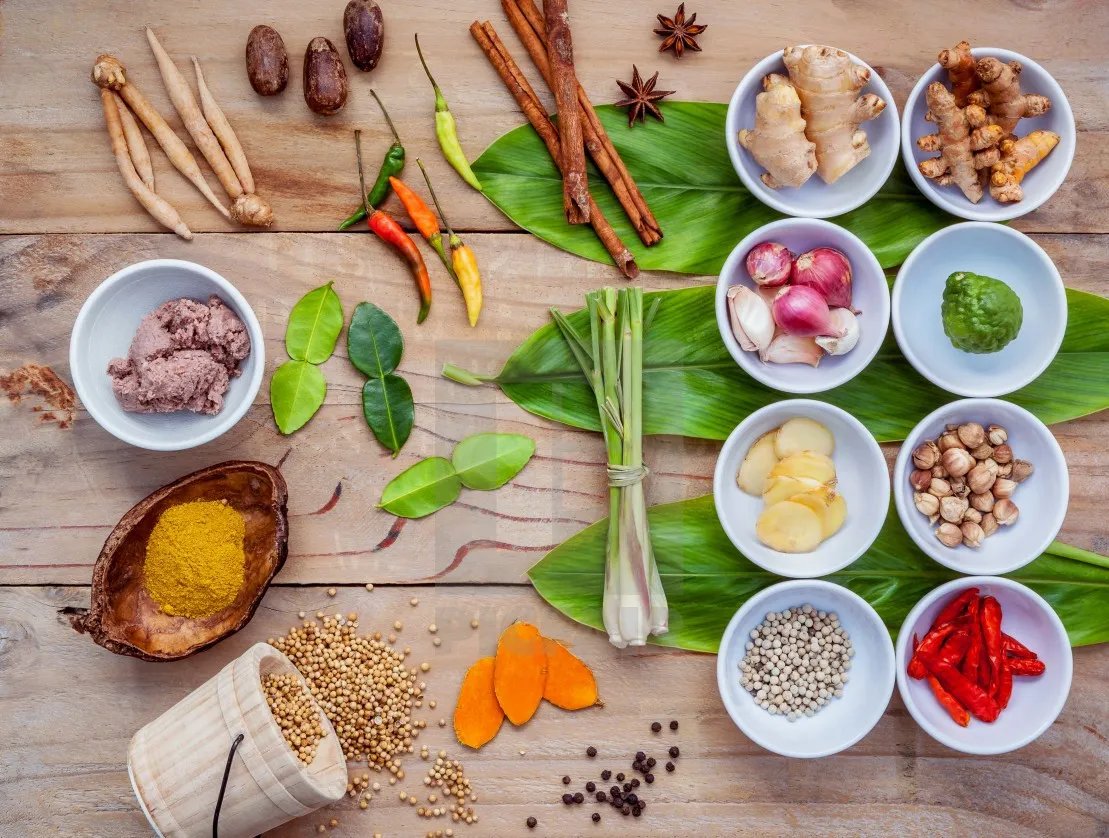
The cooler climate and fertile soils of Chiang Mai create an ideal environment for cultivating a wide variety of herbs and spices. These natural gifts are woven into the fabric of daily cooking, where each herb and spice contributes its unique aroma and flavor. Lemongrass, for example, is ubiquitous in Northern Thai dishes, imparting a citrusy brightness that enlivens soups and stir-fries. Its vibrant notes complement the rich, creamy textures of coconut-based curries, offering a refreshing counterbalance.
Galangal, often confused with ginger, plays a central role in Northern Thai cooking. Its sharp, peppery undertones and earthy aroma make it indispensable in traditional recipes, particularly in curries and soups like tom kha gai. The distinct flavor of galangal is cherished for its ability to enhance other ingredients, adding a warming, slightly spicy kick that is both bold and sophisticated.
Kaffir lime leaves, with their zesty and slightly floral fragrance, are another cornerstone of the herbal palette in Chiang Mai's kitchens. These leaves are often torn or crushed to release their essential oils, infusing dishes with a fresh, tangy aroma that elevates the overall sensory experience. Their inclusion in dishes like khao soi provides a subtle hint of citrus that complements the rich coconut curry base.
Chilies, particularly the small but potent bird's eye chilies, are a testament to the Northern Thai preference for layered flavors over sheer heat. While Southern Thai cuisine is known for its fiery intensity, Northern dishes tend to incorporate chilies in a way that builds complexity without overwhelming the palate. The careful balance of heat allows the intricate flavors of other spices and herbs to shine through, creating a harmonious blend.
Beyond flavor, herbs and spices in Northern Thai cuisine are celebrated for their health benefits. Traditional cooking methods often incorporate these ingredients not just for taste, but also for their medicinal properties, a practice rooted in centuries of culinary wisdom. Turmeric, for instance, is prized for its anti-inflammatory properties and vibrant color, lending a golden hue to many curries and sauces.
The artful use of herbs and spices in Chiang Mai's culinary scene is a reflection of the region's rich cultural tapestry. Each dish becomes a sensory journey, where the interplay of aromas and flavors tells a story of tradition, innovation, and the timeless connection between food and wellness. As you explore the diverse offerings of Northern Thai cuisine, you'll find that the role of herbs and spices goes beyond taste; it is an invitation to experience the heart and soul of Chiang Mai's gastronomic heritage.
Dining in local markets in Chiang Mai is an immersive experience that offers a unique window into the everyday life and culinary soul of Northern Thailand. These bustling markets are more than just places to buy food; they are vibrant social hubs where locals and visitors alike gather to enjoy a casual meal, catch up with friends, and soak up the lively atmosphere.
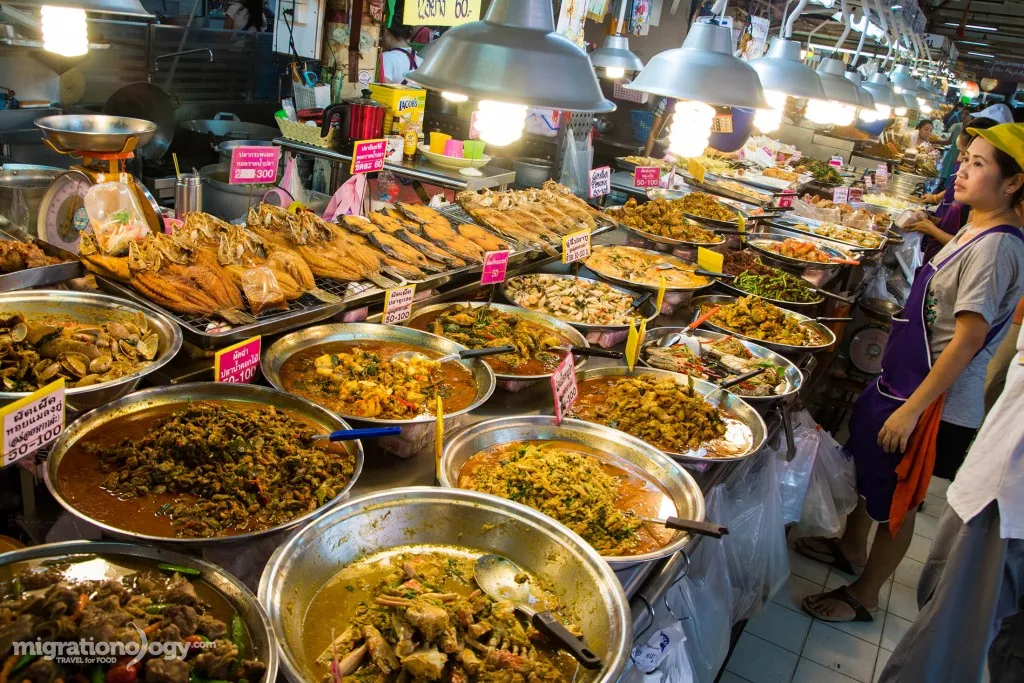
The heart of Chiang Mai's market scene can be found at locations like the Warorot Market (Kad Luang) and the Saturday and Sunday Walking Streets. Each market boasts its own distinct character, yet all are united by the tantalizing array of street food and local delicacies on offer. Here, the air is filled with the enticing aromas of grilling meats, fragrant herbs, and sizzling hot pans, creating an olfactory invitation that's hard to resist.
One of the joys of dining in these local markets is the opportunity to sample an eclectic mix of Northern Thai dishes that showcase the region's diverse culinary influences. Whether you're trying a savory bowl of "khao kha moo" (braised pork leg with rice) or indulging in the spicy and tangy flavors of "laab" (a minced meat salad), each dish tells a story of tradition and innovation. Market vendors, often family-run for generations, pride themselves on authentic recipes passed down through the years, ensuring an experience that's both genuine and delicious.
In addition to the food, the markets offer a feast for the eyes. Stalls bursting with colorful arrays of fresh fruits and vegetables provide insight into the local agriculture and seasonal produce. Exotic fruits such as mangosteen, rambutan, and dragon fruit are common sights, their vivid hues adding to the vibrant tapestry of the market. These fresh ingredients are not only available for purchase but are also integral to many dishes available at the stalls, ensuring that every bite is a testament to the freshness and quality of Northern Thai produce.
Dining in Chiang Mai's markets is also an opportunity to engage with the local culture. Vendors are often eager to share the stories behind their dishes, offering a personal touch that enriches the culinary experience. As you navigate the bustling aisles, you'll likely hear a mix of Thai and local dialects, punctuated by the sounds of sizzling woks and cheerful chatter, creating an atmosphere that is both dynamic and welcoming.
For travelers keen on diving deeper into the local food scene, participating in a market tour or a cooking class that begins with a market visit can be particularly rewarding. These experiences often include insights into selecting ingredients and understanding the traditional methods that define Northern Thai cooking, providing a deeper appreciation for the dishes you'll enjoy.
Ultimately, dining in Chiang Mai's local markets is about more than just food. It's about connection—connecting with the culture, the community, and the vibrant spirit of the city. Each visit is a sensory adventure, offering a fresh perspective on Northern Thai cuisine and a chance to create lasting memories in one of Thailand's most enchanting destinations.
For those eager to delve deeper into the culinary arts of Northern Thailand, Chiang Mai offers a treasure trove of cooking classes and culinary experiences that promise not only to tantalize your taste buds but also to enhance your understanding of this rich gastronomic culture. These hands-on experiences provide a unique opportunity to learn from local chefs and home cooks who are passionate about sharing the secrets of Northern Thai cuisine.
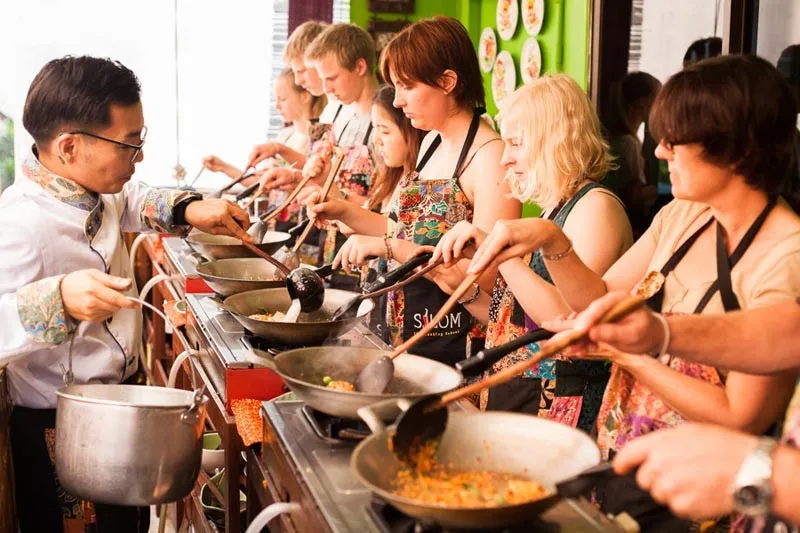
Cooking classes in Chiang Mai often begin with a trip to a local market, where participants can immerse themselves in the vibrant hustle and bustle while selecting fresh ingredients for their dishes. This initial step is an education in itself, as instructors offer insights into the selection of herbs, spices, and produce that are fundamental to Northern Thai cooking. The market visit is a sensory delight, filled with the aromas and colors of fresh produce, and serves as an excellent introduction to the ingredients that define the region's culinary identity.
Once the ingredients are gathered, participants are guided through the process of creating a variety of traditional dishes, each carefully selected to highlight different techniques and flavors. From crafting the perfect curry paste with a mortar and pestle to mastering the art of stir-frying over a flaming wok, each step is a lesson in the authenticity and precision that Northern Thai cooking demands. Popular dishes featured in these classes include khao soi, sai ua, and gaeng hang lay, allowing participants to recreate some of Chiang Mai's iconic flavors at home.
What sets these culinary experiences apart is the personal touch brought by the instructors, many of whom have honed their skills through generations of family cooking. They share not only recipes but also anecdotes and cultural insights, enriching the learning experience with stories that connect each dish to its historical and cultural roots. It's a chance to understand the nuances of flavor balancing and the importance of presentation, as well as to appreciate the cultural significance of food in Northern Thai society.
Beyond the skills acquired, cooking classes in Chiang Mai foster a sense of camaraderie among participants. Shared experiences in the kitchen often lead to lasting friendships, as travelers from around the world come together with a common interest in food. The joy of cooking and tasting the fruits of your labor with newfound friends adds another layer of enjoyment to the experience.
For those looking to delve even deeper, some programs offer extended culinary retreats that include farm-to-table experiences, where participants can explore local farms and learn about sustainable practices in Northern Thai agriculture. These immersive retreats provide a comprehensive understanding of the entire food production process, from the soil to the table, enhancing the appreciation of Northern Thai cuisine's connection to the land.
Whether you are a seasoned cook or a curious beginner, the cooking classes and culinary experiences in Chiang Mai offer an unforgettable journey into the heart of Northern Thai cuisine. They are not just about learning recipes but about gaining a deeper appreciation for the cultural tapestry that makes Chiang Mai's food scene so vibrant and beloved. As you chop, stir, and savor, you'll find yourself not just cooking a meal but crafting a memory that will forever connect you to this enchanting region.
In recent years, Chiang Mai has become a beacon for sustainable and farm-to-table initiatives, reflecting a growing global trend towards environmentally conscious dining. These initiatives are not just about food but are part of a broader movement to connect people with the origins of their meals, emphasizing the importance of sustainability, ethical sourcing, and community support. As travelers increasingly seek out authentic and meaningful experiences, Chiang Mai offers a unique opportunity to explore these concepts through its innovative culinary scene.

One of the key drivers behind the farm-to-table movement in Chiang Mai is the region's rich agricultural landscape. The fertile lands surrounding the city provide a bounty of fresh produce year-round, making it easier for local chefs and restaurateurs to source ingredients directly from nearby farms. This proximity not only ensures that ingredients are fresh and flavorful but also supports local farmers, promoting economic sustainability within the community. By reducing the need for long-distance transportation, these initiatives also contribute to a smaller carbon footprint, aligning with environmentally friendly practices.
Many establishments in Chiang Mai have embraced this ethos by developing partnerships with local farms. Restaurants often feature seasonal menus that highlight the freshest ingredients available, allowing diners to experience the natural flavors of Northern Thailand's produce at its peak. This approach not only enhances the dining experience but also educates consumers about the importance of seasonality and the benefits of eating locally grown food. As a result, diners are encouraged to think more critically about their food choices and the impact they have on the environment.
The rise of organic farming in the region has further bolstered Chiang Mai's reputation as a leader in sustainable cuisine. Organic farms are committed to environmentally friendly practices, such as avoiding synthetic pesticides and fertilizers, which helps preserve the integrity of the local ecosystem. Many of these farms welcome visitors, offering tours and workshops that provide insights into organic farming techniques and the challenges faced by farmers. These experiences foster a greater appreciation for the hard work and dedication involved in producing high-quality, sustainable food.
In addition to restaurants, Chiang Mai's vibrant market scene plays a crucial role in promoting farm-to-table practices. Local markets often feature stalls run by small-scale farmers who sell organic and sustainably grown produce directly to consumers. This direct-to-consumer model not only ensures transparency in the food supply chain but also allows consumers to engage with farmers, gaining a deeper understanding of the journey from farm to plate. These interactions help build trust and a sense of community, further strengthening the local food ecosystem.
The commitment to sustainability extends beyond food production to include waste reduction efforts. Many restaurants and cafes in Chiang Mai have adopted practices such as composting, recycling, and minimizing single-use plastics, demonstrating a holistic approach to sustainability. These initiatives not only reduce environmental impact but also serve as a model for responsible business practices in the hospitality industry.
As you explore Chiang Mai's culinary landscape, you'll find that the sustainable and farm-to-table initiatives offer more than just a meal; they provide a connection to the land, the community, and the rich agricultural heritage of Northern Thailand. By choosing to dine at establishments that prioritize sustainability, travelers can enjoy delicious, locally sourced meals while supporting practices that benefit both people and the planet. This commitment to sustainability enriches the culinary journey, making each dining experience in Chiang Mai not only a feast for the senses but also a step towards a more sustainable future.

Dive into the heart of Chiang Mai's culinary scene and savor the unique flavors of Northern Thailand.

Explore Chiang Mai's night markets, a culinary paradise where the flavors of Northern Thailand come alive with every bite.
Discover Chiang Mai's hidden culinary gems in its charming alleyways, offering a taste of authentic Thai flavors.