BDAtrip
  • Tours
  • Flights
  • eSIM
  • Travel Tips
BDAtrip

Travel made easier around the world.

Hanoi, Vietnam

hello@bdatrip.com

Explore

  • Destinations
  • Travel Guides
  • Things to Do

Travel Services

  • Tours
  • Flights
  • eSIM

Support

  • Help Center
  • Contact Us
  • eSIM Support

Company

  • About BDAtrip
  • Careers

Legal

  • Terms & Conditions
  • Privacy Policy
  • Refund Policy
  • Cookie Policy

© 2026 BDAtrip. All rights reserved.

Secure payments · PayPal
Terracotta Army – Ultimate Guide to Xi’an’s Ancient Warriors

Terracotta Army – Ultimate Guide to Xi’an’s Ancient Warriors

Explore the mysteries of Xi'an's Terracotta Army, a stunning archaeological marvel that reveals China's ancient history and culture.

  1. Travel Tips
  2. China
  3. Terracotta Army – Ultimate Guide to Xi’an’s Ancient Warriors
TonyUpdated August 10, 20266 min read

History of the Terracotta Army

The Vision of Emperor Qin Shi Huang

Emperor Qin Shi Huang, who unified China in 221 BC, was obsessed with immortality and power. To protect himself in the afterlife, he ordered the construction of a grand mausoleum, accompanied by thousands of terracotta soldiers, horses, and chariots. The project began around 246 BC, when he was still a teenager, and took nearly four decades to complete.

Scale and Purpose

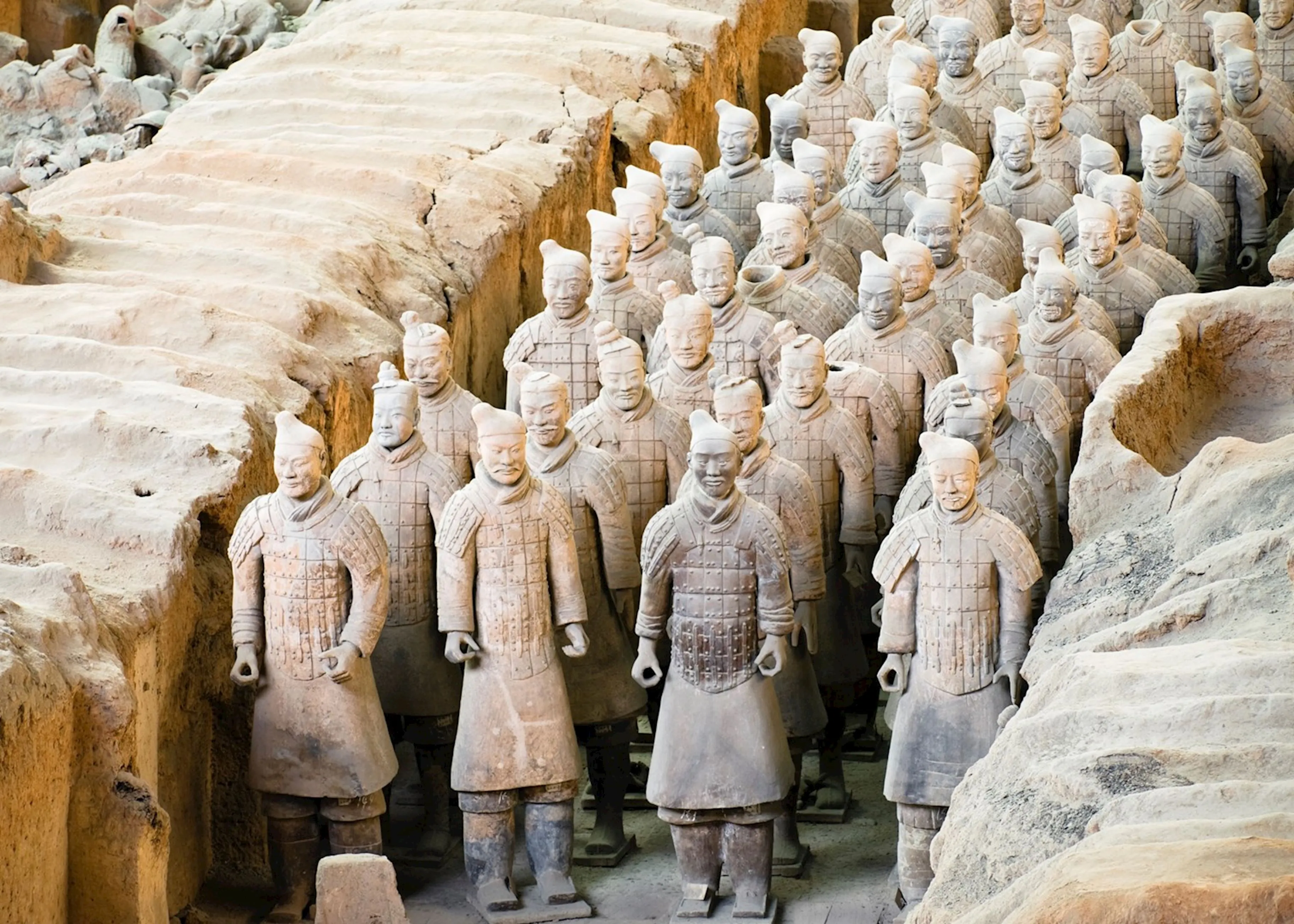
The army was not just symbolic it was meant to serve as a real military force in the afterlife. Each soldier was crafted with unique facial features, hairstyles, and clothing, reflecting different ranks and units. The figures represent infantry, cavalry, archers, and even generals, showcasing the structure of the Qin military.
The Discovery of the Terracotta Army

The Discovery of the Terracotta Army

Accidental Unearthing in 1974

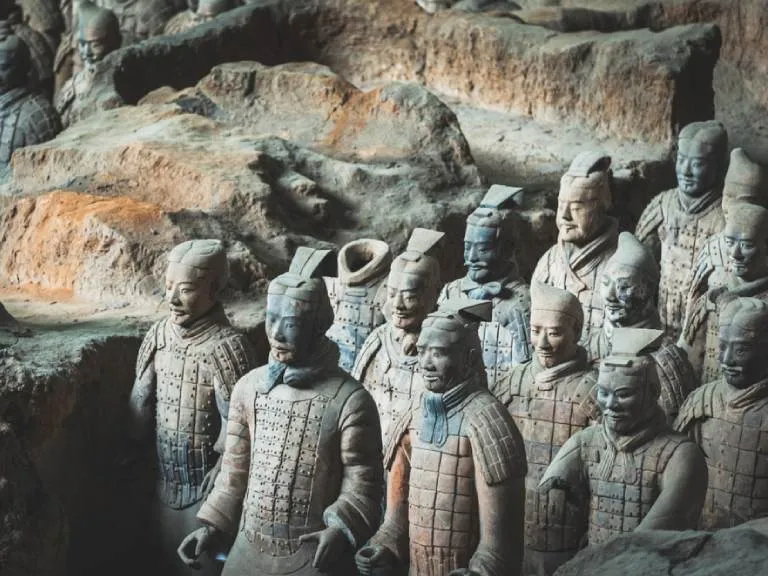
The Terracotta Army remained hidden underground for over 2,000 years until local farmers digging a well in March 1974 stumbled upon fragments of clay figures. This accidental discovery led to one of the most significant archaeological excavations in history.

Archaeological Significance

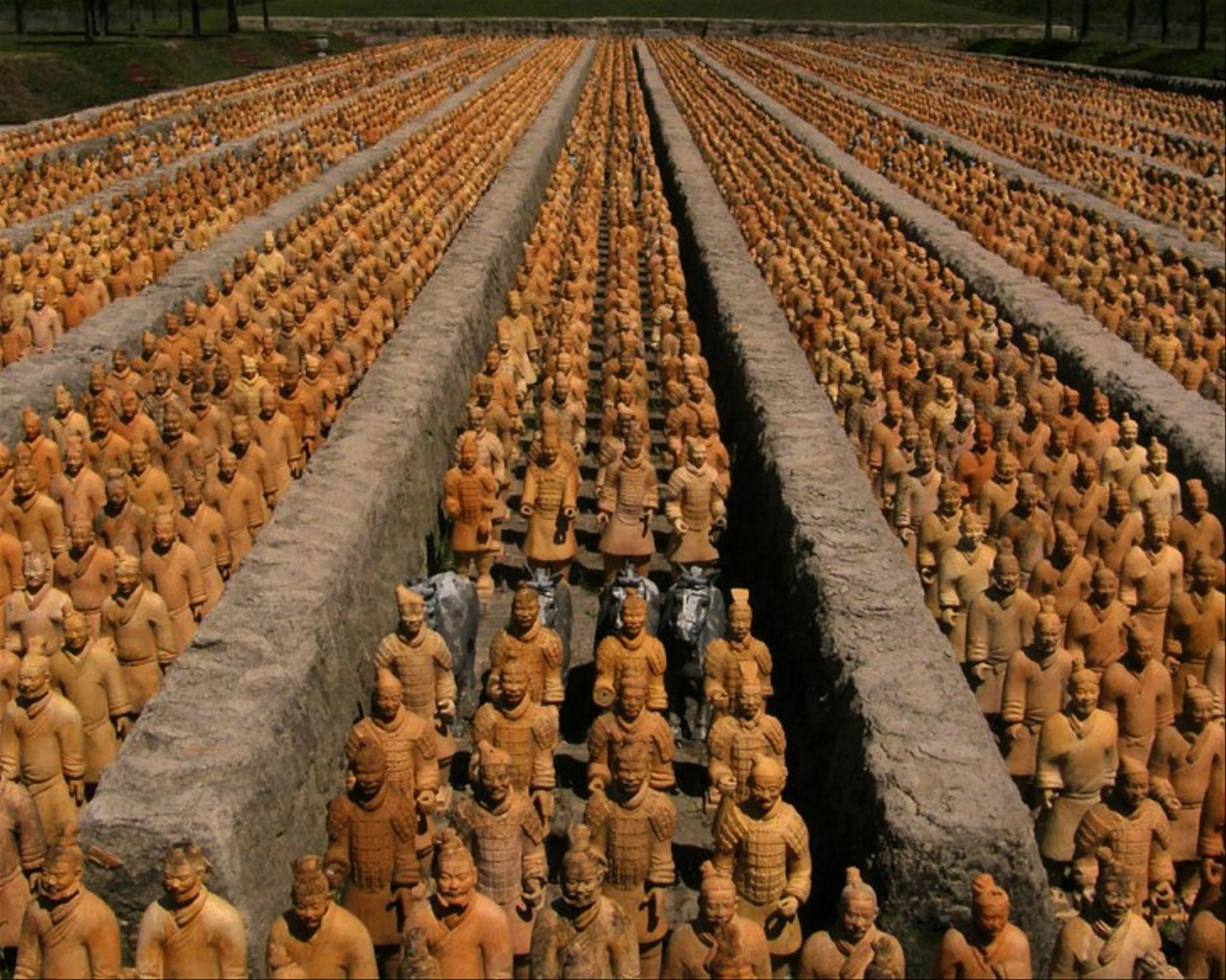
Excavations revealed three main pits containing over 8,000 soldiers, 130 chariots, and 670 horses, though many remain buried to preserve them from deterioration. The discovery revolutionized our understanding of Qin Dynasty art, military organization, and burial customs.
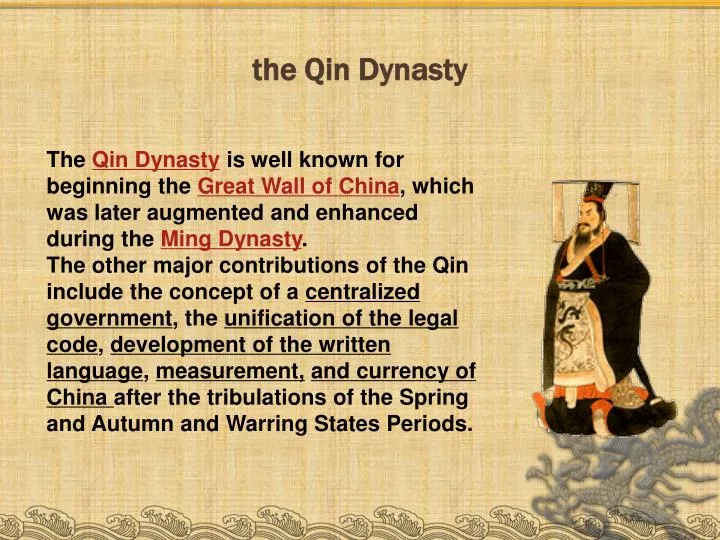
Historical Context: The Qin Dynasty

Layout and Pits of the Terracotta Army

Pit 1 – The Main Army Formation

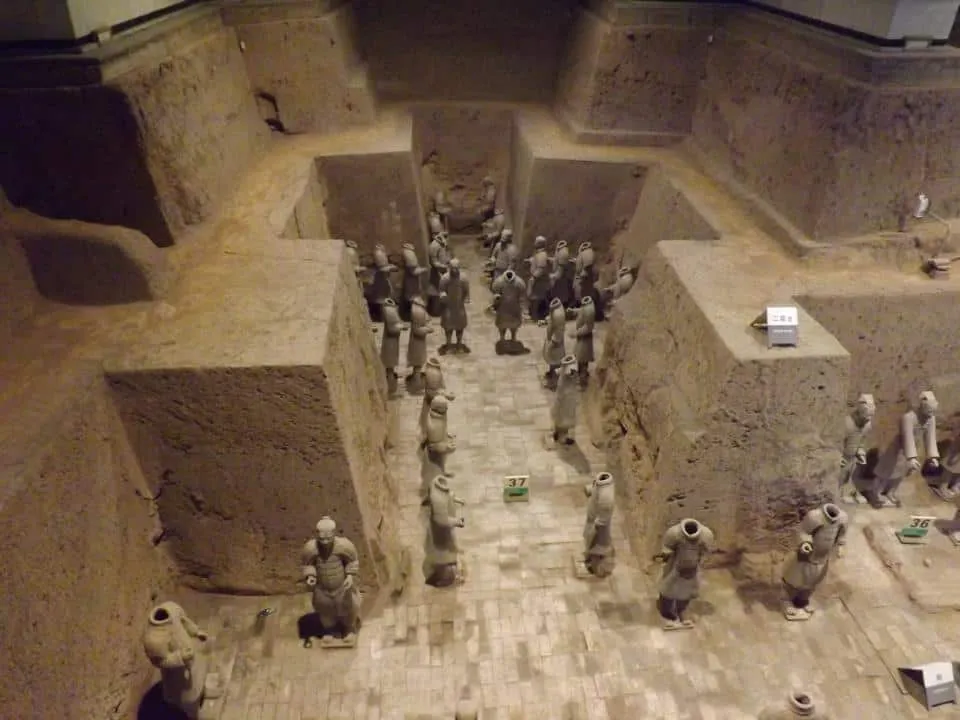
Pit 1 is the largest and most awe-inspiring of all, stretching over 230 meters in length. Inside, around 6,000 life-sized warriors stand in battle formation, arranged in orderly corridors as if ready to march into combat. The sheer scale and precision of this pit make it the centerpiece of the entire site.

Pit 2 – Special Units

Slightly smaller but far more diverse, Pit 2 reveals the tactical depth of the Qin Dynasty military. Here, visitors can see archers positioned in combat stances, cavalry alongside their horses, and several chariots. This pit highlights the specialized units and the advanced battle strategies that went beyond simple infantry lines.

Pit 3 – The Command Center

Pit 3 is the smallest, yet perhaps the most intriguing. Believed to be the command headquarters of the entire army, it contains high-ranking officers, war chariots, and figures arranged in a way that suggests strategic planning. Often described as the “nerve center” of the Terracotta Army, Pit 3 symbolizes the emperor’s military leadership in the afterlife.

The Construction and Purpose of the Army

Artistic Details of the Terracotta Soldiers

Unique Features of Each Soldier

One of the most astonishing aspects of the Terracotta Army is that no two warriors are exactly alike. Each figure bears distinct facial expressions, hairstyles, and clothing details, giving the impression that they were modeled after real soldiers of the Qin Dynasty. This individuality transforms the vast army into a collection of lifelike characters, each with its own story to tell.

Advanced Craftsmanship

Beyond their lifelike appearance, the Terracotta Warriors also showcase the exceptional craftsmanship of Qin-era artisans:

  • Height varies according to rank: generals are taller than regular soldiers.
  • Weapons such as swords, spears, and crossbows were made of bronze and some still retain sharpness today.
  • Original figures were painted in vibrant colors, but most pigments have faded over time.
Artistic Details and Craftsmanship

Visiting the Terracotta Army Today

Location and How to Get There

The Terracotta Army is located about 40 km east of Xi’an city center in Shaanxi Province. Travelers can reach the site easily by public bus, taxi, or through organized tours. For those flying in, Xi’an Xianyang International Airport offers convenient connections with both major Chinese cities and international destinations.

Opening Hours and Best Time to Visit

The site is open daily from 8:30 AM to 5:00 PM. The most comfortable seasons to visit are spring (March–May) and autumn (September–November), when the weather is mild and pleasant. To enjoy a quieter experience and better views, plan to arrive early in the morning before the crowds build up.

Ticket Information

General admission costs around 120 RMB, with seasonal variations. Students and seniors can benefit from discounted rates. For a deeper understanding of the history and significance behind the warriors, joining a guided tour or using an audio guide is highly recommended.

Nearby Attractions and Cultural Experiences in Xi'an

Things to See Beyond the Terracotta Army

Qin Shi Huang’s Mausoleum

The Terracotta Army was created to guard the resting place of Emperor Qin Shi Huang, whose grand mausoleum lies nearby. Remarkably, the tomb itself remains largely unexcavated, both to preserve its integrity and due to reports in ancient texts describing toxic mercury rivers flowing within. This mystery continues to intrigue historians and travelers alike.

Emperor Qin Shi Huang Museum

Just a short distance from the excavation pits, the museum offers deeper insights into the Qin Dynasty. Visitors can view original artifacts, life-sized reconstructed bronze chariots, and multimedia exhibits that reveal the history, craftsmanship, and cultural importance of the Terracotta Army.

Xi’an City Highlights

A trip to the Terracotta Army is often paired with exploring Xi’an, one of China’s most historic cities:
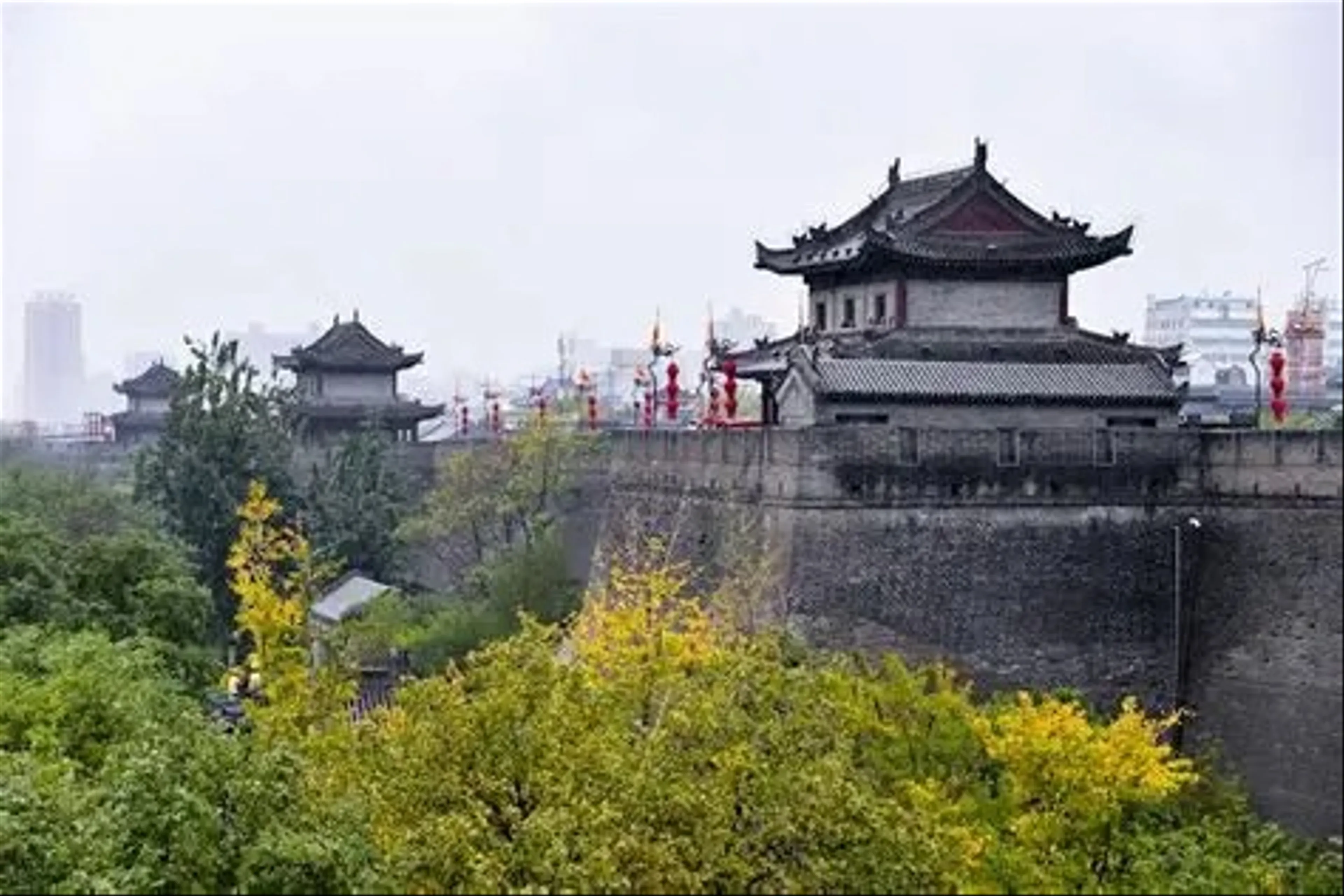
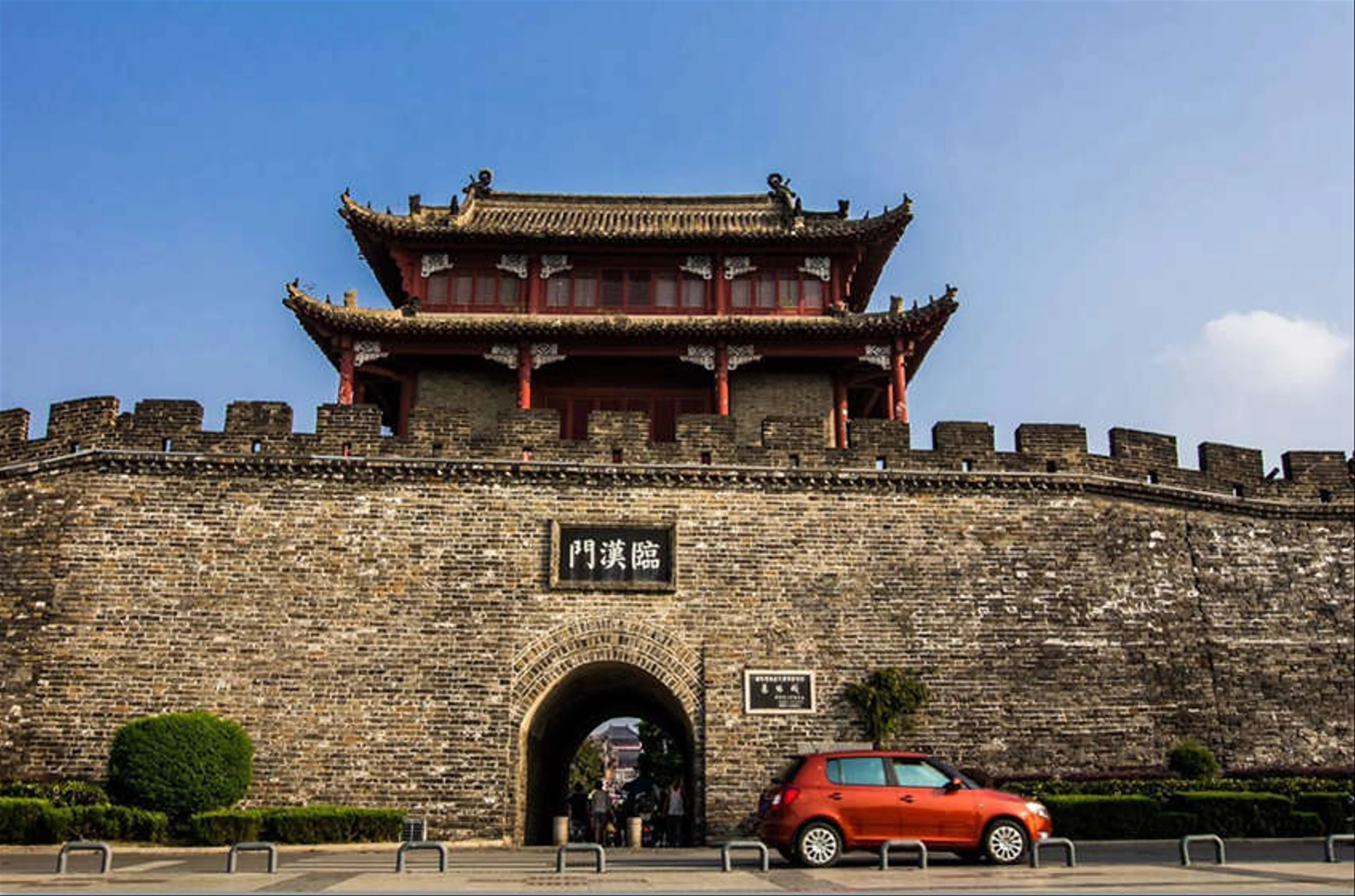
  • Ancient City Wall – one of the best-preserved city walls in China.
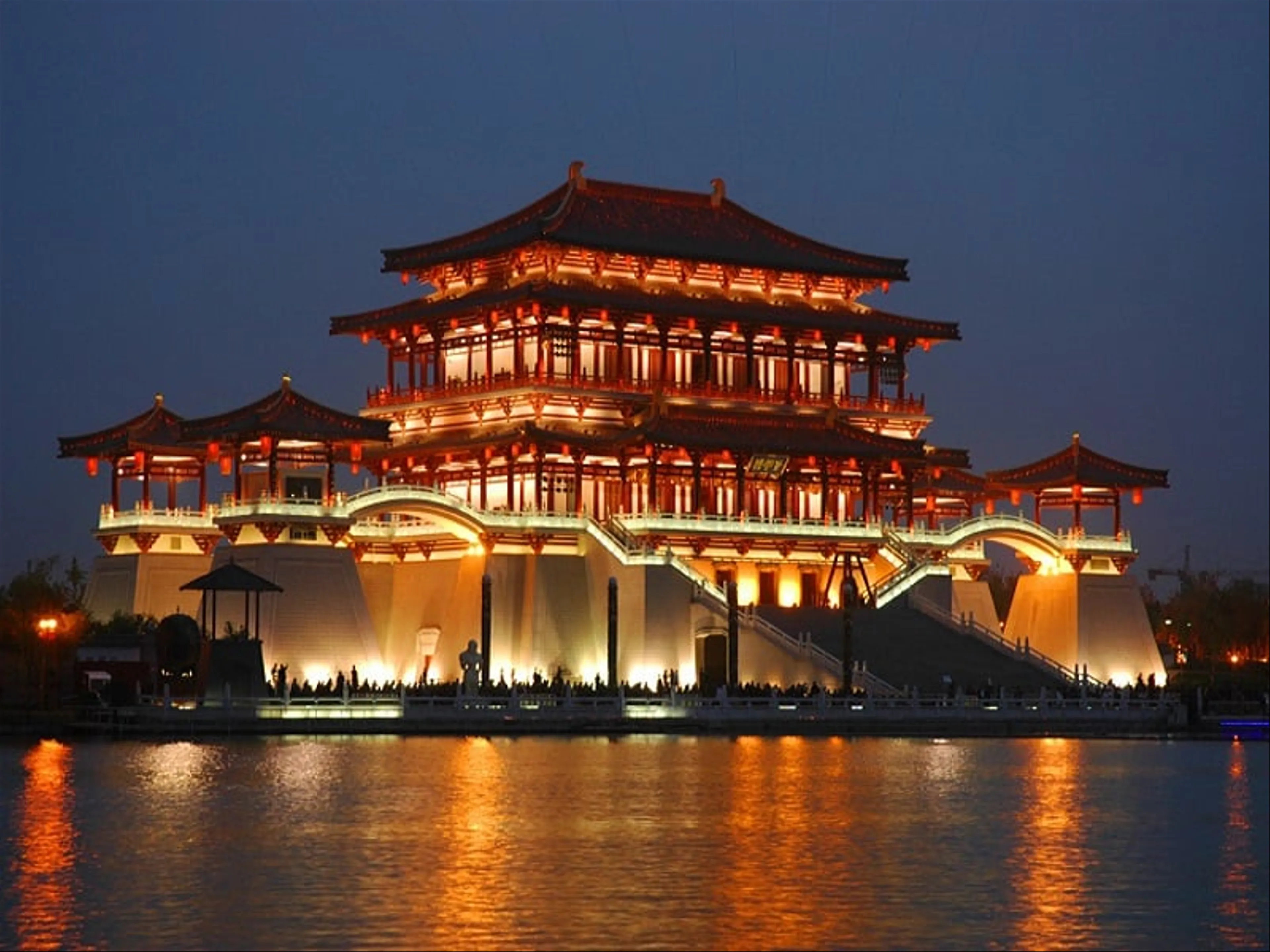
  • Big Wild Goose Pagoda – a Buddhist landmark from the Tang Dynasty.
  • Muslim Quarter – famous for street food and cultural fusion.
Significance in Chinese Culture and History

Travel Tips for Visiting the Terracotta Army

Guided Tours and Audio Guides

To truly appreciate the Terracotta Army, consider joining a guided tour or renting an audio guide. These provide fascinating background stories, historical context, and details that you might otherwise overlook when exploring on your own.

Photography Tips

Flash photography is strictly prohibited to protect the fragile relics. Instead, make use of natural light and bring a zoom lens to capture the soldiers’ intricate details. For the best shots, plan your visit early in the morning when the site is quieter and less crowded.

What to Wear and Bring

Since the complex requires a fair amount of walking, comfortable shoes are a must. A light jacket is recommended in spring or autumn when temperatures can be cool. Don’t forget to bring a water bottle and some light snacks, though food and refreshments are available nearby.

Interesting Facts About the Terracotta Army

Beyond its history and grandeur, the Terracotta Army is full of fascinating details that make it even more extraordinary:
  • Each warrior weighs about 135–300 kilograms.
  • The soldiers were once brightly painted in reds, blues, and greens.
  • The Terracotta Army is considered the eighth wonder of the world.
  • It took over 700,000 workers to build the mausoleum complex.
  • The site attracts over 5 million visitors annually.
Visiting the Terracotta Army: Practical Tips

Frequently Asked Questions (FAQs)

Why was the Terracotta Army built?

It was built to protect Emperor Qin Shi Huang in the afterlife and reflect his power and military strength.

How old is the Terracotta Army?

Construction began around 246 BC and continued for about 40 years, making it over 2,200 years old.

How many soldiers are there?

Archaeologists estimate over 8,000 soldiers, 130 chariots, and 670 horses in total, though not all are unearthed.

Can visitors see all of the army?

Only a portion is displayed to the public, as some pits remain covered to prevent damage from exposure.

How long should I plan for a visit?

Allow at least 3–4 hours to explore the pits, museum, and surrounding exhibits thoroughly.

The Terracotta Army is not only an archaeological marvel but also a lasting symbol of China’s ancient heritage. Visiting this site in Xi’an offers a captivating glimpse into the vision of Emperor Qin Shi Huang and the grandeur of early Chinese civilization.

Xi'an Silk Road & Northwest China Natural Wonders 8D7N

Xi'an Silk Road & Northwest China Natural Wonders 8D7N

BDATrip invites you on an 8-day, 7-night journey to explore the greatest cultural heritages and most unique natural landscapes of Northwest China. From the ancient capital of Xi'an, the starting point of the legendary Silk Road with its majestic Terracotta Army, to the mysterious desert oasis of Dunhuang.

8d4.8(1548)
From
$1
China Heritage Tour: Xi'an – Longmen Grottoes – Yungang Grottoes – Shanxi

China Heritage Tour: Xi'an – Longmen Grottoes – Yungang Grottoes – Shanxi

4.8(415)
From
$1,399$1,600
Tracing Millennia of History: Xi'an - Luoyang - Zhengzhou - Kaifeng 6D5N

Tracing Millennia of History: Xi'an - Luoyang - Zhengzhou - Kaifeng 6D5N

Welcome to the journey "Tracing Millennia of History: Touching the Sacred Soul of China", a special trip that takes you back in time to China's most splendid ancient capitals. This 6-day, 5-night tour explores four legendary cities: Xi'an, Luoyang, Zhengzhou, and Kaifeng, repositories of immense cultural heritage, history, and stories echoing through thousands of years.

6d4.3(1640)
From
$748
Xi'an Silk Road & Northwest China Natural Wonders 8D7N

Xi'an Silk Road & Northwest China Natural Wonders 8D7N

BDATrip invites you on an 8-day, 7-night journey to explore the greatest cultural heritages and most unique natural landscapes of Northwest China. From the ancient capital of Xi'an, the starting point of the legendary Silk Road with its majestic Terracotta Army, to the mysterious desert oasis of Dunhuang.

8d4.8(1548)
From
$1
China Heritage Tour: Xi'an – Longmen Grottoes – Yungang Grottoes – Shanxi

China Heritage Tour: Xi'an – Longmen Grottoes – Yungang Grottoes – Shanxi

4.8(415)
From
$1,399$1,600
Xi’an Tour – Mausoleum Of Qin Shi Huang – Mingsha Mountain – Crescent Moon Spring – Jiayuguan

Xi’an Tour – Mausoleum Of Qin Shi Huang – Mingsha Mountain – Crescent Moon Spring – Jiayuguan

4.8(565)
From
$1,369$1,450

Legendary Silk Road Expedition Xi'an Dunhuang Lanzhou 8 Days 7 Nights

Embark on an epic journey through space and time along the legendary Silk Road with BDATrip. This 8-day, 7-night tour invites you to explore some of China's most magnificent cultural, historical, and natural landscapes, from the grand ancient capital of Xi'an to the stunning oasis of Dunhuang in the Gobi Desert. This is a NO SHOPPING tour, focusing solely on immersive experiences and authentic discoveries, offering travelers a true and profound insight into one of humanity's greatest trade routes.

8d4.9(650)
From
$1
Tracing Millennia of History: Xi'an - Luoyang - Zhengzhou - Kaifeng 6D5N

Tracing Millennia of History: Xi'an - Luoyang - Zhengzhou - Kaifeng 6D5N

Welcome to the journey "Tracing Millennia of History: Touching the Sacred Soul of China", a special trip that takes you back in time to China's most splendid ancient capitals. This 6-day, 5-night tour explores four legendary cities: Xi'an, Luoyang, Zhengzhou, and Kaifeng, repositories of immense cultural heritage, history, and stories echoing through thousands of years.

6d4.3(1640)
From
$748
Xi’an Tour – Mausoleum Of Qin Shi Huang – Mingsha Mountain – Crescent Moon Spring – Jiayuguan

Xi’an Tour – Mausoleum Of Qin Shi Huang – Mingsha Mountain – Crescent Moon Spring – Jiayuguan

4.8(565)
From
$1,369$1,450

Ancient China Heritage Expedition 8D7N Xi'an, Luoyang & Shanxi

Welcome to the “Ancient China Heritage Expedition 8D7N: Xi'an, Luoyang & Shanxi” a unique adventure that transcends space and time, inviting you to explore the golden imprints of ancient Chinese civilization.

8d4.2(1328)
From
$1

Legendary Silk Road Expedition Xi'an Dunhuang Lanzhou 8 Days 7 Nights

Embark on an epic journey through space and time along the legendary Silk Road with BDATrip. This 8-day, 7-night tour invites you to explore some of China's most magnificent cultural, historical, and natural landscapes, from the grand ancient capital of Xi'an to the stunning oasis of Dunhuang in the Gobi Desert. This is a NO SHOPPING tour, focusing solely on immersive experiences and authentic discoveries, offering travelers a true and profound insight into one of humanity's greatest trade routes.

8d4.9(650)
From
$1

Ancient China Heritage Expedition 8D7N Xi'an, Luoyang & Shanxi

Welcome to the “Ancient China Heritage Expedition 8D7N: Xi'an, Luoyang & Shanxi” a unique adventure that transcends space and time, inviting you to explore the golden imprints of ancient Chinese civilization.

8d4.2(1328)
From
$1

Similar posts

Journey Through Time: Discovering the Ancient Wonders of Xi'an

Explore Xi'an's ancient wonders, from the iconic Terracotta Army to the vibrant cultural tapestry of this historic Chinese city.
Ancient City Wall – Complete Travel Guide to Xi’an’s Historic Landmark

Discover Xi’an’s Ancient City Wall – one of China’s best-preserved fortifications. Explore history, walk or cycle along its 13.7 km path, enjoy panoramic views, and get essential travel tips for your visit.

The Forbidden City – Ultimate Guide to Beijing’s Iconic Palace

Explore the Forbidden City and uncover the secrets of China's imperial past in this in-depth travel guide.