Explore Xi'an's ancient wonders, from the iconic Terracotta Army to the vibrant cultural tapestry of this historic Chinese city.
Xi'an, a city steeped in history and culture, is home to one of the most remarkable archaeological discoveries of the 20th century: the Terracotta Army. Unearthed in 1974 by local farmers, this fascinating collection of life-sized sculptures has captivated the world and offers an unparalleled glimpse into the military might and artistic prowess of ancient China.

The Terracotta Army was commissioned by Qin Shi Huang, the first Emperor of China, who envisioned this grand army as his eternal protectors in the afterlife. Spanning over 20,000 square meters, the site is a testament to the emperor's ambition and the sophisticated craftsmanship of the artisans of the time. Each of the more than 8,000 soldiers is uniquely detailed, reflecting a high level of artistry and attention to individuality. The soldiers stand in battle formation, complete with horses and chariots, ready to accompany their emperor into eternity.
Visitors to the site can explore three main pits, each revealing different aspects of this ancient army. Pit 1 is the largest and most impressive, housing columns of soldiers that stretch far into the distance. Pit 2 offers a glimpse into the army's cavalry and infantry units, while Pit 3 is believed to be the command center, showcasing high-ranking officers and their entourages. These meticulously arranged formations provide insight into the military strategies and hierarchical structure of the Qin Dynasty.
Beyond the sheer scale and detail of the Terracotta Army, what makes this historical marvel truly remarkable is the advanced techniques employed by the craftsmen of the era. The statues were originally painted in vibrant colors, though exposure to air has caused most of the pigments to fade. Recent efforts in preservation have focused on restoring these colors, adding another layer of depth to the already rich narrative.
For travelers, visiting the Terracotta Army is not just about witnessing an ancient wonder; it is about connecting with a pivotal moment in Chinese history. The site offers a profound understanding of the Qin Dynasty's role in shaping China's cultural and historical landscape. Guided tours are available, providing context and stories that enrich the visitor experience, while the nearby museum offers further insights into the archaeological process and the ongoing efforts to preserve this global heritage site.
In sum, the Terracotta Army is more than a collection of statues; it is a testament to the enduring legacy of one of China's most influential emperors. As you walk among these silent sentinels, you'll find yourself transported back to a time of emperors and kingdoms, leaving with a deeper appreciation for the rich tapestry of China's past.
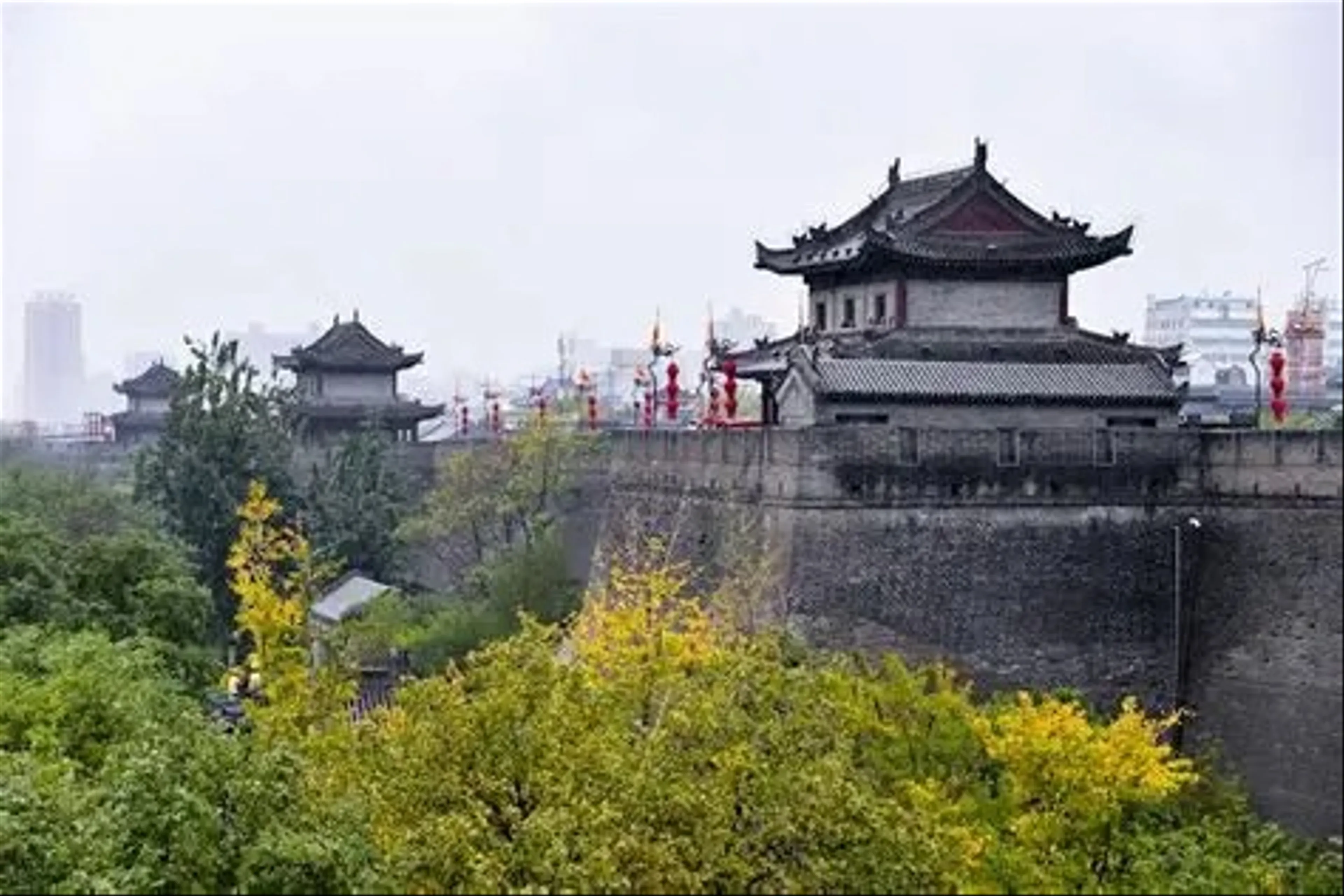
As you journey through Xi’an, the city's ancient city wall stands as a proud sentinel of its historical grandeur. Built during the early Ming Dynasty in the late 14th century, this formidable structure offers a unique window into the strategic ingenuity and architectural mastery of ancient China. Stretching over 13 kilometers in length, the wall is one of the most well-preserved city walls in the world, and it encircles the heart of Xi’an, providing a tangible connection to the past.
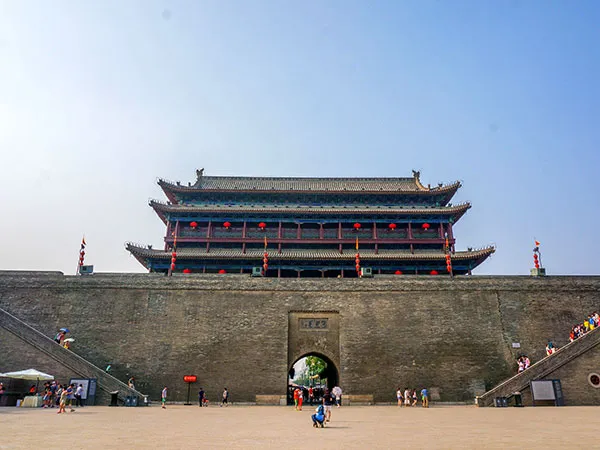
For travelers, exploring Xi’an's ancient city wall is an immersive experience that combines history, culture, and stunning views. The wall's impressive height and width are immediately striking. Standing 12 meters tall and ranging from 12 to 14 meters in width, it was designed to withstand sieges and protect the city from invasions, a testament to the foresight of its builders. Walking or cycling along the top of the wall allows visitors to appreciate the panoramic views of Xi’an, where the blend of ancient architecture and modern city life unfolds beneath you.
The wall is punctuated by four main gates, each named for the cardinal directions they face: Changle (East), Anding (West), Yongning (South), and Anyuan (North). These gates, once the primary entry points to the city, are architectural marvels in their own right. Each gatehouse is intricately designed, with layers of defense systems that include drawbridges and guard towers, illustrating the military strategies employed during the Ming Dynasty.
Exploring the city wall offers more than just a stroll through history; it’s an opportunity to engage with the vibrant culture of Xi’an. Along the wall, you will find exhibitions and cultural performances that bring the history of the city to life. From traditional Chinese music and dance to calligraphy demonstrations, these activities provide a deeper understanding of the rich cultural heritage that Xi’an embodies.
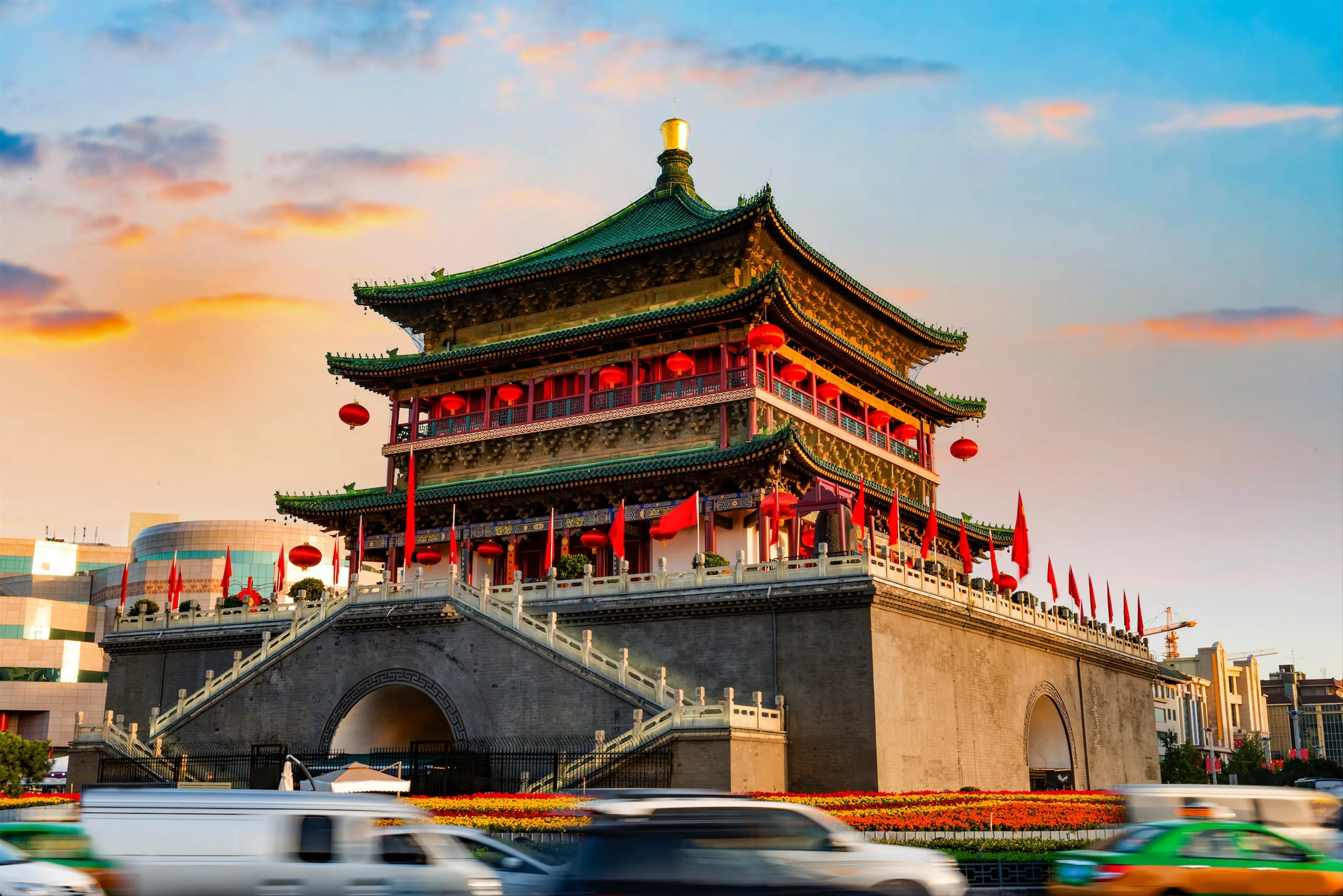
For those seeking a more active adventure, renting a bicycle and riding the entire length of the wall is an exhilarating way to explore. This activity allows you to cover more ground while soaking in the diverse scenery of the city, from the ancient bell towers and pagodas to the bustling markets and modern skyscrapers.
As the day draws to a close, the city wall transforms under the glow of soft lighting, creating a romantic and atmospheric setting perfect for an evening stroll. The contrast of ancient bricks against the illuminated skyline is a reminder of Xi’an’s enduring legacy as a cradle of Chinese civilization.
Visiting Xi’an’s ancient city wall is not just a journey through history; it is a journey through the cultural soul of China. Whether you are a history enthusiast or simply a curious traveler, this ancient structure offers an unforgettable experience that highlights the enduring spirit and resilience of one of the world’s oldest cities.
The Great Wild Goose Pagoda, a prominent spiritual landmark in Xi’an, is a testament to the city’s rich Buddhist heritage and its significance as a cultural crossroads on the Silk Road. Originally built in 652 AD during the Tang Dynasty, the pagoda is located within the Da Ci'en Temple complex and stands as a symbol of the profound influence Buddhism has had on Chinese culture and civilization.
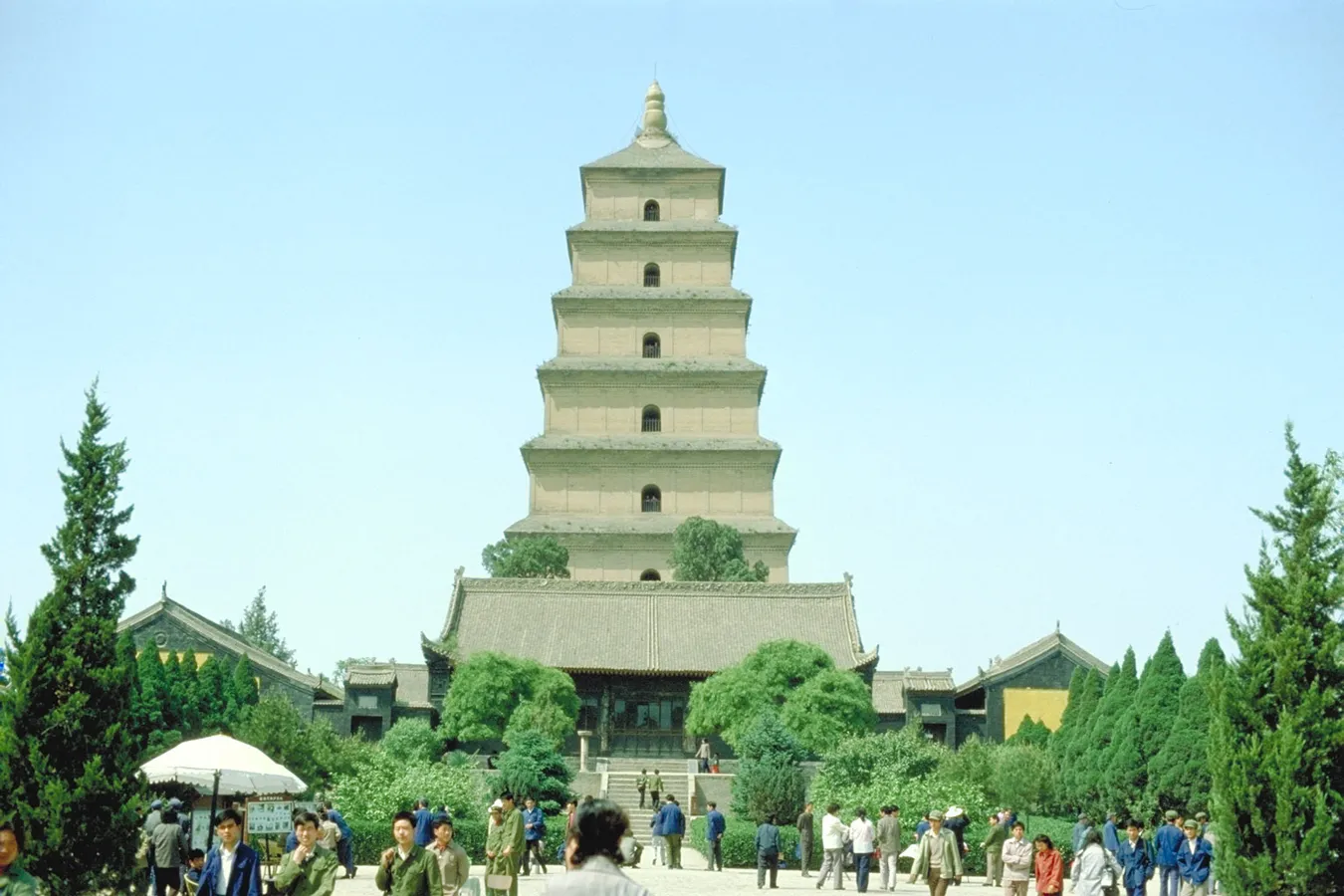
This iconic structure was commissioned by the famous Buddhist monk Xuanzang, whose epic journey to India in search of sacred texts is legendary. Upon his return, Xuanzang brought back numerous scriptures and relics, and he used the Great Wild Goose Pagoda as a repository for these treasures. The pagoda’s design, with its simple, elegant lines and towering presence, reflects the architectural style of the era and the spiritual aspirations of the time.
Standing at an impressive height of 64 meters, the pagoda originally had five stories, but it underwent several restorations and expansions over the centuries, ultimately reaching its current seven-story structure. Each level of the pagoda offers panoramic views of Xi’an, rewarding visitors with an impressive vista of the city’s blend of ancient and modern landscapes.
Exploring the Great Wild Goose Pagoda provides insight into the intersection of religion, art, and history. The walls within are adorned with intricate carvings and inscriptions that depict the life and travels of Xuanzang, as well as the teachings of Buddha. These artistic embellishments are not only visually captivating but also serve as educational tools for understanding Buddhist philosophy and the cultural exchanges facilitated by the Silk Road.
Beyond its architectural and historical significance, the Great Wild Goose Pagoda remains an active place of worship. Visitors can witness local devotees engaging in daily rituals and ceremonies, offering a glimpse into the spiritual life that continues to thrive within these ancient walls. The serene atmosphere of the surrounding Da Ci'en Temple gardens further enhances the spiritual experience, providing a peaceful retreat for contemplation and reflection.
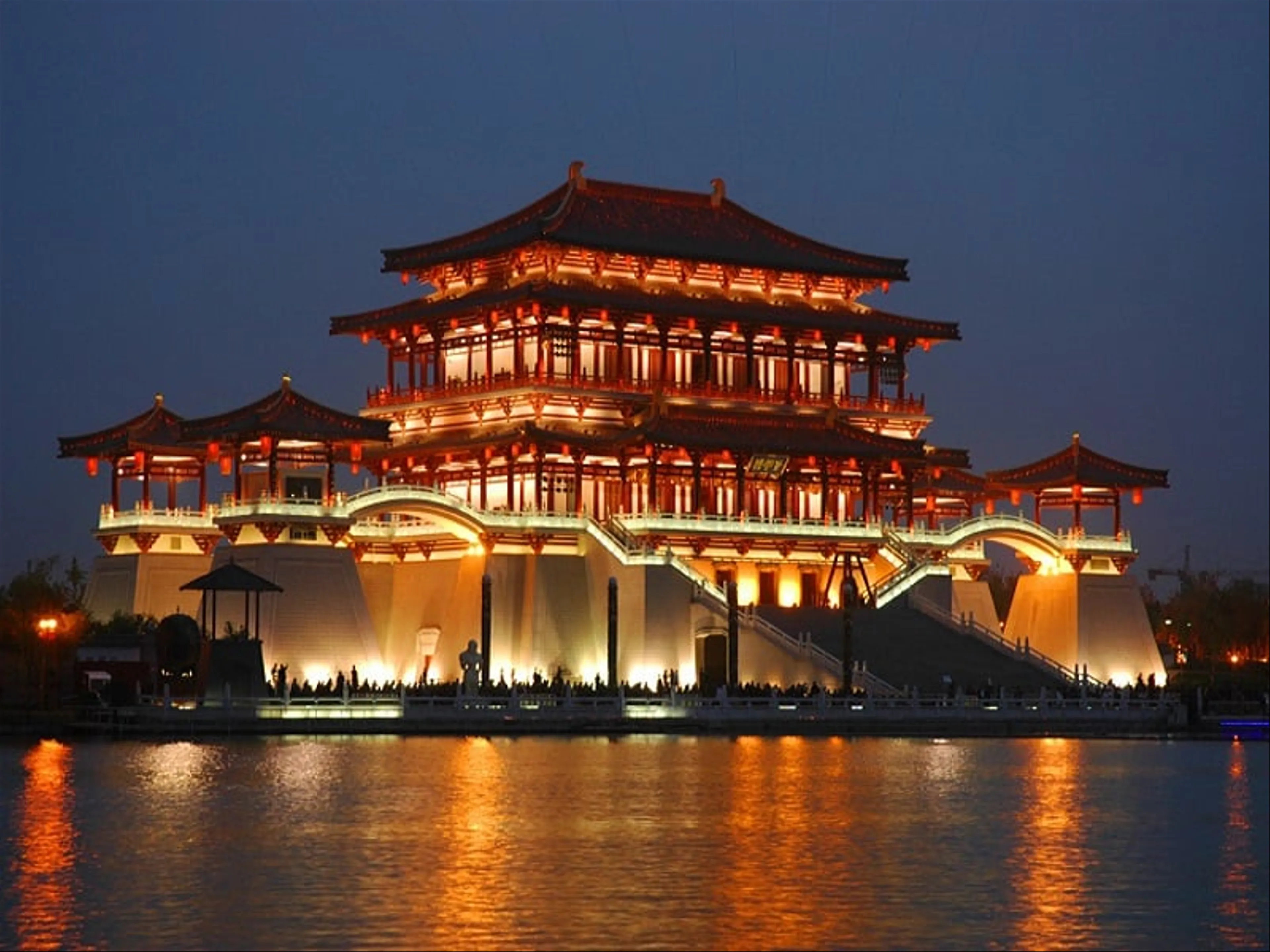
For those interested in cultural activities, the adjacent plaza hosts a spectacular nightly fountain show, where music, lights, and water create a mesmerizing performance against the backdrop of the illuminated pagoda. This modern addition complements the historical site, drawing visitors from around the world to witness the harmony of past and present.
The Great Wild Goose Pagoda is more than a historical monument; it is a living legacy of Xi’an’s role as a hub of cultural and religious exchange. As you explore its storied halls and tranquil surroundings, you will gain a deeper appreciation for the enduring impact of Buddhism on Chinese culture and the timeless beauty that this ancient landmark embodies.
In the heart of Xi’an, the Muslim Quarter stands as a vibrant testament to the city’s diverse cultural heritage and its historical position as a key terminus of the Silk Road. This bustling district, known for its lively streets and rich tapestry of sights, sounds, and flavors, offers a unique glimpse into the harmonious blend of Chinese and Islamic cultures that characterizes this ancient city.
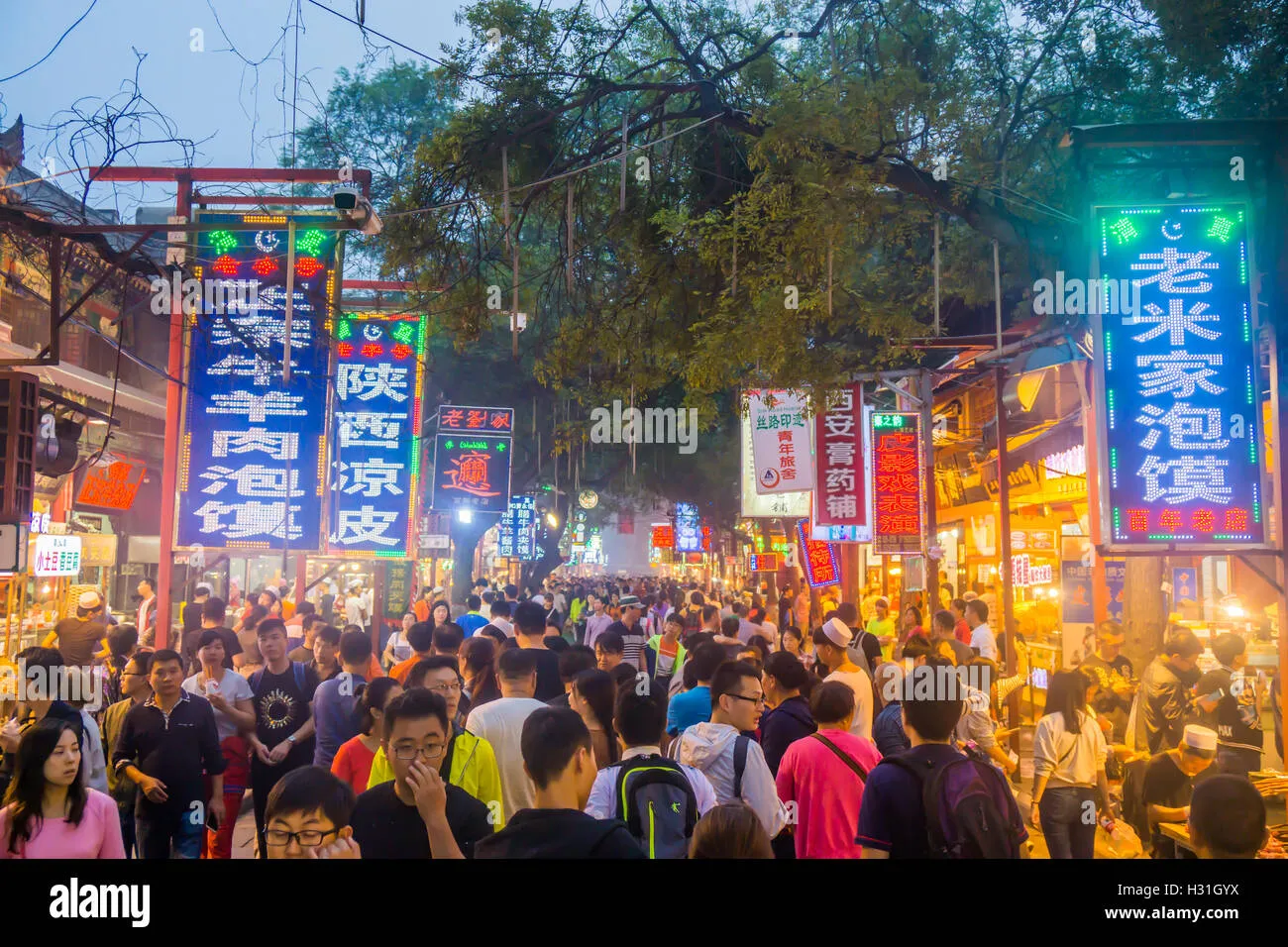
The Muslim Quarter is home to a large community of Hui people, Chinese Muslims who have inhabited the region for centuries. Walking through its narrow alleyways, visitors are greeted by the aroma of freshly prepared street foods, the chatter of vendors, and the vibrant colors of traditional Islamic architecture. This area is not only a culinary paradise but also a living museum of cultural exchange, where the influences of the Silk Road continue to thrive.
One of the quarter's highlights is the Great Mosque of Xi’an, one of the oldest and most renowned mosques in China. Unlike traditional mosques, the Great Mosque seamlessly blends Chinese architectural elements with Islamic design, creating a unique structure that reflects the synthesis of these two cultures. Visitors can explore its serene courtyards and intricately carved wooden structures, gaining insight into the Islamic faith and the mosque’s historical significance.
Beyond its architectural wonders, the Muslim Quarter is a gastronomic haven, offering an array of delectable street foods that reflect the fusion of Chinese and Middle Eastern culinary traditions. From savory lamb skewers and spicy beef noodles to sweet pastries and refreshing persimmon cakes, the quarter’s food scene is a sensory delight that promises to satisfy adventurous palates.
Markets within the quarter are a treasure trove of local crafts and souvenirs. Stalls brimming with handmade trinkets, traditional clothing, and intricate handicrafts provide travelers with the perfect opportunity to take a piece of Xi’an’s multicultural legacy home. Amidst the hustle and bustle, artisans can be seen practicing their crafts, offering a glimpse into the rich artistic traditions that have been passed down through generations.
The Muslim Quarter is more than just a tourist attraction; it is a living, breathing community that embodies the spirit of cultural convergence and coexistence. As you wander through its vibrant streets, you will not only experience the warmth and hospitality of its people but also gain a deeper understanding of the rich cultural mosaic that defines Xi’an. Whether you are savoring the local cuisine or exploring its historical sites, the Muslim Quarter promises an unforgettable journey through time and tradition.
Nestled in the bustling city of Xi'an, the Shaanxi History Museum stands as a beacon of cultural heritage, offering an unparalleled glimpse into the rich tapestry of Chinese civilization. This museum, often referred to as the "treasure house of ancient China," houses an extensive collection of artifacts that span thousands of years, providing visitors with a comprehensive overview of the region's historical significance.
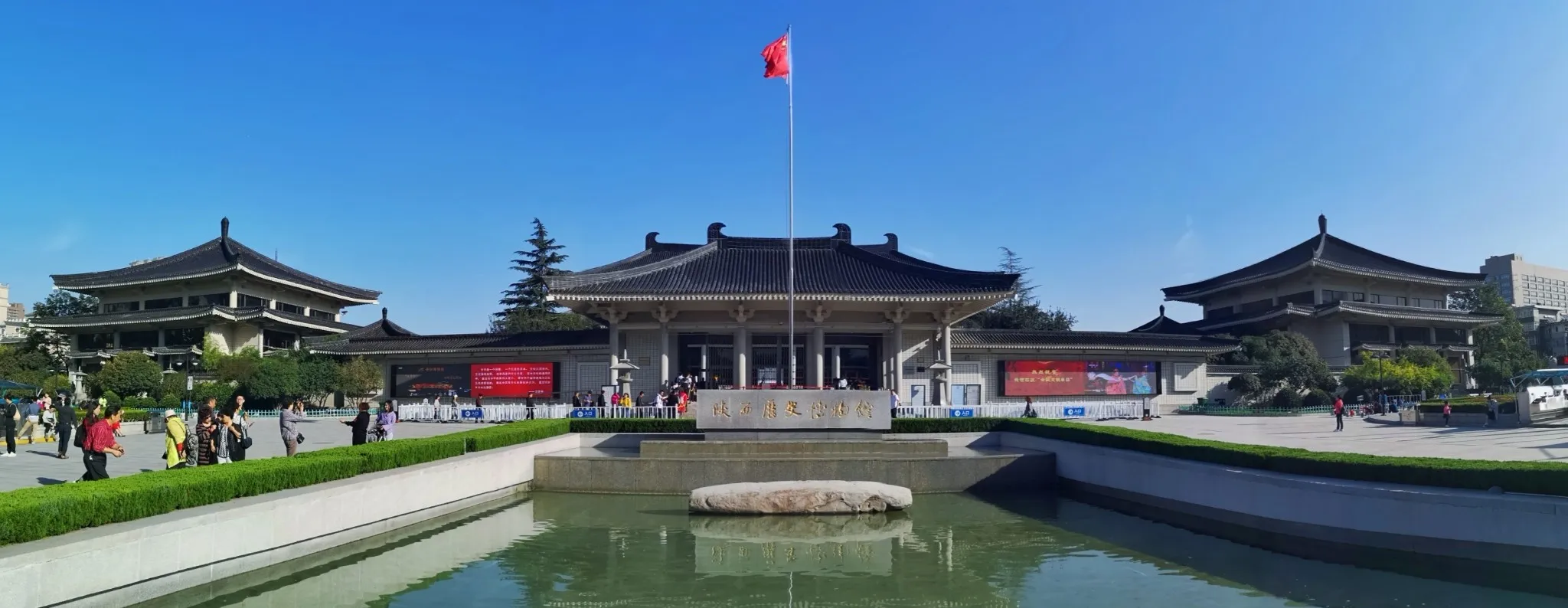
Opened to the public in 1991, the Shaanxi History Museum is renowned for its architectural grandeur and its impressive assembly of relics from various dynasties. The building itself is a harmonious blend of traditional Tang Dynasty architecture and modern design, reflecting the museum's mission to bridge China's illustrious past with its dynamic present. As you step through its doors, you embark on a journey through time, exploring the profound legacies left by ancient civilizations.
The museum's collection is vast and varied, comprising over 370,000 items that include pottery, murals, ceramics, coins, and ancient weapons. Each exhibit is meticulously curated to offer insights into the artistic, technological, and cultural achievements of the past. Among the most notable artifacts are the exquisite Tang Dynasty murals, which vividly depict the life and customs of the era with remarkable detail and color.
One of the museum's highlights is the collection of bronze wares from the Western Zhou Dynasty, showcasing the advanced metallurgical skills of ancient Chinese artisans. These intricately designed pieces not only demonstrate the sophistication of early Chinese craftsmanship but also provide valuable insights into the religious and ceremonial practices of the time.
Another fascinating exhibit is the gallery dedicated to the Silk Road, which emphasizes Xi'an's pivotal role as a hub of international trade and cultural exchange. Through a curated selection of trade goods, textiles, and historical documents, visitors can trace the routes that connected China with the vast network of civilizations across Asia, the Middle East, and Europe, highlighting the city's importance in the global exchange of ideas and commodities.
The museum also offers interactive displays and educational programs that engage visitors of all ages. These initiatives, designed to deepen understanding and appreciation of Chinese history, include workshops, guided tours, and multimedia presentations that bring the ancient world to life. Such offerings provide a dynamic and immersive experience, allowing visitors to connect with history in meaningful ways.
Beyond its role as a repository of ancient treasures, the Shaanxi History Museum is a testament to the enduring legacy of Xi'an as a cradle of Chinese civilization. It serves as a reminder of the city's historical and cultural significance, inviting travelers to explore the depths of China's storied past. Whether you are a history enthusiast or a curious traveler, a visit to this museum promises a rich and enlightening journey through the annals of time.
Nestled at the foot of Mount Li in Xi'an, Huaqing Palace offers a captivating glimpse into the opulent lives of China’s ancient royalty and the enduring allure of its natural beauty. This historic site, renowned for its stunning imperial gardens and thermal springs, has drawn visitors for centuries, eager to experience the elegance and romance that once characterized the Tang Dynasty.
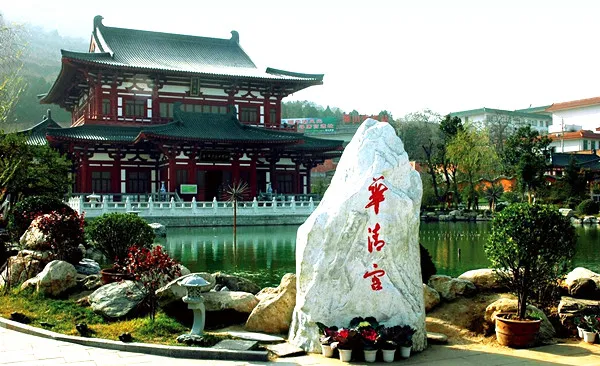
Huaqing Palace's storied history dates back over 3,000 years, but it reached the height of its glory during the Tang Dynasty under Emperor Xuanzong. The emperor, captivated by the area’s natural hot springs, transformed it into a luxurious retreat for himself and his beloved consort, Yang Guifei. The romance between Xuanzong and Yang Guifei is legendary in Chinese folklore, and their story adds a layer of intrigue to the palace's already rich history.
The palace grounds are a testament to the architectural and artistic brilliance of the Tang era. Visitors can explore the beautifully restored pavilions, halls, and gardens that once hosted lavish banquets and performances. The elegant structures, adorned with intricate carvings and vibrant murals, reflect the grandeur of the period and the sophisticated tastes of its imperial inhabitants. Walking through these pathways, one can almost hear the whispers of ancient courtly life.
One of the palace’s most captivating features is its series of hot spring baths, which have been utilized for their therapeutic properties since ancient times. The pools, fed by the natural hot springs of Mount Li, offer a relaxing retreat for visitors who wish to experience the same soothing waters that once rejuvenated emperors. The thermal springs are said to have healing qualities, and bathing here provides a unique connection to the past.
Beyond its architectural and historical significance, Huaqing Palace is a place of natural beauty. The meticulously landscaped gardens, with their tranquil ponds and lush greenery, provide a serene backdrop for reflection and exploration. The site’s location at the base of Mount Li adds to its allure, with the mountain’s natural splendor enhancing the palace’s picturesque setting.
For those interested in cultural performances, Huaqing Palace hosts a spectacular evening show that dramatizes the romantic tale of Emperor Xuanzong and Yang Guifei. Through music, dance, and elaborate costumes, the performance brings the story to life, offering an immersive experience that delights audiences and deepens their connection to the site’s history.
Visiting Huaqing Palace is not merely a journey into the past; it is an opportunity to engage with the enduring elegance and romance of ancient Chinese culture. As you wander its storied halls and gardens, you are invited to step back in time and imagine the regal splendor that once defined this imperial retreat. The palace stands as a tribute to the artistic and cultural legacy of the Tang Dynasty, leaving travelers with lasting impressions of its beauty and historical significance.
Mount Huashan, one of China's Five Great Mountains, offers an exhilarating journey into the natural and spiritual heart of the country. Located about 120 kilometers east of Xi’an, this majestic mountain is renowned for its breathtaking views, challenging hikes, and profound cultural significance. As you ascend its peaks, you will find yourself immersed in a landscape that has inspired poets, monks, and adventurers for centuries.

The mountain is famed for its steep and narrow paths, with trails that cling to sheer cliffs and lead to stunning vistas. The most famous of these is the "Plank Walk in the Sky," a narrow wooden path bolted onto the side of a vertical cliff, offering thrill-seekers a heart-pounding adventure and unparalleled views of the surrounding valleys. Despite its daunting reputation, safety measures such as harnesses and guide ropes are in place, ensuring that even the most daring explorers can enjoy the experience safely.
Mount Huashan is not just a destination for adventure enthusiasts; it is also a site of deep spiritual significance. The mountain is home to numerous Taoist temples, each with its own unique history and legends. These temples, perched on the mountain's peaks and nestled within its valleys, have long been places of pilgrimage and meditation. Visitors can explore the South Peak’s Jade Spring Temple, where ancient Taoist practices continue to be observed, or visit the East Peak’s Shrine of the Immortals to understand the profound connection between the natural world and spiritual pursuits.
The five major peaks of Mount Huashan—East, West, South, North, and Central—each offer distinct experiences and vistas. The East Peak, also known as the Rising Sun Peak, is famous for its spectacular sunrises, drawing early risers who wish to witness the dawn breaking over the rugged landscape. The South Peak, the highest at 2,154 meters, provides panoramic views that make the challenging climb worthwhile. Meanwhile, the North Peak, often the starting point for many hikers, offers a more accessible route with cable cars for those who prefer a less strenuous ascent.
For those interested in the cultural aspects, the mountain's role in Chinese history and folklore is fascinating. Throughout the dynasties, Mount Huashan has been associated with immortality and the pursuit of enlightenment. It has inspired countless artists and writers, whose works celebrate its beauty and mystique. The mountain's legends and myths are woven into the fabric of Chinese cultural heritage, making it a place where history and myth meet in a landscape of extraordinary beauty.
Visiting Mount Huashan is a multi-sensory experience that combines natural beauty, physical challenge, and spiritual reflection. Whether you're traversing its narrow paths, exploring its ancient temples, or simply soaking in the views from its lofty peaks, Mount Huashan promises an unforgettable journey that resonates with the soul. It is a place where the earthly and the ethereal converge, inviting travelers to explore not only the heights of the mountain but also the depths of their own courage and spirit.
Xi'an, a city renowned for its historical wonders, also boasts a culinary landscape as rich and diverse as its cultural heritage. The city’s position as a key terminus of the ancient Silk Road has infused its cuisine with flavors and techniques from across Asia and beyond, creating a unique gastronomic tapestry that continues to delight locals and travelers alike.

At the heart of Xi'an's culinary scene is the iconic "biang biang" noodles. These hand-pulled noodles are famously wide and long, often served in a spicy, tangy sauce with a variety of toppings, from tender beef and lamb to fresh vegetables. The name "biang biang" is derived from the sound the dough makes against the table as it is stretched and pulled, a rhythmic process that is as mesmerizing to watch as it is delicious to eat.
Another must-try dish is the "roujiamo," often referred to as the Chinese hamburger. This savory street food consists of a flavorful filling of spiced pork or lamb, slow-cooked until tender, and stuffed within a crispy, yet soft, flatbread. The combination of succulent meat and freshly baked bread creates a satisfying snack that captures the essence of Xi'an’s street food culture.
For those with a penchant for dumplings, Xi'an offers a delightful twist on this classic dish. The city is famous for its dumpling banquets, where diners can sample a variety of intricately crafted dumplings filled with an array of ingredients, including meats, seafood, and vegetables. These dumplings are often artfully shaped to resemble flowers, animals, or other creative forms, making them as visually appealing as they are tasty.
Xi'an's culinary heritage is also deeply intertwined with its Muslim community, particularly evident in the city's vibrant Muslim Quarter. Here, visitors can indulge in a plethora of halal dishes that showcase the fusion of Chinese and Islamic culinary traditions. Lamb skewers, or "yangrou chuan," are a staple, expertly grilled over charcoal and seasoned with cumin and chili, creating a smoky, aromatic flavor that is hard to resist.
Sweet treats are also abundant in Xi'an, with "persimmon cakes" being a local favorite. These delightful pastries combine the natural sweetness of ripe persimmons with a filling of sweetened bean paste, resulting in a dessert that is both satisfying and uniquely representative of the region's agricultural bounty.
To wash down these culinary delights, Xi'an offers an array of traditional beverages. Sour plum juice, a refreshing drink made from smoked plums, sugar, and water, provides a perfect balance of sweet and tart that complements the savory dishes. For something warmer, a cup of "goji berry tea" offers a soothing blend of dried goji berries and chrysanthemum flowers, known for their health benefits and delicate flavor.
Exploring Xi'an’s local delicacies is not just a journey for the taste buds; it's an exploration of the city’s rich cultural intersections and historical influences. Each dish tells a story, reflecting the diverse tapestry of people and traditions that have shaped this ancient city. As you savor the flavors of Xi'an, you are partaking in a culinary heritage that has been cultivated over centuries, offering a truly immersive experience that is as fulfilling as it is flavorful.
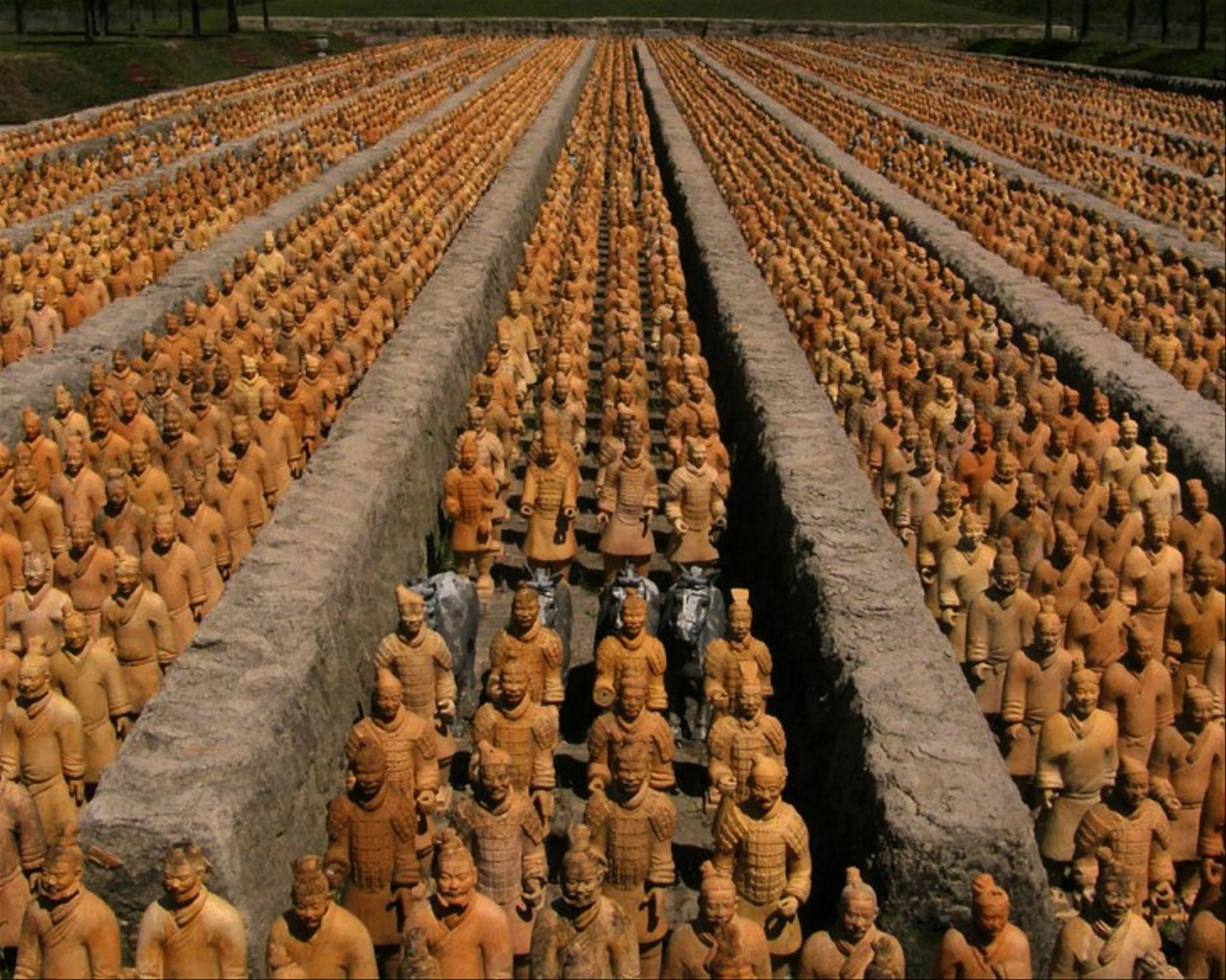
Explore the mysteries of Xi'an's Terracotta Army, a stunning archaeological marvel that reveals China's ancient history and culture.
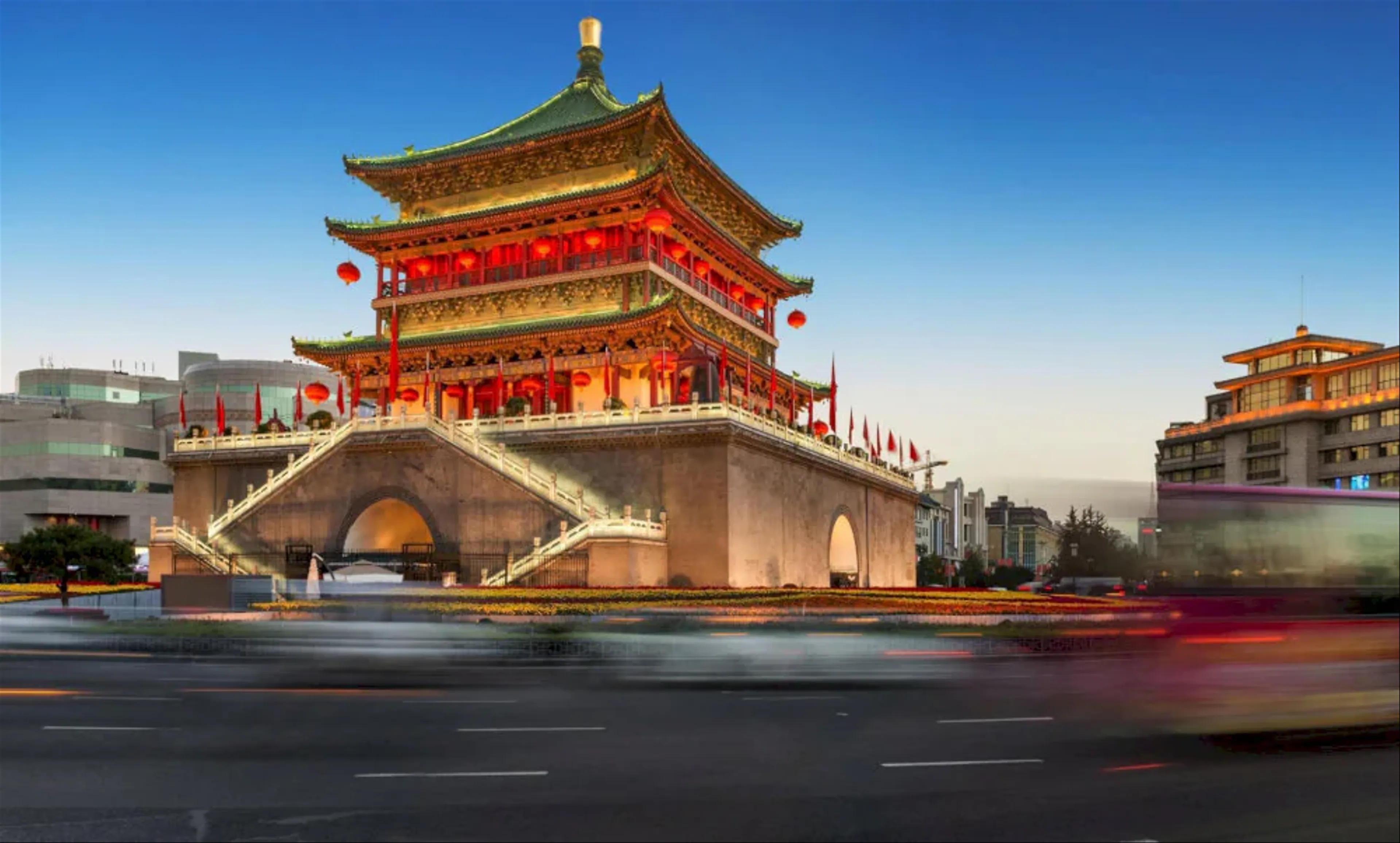
Discover Xi’an culture from the Silk Road and Terracotta Army to vibrant festivals, cuisine, and heritage blending tradition with modern life.
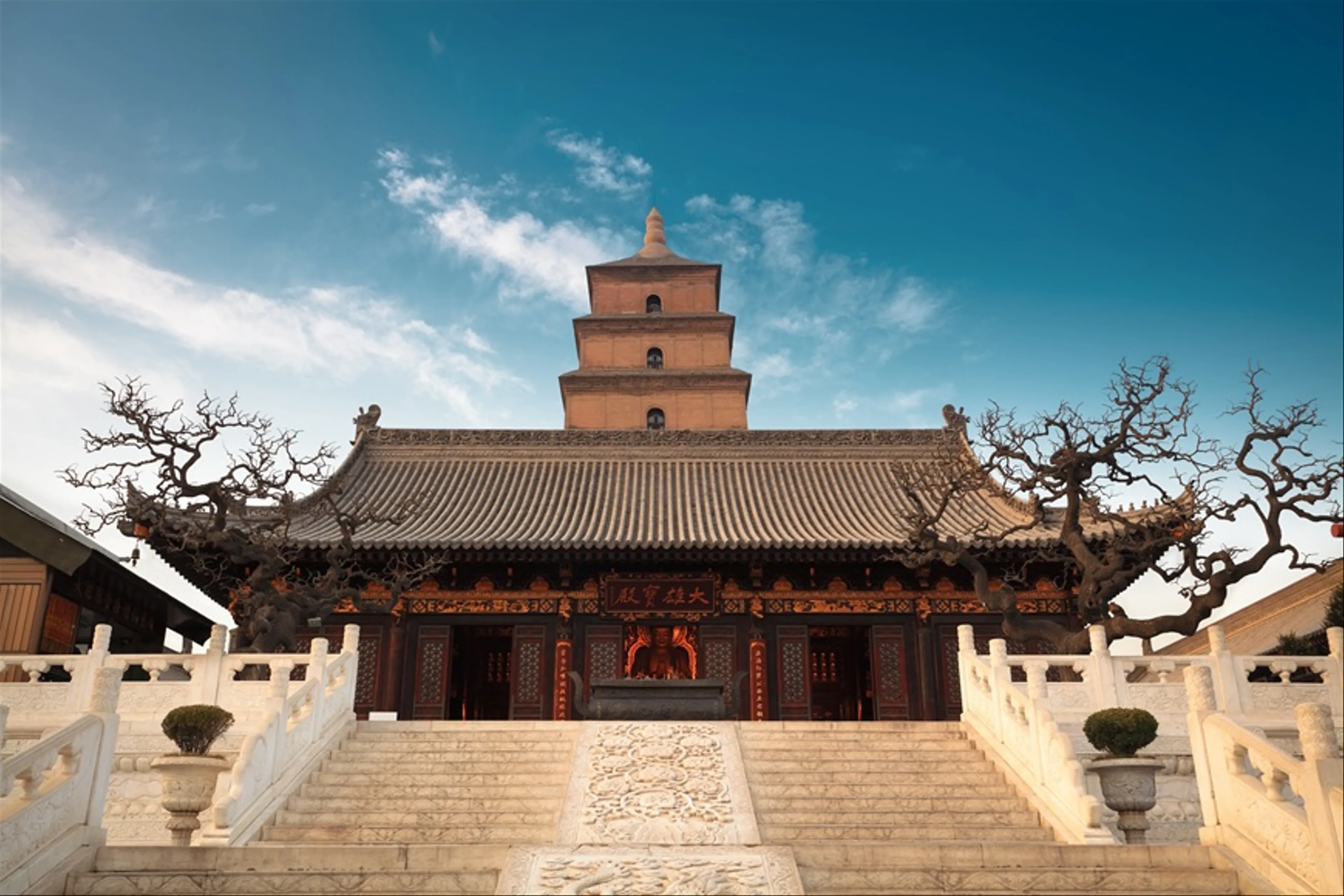
Explore Big Wild Goose Pagoda in Xi’an – a Tang Dynasty landmark, Buddhist treasure, and Silk Road icon with history, temples, and fountain shows.