
Explore the Forbidden City and uncover the secrets of China's imperial past in this in-depth travel guide.
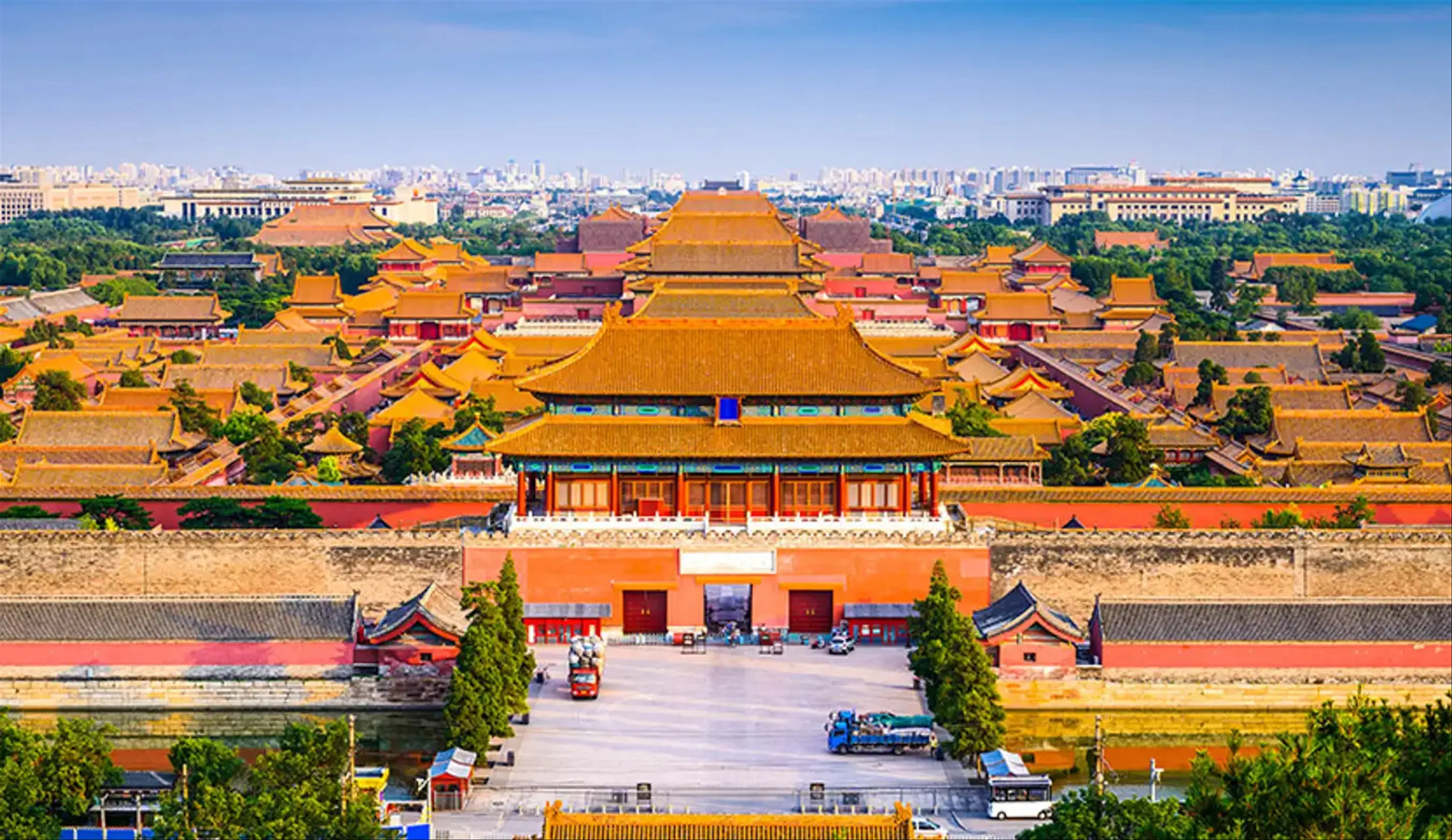
Built between 1406 and 1420 during the reign of Emperor Yongle of the Ming Dynasty, The Forbidden City was designed to reflect traditional Chinese cosmology and imperial authority. Covering 720,000 square meters with over 980 buildings, it served as the political and ceremonial center of China for nearly 500 years.
During the Ming Dynasty (1368–1644), The Forbidden City was the hub of governance, hosting royal ceremonies, political decisions, and cultural events. In the Qing Dynasty (1644–1912), it continued to serve as the imperial palace, but with the addition of Manchu cultural influences, reflected in architecture and decorative arts.
After the abdication of the last emperor, Puyi, in 1912, The Forbidden City became the Palace Museum in 1925. Today, it houses over 1.8 million cultural relics, including priceless ceramics, paintings, calligraphy, and historical artifacts.
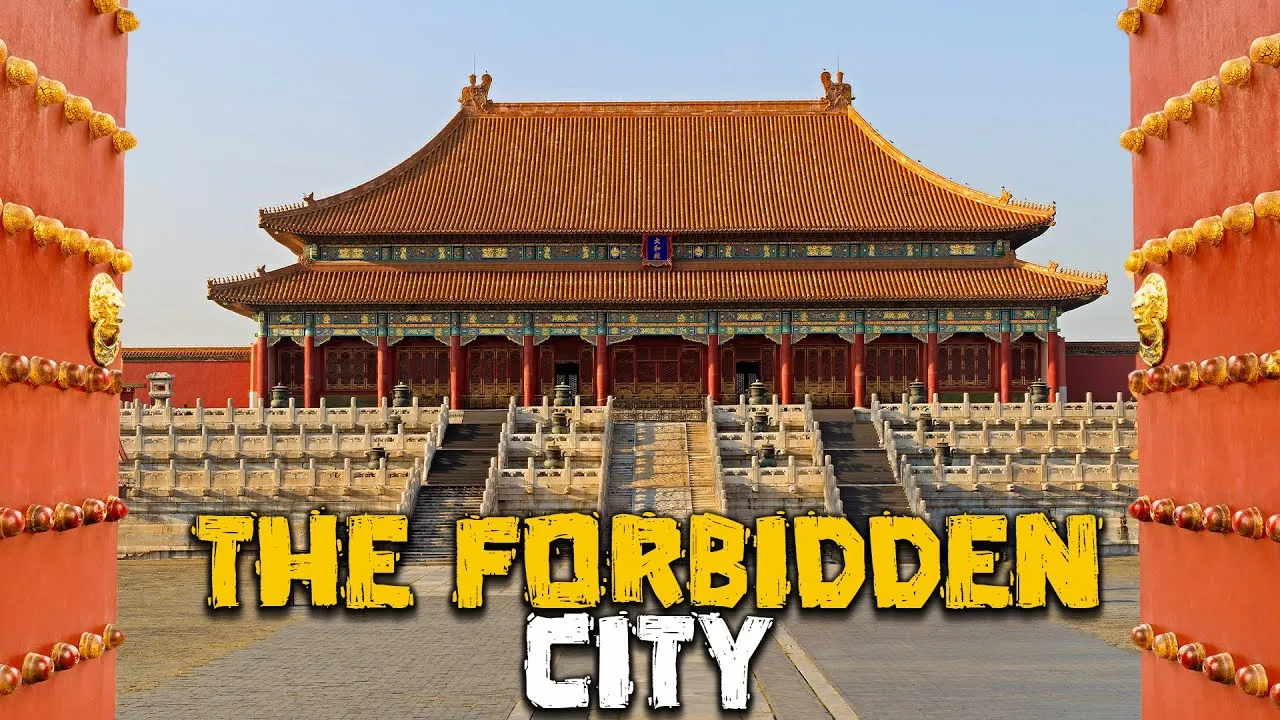
The Forbidden City follows a strict north-south axis, symbolizing imperial power and harmony with heaven. The central axis features the main halls for state ceremonies, while the eastern and western wings housed residential and administrative areas.
Serving as the heart of imperial power, the main gates and halls of The Forbidden City are grand architectural masterpieces that played vital roles in court life and state ceremonies:
The Imperial Garden at the northern end offers a peaceful retreat with pavilions, rockeries, and ancient trees. The residential quarters, including the Palace of Heavenly Purity and the Palace of Earthly Tranquility, showcase the daily life of emperors and empresses.
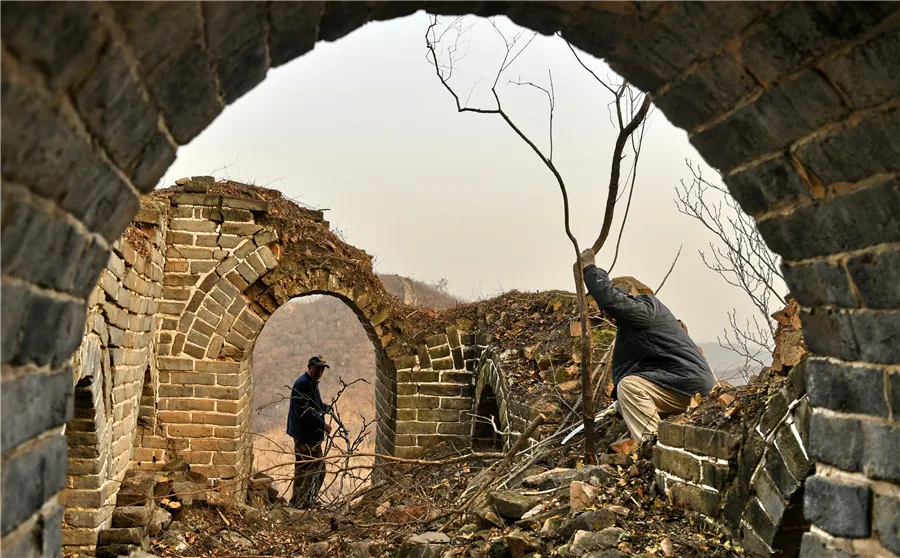
The Forbidden City embodies traditional Chinese architectural principles, imperial symbolism, and Confucian ideology. Its red walls and golden roofs symbolize prosperity and authority.
In 1987, UNESCO listed The Forbidden City as a World Heritage Site for its exceptional architectural achievement and cultural importance. It is considered one of the most significant examples of traditional Chinese palatial architecture.
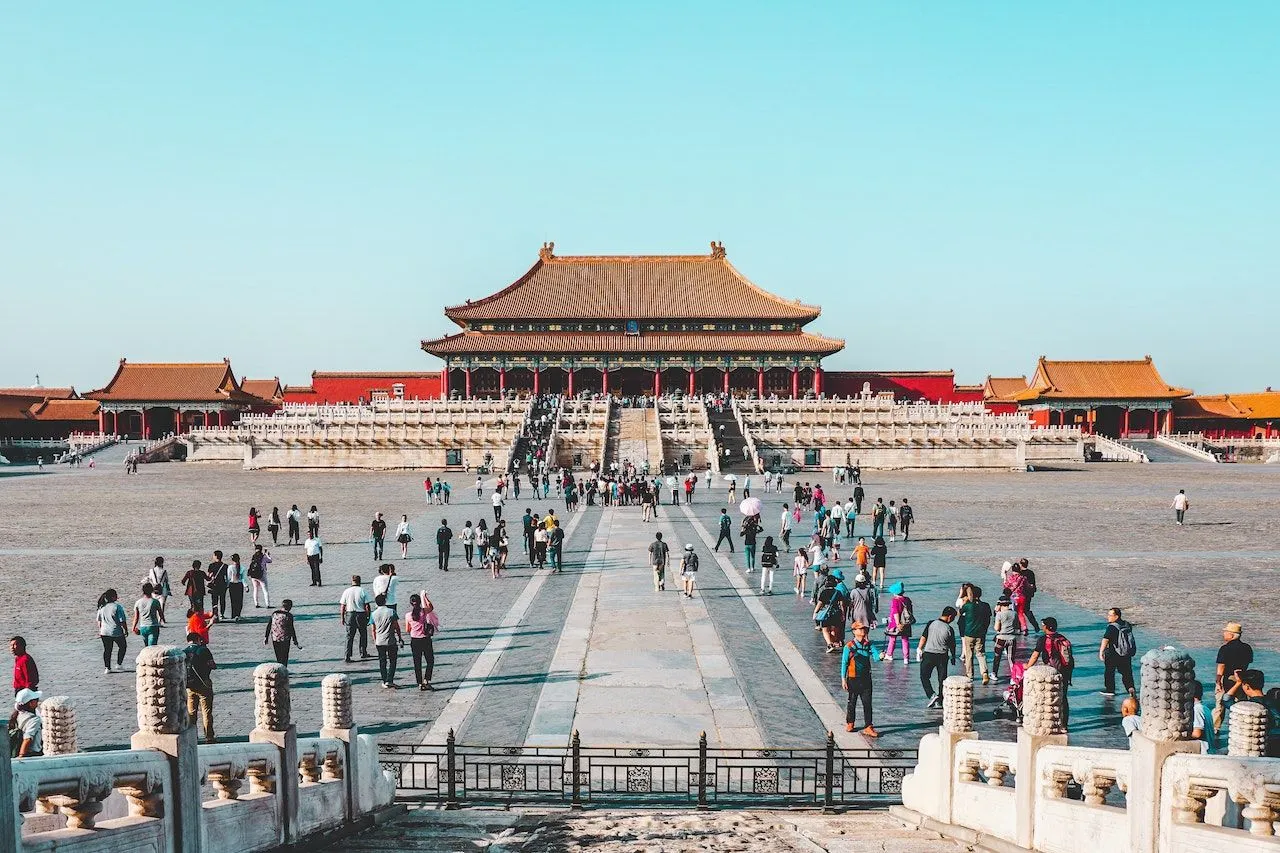
Plan your trip according to the season for the best experience:
Closed on Mondays, except during public holidays.
Understanding ticket prices and booking requirements in advance will help you save time and ensure a smooth entry into The Forbidden City:
Tickets must be purchased online in advance using a valid passport.
The most pleasant months are spring (April–May) and autumn (September–October) when the weather is mild and the scenery is at its best. Arriving in the morning not only offers softer lighting for photography but also helps you avoid large crowds, making your exploration of The Forbidden City more enjoyable.

As the grand focal point of The Forbidden City, the Hall of Supreme Harmony impresses with its vast throne room, majestic golden roof, and intricate wooden carvings adorned with imperial dragons and phoenixes. This was the stage for the most important state ceremonies, from coronations to New Year celebrations.
One of the most visually striking features, the Nine-Dragon Screen is a brilliantly glazed wall depicting nine powerful dragons in vivid colors. Each dragon symbolizes strength, authority, and the emperor’s divine right to rule, making it a favorite spot for photography and cultural appreciation.
This gallery houses an extraordinary collection of the emperor’s personal treasures, from exquisite jade ornaments and delicate porcelain to ceremonial robes and gold artifacts. Each piece tells a story of imperial opulence and refined craftsmanship.
Located at the northern end of The Forbidden City, the Imperial Garden offers a serene retreat from the grandeur of the palace halls. Visitors can wander among ancient cypress trees, ornamental rockeries, and elegant pavilions, experiencing the peaceful side of imperial life.

Covering a vast area with hundreds of historic structures, The Forbidden City requires hours of walking. A pair of sturdy, comfortable shoes will help you explore every courtyard and hall without fatigue.
Behind every wall and corridor lies centuries of fascinating stories. Hiring a licensed guide or renting an audio tour at the entrance will enrich your visit with insights into imperial traditions, architectural symbolism, and intriguing palace anecdotes.
For the most efficient exploration, start at the Meridian Gate (Wu Men) and proceed along the central axis, finishing at the Gate of Divine Prowess (Shenwu Men). This route ensures you experience the grandest halls and gardens without missing key highlights.
Situated just south of The Forbidden City, Tiananmen Square is a perfect complement to your palace tour. Visiting both in one day offers a seamless journey through China’s imperial past and modern political history.
marks.

As one of the largest public squares in the world, Tiananmen Square is steeped in political and historical importance. This iconic space has hosted national celebrations, parades, and pivotal moments in China’s modern history, making it a must-see for visitors to Beijing.
Just north of The Forbidden City, Jingshan Park rewards visitors with breathtaking panoramic views of the palace’s golden rooftops from its central hilltop. It’s the perfect spot for photography, especially at sunrise or sunset.
A short distance away, Wangfujing Street is Beijing’s bustling shopping and dining hub. Here, you can browse modern boutiques, sample street food favorites, and savor local specialties, making it an ideal place to unwind after a day of sightseeing.

The most convenient way is to take Beijing Subway Line 1 to Tiananmen East or Tiananmen West Station. From there, it’s just a short walk to the Meridian Gate (Wu Men), the main entrance to The Forbidden City.
Multiple public bus routes stop near Tiananmen Square and The Forbidden City, making it an affordable choice for budget travelers. Check local bus schedules and be prepared for possible crowding during rush hours.
Taxis are widely available across Beijing and offer a direct route to the palace entrance. However, heavy traffic is common during peak hours, so plan accordingly to avoid delays.
For stunning, Instagram-worthy photos of The Forbidden City, consider these prime spots:
Bring a wide-angle lens to showcase the sweeping scale of the courtyards and grand halls, and a zoom lens to capture intricate details in the carvings, roof ornaments, and decorative motifs. A lightweight tripod can also be handy for steady shots in low light.
The Forbidden City is a timeless symbol of China’s imperial history, offering visitors a chance to explore grand halls, vast courtyards, and serene gardens. Plan your trip and immerse yourself in one of Beijing’s most iconic landmarks.
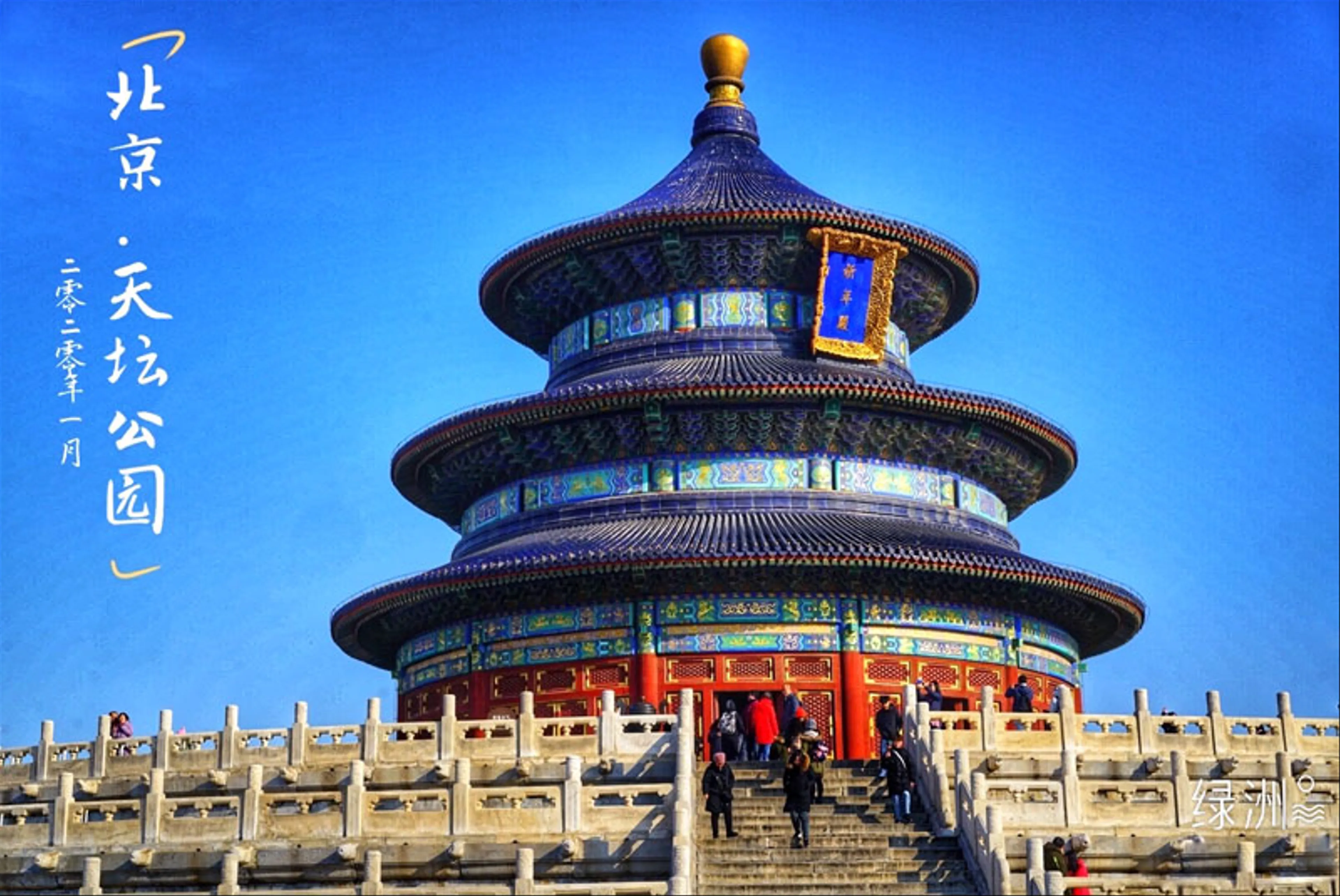
The Temple of Heaven, or Tiantan, is a UNESCO World Heritage Site in Beijing and a Ming Dynasty architectural gem.
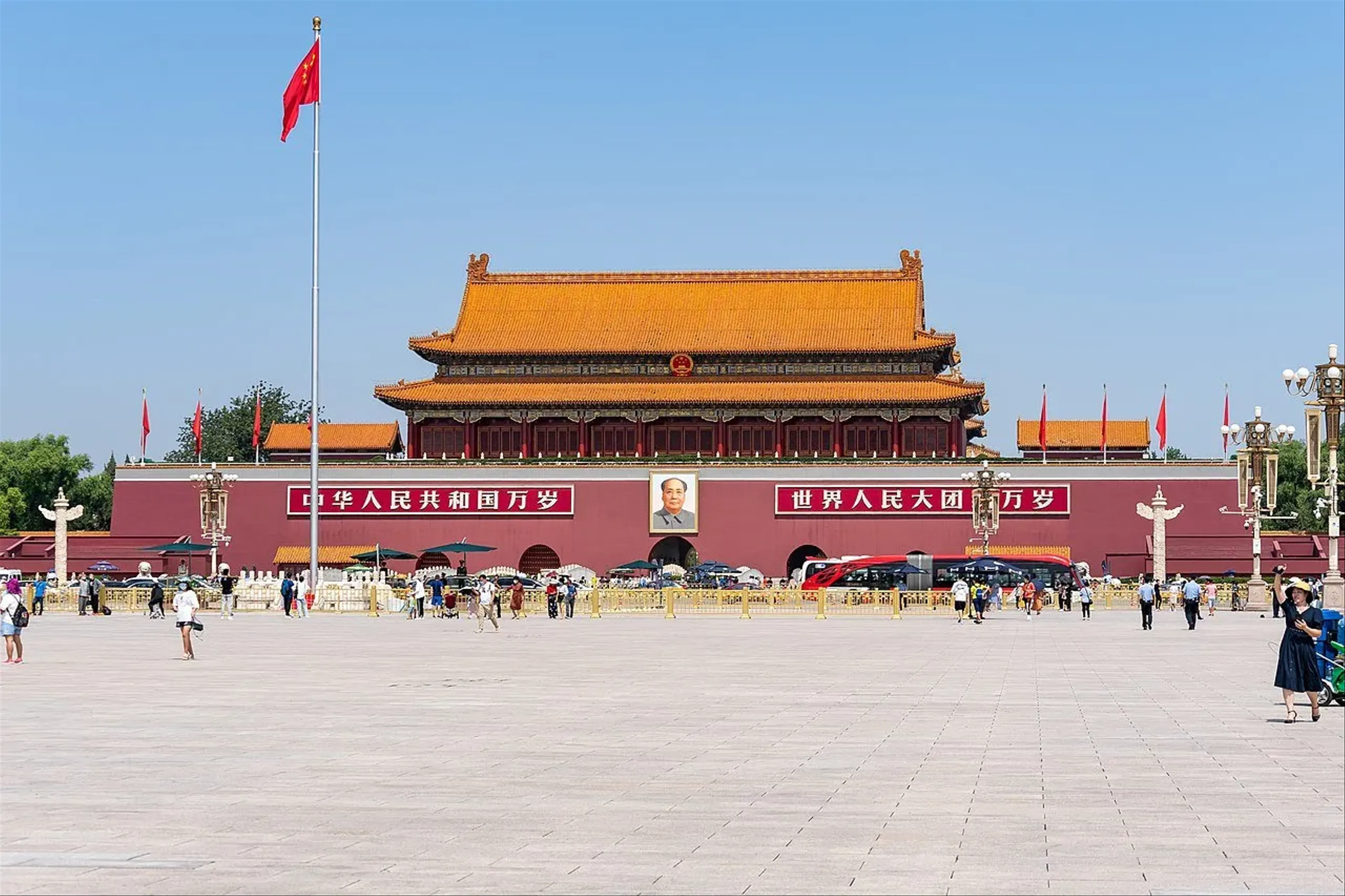
Tiananmen Square, the largest public square in the world, is an iconic Beijing landmark and a symbol of China’s political and cultural heritage.
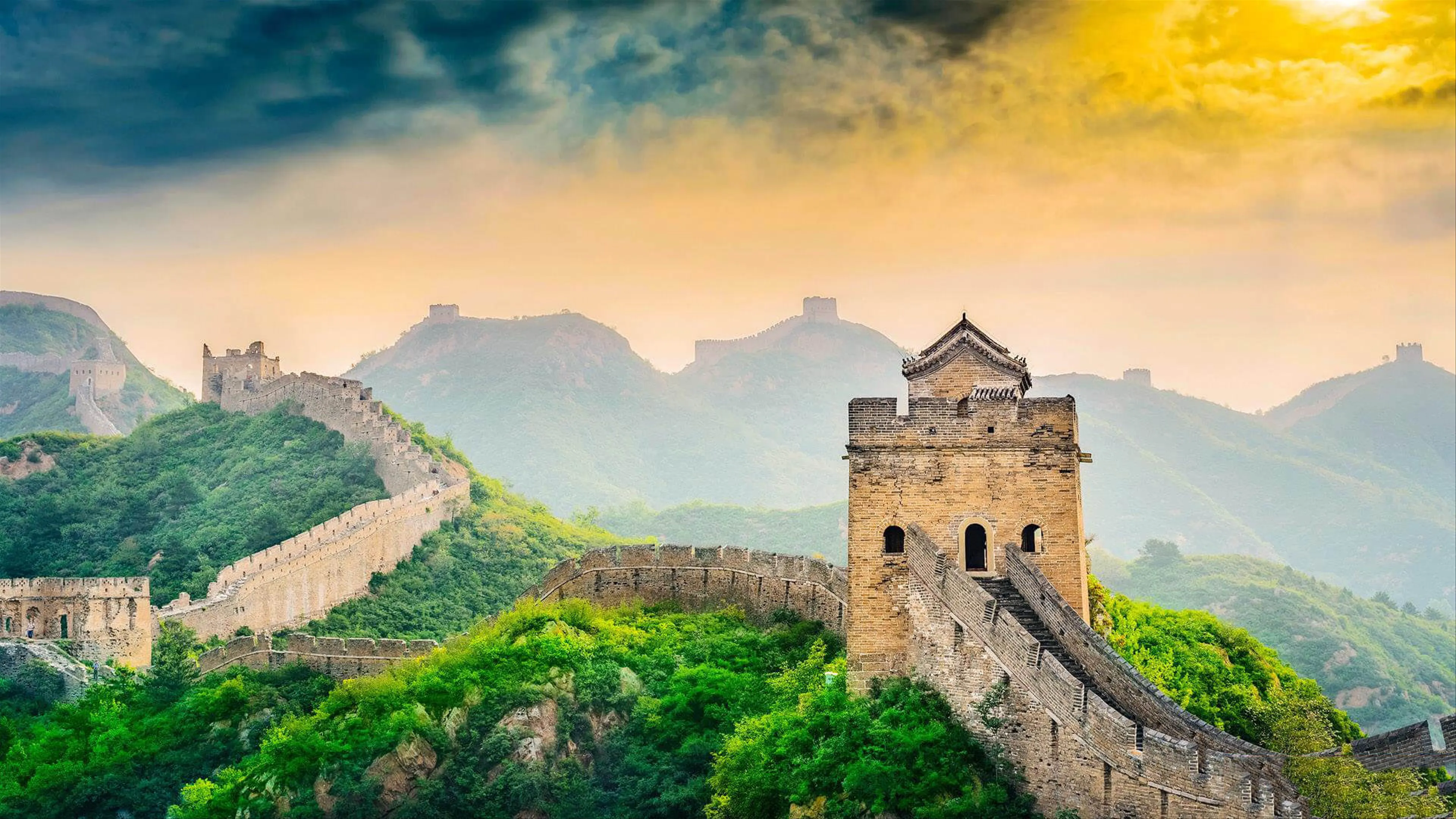
Beijing Culture blends over 3,000 years of history with modern energy.