The Temple of Heaven, or Tiantan, is a UNESCO World Heritage Site in Beijing and a Ming Dynasty architectural gem.
The Temple of Heaven is located in the southeastern part of central Beijing, covering an impressive 273 hectares almost four times the size of the Forbidden City. Built in 1420 during the reign of Emperor Yongle, it served as the ceremonial site where emperors of the Ming and Qing dynasties performed rituals to pray for favorable weather and abundant harvests.
Unlike other imperial complexes, the Temple of Heaven was not for residence or governance it was purely spiritual. Its architectural layout follows strict cosmological principles, symbolizing the harmony between heaven and earth.
Commissioned by the same emperor who built the Forbidden City, the Temple of Heaven reflected the ancient Chinese belief in the Mandate of Heaven. The emperor, regarded as the “Son of Heaven,” had the sacred duty to communicate with celestial powers to ensure the prosperity of the empire.
Successive Qing emperors continued the rituals, each conducted during the winter solstice. The ceremonies were elaborate, involving music, dance, incense burning, and the sacrifice of animals, symbolizing sincerity to the heavens.
In 1998, UNESCO inscribed the Temple of Heaven as a World Heritage Site, praising it as “a masterpiece of architecture and landscape design” and recognizing its deep cultural symbolism.
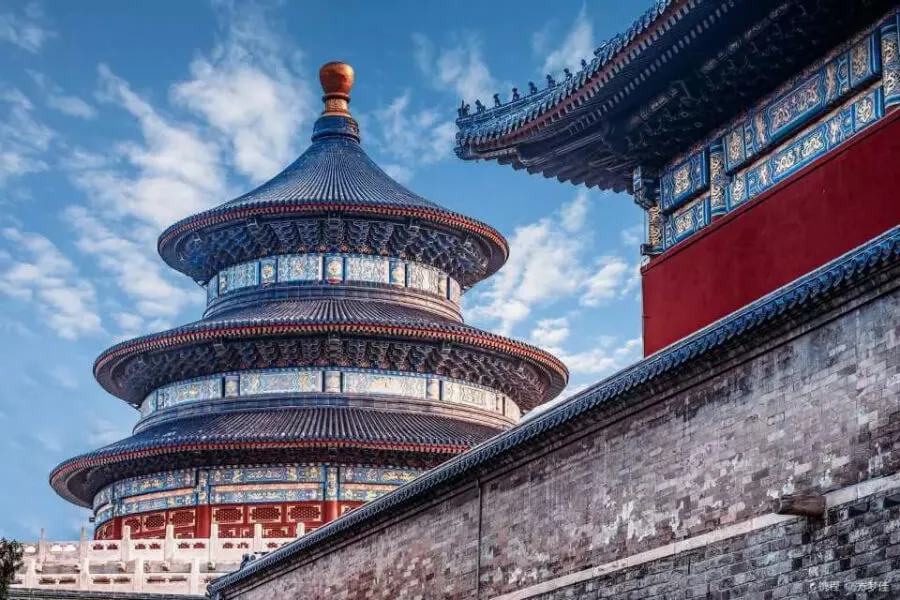
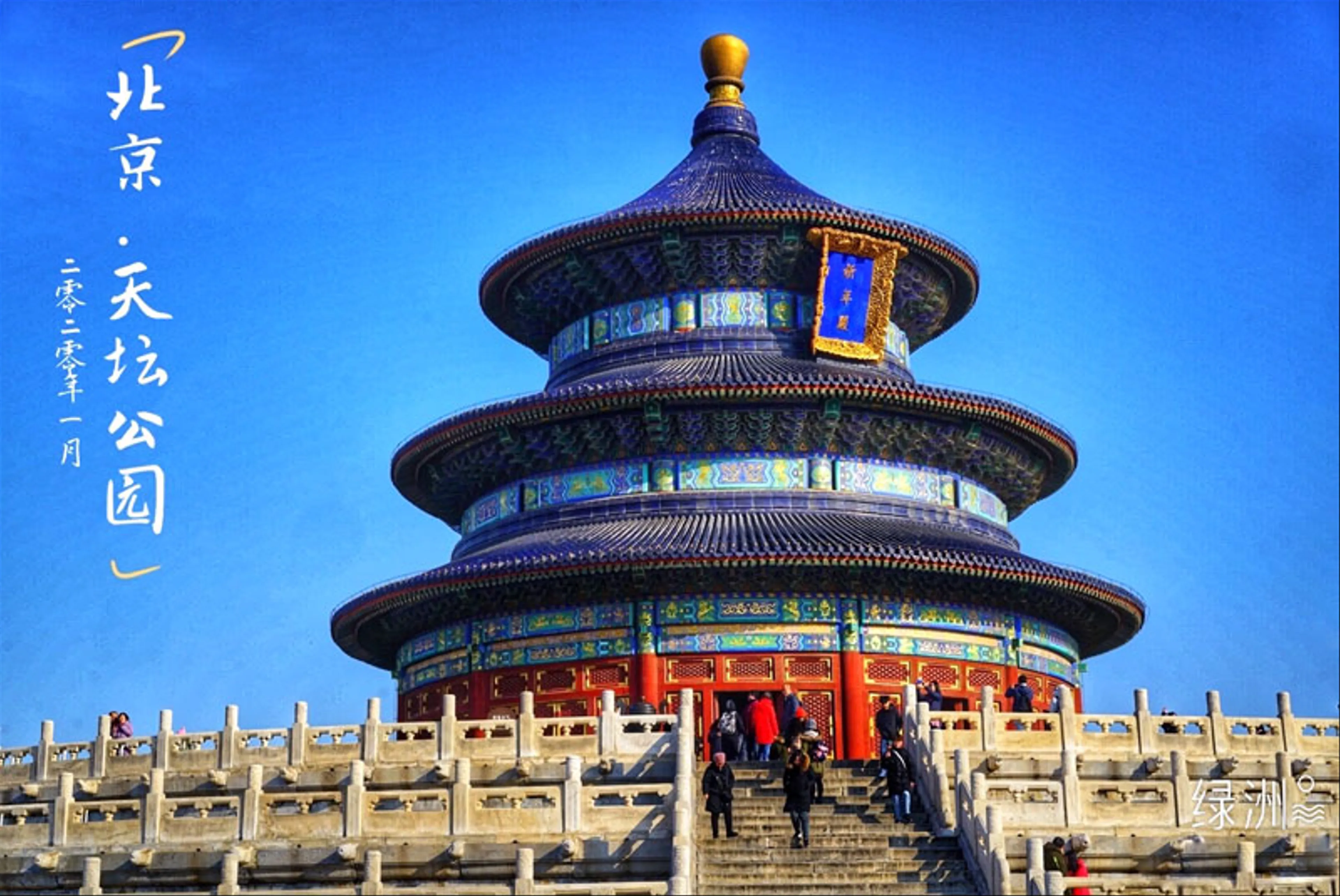
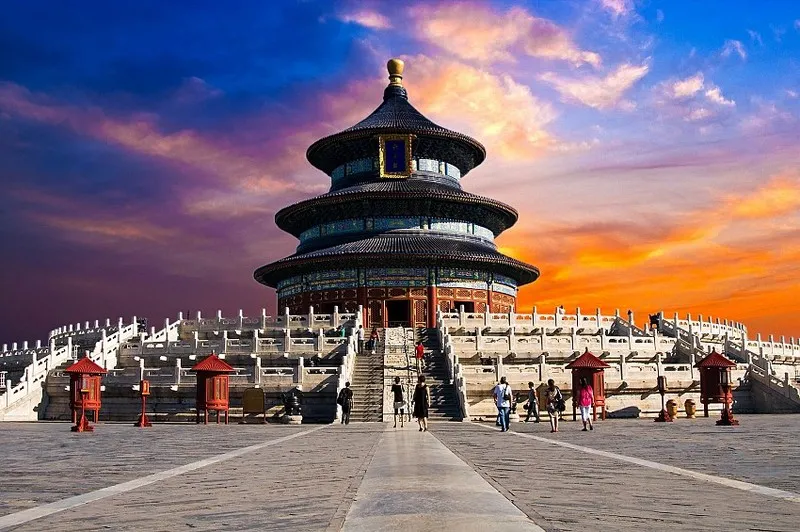
This circular, triple-gabled structure is the most iconic building within the Temple of Heaven. Standing 38 meters tall and 36 meters in diameter, it was constructed entirely without nails. The building’s vibrant blue roof tiles symbolize the sky, while the interior is richly decorated with intricate wooden carvings.
Smaller but equally striking, this hall was used to store ceremonial tablets. Its surrounding Echo Wall is a marvel of ancient acoustics whisper at one end, and your voice can be heard clearly at the other, over 60 meters away.
This open-air altar consists of three tiers of marble stones, each representing heaven. Standing at its center is said to be the most sacred spot, where the emperor would offer sacrifices and prayers.
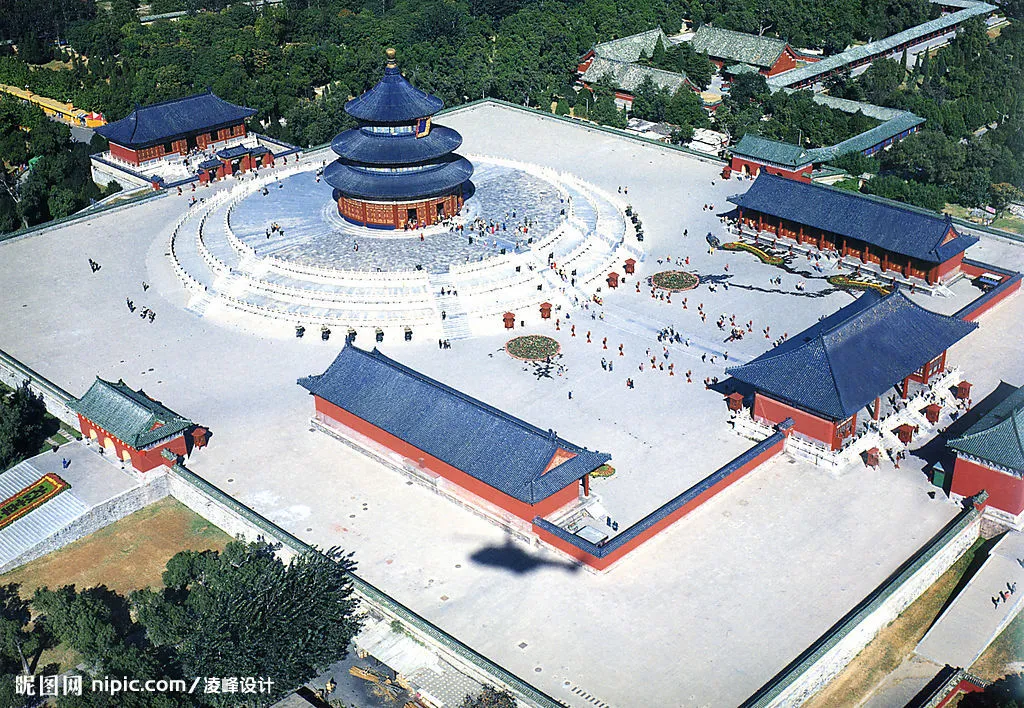
Beyond its monumental structures, the Temple of Heaven is surrounded by lush gardens, pine groves, and open spaces where Beijing locals gather daily. Visitors can see elderly residents practicing Tai Chi, playing traditional instruments, or engaging in lively games of Chinese chess. This blend of history and living culture makes the site unique.
The Temple of Heaven is conveniently situated in Tiantan Dongli, Dongcheng District, Beijing, making it easy to reach from most parts of the city:
To make the most of your visit, plan your timing according to the opening schedule:
Note: Hours can change with the seasons, so it’s best to confirm before your trip.
Visiting the Temple of Heaven is budget-friendly, especially for the experience it offers:
These reasonable prices make it accessible for all travelers, from backpackers to luxury tourists.
The Temple of Heaven is beautiful year-round, but spring (April–May) and autumn (September–October) offer the most comfortable weather and clear skies for photography. Early morning visits allow you to experience the park’s lively local culture, while late afternoons provide soft golden light for photos.
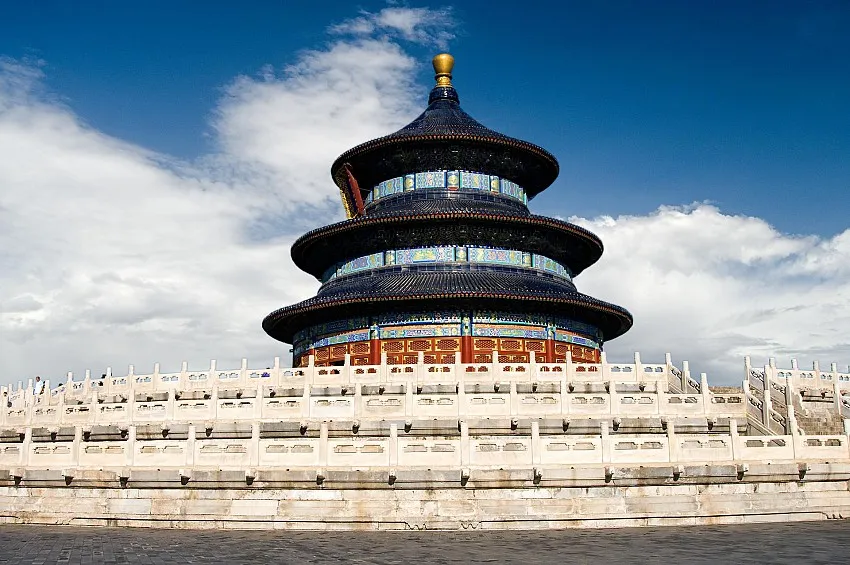
The Temple of Heaven is a triumph of symmetry and symbolism. As you stroll through its spacious courtyards, take time to admire the meticulous alignment of each building, the brilliant blue-glazed roof tiles that symbolize heaven, and the intricate wooden beams painted with auspicious motifs. Highlights include:
Within the Imperial Vault of Heaven lies one of Beijing’s most fascinating acoustic marvels: the Echo Wall. This perfectly circular wall can carry sound waves across its surface, allowing a whisper at one end to be heard clearly at the other over 60 meters away. Try it with a friend, and you’ll witness a playful yet ingenious feat of ancient engineering.
Arrive early in the morning to see the Temple of Heaven Park come alive with local traditions. Elderly residents gracefully practice Tai Chi under the shade of pine trees, while others engage in sword dancing, calligraphy on the pavement, or spirited games of Chinese chess. On some days, you might even encounter groups singing Beijing opera or playing traditional instruments, a window into the city’s vibrant community life.
With its striking color palette and expansive gardens, the Temple of Heaven offers endless opportunities for photography. The deep blue of the tiled roofs contrasts beautifully with the rich red of the walls and the fresh green of the surrounding pines and cypresses. For the best shots:
To make your visit to the Temple of Heaven smooth and memorable, keep these essential travel tips in mind:
Enhance your Temple of Heaven trip by exploring these nearby attractions just minutes away:
The Temple of Heaven offers more than just historical architecture it’s a living testament to China’s cultural and spiritual traditions. Here, you can walk in the footsteps of emperors, witness centuries-old rituals brought to life through storytelling, and experience Beijing’s community spirit in its most authentic form.
The Temple of Heaven is a UNESCO World Heritage Site where history, architecture, and culture meet. From its grand halls to serene gardens, this iconic Beijing landmark offers an unforgettable glimpse into China’s spiritual heritage.

Explore the Forbidden City and uncover the secrets of China's imperial past in this in-depth travel guide.
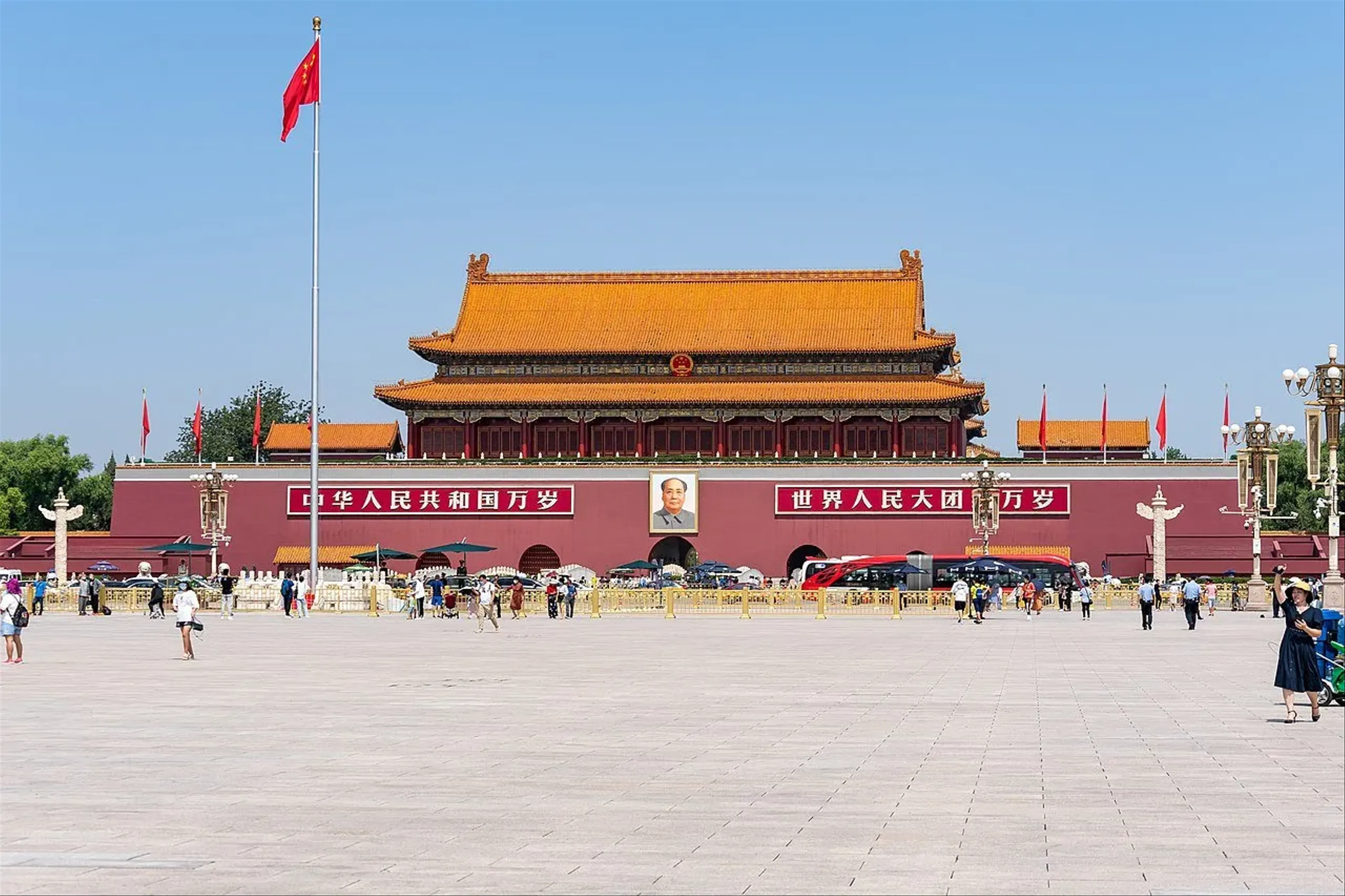
Tiananmen Square, the largest public square in the world, is an iconic Beijing landmark and a symbol of China’s political and cultural heritage.
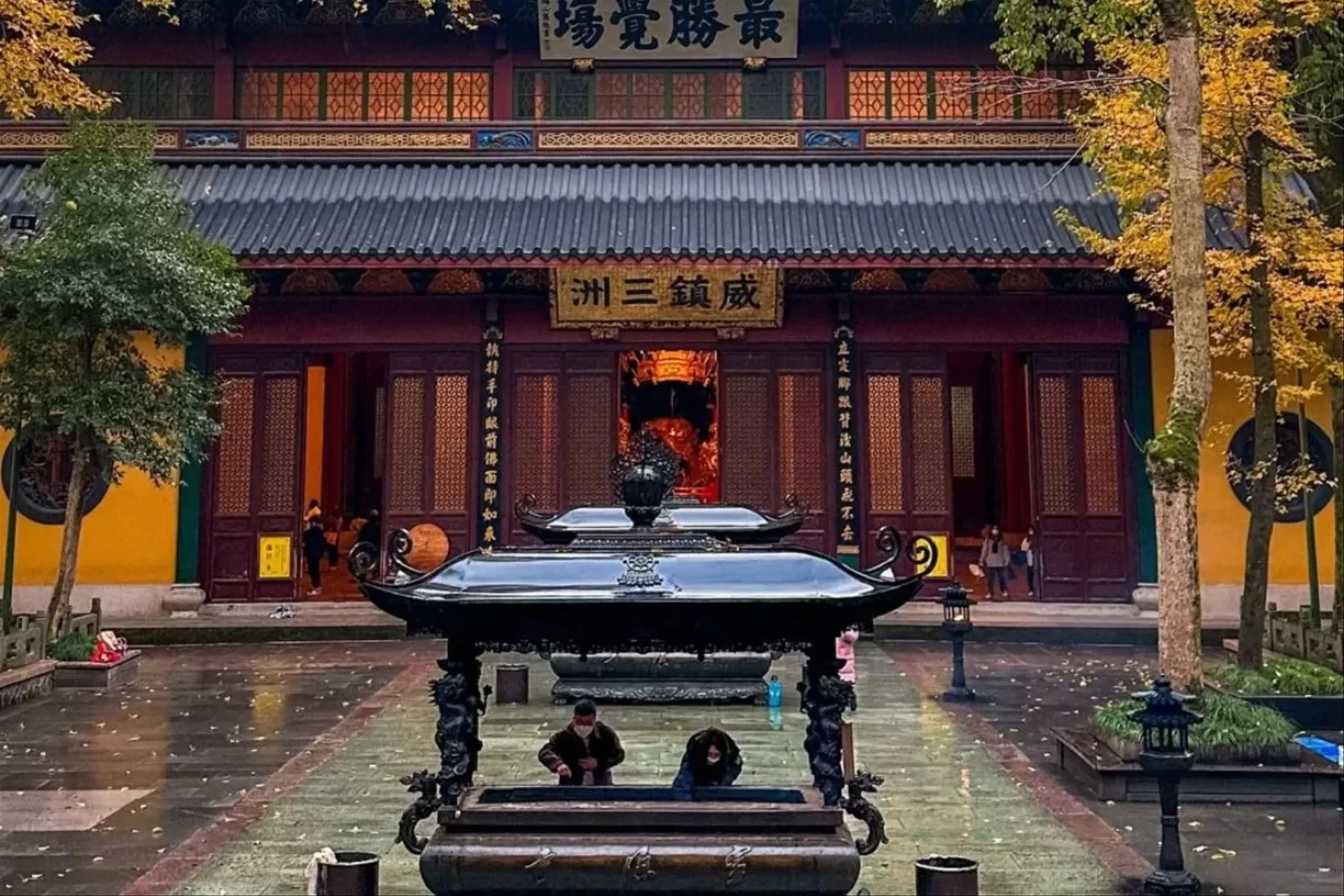
Discover Lingyin Temple in Hangzhou, one of China’s most renowned Buddhist temples.