Dive into Bangkok's vibrant street food scene and savor Thailand's best culinary treasures on an unforgettable culinary safari.
Bangkok's street food scene is a vibrant tapestry woven from the city's rich cultural heritage and the tantalizing flavors that have been perfected over generations. It's a culinary adventure that beckons food enthusiasts from around the globe, promising a sensory overload that is both exotic and comforting. The allure lies not only in the diverse array of dishes but also in the unique experience of enjoying meals amidst the bustling streets, where the air is filled with the sizzle of woks and the aroma of spices.
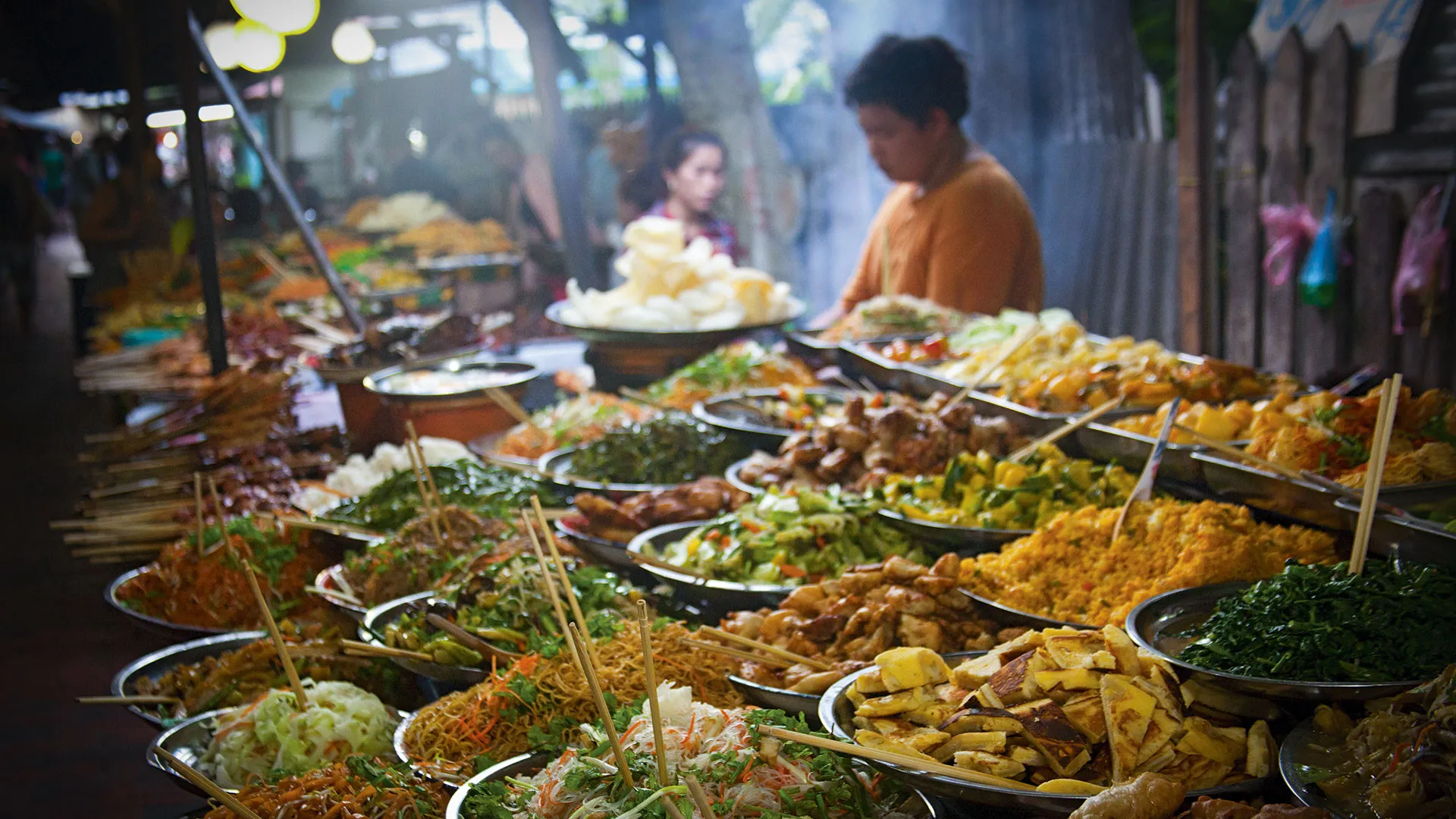
What sets Bangkok's street food apart is its authenticity and accessibility. Unlike gourmet dining experiences, which can often feel detached from the everyday life of locals, street food offers a window into the heart of Thai culture. Vendors, many of whom have inherited their skills and recipes from their ancestors, take immense pride in their craft. Each dish tells a story, from the tangy and spicy notes of a well-balanced som tam (papaya salad) to the sweet and savory layers of a perfectly grilled satay.
The city’s vibrant street markets, such as the famous Yaowarat Road in Chinatown and the bustling Chatuchak Weekend Market, are hotspots where travelers can immerse themselves in the local gastronomic culture. These markets are not just places to eat but social hubs where people from all walks of life converge, creating an eclectic and energetic atmosphere. As you navigate the maze of stalls, you'll likely hear the clatter of cooking utensils and the lively banter between vendors and customers, adding to the charm of the experience.
Moreover, Bangkok's street food is incredibly diverse, reflecting the city's status as a melting pot of various culinary influences. From the fiery heat of southern Thai dishes to the aromatic curries of the north, the range of flavors is boundless. Each bite is an opportunity to explore a different facet of Thai cuisine, often with surprising twists that are unique to the street food scene.
For those venturing into this culinary wonderland, it's important to embrace the spirit of adventure. Trying street food means stepping out of your comfort zone, sampling dishes that may be completely unfamiliar. Yet, it is precisely this willingness to explore and discover that makes the journey so rewarding. Whether you're a seasoned foodie or a curious traveler, Bangkok’s street food offers an unforgettable experience that is as much about the journey as it is about the destination.
Bangkok's street food is a culinary treasure trove, offering an impressive array of dishes that cater to every palate. To truly savor the city's vibrant flavors, one must embark on a tasting journey through its must-try street food staples. Each dish not only tickles the taste buds but also provides a glimpse into the cultural tapestry that defines Thai cuisine.
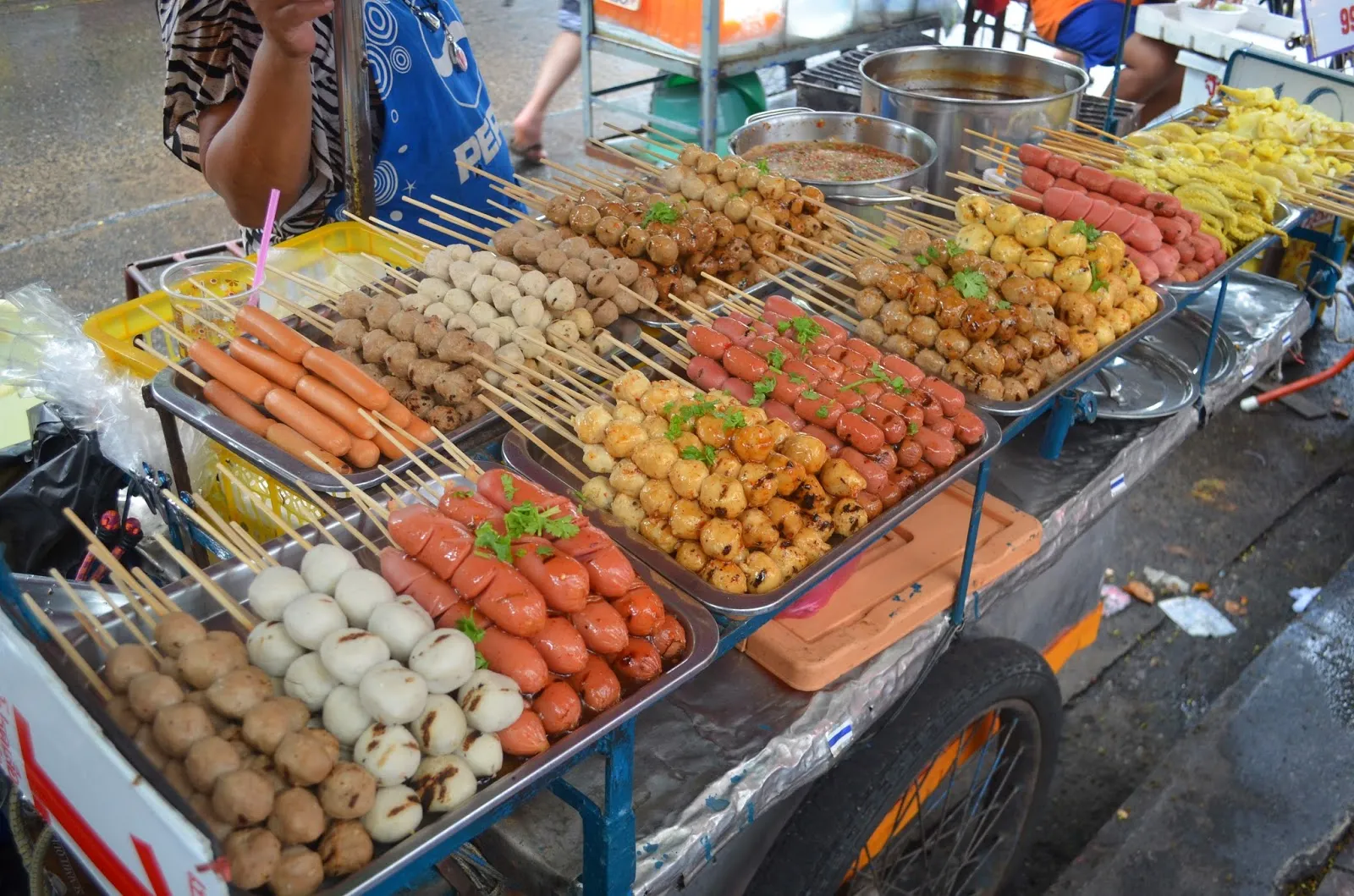
Begin your culinary adventure with a plate of Pad Thai, the quintessential Thai noodle dish that has won hearts worldwide. This dish features stir-fried rice noodles tossed with shrimp, tofu, eggs, and a medley of fresh vegetables, all enveloped in a tangy tamarind sauce. Topped with crushed peanuts and a dash of lime, Pad Thai offers a harmonious blend of sweet, sour, and savory flavors that is both satisfying and addictive.
Next, immerse yourself in the rich and creamy delight of Tom Yum Goong, a spicy shrimp soup that perfectly balances hot and sour notes with fragrant herbs like lemongrass and kaffir lime leaves. Known for its invigorating aroma, Tom Yum Goong is a staple in Thai cuisine, offering a warming and comforting experience that leaves a lasting impression.
No street food exploration in Bangkok is complete without sampling Moo Ping, succulent skewered pork marinated in coconut milk, garlic, and coriander root. Grilled to perfection over charcoal, these skewers are a popular snack, often enjoyed with a side of sticky rice. The smoky aroma and tender meat make Moo Ping an irresistible choice for any meat lover.
For a burst of freshness and spice, indulge in Som Tam, the iconic green papaya salad. This vibrant dish combines shredded unripe papaya with tomatoes, green beans, peanuts, and a fiery dressing made from lime juice, fish sauce, and chili peppers. The result is a tantalizing explosion of flavors and textures that epitomizes the essence of Thai cuisine.
For those seeking something sweet, the delicate Mango Sticky Rice is a must-try. This beloved dessert pairs perfectly ripe mango slices with glutinous rice cooked in coconut milk, creating a creamy and sweet finish to your street food journey. Often garnished with toasted sesame seeds, this dish is a celebration of Thailand's bountiful produce and culinary ingenuity.
As you navigate Bangkok's bustling streets, these dishes serve as a gateway to understanding the city's culinary soul. Each bite tells a story of tradition, innovation, and the vibrant culture that makes Bangkok a street food haven. Whether you're a first-time visitor or a seasoned traveler, these street food staples promise to leave you craving more of Bangkok's culinary delights.
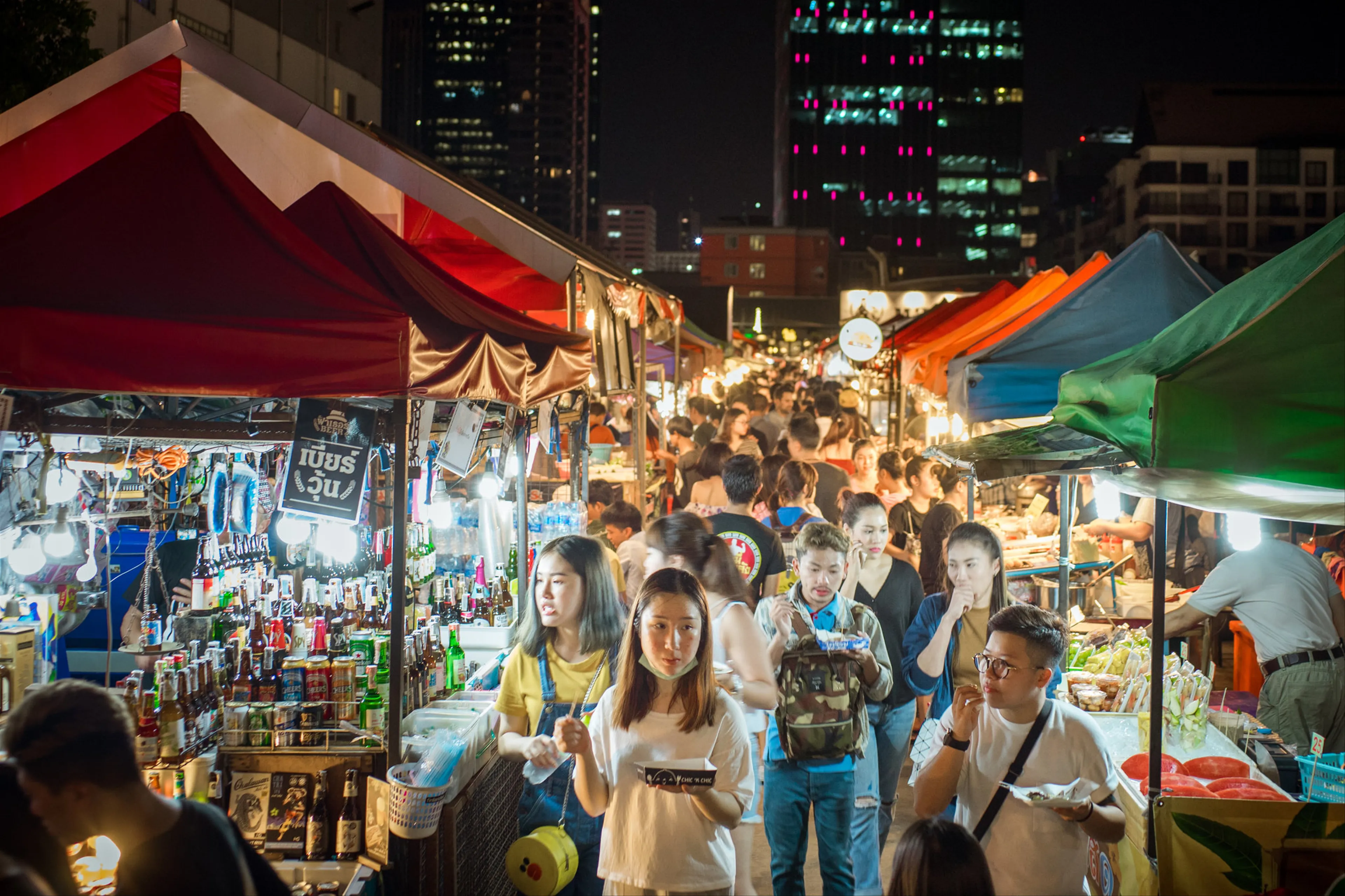
When night falls in Bangkok, the city's vibrant energy shifts to its bustling night markets, where street food takes center stage amid lively crowds and colorful stalls. Navigating these nocturnal bazaars is an adventure worth savoring, not just for the tantalizing array of food but also for the immersive cultural experience they offer. Each market has its own unique charm, promising a night filled with culinary discoveries and memorable interactions.
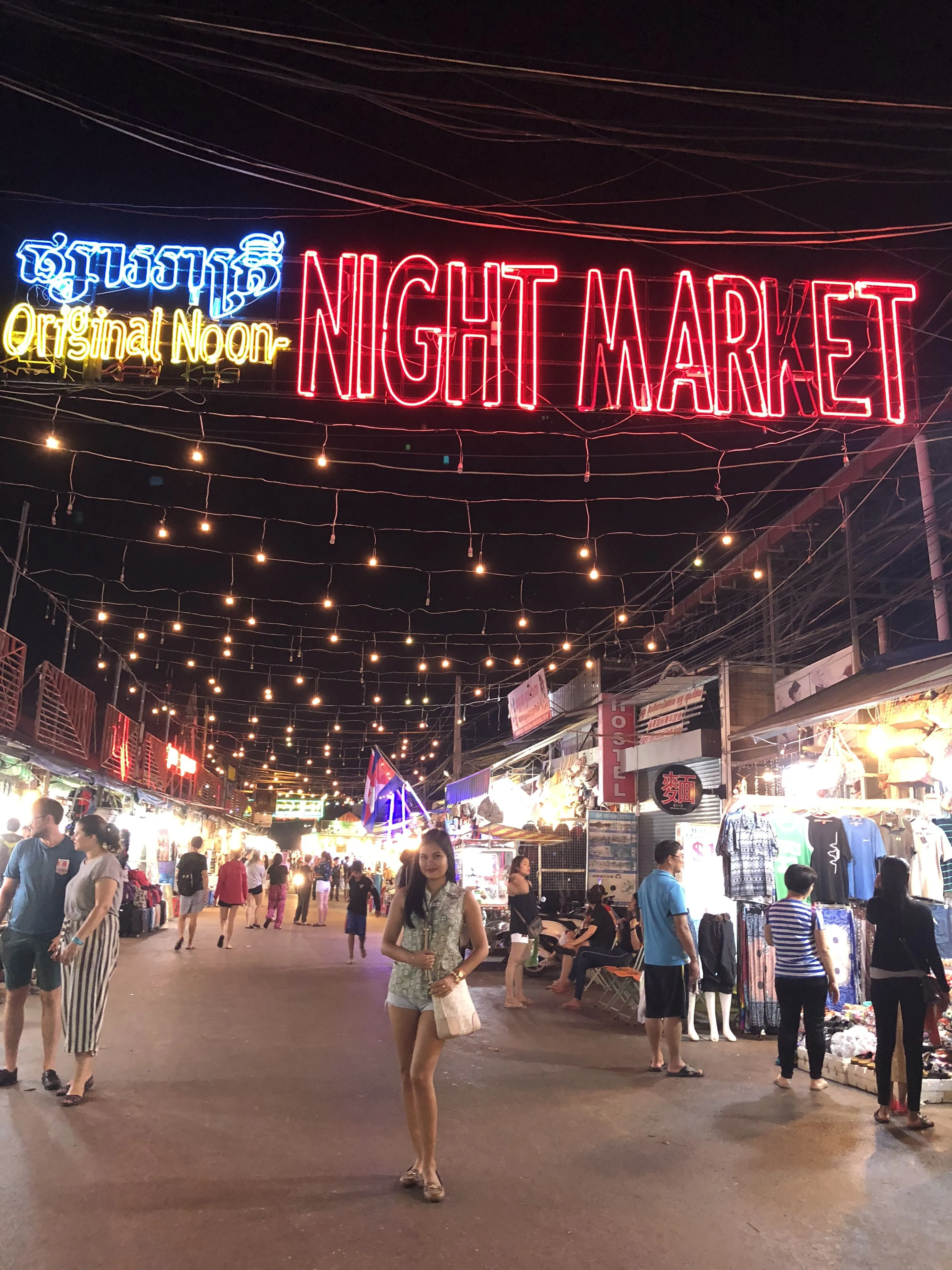
One of the most renowned night markets is Rot Fai Market, also known as the Train Market. Located in the Ratchada area, this market is a haven for food enthusiasts and bargain hunters alike. As you meander through its aisles, you'll encounter a feast for the senses: the sizzle of grilling meats, the bold aromas of spices, and the vivid colors of fresh produce. Here, you can sample everything from traditional Thai favorites to creative fusion dishes, all while soaking in the market's retro vibe, complete with vintage collectibles and eclectic stalls.
For a more local experience, head to the Talad Neon Night Market, where Bangkok's youthful spirit comes alive. This market, tucked away behind Pratunam, offers a more intimate setting, with rows of neon-lit tents selling an enticing variety of street eats. From crispy Thai pancakes to innovative seafood dishes, Talad Neon is a playground for foodies eager to explore lesser-known culinary creations. The market also hosts live music and street performances, adding an extra layer of entertainment to your evening.
Another must-visit is the vibrant Asiatique The Riverfront, which combines the charm of a night market with a riverside shopping and dining experience. Located along the Chao Phraya River, Asiatique offers a scenic backdrop to your street food adventure. Wander through its themed sections to discover gourmet street food offerings, from exotic Thai desserts to freshly caught seafood. The market's romantic atmosphere, enhanced by the gentle river breeze and the twinkling city lights, makes it an ideal spot for a relaxing evening stroll.
While navigating Bangkok's night markets, it's essential to embrace the local etiquette. Be sure to bring cash, as many vendors do not accept credit cards, and practice patience, as these bustling markets can get crowded. Engage with the vendors, ask about their specialties, and don't hesitate to try something new. The friendly banter and shared smiles often enhance the culinary experience, providing a deeper connection to the local culture.
Whether you're sampling fiery street noodles at Rot Fai, indulging in sweet treats at Talad Neon, or enjoying the riverside charm of Asiatique, Bangkok's night markets offer an irresistible blend of flavors and stories. Each visit is a chance to explore a different facet of the city's rich culinary landscape, making your street food safari an unforgettable journey through the heart of Bangkok's culinary treasures.
Street food plays a pivotal role in Thai culture, serving as more than just a source of nourishment. It is an integral part of daily life, reflecting the country's social fabric, economic dynamics, and culinary traditions. In Thailand, street food is both a personal and communal experience, where the act of eating transcends mere sustenance to become a cherished social ritual.

For many Thais, street food stalls are an extension of their kitchens, providing convenient and affordable meals that fit seamlessly into the fast-paced urban lifestyle. Busy city dwellers and travelers alike rely on these vibrant stalls for quick, flavorful, and nutritious options, often enjoying meals on the go or while sitting on simple plastic stools amidst the lively street scenes. This accessibility makes street food an egalitarian dining experience, accessible to everyone from office workers to students.
Beyond convenience, street food is deeply embedded in the cultural identity of Thailand. Each dish is a testament to the country's diverse regional influences, showcasing a medley of flavors that vary from the north's aromatic herbs to the south's fiery spices. This culinary diversity is a bridge connecting the different regions of Thailand, bringing people together through shared tastes and experiences.
Moreover, street food vendors are often family-run businesses, with recipes passed down through generations. This continuity preserves traditional cooking techniques and authentic flavors, ensuring that the essence of Thai cuisine is maintained despite the rapid modernization of urban spaces. These vendors take pride in their craft, often specializing in a particular dish to perfection, which fosters a sense of community and loyalty among patrons who return time and again for their favorite bites.
Street food also plays a role in Thailand's social interaction, serving as a gathering point where people come together to share meals and stories. It is common to see people of all ages, backgrounds, and walks of life congregating around food stalls, engaging in lively conversations and forming connections over shared plates. This communal atmosphere is an essential aspect of Thai culture, emphasizing the importance of community and togetherness.
In addition, the street food scene is an incubator for culinary innovation. Vendors continuously adapt and experiment, introducing new flavors and ingredients that cater to evolving tastes. This creativity is celebrated in Thailand, where food is seen as an art form and a source of national pride. The dynamic nature of street food in Bangkok and beyond keeps Thai cuisine vibrant and ever-evolving, ensuring its relevance in a global culinary landscape.
Ultimately, street food in Thailand is much more than a meal; it is a cultural institution that embodies the nation's identity, resilience, and creativity. It invites both locals and visitors to partake in a culinary journey that is rich in history, flavor, and social connection, making it an indispensable part of the Thai experience.
Embarking on a street food safari in Bangkok is an exhilarating experience, offering a smorgasbord of flavors and cultural encounters. However, to ensure your culinary adventure is both safe and enjoyable, it's important to keep a few tips in mind as you navigate the bustling streets and vibrant markets.

First and foremost, observe the hygiene practices at each stall. Look for vendors who maintain clean food preparation areas and handle food with care. Busy stalls with a steady stream of customers are often a good indicator of fresh ingredients and high turnover, which typically means safer food. Watching how the food is prepared can also provide insights into the vendor's cleanliness standards.
Hydration is crucial in Bangkok's warm climate, so always carry a bottle of water. Enjoying spicy street food can dehydrate you quickly, and staying hydrated will keep you refreshed and ready to explore more culinary delights. Additionally, consider opting for freshly prepared dishes that are cooked to order, as these are less likely to have been sitting out and are often safer to consume.
When sampling dishes, start with smaller portions. This strategy allows you to try a wide variety of foods without overwhelming your palate or your stomach. It's also wise to pace yourself, especially with spicier dishes. Thai cuisine is known for its bold flavors, and taking your time will help you fully appreciate each unique taste without discomfort.
Be mindful of food allergies and dietary restrictions. While many vendors are accommodating, language barriers can sometimes lead to misunderstandings. It's helpful to learn a few key phrases in Thai to communicate your needs or use a translation app to bridge the gap. Asking questions about the ingredients can prevent any unwanted surprises.
Another key aspect of a safe street food experience is being cautious with raw or undercooked food, especially seafood. While seafood is a highlight of Thai cuisine, ensuring it's fresh and properly prepared is essential. Opt for dishes that are thoroughly cooked or stick to vegetarian options if you're unsure about the source of the seafood.
Lastly, embrace the spirit of adventure, but trust your instincts. If something doesn't look or smell right, it's best to move on to the next stall. Bangkok's street food scene is vast and diverse, so there's always another delicious dish waiting around the corner. By staying aware and making informed choices, you can savor the richness of Bangkok's street food treasures while enjoying a safe and memorable experience.
As your street food safari in Bangkok draws to a close, there's no better way to wrap up the culinary journey than by indulging in the city's delightful array of desserts. Bangkok's sweet offerings are a testament to the creativity and cultural fusion that define Thai cuisine, blending traditional flavors with innovative twists that leave an indelible impression on the palate.
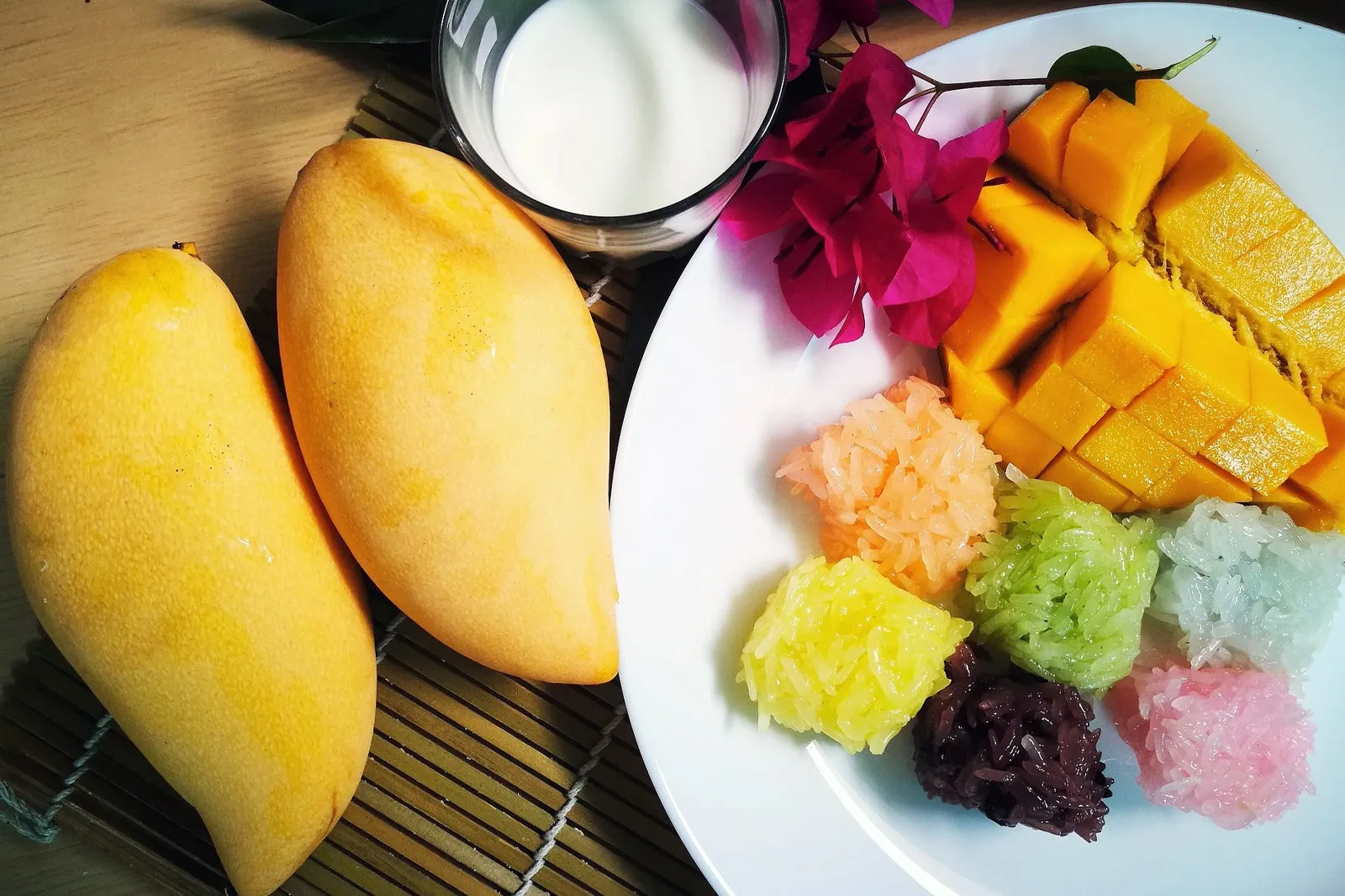
Start your sweet exploration with the iconic Thai dessert, Khanom Buang, often referred to as Thai crispy pancakes. These delicate treats are a feast for the senses, combining the crispiness of the pancake shell with a rich filling of coconut cream. Topped with sweet or savory toppings like shredded coconut or dried shrimp, Khanom Buang offers a unique contrast of textures and flavors, making it a must-try for any dessert lover.
No dessert experience in Bangkok would be complete without sampling the luscious Tub Tim Krob. This refreshing dessert features crunchy water chestnuts coated in a vivid red syrup, resembling ruby-like jewels. Served in a bowl of coconut milk and crushed ice, Tub Tim Krob is both cooling and satisfying, perfect for combating the city's tropical heat while delighting the senses with its subtle sweetness.
Another beloved treat is the Khanom Krok, or Thai coconut-rice pancakes. These bite-sized delights are made from a batter of rice flour and coconut milk, cooked in special griddle pans to create crispy exteriors and soft, creamy centers. Often topped with green onions or sweet corn, Khanom Krok delivers a harmonious blend of sweet and savory, capturing the essence of Thai street food innovation.
For those with a penchant for fruit, the exotic flavors of Bangkok's fresh fruit stalls are not to be missed. From juicy rambutans to sweet mangoes, the abundance of tropical fruits is a testament to Thailand's agricultural richness. These fruits are often served with a side of chili salt or as part of a fruit salad, offering a balance of sweet, salty, and spicy that is quintessentially Thai.
One cannot overlook the delectable Roti Sai Mai, a unique Thai dessert that draws inspiration from Indian culinary traditions. This sweet treat consists of thin, delicate pancakes wrapped around colorful threads of spun sugar, akin to cotton candy. Often found in Ayutthaya and popular in Bangkok, Roti Sai Mai provides a fun and interactive eating experience, with each bite unraveling a sweet surprise.
As you savor these desserts, you’ll find that each one tells a story of cultural convergence and culinary artistry. They are not merely desserts but a celebration of Thailand's vibrant history and its openness to new influences. Completing your street food adventure with these sweet endings is a fitting tribute to the rich tapestry of flavors that Bangkok has to offer, leaving you with a lingering taste of the city's sweet charm.
As you embark on a street food safari in Bangkok, you'll quickly discover that the city's culinary landscape is a vibrant mosaic of regional influences. Each dish serves as a canvas, reflecting the diverse flavors and techniques from various parts of Thailand, as well as international touches that have been seamlessly integrated into the local cuisine. This confluence of regional influences is what makes Bangkok's street food scene uniquely dynamic and endlessly fascinating.
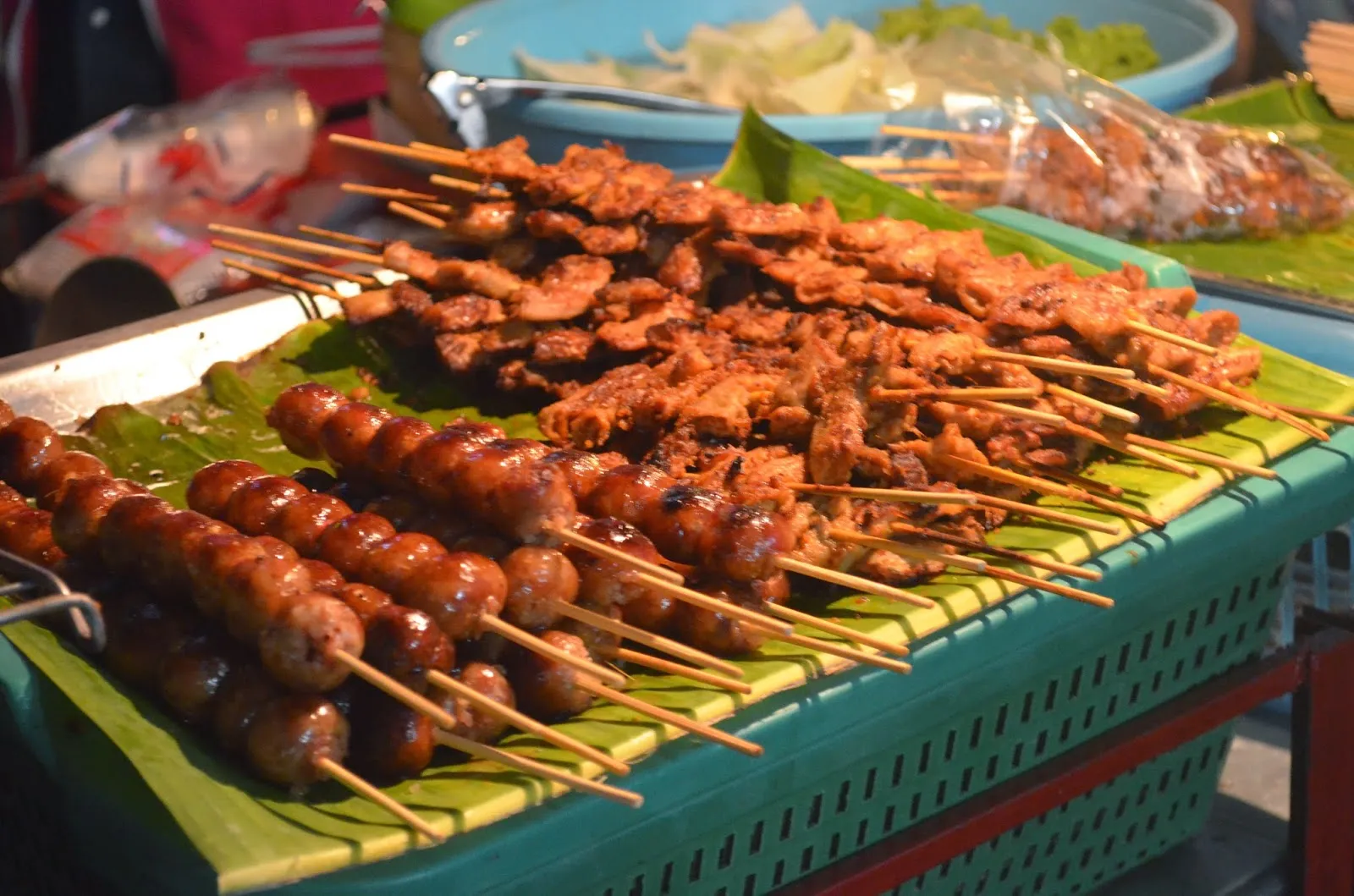
The northern region of Thailand, known for its cooler climate and mountainous terrain, contributes rich and aromatic flavors to Bangkok's street food. Dishes like Khao Soi, a creamy coconut curry noodle soup, and Sai Oua, a spicy herb-laden sausage, are beloved for their complex spice profiles and generous use of herbs. These northern delights bring the warmth and depth of Lanna cuisine to the bustling streets of the capital.
From the northeastern region, or Isan, comes a robust influence that highlights bold, spicy, and sour flavors. Isan dishes such as Larb, a minced meat salad with lime and mint, and Som Tam, the famous green papaya salad, are staples in Bangkok's street food offerings. The prevalence of sticky rice as a side dish also hails from this region, perfectly complementing the fiery dishes that characterize Isan cuisine.
The southern part of Thailand, with its proximity to the sea, infuses Bangkok's street food with a rich variety of seafood and a penchant for spice. Southern Thai dishes are known for their intense heat and use of fresh ingredients like turmeric and coconut milk. Favorites such as Gaeng Tai Pla, a spicy fish curry, and Kua Kling, a dry meat curry, highlight the boldness and vibrancy of southern Thai flavors that captivate adventurous palates.
Central Thailand, home to the capital itself, offers a balance of flavors that are both sweet and savory, often considered the standard for Thai cuisine. Dishes such as Pad Thai and Tom Yum Goong originated in this region, showcasing the intricate interplay of sweet, sour, salty, and spicy elements that define Thai food. The central region's influence ensures that Bangkok's street food is both accessible and universally appealing.
Beyond Thai borders, Bangkok's street food is also shaped by international influences that have been embraced and adapted over time. Chinese culinary traditions are particularly evident, with dishes like Dim Sum and various noodle soups demonstrating the fusion of Chinese and Thai flavors. The Indian influence can be seen in the popularity of roti, a flatbread often served as a savory treat or a sweet dessert with condensed milk and sugar.
This rich tapestry of regional and international influences ensures that Bangkok's street food scene remains an ever-evolving culinary adventure. Each bite offers a new story, a blend of traditions, and a taste of the diverse cultural heritage that makes Bangkok a true gastronomic paradise. Whether you're savoring the pungent spices of the south or the refreshing salads of the northeast, each dish is a testament to the harmonious fusion of flavors that define Bangkok's street food. It's a journey through Thailand's diverse culinary landscape, inviting you to explore and appreciate the depth and breadth of its rich gastronomic heritage.
As the global conversation around sustainability and ethical practices gains momentum, Bangkok's street food scene is not far behind in embracing these important values. The city's vibrant culinary landscape is witnessing a shift towards more sustainable and ethical practices, reflecting a growing awareness among vendors and consumers alike. This evolution not only enhances the street food experience but also contributes to the preservation of resources and the well-being of local communities.
One of the primary changes in Bangkok's street food scene is the increasing focus on sourcing local and seasonal ingredients. Vendors are increasingly turning to nearby farms and markets to procure fresh produce, supporting local agriculture and reducing the carbon footprint associated with long-distance transportation. This practice not only ensures the freshest flavors in each dish but also fosters a symbiotic relationship between street food vendors and local farmers, bolstering the local economy.
Waste reduction is another focal point in the move towards sustainability. Many vendors are now adopting practices to minimize waste by using biodegradable or reusable containers, rather than single-use plastics. Some stalls are even offering discounts to customers who bring their own containers, encouraging a culture of reusability. This shift not only reduces the environmental impact but also aligns with the global push towards more eco-friendly business practices.
In addition to environmental considerations, ethical sourcing of ingredients is becoming a priority. A growing number of vendors are committing to using ethically produced meats and seafood, ensuring that their supply chains are free from exploitative practices. This includes sourcing from farms and fisheries that adhere to humane and sustainable practices, thus promoting animal welfare and responsible resource management.
Education and awareness are crucial to this transformation. Non-governmental organizations and local initiatives are playing a significant role in educating street food vendors about sustainable practices and providing resources to help them transition. Workshops and community programs offer insights into efficient waste management, energy conservation, and sourcing practices, equipping vendors with the knowledge to implement these changes effectively.
Furthermore, consumers are becoming more conscious of the impact their choices have on the environment and society. This awareness is driving demand for street food options that prioritize sustainability and ethics. As a result, vendors are increasingly responding to this demand by highlighting their sustainable practices, whether through signage at their stalls or through social media, thus attracting a more conscientious clientele.
Ultimately, the integration of sustainable and ethical practices in Bangkok's street food scene not only enhances the gastronomic experience but also contributes to a more responsible and equitable food ecosystem. As these practices continue to evolve, they pave the way for a future where street food not only delights the palate but also nurtures the planet and its people. This progressive approach ensures that Bangkok's street food remains a cherished cultural institution, preserving its flavor and vibrancy for generations to come.
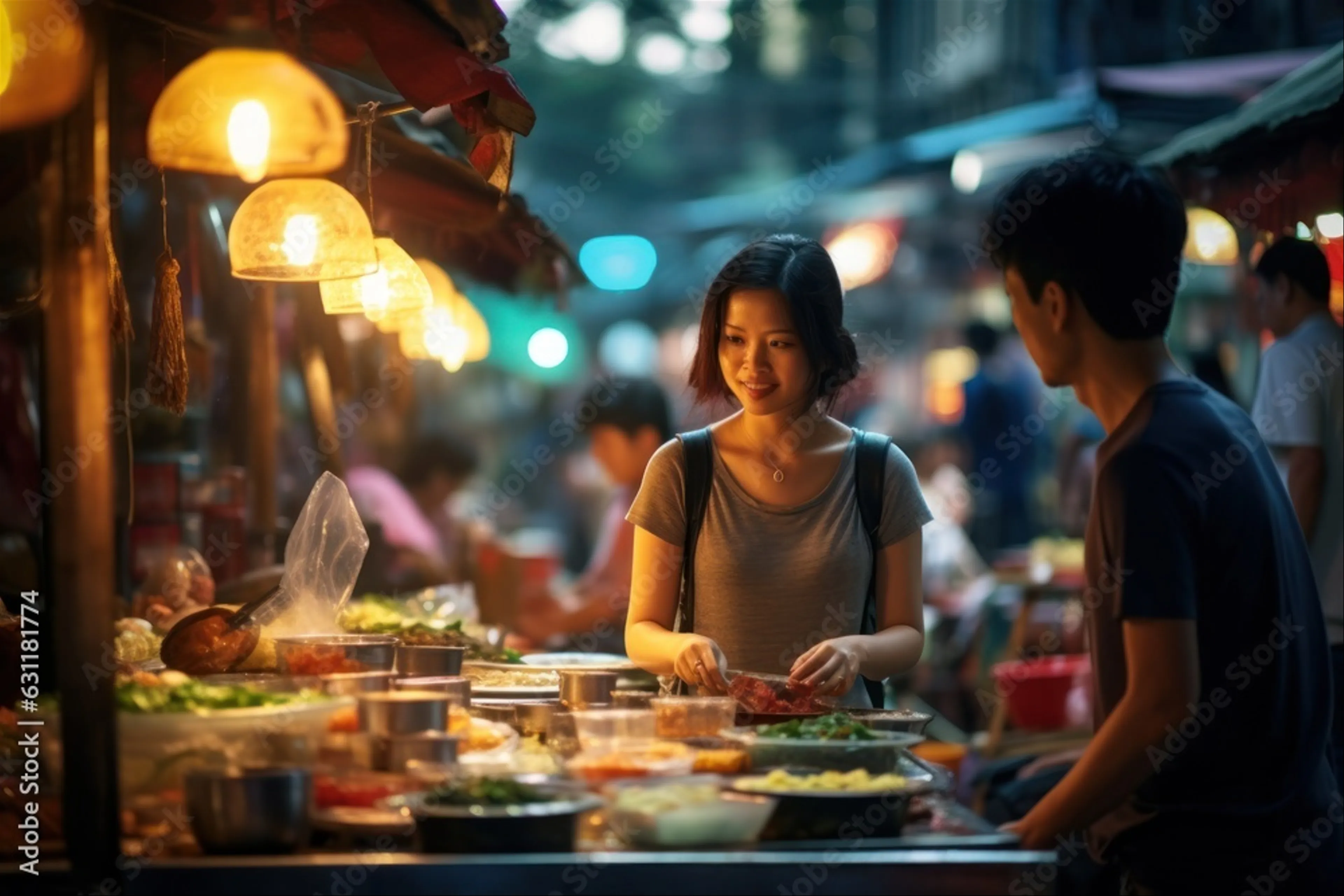
Explore Bangkok's night markets and indulge in authentic Thai street food. Discover the vibrant flavors and cultural delights of Thailand's cuisine.

Explore Bangkok's top street foods, from spicy papaya salad to sweet mango sticky rice, and savor the flavors of Thailand's vibrant capital.
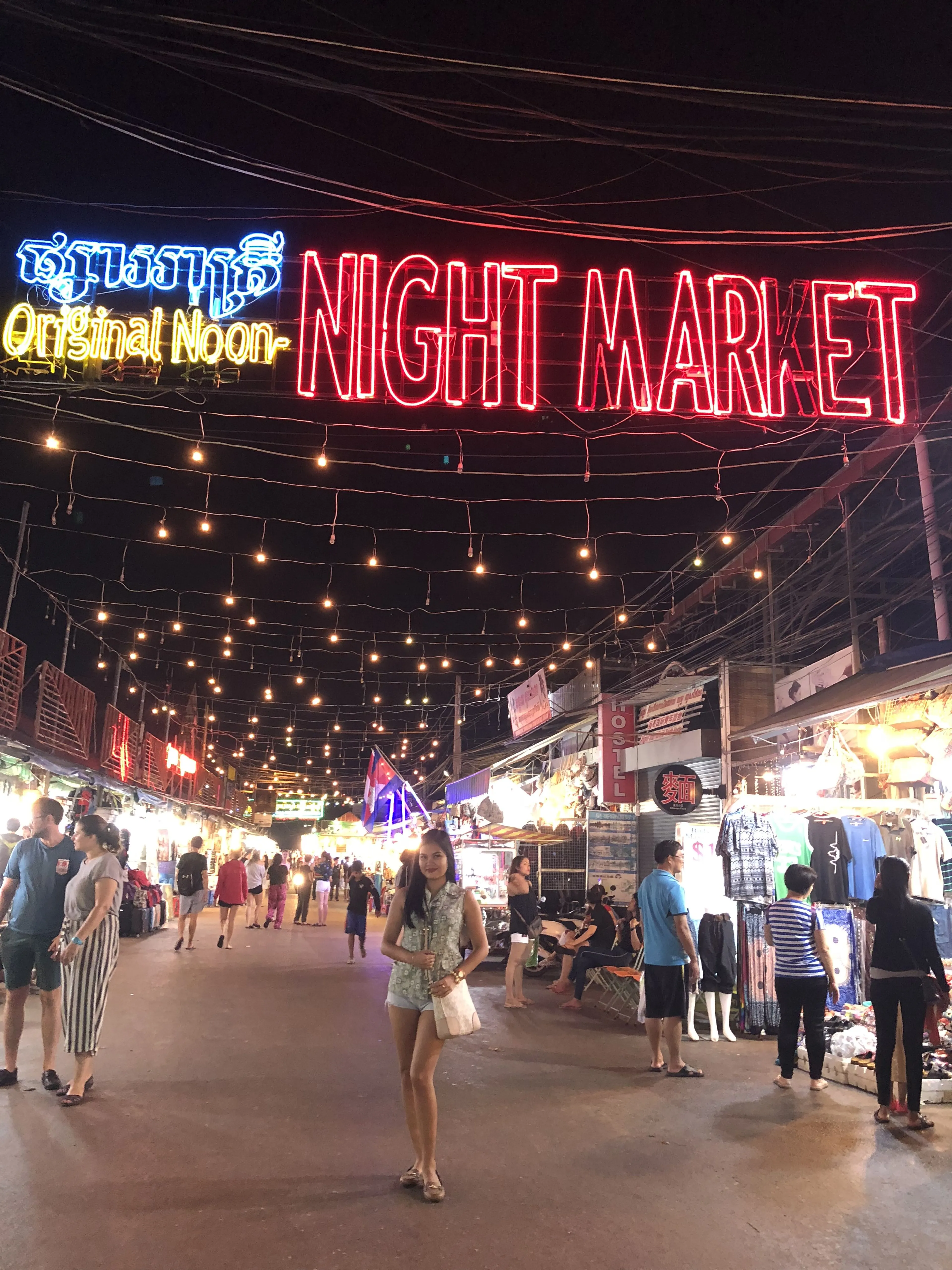
Explore the top night markets in Bangkok and indulge in a culinary adventure. Discover local flavors and street food delights in Thailand's capital.