Uncover the enchanting allure of Ong Bon Temple with BDATrip, a mesmerizing gem of Ho Chi Minh City that celebrates the deep-rooted traditions, extraordinary architecture, and vibrant culture of the Chinese community. Let this iconic landmark take you on a journey through history, spirituality, and artistry like no other
Discover the captivating charm of Ong Bon Temple with BDATrip, where sacred traditions, stunning architecture, and vibrant cultural heritage come alive. As a cornerstone of the Chinese community in Ho Chi Minh City, this iconic temple promises an unforgettable journey through history and spirituality.
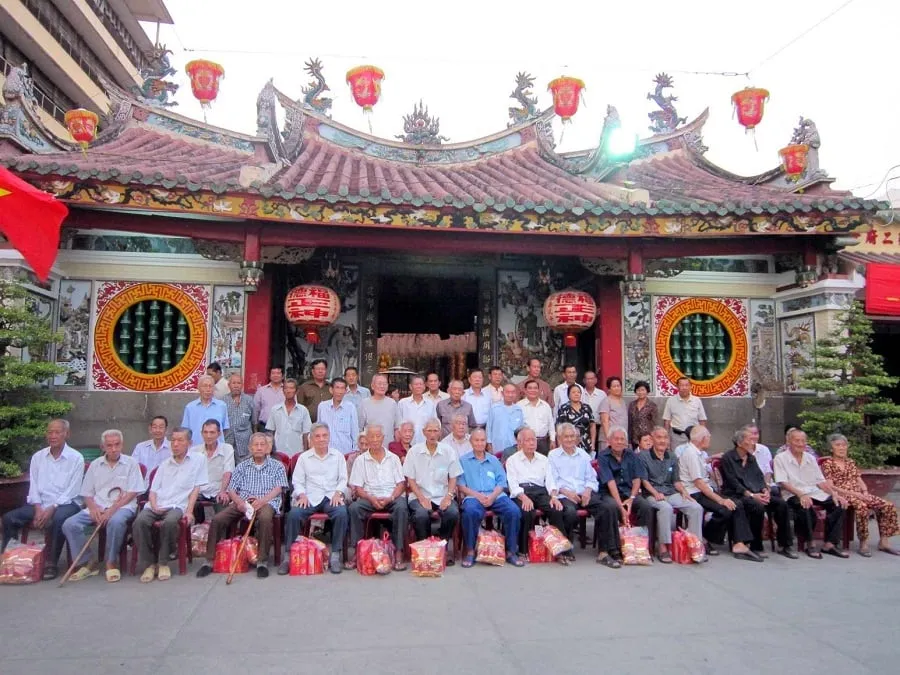
Ong Bon Temple is located at 264 Hai Thuong Lan Ong Street, Ward 14, District 5, Ho Chi Minh City, a central area for the local Chinese community. The temple is open to visitors from 8:00 AM to 4:00 PM daily and is completely free of charge, allowing everyone to explore and learn about the unique religious culture of the Chinese people.
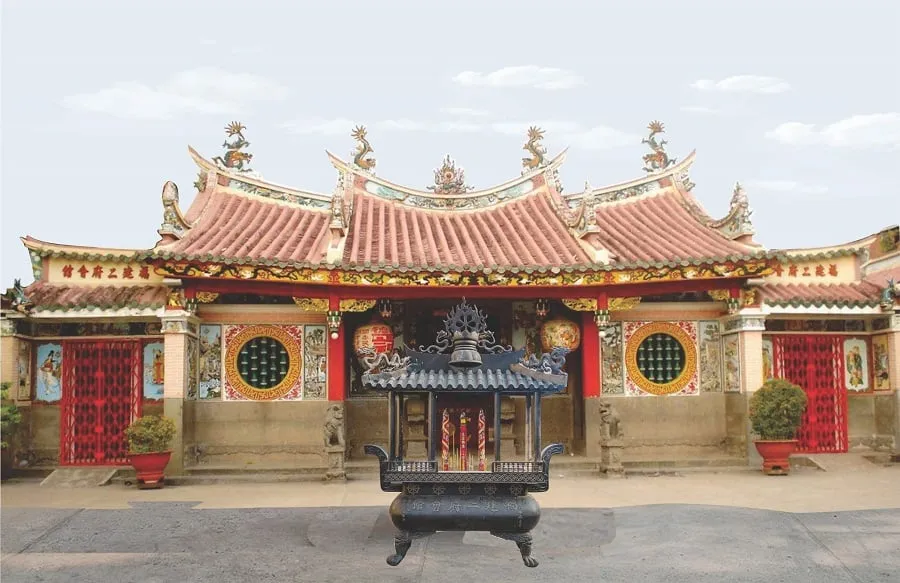
The temple was built by the Chinese community who migrated from Quanzhou and Zhangzhou in Fujian Province, China. They arrived in the Gia Dịnh area (the former name of Ho Chi Minh City) in the early 18th century, bringing their traditional beliefs with them, and established Ong Bon Temple for worship. The main deity of the temple is Ong Bon, also known as the God of Fortune and Protection, who plays an essential role in Chinese beliefs, being revered for his protection of the land and blessings of peace and prosperity to the residents. The temple is not only a place of worship but also a cultural hub where the Chinese community has preserved and nurtured its cultural identity over the centuries.
At the end of the 17th century, amid the social upheaval in China, a group of Chinese left their homeland in search of a better life in Gia Dinh, now Ho Chi Minh City. They brought their cultural values, customs, and beliefs with them. To have a place of spiritual support, as well as a location for religious practice and community gatherings, the Chinese community decided to build Ong Bon Temple around 1730. This is where they worship Ong Bon, the guardian deity of the land and protector of the community in Chinese beliefs.
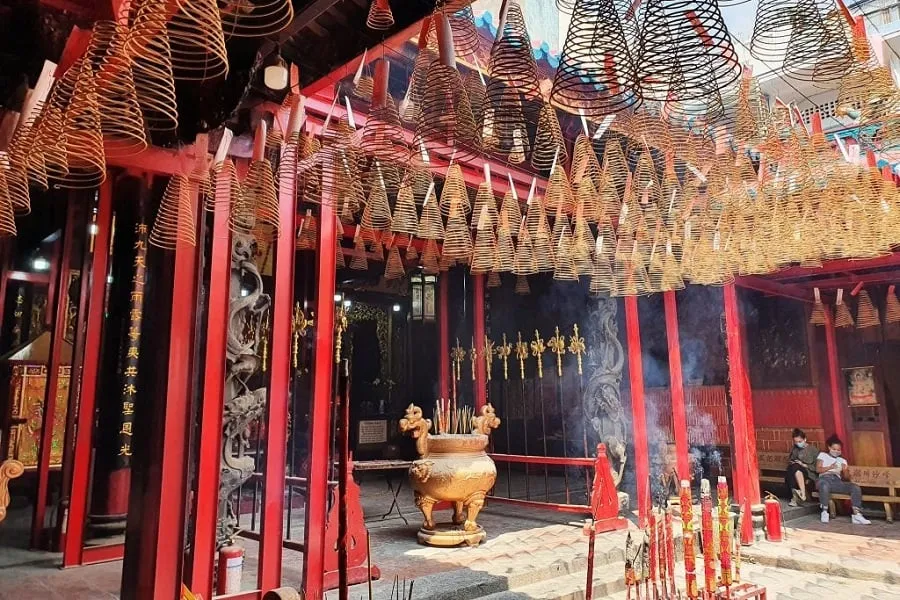
Since its construction, the temple has undergone three major renovations in 1875, 1901, and 1990, each aiming to maintain and upgrade the facilities. Despite these changes, Ong Bon Temple has retained its ancient architectural elements, clearly reflecting the unique cultural heritage of the Chinese people. The intricate decorations, from the patterns on the pillars and roof tiles to the statues of deities within the temple, showcase the blend of Chinese art and religion. The temple is not only a place of worship but also a living symbol of community unity and the preservation of cultural traditions across generations.
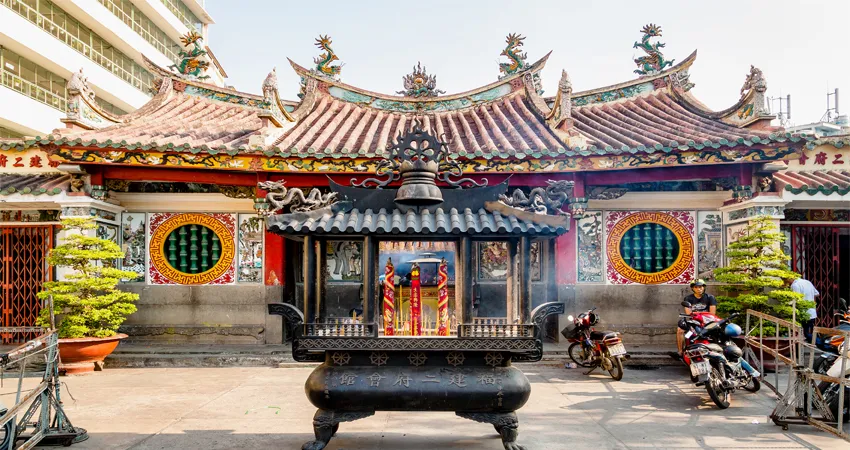
The temple complex spans an area of approximately 2,500 square meters, creating a peaceful space amidst the bustling city. The temple is designed in a square layout, with four houses surrounding a central courtyard, forming a harmonious and open structure. The courtyard is not only a place for community gatherings but also holds spiritual significance, serving as the connecting point between the surrounding houses.
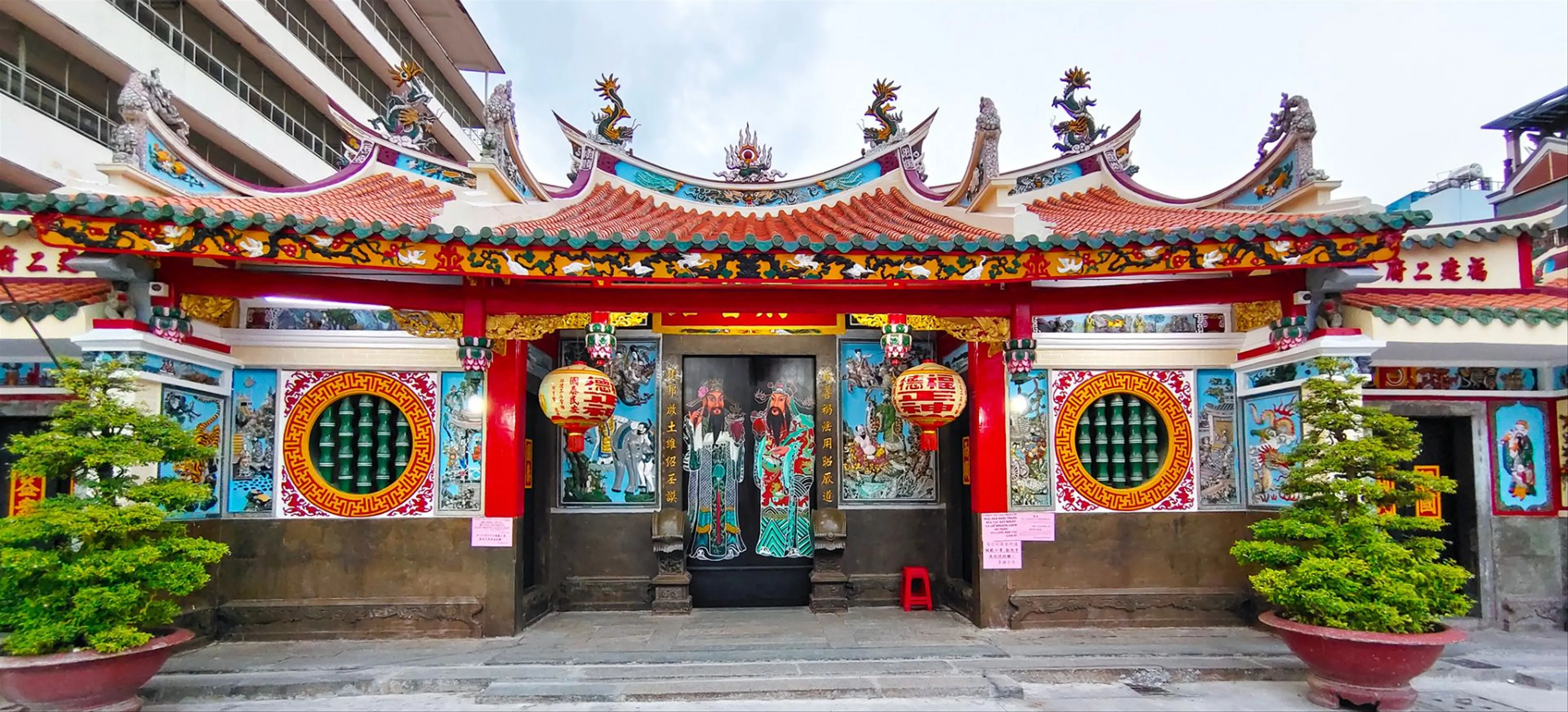
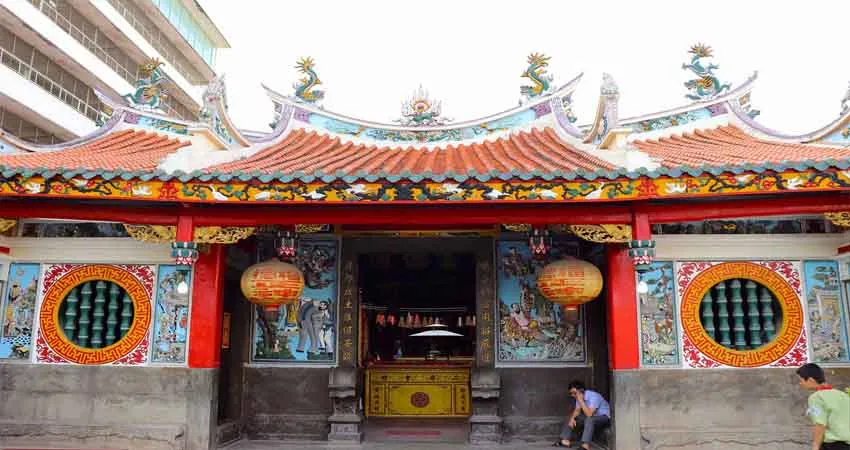
The architecture of the temple resembles a traditional Chinese house, standing out with its sturdy wooden frame, curved roof tiles, and solid brick walls. The wooden framework is meticulously carved, adorned with lotus motifs – a symbol of purity in East Asian culture. The intricate carvings are painted a vibrant red, symbolizing luck and prosperity. The temple's roof is covered with curved tiles, a hallmark of ancient Chinese architecture. The roof is also decorated with colorful ceramic images of fish, apricots, orchids, bamboo, dragons, and phoenixes, all skillfully arranged to bring vibrancy and deep feng shui meanings. The dragon and phoenix symbolize power and prosperity, while the plants represent longevity and nobility.
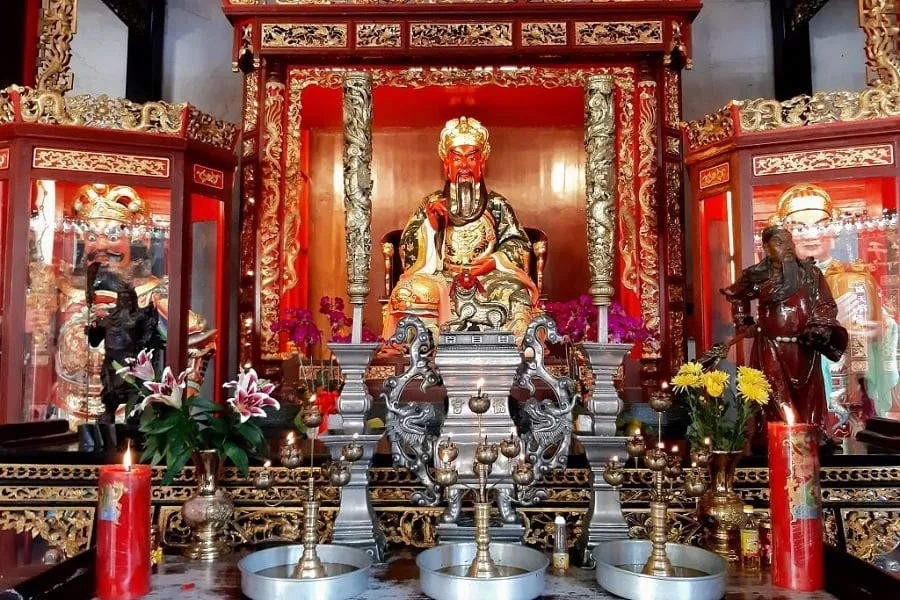
Inside the temple, the interior is simple but dignified and sacred. The main hall is dedicated to Ông Bổn, the temple’s principal deity, with the altar centrally located, carefully and respectfully decorated. On both sides of the main hall are areas dedicated to other gods, creating a diverse religious space. At the back of the temple is a shrine to the Jade Emperor, the supreme deity in Taoist beliefs, along with statues of Buddha and Bodhisattvas, signifying the blend of Buddhism and Taoism in Chinese faith.
Explore Quan Am Pagoda Chinese Spiritual Oasis in the Bustling Saigon
Beyond being a popular tourist destination in Ho Chi Minh City, Ong Bon Temple plays a vital role in the daily cultural and religious life of the local Chinese community. The temple is not just a place of worship but also a community hub where many communal activities and important events occur. Traditional festivals, rituals, and communal ceremonies are held at the temple, helping to maintain and preserve the ancient customs brought by the Chinese community from their homeland. Through these activities, the Chinese community not only preserves its culture but also enriches the diverse cultural tapestry of Ho Chi Minh City.
Ong Bon Temple is also a treasure trove of valuable cultural artifacts, preserving many items of historical and artistic value. The temple's collection includes ancient bells from the 18th century, bearing the marks of time and faith. Intricately crafted lacquer boards, featuring traditional patterns and symbols, reflect the excellent craftsmanship of the past. Additionally, the temple houses many beautifully carved wooden panels, showcasing remarkable artistic detail. The temple also contains unique statues depicting various animals, representing different elements in Chinese religious culture, from strength and perseverance to kindness and fortune.
Beyond Ong Bon Temple, Ho Chi Minh City has many other renowned temples and shrines awaiting your discovery. Temples such as Jade Emperor Pagoda, Thien Hau Temple, Xa Loi Pagoda, and shrines like Guandi Temple, Hindu Mariamman Temple, and Hoang Phap Buddhist Temple are all remarkable for their exquisite architecture and profound cultural significance. Visiting these sites will not only bring you moments of peace but also deeper access to the rich cultural and religious heritage of the city.
A visit to Ong Bon Temple will take you on a fascinating journey, offering a deep dive into the heart of Ho Chi Minh City's cultural and spiritual heritage.
Some Other Attractive Tourist Spots in Ho Chi Minh City:
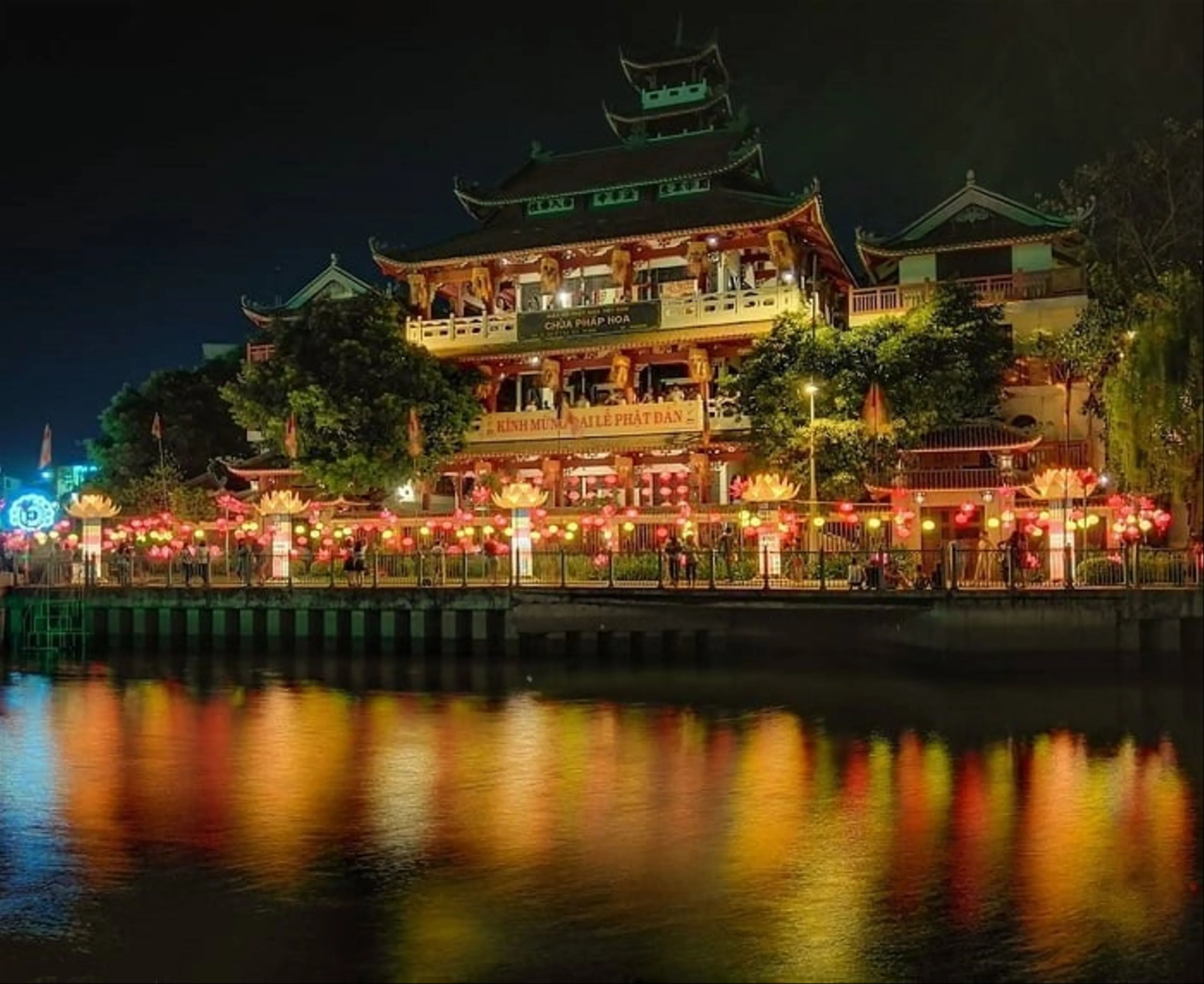
Phap Hoa Pagoda is an ancient and famous pagoda located on Truong Sa Street, District 3, Ho Chi Minh City, on the banks of the Nhieu Loc - Thi Nghe Canal. With its unique architecture and peaceful atmosphere, Phap Hoa Pagoda is a familiar spiritual destination for the people of Saigon, as well as a place that attracts many tourists and Buddhists from all over to visit and worship.
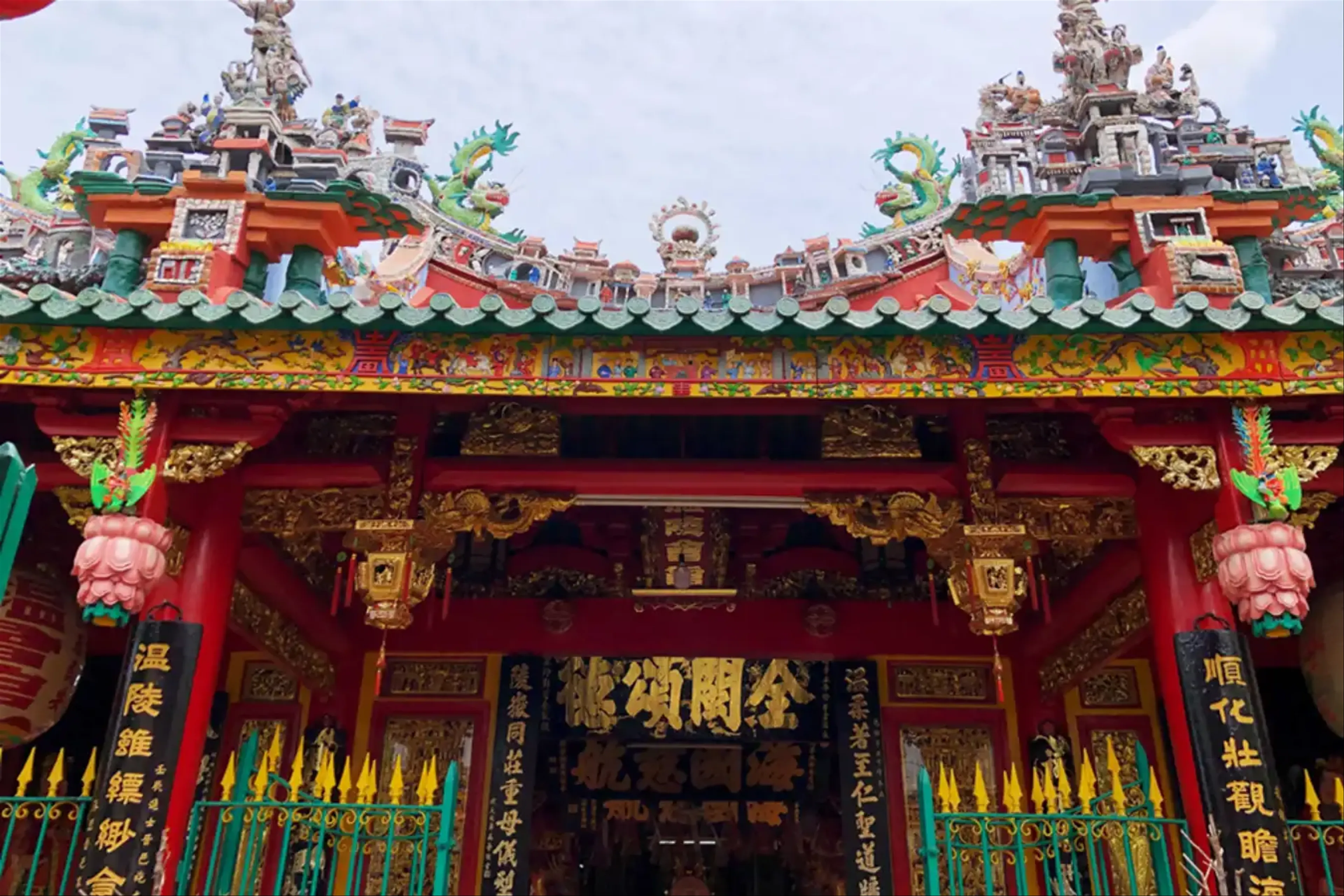
Quan Am Pagoda, located in District 5 of Ho Chi Minh City, is one of the city’s oldest and most respected Chinese-style Buddhist temples. Established by the Chinese community in the 19th century, this pagoda is dedicated to the Bodhisattva of Compassion
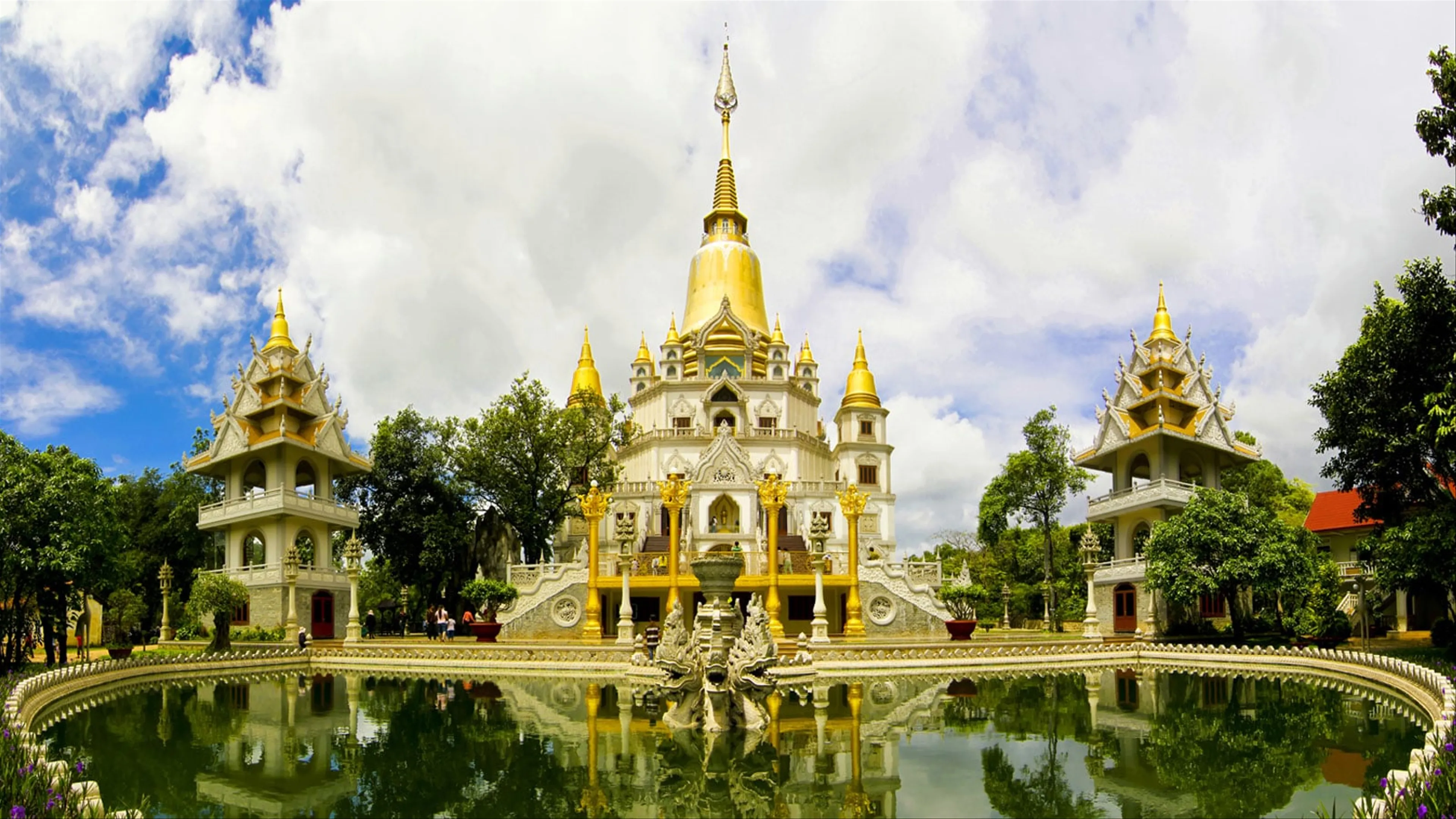
Buu Long Pagoda, located in District 9, Ho Chi Minh City, is a famous pagoda with unique architecture combining Thai style and Vietnamese culture. Built in 1942 and having undergone many renovations, Buu Long Pagoda is not only a spiritual place but also a unique architectural work that attracts many visitors.