
Explore China's rich heritage and vibrant culture on a captivating journey through its ancient wonders and dynamic cities.
The Great Wall Badaling stands as the most celebrated and best-preserved section of the Great Wall of China, embodying centuries of history and national pride. Constructed in 1505 during the Ming Dynasty, this impressive fortification guarded the vital Juyongguan Pass, serving as a frontline defense for Beijing against northern invasions.
Today, its towering stone walls, majestic watchtowers, and sweeping mountain views draw millions of visitors each year. Recognized as a UNESCO World Heritage Site, Badaling offers a perfect blend of historical significance, breathtaking scenery, and modern amenities, making it the ideal gateway for travelers seeking to experience the Great Wall’s grandeur.

The Great Wall Badaling was built in 1505 during the reign of Emperor Hongzhi of the Ming Dynasty. Designed as a crucial stronghold, this section formed part of an extensive defense system stretching across northern China. Its wide stone pathways and towering walls were engineered to allow the rapid movement of troops and supplies while serving as a critical communication link between military outposts.
Situated at the Juyongguan Pass, Badaling commanded a strategic choke point on the approach to Beijing. Its elevated position allowed soldiers to spot enemy movements from miles away, while the network of watchtowers and beacon towers enabled swift transmission of warning signals across the Great Wall. For centuries, this section stood as the first line of defense for China’s political heartland.
In the 1950s, Badaling became the first section of the Great Wall to be restored and opened to the public. Since then, it has hosted countless world leaders and tourists, making it a global cultural icon.

Stretching gracefully across rugged mountain ridges, the Great Wall Badaling offers breathtaking panoramic vistas in every season. In spring, the hillsides are carpeted with fresh green foliage and blooming wildflowers, while autumn transforms the landscape into a tapestry of fiery reds and golden yellows. No matter the time of year, the sweeping views from Badaling are a feast for the eyes and the camera lens.
The stones and bricks used in Badaling’s construction are massive, with some weighing hundreds of kilograms. Its wide pathways allow up to five horses to walk side by side, showcasing the ingenuity of ancient Chinese engineering.
Scattered along the Badaling route are numerous watchtowers, each with its own history and vantage point. These towers once served as lookout posts and communication hubs, relaying urgent military signals across vast distances. Today, they offer travelers unique photo spots and a chance to step back into the world of ancient Chinese defenders.
Unlike remote and rugged sections of the Great Wall, the Great Wall Badaling is designed to welcome visitors of all ages and fitness levels. Paved walkways, sturdy handrails, and well-maintained steps ensure a safe climb, while the modern cable car system provides an effortless way to reach higher points without strenuous hiking. This blend of authenticity and convenience makes Badaling one of the most visitor-friendly Great Wall experiences.

One of the most popular and scenic ways to reach the Great Wall Badaling is by taking the S2 Train from Beijing North Railway Station. The journey lasts around 1.5 hours, passing through picturesque countryside and rolling hills before arriving just a short walk from the entrance. This option is ideal for independent travelers who want a comfortable and affordable ride.
For budget-conscious visitors, Bus 877 from Deshengmen Bus Station offers a direct and economical route to Badaling. The trip takes approximately 1 hour and 20 minutes, depending on traffic. Buses run frequently during the day, making it a convenient choice for those who prefer straightforward public transport.
Hiring a private driver or booking an organized day tour provides the most flexibility and comfort, especially for travelers short on time or visiting in groups. Private transportation allows you to set your own schedule, avoid waiting times, and combine your visit to the Great Wall Badaling with other nearby attractions such as the Ming Tombs or Juyongguan Pass.
How to Get to Great Wall Badaling from Beijing
One of the most popular and scenic ways to reach the Great Wall Badaling is by taking the S2 Train from Beijing North Railway Station. The journey lasts around 1.5 hours, passing through picturesque countryside and rolling hills before arriving just a short walk from the entrance. This option is ideal for independent travelers who want a comfortable and affordable ride.
For budget-conscious visitors, Bus 877 from Deshengmen Bus Station offers a direct and economical route to Badaling. The trip takes approximately 1 hour and 20 minutes, depending on traffic. Buses run frequently during the day, making it a convenient choice for those who prefer straightforward public transport.
Hiring a private driver or booking an organized day tour provides the most flexibility and comfort, especially for travelers short on time or visiting in groups. Private transportation allows you to set your own schedule, avoid waiting times, and combine your visit to the Great Wall Badaling with other nearby attractions such as the Ming Tombs or Juyongguan Pass.
Here’s a quick guide to the Great Wall Badaling opening times, ticket prices, and extra service fees so you can plan your visit smoothly:
Spring is one of the most picturesque seasons to explore the Great Wall Badaling. Mild, comfortable temperatures make hiking enjoyable, while the mountainsides burst into life with blooming wildflowers and fresh greenery. It’s the perfect time for travelers seeking both pleasant weather and vibrant scenery.
Autumn transforms the landscape around Badaling into a stunning mosaic of gold, orange, and crimson. Crisp, cool air and clear skies provide excellent conditions for photography, making this season a favorite for capturing postcard-worthy shots of the Great Wall against a colorful mountain backdrop.
To fully enjoy the Great Wall Badaling without the hustle and bustle, plan your visit early in the morning or choose a weekday. Steer clear of Chinese national holidays such as Golden Week in early October when the site experiences peak tourist traffic.
The northern route of the Great Wall Badaling is renowned for its steep inclines and challenging climbs, making it a rewarding choice for adventurous travelers and photography enthusiasts.
Along this path, you’ll encounter some of the highest watchtowers, offering breathtaking panoramic views of the wall snaking over rugged mountain ridges. The climb can be demanding, but the dramatic scenery and sense of accomplishment are worth every step.
In contrast, the southern route is gentler and more accessible, ideal for families with children, senior travelers, or anyone seeking a more leisurely experience. This section features smoother paths, fewer steep slopes, and multiple rest areas where visitors can pause to enjoy the view. It’s perfect for soaking in the historical atmosphere of Badaling without the physical strain of a challenging climb.
The Great Wall Badaling offers a range of facilities and services to ensure a comfortable and convenient visit for every traveler:

For panoramic shots that capture the grandeur of the Great Wall Badaling, head to Watchtower No. 8, where the wall winds dramatically over the mountain ridges. Another excellent location is the cable car arrival station, offering a sweeping view of the surrounding peaks and the wall stretching into the distance.
Lighting can make or break your Great Wall photos. Morning light provides a soft, diffused glow that’s perfect for crisp landscape shots with minimal shadows. For a more dramatic effect, visit during sunset, when the golden tones bathe the wall and mountains in a warm, atmospheric light ideal for creating postcard-worthy images.
Follow these practical tips to make your visit to the Great Wall Badaling safer, more comfortable, and enjoyable:

The Great Wall Badaling is the most accessible section from Beijing, located just 70 km away, and is well-equipped with tourist facilities such as cable cars, handrails, and clear pathways. It’s ideal for first-time visitors or those seeking a comfortable, organized experience.
In contrast, Mutianyu is farther from the city, less crowded, and offers a more peaceful atmosphere, making it perfect for travelers who prefer a quieter, more relaxed exploration.
Jinshanling is celebrated for its rugged, partially unrestored beauty, attracting hikers and photography enthusiasts looking for a more authentic and adventurous Great Wall experience.
Meanwhile, the Great Wall Badaling delivers a more polished and well-maintained visit, with restored watchtowers, smooth walkways, and easy access for travelers of all ages.
Here’s a simple one-day itinerary to help you make the most of your visit to the Great Wall Badaling:
The Great Wall Badaling offers a perfect blend of history, stunning architecture, and natural beauty. With easy access, excellent facilities, and unforgettable views, it’s an ideal choice for experiencing China’s most famous landmark.
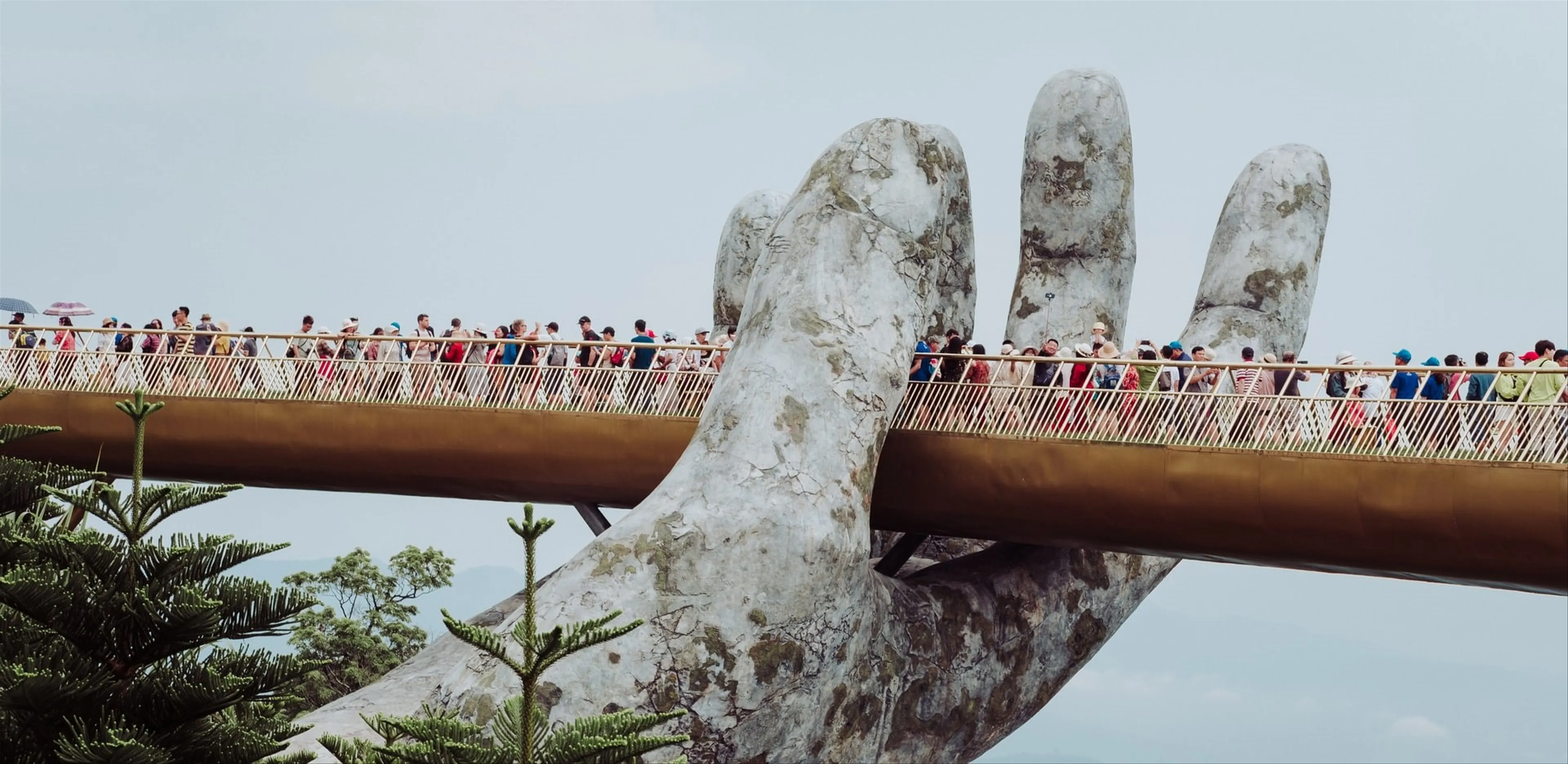
The Golden Bridge is one of the most famous attractions in Ba Na Hills. Let’s take a look at how to get to, entry fee, timings, and what to do at the Golden Bridge.
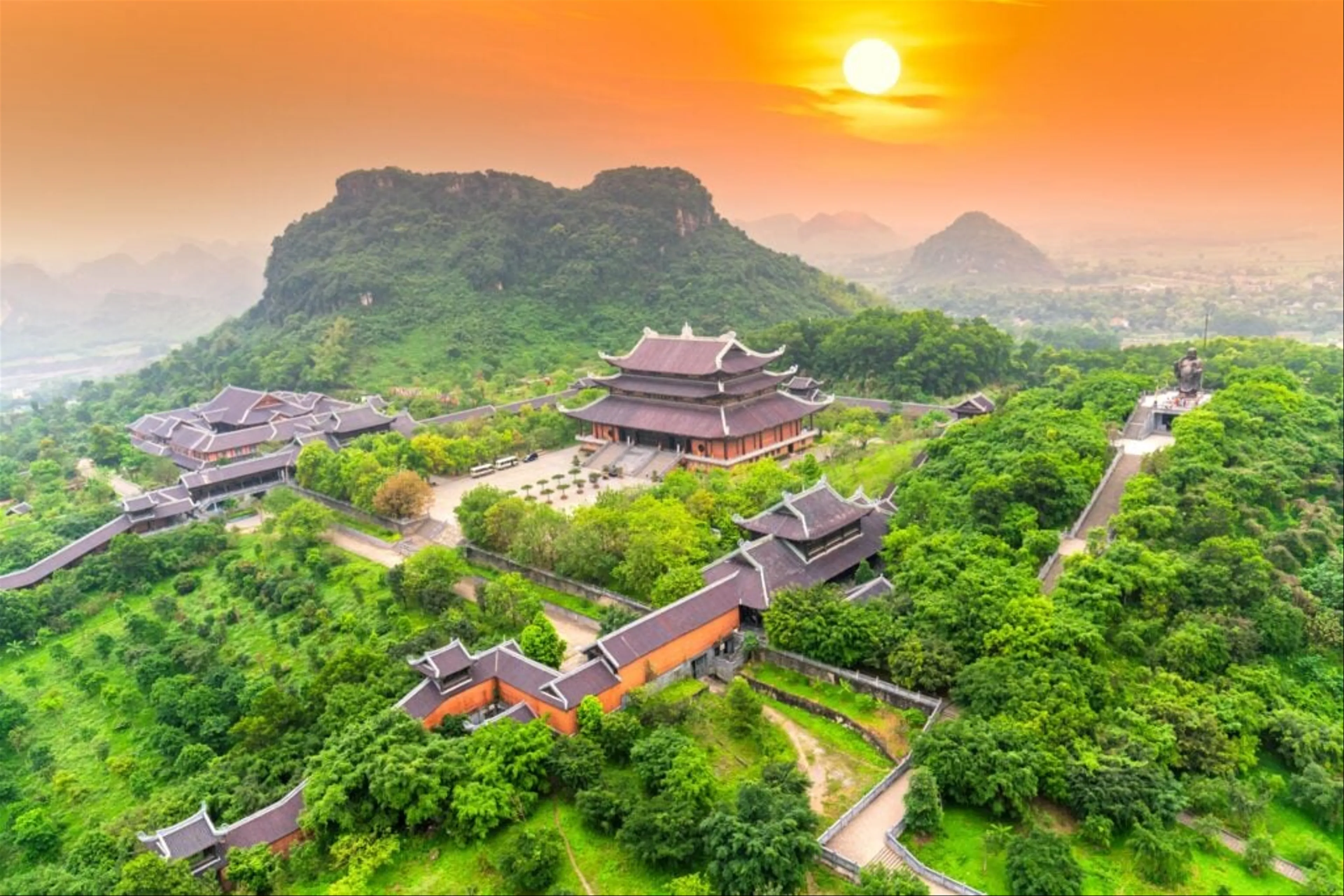
Experience a memorable and comprehensive day trip to Bai Dinh, a location not only renowned for its enchanting natural scenery but also celebrated for its unique architectural significance in both Vietnam and globally. Let's dive into a detailed itinerary with BDATrip to make the most of every moment during your visit!
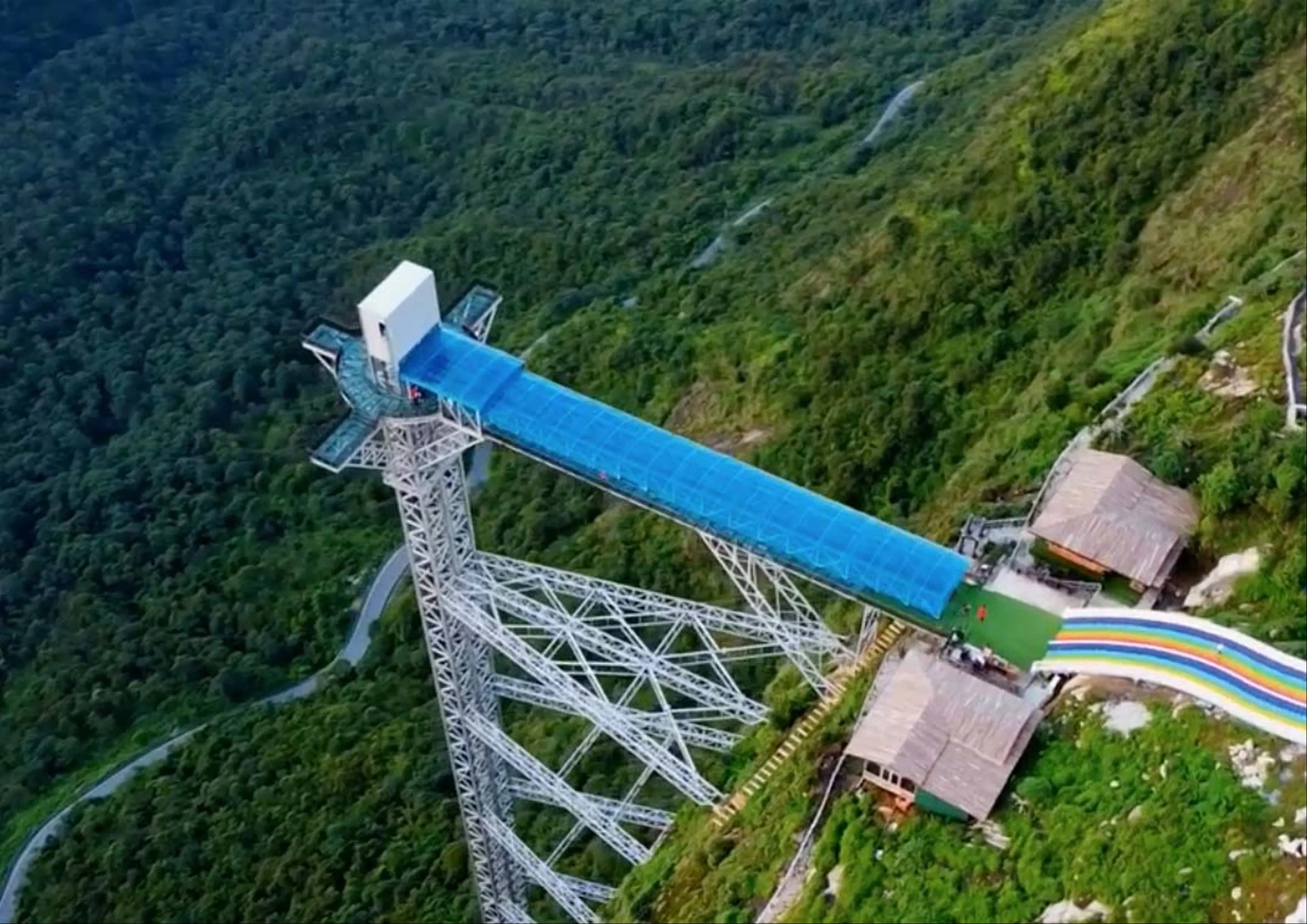
Sapa Rong May Glass Bridge opened in September 2019, this is the place most tourists check-in during their fall trip to Sapa. Let's review with BDATrip the experiences you need to know before checking-in at Rong May Sapa glass bridge.