

Explore the stunning Longji Rice Terraces in Guangxi, China, and delve into the cultural and historical significance of this mesmerizing landscape.
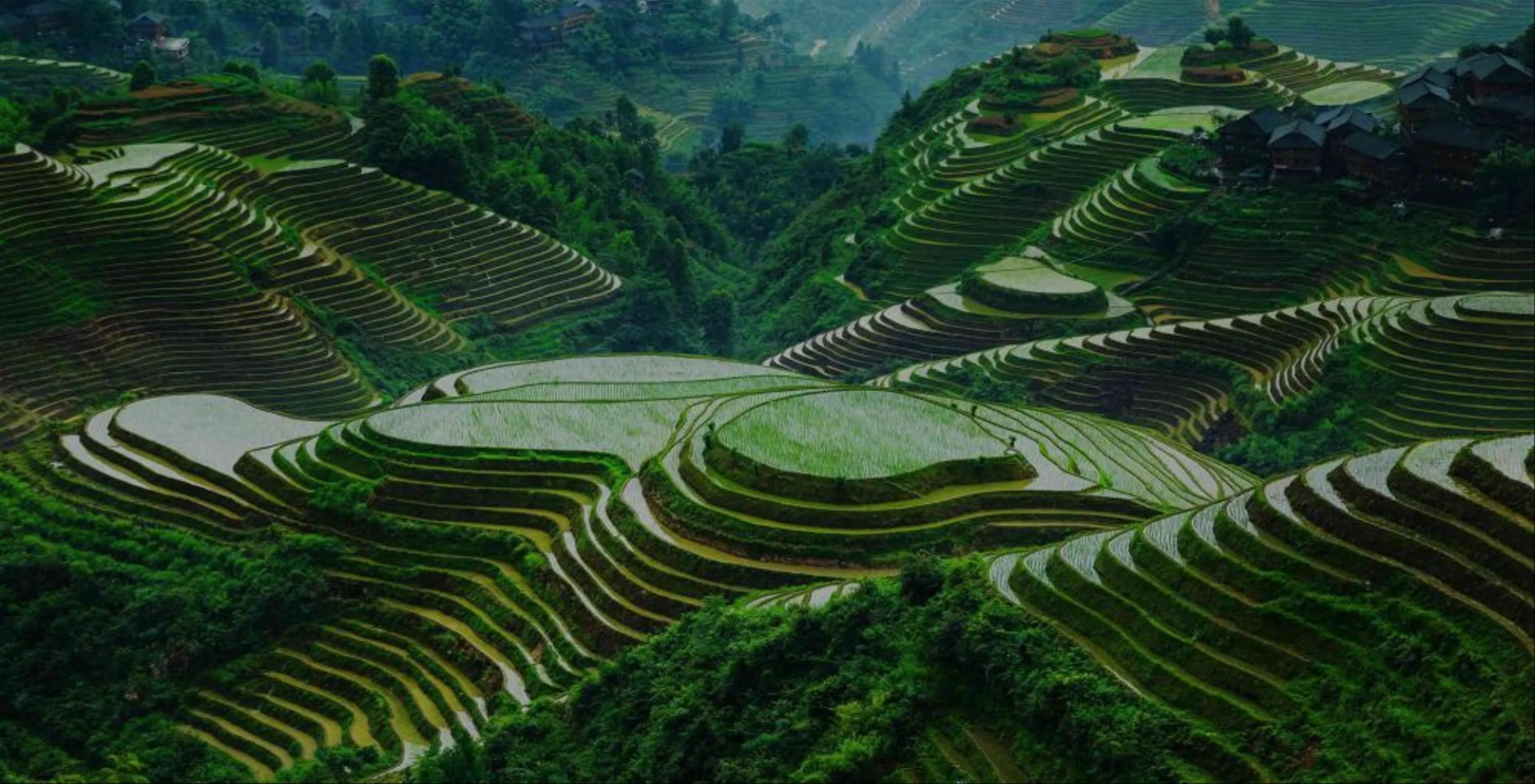
The Longji Rice Terraces, stretching across the verdant hills of Longsheng County in Guangxi, China, are not merely an agricultural marvel but a testament to the ingenuity and resilience of the people who shaped them. These terraces, known as the "Dragon's Backbone" due to their sinuous curves, date back to the Yuan Dynasty (1271–1368) and were further developed during the Ming (1368–1644) and Qing (1644–1912) dynasties. This extensive history reflects not only the adaptability of the local inhabitants but also their deep-rooted connection to the land.
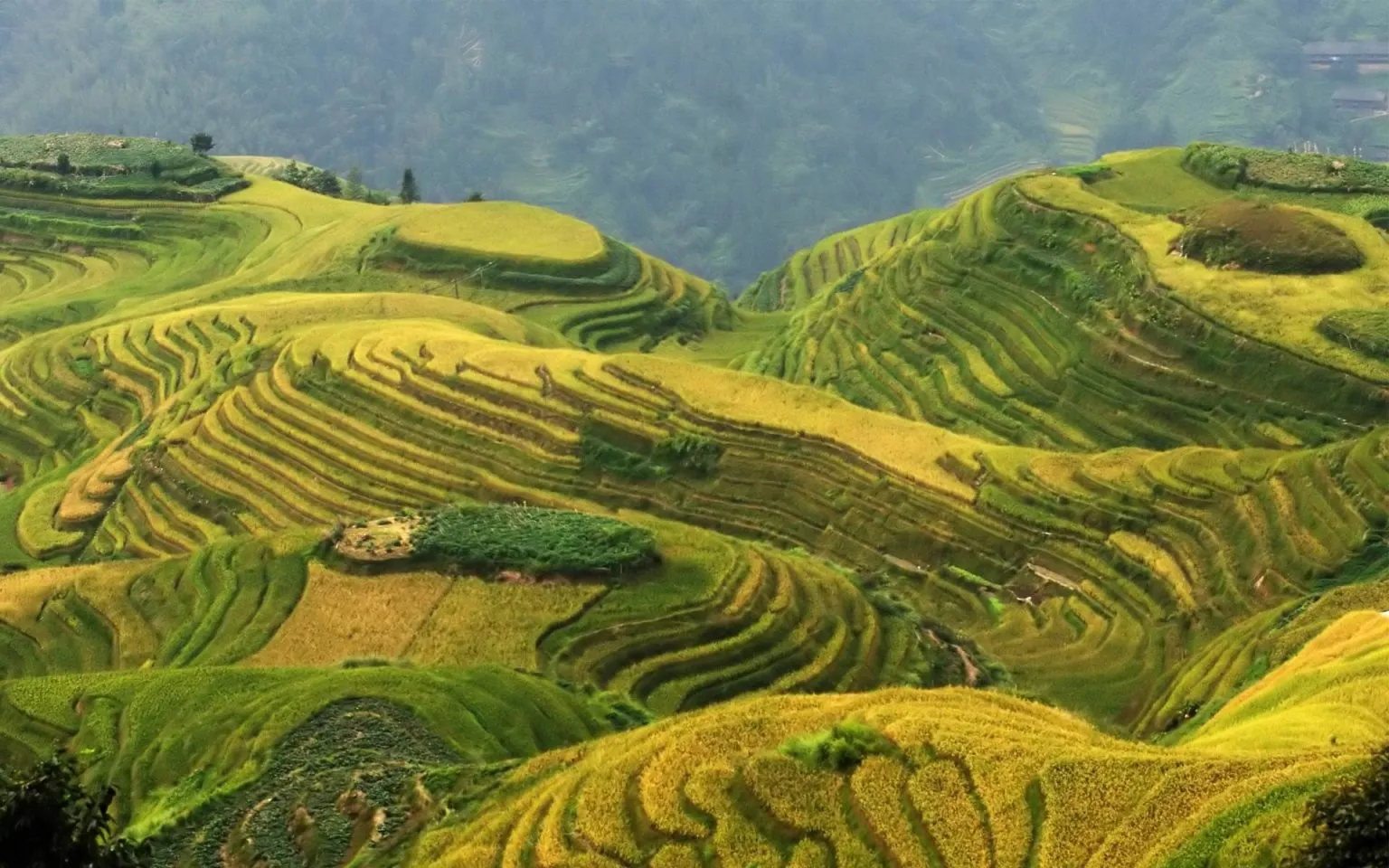
Constructed over centuries by the Zhuang and Yao ethnic minorities, the terraces were a response to the challenging mountainous terrain. Faced with limited arable land, these communities ingeniously transformed steep slopes into a series of terraces that could support rice cultivation. This monumental task involved not just physical labor but also a profound understanding of ecology and hydrology, enabling them to harness rainwater for irrigation and maintain soil fertility over generations.
The historical significance of the Longji Rice Terraces extends beyond their agricultural function. They serve as a living museum of traditional farming techniques and communal cooperation, showcasing how ancient practices can sustain a community while preserving the environment. The terraces are a symbol of cultural heritage, reflecting the customs, traditions, and social organization of the ethnic groups that call these hills home.
In addition to their agricultural and cultural importance, the terraces have also played a critical role in the socio-economic development of the region. They have attracted travelers and researchers alike, drawn by the beauty and historical depth of this human-made landscape. As a result, tourism has become a vital part of the local economy, providing opportunities for cultural exchange and economic growth while encouraging the preservation of these historical sites.
The Longji Rice Terraces are a remarkable example of how historical ingenuity can create sustainable solutions to environmental challenges. They continue to inspire awe and admiration, offering a glimpse into a past where human creativity and nature worked in harmony. Today, as visitors meander through these breathtaking landscapes, they tread upon paths that echo with the stories of generations who shaped the hillsides with their hands and hearts.
The Longji Rice Terraces are a testament to the inventive agricultural practices developed by the Zhuang and Yao people, who have lived in harmony with this challenging terrain for centuries. The terraces not only reflect the adaptability of these communities but also their sophisticated understanding of sustainable farming. These ethnic groups have ingeniously adapted their techniques to make the most of the mountainous landscape, ensuring that it remains both productive and environmentally balanced.
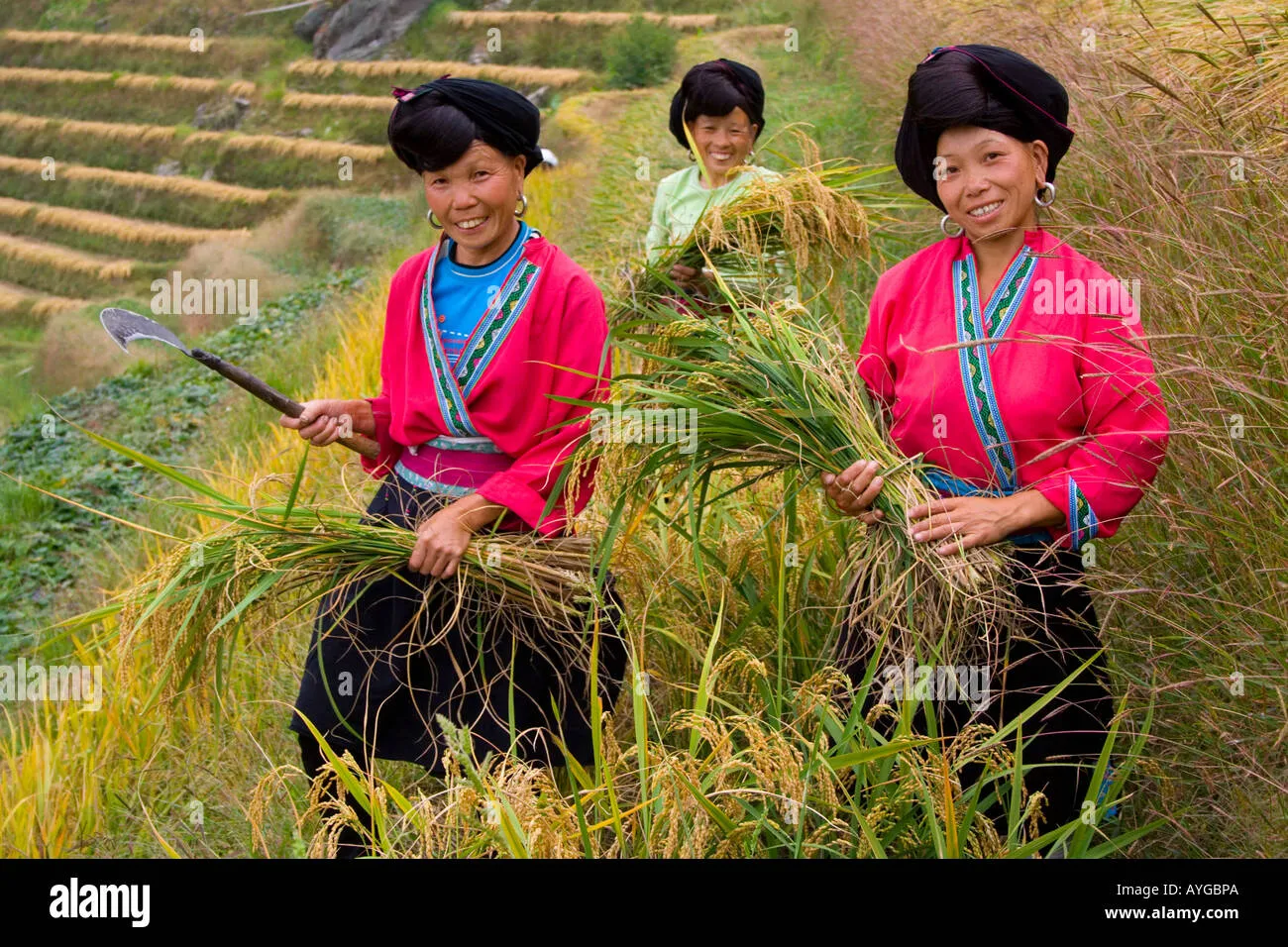
One of the most remarkable aspects of their agricultural practice is the method of contour farming. By carving the terraces along the natural contours of the hills, the Zhuang and Yao manage to minimize soil erosion and optimize water usage. This practice is particularly crucial in an area where heavy rainfall is common, as it prevents the washing away of nutrient-rich topsoil. Each terrace is carefully leveled to ensure that water flows gently from one level to the next, creating a natural irrigation system that sustains the rice paddies throughout the growing season.
Moreover, the Zhuang and Yao people have developed an intricate system of water management that involves the construction of small dams and channels to control the flow of water between terraces. This system allows them to capture and store rainwater, releasing it gradually to meet the needs of the rice plants. Such practices demonstrate a deep understanding of hydrology and highlight the importance of water conservation in traditional farming.
The choice of rice varieties is another crucial aspect of their agricultural ingenuity. The indigenous rice strains cultivated here are well-suited to the local climate and soil conditions, ensuring robust yields even on the steep and narrow terraces. These varieties are not only resilient but also contribute to the biodiversity of the region, fostering a balanced ecosystem that supports a variety of plant and animal life.
Intercropping is also a common practice among the Zhuang and Yao farmers, who plant secondary crops such as beans, vegetables, and medicinal herbs alongside rice. This method not only maximizes the use of available land but also enhances soil fertility and reduces the risk of pest infestations. By diversifying the crops grown in the terraces, the communities ensure food security and create a self-sustaining agricultural system.
These ingenious agricultural practices are deeply intertwined with the cultural traditions of the Zhuang and Yao people. Farming techniques are passed down through generations, preserving the collective knowledge and skills that have shaped these landscapes for hundreds of years. The Longji Rice Terraces stand as a living embodiment of their legacy, where innovation and tradition coexist to maintain the delicate balance between human activity and the natural world.
The Longji Rice Terraces are a stunning destination that offers a unique experience throughout the year, each season unveiling a distinct layer of beauty and charm. To truly appreciate the enchanting allure of this landscape, it is essential to understand how the terraces transform with the changing seasons. This knowledge will help travelers plan their visit to coincide with the scenery that most captivates their imagination.

Spring, stretching from March to May, marks the beginning of the agricultural cycle. During this time, the terraces are prepared for planting, and the fields are flooded to create mirror-like pools that reflect the sky, clouds, and surrounding hills. The sight of shimmering water cascading down the terraces is a photographer's delight, offering a magical, ethereal quality to the landscape. This season is ideal for those who enjoy a serene and tranquil atmosphere, as the terraces are less crowded with tourists.
As summer arrives in June and lasts until August, the terraces burst into life with vibrant green rice plants. This period showcases the terraces at their most lush and verdant, with layers of emerald hues stretching out as far as the eye can see. The summer months are perfect for visitors seeking to witness the full vitality of the rice paddies and experience the region's warm, sunny weather. It is also an excellent time to learn about the local farming practices, as this is when the fields are most active with agricultural activity.
Autumn, from September to November, is perhaps the most celebrated time to visit the Longji Rice Terraces. As the rice ripens, the fields transform into a tapestry of golden shades. This golden season is a visual feast, attracting photographers and nature enthusiasts from all corners of the globe. The harvest period also offers a unique cultural experience, as travelers can participate in or observe traditional harvest festivals and celebrations conducted by the Zhuang and Yao communities.
Winter, spanning December to February, presents a quieter, more introspective side of the terraces. While the rice fields lay fallow, the terraces are often blanketed with a delicate layer of mist or, occasionally, snow, creating a mystical and serene landscape. This season is perfect for those who prefer solitude and wish to experience the terraces in a more contemplative and peaceful setting. The colder months also provide an opportunity to explore the local villages and immerse oneself in the rich cultural heritage of the ethnic communities, without the hustle and bustle of peak tourist seasons.
Ultimately, the best time to visit the Longji Rice Terraces depends on what aspect of their beauty and cultural significance resonates most with you. Whether captivated by the reflective waters of spring, the lush greenery of summer, the golden hues of autumn, or the tranquil vistas of winter, each season promises a unique and memorable experience that will linger long after your journey has ended.
Exploring the villages nestled within the Longji Rice Terraces offers travelers an unparalleled opportunity to immerse themselves in the vibrant cultural tapestry of this region. Among these villages, Ping'an and Dazhai stand out as two of the most accessible and culturally rich destinations, each offering a unique glimpse into the lives and traditions of the local ethnic minorities.

Ping'an Village, perched on the slopes of the Longji hills, is primarily inhabited by the Zhuang people, known for their distinctive wooden stilt houses and intricate textile crafts. As you wander through the narrow, winding alleys of Ping'an, you'll encounter locals engaged in daily activities, providing a candid look at rural life. Traditional Zhuang architecture, characterized by dark timber and ornate carvings, lines the walkways, offering a picturesque backdrop to your exploration. The village is also home to several viewing platforms, such as the "Seven Stars with Moon" and "Nine Dragons and Five Tigers," which offer breathtaking panoramic views of the terraces. These vantage points are perfect for capturing the stunning interplay of light and shadow across the landscape, particularly during sunrise and sunset.
Dazhai Village, on the other hand, is predominantly inhabited by the Yao people, who are renowned for their vibrant clothing and elaborate silver jewelry. A visit to Dazhai provides travelers with the chance to witness the Yao's unique cultural practices, such as the traditional long-hair customs of the Red Yao women. Here, you can participate in cultural demonstrations, where locals showcase their weaving techniques and perform traditional music and dance. The village's location at a slightly higher elevation allows for equally spectacular views of the terraces, with trails leading to iconic spots like the "Music from Paradise" observation point.
Both villages offer a range of accommodations, from rustic guesthouses to boutique hotels, allowing visitors to stay overnight and fully experience the tranquil atmosphere. Staying in these villages not only supports the local economy but also provides a deeper connection to the cultural heritage of the area. Engaging with the villagers, whether through shared meals, craft workshops, or local festivals, enriches your travel experience and fosters meaningful cultural exchange.
Exploring Ping'an and Dazhai goes beyond mere sightseeing; it invites you to become part of a living narrative that has been shaped by centuries of tradition and community. By delving into the cultural heart of these villages, you gain insight into the enduring spirit of the Zhuang and Yao people, whose harmonious relationship with the land continues to inspire and captivate visitors from around the world.
Hiking through the Longji Rice Terraces is an adventure that unveils the breathtaking beauty and hidden gems of this remarkable landscape. The trails crisscrossing the terraces offer a variety of routes that cater to different levels of fitness and experience, providing travelers with the opportunity to delve deeper into the heart of this enchanting region.
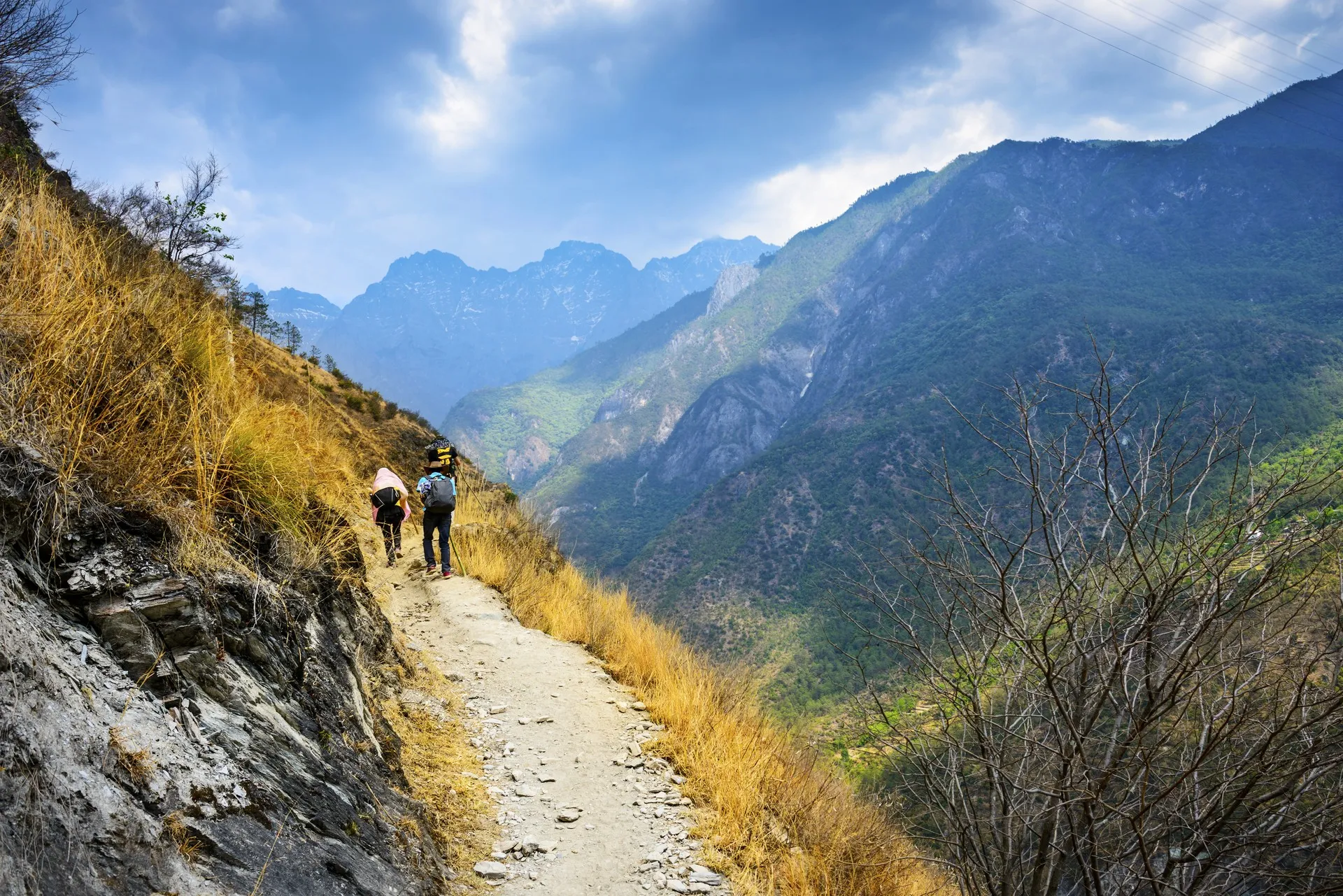
One of the most popular hiking routes begins at Ping'an Village and meanders through the terraces towards the vantage points of the "Seven Stars with Moon" and "Nine Dragons and Five Tigers." This trail, approximately two to three hours long, is perfect for those seeking a moderate hike with stunning panoramic views. As you ascend, the terraces unfold below you, offering a sweeping vista of the intricate patterns carved into the hillsides. The play of light and shadow across the fields is particularly mesmerizing during sunrise and sunset, rewarding hikers with unforgettable photographic opportunities.
For those seeking a more challenging adventure, the trail from Dazhai Village to the "Music from Paradise" observation point is a must. This route, which can take up to four hours round trip, leads hikers through dense forests and along ridges that provide unobstructed views of the terraces below. The journey is as rewarding as the destination, with each twist and turn revealing new perspectives on the landscape. The higher elevation of this trail also means cooler temperatures and the chance to spot unique flora and fauna native to the region.
Another hidden gem for avid hikers is the path connecting Ping'an and Dazhai villages. This cross-village trek offers a more immersive experience, taking you through lesser-known parts of the terraces and allowing for interactions with local farmers working in the fields. The route, which can take between five to six hours, showcases the diversity of the landscape, from lush bamboo groves to terraced fields stretching as far as the eye can see.
Regardless of the trail chosen, hiking in the Longji Rice Terraces is an opportunity to connect with nature and history. Along the way, hikers may encounter ancient stone pathways, traditional irrigation channels, and small shrines tucked into the hillsides, each adding to the rich tapestry of the region's cultural heritage. The trails also offer moments of tranquility, where the only sounds are the rustling of leaves and the distant calls of birds, providing a peaceful respite from the hustle and bustle of daily life.
When preparing for a hike in the Longji Rice Terraces, it is essential to wear sturdy footwear and bring plenty of water and snacks, as amenities are limited along the trails. Hiring a local guide can enhance the experience, offering insights into the history and culture of the area that might otherwise be overlooked. Whether you're a seasoned trekker or a casual walker, the hiking trails of the Longji Rice Terraces promise an unforgettable journey through one of China's most awe-inspiring landscapes.
Exploring the Longji Rice Terraces is not only a visual delight but also a culinary adventure that introduces travelers to the rich and diverse flavors of Guangxi. The local cuisine, deeply rooted in the traditions and natural bounty of the region, offers a taste of the unique cultural mosaic that defines this area. Sampling traditional dishes allows visitors to savor the essence of Guangxi's vibrant culinary heritage, which reflects the influence of its ethnic minorities and the abundance of local ingredients.

One of the standout dishes in this region is bamboo-tube rice, a simple yet flavorful delicacy that perfectly embodies the resourcefulness of the local people. This dish involves stuffing glutinous rice mixed with seasonal ingredients, such as beans, corn, or local herbs, into bamboo tubes, which are then roasted over an open flame. The bamboo imparts a subtle aroma to the rice, creating a harmonious blend of flavors that is both fragrant and satisfying. This traditional cooking method, passed down through generations, highlights the creative use of natural materials to enhance the dining experience.
Another must-try is the Longji spicy chicken, a dish that showcases the bold flavors favored in Guangxi cuisine. Prepared with free-range chickens sourced from the surrounding hills, the meat is marinated in a blend of local spices and chili peppers before being stir-fried to perfection. The result is a dish that is both spicy and savory, pairing beautifully with the subtle sweetness of bamboo-tube rice. This dish reflects the region's preference for using fresh, locally sourced ingredients to create robust and flavorful meals.
The area's love for pickled and fermented foods is evident in dishes like pickled bamboo shoots, which offer a tangy contrast to the richness of other local specialties. These bamboo shoots, harvested from the lush forests around the terraces, are pickled with garlic, ginger, and chili, resulting in a dish that is crisp, zesty, and full of umami. Pickled bamboo shoots are often served as a side dish or used to enhance the flavor of soups and stews, adding a refreshing twist to traditional recipes.
No exploration of Guangxi's culinary landscape would be complete without sampling local rice wine. This traditional beverage, often homemade, is crafted from glutinous rice and distilled using age-old techniques. The wine varies in flavor and potency, ranging from sweet and mild to strong and aromatic. Sipping a glass of rice wine while overlooking the terraces is a cultural experience that connects travelers to the land and its people, offering a moment of reflection and appreciation for the rich cultural tapestry that defines this region.
Dining in the Longji Rice Terraces allows visitors to not only enjoy traditional flavors but also engage with the cultural stories behind each dish. Meals often become a communal affair, where sharing food and stories strengthens bonds and fosters understanding. Whether sampling a simple bowl of rice or indulging in a feast of local specialties, the culinary journey through Guangxi promises to be as enriching and memorable as the landscapes themselves.
Photography enthusiasts visiting the Longji Rice Terraces will find themselves in a paradise of endless visual opportunities. Capturing the essence of this stunning landscape requires not only technical skill but also an appreciation for its cultural and natural beauty. Here are some photography tips to help you make the most of your visit and ensure your photos convey the awe-inspiring grandeur of Longji.
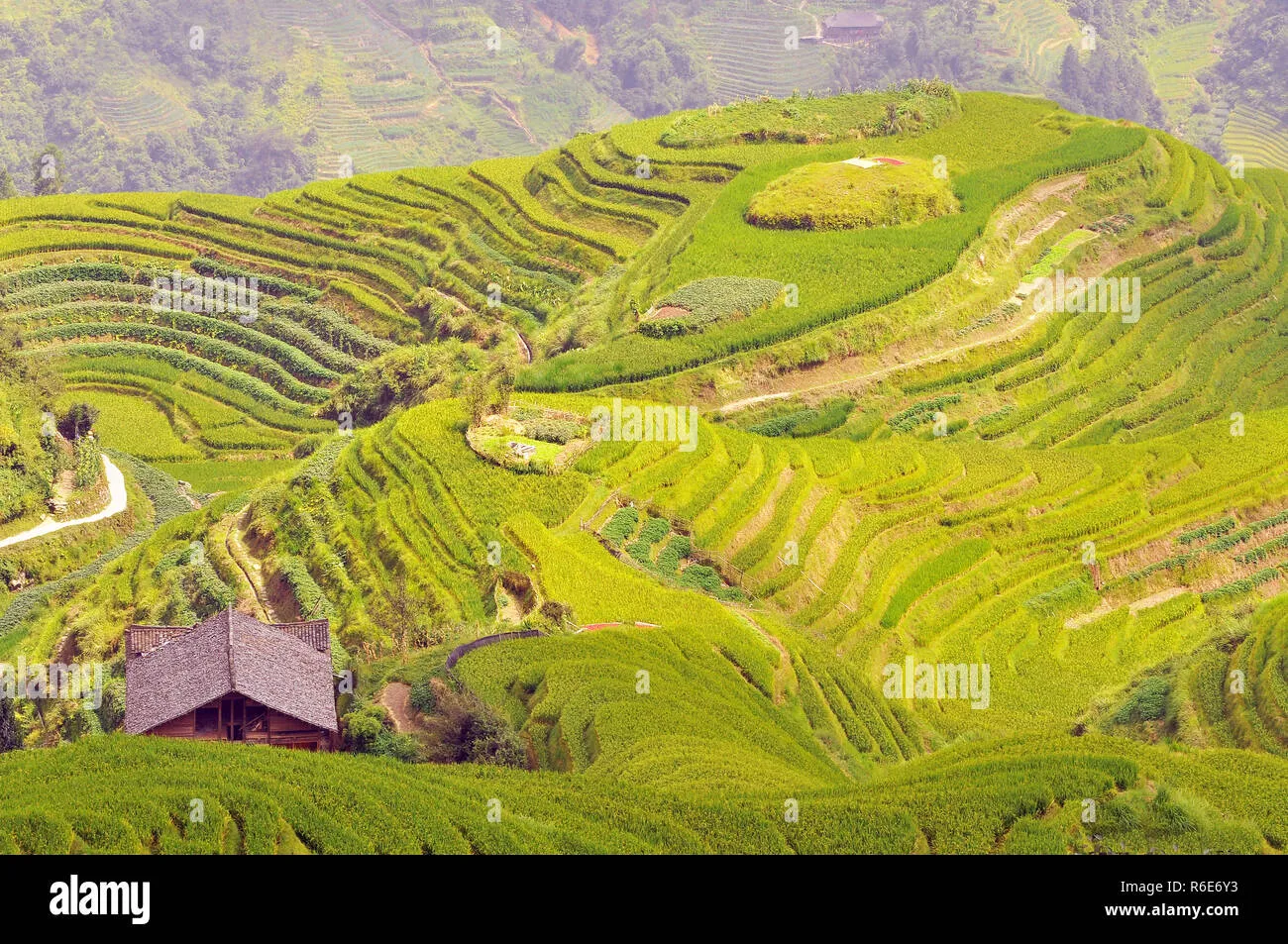
First and foremost, timing is crucial. The terraces reveal different facets of their beauty at various times of the day, with the golden hours of sunrise and sunset being particularly magical. During these times, the soft, diffuse light enhances the textures of the terraces, creating dramatic contrasts and shadows. The interplay of light and shadow adds depth to your images, making them more dynamic and engaging. Arriving early in the morning also means fewer tourists, allowing for unobstructed shots of the landscape.
Consider the seasons when planning your visit, as each one offers a unique palette of colors and textures. In spring, the flooded terraces reflect the sky, creating mesmerizing mirror-like effects that are perfect for capturing abstract compositions. Summer's lush greenery provides vibrant contrasts, while autumn's golden fields offer warm, rich tones. Winter, with its misty or snowy blankets, presents a serene and otherworldly atmosphere. Each season provides a distinct mood, allowing you to capture the terraces' ever-changing beauty.
Composition is key to creating captivating images. Utilize leading lines to draw the viewer's eye through the photo—the curves of the terraces naturally guide attention and can be used to create a sense of movement and flow. Experiment with different angles and perspectives to find unique compositions that highlight the terraces' intricate patterns. Climbing to higher vantage points, such as the observation decks in Ping'an and Dazhai, provides sweeping panoramic views that emphasize the vastness of the landscape.
Incorporate elements of local culture into your photographs to tell a more complete story. Capture the Zhuang and Yao people as they go about their daily activities, such as planting or harvesting, to add a human element to your images. Their traditional attire and agricultural practices provide vibrant and authentic subjects that enrich your visual narrative. Seek permission before photographing individuals, and use the opportunity to engage with them, enhancing both your connection and the depth of your images.
Lastly, consider the weather as an ally in your photography. Misty mornings and rainy days create a mystical ambiance, shrouding the terraces in a soft veil that adds an ethereal quality to your shots. Don't shy away from shooting in less-than-ideal conditions; these moments can yield some of the most memorable and atmospheric images of your trip.
With a thoughtful approach to timing, composition, and cultural context, you can transform your photographs from mere snapshots into evocative pieces of art that capture the true essence of the Longji Rice Terraces. These tips will not only enhance your photography skills but also deepen your appreciation for this extraordinary destination.
Sustainable tourism is crucial in preserving the Longji Rice Terraces, ensuring that this remarkable landscape continues to thrive for future generations. As more travelers are drawn to the area, it becomes increasingly important to balance the influx of visitors with the need to maintain the ecological and cultural heritage of the region. By adopting sustainable practices, both travelers and the local community can contribute to the ongoing protection and celebration of this unique destination.
The Longji Rice Terraces are not just a tourist attraction; they are a living testament to centuries of agricultural innovation and cultural resilience. Ensuring the sustainability of these terraces involves a collaborative effort between local communities, government bodies, and visitors. One of the primary goals is to minimize the environmental impact of tourism. This can be achieved through responsible waste management, reducing plastic use, and encouraging eco-friendly transportation options such as walking or using electric vehicles to navigate the area.
Engaging with local communities is also essential for sustainable tourism. Travelers can support the local economy by choosing to stay in locally owned accommodations, dining at family-run restaurants, and purchasing handmade crafts from local artisans. By doing so, visitors help to sustain the livelihoods of the Zhuang and Yao people, ensuring that the cultural traditions and knowledge that define this region continue to flourish. Participating in cultural workshops and guided tours led by local residents provides a deeper understanding of the area's heritage while fostering mutual respect and appreciation.
Education plays a vital role in promoting sustainable tourism at the Longji Rice Terraces. Informative programs and signage can help raise awareness about the importance of preserving the terraces' ecological and cultural integrity. Travelers are encouraged to learn about the traditional agricultural practices and the challenges faced by the local communities, gaining insights into the delicate balance between human activity and the natural environment. By understanding the significance of the terraces, visitors are more likely to take actions that support their preservation.
Conservation efforts are further bolstered by initiatives that focus on preserving the biodiversity of the region. The terraces and surrounding areas are home to a variety of plant and animal species, some of which are unique to the region. Protecting these ecosystems is vital for maintaining the ecological health of the terraces. Visitors can contribute by adhering to designated trails, respecting wildlife habitats, and participating in conservation projects that aim to restore native flora and fauna.
Ultimately, sustainable tourism at the Longji Rice Terraces is about creating a harmonious relationship between visitors and the environment. By embracing practices that minimize environmental impact, support local communities, and promote cultural understanding, travelers can play an active role in preserving the legacy of the terraces. This approach not only enhances the travel experience but also ensures that the beauty and cultural richness of the Longji Rice Terraces remain a source of inspiration and wonder for generations to come.
Explore Longji Rice Terraces in Guangxi, China stunning Dragon’s Backbone fields, ethnic culture, best villages, hiking, travel tips, and stay guide.

Embark on a cycling adventure through Mu Cang Chai's stunning rice terraces and immerse yourself in Vietnam's vibrant culture.
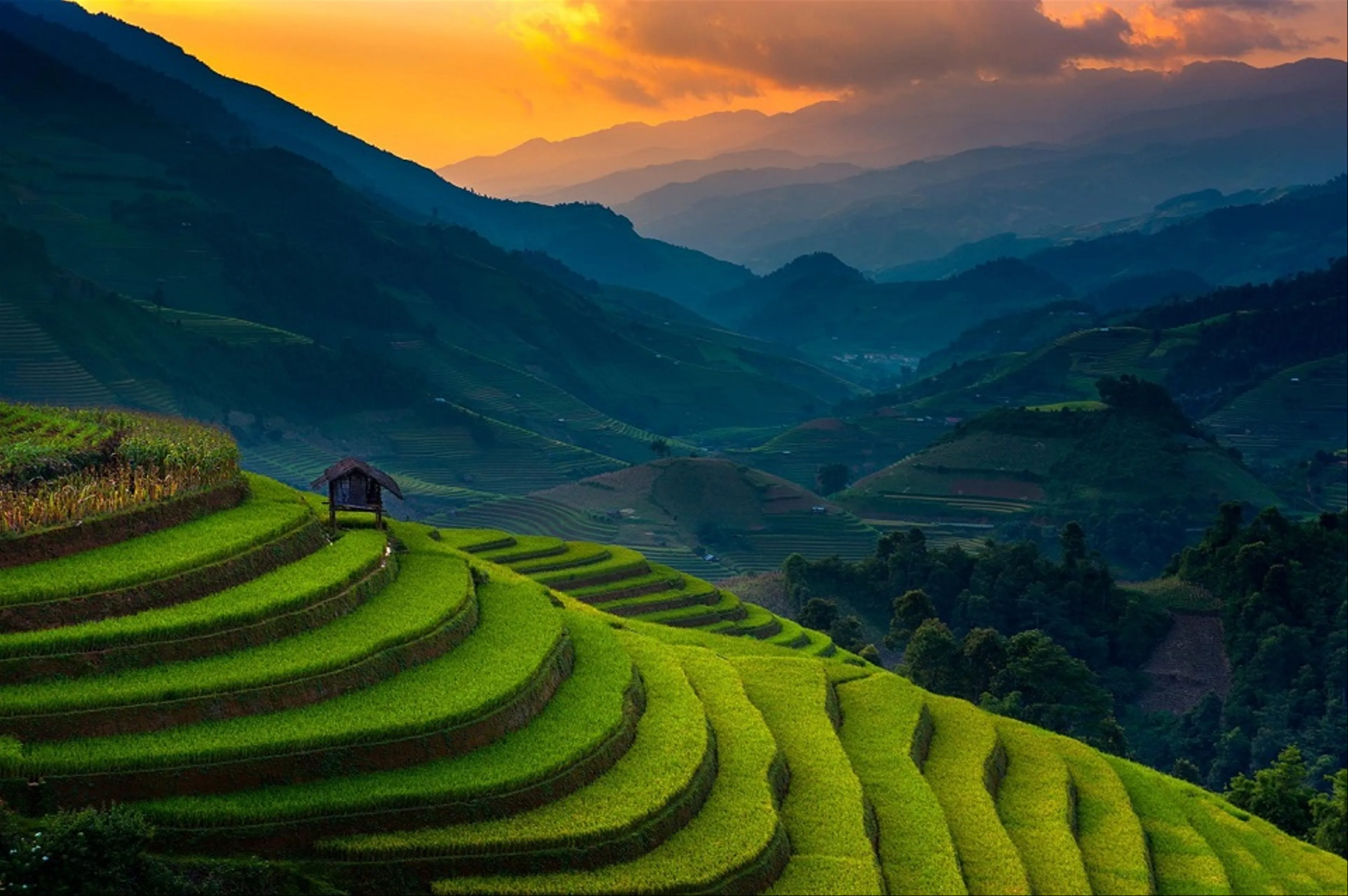
Unveil the serene beauty of Mu Cang Chai's rice terraces in Vietnam, a cultural and natural marvel for travelers.