Explore Guilin's stunning karst landscapes, vibrant culture, and timeless scenery in this captivating journey through southern China.
Nestled in the southern part of China, Guilin is a captivating city renowned for its dramatic karst landscapes that have inspired poets and artists for centuries. This natural wonderland is characterized by its limestone peaks, which rise majestically from the earth, casting reflections in the rivers that weave their way through the region. The unique topography of Guilin offers a visual feast that sets the stage for a journey through one of China's most picturesque destinations.
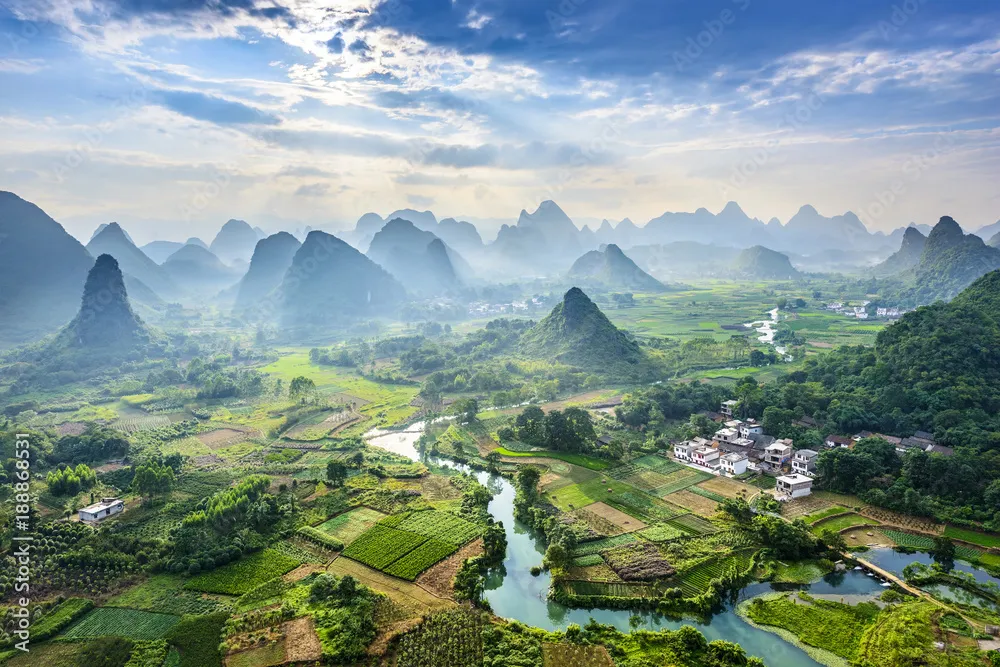
The formation of these karst landscapes dates back millions of years, as a result of the dissolution of soluble rocks such as limestone, dolomite, and gypsum. Over time, this geological process has sculpted the region into a stunning tableau of steep hills, mysterious caves, and serene waterways. These natural sculptures not only define the skyline of Guilin but also create a sense of wonder for travelers who venture here to witness nature's artistic prowess.
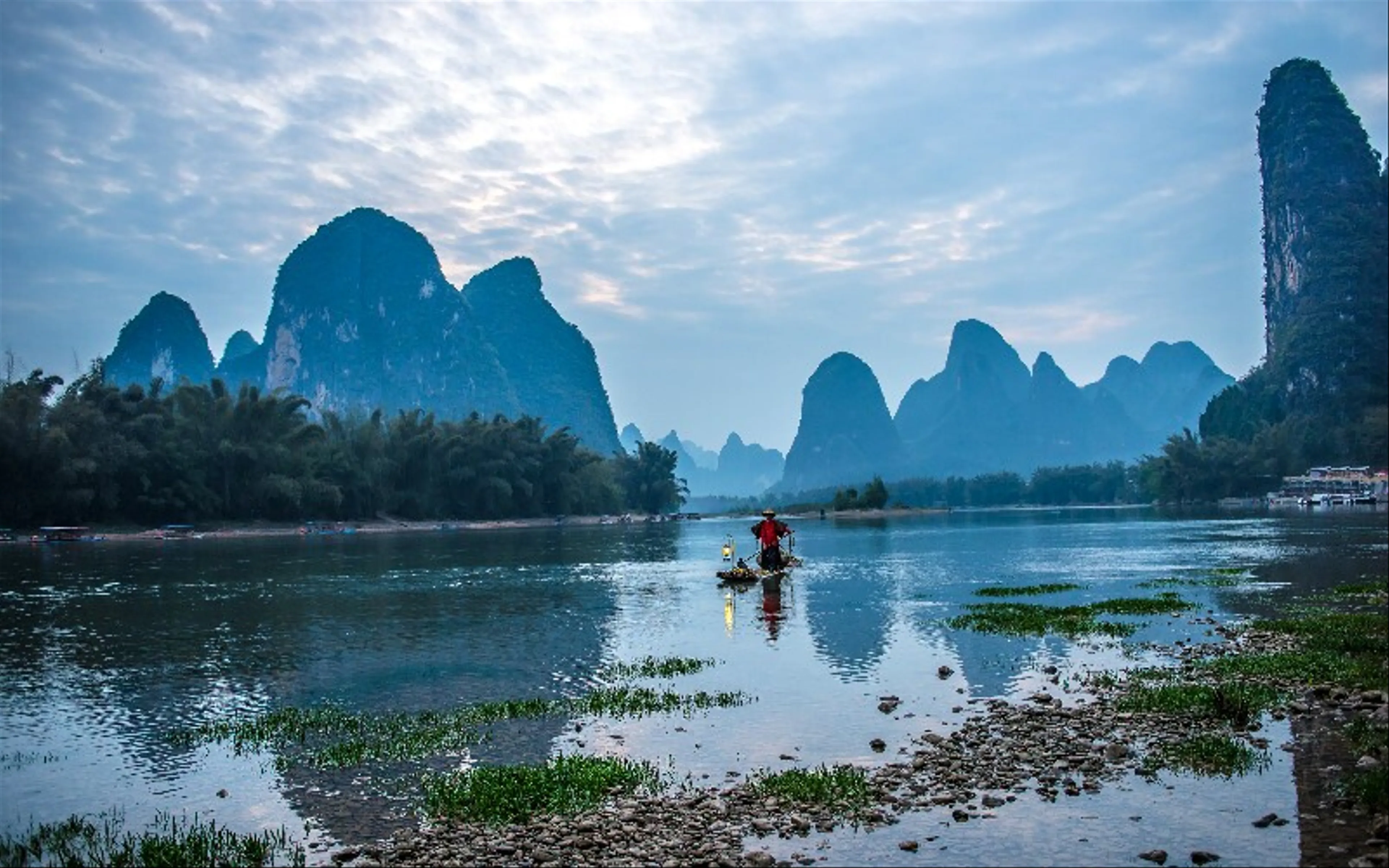
What makes Guilin's karst scenery particularly enchanting is the harmonious blend of water and rock. The Li River, often described as a jade belt winding through Guilin, is the lifeblood of the area, providing a stunning contrast to the rugged cliffs and spires that flank its banks. This interplay between water and stone creates a dynamic and ever-changing landscape that captivates visitors at every turn, especially during sunrise and sunset when the light dances across the limestone faces.
Beyond its visual appeal, Guilin's karst landscapes hold great cultural significance. The region has long been a source of inspiration for traditional Chinese paintings and literature, embodying the essence of natural beauty that is deeply rooted in Chinese cultural identity. This connection to art and culture is ever-present in the local communities, who draw on their surroundings to inform their customs, art, and way of life.
As travelers explore Guilin, they are not simply witnessing a geographical phenomenon, but are also stepping into a living gallery where nature and culture are intricately intertwined. Whether you embark on a river cruise, hike through lush trails, or capture the scenery with your camera, Guilin's karst landscapes promise an unforgettable journey into the heart of China's natural and cultural heritage.
The Li River, stretching over 80 kilometers from Guilin to Yangshuo, is often hailed as one of the world's most beautiful waterways. This scenic wonder is a centerpiece of Guilin's natural allure, offering a tranquil passage through some of the most breathtaking landscapes in China. A journey along the Li River is more than just a visual delight; it's a voyage into the heart of the region's cultural and natural heritage.

As you glide along the river's jade-green waters, you'll be greeted by an ever-changing panorama of karst peaks, each with its own unique silhouette and story. Among these, the famed Elephant Trunk Hill and Nine Horse Fresco Hill stand out, their names inspired by the shapes they resemble and the legends they carry. The riverbanks are dotted with traditional fishing villages, where life unfolds at a gentle pace, offering glimpses into the enduring traditions of the local people, including the ancient art of cormorant fishing.
A river cruise is perhaps the most popular way to experience the Li River. Boats of various sizes and styles set sail from Guilin, offering everything from short, leisurely trips to full-day excursions that include stops at key landmarks. As you drift downstream, the serene environment invites reflection and relaxation, with the distant sounds of nature providing a soothing soundtrack to your journey. The interplay of mist and light over the limestone formations creates an ethereal atmosphere, particularly enchanting in the early morning or late afternoon.
For those seeking a more intimate encounter with the Li River, bamboo rafting offers a closer connection to the water and its surroundings. These traditional rafts, maneuvered by skilled local boatmen, allow travelers to experience the river's gentle flow and the beauty of its banks at a leisurely pace. The smaller, quieter vessels can access areas larger boats cannot, offering a unique perspective of the river's hidden gems.
The Li River is not just a natural marvel but also a muse for countless artists and poets throughout Chinese history. Its scenic vistas have been immortalized in classical Chinese paintings and literature, capturing the imagination of those who seek to portray the tranquility and majesty of nature. Today, the river continues to inspire visitors from around the world, drawing photographers, painters, and nature enthusiasts eager to capture its timeless beauty.
Whether you choose to explore the Li River by cruise or raft, you will find yourself immersed in a landscape that is as serene as it is dramatic. The journey along the Li is a testament to the power of nature to inspire and rejuvenate, offering a peaceful escape into one of China's most iconic settings. As you travel its length, you'll come to understand why the Li River is considered a scenic wonder, revered not only for its stunning beauty but also for its profound cultural significance.
Yangshuo, located just downstream from Guilin, is a vibrant town that perfectly encapsulates the harmonious blend of natural splendor and cultural richness found in this part of China. Known for its idyllic countryside and artistic vibe, Yangshuo offers travelers a unique opportunity to immerse themselves in both the breathtaking karst landscapes and the vibrant tapestry of local life.

Surrounded by dramatic limestone peaks and lush green fields, Yangshuo is a haven for outdoor enthusiasts. The town's picturesque setting provides the perfect backdrop for a range of activities, from cycling along the scenic Yulong River to rock climbing on the sheer cliffs that attract adventurers from around the globe. For those seeking a more relaxed pace, leisurely walks through the countryside reveal serene vistas and hidden villages where traditional Chinese life continues much as it has for centuries.
The charm of Yangshuo extends beyond its natural beauty. The town itself is a lively hub of cultural experiences, offering a window into the region's rich heritage. West Street, the heart of Yangshuo, is famed for its eclectic mix of shops, cafes, and restaurants, where visitors can sample local delicacies such as beer fish and rice noodles. The street comes alive with the sounds of street performers and the buzz of market vendors, creating a vibrant atmosphere that invites exploration.
One of the highlights of a visit to Yangshuo is the opportunity to witness the Impression Liu Sanjie, a spectacular outdoor performance that takes place on the Li River. Directed by famed Chinese filmmaker Zhang Yimou, this show features a cast of hundreds of local performers who bring to life the legends and folklore of the region through music, dance, and stunning visual effects, all set against the natural backdrop of the illuminated karst mountains.
Beyond its artistic offerings, Yangshuo provides a gateway to understanding the cultural traditions that have shaped this region. Visitors can partake in cooking classes to learn the secrets of authentic Chinese cuisine, or engage in Tai Chi sessions along the riverbanks, guided by masters who teach this ancient art form. Exploring the local markets and workshops, travelers can observe artisans at work, crafting everything from intricate embroidery to bamboo crafts, ensuring that the cultural heritage of the area is preserved and celebrated.
Yangshuo is not simply a destination to be visited; it is a place to be experienced. Whether you are captivated by the allure of its natural wonders or the depth of its cultural narratives, Yangshuo offers a journey of discovery that resonates on both a personal and profound level. This gem of a town invites travelers to pause, reflect, and connect with the essence of China’s karst heartland, leaving an indelible impression long after the journey ends.
Exploring the Reed Flute Cave in Guilin is akin to stepping into a subterranean gallery of natural artistry, where the hand of time has sculpted extraordinary formations. Known as the "Palace of Natural Arts," this remarkable cave is a testament to the beauty hidden beneath the earth’s surface. Named after the reed plants growing outside its entrance, which have long been used to make flutes, the Reed Flute Cave has captivated visitors with its dazzling display of stalactites, stalagmites, and rock formations for over a millennium.

As you enter this limestone cave, you are greeted by a cool, mystical atmosphere, enhanced by the soft glow of colored lights strategically placed to highlight the intricate shapes and textures of the rock formations. These lights add an enchanting vibrancy to the natural sculptures, bringing the cave's features to life in a kaleidoscope of colors. Each chamber within the Reed Flute Cave unfolds like a scene from a fantastical tale, with formations taking on shapes that resemble mythical creatures, grand palaces, and distant landscapes.
One of the most famous formations within the cave is the "Crystal Palace of the Dragon King," a vast chamber that can house large gatherings and is often used for music performances due to its impressive acoustics. The cave’s natural formations, such as the "Pine Tree" and the "Mushroom Hill," spark the imagination, allowing visitors to interpret the shapes according to their own stories and legends. This imaginative exercise is a part of the cave's charm, inviting each visitor to see something new and personal within its walls.
Beyond its visual splendor, Reed Flute Cave is steeped in history and legend. Ancient inscriptions dating back to the Tang Dynasty can be found on its walls, offering a glimpse into the cave’s long-standing role as a source of inspiration and wonder for those who have sought its mysteries. These inscriptions not only add to the cave’s historical significance but also connect modern-day explorers with those who marveled at its beauty centuries ago.
For those interested in geology, the Reed Flute Cave provides a fascinating insight into the natural processes that shape our world. The formations are the result of thousands of years of mineral deposits left by dripping water, a slow and deliberate artistry that underscores the power of nature to create enduring beauty. Guided tours offer detailed explanations of these processes, allowing visitors to appreciate the scientific marvels that contribute to the cave’s ethereal charm.
Visiting the Reed Flute Cave is a journey into the heart of nature’s creativity, where every corner reveals a new masterpiece carved by time. It is an experience that appeals to both the senses and the intellect, offering a profound appreciation for the natural world’s ability to inspire awe and wonder. For travelers in Guilin, the Reed Flute Cave is an essential destination, promising an unforgettable encounter with the hidden artistry of the earth.
Venturing into the Longji Rice Terraces, often called the "Dragon's Backbone," is a journey into a landscape where human ingenuity meets the natural world in perfect harmony. Located about 100 kilometers from Guilin, these terraces represent centuries of agricultural innovation by the Zhuang and Yao ethnic minorities. Carved into the hillsides with precision, the terraces transform the rugged mountains into a cascading tapestry of verdant fields, providing a striking visual spectacle that changes with the seasons.

The name "Dragon's Backbone" is derived from the terraces' resemblance to the scales of a dragon stretching across the mountains. This stunning feat of engineering dates back to the Yuan Dynasty, with the most significant development occurring during the Ming Dynasty. The terraces cover an area of about 66 square kilometers, with some fields reaching elevations of 1,100 meters. This intricate system not only maximizes arable land but also demonstrates a sustainable approach to agriculture that has been passed down through generations.
Visiting the Longji Rice Terraces offers an opportunity to witness firsthand the symbiotic relationship between the local communities and their environment. The terraces are not merely a visual wonder; they are an integral part of the local economy and culture. The Zhuang and Yao people continue to cultivate rice here, adhering to traditional farming methods that have been honed over the centuries. As you explore the terraces, you may encounter farmers tending to their crops or witness the vibrant community life that revolves around the planting and harvest cycles.
The visual allure of the Longji Rice Terraces is matched by their seasonal transformations. In spring, the terraces are filled with water, creating a mirror-like surface that reflects the sky and surrounding peaks. Summer brings lush green paddies, a vibrant emerald cloak that blankets the hillsides. As autumn approaches, the fields turn golden, a shimmering sea of grain ready for harvest. Winter cloaks the terraces in a layer of mist and frost, offering a serene and contemplative beauty.
To truly experience the Longji Rice Terraces, consider embarking on one of the many hiking trails that wind through the region. These paths offer panoramic views and connect you with the villages that dot the landscape, such as Ping'an and Dazhai. Each village has its own unique charm and provides a glimpse into the traditional lifestyles of the Zhuang and Yao people. Staying in a local guesthouse offers an immersive experience, allowing you to savor traditional meals and engage with the community.
The Longji Rice Terraces are more than just a scenic destination; they are a testament to the enduring bond between humans and nature. This harmonious blend of agriculture and landscape serves as a reminder of the resilience and creativity of the people who call this place home. For travelers to Guilin, a visit to the Longji Rice Terraces is a chance to connect with a rich cultural heritage while marveling at one of China's most breathtaking natural wonders.
Guilin's culinary landscape is as captivating as its natural scenery, offering travelers a delicious journey through the flavors of southern China. The region's cuisine is characterized by its unique blend of ingredients, rich flavors, and traditional cooking techniques that reflect the cultural diversity and agricultural bounty of the area. From street food stalls to elegant restaurants, Guilin presents a feast for the senses, inviting you to savor its distinctive tastes and textures.

At the heart of Guilin's culinary offerings is the famous Guilin rice noodles, a staple dish that locals enjoy at any time of day. These silky, smooth noodles are typically served in a savory broth made from slow-cooked pork bones, infused with a blend of spices and topped with a variety of garnishes such as pickled vegetables, peanuts, and thinly sliced meats. The result is a comforting and flavorful dish that captures the essence of Guilin's culinary tradition.
Another must-try delicacy is the beer fish, a specialty of Yangshuo. Made with freshly caught fish from the Li River, this dish is cooked with local beer, ginger, garlic, and chili peppers, creating a tantalizing combination of flavors that is both spicy and aromatic. The beer not only enhances the taste of the fish but also tenderizes it, ensuring a succulent and satisfying dining experience.
For those with a taste for adventure, Guilin's street food scene offers a plethora of delights. From crispy fried taro balls to savory skewers of grilled meat and vegetables, the streets are alive with the aroma of freshly cooked snacks. Be sure to try the stuffed snails, a local favorite, where river snails are filled with a mixture of pork, garlic, and spices, then steamed to perfection. This dish highlights the region's ingenuity in utilizing local ingredients to create something unique and flavorful.
In addition to its savory dishes, Guilin is also known for its sweet treats. Osmanthus jelly is a popular dessert that reflects the city's love for this fragrant flower, which blooms abundantly in the region. Made from osmanthus syrup and glutinous rice flour, this jelly is often served cold, offering a refreshing end to a meal. The subtle floral notes of the osmanthus add a delicate sweetness that is both refreshing and delightful.
Dining in Guilin also provides an opportunity to experience the cultural traditions of the local ethnic communities. The Zhuang and Yao people, who inhabit the surrounding areas, bring their own culinary heritage to the table. Traditional dishes such as bamboo-tube rice, where glutinous rice is cooked inside bamboo, and assorted wild game meats provide a unique taste of the region's diverse cultural tapestry.
As you explore Guilin, let its cuisine guide you through a journey of discovery, where each dish tells a story of the land and its people. Whether you are enjoying a simple bowl of rice noodles or indulging in a gourmet meal, the flavors of Guilin promise to be as memorable as the landscapes that surround you.
Guilin is not just a feast for the eyes with its stunning karst landscapes; it is also a treasure trove of cultural experiences that offer travelers a deep dive into the traditions and festivals of this vibrant region. The cultural tapestry of Guilin is woven from the histories and customs of its diverse ethnic communities, predominantly the Zhuang, Yao, Miao, and Dong people, each contributing unique elements to the area's rich cultural heritage.

One of the most vibrant cultural experiences in Guilin is the colorful array of traditional festivals celebrated throughout the year. Among these, the Zhuang's March 3rd Festival stands out as a highlight. Held on the third day of the third lunar month, this festival celebrates the coming of spring with music, dance, and brightly colored costumes. During this time, locals participate in traditional singing competitions known as "Gexu," where groups gather to exchange songs in a lively display of vocal prowess. Visitors are often welcomed to join in the festivities, providing a unique opportunity to witness and participate in the cultural vibrancy of the Zhuang community.
The Dragon Boat Festival, celebrated on the fifth day of the fifth lunar month, is another significant event in Guilin. This festival is marked by exciting dragon boat races on the city's rivers, where teams paddle in sync to the rhythmic beating of drums. The event is a thrilling spectacle, drawing large crowds who come to cheer on the competitors. Alongside the races, traditional foods such as zongzi—glutinous rice dumplings wrapped in bamboo leaves—are enjoyed, adding to the festive atmosphere.
Cultural immersion in Guilin goes beyond festivals. Travelers can explore the daily life and customs of the local communities by visiting the traditional villages scattered throughout the region. Each village offers its own unique charm, with architecture, crafts, and customs that have been preserved for generations. In the Yao villages, for instance, visitors can witness the intricate art of weaving and embroidery, skills that have been passed down through the centuries. The vibrant textiles created by the Yao women are renowned for their vivid colors and intricate patterns, often used in traditional clothing and ceremonial attire.
For a more interactive experience, consider attending a traditional cooking class or a handcraft workshop. Many local communities offer classes where you can learn to create traditional dishes or crafts, such as bamboo weaving or calligraphy. These hands-on activities not only provide insight into the region's cultural practices but also offer a chance to create a personal memento of your time in Guilin.
Guilin’s cultural experiences are further enriched by the presence of ancient temples and historical sites that dot the landscape. These sacred spaces, often nestled amidst the spectacular karst formations, offer a serene retreat and a glimpse into the spiritual life of the region. Visiting these sites allows travelers to appreciate the fusion of natural beauty and spiritual reflection that characterizes much of Guilin’s cultural identity.
Whether you are participating in a local festival, exploring traditional villages, or engaging in cultural workshops, the cultural experiences in Guilin offer a profound connection to the history and traditions that have shaped this remarkable region. Each encounter with the local customs and festivities provides a deeper understanding of the diverse cultural mosaic that forms the heart of Guilin, making your journey truly unforgettable.
Visiting Guilin is a rewarding experience that combines breathtaking natural beauty with rich cultural heritage. To make the most of your journey, it's essential to prepare with practical travel tips that will enhance your adventure and ensure a smooth, memorable trip.

Firstly, consider the best time to visit Guilin. The city experiences a subtropical climate with distinct seasons, so timing can greatly affect your experience. Spring (March to May) and autumn (September to November) are ideal, offering mild weather and stunning scenery, especially in the rice terraces and along the Li River. Summer can be hot and humid, while winter is cooler and occasionally misty, which can lend a mystical atmosphere to the landscape but may limit outdoor activities.
When it comes to accommodation, Guilin offers a range of options to suit all budgets and preferences. From luxury hotels with river views to charming guesthouses in Yangshuo and rural homestays in the Longji Rice Terraces, there’s something for everyone. Booking in advance, especially during peak travel seasons and festivals, is advisable to secure the best options and prices.
Transportation within Guilin is convenient, with various modes available to explore the region. Buses and taxis are readily available in the city, while renting a bicycle in Yangshuo allows for a leisurely exploration of the scenic countryside. For longer distances, consider using the efficient high-speed trains that connect Guilin with major Chinese cities like Guangzhou and Shenzhen, making it easier to include Guilin in a broader China itinerary.
Language can be a barrier, as English is not widely spoken outside tourist areas. It's helpful to learn some basic Mandarin phrases or use translation apps to assist with communication. Additionally, carrying a hotel card or address written in Chinese can be useful when taking taxis or asking for directions.
Currency in Guilin is the Chinese Yuan (CNY), and while credit cards are accepted in larger hotels and some restaurants, it's a good idea to carry cash, especially in rural areas and markets. ATMs are widely available in the city, but ensure your card is compatible with Chinese banking systems.
When it comes to dining, don't shy away from trying local street food and regional specialties. However, be mindful of food safety by choosing stalls that are popular with locals, and ensure that food is cooked thoroughly. Drinking bottled or boiled water is recommended, as tap water may not be potable.
Respect for local customs and traditions is important when visiting Guilin. Dress modestly when visiting temples and rural villages, and always ask permission before photographing people, especially in ethnic minority areas. Engaging with locals politely and showing appreciation for their culture enhances mutual respect and enriches your travel experience.
Finally, staying connected is easier with a local SIM card or portable Wi-Fi device, which can be purchased upon arrival at the airport or in the city. This will help you navigate more easily and keep in touch with family and friends.
With these practical tips in mind, you are well-prepared to explore Guilin's natural wonders and cultural treasures. Embrace the adventure, and let the enchanting landscapes and warm hospitality of Guilin leave a lasting impression on your journey through China.
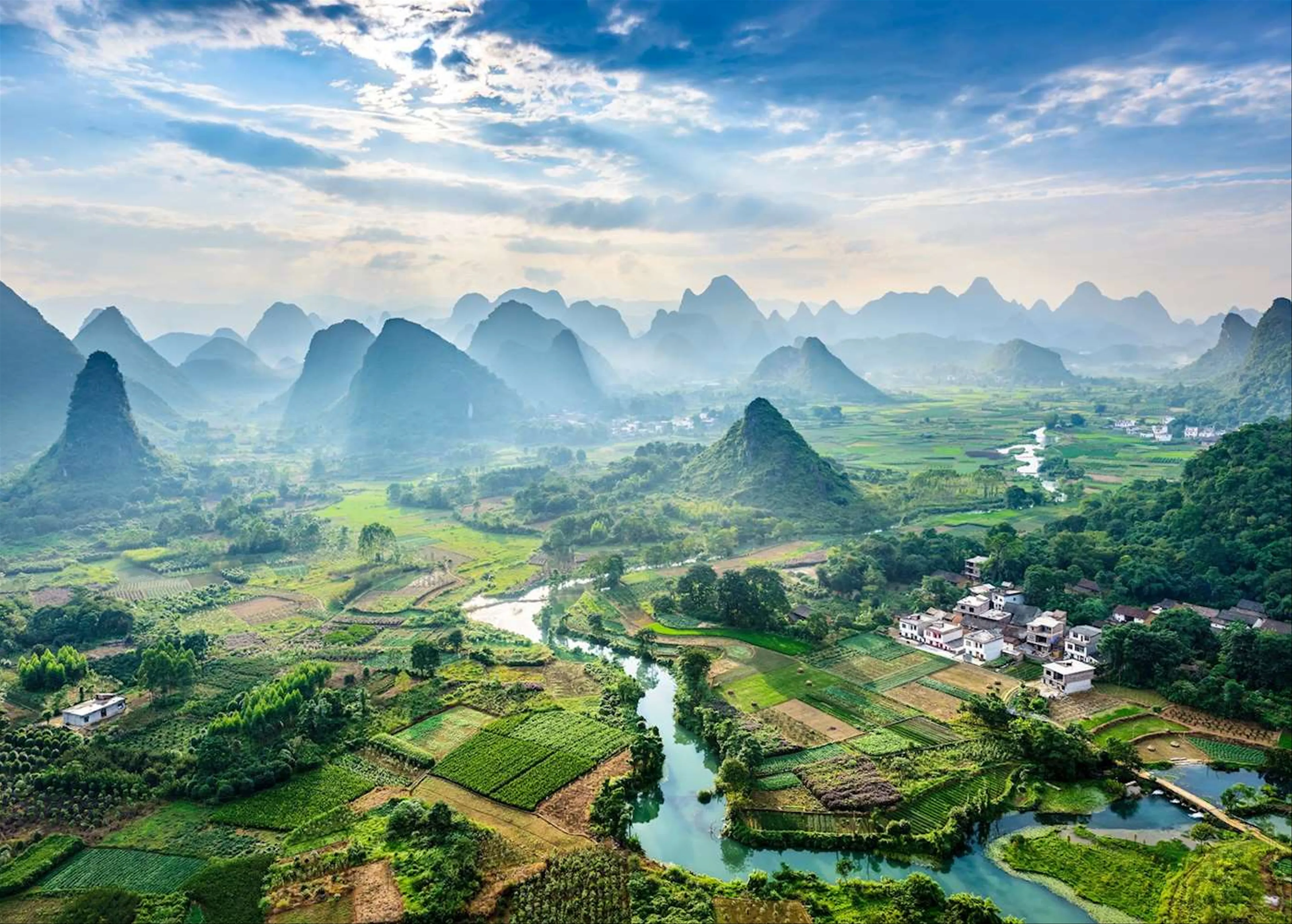
Explore Yangshuo's stunning karst mountains in Guilin, China. Uncover a hidden gem with breathtaking landscapes and rich cultural experiences.
Embark on a kayaking adventure in Guilin, China, and explore its stunning karst landscapes and tranquil waterways.
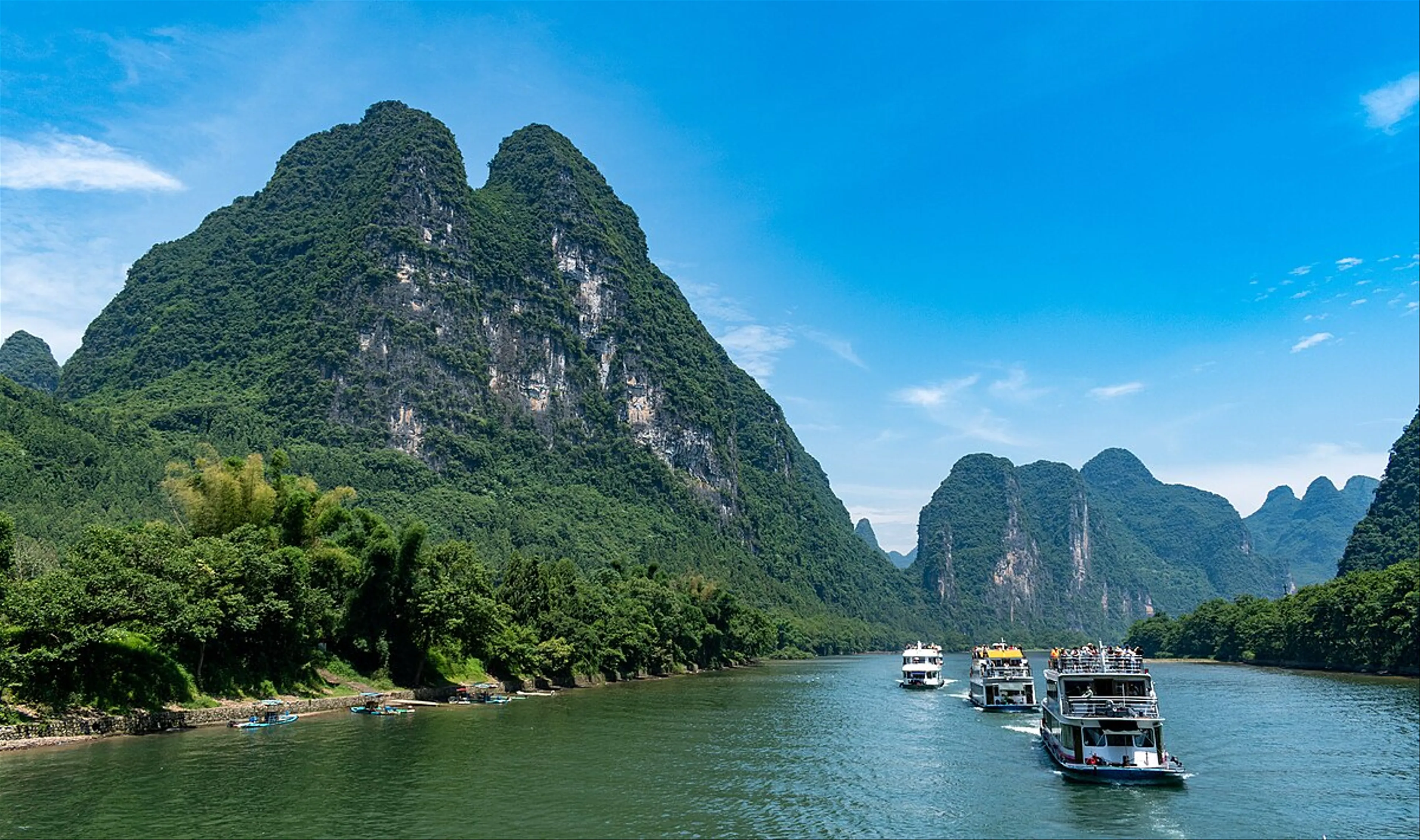
Discover the Li River Cruise from Guilin to Yangshuo. Scenic karst peaks, bamboo rafting, highlights, tickets & tips for an unforgettable China travel experience.