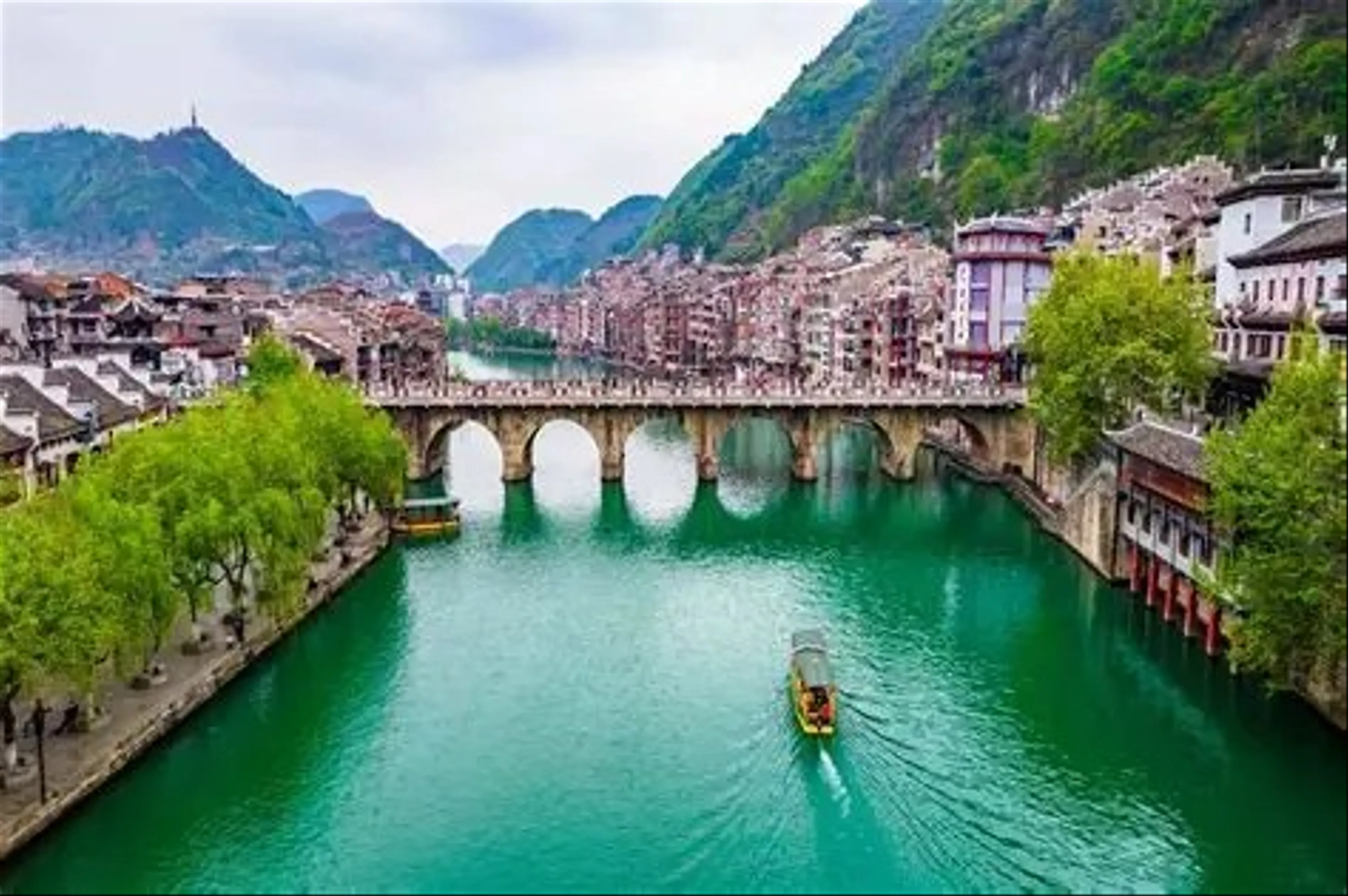

Embark on a kayaking adventure in Guilin, China, and explore its stunning karst landscapes and tranquil waterways.
Guilin, a mesmerizing city nestled in southern China, is renowned for its stunning natural beauty that has captivated travelers for centuries. This enchanting destination is a kayaker's paradise, offering an awe-inspiring backdrop of limestone karsts, emerald rivers, and lush vegetation. The landscape here is unlike any other, presenting a serene yet dramatic setting that invites exploration and adventure.

The region's geological wonders are a result of millions of years of natural sculpting. The iconic karst formations, with their steep, rugged peaks, rise majestically from the ground, creating a surreal vista that seems almost otherworldly. These formations are often shrouded in mist, adding a mystical quality to the landscape that has inspired countless artists and poets throughout history.
Guilin's natural allure extends beyond its towering peaks. The Li River, winding gracefully through this picturesque terrain, is the lifeblood of the region. Its clear, jade-green waters are flanked by lush bamboo groves and terraced rice paddies, providing the perfect setting for a tranquil kayaking adventure. As you glide through the water, you'll be treated to panoramic views of the landscape, with each bend in the river revealing new and breathtaking scenes.
Beyond its physical beauty, Guilin holds a rich cultural tapestry that adds depth to its natural wonders. The local Zhuang, Yao, and Dong ethnic minorities have long inhabited these lands, and their traditions and customs add a fascinating cultural dimension to the region. Visitors are often charmed by the warm hospitality and vibrant folklore that permeates the area, offering a unique glimpse into the lives of those who call Guilin home.
For those seeking an immersive experience in nature, Guilin offers a perfect blend of adventure and tranquility. Whether you're paddling through the serene waters of the Li River or exploring hidden caves and lush valleys, Guilin promises a journey of discovery in one of the world's most breathtaking landscapes.
The Li River offers a kayaking experience that is both exhilarating and serene, allowing adventurers to immerse themselves in the heart of Guilin's breathtaking landscapes. As you embark on your kayaking journey, you'll find yourself surrounded by the majestic limestone karsts that rise dramatically from the riverbanks. Each stroke through the jade-green waters unveils a new perspective, as the river's gentle current guides you past scenic vistas and secluded spots that are inaccessible by foot.

One of the most remarkable aspects of kayaking on the Li River is the sense of tranquility that envelops you. The river is relatively calm, making it an ideal choice for both novice and experienced kayakers. As you paddle along, the soothing sounds of nature create a peaceful soundtrack, with the occasional call of a kingfisher or the gentle rustle of bamboo leaves in the breeze enhancing the experience.
For those seeking the ultimate kayaking adventure, consider embarking on a sunrise or sunset paddle. The golden hues of dawn and dusk cast a magical glow over the river, transforming the landscape into a living painting. The interplay of light and shadow on the karst formations is a sight to behold, and the cool, refreshing air adds to the sensory delight. These times of day also tend to be less crowded, allowing for a more intimate connection with the natural world.
Along the way, you'll have the opportunity to explore the river's hidden gems. Small, uninhabited islands and pristine beaches offer perfect spots to pause and soak in the surroundings. You might even encounter local fishermen practicing traditional cormorant fishing, a centuries-old technique that offers a glimpse into the region's cultural heritage. Engaging with these artisans provides an enriching cultural exchange and a deeper appreciation for the area’s local traditions.
Safety is paramount when kayaking, and the Li River is generally considered safe for paddlers. However, it's advisable to check weather conditions before setting out and to wear appropriate gear, including a life vest. Many local tour operators offer guided kayaking tours, which can be an excellent option for those unfamiliar with the area or seeking added insight into the region's natural and cultural treasures.
In conclusion, kayaking on the Li River is not just an adventure; it's a journey through one of the most stunning natural sceneries on Earth. The combination of serene waters, awe-inspiring landscapes, and rich cultural encounters makes it a must-do experience for any traveler to Guilin. Whether you're seeking solitude, adventure, or cultural immersion, the Li River offers a kayaking experience that will linger in your memory long after the journey ends.
While the Li River often garners the spotlight for its iconic beauty, the Yulong River, a tributary of the Li, offers a more secluded and intimate kayaking experience. Nestled away from the bustling tourist routes, the Yulong River is often referred to as a hidden gem, providing paddlers with a serene escape into Guilin's untouched landscapes.
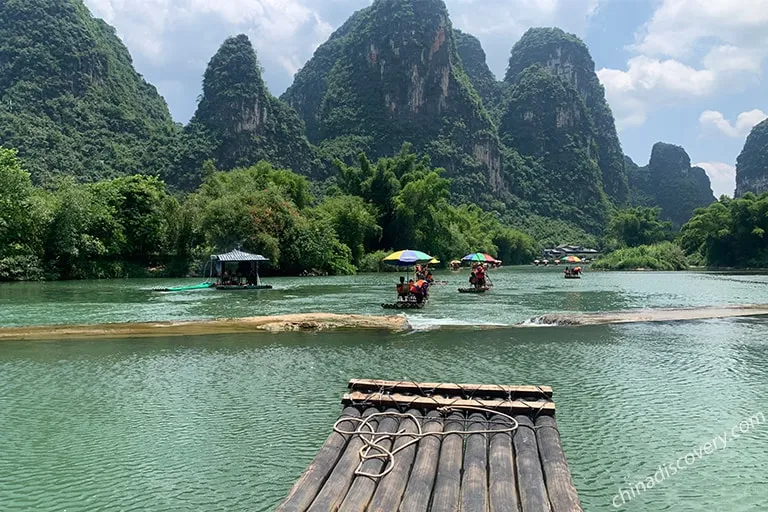
The Yulong River meanders gently through a landscape dotted with quaint villages, traditional farms, and bamboo groves, offering a glimpse into the rural life of southern China. As you paddle, you'll be enveloped in a peaceful ambiance, with the gentle lapping of water against your kayak and the distant echoes of bird calls creating a natural symphony. The river is notably calmer than its famous counterpart, making it ideal for leisurely exploration and perfect for those who want to absorb the tranquil beauty at their own pace.
One of the most captivating aspects of the Yulong River is its unique blend of natural and man-made beauty. As you journey along, you'll encounter ancient stone bridges that span the river, their arches reflected in the clear waters below. These bridges, some dating back to the Ming and Qing dynasties, add a touch of historical charm to the landscape, standing as testaments to the architectural prowess of their builders. Paddling beneath these structures, one can't help but feel a connection to the past, imagining the generations of locals who have crossed these bridges over the centuries.
The Yulong River also offers the opportunity to engage with the local culture in a more personal setting. As you navigate the gentle bends of the river, you might spot farmers tending to their rice paddies or water buffaloes grazing along the banks. These encounters provide a window into the traditional lifestyles that have remained largely unchanged over the years, offering a rare and authentic cultural experience.
Adventure-seekers will find joy in the Yulong River's numerous small rapids and weirs, which add a splash of excitement to the tranquil paddling experience. These features are generally mild, making them accessible to kayakers of all skill levels, while still providing a thrill for those eager to test their paddling skills.
To fully appreciate the Yulong River's charm, consider timing your visit during the early morning or late afternoon. The soft light during these times enhances the natural beauty, casting a warm glow over the landscape and making for stunning photographic opportunities. Whether you're an avid photographer or simply seeking to soak in the scenery, these moments are sure to be highlights of your kayaking adventure.
For those who wish to delve deeper into the region's offerings, guided tours are available, providing insights into the ecology and history of the area. These tours often include visits to nearby villages, where you can interact with locals and learn more about their customs and way of life. Such experiences enrich your journey, adding layers of understanding and appreciation for the region's cultural and natural heritage.
Exploring the Yulong River by kayak is more than just a journey through picturesque landscapes; it's an opportunity to connect with nature and culture in a profound way. Its serene waters, coupled with the allure of its rural surroundings, make the Yulong River a must-visit for travelers seeking a more intimate adventure in Guilin's enchanting realm. Whether you're paddling solo or in a group, the Yulong River promises an unforgettable experience that captures the essence of China's hidden beauty.
Guilin's landscapes are not only visually stunning but also steeped in cultural significance, embodying a deep connection between the natural environment and the rich heritage of the local communities. The region's dramatic karst formations, tranquil rivers, and lush vegetation have inspired countless works of art, literature, and folklore, reflecting the profound impact of these landscapes on Chinese culture and identity.

Historically, Guilin has served as a muse for poets and painters throughout the ages. The Song Dynasty poet Fan Chengda once wrote of its beauty, capturing the ethereal quality of the region's misty peaks and serene waters. Likewise, numerous traditional Chinese paintings feature the distinctive karst formations, embodying the harmony between nature and human creativity. These artistic expressions have not only immortalized Guilin's landscapes but have also played a significant role in shaping the cultural narrative of the region.
The significance of Guilin's landscapes extends beyond artistic inspiration. The region's natural features hold spiritual importance for the local ethnic minorities, including the Zhuang, Yao, and Dong people. The karst mountains are often regarded as sacred sites, believed to be the abodes of spirits and deities. This spiritual connection is reflected in local legends and rituals, where the landscapes play a central role in the cultural and religious practices of these communities.
The Li and Yulong Rivers, which snake through this picturesque setting, are considered vital lifelines for the people of Guilin. Historically, these waterways have facilitated trade and transportation, fostering cultural exchange and economic prosperity. The rivers are also central to various local festivals and ceremonies, such as the Dragon Boat Festival, where traditional boat races celebrate the harmony between humans and the waterways that sustain them.
Guilin's landscapes also embody the principles of Feng Shui, an ancient Chinese art that emphasizes the balance and flow of energy in the environment. The harmonious arrangement of mountains and rivers is believed to create an auspicious setting that brings prosperity and well-being to those who inhabit the area. This cultural belief underscores the intrinsic value that the Chinese place on harmony with nature, further elevating the significance of Guilin's landscapes.
In recent years, efforts to preserve and promote Guilin's cultural heritage have gained momentum, recognizing the importance of sustaining these landscapes for future generations. Environmental conservation initiatives and cultural heritage programs aim to protect the natural beauty and cultural traditions of the region, ensuring that Guilin remains a testament to the enduring relationship between people and their environment.
Ultimately, Guilin's landscapes are not merely a backdrop for adventure; they are a living tapestry of cultural significance and historical depth. For travelers, exploring these landscapes offers a unique opportunity to engage with the rich heritage and traditions that define this enchanting part of China, fostering a deeper appreciation for the intricate interplay between nature and culture.
Embarking on a kayaking adventure in Guilin means preparing yourself for a harmonious blend of nature's wonders and cultural encounters. Whether you're a beginner eager to dip your paddle into the waters for the first time or an expert kayaker with miles of experience behind you, the following tips will ensure you make the most of your journey on these legendary rivers.
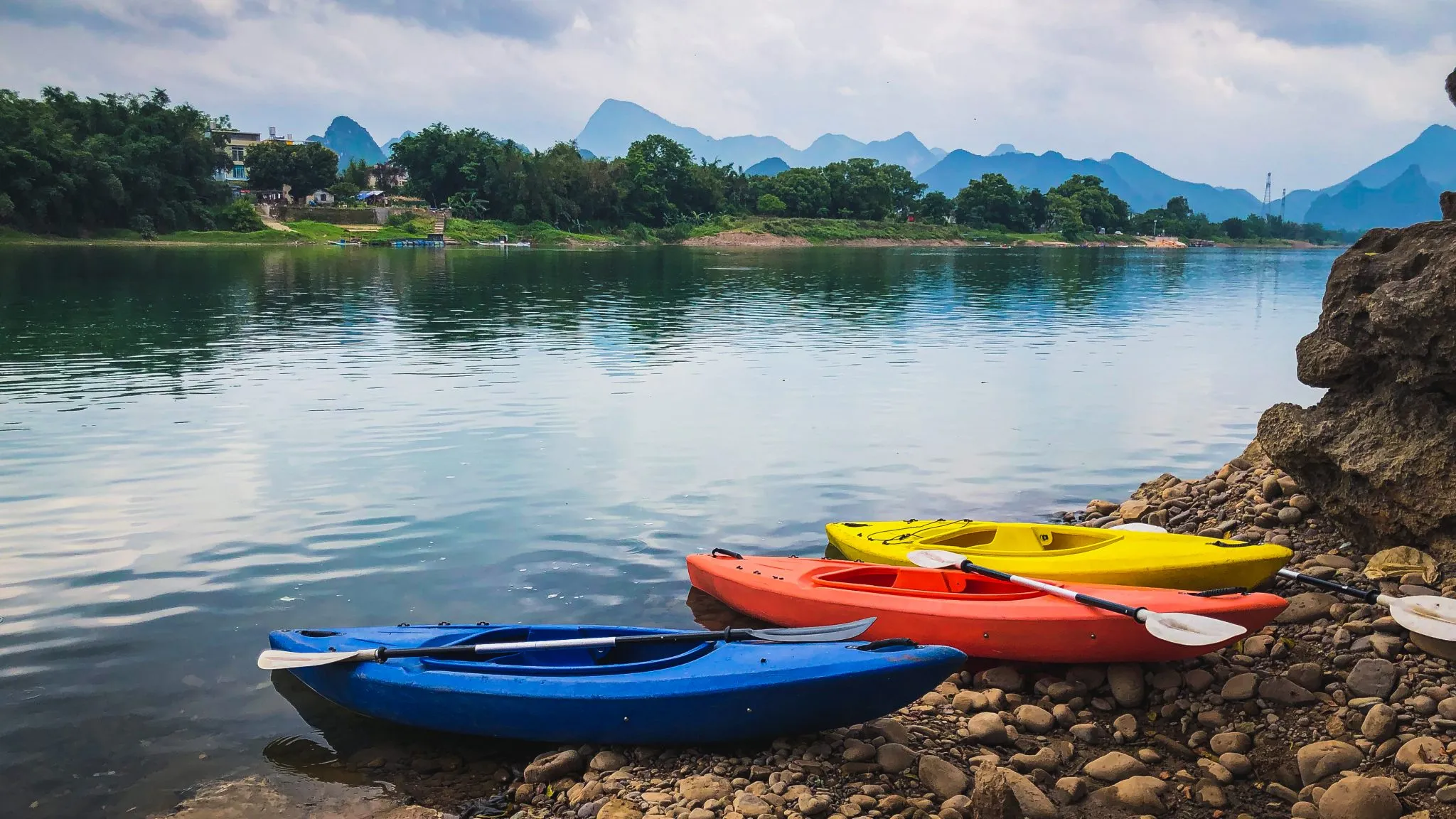
For beginners, the key to a successful kayaking experience is starting with the basics. Opt for a stable, sit-on-top kayak, which is generally easier to maneuver and provides greater ease of entry and exit. Before setting out, familiarize yourself with the equipment, including the paddle and life jacket, and practice basic paddling techniques such as forward strokes and turning. Local tour operators often offer introductory lessons, which can be immensely helpful in building your confidence on the water.
Experts, on the other hand, might want to challenge themselves by exploring more varied sections of the river. The Li and Yulong Rivers offer different degrees of difficulty, with the Yulong's gentle rapids adding a bit of thrill to the experience. Consider bringing your own gear if you're well-versed in kayaking, as having familiar equipment can enhance your performance and enjoyment. Additionally, seasoned kayakers may want to attempt longer routes or venture into lesser-known tributaries for a more secluded experience.
Regardless of your skill level, safety should always be a top priority. Check the weather forecast before embarking on your journey, as sudden changes in weather can affect river conditions. Always wear a life jacket, and if you're new to the area, consider joining a guided tour. These tours not only ensure your safety but also provide valuable insights into the local ecology and culture, enriching your overall experience.
Pay attention to your surroundings and respect the natural environment. Avoid disturbing wildlife and refrain from leaving any waste behind. This principle of 'leave no trace' is crucial in preserving the pristine beauty of Guilin's rivers for future generations. Additionally, engaging with local communities respectfully enhances your travel experience. Learn a few basic phrases in Mandarin or the local dialects, as this effort is often warmly appreciated by the residents.
For those looking to capture memories, water-resistant cameras or cases for your devices are a must. The breathtaking landscapes provide endless opportunities for stunning photography, particularly during the golden hours of sunrise and sunset. Whether capturing the ethereal mist over the karsts or the intricate reflections on the river’s surface, these images will serve as lasting reminders of your adventure.
Ultimately, kayaking in Guilin is about embracing the journey, not just the destination. Whether you’re taking in the tranquility of the Yulong River or the grandeur of the Li River, each paddle stroke brings you closer to the heart of this magical landscape. As you navigate these storied waters, allow yourself to be fully present, absorbing the sights, sounds, and sensations that make Guilin a kayaker's dream.
Planning your kayaking adventure in Guilin requires careful consideration of the seasons, as each offers unique experiences and challenges. The best times to visit for a kayaking adventure are typically during the spring (March to May) and autumn (September to November) months. These periods offer a harmonious blend of pleasant weather and striking natural beauty, enhancing your journey through Guilin's captivating landscapes.

Spring is a delightful time to explore the waterways of Guilin. As the region awakens from winter, the landscape bursts into vibrant shades of green, with blooming flowers and fresh foliage adorning the banks of the rivers. The temperatures during this season are moderate, averaging between 15°C to 25°C (59°F to 77°F), making it comfortable for outdoor activities. The occasional light rains in spring add a mystical quality to the scenery, with gentle mists enveloping the karst formations and creating an atmospheric backdrop for your kayaking excursion.
Autumn is equally enchanting, offering a kaleidoscope of colors as the foliage turns to warm hues of red, orange, and gold. The weather during this season is similarly mild, with temperatures ranging from 18°C to 28°C (64°F to 82°F). The clear, crisp air of autumn provides excellent visibility, allowing for stunning panoramic vistas as you paddle along the rivers. This season is also characterized by minimal rainfall, ensuring calmer waters and more predictable kayaking conditions.
While summer (June to August) brings lush greenery and robust river flows, it also comes with higher temperatures and increased humidity, often reaching up to 35°C (95°F). Additionally, this period coincides with the region's rainy season, which can lead to unpredictable weather patterns and potential flooding. These factors can make kayaking more challenging and less comfortable for some travelers.
Winter (December to February) in Guilin is relatively mild compared to other parts of China, with temperatures typically ranging from 8°C to 15°C (46°F to 59°F). However, the cooler temperatures and reduced daylight hours may not be ideal for everyone. Despite this, the winter months offer their own charm, with fewer tourists and a serene, tranquil atmosphere that appeals to those seeking solitude and reflection.
To make the most of your kayaking adventure, it's advisable to check the local weather forecast closely and plan your trip to coincide with the more favorable conditions of spring or autumn. These seasons not only provide optimal weather for kayaking but also coincide with various local festivals and cultural events, enriching your travel experience with opportunities to engage with the vibrant traditions of the region.
Ultimately, the best time to visit Guilin for a kayaking adventure depends on your personal preferences and what you hope to experience. Whether it's the blooming vibrancy of spring or the golden tranquility of autumn, each season offers a unique perspective on the mystical landscapes that define this enchanting destination.
Exploring Guilin's mystical landscapes is undoubtedly a feast for the eyes, but the region also offers a culinary journey that delights the palate. Guilin's local cuisine is a vibrant tapestry of flavors, drawing inspiration from its diverse ethnic communities and the abundant natural resources of southern China. Each dish tells a story, reflecting the cultural heritage and traditional practices that have been passed down through generations.
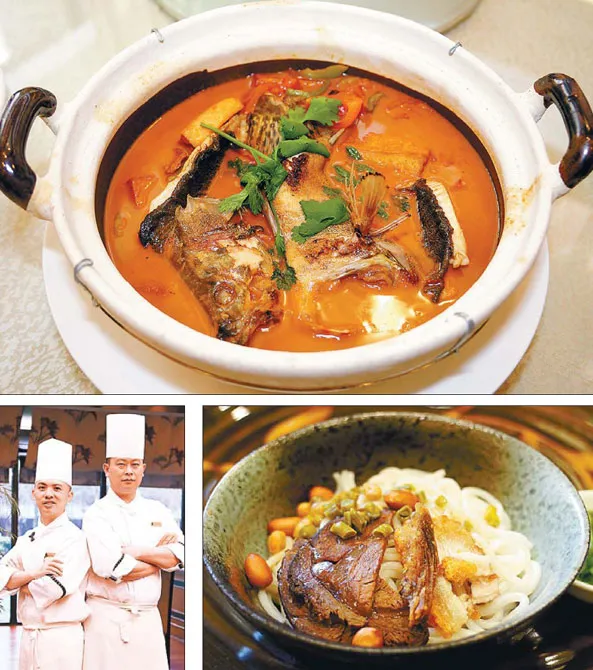
One of the most iconic dishes that travelers must try is Guilin Rice Noodles (桂林米粉, Guìlín Mǐfěn). This beloved local specialty is a staple in the region, revered for its simplicity and flavorful broth. The dish typically consists of silky rice noodles bathed in a savory broth made from pork or beef bones, seasoned with a variety of herbs and spices. It is often garnished with thinly sliced meats, pickled vegetables, peanuts, and chili oil, allowing for a customizable burst of flavors with every bite. Each vendor has their own secret recipe, making every bowl a unique experience.
Another must-try delicacy is the Lipu Taro Looped Meat (荔浦芋头扣肉, Lìpǔ Yùtou Kòuròu), a dish that showcases the region's agricultural wealth. This hearty dish features tender slices of pork belly cooked with slices of taro, a root vegetable native to the area. The ingredients are marinated and steamed together, allowing the flavors to meld beautifully. The result is a dish with a rich, savory taste and a soft, melt-in-your-mouth texture that epitomizes comfort food at its finest.
For those with an adventurous spirit, the local specialty known as Steamed Li River Fish (漓江蒸鱼, Líjiāng Zhēng Yú) offers a taste of the region's aquatic bounty. Sourced from the pristine waters of the Li River, the fish is typically steamed with ginger, garlic, and soy sauce to enhance its delicate flavors. This method of preparation showcases the freshness of the fish and emphasizes the natural sweetness of its flesh. It's a simple yet elegant dish that highlights the culinary philosophy of letting high-quality ingredients shine.
The influence of the region's ethnic minorities is also evident in dishes such as Yao Ethnic Bamboo Rice. This traditional dish involves packing sticky rice, meats, and spices into bamboo tubes, which are then roasted over an open flame. The bamboo imparts a subtle fragrance to the rice, creating a distinctive and aromatic flavor profile. This method of cooking not only preserves the moisture and nutrients of the ingredients but also connects diners to the cultural practices of the Yao people.
No culinary exploration of Guilin would be complete without sampling its local snacks. Osmanthus Jelly (桂花糕, Guìhuā Gāo) is a popular sweet treat, made from osmanthus flowers, which are abundant in the region. The jelly is lightly sweetened and infused with the floral aroma of osmanthus, offering a refreshing contrast to the more savory dishes. It's a delightful way to conclude a meal and a nod to Guilin's floral heritage.
Dining in Guilin is not just about savoring delicious food; it's an opportunity to engage with the traditions and stories that define this remarkable region. Whether you're sampling street food from bustling night markets or enjoying a meal at a local family-run restaurant, each bite is a step deeper into the cultural tapestry of Guilin. As you indulge in the local cuisine, you'll find that the flavors of Guilin are as enchanting and memorable as the landscapes themselves.
Preserving the natural wonders of Guilin is not only a responsibility but a crucial part of ensuring that this breathtaking region can be enjoyed by future generations. As a destination renowned for its stunning karst landscapes and serene waterways, Guilin faces the growing pressures of tourism and development. Embracing sustainable tourism practices is essential for maintaining the ecological balance and cultural integrity that make Guilin a unique and cherished destination.
Sustainable tourism in Guilin involves a commitment to minimizing environmental impact while maximizing the benefits for local communities. One of the key strategies is promoting eco-friendly practices among both visitors and tour operators. This includes encouraging the use of non-motorized boats, like kayaks, for exploring the rivers. Such low-impact activities reduce pollution and disturbance to aquatic life, helping to preserve the pristine quality of the waterways.
The local government and various organizations have also implemented programs aimed at conserving Guilin’s natural habitats. These initiatives focus on protecting the diverse flora and fauna that thrive in the region's unique ecosystems. Efforts are made to control the number of visitors to sensitive areas, ensuring that the natural environment is not overwhelmed by foot traffic and human activity. This careful management helps maintain the ecological balance and prevents degradation of vital habitats.
Community involvement plays a significant role in sustainable tourism efforts in Guilin. By supporting local businesses, such as family-run guesthouses, traditional craft shops, and local food vendors, tourists can contribute directly to the economic well-being of the area. This approach not only enhances the visitor experience through authentic cultural interactions but also empowers local residents to prioritize conservation efforts and sustainable practices in their livelihoods.
Education is another cornerstone of sustainable tourism in Guilin. Visitors are encouraged to learn about the region's natural and cultural heritage, gaining a deeper understanding of the importance of conservation. Guided tours often include educational components that highlight the significance of preserving Guilin's landscapes and offer insights into the local customs and traditions that are intertwined with the natural environment.
To further support sustainable tourism, travelers are encouraged to adhere to the principles of 'leave no trace.' This means minimizing waste, using designated paths, and respecting wildlife and local communities. Simple actions, such as bringing reusable water bottles and bags, can significantly reduce plastic waste, which is a growing concern in many tourist areas.
Collaborative efforts between government bodies, environmental organizations, and the tourism industry are vital for the ongoing success of sustainable tourism in Guilin. By working together, these stakeholders can develop and implement policies that protect the region's natural beauty while promoting responsible tourism practices.
Ultimately, preserving Guilin's natural wonders requires a collective effort from all who visit and cherish this extraordinary landscape. By embracing sustainable tourism, travelers can enjoy the enchanting beauty of Guilin while contributing to the safeguarding of its ecological and cultural heritage, ensuring that its mystical landscapes continue to inspire and captivate for generations to come.
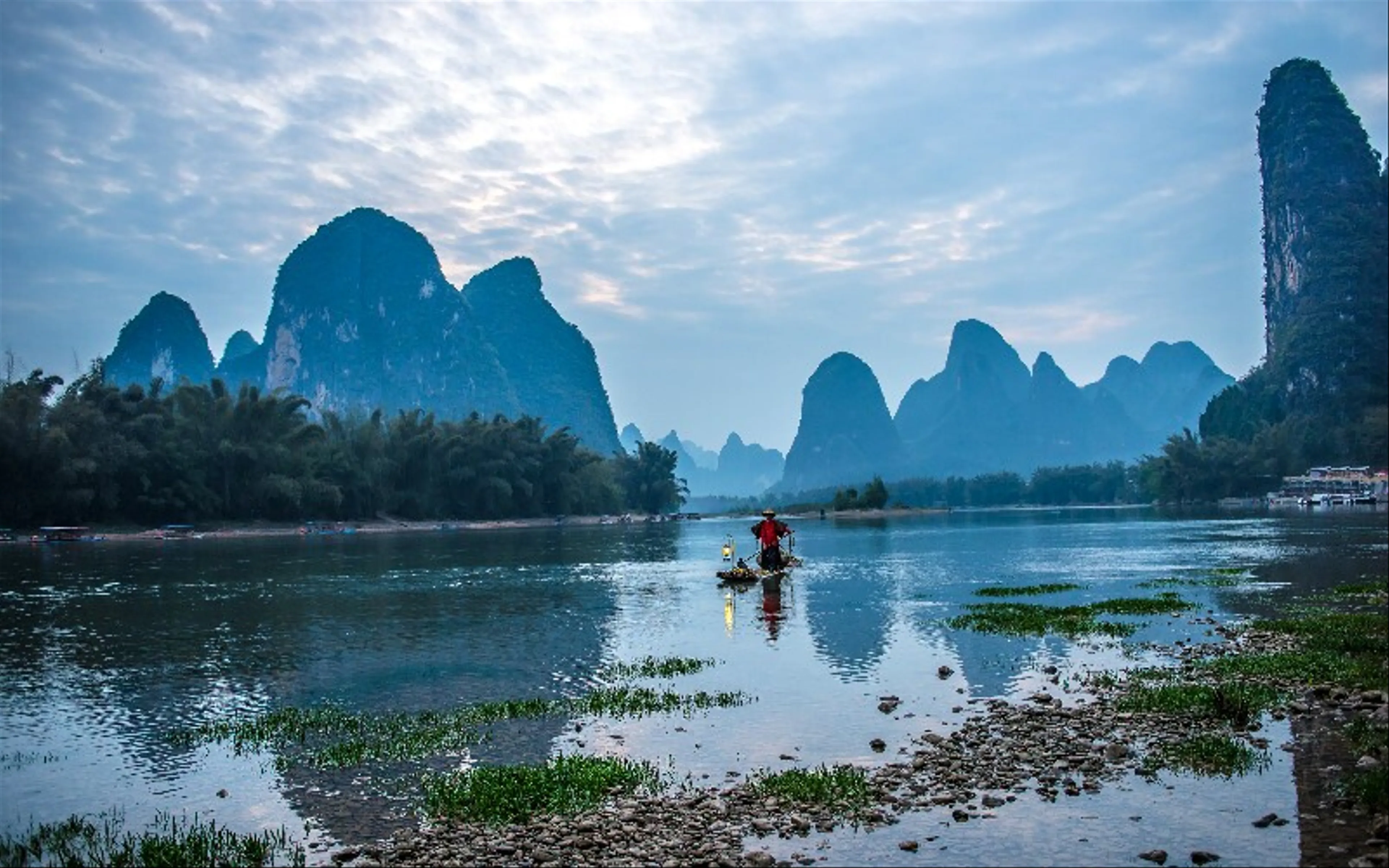
Explore Guilin's stunning karst landscapes, vibrant culture, and timeless scenery in this captivating journey through southern China.
Explore Yangshuo's stunning karst mountains in Guilin, China. Uncover a hidden gem with breathtaking landscapes and rich cultural experiences.
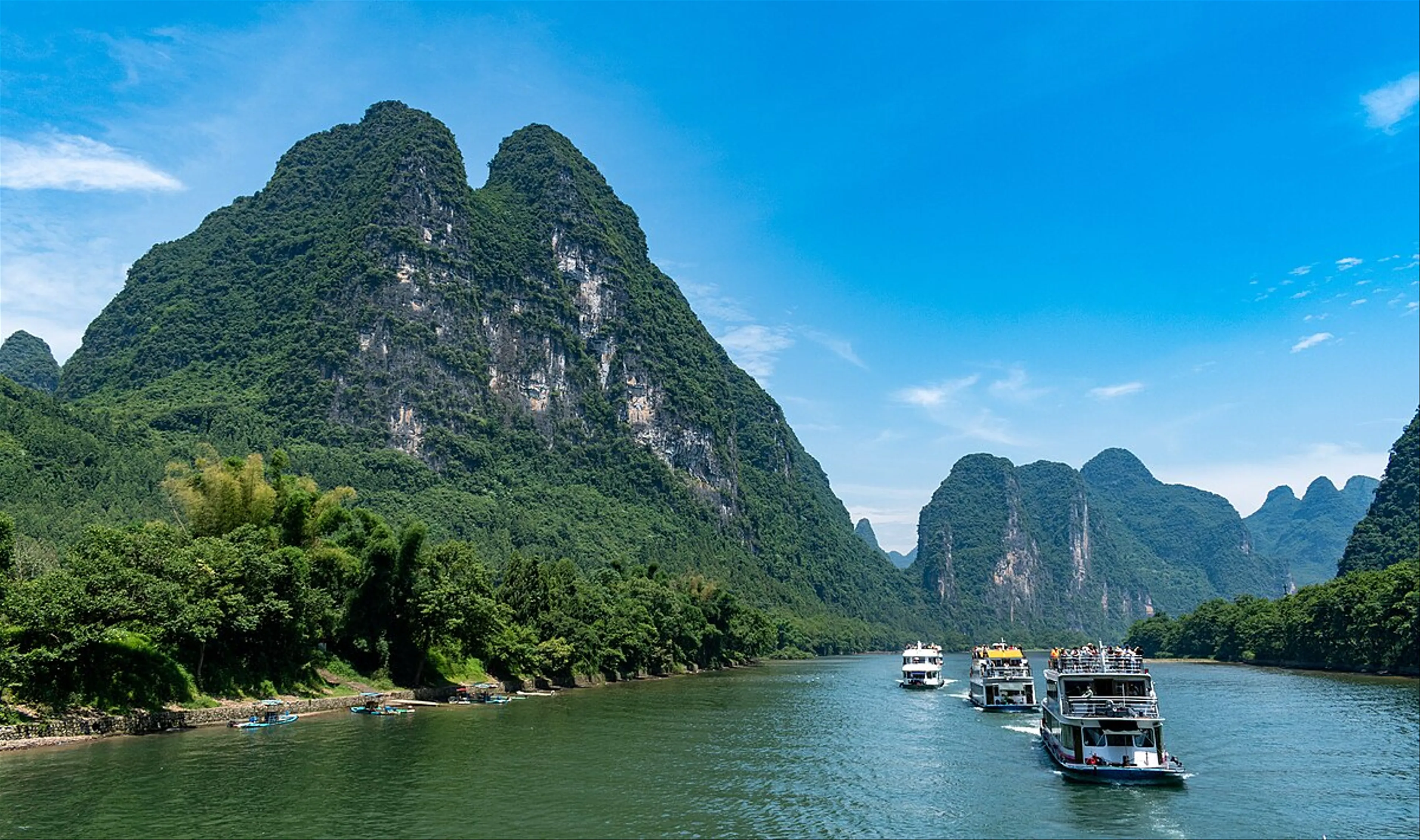
Discover the Li River Cruise from Guilin to Yangshuo. Scenic karst peaks, bamboo rafting, highlights, tickets & tips for an unforgettable China travel experience.