Explore Longji Rice Terraces in Guangxi, China stunning Dragon’s Backbone fields, ethnic culture, best villages, hiking, travel tips, and stay guide.
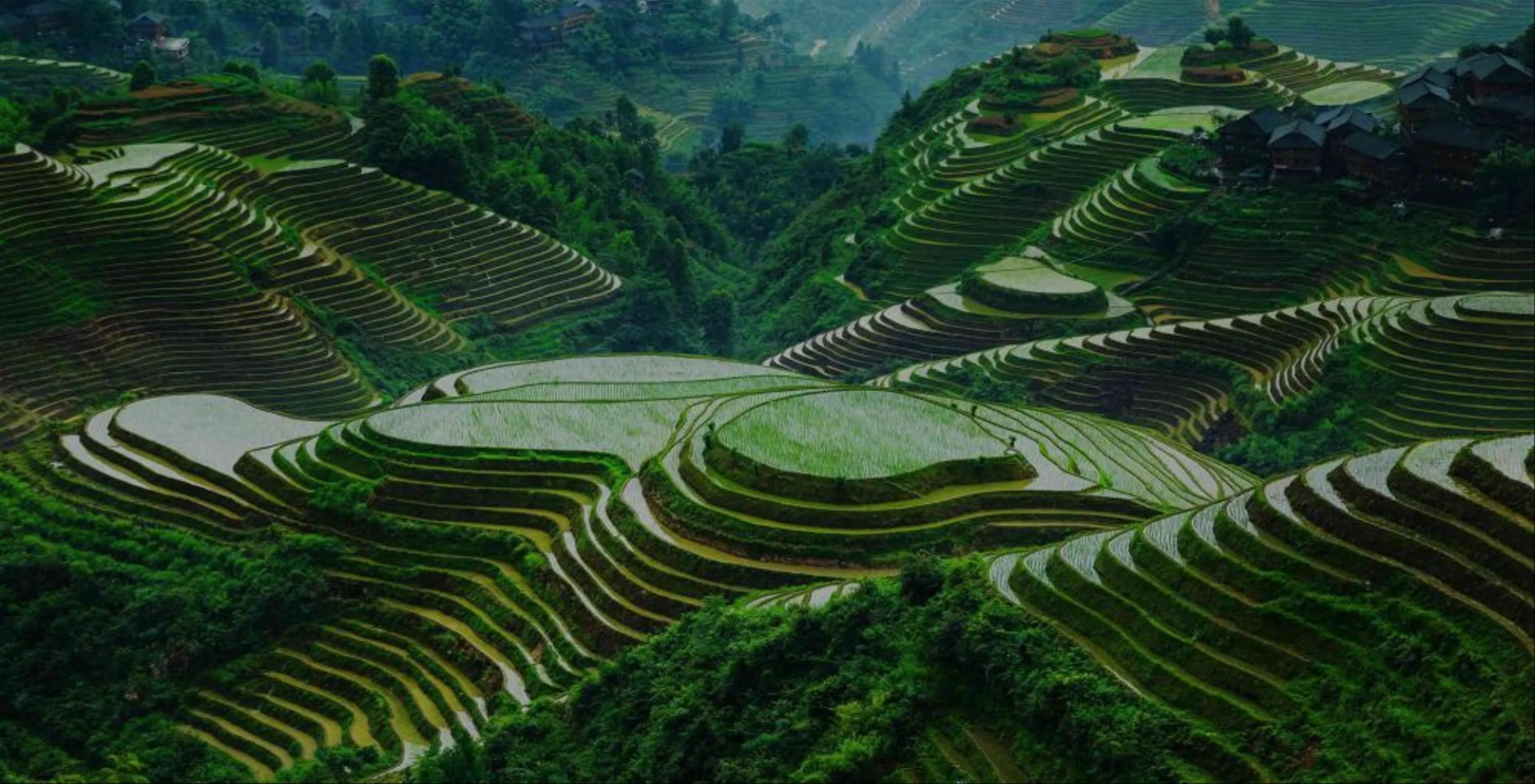
The Longji Rice Terraces were first constructed more than 650 years ago during the Yuan Dynasty and expanded throughout the Ming and Qing dynasties. These terraces reflect not only the ingenuity of the local farmers but also their harmony with nature.
Historical Engineering Feat: The terraces were built on steep mountain slopes, ranging from 300 to 1,100 meters above sea level.
Cultural Heritage: Generations of the Zhuang and Yao people have preserved this landscape, making it both a practical agricultural system and a cultural treasure.
Symbolism: The name “Dragon’s Backbone” comes from the resemblance of the terraces to the scales of a dragon stretching across the mountains.
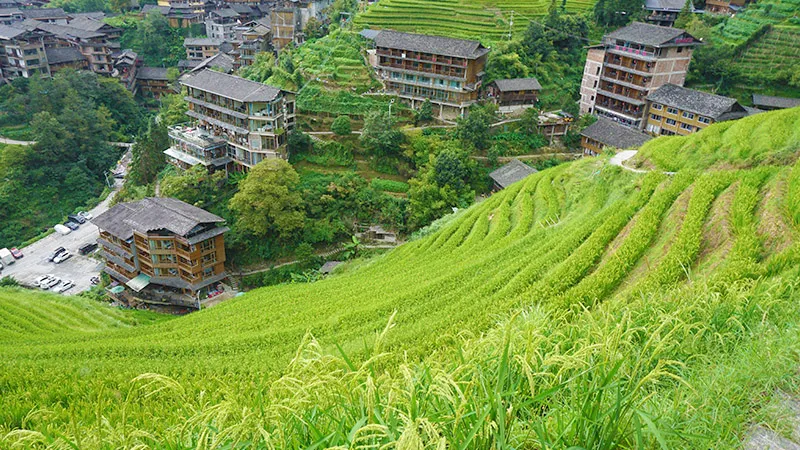
Longji Rice Terraces has a rustic beauty
In spring, the terraces are filled with water, turning into giant natural mirrors that reflect the sky and drifting clouds. This season is a paradise for photographers, capturing the magical blend of light, water, and mist.
Summer paints the hills in vibrant green. The rice paddies grow thick and lush, while local villages bustle with farming life. It’s the perfect time to witness the terraces at their most lively and energetic.
Autumn is the highlight of the year. The rice turns golden before harvest, transforming the mountainsides into glowing waves of color. Under the warm autumn sun, the landscapes look like living postcards.
Winter brings a quiet, mystical beauty. On cold days, snow gently blankets the terraces, creating a peaceful white wonderland. With fewer crowds, this season offers a tranquil, off-the-beaten-path experience of rural China.
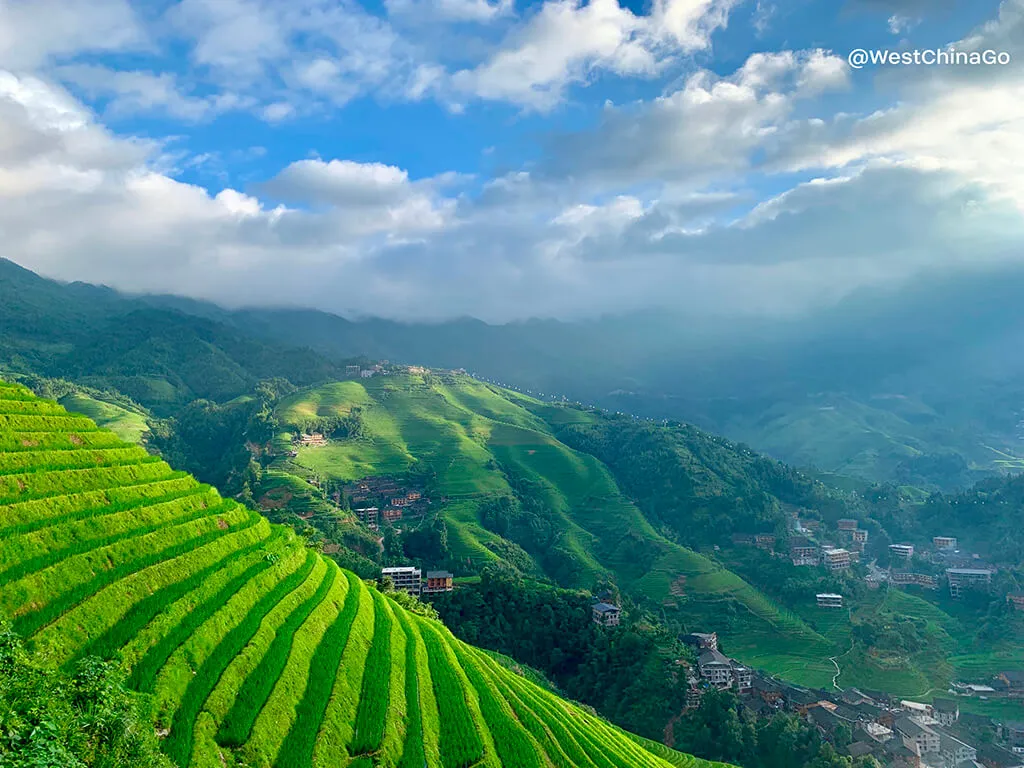
Longji Rice Terraces brings a unique natural beauty
Ping’an is the most accessible and well-developed village, making it a favorite among first-time visitors. Here, you’ll find iconic viewpoints such as “Seven Stars with the Moon”, where the terraced fields curve gracefully along the mountains. The village is also dotted with guesthouses, restaurants, and small shops, offering both convenience and charm.
For sweeping panoramas and a closer look at Yao ethnic traditions, Dazhai is the perfect choice. A cable car ride here will take you to Golden Buddha Peak, one of the highest observation points in the area, where breathtaking views stretch as far as the eye can see. Compared to Ping’an, Dazhai is less commercialized, giving visitors a more authentic and peaceful cultural experience.
As the birthplace of the Longji Rice Terraces, this village offers a journey back in time. Visitors can wander among traditional wooden houses, watch artisans at work, and discover the living heritage of the Zhuang people. It’s an ideal stop for those who want to connect deeply with the roots of the terraces and their history.
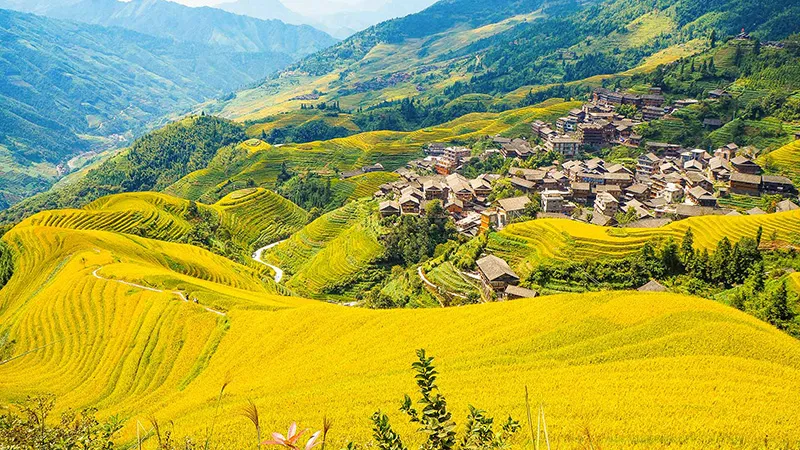
Longji Rice Terraces are brilliant in the ripening season
One of the best ways to experience Longji is by hiking the trails that connect the villages. Hikes can last from 1 to 5 hours, depending on the route, and allow travelers to fully immerse themselves in the breathtaking landscape.
Each season brings a new color palette, from the glassy water of spring to golden fields in autumn. Sunrise and sunset are particularly magical times for photography enthusiasts.
Watch traditional Yao women’s long hair performance, as they are known for growing hair more than 1.5 meters long.
Taste homemade rice wine and sticky rice dishes.
Join farming activities if you visit during the planting or harvesting seasons.
Spending the night in a traditional wooden guesthouse allows you to enjoy the terraces at dawn and dusk, without the daytime crowds. It also gives you a chance to interact more with the local community.
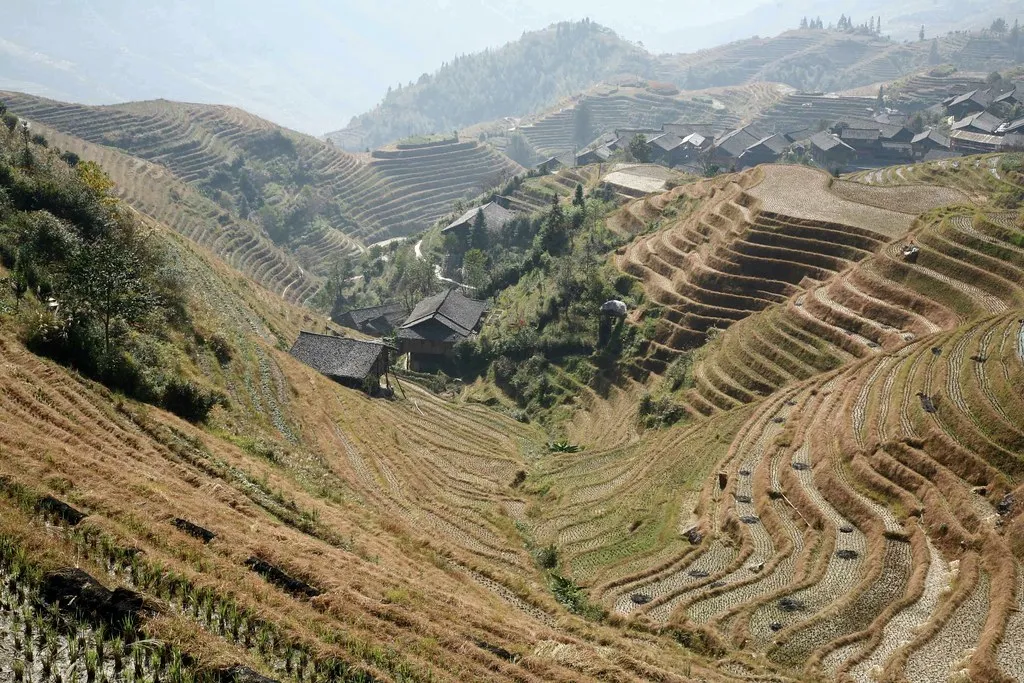
Longji Rice Terraces are shaped according to the farming style of the people
Reaching Longji Rice Terraces from Guilin is simple and offers several transportation choices depending on your budget and travel style:
By Bus: Direct buses from Guilin’s Qintan Bus Station to Longsheng and then transfer to shuttle buses to Ping’an or Dazhai.
By Private Car: Convenient but more expensive option, ideal for families or groups.
By Tour Packages: Many agencies in Guilin offer day trips or overnight tours to Longji.
Travelers heading to Longji from Yangshuo will need to pass through Guilin first, either by bus or private transfer. The journey typically takes 4–5 hours, so it’s best to start early in the morning to maximize your time exploring the terraces.
Before planning your trip, it’s important to know the entrance fees and opening hours to make the most of your visit to Longji Rice Terraces:
Entrance Fee: Around ¥95 per person (covering Ping’an, Dazhai, and Ancient Zhuang Villages).
Cable Car (Dazhai): ¥70–120 depending on one-way or round-trip.
Opening Hours: Typically 6:30 AM – 6:00 PM, but villages are open for overnight stays.
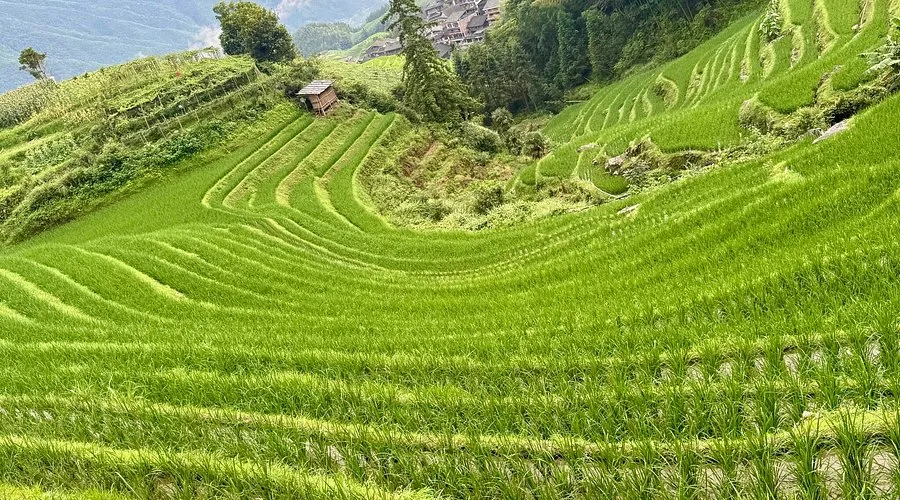
Rice is grown on the terraces
Ping’an is the most popular choice for first-time visitors, offering a wide range of stays from simple budget lodges to stylish boutique hotels. Its convenient location and lively atmosphere make it a great base for exploring the terraces.
For travelers seeking tranquility, Dazhai provides a quieter alternative with fewer crowds. Many guesthouses here are close to high viewpoints, making it ideal for those who want stunning sunrise and sunset views right at their doorstep.
For a deeper cultural experience, consider staying in a traditional wooden house hosted by Zhuang or Yao families. Beyond comfortable lodging, you’ll enjoy home-cooked meals, stories of local life, and authentic hospitality that connects you with the heart of Longji.
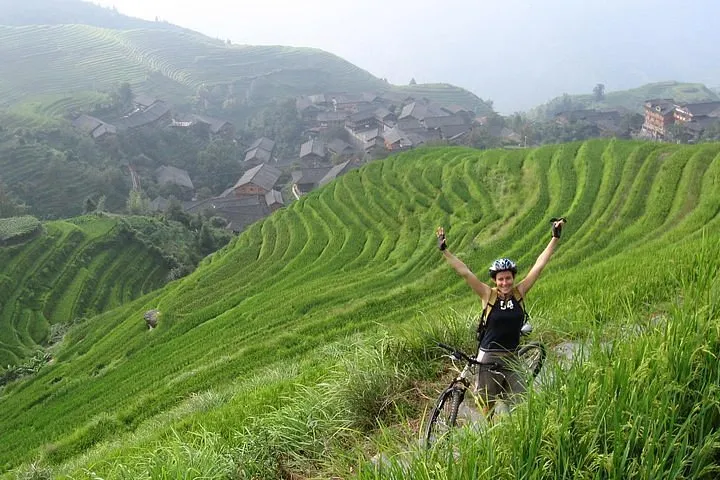
Longji Rice Terraces attracts tourists with its rustic beauty
To make your journey more enjoyable and hassle-free, keep these essential travel tips in mind when visiting Longji Rice Terraces:
Wear Comfortable Shoes: Expect steep, uneven paths.
Pack Light: Carry only essentials if staying overnight, as cars cannot reach most guesthouses.
Prepare for Weather Changes: Bring layers and rain gear, as mountain weather is unpredictable.
Respect Local Customs: Ask before taking photos of local people, especially during cultural performances.
Stay Overnight: To experience the sunrise and sunset without tourist crowds.
A trip to Longji Rice Terraces isn’t complete without tasting the region’s unique local specialties:
Bamboo Rice: Sticky rice stuffed into bamboo and roasted over fire.
Longji Oil Tea: A unique tea brewed with fried tea leaves, peanuts, and rice, offering a savory flavor.
Rice Wine: Locally made, often served during festivals and family gatherings.
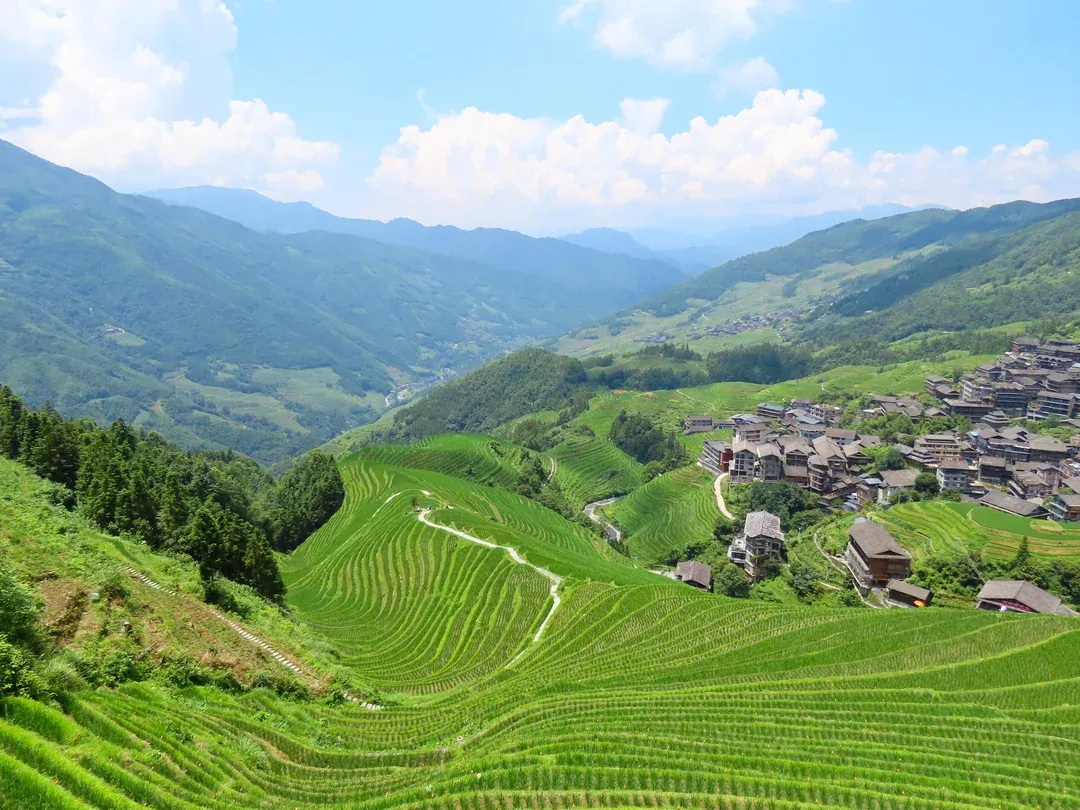
Longji Rice Terraces also brings a sense of grandeur
At least one full day, though staying overnight allows you to enjoy sunrise and sunset.
Yes, but be prepared for uphill walks. The Dazhai cable car helps reduce hiking difficulty.
Yes, though colder and quieter, the snow-covered terraces offer a unique charm.
Absolutely – sunset and sunrise over the terraces are unforgettable and best enjoyed without crowds.
The Longji Rice Terraces are a cultural and natural wonder, offering breathtaking views and rich ethnic traditions. For anyone visiting Guangxi or Guilin, this Dragon’s Backbone is a must-see destination that promises unforgettable memories.

Explore the stunning Longji Rice Terraces in Guangxi, China, and delve into the cultural and historical significance of this mesmerizing landscape.

Embark on a cycling adventure through Mu Cang Chai's stunning rice terraces and immerse yourself in Vietnam's vibrant culture.
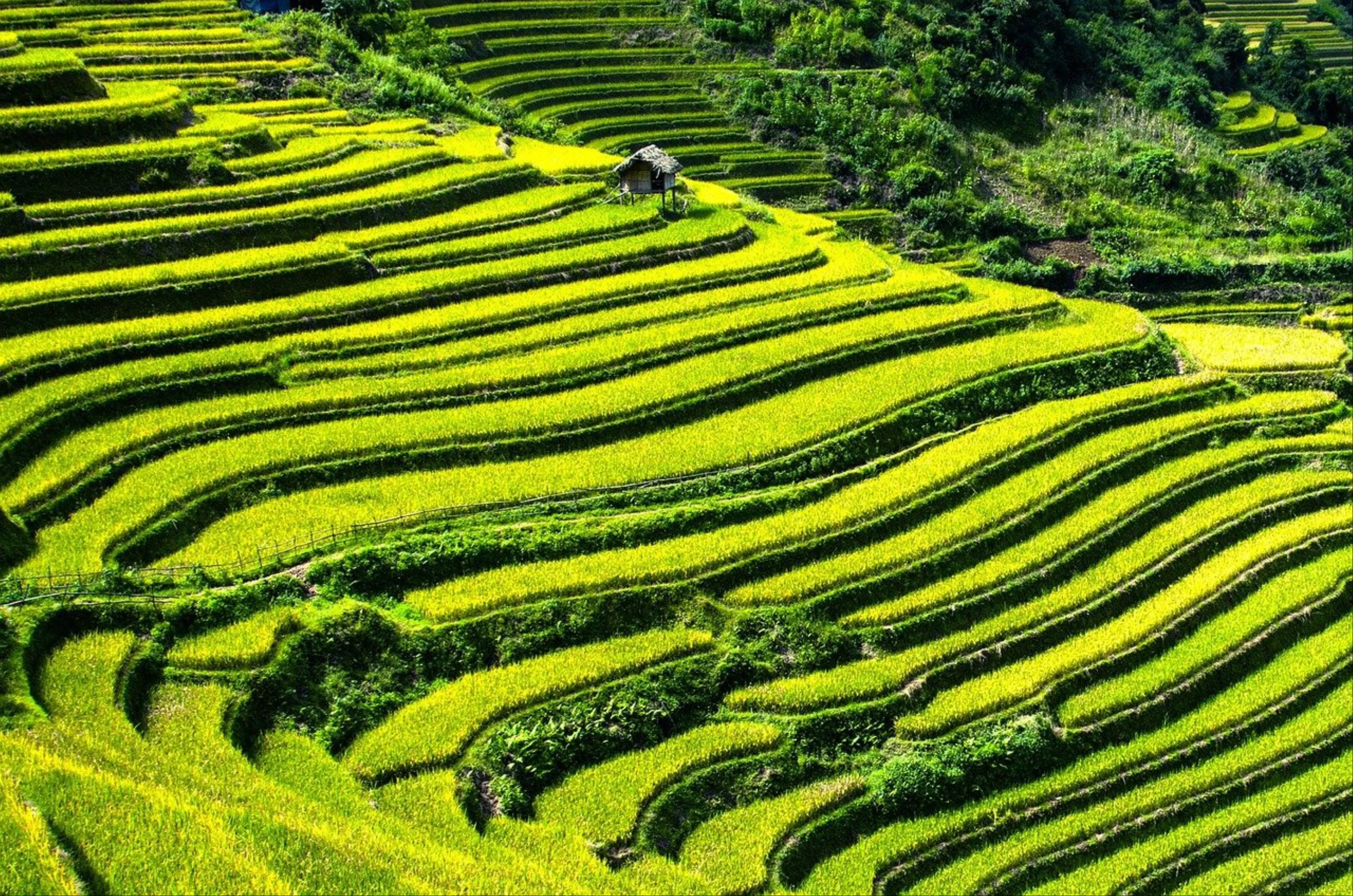
The Mu Cang Chai Rice Fields is a stunning valley of terraced rice fields that stretch on for miles. Reach this blog to find out more about one of Vietnam's most stunning places.