
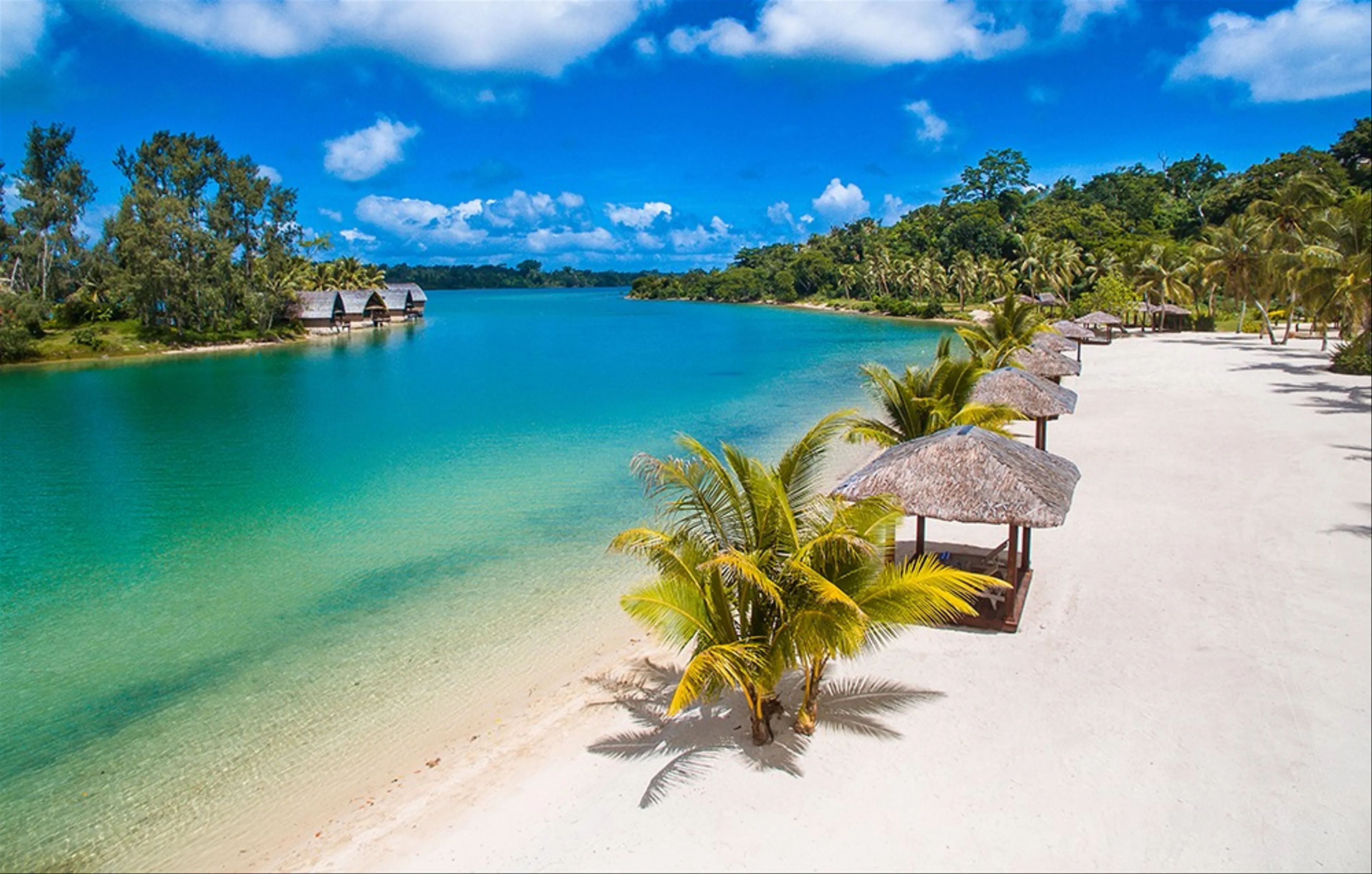
Nestled in the heart of the South Pacific, Vanuatu is a hidden gem offering a rich tapestry of natural beauty, vibrant culture, and thrilling adventures. Comprising 83 islands, this archipelago is the epitome of an untouched paradise, where pristine beaches, lush rainforests, and warm-hearted locals create an unforgettable travel experience. Whether you're seeking relaxation, exploration, or cultural immersion, Vanuatu promises to captivate and inspire.
The capital city, Port Vila, is a bustling hub that blends modern amenities with traditional charm. Set on the island of Efate, it serves as the perfect starting point for your Vanuatu adventure. Here, you can explore the vibrant markets, dine on fresh seafood at waterfront restaurants, and discover the island's rich history at the Vanuatu National Museum.
Home to the awe-inspiring Mount Yasur, one of the world's most accessible active volcanoes, Tanna Island offers a unique opportunity to witness nature's raw power. Visitors can trek to the volcano's rim for a thrilling experience or explore the island's traditional villages, where age-old customs are still practiced today.
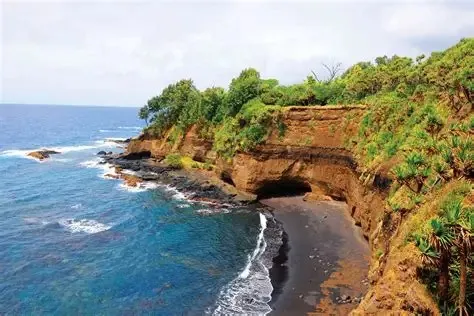
Santo Island, or Espiritu Santo, is a haven for adventure seekers and nature lovers. Its crystal-clear waters are perfect for diving and snorkeling, with the SS President Coolidge wreck being a must-see attraction for underwater enthusiasts. On land, discover the stunning blue holes, lush forests, and the pristine Champagne Beach.
Known for its rich cultural heritage, Malekula Island offers an immersive experience into the traditional lifestyles of Vanuatu's indigenous tribes. Visitors can witness customary dances, explore sacred sites, and learn about the island's complex history of tribal warfare and ancient rituals.
Vanuatu's cuisine is a delightful fusion of local produce and traditional cooking methods. Be sure to try laplap, a national dish made from grated yam or taro, coconut cream, and meat. Fresh seafood, tropical fruits, and locally grown spices add to the culinary adventure, offering flavors that are as vibrant as the islands themselves.
Vanuatu is a treasure trove of breathtaking landscapes and unique attractions that lure travelers from around the globe. From picturesque islands to enchanting natural wonders, each destination offers something extraordinary. Here are some unmissable places that should top your itinerary when visiting this South Pacific paradise.
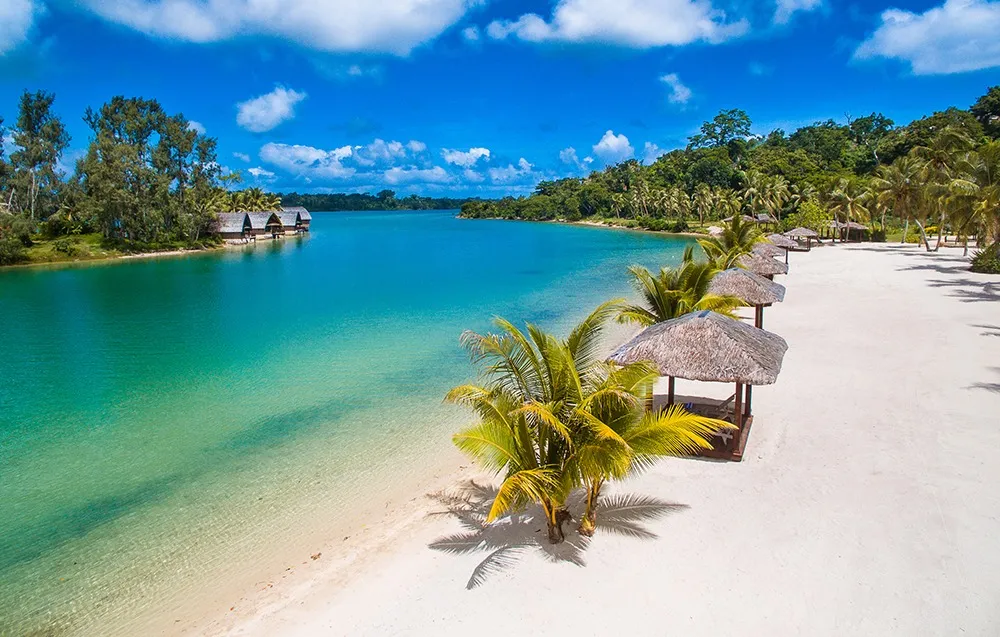
Just a short drive from Port Vila, the Mele Cascades offer a serene escape into nature. Follow the walking trails through lush tropical gardens to reach the stunning waterfall, where you can cool off in the refreshing natural pools. The panoramic views of the surrounding landscape are simply breathtaking.
Located on the island of Efate, the Blue Lagoon is a natural swimming pool with vibrant turquoise waters that are perfect for a leisurely swim. Surrounded by dense greenery, this idyllic spot offers an ideal setting for relaxation and picnics, making it a favorite among locals and tourists alike.
For the adventurous at heart, exploring Millennium Cave on Santo Island is a must. This exhilarating expedition involves trekking through rugged terrain, wading through rivers, and marveling at the impressive cave formations. The journey is challenging but rewarding, offering a glimpse into Vanuatu's untouched wilderness.
Visiting Mount Yasur on Tanna Island is an experience like no other. Known as the world's most accessible active volcano, it provides an awe-inspiring spectacle of erupting lava and ash clouds. Guided tours take you to the crater's edge, offering an unforgettable adventure under the Pacific night sky.
Renowned for its powdery white sands and crystal-clear waters, Champagne Beach on Santo Island is a slice of paradise. Its gentle waves and stunning scenery make it ideal for swimming, sunbathing, and enjoying the tranquil beauty of Vanuatu's coastline.
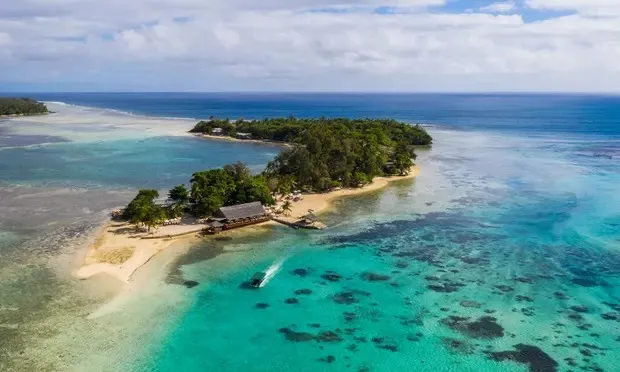
Vanuatu's cultural tapestry is as vibrant and diverse as its landscapes. With over 100 distinct languages spoken across its islands, Vanuatu is a cultural mosaic where age-old traditions and modern influences coexist harmoniously. The Ni-Vanuatu people are known for their warm hospitality, rich oral histories, and deeply rooted customs. Visitors to Vanuatu have the opportunity to immerse themselves in a culture that is both unique and enduring.
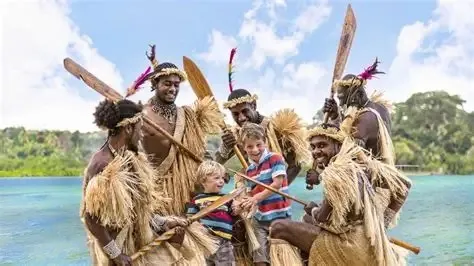
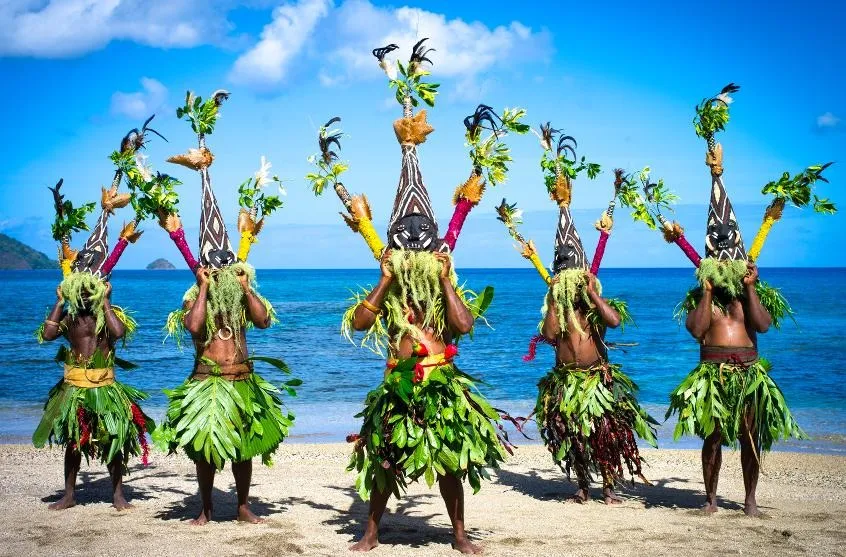
Dance is an integral part of Vanuatu's cultural expression, with each island showcasing its unique style and rhythm. Traditional dances are often performed during ceremonies, festivals, and communal gatherings, featuring intricate footwork and vibrant costumes. These performances serve as a storytelling medium, passing down legends and historical events through generations.
Custom villages in Vanuatu offer a window into the traditional lifestyles of the islanders. These villages maintain a way of life that honors ancestral customs, with practices such as matrilineal land inheritance and communal living. Visitors can tour these villages to learn about traditional crafts, including weaving and carving, and gain insights into the social structures that have shaped Vanuatu's communities.
The yam, a staple in Vanuatu's diet, is celebrated through vibrant festivals that mark the harvest season. These festivals are characterized by feasting, dancing, and ceremonial rituals, highlighting the importance of yams in both sustenance and cultural identity. Attending a yam festival offers travelers a lively and authentic taste of island life.
Kastom stories, or traditional tales, are an essential part of Vanuatu's oral tradition. These stories often feature mythical creatures, ancestral spirits, and moral lessons, reflecting the spiritual beliefs and values of the Ni-Vanuatu people. Visitors can experience these narratives firsthand by attending storytelling sessions, which are often accompanied by music and dance.
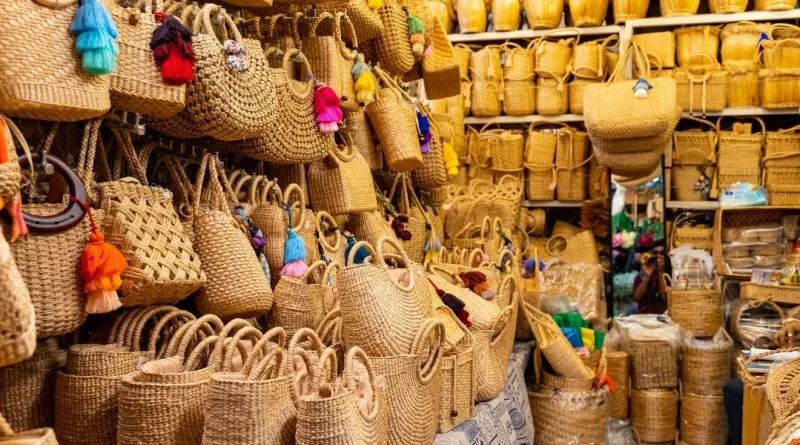
Vanuatu's artisans are skilled in creating beautiful handicrafts that reflect the cultural heritage of the islands. From intricate wood carvings and woven baskets to colorful paintings and jewelry, these items make for unique souvenirs that capture the essence of Vanuatu. Markets and local shops throughout the islands offer a chance to purchase these authentic crafts and support local communities.
Vanuatu's natural landscapes are a testament to the raw and unspoiled beauty of the South Pacific. This archipelago offers a diverse range of environments, from pristine beaches and lush rainforests to volcanic terrains and vibrant coral reefs. Each island presents a unique ecological experience, making Vanuatu a haven for nature lovers and adventurers alike.
Vanuatu's coral reefs are among the most vibrant and diverse in the world, teeming with marine life and colorful coral formations. Snorkeling and diving enthusiasts can explore these underwater wonders, encountering tropical fish, sea turtles, and even the occasional dolphin or reef shark. The reefs around Santo and Efate islands are particularly renowned for their beauty and accessibility.
The rainforests of Vanuatu are filled with an incredible variety of flora and fauna, offering a verdant escape into nature. Trek through dense jungles and discover a world of exotic plants, rare bird species, and cascading waterfalls. The lush landscapes provide a serene setting for both guided tours and independent exploration.
Vanuatu's volcanic activity has shaped its unique landscapes, with some islands boasting dramatic volcanic terrains. Mount Yasur on Tanna Island is the most famous, but there are many other volcanic features to explore, such as ash plains and geothermal hot springs. These volcanic areas provide a striking contrast to the islands' coastal beauty and offer thrilling opportunities for adventure.
The blue holes of Vanuatu are natural freshwater springs that offer a tranquil and refreshing escape. These stunning pools are surrounded by lush vegetation and feature crystal-clear waters that appear in varying shades of blue. Ideal for swimming and kayaking, the blue holes on Santo Island are especially popular for their serene beauty.
Vanuatu's beaches are a true paradise, with soft sands and clear waters that invite relaxation and recreation. From the secluded coves of Efate to the famous Champagne Beach on Santo Island, there is no shortage of stunning coastal spots to discover. Whether you're looking to sunbathe, swim, or enjoy a beachside picnic, Vanuatu's beaches offer an idyllic setting.
Vanuatu's culinary scene is a delightful blend of traditional island flavors and fresh local ingredients. The islands' rich natural bounty, from the fertile lands to the abundant seas, offers a diverse range of dishes that are both simple and flavorful. Traditional cooking methods, often involving earth ovens or open fires, bring out the natural taste of the ingredients, providing a unique and authentic dining experience. Here are some quintessential foods you must try when visiting Vanuatu.
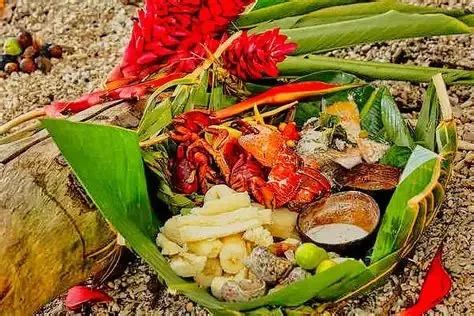
Considered the national dish of Vanuatu, laplap is a must-try for any visitor. It is made by grating root vegetables such as yam, taro, or banana, which are then mixed with coconut cream and sometimes layered with meat or fish. The mixture is wrapped in banana leaves and baked in an earth oven, resulting in a hearty and flavorful dish that offers a true taste of Vanuatu.
Tuluk is a popular street food in Vanuatu, consisting of grated cassava dough filled with seasoned meat, usually beef or pork. The dough is wrapped in banana leaves and cooked in an earth oven, infusing the dish with smoky flavors. It's a convenient and tasty snack that showcases the island's traditional cooking techniques.
With its proximity to the ocean, Vanuatu offers an abundance of fresh seafood. From grilled fish and octopus to lobster and crab, the seafood is often simply prepared to highlight its natural flavors. Many local restaurants serve seafood caught the same day, ensuring a delicious and fresh dining experience.
The coconut crab is a unique delicacy found in Vanuatu. Known for its large size and sweet, rich meat, this crab gets its name from its ability to crack open coconuts with its claws. Prepared in a variety of ways, including grilling and boiling, coconut crab is a must-try for those looking to experience something truly distinctive.
Simboro is a comforting dish made from rolled dough filled with grated root vegetables like taro or yam, and sometimes meat. These rolls are simmered in coconut milk, creating a creamy and satisfying meal that is often enjoyed by locals across the islands.
Vanuatu's tropical climate is perfect for growing a variety of fruits, including papayas, mangoes, pineapples, and bananas. These fruits are incredibly fresh and juicy, often enjoyed on their own or in fruit salads. They provide a refreshing and healthy option for travelers looking to indulge in the natural sweetness of the islands.
While not a food, kava is an important part of Vanuatu's culinary and cultural landscape. This traditional drink is made from the root of the kava plant and is known for its relaxing properties. Kava bars, or nakamals, are popular gathering places where locals and visitors alike can sip this earthy beverage and enjoy the laid-back island atmosphere.
Vanuatu is a year-round destination, thanks to its tropical climate that offers warm temperatures and abundant sunshine. However, to make the most of your visit, it's important to understand the seasonal variations that can affect your travel experience. Here's a breakdown of what each season has to offer, helping you choose the perfect time to explore this untouched paradise.
The dry season, from May to October, is considered the best time to visit Vanuatu. During these months, the weather is cooler and drier, with temperatures ranging from 18°C to 28°C (64°F to 82°F). This is the ideal time for outdoor activities such as hiking, snorkeling, and exploring the islands' natural beauty, as the humidity is lower and rainfall is minimal. The dry season also coincides with several cultural festivals, offering a vibrant and lively atmosphere for travelers.
The wet season runs from November to April, bringing higher temperatures and increased humidity, with averages between 23°C and 30°C (73°F to 86°F). Rainfall is more frequent during these months, often in the form of short, heavy showers. While the weather can be less predictable, the wet season offers lush landscapes and fewer tourists, providing a more tranquil experience. It's also a great time for those looking to immerse themselves in the local culture, as the island life continues in full swing despite the occasional rain.
Vanuatu's calendar is filled with vibrant festivals that celebrate its rich cultural heritage. The Nagol Land Diving Ceremony, held from April to June on Pentecost Island, is a spectacular event where men leap from tall towers with vines tied to their ankles. The Fest'Napuan music festival in October is another highlight, showcasing local and international artists in a lively celebration of music and dance. Planning your trip around these festivals can provide an unforgettable glimpse into Vanuatu's traditions and community spirit.
Vanuatu's cyclone season typically occurs between December and March. While direct hits are rare, it's important for travelers to stay informed about weather conditions and have flexible travel plans during this period. Many resorts and accommodations are well-prepared for cyclonic weather, offering safety measures and updates to ensure the well-being of their guests.
Overall, Vanuatu offers a unique experience no matter when you choose to visit. By understanding the seasonal dynamics, you can tailor your itinerary to match your interests and preferences, ensuring a memorable journey through this enchanting archipelago.
Getting around in Vanuatu is an adventure in itself, with various transportation options that allow you to explore the islands at your own pace. Whether you prefer the freedom of self-driving or the convenience of local transport, navigating this tropical paradise is relatively straightforward. Here's a guide to help you understand the different ways to travel within Vanuatu and make the most of your journey.
Vanuatu's archipelago is spread over a vast area, making domestic flights the quickest way to travel between islands. Air Vanuatu, the national carrier, operates regular flights to major islands such as Tanna, Santo, and Malekula. Booking in advance is recommended, especially during peak tourist seasons, to ensure availability and secure the best fares.
For a more leisurely journey between islands, consider taking a ferry or boat. Several operators provide services between the larger islands, offering a scenic way to travel and witness Vanuatu's stunning marine landscapes. While ferries might not be as fast as flights, they provide a unique perspective of the archipelago and are often more economical.
Renting a car is an excellent option for those who want to explore the islands independently. Car rental agencies are available in Port Vila and Luganville, offering a range of vehicles suitable for Vanuatu's diverse terrains. Driving is on the right-hand side of the road, and while the main roads on larger islands are generally in good condition, some rural areas may require a 4WD vehicle.
Local buses and taxis are readily available in urban areas like Port Vila and Luganville, providing convenient and affordable transport options. Buses in Vanuatu are more like shared minivans that operate without fixed routes or schedules; they pick up and drop off passengers upon request. Taxis are also widely available, and fares are negotiable, so it's advisable to agree on a price before starting your journey.
For short distances and a more immersive experience, consider exploring on foot or by bicycle. Many of Vanuatu's towns and villages are small and easily navigable, allowing you to soak in the local atmosphere at a leisurely pace. Bicycles can be rented in various locations, providing a fun and eco-friendly way to discover the islands' natural beauty.
While traveling around Vanuatu, it's important to consider local customs and etiquettes. Always greet locals with a friendly "hello" or "bonjour," and be respectful of private properties and cultural sites. Additionally, keep in mind that island time is a real concept in Vanuatu, and schedules might be more relaxed than what you're used to. Patience and flexibility are key to enjoying your travels across this enchanting archipelago.
Traveling to Vanuatu is an exciting adventure filled with unique experiences and breathtaking landscapes. To ensure a smooth and enjoyable trip, it's helpful to be prepared with some practical tips. From understanding local customs to knowing what to pack, these insights will help you make the most of your journey to this South Pacific paradise.
Most visitors to Vanuatu can obtain a tourist visa on arrival, allowing a stay of up to 30 days. However, it's essential to check the latest entry requirements and ensure your passport is valid for at least six months from your arrival date. Some nationalities may require a visa in advance, so verify the specifics with the Vanuatu consulate or embassy prior to your trip.
The official currency in Vanuatu is the Vanuatu Vatu (VUV). While major credit cards are accepted in larger establishments, it's advisable to carry cash for transactions in smaller towns and markets. ATMs are available in urban areas such as Port Vila and Luganville, but may be scarce on smaller islands. Ensure you have enough local currency for your needs, especially when traveling to remote locations.
Vanuatu is generally a safe destination, but it's important to take standard travel precautions. Ensure you have travel insurance that covers medical emergencies and potential evacuations. Vaccinations for hepatitis A, typhoid, and other tropical diseases are recommended. Drink bottled or boiled water to avoid stomach issues, and be mindful of sun protection, as the tropical sun can be intense.
Respect for local customs and traditions is crucial when visiting Vanuatu. Always ask for permission before taking photos of people or cultural sites. Dress modestly, especially in villages, and remove hats and sunglasses when entering a village or meeting elders. A friendly and respectful demeanor will go a long way in fostering positive interactions with the Ni-Vanuatu people.
The official languages of Vanuatu are Bislama, English, and French. While English is widely spoken in tourist areas, learning a few basic phrases in Bislama can enhance your experience and show respect for the local culture. Simple greetings and expressions of gratitude will be appreciated by the locals.
Internet access is available in most urban areas and larger resorts, but connectivity may be limited or slow in remote regions. Consider purchasing a local SIM card for your phone to stay connected. Major telecommunications providers offer prepaid plans with data packages, which can be useful for navigating and staying in touch with family and friends.
Pack light, breathable clothing suitable for tropical weather, along with essentials like sunscreen, insect repellent, and a reusable water bottle. A waterproof jacket is advisable during the wet season. If you plan on exploring the islands' natural landscapes, include sturdy walking shoes and swimwear. Don't forget to bring power adapters if your devices require them, as Vanuatu uses the Australian-style plug (Type I).
Vanuatu is a vibrant nation with a rich cultural tapestry, and its festivals and events offer a unique glimpse into the island's traditions and community spirit. These celebrations are an integral part of life in Vanuatu, showcasing everything from traditional dances and music to agricultural rituals and modern festivities. Whether you're visiting for the cultural immersion or the sheer joy of celebration, these festivals and events promise unforgettable experiences.
Held between April and June on Pentecost Island, the Nagol Land Diving Ceremony is a breathtaking event where men jump from tall wooden towers with vines tied to their ankles. This ancient ritual, which is the precursor to modern bungee jumping, is performed to ensure a bountiful yam harvest and is a testament to the courage and cultural heritage of the locals.
One of the largest music festivals in the South Pacific, Fest'Napuan takes place in October in Port Vila. This five-day event showcases a diverse lineup of local and international musicians, celebrating the vibrant music scene of Vanuatu. It's a lively gathering that brings together music lovers for a festive experience under the stars.
The Yam Festival is a significant cultural event held across various islands in Vanuatu, celebrating the harvest of this staple crop. Marked by feasting, traditional dances, and community gatherings, the festival honors the importance of yams in the local diet and cultural identity. It provides a colorful and engaging insight into Vanuatu's agricultural traditions.
Celebrated on July 30th, Vanuatu's Independence Day marks the country's liberation from colonial rule in 1980. The day is filled with parades, cultural performances, sports events, and fireworks. It's a time of national pride and unity, where locals and visitors alike participate in the festivities and reflect on Vanuatu's journey as a sovereign nation.
Easter is celebrated with great enthusiasm in Vanuatu, combining Christian traditions with local customs. Across the islands, communities come together for church services, processions, and communal meals. The celebrations often include traditional music and dances, creating a joyful atmosphere that highlights the islanders' strong sense of community and faith.
Held in Tanna Island, the Back to My Roots Festival is a cultural event that celebrates the island's unique customs and traditions. Visitors can experience traditional dances, storytelling, and ceremonies that highlight the rich cultural heritage of the Tanna people. It's an opportunity to engage with the island's past and present, fostering a deeper appreciation for its cultural diversity.
Attending any of these festivals and events offers a memorable opportunity to immerse yourself in the vibrant culture of Vanuatu. They provide a window into the heart and soul of the islands, where traditional customs and modern influences blend seamlessly to create a truly unique cultural landscape.
Vanuatu is not just about its breathtaking beaches and vibrant cultural festivals; it’s also home to a myriad of unique experiences and hidden gems that await the curious traveler. From secluded islands and mystical caves to thrilling adventures and cultural encounters, these lesser-known attractions offer an authentic glimpse into the island's enchanting allure. Here are some unique experiences and hidden gems that you should not miss during your visit to Vanuatu.
While famous for the Nagol Land Diving Ceremony, Pentecost Island offers much more for those willing to explore. Trek through its lush landscapes to discover secluded waterfalls and traditional villages where locals maintain age-old customs. The island's untouched beauty and rich cultural heritage provide a serene escape from the more tourist-heavy areas.
For an adrenaline-pumping adventure, head to the Vanuatu Jungle Zipline near Port Vila. Soar above the lush rainforest canopy and take in panoramic views of Mele Bay and beyond. This thrilling experience offers an exhilarating way to appreciate the natural beauty of Vanuatu from a unique perspective.
As one of the southernmost islands in Vanuatu, Aneityum is a hidden paradise with pristine beaches and rich biodiversity. Its remote location ensures a tranquil atmosphere, perfect for those seeking solitude and nature. Explore its coral reefs, enjoy birdwatching, or simply relax on the untouched sands of Mystery Island, a popular cruise ship stop.
The Nanda Blue Hole on Santo Island is a lesser-known wonder that captivates visitors with its vivid blue waters surrounded by lush greenery. This natural spring is perfect for a refreshing swim or a peaceful kayak ride, offering a serene setting away from the more crowded attractions.
Located in Port Vila, the Vanuatu Cultural Centre is a treasure trove of the nation's history and heritage. It houses a vast collection of artifacts, photographs, and traditional art, providing insights into the diverse cultures of Vanuatu. The center also hosts workshops and performances, offering an interactive way to learn about the islands' past and present.
Embark on a trek to Mount Garet on Gaua Island for an adventurous hike through rainforests and across volcanic landscapes. This active volcano offers stunning views of its crater lake and the surrounding island. The journey is challenging but rewarding, providing a sense of accomplishment and connection to Vanuatu's raw natural beauty.
These unique experiences and hidden gems in Vanuatu highlight the diverse attractions beyond the well-trodden paths. Embrace the adventure, immerse yourself in the local culture, and uncover the secrets of this South Pacific paradise for a truly unforgettable travel experience.
No tours published here yet.
Stay connected in Vanuatu with instant mobile data — no roaming fees, no physical SIM.
Discover tours, attractions and travel services for Vanuatu.