
Explore the vibrant art scene of Marfa, Texas, a hidden desert oasis that captivates with its blend of culture and creativity.
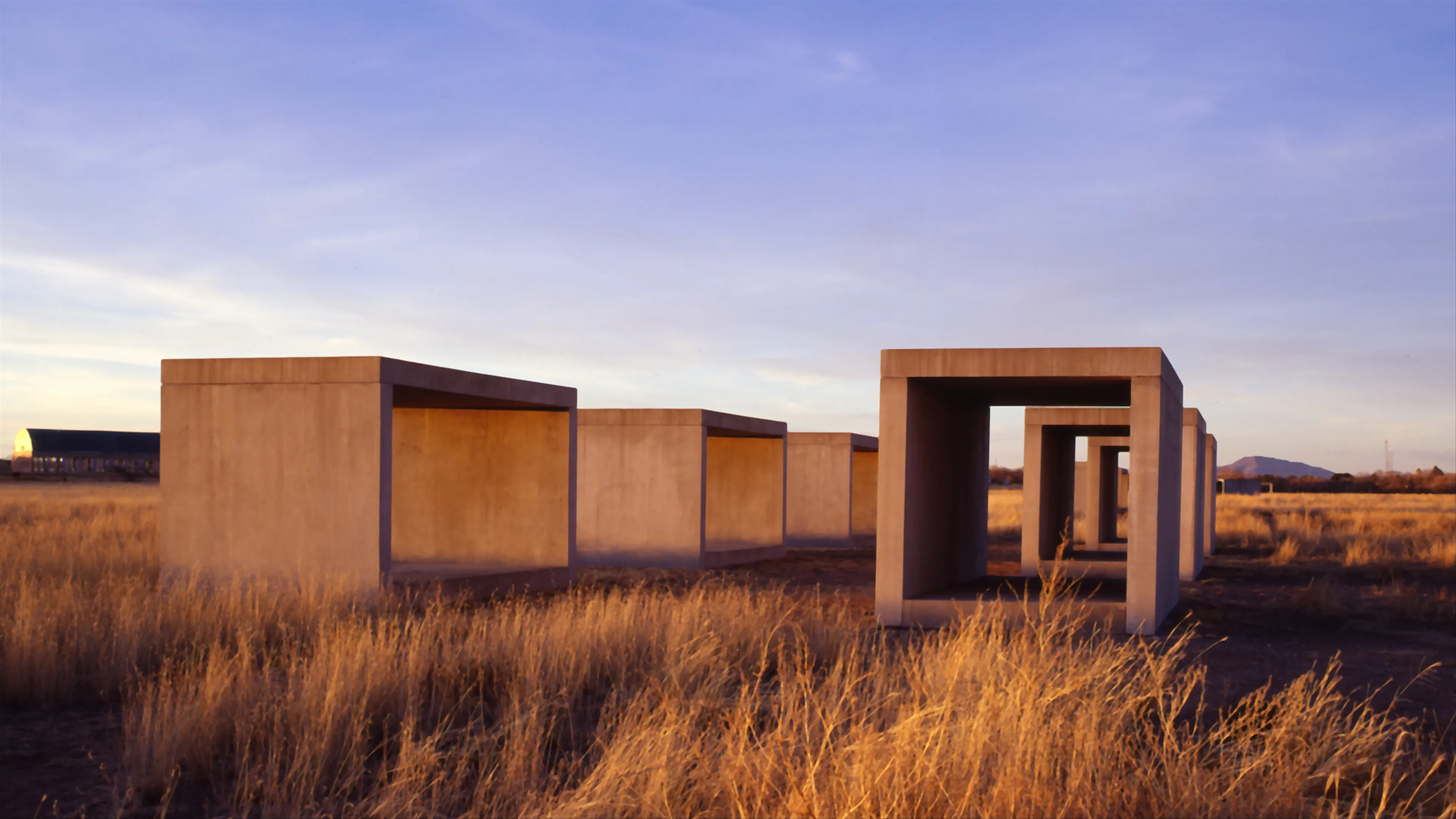
Marfa, Texas, a small desert town located in the vast expanses of the Chihuahuan Desert, is an unlikely but fascinating hub of contemporary art. Its rise as an art destination can be traced back to the late 1970s when the minimalist artist Donald Judd sought refuge from the bustling New York art scene. Drawn by the town's expansive landscapes and tranquil environment, Judd saw Marfa as a blank canvas, ripe for transformation.
Judd's vision was to create a space where art could be experienced without distraction, allowing the natural surroundings to enhance the perception of the artworks. In 1979, he purchased a series of decommissioned military buildings, which he transformed into permanent installations that showcased his work alongside other contemporary artists. This initiative laid the foundation for the Chinati Foundation, a contemporary art museum that has since become a cornerstone of Marfa’s cultural landscape.
The establishment of the Chinati Foundation marked the beginning of Marfa's transformation into a vibrant art community. Judd's minimalist approach and the integration of art with the natural environment attracted artists from around the world, inspiring them to contribute to the town’s burgeoning art scene. This unique convergence of art and nature has become Marfa's signature, setting it apart from traditional urban art centers.
Over the decades, Marfa has continued to evolve, drawing a diverse mix of artists, curators, and art enthusiasts. The town's art scene has expanded beyond Judd's minimalist roots to include a wide array of artistic expressions, from large-scale installations to performance art. This eclectic mix reflects the town's commitment to fostering artistic innovation and dialogue, making Marfa a dynamic and ever-changing destination for art lovers.
Today, Marfa's art scene is a testament to the enduring legacy of Donald Judd's vision. It is a living, breathing community that continues to captivate visitors with its blend of stark desert beauty and avant-garde art. As travelers explore this desert oasis, they not only discover the profound impact of Judd's work but also the myriad of artistic voices that have found a home in this remote Texan town.
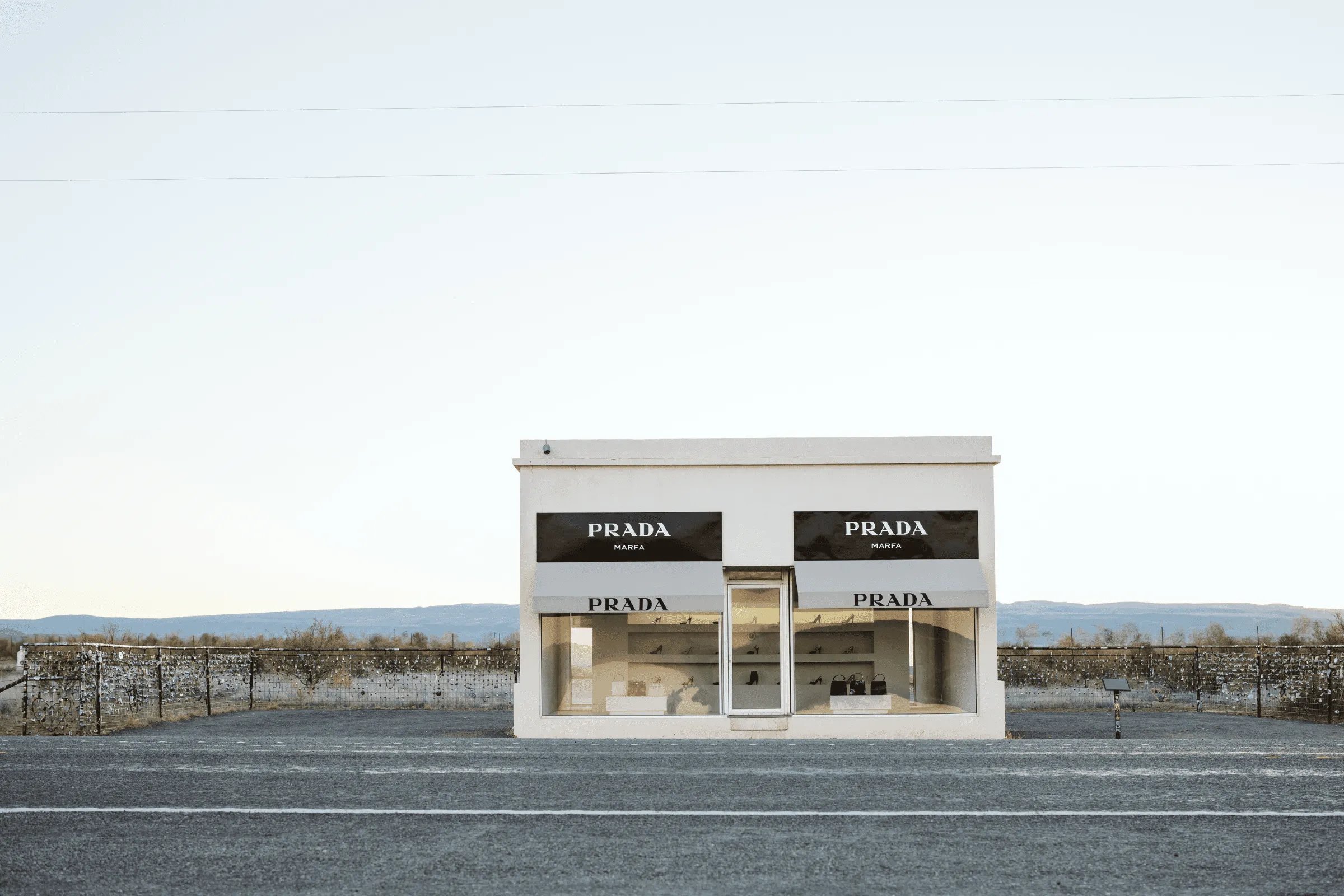
Marfa, Texas, with its vast desert landscape and vibrant skies, is home to a collection of art installations and landmarks that defy the conventional boundaries of artistic display. These installations, each with its own story, contribute to the town's reputation as a cultural beacon in the desert. One of the most iconic installations is the "Prada Marfa," a permanent sculpture created by artists Elmgreen and Dragset. Located about 1.4 miles northwest of Valentine, Texas, this installation resembles a high-end boutique, complete with luxury goods, yet it stands solitary against the barren landscape. This juxtaposition of consumer culture and desolation provokes thought and conversation among those who visit.

Another must-see is the Chinati Foundation itself, which houses an impressive array of works by Donald Judd and other artists who share his vision of art in harmony with nature. The foundation’s 340-acre grounds feature Judd’s large-scale installations, such as his iconic concrete works and aluminum pieces, which are expertly situated to interact with the environment. Each installation is designed to be experienced in natural light, creating a dynamic relationship between the art, the viewer, and the ever-changing sky.
The Judd Foundation, another cornerstone of Marfa’s art scene, offers a more intimate glimpse into the life and work of Donald Judd. The foundation maintains several buildings in Marfa, including Judd’s private living and working spaces, which are filled with his furniture designs and personal art collection. These spaces reflect Judd’s minimalist ethos and provide insight into his philosophy that art should be an immersive, everyday experience.
Beyond these landmarks, Marfa’s art scene continues to grow with contributions from modern artists who are drawn to the town’s unique atmosphere. Ballroom Marfa, a contemporary art space, is at the forefront of this evolution. Hosting exhibitions, performances, and film screenings, Ballroom Marfa encourages artistic experimentation and community engagement. It exemplifies how Marfa’s art scene remains dynamic, constantly integrating new voices and ideas.
Finally, for those seeking an even deeper connection to the local art scene, the Marfa Myths festival is an annual event that celebrates the town’s creative spirit through a fusion of music, art, and cultural programming. This event attracts artists and audiences from around the globe, reinforcing Marfa’s status as a hub of artistic innovation.
In conclusion, Marfa’s array of installations and artistic landmarks is a testament to the town’s commitment to art as a living, breathing entity. Each site offers its own narrative, inviting visitors to engage with the art on a personal level and discover the profound beauty that arises from the intersection of creativity and nature.
The influence of Donald Judd on Marfa, Texas, extends far beyond his minimalist artworks and transformation of the town into an art mecca. His vision has deeply impacted the cultural landscape of Marfa, setting a precedent for how art can be integrated with the environment to create a unique experiential space. Judd's approach to art was revolutionary, focusing on the purity of form and space, which he believed could be fully realized in the vastness of the desert. This philosophy not only shaped his own work but also inspired a generation of artists to explore the boundaries of art in new and profound ways.

Judd's influence is most palpable in his commitment to merging art with the natural surroundings, a principle that is evident in the layout and design of his installations. He was a pioneer in recognizing the importance of site-specific art, where the location is as integral to the work as the art itself. This approach has encouraged artists in Marfa to consider the environment as a collaborator, using the stark beauty of the desert to enhance and transform their creations. The result is a collection of artworks that not only occupy space but also engage in an ongoing dialogue with their surroundings.
Beyond the physical installations, Judd's influence permeates the ethos of Marfa's art community. He advocated for a holistic approach to art, where the viewer's experience is paramount. This emphasis on immersive and contemplative engagement has become a cornerstone of the town's art scene, attracting artists and visitors who seek more than just visual stimulation. Judd's belief that art should be a lived experience is reflected in the interactive and participatory nature of many contemporary exhibitions in Marfa today.
Judd also played a crucial role in fostering a global artistic dialogue from this remote Texan town. By inviting international artists to collaborate and exhibit in Marfa, he positioned the town as a crossroad of cultural exchange. This legacy continues as Marfa remains a magnet for artists worldwide who wish to contribute to its vibrant community and engage with its unique artistic landscape. The town's ongoing success as an art destination can be attributed to Judd's original vision of a space where art and nature coalesce, offering a distinct and transformative experience for all who visit.
Ultimately, Donald Judd's influence in Marfa is a testament to the power of visionary thinking in art. His ability to see potential where others saw desolation has created a lasting legacy that continues to shape the artistic identity of Marfa. His profound understanding of space, form, and the environment has not only enriched the town but has also set a standard for how art can be integrated into the world, inviting viewers to see beyond the surface and engage with the deeper connections between art and life.
Marfa, Texas, has gained renown not only for its permanent art installations and minimalist heritage but also for its dynamic annual art events and festivals. These occasions draw art enthusiasts from around the globe, offering unique opportunities to experience the town's creative pulse. Among these, the Chinati Weekend stands out as an essential event in the art calendar, celebrating the vision of Donald Judd and the vibrant community he helped cultivate.

Chinati Weekend, typically held every October, is a gathering that showcases the best of Marfa's artistic offerings. Visitors can attend a range of events, including open studios, special exhibitions, and performances that highlight both the works housed at the Chinati Foundation and contributions from contemporary artists. This event fosters a spirit of inclusivity and dialogue, encouraging attendees to engage with art in new and meaningful ways. It’s a time when the town’s artistic community opens up, inviting the world to partake in the ongoing conversation about art and its place in the environment.
In addition to Chinati Weekend, Marfa Myths is another celebrated festival that merges music, visual art, and film into a multi-disciplinary cultural experience. Founded by Ballroom Marfa and the record label Mexican Summer, this springtime event has become a platform for innovation and experimentation, drawing creative minds from diverse disciplines. Marfa Myths offers performances, screenings, and exhibitions that push the boundaries of traditional art forms, creating an immersive environment where art lovers can explore the intersections of sound, sight, and space.
The Trans-Pecos Festival of Music + Love, hosted by El Cosmico, offers a more laid-back celebration of music and community. Set against the backdrop of Marfa's expansive skies, this festival brings together musicians, artists, and attendees for a few days of live performances, workshops, and communal gatherings. It’s a celebration of creativity in a more relaxed format, allowing participants to connect with both the landscape and each other in a meaningful way.
These festivals and events not only showcase the diversity and depth of Marfa’s art scene but also reinforce the town’s status as a hub of cultural innovation. They provide a platform for artists to present new work and for visitors to experience the unique artistic ecosystem that Marfa fosters. Whether through the introspective installations of Chinati Weekend or the eclectic offerings of Marfa Myths, these events highlight the town’s commitment to art as a shared and evolving experience, inviting everyone to become part of its vibrant legacy.
Marfa, Texas, far from being just a canvas for large-scale installations, offers a rich tapestry of galleries and studios that reflect the town's diverse and dynamic art scene. These spaces provide intimate settings for discovering both emerging talents and established artists who are drawn to Marfa’s unique blend of tranquility and inspiration.
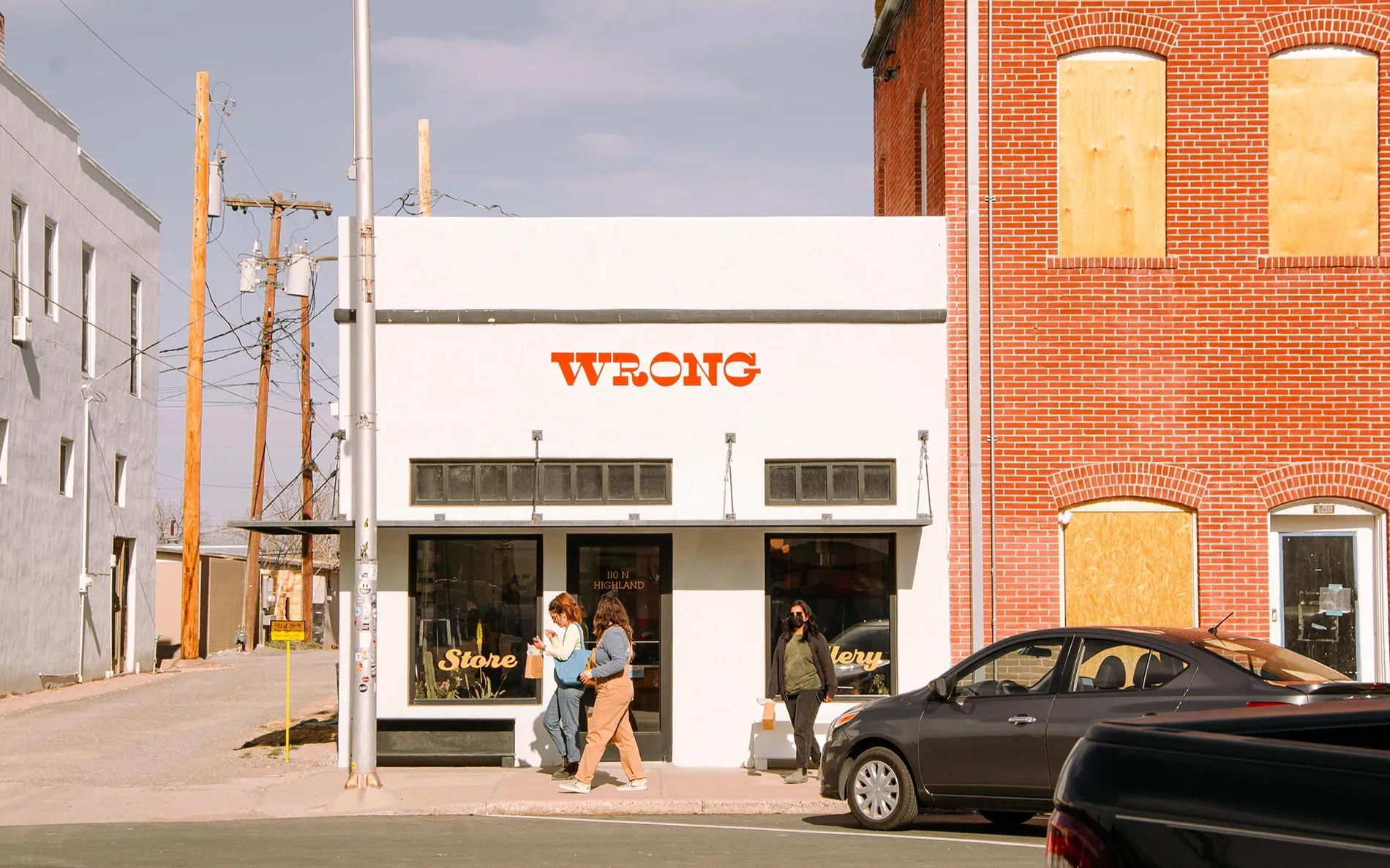
One of the must-visit spots is the Ayn Foundation, which brings a slice of international art to the desert. Known for its rotating exhibitions featuring world-renowned artists, the gallery space often showcases works that challenge conventional perceptions, inviting viewers to engage in a dialogue that spans cultural and artistic boundaries.
Another notable venue is the Rule Gallery, which has become an integral part of Marfa's contemporary art scene. This gallery focuses on presenting innovative works that push the boundaries of traditional media. Visitors will find a range of exhibitions that include paintings, sculptures, and new media installations, often featuring artists who explore the interplay between art, space, and viewer interaction.
For those interested in avant-garde and experimental art, Eugene Binder Gallery is a hidden gem. Known for its cutting-edge exhibitions, the gallery champions artists who embrace unconventional methods and materials. It’s a place where art enthusiasts can discover groundbreaking works that reflect the ever-evolving nature of artistic expression.
Marfa is also home to a variety of artist studios that open their doors to the public, offering a rare glimpse into the creative process. These studios provide a personal and engaging way to experience art, allowing visitors to meet artists and discuss their inspirations and techniques. This interaction fosters a deeper understanding of the artworks and the artistic journey, making it a highlight for many who visit the town.
Furthermore, the town's local art shops and pop-up exhibitions provide a platform for emerging artists to showcase their talent. These venues often feature works that are inspired by the stark beauty of the desert landscape, reflecting a deep connection to the environment and its influence on the artistic psyche. These spaces contribute to the vibrant local art scene, ensuring that Marfa remains a fertile ground for artistic innovation.
Whether you're exploring established galleries or discovering new artists in intimate studio settings, Marfa’s art spaces offer a diverse and enriching experience. Each gallery and studio contributes to the town's reputation as a haven for creativity and a place where art and community are woven seamlessly into the fabric of everyday life. For art lovers, Marfa is a place where exploration and discovery go hand in hand, offering endless opportunities to connect with the art and artists that call this desert oasis home.
In Marfa, Texas, the intersection of art and community is a vibrant tapestry that enriches the town's cultural landscape. This small desert town has defied expectations by becoming a global epicenter of contemporary art, and at the heart of this transformation is the symbiotic relationship between the artistic community and the local residents. The influence of art extends beyond the confines of galleries and installations, permeating everyday life and fostering a sense of collective identity and pride.

One of the key factors in this harmonious blend of art and community is the collaborative spirit that defines Marfa. Artists and locals alike are engaged in a continuous dialogue, exchanging ideas and perspectives that shape the town's cultural fabric. This open exchange is facilitated by numerous community-driven projects and events that invite participation from both artists and residents. These initiatives not only break down barriers between creators and the public but also encourage a shared sense of ownership over the town's artistic narrative.
The local economy has also benefited from the burgeoning art scene, with businesses thriving on the influx of visitors drawn to Marfa's unique cultural offerings. Art festivals and events bring in tourists who support local shops, restaurants, and accommodations, creating a sustainable model of economic growth rooted in cultural tourism. This economic vitality, in turn, supports further artistic endeavors, creating a positive feedback loop that strengthens the community as a whole.
Education plays a crucial role in linking art with the community, with local schools and organizations incorporating art programs that inspire creativity and critical thinking among students. These programs often involve collaborations with local artists, providing young people with direct access to creative role models and hands-on learning experiences. By nurturing the next generation of artists and art appreciators, Marfa ensures that its artistic legacy will continue to flourish.
Moreover, the art community in Marfa is known for its inclusivity, welcoming artists from diverse backgrounds and disciplines. This diversity is reflected in the wide range of artistic expressions found within the town, from traditional media to avant-garde installations. By embracing a multitude of voices and styles, Marfa fosters an environment where innovation thrives and cross-cultural dialogues are encouraged. This openness not only enriches the local art scene but also enhances the cultural understanding and cohesion within the community.
Ultimately, the intersection of art and community in Marfa illustrates how art can be a powerful catalyst for social cohesion and cultural enrichment. It demonstrates the potential for art to transcend aesthetic boundaries and become an integral part of community life, offering a model for other towns seeking to harness the transformative power of creativity. In Marfa, art is more than just a visual experience; it is a shared journey that connects people, celebrates diversity, and enriches the human experience.
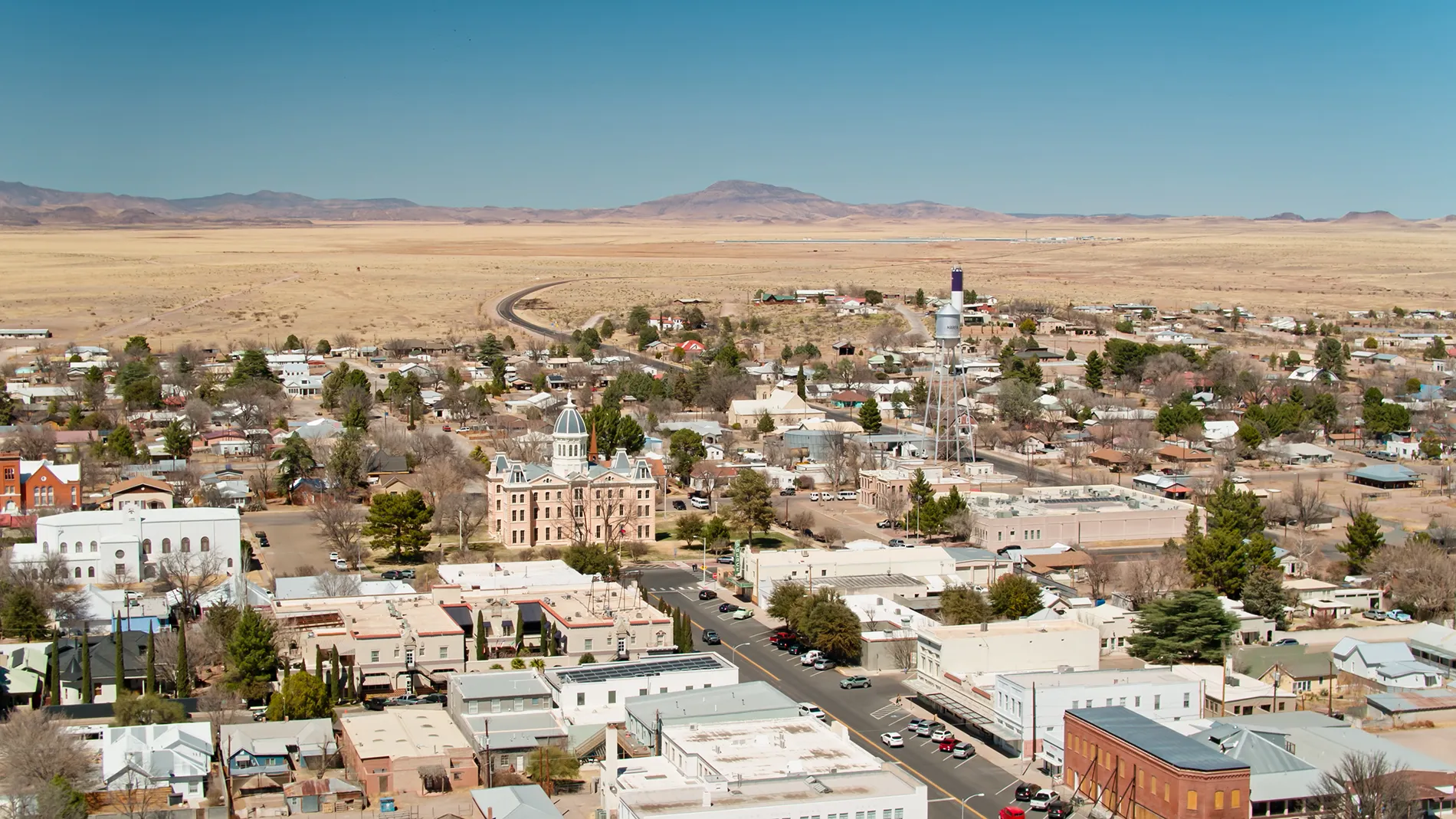
In Marfa, Texas, the interplay of art and architecture creates a distinctive atmosphere that captivates visitors and inspires artists. The town’s architectural landscape is a reflection of its artistic ethos, where historic structures harmoniously coexist with modern design, each space thoughtfully curated to enhance the artistic experience. This fusion of art and architecture is not merely aesthetic; it embodies the town's commitment to creating an immersive environment where art is an integral part of everyday life.

One of the most striking elements of Marfa's architectural charm is its adaptive reuse of buildings. Many of the town's art spaces are housed in repurposed structures, such as former warehouses, barns, and military facilities. This approach not only preserves Marfa's historical heritage but also provides unique settings that complement the contemporary art displayed within. The juxtaposition of old and new creates a dialogue between past and present, inviting viewers to explore how history and modernity intersect.
The Chinati Foundation is a prime example of this blend, where Donald Judd’s installations are carefully integrated into the expansive grounds of a former military base. The minimalist design of Judd's artworks is mirrored in the architecture, with clean lines and open spaces that allow the art to breathe and interact with the natural environment. The use of natural light and the vast desert backdrop further enhance the contemplative experience, encouraging visitors to engage deeply with the art and its surroundings.
Marfa’s private residences and commercial buildings also reflect its artistic sensibility, often designed by architects who draw inspiration from the local landscape and artistic community. These structures frequently feature minimalist designs, with an emphasis on form, function, and the interplay of light and shadow. The careful consideration of materials, often sourced locally, adds a layer of authenticity and sustainability to the architectural fabric of the town.
Additionally, the integration of art and architecture extends to Marfa's public spaces, where sculptures and installations are strategically placed to invite interaction and reflection. These public artworks transform the town into an open-air gallery, accessible to all who wander its streets. The seamless blending of these elements creates a cohesive environment where art and architecture are not separate entities but part of a unified expression of creativity.
Marfa's unique blend of art and architecture offers more than visual pleasure—it encourages a holistic experience that engages the senses and the mind. The thoughtful design and placement of each element invite visitors to consider the relationship between space and art, prompting a deeper appreciation for the role that architecture plays in shaping our perception and interaction with artistic works. This synergy is a testament to Marfa's innovative spirit and its ongoing commitment to artistic exploration and expression.
When planning a visit to Marfa, Texas, to explore its renowned art attractions, there are several practical tips that can enhance your experience and ensure a seamless journey. This desert oasis, known for its unique blend of art and nature, offers a variety of attractions that require a bit of preparation to fully appreciate.
First and foremost, consider the timing of your visit. Marfa's art scene is vibrant year-round, but seasonal events like Chinati Weekend and the Marfa Myths festival offer unique opportunities to engage with the local creative community. If possible, align your visit with these events to experience Marfa's cultural pulse at its peak. However, if you prefer a quieter exploration, visiting during the off-season can provide a more intimate encounter with the town's art installations and galleries.
Given Marfa's remote location, arranging travel logistics in advance is crucial. The nearest major airport is in El Paso, about a three-hour drive away, so renting a car is advisable for flexibility in exploring the area. Marfa’s small size makes it easy to navigate by foot or bicycle once you arrive, but having a car will allow you to visit nearby installations such as "Prada Marfa" and other landmarks outside the town center.
Accommodations in Marfa range from boutique hotels to unique lodging options like El Cosmico, where you can stay in a vintage trailer or yurt. Booking accommodations ahead of time is recommended, especially during peak event periods when the town sees an influx of visitors. Staying centrally will make it easier to explore the town’s art scene at your own pace.
When visiting the Chinati Foundation and other large-scale installations, it's beneficial to check their schedules and book tours in advance. Guided tours often provide deeper insights into the artworks and the artists behind them, enriching your experience. Note that some sites have limited opening hours or require advance reservations, so planning ahead is key.
Marfa's desert climate means that temperatures can vary significantly, with hot days and cool nights. Dress in layers and wear comfortable shoes, as you'll likely spend a good amount of time walking between installations. Don't forget essentials like sunscreen, a hat, and plenty of water to stay hydrated in the dry climate.
Engage with the local art community by visiting galleries and studios, many of which offer rotating exhibitions and artist talks. This interaction provides a unique opportunity to learn directly from artists and contribute to the town’s artistic dialogue. Additionally, local eateries and shops often feature art-inspired menus and products, giving you a taste of Marfa's creative spirit in more ways than one.
Lastly, embrace the slower pace of life that Marfa offers. Take time to appreciate the vast landscapes, the interplay of light and shadow on the desert horizon, and the quiet moments of reflection that this unique setting provides. Marfa’s art scene is not just about the visual experience; it’s about immersing yourself in a place where creativity and nature coexist in harmony.
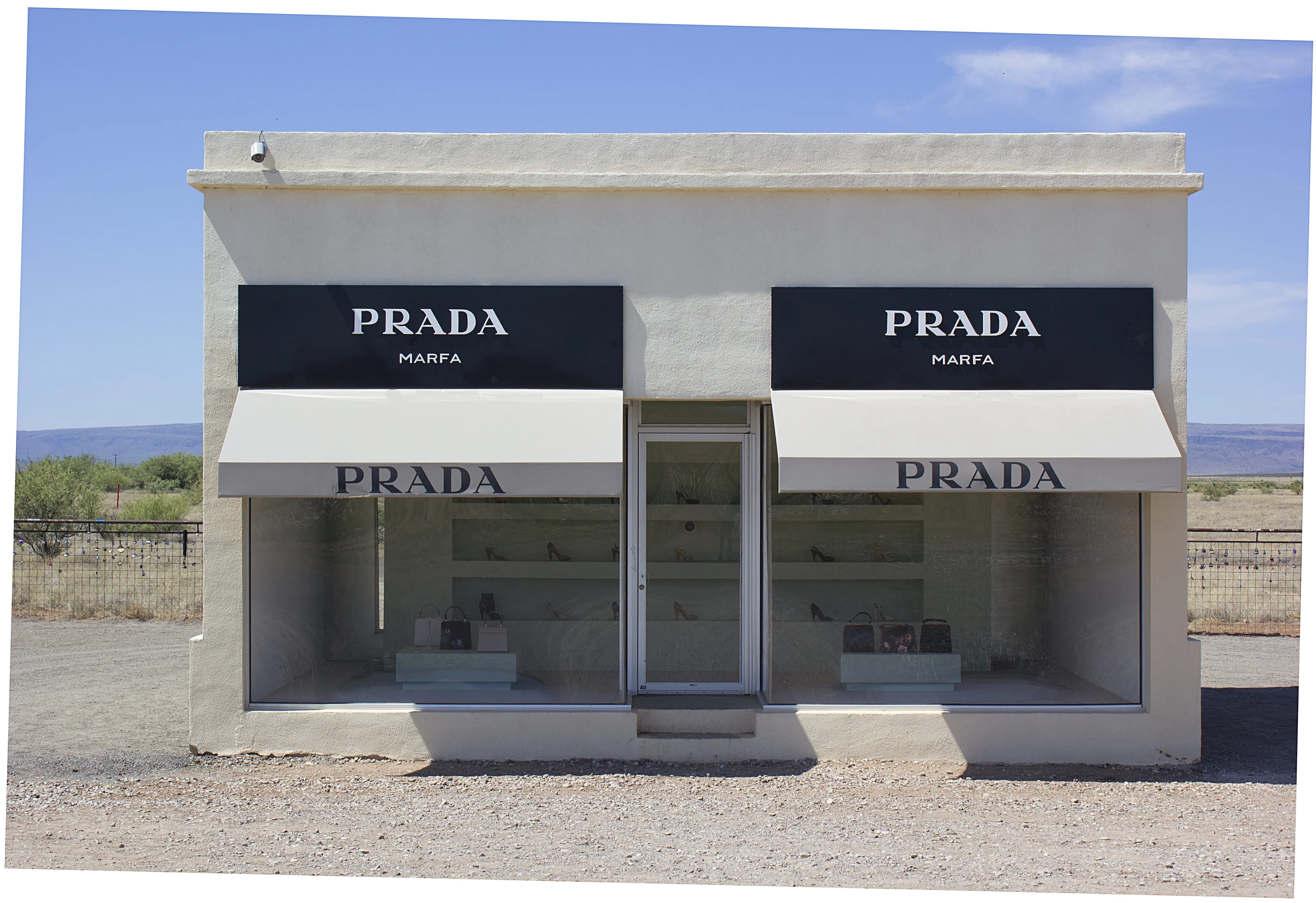
Discover Marfa, Texas, a desert gem where contemporary art meets stunning landscapes. Explore its vibrant cultural and artistic scene.
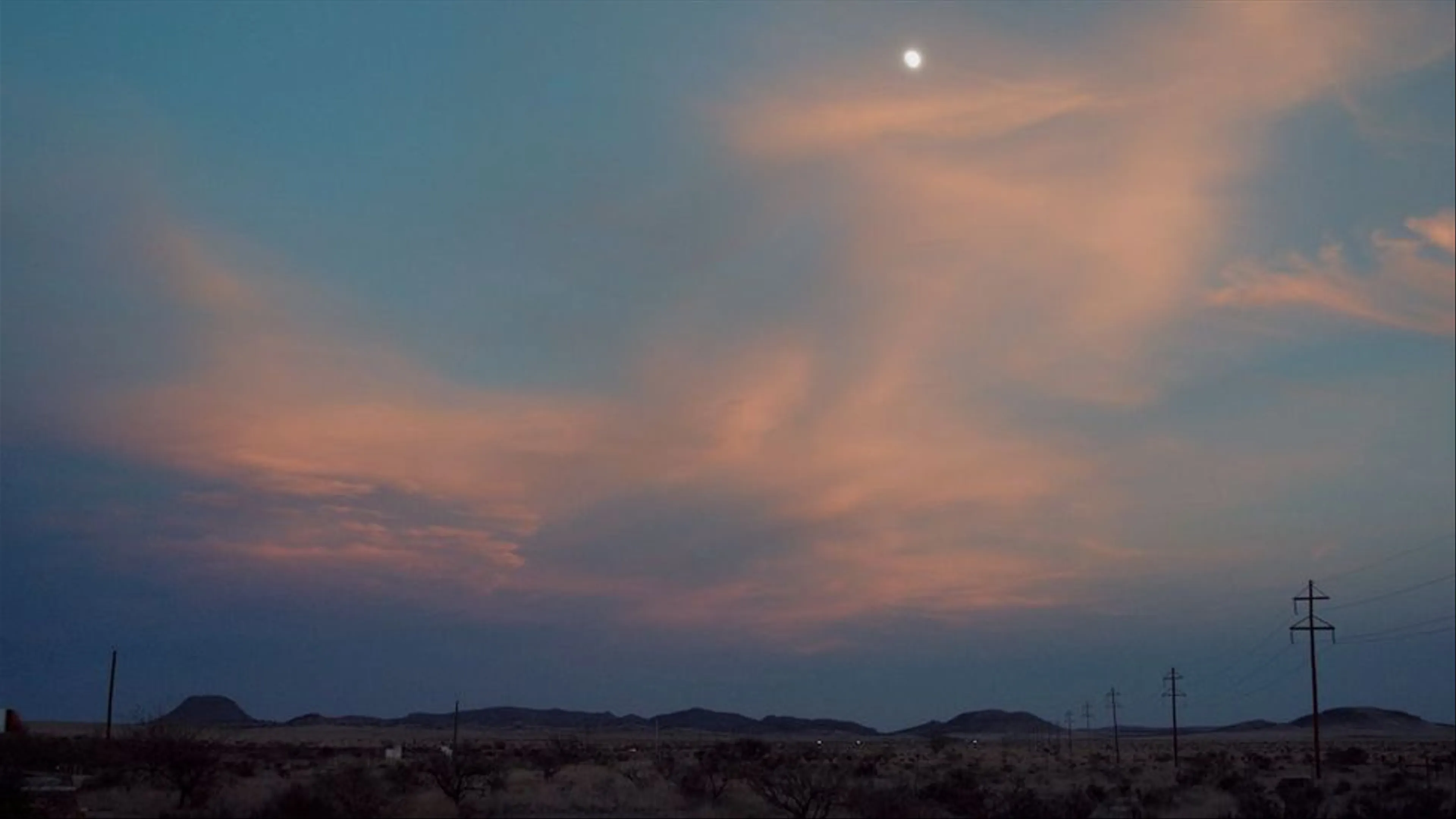
Explore Marfa, Texas, a unique blend of art, stargazing, and the enigmatic Marfa Lights, offering an unforgettable travel experience.
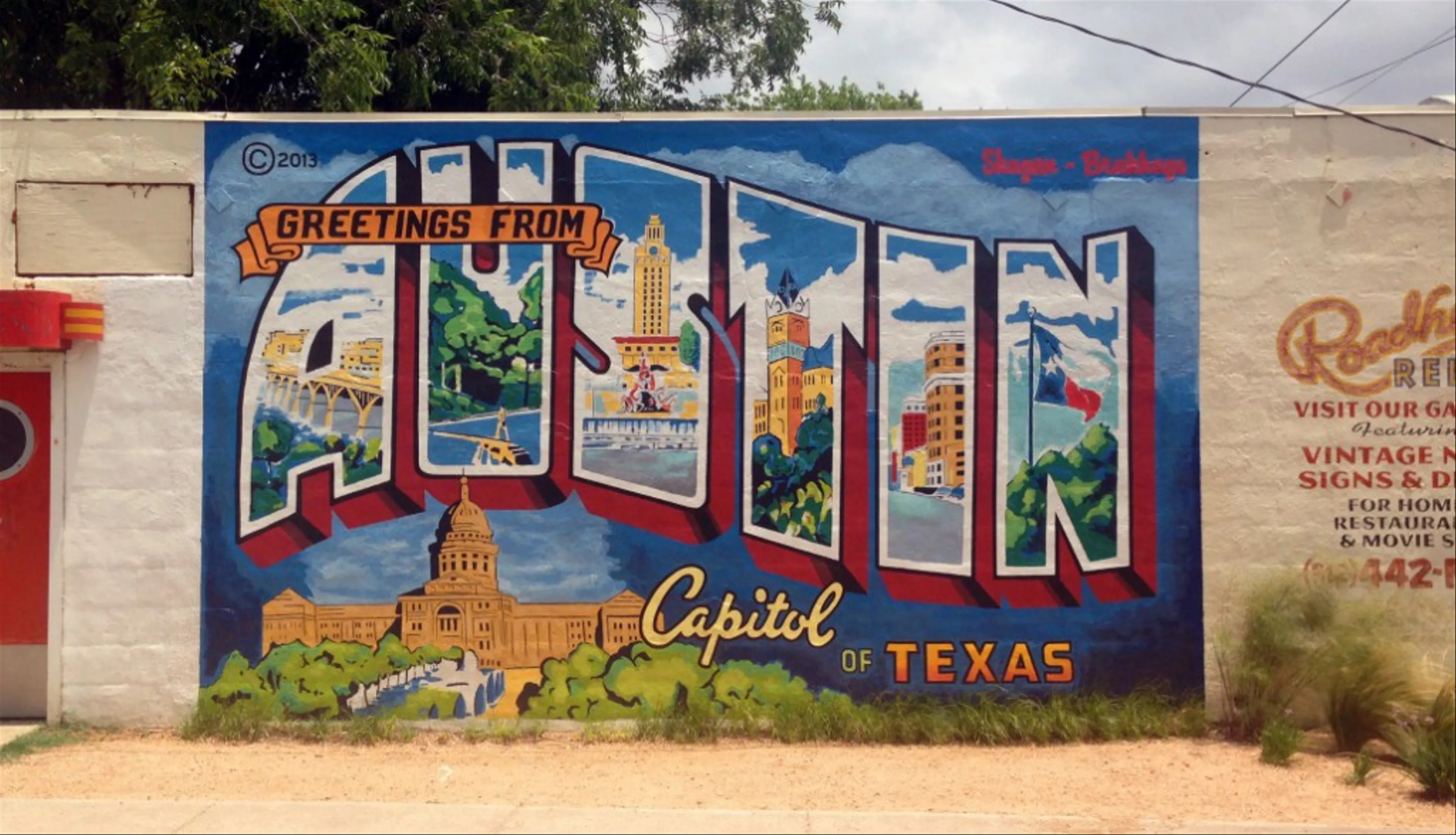
Uncover Austin's East Side with its vibrant murals, eclectic music scene, and unique attractions for an unforgettable experience.