
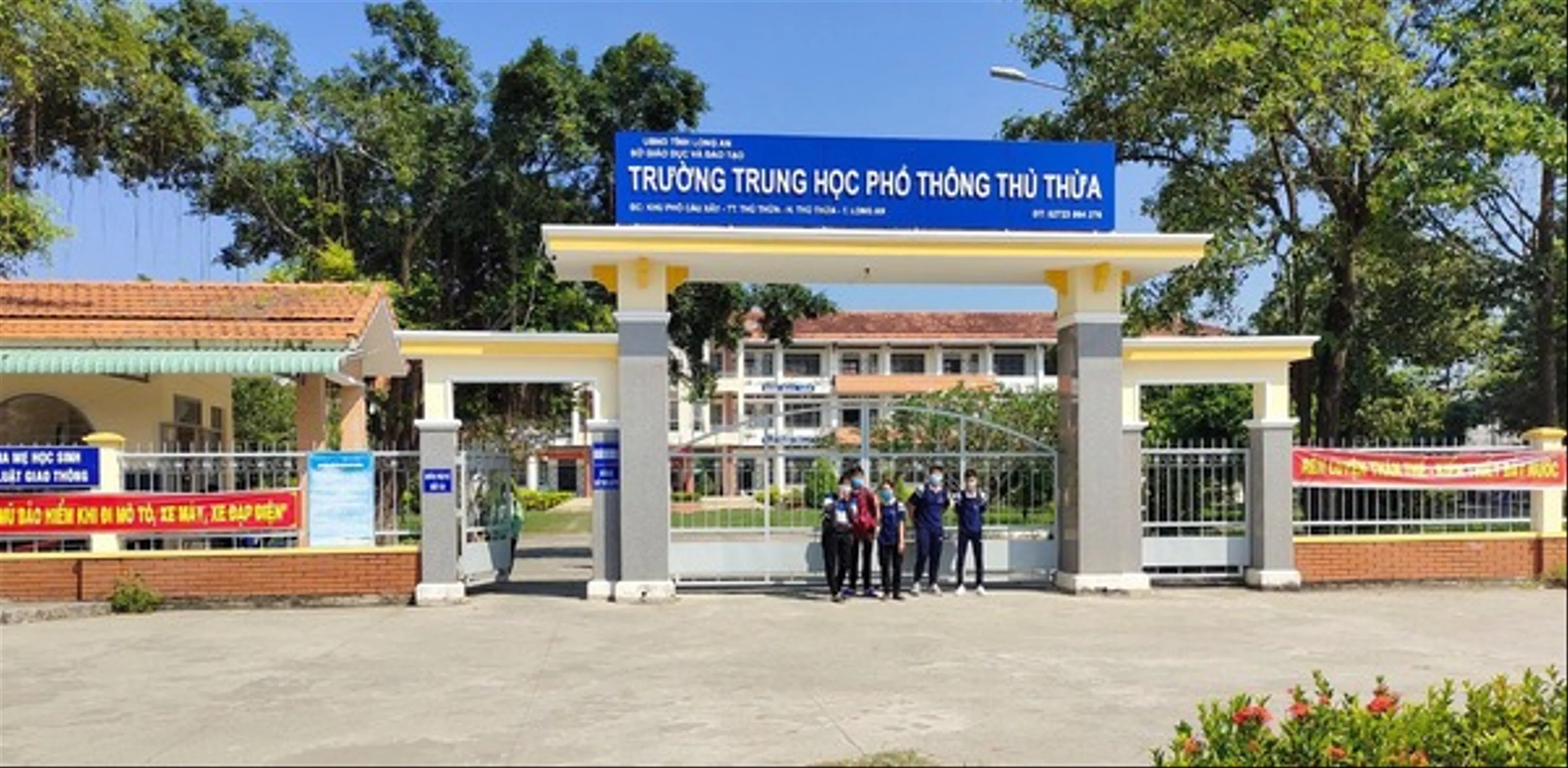
Thu Thua District is one of the central localities of Long An Province, located in the Mekong Delta region of southern Vietnam. Thanks to its favourable position, Thu Thua borders several neighbouring districts such as Tan An, Ben Luc, Thanh Hoa, Tan Thanh, and Thu Dau Mot, making it a convenient hub for trade and socio-economic development.
The district covers a natural area of over 489 km² with a population of more than 90,000 people, most of whom are engaged in agriculture. Thu Thua is well known for its vast rice fields, lush fruit orchards, and an intricate network of rivers and canals that characterise the unique charm of the Mekong Delta.
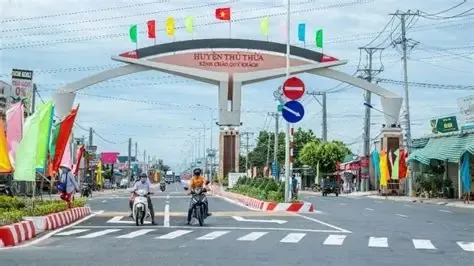
Thu Thua is not only blessed with fertile agricultural land but is also a land rich in historical and cultural traditions. It was once a significant site of many events during the resistance wars against the French and the Americans, leaving a deep historical imprint.
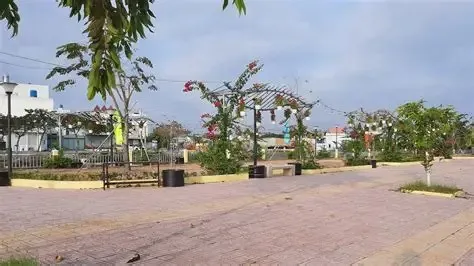
Local people are warm, hospitable, and strongly connected to traditional cultural values of the riverine lifestyle. Folk festivals, ancient temples, and traditional craft villages contribute to shaping the district’s distinctive cultural identity.
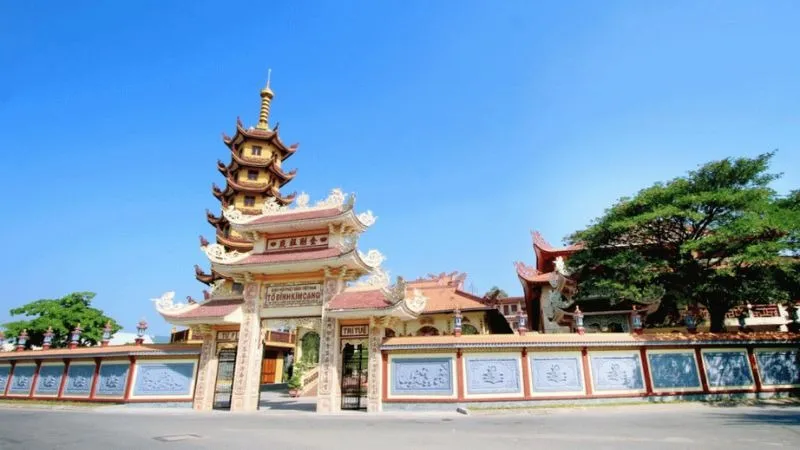
Kim Cang Pagoda was first built in 1820, during the first year of Emperor Minh Mang’s reign, in Cuu An District, Tan An Prefecture. Following a dream of Monk Chanh Tam, the pagoda was later relocated to Thu Thua District, where it stands today.
The pagoda showcases traditional architecture, with gracefully curved roofs coated in shimmering golden paint. Its most striking feature is the triple-arched gate (Tam Quan), adorned with intricate bas-reliefs of two dragons vying for a pearl, creating a visually captivating scene. The roof edges are also exquisitely carved with stylised floral patterns, adding to its sacred beauty.
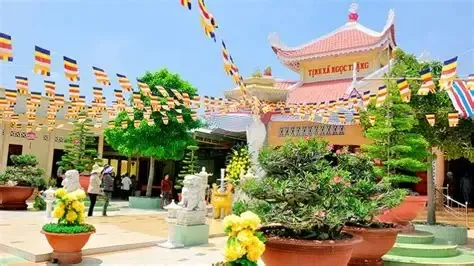
Ngoc Thang Monastery is an ideal place for Buddhist nuns and devotees to practise their faith. Many Buddhists gather here every evening to chant sutras and recite prayers, seeking peace of mind and blessings for the community.
Beyond spiritual practice, the resident nuns also encourage followers to engage in charitable activities, offering donations and support to the poor and homeless, embodying the spirit of compassion and generosity in Buddhism.
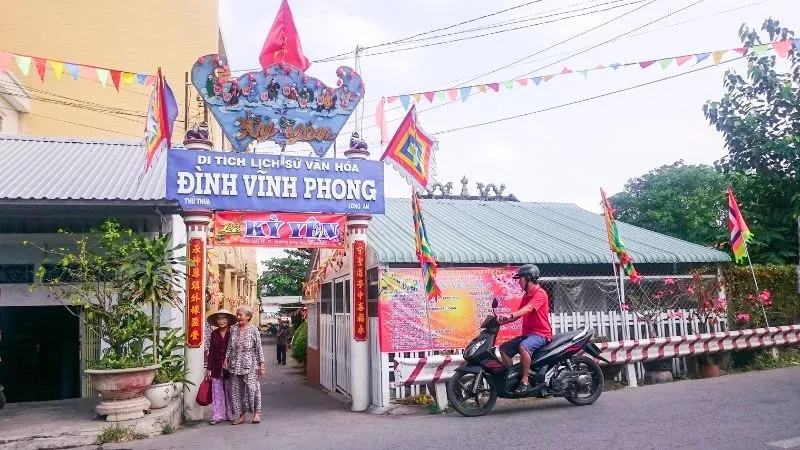
Vinh Phong Communal House is an ancient temple built to honour the pioneers who established the Thu Thua land. Dedicated to the village’s tutelary deity, the communal house received an imperial decree of conferment from Emperor Tu Duc in 1852.
Today, the communal house still preserves many valuable antiquities dating back to the 1880s. Among its most remarkable treasures is a large gilded wooden plaque inscribed with the three words “Vinh Phong Dinh”, a striking testament to the region’s cultural and historical heritage.
Thu Thua District is gradually shifting towards urbanisation, developing industry in harmony with modern agriculture and eco-tourism. With its advantageous geographical location, fertile land, and hospitable people, Thu Thua promises to become a dynamic area that plays a vital role in the overall development of Long An Province.
No tours published here yet.
Discover tours, attractions and travel services for Thu Thua District.