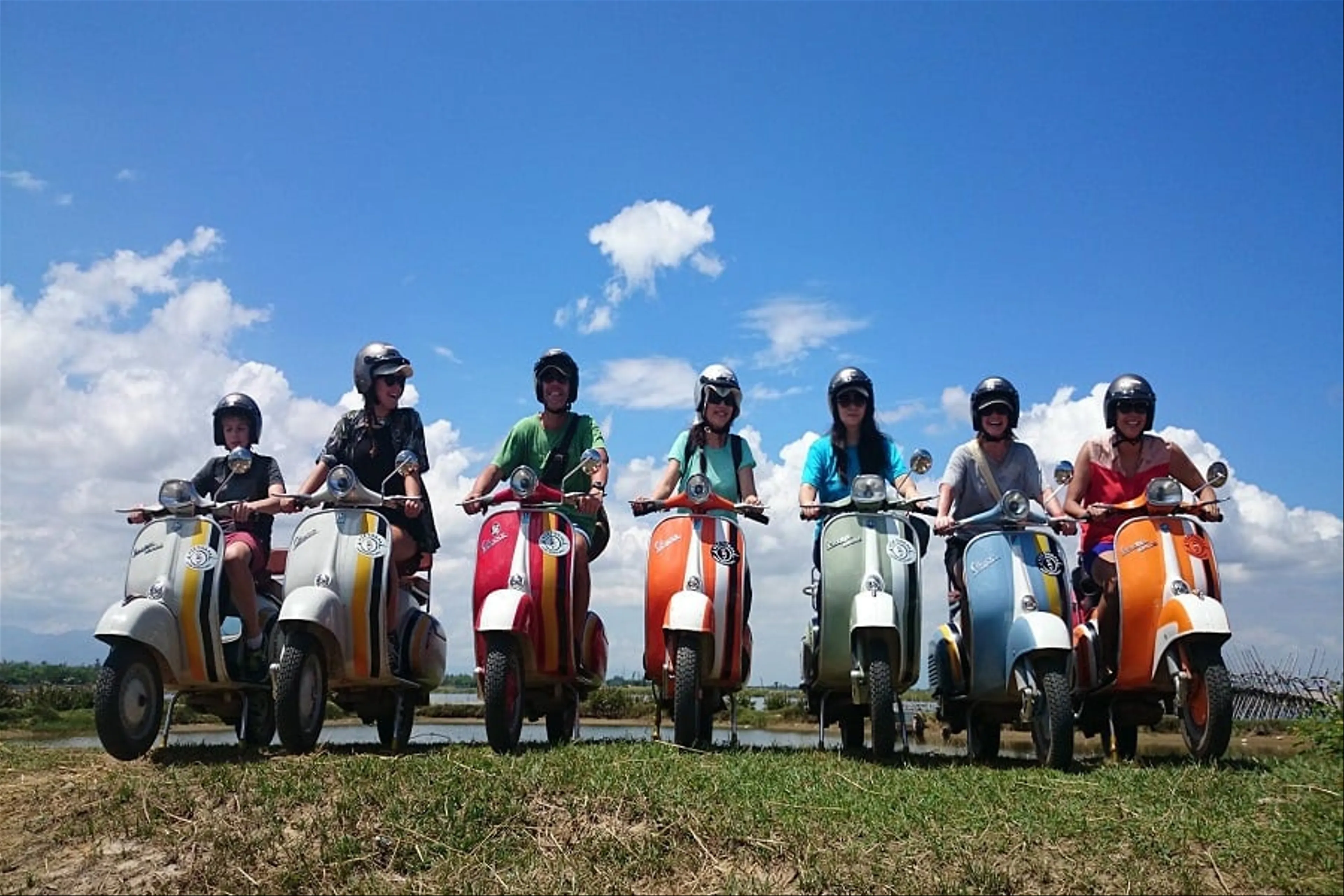

Explore the vibrant street food of Yaowarat Road, Bangkok, and uncover the best Thai culinary delights in this bustling neighborhood.
Yaowarat Road, more commonly known as Bangkok's Chinatown, is a bustling hub that has been at the heart of the city's culinary scene for over a century. Established in the 19th century by Chinese immigrants, Yaowarat Road is not just a street but a living testament to the vibrant and diverse culture of the Chinese community in Thailand. This lively area has grown and evolved, yet it remains deeply rooted in its rich history, offering a unique blend of Thai and Chinese heritage.

The history of Yaowarat Road is intrinsically linked to the waves of Chinese immigration that began in the early 1800s. As these immigrants settled in Bangkok, they brought with them their culinary traditions, which have been passed down through generations. This has resulted in a street food scene that is both dynamic and deeply traditional, with recipes that reflect a fusion of flavors and techniques. Over the years, Yaowarat has become synonymous with authentic Chinese cuisine, a reputation it proudly maintains today.
Yaowarat Road's architecture also tells a story of its rich past. As you stroll through the neighborhood, you will notice a blend of old and new, with traditional shophouses standing alongside modern establishments. These shophouses, many of which have been in the same family for generations, contribute to the area's unique charm. They serve as both homes and businesses, where families continue to uphold culinary customs amidst the ever-evolving urban landscape.
Culturally, Yaowarat Road is a vibrant tapestry of traditions. Festivals such as the Chinese New Year and the Vegetarian Festival transform the street into a lively celebration of heritage, attracting locals and tourists alike. During these events, the road is adorned with red lanterns and bustling with activity, as food stalls offer special dishes to mark the occasion. These festivals are not only a feast for the senses but also a testament to the community's enduring spirit and dedication to preserving its cultural identity.
In essence, Yaowarat Road is more than just a destination for street food enthusiasts; it is a living museum of culture and history. Its ability to preserve tradition while embracing modernity makes it a unique culinary and cultural experience. For travelers seeking to dive into the heart of Bangkok's rich tapestry, a visit to Yaowarat Road offers an unforgettable journey through time, taste, and tradition.
Embarking on a culinary journey along Yaowarat Road means indulging in a plethora of tantalizing street food that captures the essence of both Thai and Chinese flavors. While the vibrant atmosphere and bustling energy are awe-inspiring, it is the food that truly steals the spotlight. Here are some must-try dishes that every traveler should savor while exploring this gastronomic haven.

First on the list is the iconic "Guay Jub," a comforting bowl of rolled rice noodles served in a peppery broth. This dish is often accompanied by tender chunks of pork, crispy fried tofu, and boiled eggs, offering a delightful balance of textures and flavors. The dish's distinct aroma and spicy kick make it an instant favorite among those who appreciate bold flavors.
Another Yaowarat staple is "Hoy Tod," a delectable seafood omelet that is crispy on the outside yet soft and savory on the inside. Typically made with fresh mussels or oysters, this dish is cooked on a sizzling hotplate and served with a side of tangy chili sauce. The combination of crunchy and tender bites, coupled with the sauce's zing, creates an unforgettable taste sensation.
No visit to Yaowarat would be complete without trying "Khanom Buang," often referred to as Thai crepes. These thin, crispy pancakes are filled with a choice of sweet or savory toppings, such as coconut cream, golden threads, or chopped shrimp. Watching the vendors expertly prepare these delicate treats is as enjoyable as tasting them, making it a must-experience culinary delight.
For those with a sweet tooth, "Bua Loy Nam King," a dessert featuring glutinous rice balls filled with black sesame paste, is a must-try. Served in a warm ginger syrup, this dessert offers a perfect blend of sweetness and spice that is both soothing and satisfying. It’s a comforting way to conclude a meal in the bustling streets of Chinatown.
Lastly, don't miss the chance to sample "Satay," skewers of marinated meat that are grilled to perfection. Often served with a rich peanut sauce and a side of tangy cucumber salad, satay is a flavorful and convenient street food that's perfect for on-the-go snacking. The tender, juicy meat combined with the savory sauce creates a harmonious blend that is irresistible to both locals and visitors.
These dishes are just a glimpse into the diverse culinary offerings of Yaowarat Road. As you navigate the lively streets, allow yourself to be guided by the enticing aromas and vibrant displays, ensuring an authentic taste of Bangkok's street food culture. Each bite tells a story of tradition, innovation, and the unyielding passion of the vendors who make Yaowarat a true food lover's paradise.
While Yaowarat Road is renowned for its iconic street food, venturing off the main thoroughfare can lead you to hidden gems that locals cherish. These lesser-known spots offer a more intimate glimpse into the culinary landscape of Bangkok's Chinatown, where traditional recipes and innovative interpretations coexist harmoniously. Exploring these local favorites not only promises delightful surprises but also a deeper connection with the community's vibrant spirit.

One such hidden gem is the modest "Kuay Teow Kua Gai" stall, tucked away in a narrow alley just off the bustling street. This dish features wok-fried rice noodles with chicken, egg, and a hint of soy sauce, creating a smoky aroma that draws you in. The secret to its unique flavor lies in the high heat of the wok, which imparts a distinct charred taste to the noodles, a technique known as "wok hei." Enjoyed by locals for its satisfying simplicity, this dish is a testament to the chef's skill and the authenticity of traditional cooking methods.
Another local favorite is a small dessert shop that specializes in "Luk Chup," intricately shaped mung bean sweets that resemble miniature fruits and vegetables. These colorful treats are made by molding a sweet mung bean paste into delicate shapes, then painting them with vibrant colors before being glazed with a shiny coating. The artistry involved in crafting each piece is remarkable, and the taste—a subtle sweetness with a soft texture—is equally impressive. This shop is a quiet haven where you can appreciate the meticulous craftsmanship of Thai confections.
For those seeking a savory snack, "Pla Pao," or salt-crusted grilled fish, is a must-try. Found at a bustling corner stall, this dish features whole fish stuffed with lemongrass and herbs, then grilled to perfection over an open flame. The crispy salt crust locks in moisture, resulting in tender, flavorful flesh that pairs beautifully with a spicy seafood dipping sauce. Often enjoyed with a side of sticky rice, "Pla Pao" offers a delightful contrast of textures and flavors that highlight the expertise of the seasoned vendors.
Lastly, a visit to a family-run eatery offering "Chao Guay," or grass jelly dessert, provides a refreshing end to your culinary exploration. This cooling treat consists of chilled grass jelly cubes served with crushed ice and a choice of sweet syrup or coconut milk. Known for its health benefits and soothing properties, "Chao Guay" is a popular choice among locals looking to beat the tropical heat. The unassuming setting of this eatery, combined with the nostalgic flavors, offers a comforting experience that reflects the area's rich culinary heritage.
These hidden gems, cherished by locals and often overlooked by tourists, provide an authentic taste of Yaowarat's diverse food offerings. By stepping off the beaten path, you'll uncover the stories and traditions that continue to thrive in Bangkok's Chinatown, making your culinary journey all the more memorable.
When wandering through the vibrant streets of Yaowarat, don't miss the chance to indulge in the delightful world of Thai desserts. These sweet treats not only offer a perfect end to a savory meal but also provide a unique window into Thailand's rich culinary traditions. The desserts of Yaowarat, influenced by both Thai and Chinese cultures, combine exotic flavors and textures that will tantalize your taste buds.
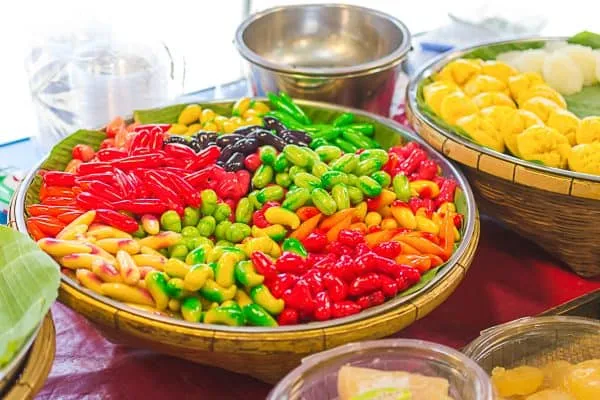
Start your sweet adventure with "Thong Yod," a golden delight that is as pleasing to the eye as it is to the palate. Known as "golden drops," these egg yolk-based sweets are skillfully shaped into teardrops before being simmered in a fragrant syrup. Their vibrant color and smooth texture make them a feast for both the eyes and the mouth. Traditionally served during auspicious occasions, "Thong Yod" symbolizes prosperity and is a testament to the intricate artistry involved in Thai dessert making.
Another must-try is "Khanom Buang," or Thai crispy pancakes, which are as fun to watch being made as they are to eat. These delicate crepes are filled with sweet meringue and topped with either shredded coconut or golden egg yolk threads, known as "foi thong." The combination of crispness and the creamy filling creates a delightful contrast that leaves you wanting more. As you savor each bite, you'll appreciate the skill of the vendors who balance flavors and textures to perfection.
For a refreshing treat, look no further than "Tub Tim Krob," a dessert that offers a cooling respite from Bangkok's heat. Often referred to as "red rubies," this dessert features water chestnuts coated in a vibrant red tapioca flour, served in sweetened coconut milk over crushed ice. The crunchy texture of the chestnuts combined with the creamy coconut makes for a delightful sensory experience that is both refreshing and satisfying.
If you're seeking something with a more traditional Chinese influence, try "Mung Bean Candy," a sweet that reflects the fusion of cultures in Yaowarat. These candies are made from finely ground mung beans, sugar, and coconut milk, shaped into small, intricate forms. The smooth, melt-in-your-mouth texture and subtle sweetness make them a beloved treat among locals. Often enjoyed with a cup of tea, these candies offer a gentle sweetness that complements the strong flavors of street food.
Lastly, indulge in "Sankaya Fak Thong," a Thai version of pumpkin custard that beautifully marries the flavors of egg custard with the natural sweetness of pumpkin. This dessert is steamed within a hollowed-out pumpkin, allowing the flavors to meld together harmoniously. The creamy custard and soft pumpkin create a rich, comforting dessert that is both nourishing and indulgent.
Exploring the desserts of Yaowarat is an adventure in itself, offering insights into the cultural tapestry of Bangkok's Chinatown. Each sweet treat tells a story of tradition, innovation, and the vibrant community that keeps these culinary customs alive. As you sample these delicacies, you'll not only satisfy your sweet tooth but also gain a deeper appreciation for the artistry and passion that define Thai desserts.
Exploring Yaowarat Road, with its vibrant energy and tantalizing aromas, can be both exhilarating and overwhelming for first-time visitors. To make the most of your culinary adventure, it's essential to navigate the bustling streets with a bit of strategy and insider knowledge. Here are some tips to help you enjoy your gastronomic journey through Bangkok’s Chinatown to the fullest.
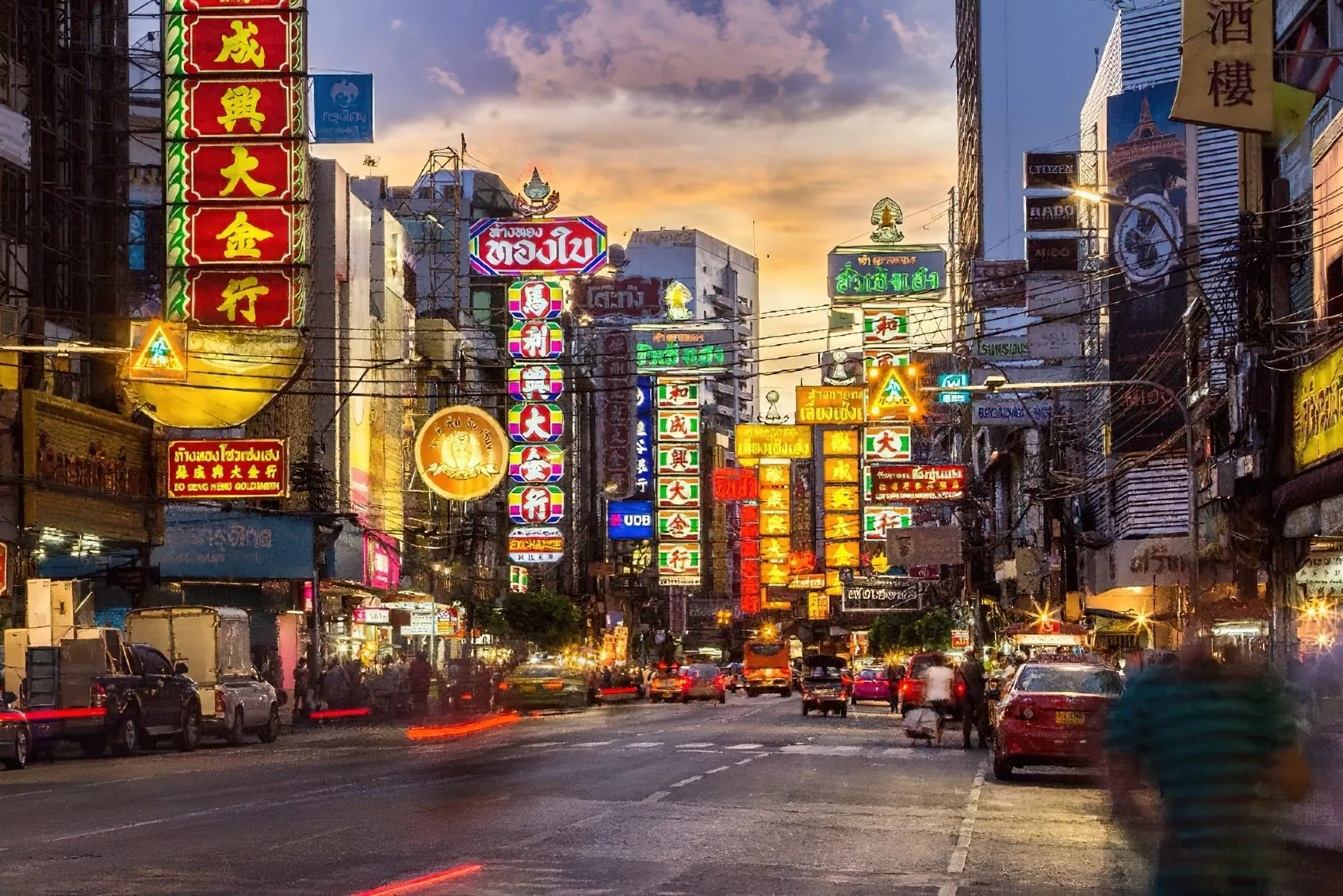
Firstly, timing is everything. Yaowarat truly comes alive in the evening when the streets are illuminated by neon lights and the air is filled with the sizzling sounds of street vendors preparing their specialties. Arriving after sunset ensures you experience the street food scene at its peak, with a wide array of stalls offering fresh and diverse options. However, be mindful of the crowd, especially on weekends, as the area can become quite packed.
Comfortable footwear is a must, as you’ll find yourself walking quite a bit. The narrow sidewalks and bustling crowds can make navigating the area a bit challenging, so wearing shoes that support extended walking will keep you comfortable as you explore. Additionally, be prepared for varying weather conditions. Carrying a small umbrella or a rain poncho can be handy, especially during the rainy season.
When it comes to choosing where to eat, follow the locals. A queue at a food stall is often a good indicator of delicious offerings. Don’t be afraid to ask local patrons for recommendations; they can guide you to some hidden gems that might not be immediately obvious. Engaging with vendors and fellow diners can also enhance your understanding of the dishes and their cultural significance.
Cash is king in Yaowarat, as most street vendors do not accept credit cards. Ensure you carry enough local currency, preferably in small denominations, to facilitate easy transactions. Luckily, there are numerous ATMs throughout the area if you need to withdraw more cash.
Be adventurous but mindful of your limits. With so many dishes to try, it’s tempting to sample everything, but it's wise to pace yourself. Start with smaller portions to savor a variety of flavors without overwhelming your palate or your stomach. Sharing dishes with a travel companion can also be a great way to taste more without overindulging.
Finally, stay hydrated. With the tropical heat and the enticing array of spicy foods, it's important to drink plenty of water. While many stalls offer refreshing beverages, it's advisable to carry a bottle of water with you to stay hydrated throughout your exploration.
By keeping these tips in mind, you'll be well-equipped to navigate the vibrant chaos of Yaowarat Road. Embrace the sensory overload, be open to new experiences, and you'll find that this culinary journey offers not just a feast for the stomach, but a memorable cultural immersion as well.
Diving into the culinary delights of Yaowarat Road is as much about savoring the food as it is about embracing the local dining culture. As you prepare to embark on this flavorful journey, understanding the cultural etiquette of dining in Bangkok's Chinatown can greatly enhance your experience, helping you connect with the locals and appreciate the rich traditions that shape this vibrant community.

First and foremost, respect for food and the people who prepare it is a cornerstone of Thai dining culture. This begins with a polite interaction. When approaching a food stall, greeting the vendor with a friendly "Sawadee" (hello) and a smile can set a positive tone. It’s also customary to express gratitude with a "Khob Khun" (thank you) after your meal, showing appreciation for their culinary craftsmanship.
When it comes to dining, Thais typically use a spoon and fork, with the spoon held in the dominant hand and used for eating, while the fork is used to push food onto the spoon. Chopsticks are generally reserved for noodle dishes. Observing and adopting these practices can make your dining experience both authentic and respectful.
Sharing is an integral part of Thai meals, reflecting the communal spirit of dining. When eating with others, it’s common to order a variety of dishes to share among the group. This not only allows everyone to enjoy a range of flavors but also fosters a sense of togetherness. If you're dining solo, consider ordering a few small dishes to recreate this experience for yourself.
Portion size and leftovers are treated with mindfulness. While it is courteous to try a bit of everything on your plate, avoiding food waste is paramount. Thais value food highly, and it is seen as disrespectful to leave large amounts uneaten. If you’re unsure about a dish, start with a small portion; you can always order more if you wish.
When dining in a bustling street food setting like Yaowarat, it's essential to be considerate of your surroundings. Be mindful of your volume when speaking, as well as the space you occupy, especially in crowded areas. This ensures a pleasant dining experience for you and those around you.
Finally, immerse yourself in the moment. Eating in Yaowarat is not just about the food, but the lively atmosphere, the sizzling sounds, and the vibrant interactions that define this iconic street. Taking the time to observe and absorb the ambiance, as well as engaging with the locals, can yield a richer, more meaningful experience.
By embracing these cultural etiquettes, you'll not only dine like a local but also gain a deeper appreciation for the rich traditions and community spirit that make Yaowarat Road a captivating culinary destination.
While Yaowarat Road is undeniably a culinary paradise, its allure extends beyond food into a vibrant nightlife and entertainment scene that captivates visitors. As the sun sets and the neon lights flicker to life, Yaowarat transforms into a dynamic hub where culture, entertainment, and history converge, offering a myriad of experiences that go beyond the palate.
Start your evening with a visit to one of the area's traditional Chinese tea houses. These establishments offer a serene escape from the bustling streets, where you can unwind with a cup of freshly brewed tea. The ritual of tea drinking is steeped in cultural significance, providing a moment of tranquility and reflection amidst your urban adventures. Many tea houses also host cultural events and performances, giving you a glimpse into the rich traditions that have shaped Chinatown over the decades.
For those seeking a more spirited experience, the local bars and pubs scattered throughout Yaowarat offer a unique twist on traditional nightlife. Many of these venues blend old-world charm with contemporary flair, serving creative cocktails inspired by Thai and Chinese ingredients. As you sip on a refreshing drink, you'll often find live music performances adding to the lively atmosphere. Local bands and musicians bring a diverse range of sounds, from jazz and blues to traditional Thai melodies, ensuring a vibrant auditory experience that complements the eclectic ambiance.
If you're in the mood for something more immersive, consider exploring the hidden speakeasies tucked away in the alleys of Yaowarat. These clandestine bars are known for their intimate settings and innovative mixology, crafting cocktails that tell a story with each sip. The journey to finding these speakeasies is an adventure in itself, often requiring a keen eye and a sense of curiosity as you navigate the labyrinthine streets of Chinatown.
Beyond bars and tea houses, Yaowarat is also home to a variety of cultural performances and events that light up the night. During festival seasons, the area hosts vibrant parades, dragon dances, and firework displays that celebrate the rich heritage of Bangkok's Chinese community. These events offer a feast for the senses, with dazzling visuals and captivating performances that bring the streets to life, inviting both locals and tourists to join in the festivities.
For a more leisurely evening, take a stroll through the night market that lines Yaowarat Road. Here, you can browse an array of stalls offering everything from souvenirs and local crafts to unique antiques and traditional medicine. The market’s lively energy and colorful displays provide a perfect backdrop for an evening wander, allowing you to soak in the sights, sounds, and scents that make Yaowarat a truly multifaceted destination.
In essence, the nightlife and entertainment of Yaowarat offer a rich tapestry of experiences that extend far beyond its culinary offerings. Whether you're savoring a cup of tea, discovering a hidden bar, or partaking in cultural festivities, you'll find that the evening hours bring a new dimension to this iconic district, making your visit to Bangkok's Chinatown a memorable journey into the heart of Thai and Chinese culture.
Navigating your way to Yaowarat Road, Bangkok's vibrant Chinatown, is an essential part of planning your culinary journey. Situated in the heart of Bangkok, Yaowarat is easily accessible and well-connected by various modes of transportation, making it a convenient destination for both locals and tourists.

One of the most popular and efficient ways to reach Yaowarat is by using the city's MRT (Mass Rapid Transit) system. The nearest MRT station to Chinatown is Hua Lamphong, which is just a short walk from Yaowarat Road. From Hua Lamphong station, exit towards Wat Traimit and follow the signs leading to Chinatown. This route offers a leisurely walk through the historic area, setting the stage for your exploration of the culinary delights ahead.
Alternatively, you can take the BTS Skytrain to Saphan Taksin station and then board a Chao Phraya River Express boat to the Ratchawong Pier. From there, it's a brief walk to the bustling streets of Yaowarat. This route not only provides a scenic view of the river but also adds a touch of adventure to your trip, allowing you to experience Bangkok's unique waterways.
For those who prefer traveling by road, taxis and tuk-tuks are widely available throughout the city. While these options offer convenience and direct routes to Yaowarat, it's advisable to negotiate the fare beforehand, especially with tuk-tuk drivers, to avoid any surprises. Additionally, ride-hailing apps offer a hassle-free alternative, allowing you to book a ride directly to Chinatown from anywhere in Bangkok.
When planning your visit, timing plays a crucial role in experiencing the full vibrancy of Yaowarat. The best time to explore is in the evening, particularly after sunset when the streets come alive with neon lights and the aroma of street food fills the air. The bustling energy and lively atmosphere peak during the night, offering a sensory feast that is both captivating and unforgettable.
Weekdays typically see fewer crowds compared to weekends, making them an ideal choice for those who prefer a more leisurely exploration. However, if you're looking to experience the local festivals and cultural events, weekends and special occasions like Chinese New Year or the Vegetarian Festival are perfect, as Yaowarat transforms into a hub of celebration and activity.
Whether you're drawn to the culinary scene, cultural heritage, or simply the vibrant energy, planning your visit to Yaowarat with these practical tips in mind will ensure a seamless and enriching experience. From easy access via public transport to the optimal times for exploration, you'll be well-prepared to dive into the heart of Bangkok's Chinatown, uncovering the rich tapestry of flavors, sights, and sounds that define this iconic district.
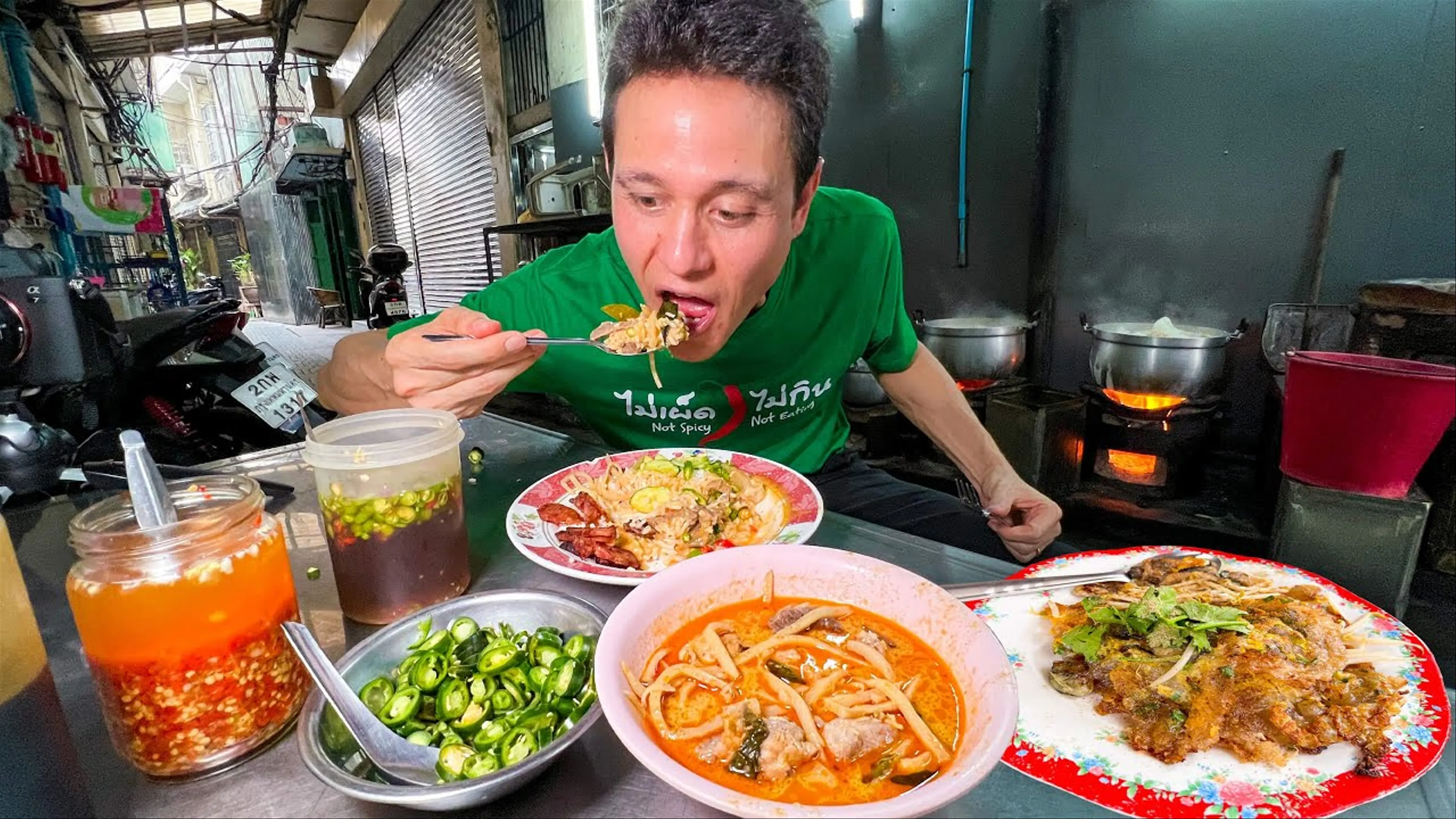
Explore Bangkok's Chinatown and indulge in a street food adventure with flavors that capture the essence of Thai culture.

Explore Bangkok's top street foods, from spicy papaya salad to sweet mango sticky rice, and savor the flavors of Thailand's vibrant capital.
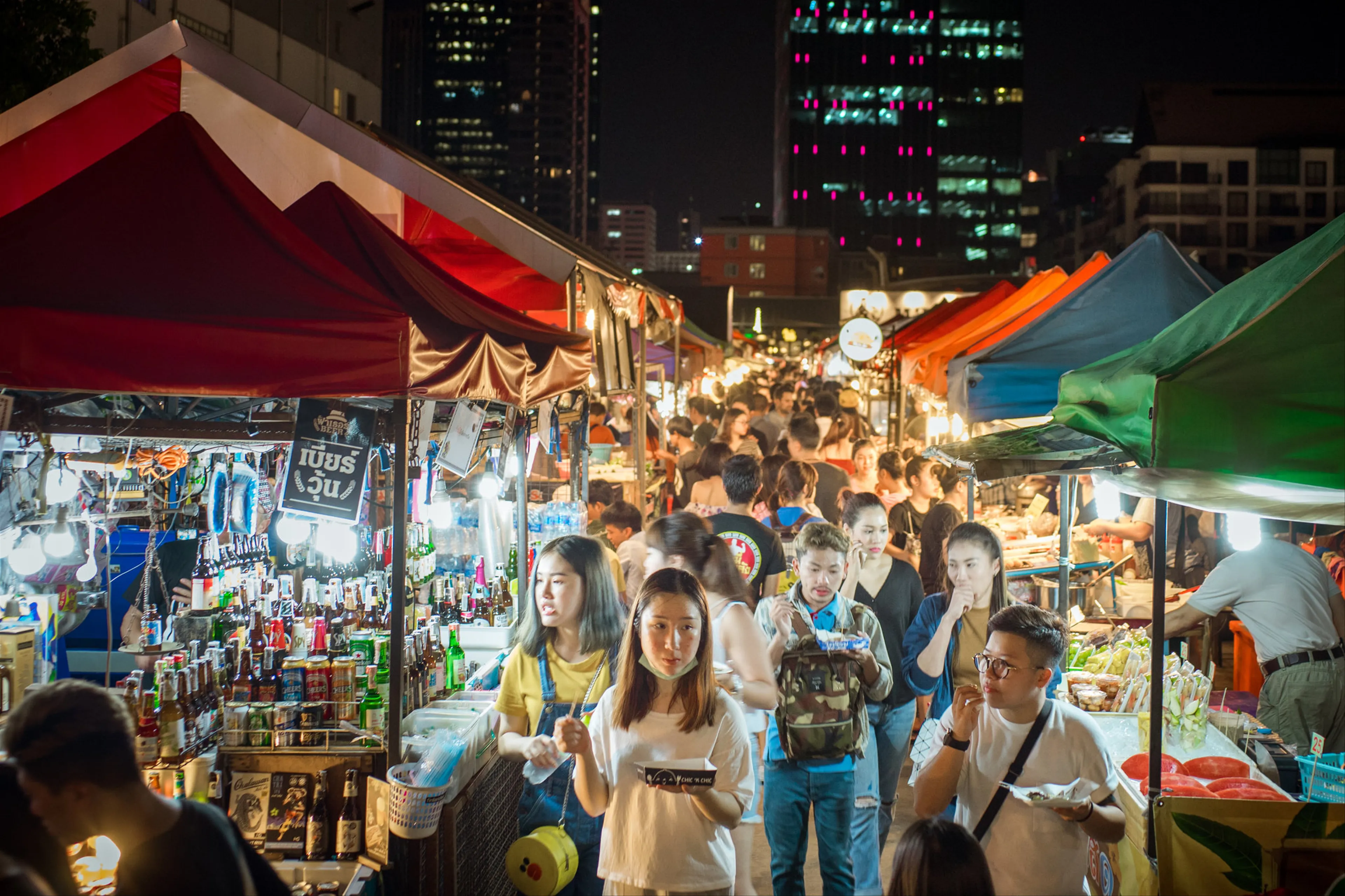
Dive into Bangkok's vibrant street food scene and savor Thailand's best culinary treasures on an unforgettable culinary safari.