
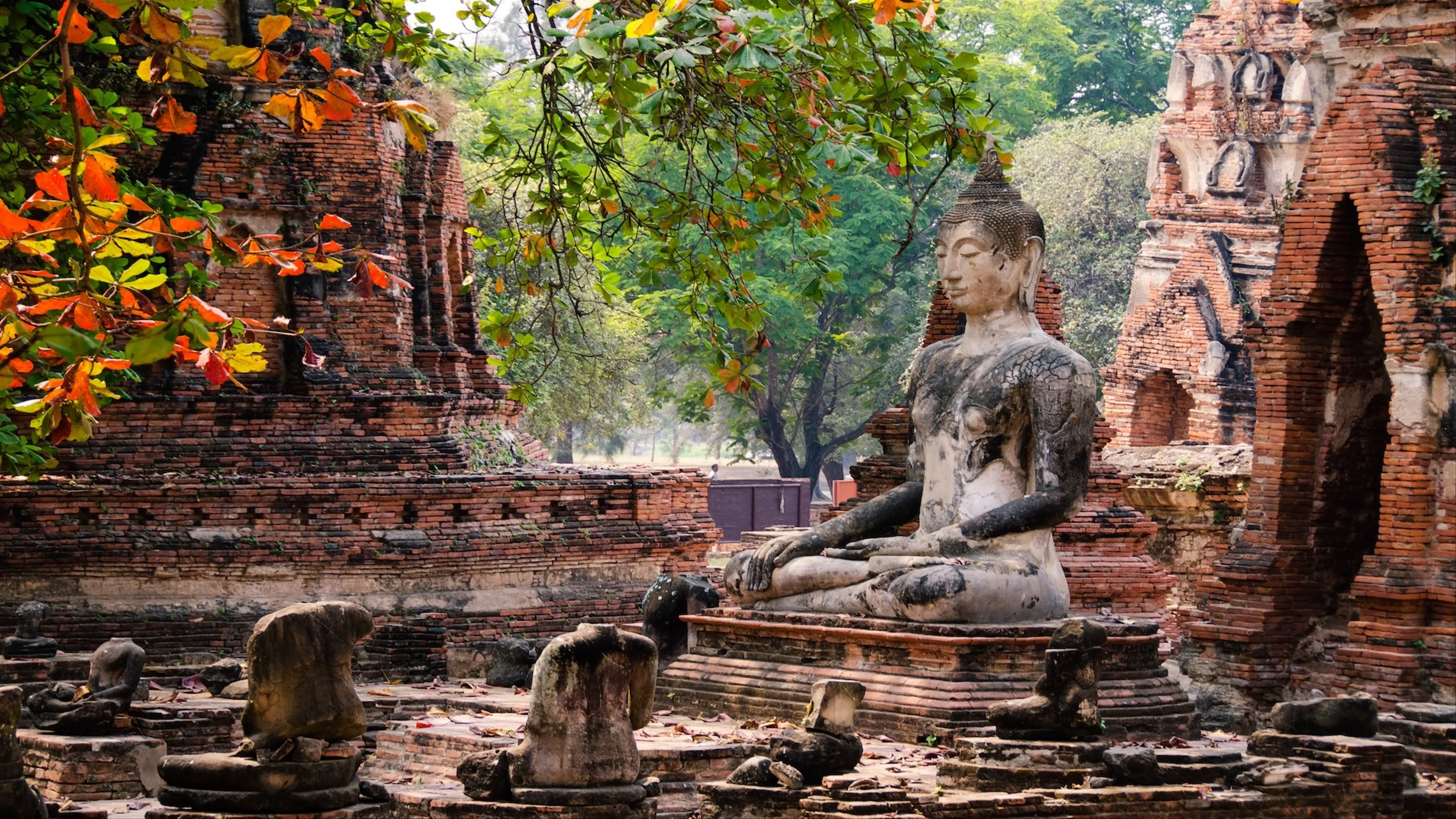
Embark on a journey through Ayutthaya, Thailand's ancient capital, and uncover its rich history, stunning ruins, and cultural wonders.
Ayutthaya, once the flourishing capital of the Kingdom of Siam, is a testament to Thailand's rich historical tapestry. Founded in 1350 by King Uthong, Ayutthaya was strategically located at the confluence of the Chao Phraya, Lopburi, and Pa Sak rivers. This advantageous position not only facilitated trade but also provided a natural defense mechanism against potential invasions. As a result, Ayutthaya quickly rose to prominence as one of Southeast Asia's most significant urban centers.

The city blossomed into a cosmopolitan hub, attracting traders from as far away as Japan, China, Portugal, and the Netherlands. Its impressive network of canals and roads facilitated commerce and communication, making Ayutthaya a vibrant melting pot of cultures and ideas. With a thriving economy bolstered by trade in spices, textiles, and other goods, the city became known for its opulence and grandeur.
Ayutthaya's architecture reflected its prosperity and cultural diversity. Majestic temples, palaces, and statues adorned the cityscape, with influences seen from various international architectural styles. The iconic Wat Phra Si Sanphet and Wat Mahathat are just two examples of the breathtaking structures that symbolized the city’s spiritual and political might.
However, Ayutthaya's golden era was not to last. The kingdom faced numerous challenges, both internal and external. Political intrigues, succession disputes, and regional rivalries gradually weakened its foundation. The ultimate blow came in 1767 when the Burmese army invaded and devastated the city, marking the end of Ayutthaya's illustrious reign as the capital.
The fall of Ayutthaya was a turning point in Thai history. The once-thriving metropolis was left in ruins, its treasures looted and its people dispersed. Yet, the legacy of Ayutthaya endures. The ruins that remain today offer a poignant glimpse into the city’s past grandeur, serving as a reminder of the impermanence of human achievements and the enduring spirit of resilience.
Venturing into the ruins of Ayutthaya is akin to stepping back in time. This UNESCO World Heritage Site is a sprawling expanse of historical remnants that echoes the grandeur of its past. As you wander through these ruins, you’ll encounter a tapestry of ancient temples and monuments that each tell a story of Ayutthaya’s former glory. Here are some must-visit sites that should be on every traveler's itinerary.

Begin your journey at Wat Phra Si Sanphet, the most important temple of the Ayutthaya Kingdom. Once part of the royal palace complex, it served as the royal chapel and housed a towering golden Buddha image. Although the gold was stripped away during the Burmese invasion, the temple’s three iconic chedis remain, standing as solemn sentinels over the ruins, their graceful bell shapes casting shadows that dance with the passing day.
Another essential stop is Wat Mahathat, famed for the enigmatic Buddha head entwined within the roots of a banyan tree. This site was the spiritual heart of the city and a center for religious ceremonies. The temple’s crumbling stupas and weathered prangs offer a hauntingly beautiful insight into the spiritual life of the past, and the stone-carved relics provide a tangible connection to the artisans and worshippers who once walked these grounds.
For a glimpse of Ayutthaya’s architectural innovation, visit Wat Ratchaburana. Founded by King Borommarachathirat II in the 15th century, this temple is renowned for the intricate stucco work on its central prang, which has remarkably withstood the test of time. Descend into the crypt to discover faded but fascinating frescoes that depict heavenly beings and mythical tales, offering a rare peek into the artistic expressions of the era.
The tranquil setting of Wat Chaiwatthanaram, situated alongside the Chao Phraya River, invites contemplation. Built in the Khmer style, this temple complex features a central prang surrounded by smaller chedis, symbolizing Mount Meru and the surrounding continents in Buddhist cosmology. As the sun sets, the temple’s silhouette against the fiery sky is a sight to behold, creating a serene ambiance that lingers in memory.
Finally, don’t miss Wat Phanan Choeng, a living temple still active today. Although it predates Ayutthaya itself, its 19-meter-high seated Buddha statue is an awe-inspiring example of the city’s enduring spiritual heritage. The temple serves as a vibrant reminder of the cultural and religious continuity that bridges Ayutthaya’s storied past with the present.
Exploring these ruins offers more than just a glimpse into a bygone era; it provides a profound understanding of the cultural and historical currents that have shaped Thailand. Each temple and monument in Ayutthaya invites reflection on the impermanence of human endeavors and the timeless nature of spiritual pursuit.
Ayutthaya's legacy extends far beyond the remnants of its architectural marvels; it is deeply embedded in the cultural and social fabric of Thailand. Understanding this legacy involves delving into the cultural synthesis that characterized the kingdom's zenith. Ayutthaya was a crossroads of civilizations, where the confluence of diverse cultures led to a unique blend of artistic, culinary, and spiritual traditions that continue to resonate in contemporary Thai society.
/wat-chaiwatthanaram-154952905-5ab948870e23d90037649033.jpg)
One of the most profound cultural influences of Ayutthaya is seen in Thailand's cuisine. The kingdom's position as a trading hub introduced a plethora of spices, cooking techniques, and ingredients from across Asia and Europe. The fusion of these elements resulted in a rich culinary tradition that is celebrated today in dishes such as massaman curry and tom yum soup, where local flavors are intertwined with foreign influences to create something distinctly Thai.
Spiritually, Ayutthaya played a pivotal role in shaping the religious landscape of Thailand. The city was a major center of Theravada Buddhism, and its temples and monasteries were not just places of worship but also centers of learning and art. The spiritual practices and rituals that developed there, such as the intricate art of Thai Buddhist sculpture and mural painting, have been passed down through generations, enriching the country's religious heritage and artistry.
The social structure of Ayutthaya also left a lasting imprint on Thailand. The kingdom was characterized by a hierarchical society, where the king was regarded as a divine figure. This concept of divine kingship influenced the political and social systems that followed, embedding a sense of reverence and loyalty to the monarchy that remains evident in modern-day Thailand.
Moreover, Ayutthaya's diplomatic relationships with other nations laid the groundwork for Thailand's long-standing tradition of openness and neutrality in foreign affairs. The kingdom's ability to engage with diverse cultures and integrate their best elements without losing its identity set a precedent for Thailand's strategy of cultural diplomacy and adaptability that continues to this day.
In contemporary Thailand, festivals and traditional crafts bear the hallmark of Ayutthaya's influence. Ceremonies such as Loy Krathong and Songkran reflect the kingdom's emphasis on water-related rituals and celebrations, while traditional crafts like silk weaving and pottery continue to thrive, preserving age-old techniques and styles that originated in Ayutthaya.
Understanding Ayutthaya's legacy is to appreciate how the past continues to shape the present. It is a testament to the kingdom's enduring influence that its cultural, spiritual, and social contributions remain integral to Thailand's national identity. As travelers explore Ayutthaya's ruins, they not only witness the physical remnants of a glorious past but also connect with the living heritage that continues to define and inspire the Thai people.
While Ayutthaya's ancient ruins offer a fascinating glimpse into the past, its vibrant modern-day culture is equally captivating. Today's Ayutthaya is a dynamic blend of history and contemporary life, where traditions are not just preserved but actively celebrated, providing visitors a unique opportunity to connect with the local community and immerse themselves in its enduring customs.

One of the best ways to experience local life in Ayutthaya is through its bustling markets. The Ayutthaya Floating Market is a cultural highlight, where you can witness the lively commerce that has thrived in this region for centuries. Here, vendors on boats offer a colorful array of goods, from fresh produce and traditional Thai snacks to handcrafted souvenirs. Strolling through the market, you're likely to encounter friendly locals eager to share stories and insights about their crafts and culinary specialties.
Ayutthaya's rich tapestry of traditions is also reflected in its festivals and celebrations. Loy Krathong, the festival of lights, is a particularly enchanting event. Held annually, it involves the release of beautifully decorated krathongs—small, floating vessels made from banana leaves—onto the rivers. This practice symbolizes letting go of negativity and welcoming new beginnings. Participating in this festival alongside locals offers a profound sense of connection and understanding of the community's spiritual and cultural values.
For those interested in traditional crafts, Ayutthaya offers workshops and demonstrations where you can learn age-old techniques from master artisans. The city is renowned for its exquisite handicrafts, such as silk weaving and pottery. Visiting local workshops not only supports these artisans but also provides a tangible link to the skills and knowledge that have been passed down through generations.
Culinary exploration is another gateway into understanding modern Ayutthaya. The city's street food scene is a testament to its historical role as a culinary crossroads. From savory satay skewers to the sweetness of mango sticky rice, the flavors of Ayutthaya are a delightful fusion of local and historical influences. Engaging with food vendors and trying traditional dishes allows travelers to taste the legacy of Ayutthaya in every bite.
Despite the changes brought by modernization, Ayutthaya remains a place where community ties and traditional values are cherished. The city's temples and local shrines are integral to daily life, serving as places of worship, community gatherings, and cultural continuity. Visitors are often welcomed to participate in temple activities, offering a chance to observe and respect the ongoing spiritual practices that continue to define life in Ayutthaya.
Connecting with modern Ayutthaya means embracing a world where the past and present coexist in harmony. It is a place where history informs daily life, where traditions are not relics but living expressions of identity. As you explore the city and engage with its people, you gain more than just memories—you gain a deeper appreciation of the resilience and spirit that keeps Ayutthaya's legacy alive today.
Ayutthaya's culinary scene is a vibrant tapestry that reflects its historical significance as a melting pot of cultures. As you embark on a gastronomic journey through this ancient city, you'll discover that its unique flavors are as captivating as its storied past. The cuisine of Ayutthaya is a testament to the city's rich history of trade and cultural exchange, offering a fascinating blend of local ingredients and international influences.

One of the most iconic dishes you must try in Ayutthaya is the famed boat noodles, known locally as "kuay teow ruea." These small bowls of noodle soup are traditionally served alongside the city's canals, a nod to their origins as sustenance for boatmen navigating Ayutthaya's waterways. The broth is rich and aromatic, often enhanced with a splash of pig's blood for added depth, and served with a choice of pork, beef, or meatballs, garnished with fresh herbs and a hint of chili.
Another culinary gem is "roti sai mai," a local dessert that has become synonymous with Ayutthaya. This sweet treat consists of delicate, colorful sugar strands wrapped in a thin, soft roti. The combination of textures and the sweetness of the sugar create an irresistible snack. While wandering around the city's night markets, you'll frequently see vendors skillfully preparing this confection, offering a delightful experience for both the eyes and the taste buds.
Ayutthaya's proximity to rivers and agriculture-rich lands has made it a haven for fresh ingredients, notably in its seafood and river fish dishes. Grilled river prawns, often served at riverside restaurants, are a local specialty. These prawns are typically grilled to perfection and served with a tangy and spicy seafood dipping sauce, highlighting the natural sweetness of the crustaceans.
For a taste of the city's royal culinary heritage, try "kaeng som," a sour curry that is a staple in Ayutthaya. Unlike the creamy curries of southern Thailand, kaeng som is light and tangy, made with tamarind paste, shrimp, and vegetables. This dish embodies the balance of flavors that Thai cuisine is renowned for, offering a harmonious blend of sour, spicy, and savory notes.
Street food in Ayutthaya is another essential part of the culinary experience. From savory skewers of grilled meats to the comforting warmth of "khao soi," a northern Thai coconut curry noodle soup, the street vendors offer an affordable and delicious way to sample the city's diverse flavors. Don't miss trying "moo ping," succulent grilled pork skewers marinated in a blend of spices and served with sticky rice, a perfect snack as you explore the city's vibrant streets.
As you indulge in Ayutthaya's culinary delights, you'll find that each dish tells a story of the city's past and its enduring legacy. The fusion of flavors and techniques from various cultures has created a unique culinary identity that continues to entice and satisfy the palates of both locals and visitors. Through its food, Ayutthaya offers a delectable insight into its rich cultural heritage, inviting travelers to savor not just the taste, but the history and tradition that come with every bite.
Visiting Ayutthaya is a journey into the heart of Thailand’s history and culture, and being well-prepared can enhance your experience significantly. Here are some practical tips that will help you navigate this ancient city with ease and make the most of your trip.
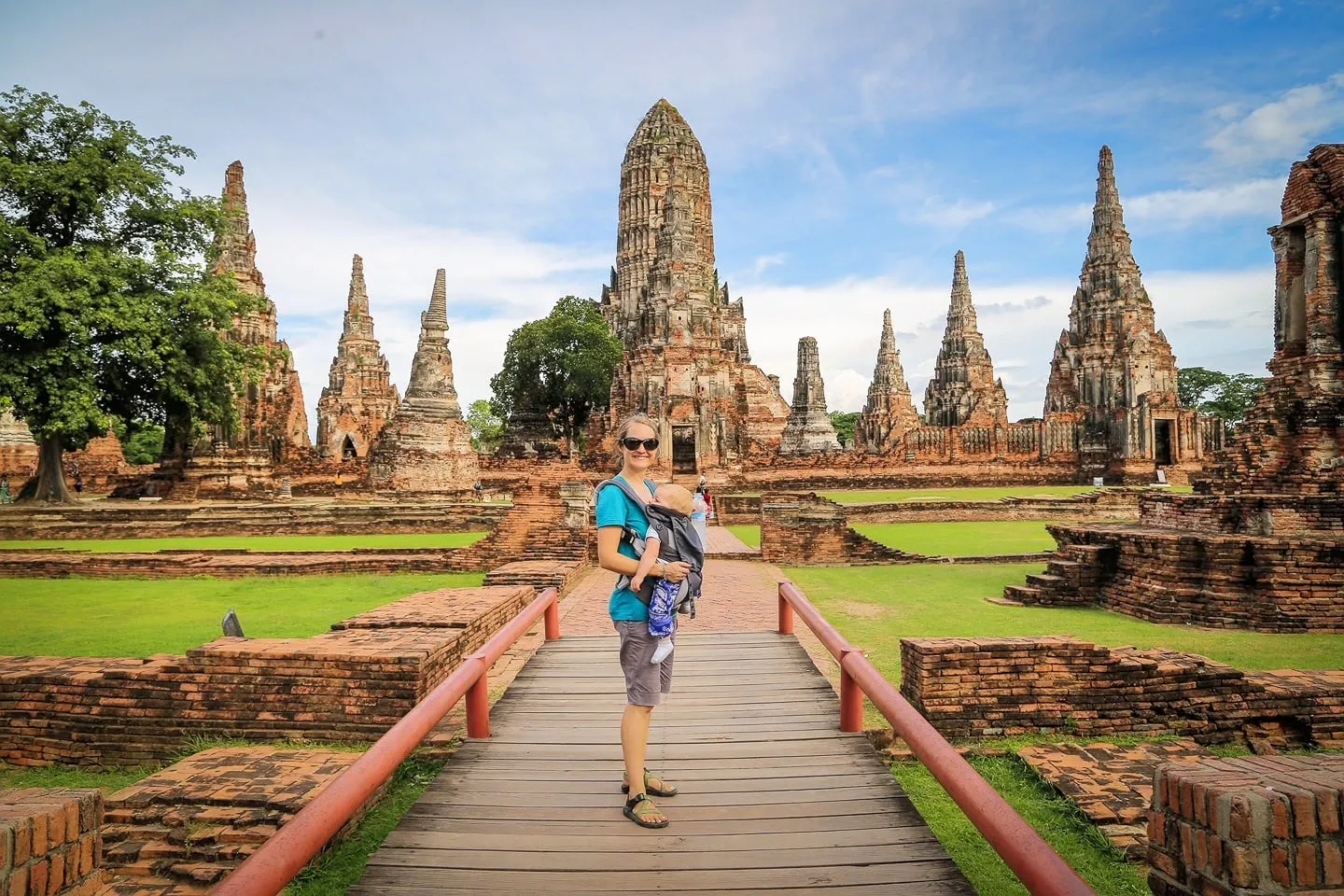
Firstly, consider the best time to visit Ayutthaya. The months from November to February are ideal, as the weather is cooler and drier, making it comfortable for exploring the ruins and outdoor attractions. Avoiding the peak summer months and the rainy season can help you enjoy your trip without the discomfort of extreme heat or sudden downpours.
Transportation in Ayutthaya is diverse and convenient. Most travelers arrive from Bangkok, which is about 80 kilometers away. You can reach Ayutthaya by train, bus, or car. The train journey from Bangkok’s Hua Lamphong Station offers a scenic route and is quite affordable. Alternatively, buses and minivans provide a quick and economical option, departing frequently from Bangkok’s Mo Chit Terminal. For a more leisurely experience, consider a river cruise that takes you up the Chao Phraya River, offering unique views of the countryside.
Once in Ayutthaya, renting a bicycle or a scooter is an excellent way to explore the city at your own pace. Many guesthouses and rental shops offer bikes and scooters for a small fee, allowing you to easily navigate between the historical sites. Alternatively, tuk-tuks are readily available for those who prefer a more relaxed mode of transport. It’s wise to negotiate the fare beforehand to avoid misunderstandings.
When it comes to accommodation, Ayutthaya offers a range of options to suit different budgets and preferences. From charming guesthouses and boutique hotels to luxury riverside resorts, there’s something for everyone. Staying in the city center provides easy access to the main attractions, while accommodations along the river offer a serene escape with beautiful views.
As you plan your itinerary, remember that Ayutthaya’s historical park and its surrounding area are vast. Allocating at least two days will allow you to explore the main sites without feeling rushed. Don't forget to pack comfortable walking shoes, sunscreen, and a hat to protect yourself from the sun as you wander through the expansive ruins.
Although Ayutthaya is a popular tourist destination, it’s essential to respect local customs and traditions. When visiting temples, dress modestly, covering shoulders and knees, and remove your shoes before entering sacred spaces. Being mindful of these practices not only shows respect but also enriches your cultural experience.
Lastly, while English is commonly spoken in tourist areas, learning a few basic Thai phrases can enhance your interactions with locals and demonstrate your appreciation for their culture. Simple greetings and expressions of gratitude can go a long way in making your visit more memorable.
With these practical tips in mind, you’re well-equipped to embark on a rewarding adventure in Ayutthaya. This ancient city offers a captivating blend of history, culture, and modern-day charm, promising an unforgettable experience for every traveler.
While Ayutthaya's ancient ruins and vibrant culture offer plenty to explore, venturing beyond the city opens up a world of fascinating day trips and excursions. These journeys provide a deeper understanding of Thailand's diverse landscapes and cultural heritage, making them worthwhile additions to your travel itinerary.

One popular excursion from Ayutthaya is a visit to the Bang Pa-In Royal Palace. Located about 20 kilometers south of Ayutthaya, this summer palace complex offers a glimpse into the opulent lifestyle of Thai royalty. The palace grounds are a harmonious blend of Thai, European, and Chinese architectural styles, with beautifully landscaped gardens, serene ponds, and ornate structures. Highlights include the distinctive Aisawan Thiphya-Art Pavilion, which seems to float gracefully on the palace's central lake, and the eclectic Wehart Chamrun, a Chinese-style royal residence.
For nature enthusiasts, a trip to the Khao Yai National Park is a must. Approximately a two-hour drive from Ayutthaya, this UNESCO-listed park is one of Thailand's largest and most diverse national parks. It offers lush forests, cascading waterfalls, and abundant wildlife, including elephants, gibbons, and hornbills. Hiking trails of varying difficulty wind through the park, providing ample opportunity to experience its natural beauty up close. The park's scenic landscapes and rich biodiversity make it a perfect getaway for those seeking solace in nature.
Another intriguing destination is the city of Lopburi, known for its historical ruins and playful monkey residents. Just an hour away from Ayutthaya, Lopburi is famous for the Phra Prang Sam Yot temple, a Khmer-style shrine that has become a playground for hundreds of macaques. The city's rich history is reflected in its ancient sites, such as King Narai's Palace and Wat Phra Si Ratana Mahathat. Visiting Lopburi offers a unique blend of history and wildlife, making it a memorable day trip.
For a taste of local life on the water, consider a boat trip along the Chao Phraya River. Many tours offer the chance to explore the river's scenic routes, stopping at charming riverside villages and lesser-known temples. These excursions provide a relaxing way to experience the region's culture and landscape from a different perspective, with the gentle flow of the river offering a serene backdrop.
If you are interested in exploring more of Thailand's historical roots, a visit to the city of Sukhothai is highly recommended. Although it requires an overnight stay due to its distance from Ayutthaya, this ancient city is the birthplace of Thai civilization and home to the Sukhothai Historical Park. The park's well-preserved ruins, including the impressive Wat Mahathat and Wat Si Chum, offer a captivating journey through the early days of the Thai kingdom.
These day trips and excursions from Ayutthaya not only enrich your travel experience but also provide a more comprehensive understanding of Thailand's cultural and natural treasures. Whether you're exploring royal palaces, hiking through national parks, or discovering ancient cities, each excursion adds a new layer to your adventure, ensuring that your visit to this remarkable region is as fulfilling as it is unforgettable.
Preserving the rich heritage of Ayutthaya is a task that requires concerted efforts from both local and international communities. This ancient city, with its architectural marvels and cultural significance, is not only a source of national pride for Thailand but also a valuable part of global heritage. The preservation efforts in Ayutthaya are multifaceted, involving restoration projects, community engagement, and sustainable tourism practices to ensure that future generations can continue to appreciate its historical grandeur.

The designation of Ayutthaya as a UNESCO World Heritage Site in 1991 marked a significant step in safeguarding its ruins. This recognition has helped garner international support and funding for restoration projects aimed at stabilizing and conserving the city's iconic structures. Efforts have been made to restore the integrity of key monuments, such as Wat Mahathat and Wat Phra Si Sanphet, using techniques that respect the original materials and craftsmanship. These projects are overseen by the Fine Arts Department of Thailand, which collaborates with international experts to employ the latest preservation techniques.
Local communities play a crucial role in the preservation of Ayutthaya's heritage. Education programs aimed at raising awareness about the importance of cultural conservation are implemented to engage residents and foster a sense of stewardship over the historical sites. Community-led initiatives often focus on preserving traditional crafts and practices that are integral to Ayutthaya's cultural identity. By involving locals in preservation efforts, there is a greater likelihood of sustaining these practices and ensuring that the knowledge and skills are passed down through generations.
Sustainable tourism is another vital component of Ayutthaya's preservation strategy. As visitor numbers increase, managing the impact of tourism on the fragile ruins is a priority. Efforts are made to implement visitor guidelines that minimize wear and tear on the historic sites. These include designated pathways, limited access areas, and informative signage to guide respectful exploration. Additionally, local authorities and tour operators work together to promote responsible tourism practices that balance visitor engagement with the need to protect the sites.
Technological advancements also play a role in preservation efforts. Digital archiving and 3D modeling are used to create detailed records of Ayutthaya's monuments. These digital tools serve as invaluable resources for restoration projects and educational purposes, providing a comprehensive view of the site's current condition and changes over time. Moreover, they offer the possibility of virtual tours, which can help reduce physical contact with the structures while still allowing global audiences to experience Ayutthaya's wonders.
International collaboration is essential in ensuring the long-term preservation of Ayutthaya. Partnerships with international organizations, such as UNESCO and the International Council on Monuments and Sites (ICOMOS), facilitate the sharing of knowledge and resources. These collaborations enhance the capacity for effective heritage management and ensure that Ayutthaya benefits from global best practices in conservation.
The preservation of Ayutthaya is a dynamic and ongoing process that requires the commitment of all stakeholders. Through a combination of restoration work, community involvement, sustainable tourism, and international cooperation, Ayutthaya's heritage can be protected for future generations. These efforts not only preserve the physical remnants of the past but also keep alive the cultural narratives that continue to inspire and educate. As travelers visit Ayutthaya and witness its preserved beauty, they become part of a collective journey to honor and protect this remarkable chapter of human history.
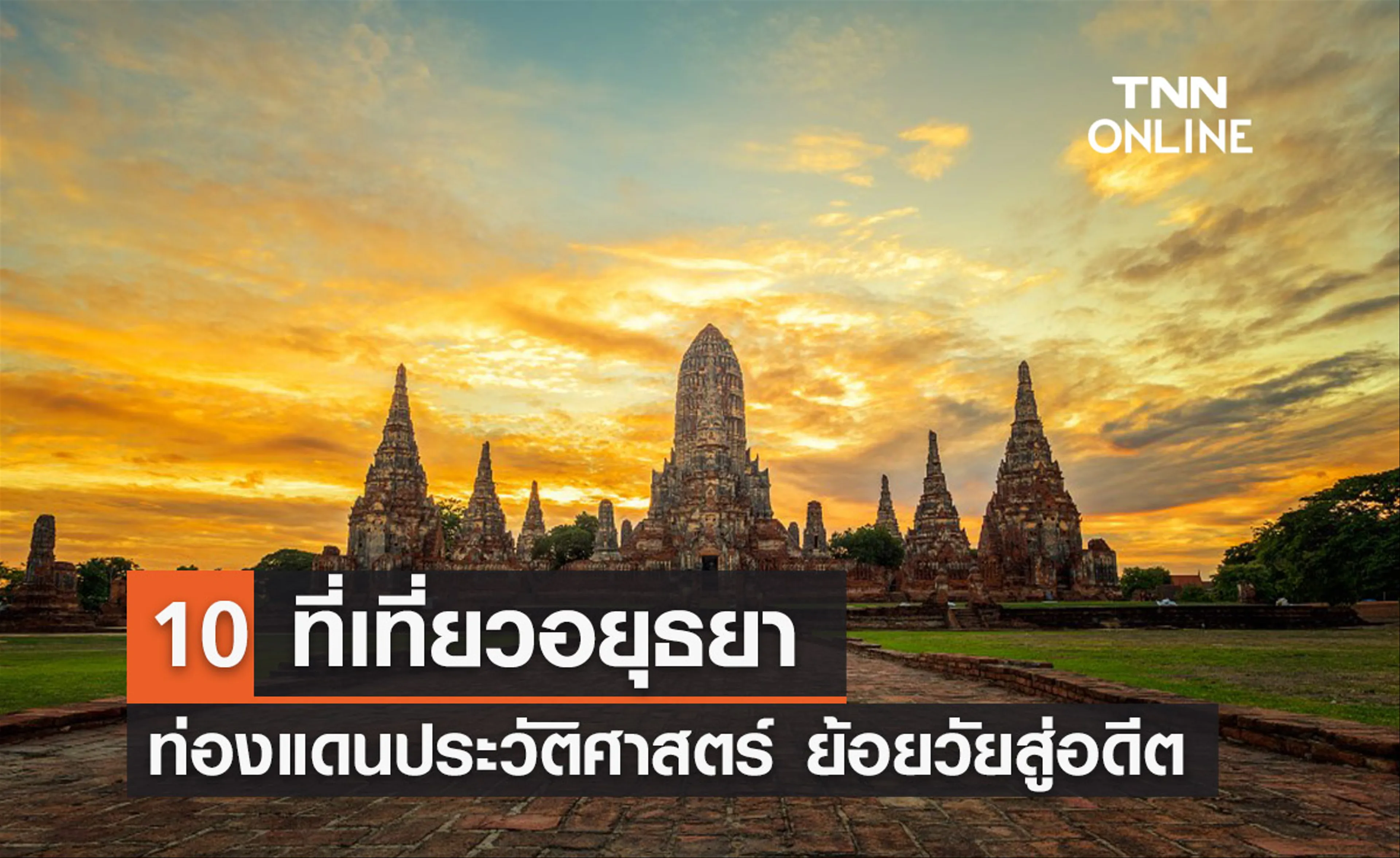
Ayutthaya is a province full of valuable and important history. Let us check out 10 places to visit in Ayutthaya, Thailand.
Discover Ayutthaya's rich history and stunning temples on a day trip from Bangkok. Perfect for history buffs and culture enthusiasts.
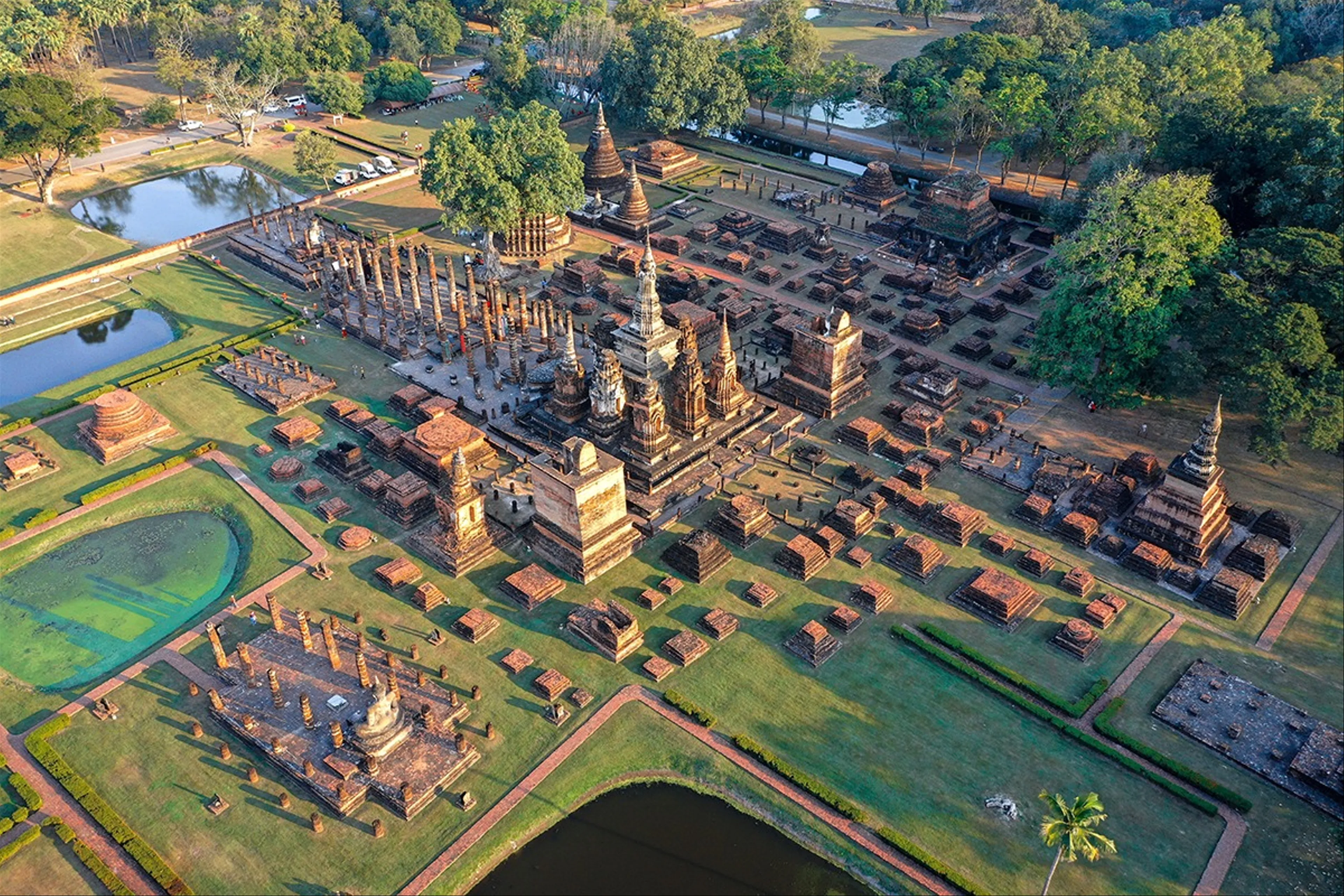
Explore Sukhothai, Thailand's ancient capital, and uncover its historical ruins, vibrant culture, and serene landscapes.