Discover Ayutthaya's rich history and stunning temples on a day trip from Bangkok. Perfect for history buffs and culture enthusiasts.
Ayutthaya, once the flourishing capital of the Siamese Kingdom, stands as a testament to Thailand's rich cultural heritage and historical grandeur. Located just 85 kilometers north of Bangkok, this UNESCO World Heritage Site is an evocative tapestry of magnificent ruins, ancient temples, and cultural legacies. Founded in 1350 by King U Thong, Ayutthaya quickly rose to prominence due to its strategic location at the confluence of three rivers, facilitating trade and diplomatic ties with Europe, China, and India.
The city thrived for over four centuries, becoming one of the world's largest urban areas and a hub of commerce and art. At its zenith, Ayutthaya was a cosmopolitan city, attracting traders and missionaries from across the globe, who marveled at its architectural splendor and vibrant culture. The city was known for its impressive temple complexes, ornate palaces, and a sophisticated canal system that earned it the nickname "Venice of the East."
However, Ayutthaya's prosperity was not to last. In 1767, the city was sacked by the Burmese army, leading to its eventual decline. The devastation left behind a hauntingly beautiful landscape of crumbling stupas and decapitated Buddha statues, which today serve as poignant reminders of the city's former glory and the transience of human achievements.
Modern-day Ayutthaya invites visitors to wander through its historic park, where the ruins whisper tales of a bygone era. The site offers a unique opportunity to explore Thai history and architecture, with its blend of Siamese, Khmer, and Persian influences. As you stroll through the ancient city, you’ll encounter the iconic Wat Mahathat, famous for the serene Buddha head entwined in tree roots, and Wat Phra Si Sanphet, once the grandest temple in the royal palace grounds.
Whether you're a history enthusiast, a cultural explorer, or simply a curious traveler, Ayutthaya promises a captivating journey into the past. It’s a place where history comes alive, inviting you to uncover the secrets of its storied past and embrace the timeless allure that continues to enchant visitors from around the world.
Getting to Ayutthaya from Bangkok is a relatively straightforward journey, offering travelers various modes of transportation to suit different preferences and budgets. Whether you're looking for a quick and efficient trip or a more leisurely experience, there are several options to consider.

One of the most popular ways to reach Ayutthaya is by train. Departing from Bangkok's Hua Lamphong Railway Station, the train offers a scenic ride through Thailand's picturesque countryside. Trains to Ayutthaya run frequently throughout the day, and the journey takes approximately 1.5 to 2 hours, depending on the train type. Opting for a third-class train provides an authentic local experience and is very budget-friendly, while second-class offers more comfort with air-conditioning and reserved seating.
For those who prefer driving, renting a car is an excellent option that provides flexibility and convenience. The drive from Bangkok to Ayutthaya takes about an hour via Route 32, depending on traffic conditions. This mode of travel allows you to explore at your own pace and even make stops along the way to enjoy lesser-known attractions. Be sure to have a GPS or reliable map app handy to navigate the roads efficiently.
If you're looking for a quick and direct route, buses and minivans are available from various locations in Bangkok, such as Mo Chit Bus Terminal. These services are affordable and usually take about 1.5 hours to reach Ayutthaya. Minivans are a faster option due to their smaller size and frequent departures, making them a great choice for travelers on a tight schedule.
For a more leisurely and unique experience, consider taking a river cruise from Bangkok to Ayutthaya. This option combines transportation with sightseeing, offering a relaxing journey along the Chao Phraya River. Cruises typically include meals and guided tours, allowing you to enjoy the scenery and learn about the history of the region as you travel. While this option is more time-consuming, it provides a memorable and enriching experience.
Each mode of transport has its advantages, so consider your schedule, budget, and personal preferences when planning your day trip to Ayutthaya. Whichever option you choose, the journey from Bangkok to Ayutthaya promises to be an exciting prelude to the historical wonders that await you in this ancient city.
Exploring Ayutthaya Historical Park is akin to stepping back in time, where the echoes of a once-great empire still resonate among the ancient ruins. This sprawling park, a UNESCO World Heritage Site, is home to a collection of awe-inspiring temples, palaces, and religious monuments that paint a vivid picture of Ayutthaya's illustrious past. As you navigate through the park, you'll find yourself immersed in the stories and architecture that defined an era.
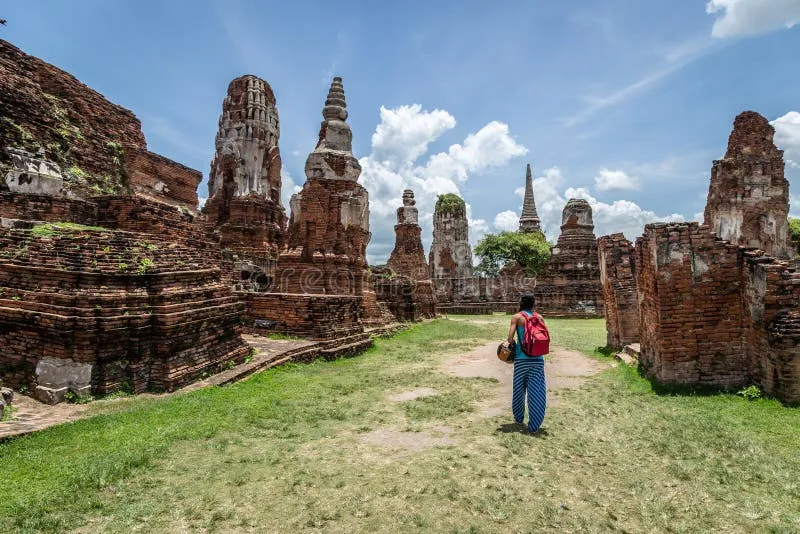
One of the must-visit sites within the park is Wat Mahathat, renowned for its iconic Buddha head entwined in the roots of a banyan tree. This serene and almost mystical sight has become a symbol of Ayutthaya's resilience and spiritual legacy. As you wander the grounds of Wat Mahathat, you'll notice the remains of grand stupas and chedis, which once served as sanctuaries for sacred relics and places of worship for the city's inhabitants.
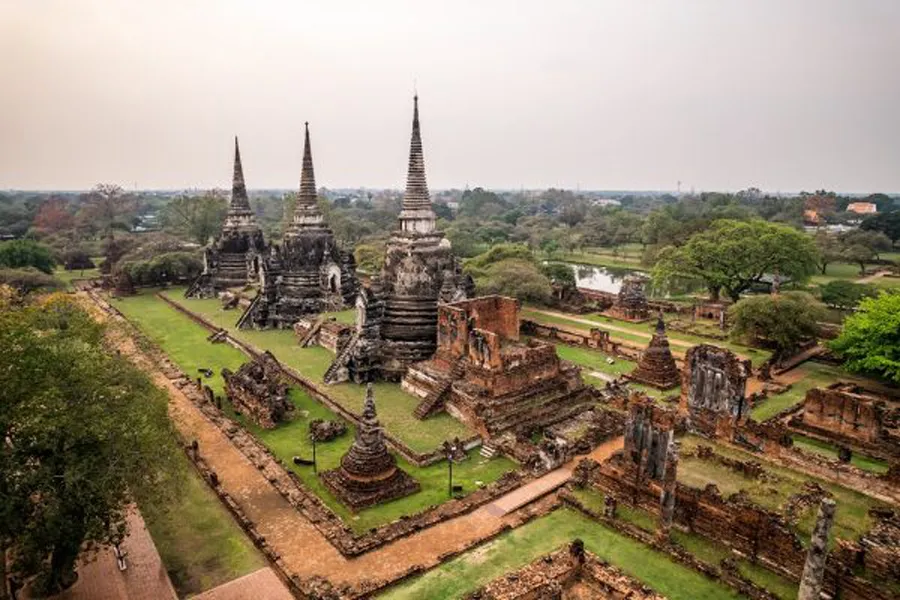
Next, make your way to Wat Phra Si Sanphet, the largest temple in Ayutthaya, which once stood as part of the royal palace complex. Its three towering chedis, which have survived the ravages of time, are a testament to the temple's former grandeur. These chedis, or stupas, house the ashes of ancient kings, offering a direct link to the royal history of the Siamese Kingdom. The temple's layout and design reflect the architectural ingenuity and cultural influences that characterized Ayutthaya's golden age.
Another highlight within the park is Wat Ratchaburana, a temple built by King Borommarachathirat II in memory of his brothers. Climbing the steep stairs to the central prang rewards you with a breathtaking view of the surrounding ruins, and the temple's crypt, adorned with murals, offers a glimpse into the artistic achievements of the period. The intricate carvings and frescoes found here are a window into the religious and cultural life that thrived in Ayutthaya.
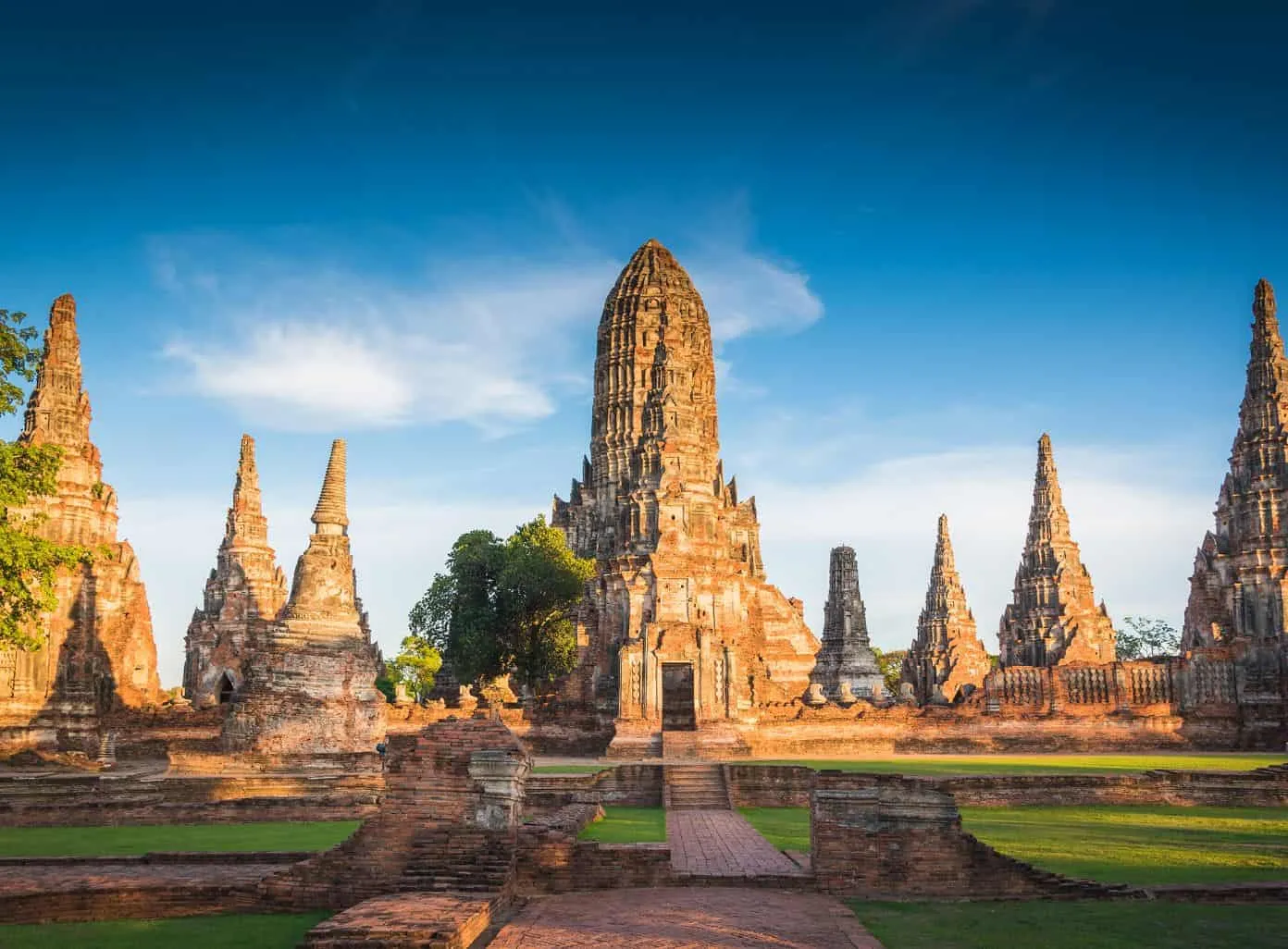
For those interested in the fusion of Persian and Siamese architecture, Wat Chaiwatthanaram stands as a prime example. Located on the banks of the Chao Phraya River, this temple complex was constructed to commemorate King Prasat Thong's victory over Cambodia. Its symmetrical layout and the central prang surrounded by smaller chedis reflect both religious symbolism and the cosmopolitan nature of Ayutthaya's society.
As you explore Ayutthaya Historical Park, take the time to absorb the tranquil beauty and historical significance of each site. Walking or cycling through the park allows you to appreciate the expansive landscapes and the thoughtful design that connected these sacred spaces. Whether you're marveling at the intricate stonework or contemplating the spiritual essence that lingers in the air, you will find that each monument within the park holds a unique story waiting to be uncovered.
In addition to the architectural marvels, the park hosts several museums and interpretive centers that provide deeper insights into Ayutthaya's history and culture. These resources offer valuable context and enrich your understanding of the city's rise and fall. As you conclude your visit to Ayutthaya Historical Park, you'll leave with a profound appreciation for the enduring legacy of this ancient city and the indelible mark it has left on Thailand's cultural heritage.
No visit to Ayutthaya is complete without exploring its awe-inspiring temples and ruins, each telling its own story of the city's rich history and cultural significance. These ancient structures not only showcase architectural brilliance but also provide a glimpse into the spiritual and ceremonial life of the Siamese Kingdom.

Begin your journey at Wat Yai Chai Mongkhon, a temple complex that stands out with its towering chedi, a striking emblem of Ayutthaya's resilience. Built in 1357 by King U Thong, it was conceived as a meditation site for monks returning from Ceylon. Today, the temple is a vibrant hub of activity, where you can observe Buddhists paying homage and adorning the statues with saffron robes. The panoramic view from the top of the chedi is breathtaking, offering a bird's-eye perspective of the surrounding lush greenery and the city’s historical layout.
Next, venture to Wat Lokayasutharam, famous for its gigantic reclining Buddha statue. Measuring an impressive 42 meters in length, this serene figure rests peacefully amidst the ruins, symbolizing the Buddha's entry into Nirvana. The statue, often draped in bright orange cloth, invites reflection and reverence, embodying the deep spiritual roots that continue to influence Thai culture.
Another must-see is Wat Phanan Choeng, one of the oldest temples in Ayutthaya, predating the city's founding. Situated on the banks of the Pa Sak River, it houses a colossal gilded Buddha image, known as Luang Pho Tho, which has been a focal point for worshippers since 1324. The temple complex is a testament to the enduring nature of Buddhist devotion, with its vibrant ceremonies and continuous restoration efforts keeping the spirit of the past alive.
For a glimpse into the eclectic influences that shaped Ayutthaya, Wat Chaiwatthanaram offers a compelling narrative. This riverside temple, modeled after the Angkor Wat complex in Cambodia, reflects the exchange of architectural ideas and cultural interactions during Ayutthaya's heyday. The temple's central prang, flanked by smaller chedis, serves as a stunning backdrop for sunset photography, with the evening light casting a golden hue over the ruins.
Finally, visit Wat Thammikarat, a lesser-known gem that provides a quieter, more introspective experience. Famous for its unique assembly of stone lion guardians, the temple is steeped in legend and local folklore. The intricate details of the sculptures and the temple’s ongoing restoration projects highlight the community's commitment to preserving Ayutthaya’s cultural heritage.
Each temple and ruin in Ayutthaya offers a unique lens through which to view the past, providing insight into the spiritual and cultural fabric of ancient Thailand. As you explore these sacred sites, you'll not only witness the grandeur of a bygone era but also feel a profound connection to the people and stories that have shaped this historic landscape.
Exploring Ayutthaya isn't just about delving into ancient ruins; it's also a vibrant journey through Thai culture and cuisine that offers a deep dive into the local way of life. As you wander the streets of this historic city, you'll find a tapestry of cultural experiences waiting to be discovered, each offering a unique perspective on Thailand's rich traditions and culinary delights.

One of the most enriching cultural experiences in Ayutthaya is a visit to the Ayutthaya Floating Market. This bustling market provides a window into the traditional Thai lifestyle, where vendors in wooden boats sell a variety of goods ranging from fresh produce to handicrafts. As you stroll along the wooden walkways, the market atmosphere is alive with the sounds of bartering and the scents of delicious street food. Here, you can sample local specialties such as "Roti Sai Mai," a sweet treat similar to cotton candy wrapped in a thin crepe, and "Kuay Teow Reua," a flavorful boat noodle soup that's a must-try for food enthusiasts.
For those interested in traditional Thai arts, the Ayutthaya Elephant Palace & Royal Kraal offers a fascinating glimpse into the world of elephant conservation and training. This venue showcases the historical significance of elephants in Thai culture, where you can observe these majestic creatures up close and learn about their roles in royal ceremonies and warfare. Visitors can enjoy interactive experiences, including elephant rides and feeding sessions, making it a memorable cultural encounter.
Ayutthaya's culinary landscape extends beyond its markets, with a range of local eateries and riverside restaurants offering authentic Thai dishes. Dining along the Chao Phraya River provides not only a scenic backdrop but also an opportunity to savor dishes like "Pla Plao," a salt-crusted grilled fish, and "Tom Yum Goong," a spicy shrimp soup that tantalizes the taste buds. Many establishments use recipes passed down through generations, ensuring that each meal is steeped in tradition.
To immerse yourself further into the local culture, consider participating in a cooking class. Several cooking schools in Ayutthaya offer hands-on sessions where you can learn to prepare classic Thai dishes under the guidance of experienced chefs. This experience allows you to bring a piece of Thai culinary heritage back home, along with newfound skills and a deeper appreciation for the intricacies of Thai flavors.
As you explore Ayutthaya, you'll also encounter numerous opportunities to witness traditional Thai performances. Many cultural centers and temples host events showcasing classical Thai dance and music, providing insight into the artistic expressions that have been cherished in Thailand for centuries. These performances, often featuring intricate costumes and graceful movements, offer a captivating look at the country's artistic heritage.
In Ayutthaya, the fusion of cultural experiences and local cuisine creates a rich and flavorful journey that complements the historical exploration of the city. Every interaction, meal, and performance invites you to connect with the heart and soul of Thailand, leaving you with lasting memories of this enchanting destination.
When planning your exploration of Ayutthaya, it's essential to equip yourself with practical tips to make the most of your visit. Navigating this historic city can be an adventure in itself, with its vast array of ruins, temples, and cultural sites spread across a sprawling landscape. Here are some tips to enhance your Ayutthaya experience and ensure a smooth and enjoyable journey.
First, consider renting a bicycle or scooter to explore the city. Ayutthaya's relatively flat terrain and well-maintained paths make cycling an ideal way to navigate between the historical park's many attractions. Bicycles are readily available for rent near the train station and around the city, offering a cost-effective and environmentally friendly mode of transportation. If you prefer a faster pace, scooters are also available and provide the flexibility to cover more ground, especially if you plan to visit sites outside the main park area.
For those who prefer a guided experience, hiring a local guide can be invaluable. Knowledgeable guides can provide in-depth historical context and cultural insights that enhance your understanding of each site. Many guides are multilingual, ensuring that language barriers do not detract from your experience. You can arrange for a guide through local tour companies or at the visitor center upon arrival in Ayutthaya.
When visiting the temples and ruins, dress modestly to respect the cultural and religious significance of these sites. Lightweight, breathable clothing is recommended due to Thailand's tropical climate, but ensure your shoulders and knees are covered, especially when entering temple grounds. A wide-brimmed hat and sunscreen are also advisable to protect against the sun, as many areas have limited shade.
Staying hydrated is crucial while exploring Ayutthaya, given the often high temperatures and humidity. Carry a reusable water bottle, which you can refill at various spots throughout the city. Many local vendors sell refreshments near the main tourist sites, so you'll have ample opportunity to cool down with a cold drink or indulge in a refreshing coconut water.
Plan your visit to avoid the midday heat by starting early in the morning or later in the afternoon. This not only helps you beat the crowds but also allows you to enjoy the golden light that enhances the beauty of the ruins during sunrise or sunset. The early morning and late afternoon are also prime times for photography, offering softer lighting and fewer tourists in your shots.
Lastly, keep an open mind and embrace the unexpected. Ayutthaya is a city rich with hidden gems and local experiences waiting to be discovered. From impromptu encounters with friendly locals to stumbling upon lesser-known ruins, every moment offers a chance to connect with the spirit of this ancient city. With these tips in mind, you're well-prepared to navigate Ayutthaya and uncover the secrets of this remarkable destination.
When planning your visit to Ayutthaya, timing can significantly enhance your experience by aligning with the most favorable weather and cultural events. The best time to explore this historical gem is during Thailand's cool and dry season, which spans from November to February. During these months, the temperatures are more comfortable, averaging between 25°C to 30°C (77°F to 86°F), and the humidity is lower, making outdoor exploration far more enjoyable than during the sweltering summer months.
Visiting Ayutthaya in the cool season not only makes wandering through the ancient ruins more pleasant but also provides an opportunity to witness vibrant local festivals. One of the most captivating events is the annual Loi Krathong festival, which usually falls in November. This festival is celebrated with illuminated floats and candle-lit lanterns released onto rivers, creating a magical atmosphere that transforms Ayutthaya's waterways into a shimmering spectacle of light and reflection. Participating in this festival offers a unique cultural experience, allowing you to connect with local traditions and the spiritual essence of the region.
In addition to the cool season, visiting during the shoulder months of October and March can also be rewarding. While the weather may be slightly warmer, these months often see fewer tourists, allowing for a more tranquil exploration of the city's historical sites. The reduced crowds mean you can enjoy a more intimate connection with the ruins and temples, and capture photographs without the bustle of peak tourist season.
While the rainy season, from May to October, is typically less popular for travel, it does offer certain advantages for those who don't mind a bit of wet weather. The landscape during these months is lush and verdant, providing a picturesque backdrop for the ruins. Moreover, rainfall is usually in short, intense bursts rather than prolonged downpours, meaning with a bit of planning, you can still enjoy the sites during dry spells. Carrying a lightweight raincoat or umbrella can help you stay comfortable as you explore.
Ultimately, the best time to visit Ayutthaya depends on your personal preferences and what you hope to get out of your trip. Whether you're eager to enjoy cooler weather, partake in cultural festivities, or simply avoid the crowds, Ayutthaya offers a rich and rewarding experience year-round. By considering the seasonal variations and aligning your visit with the most suitable conditions, you can ensure a memorable journey through this enchanting city that once stood as the heart of the Siamese Kingdom.
Traveling sustainably in Ayutthaya not only helps preserve the city's rich cultural heritage but also supports the environment and local communities. As a traveler, adopting sustainable practices can enhance your experience while minimizing your impact on this historic destination. Here are some insights and tips for practicing sustainable travel during your visit to Ayutthaya.
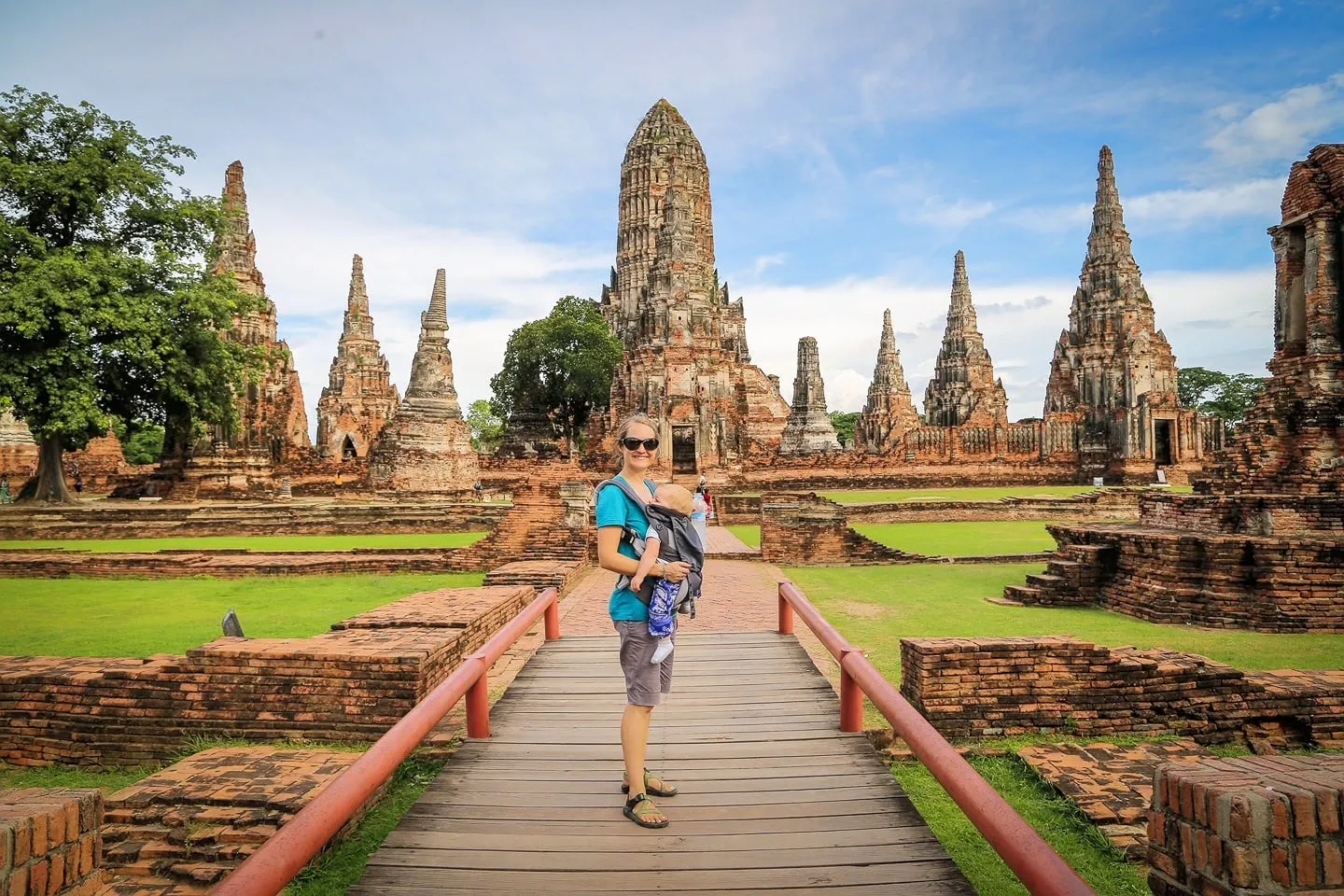
One of the most effective ways to travel sustainably is by choosing eco-friendly transportation options. As Ayutthaya is a compact city, consider exploring it on foot, by bicycle, or via electric scooters, all of which reduce your carbon footprint. Many local shops offer bike rentals, allowing you to move between attractions with ease while enjoying the lush landscapes and architectural beauty up close. Cycling not only supports a greener environment but also encourages a more immersive connection with the surroundings.
When visiting Ayutthaya's temples and ruins, be respectful of these ancient sites. Avoid touching or climbing on the structures, as this can cause damage to these fragile monuments. Stick to designated paths and follow any guidelines provided by site officials to help preserve the integrity of the historical landmarks for future generations. Additionally, be mindful of your waste; carry a reusable bag to collect any trash, and dispose of it responsibly in designated bins.
Supporting local businesses is another cornerstone of sustainable travel. Opt for locally-owned accommodations, eateries, and shops to ensure your spending benefits the community directly. Choose to stay in guesthouses or boutique hotels that have implemented sustainable practices, such as energy-efficient lighting, water conservation measures, or community involvement initiatives. Dining at local restaurants not only provides a chance to enjoy authentic Thai cuisine but also supports local farmers and cooks who rely on traditional methods and recipes.
Consider participating in community-based tourism initiatives, which offer unique opportunities to engage with locals and learn about their way of life. These programs often involve cultural exchanges, craft workshops, or guided tours led by residents, providing insights into the daily lives and traditions of Ayutthaya's people. By supporting these initiatives, you contribute to the empowerment and economic development of the local community.
Lastly, be conscious of your water usage, particularly during the dry season when resources may be scarce. Simple actions like taking shorter showers, reusing towels, and turning off taps while brushing your teeth can significantly reduce water consumption. Many accommodations also appreciate guests who choose not to have linens and towels changed daily, contributing to water and energy conservation efforts.
By incorporating these sustainable travel practices into your visit to Ayutthaya, you can enjoy a fulfilling and responsible travel experience. Your efforts will help ensure that the cultural and natural treasures of this historic city remain vibrant and accessible for future travelers while supporting the well-being and resilience of the local community.
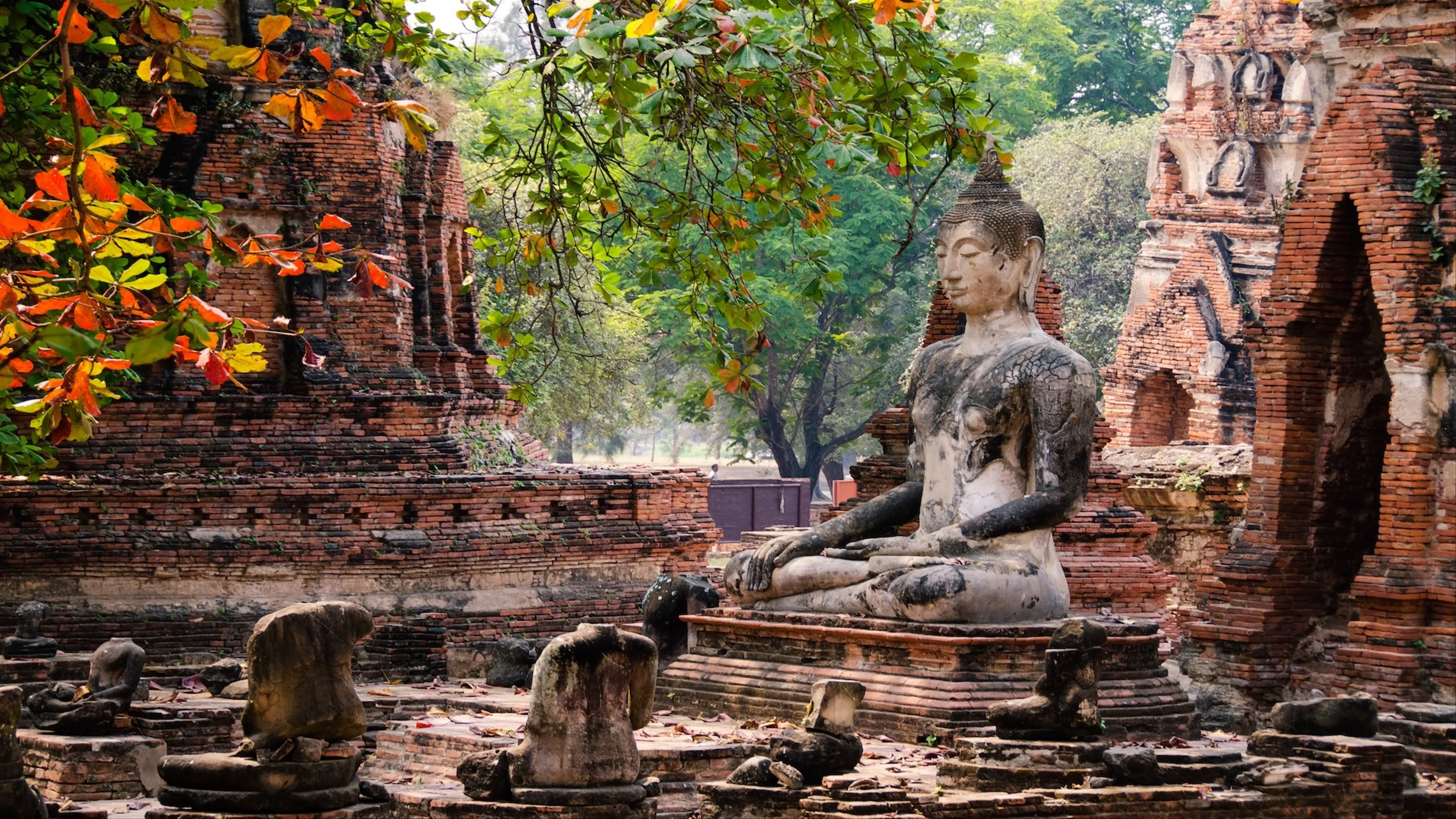
Embark on a journey through Ayutthaya, Thailand's ancient capital, and uncover its rich history, stunning ruins, and cultural wonders.
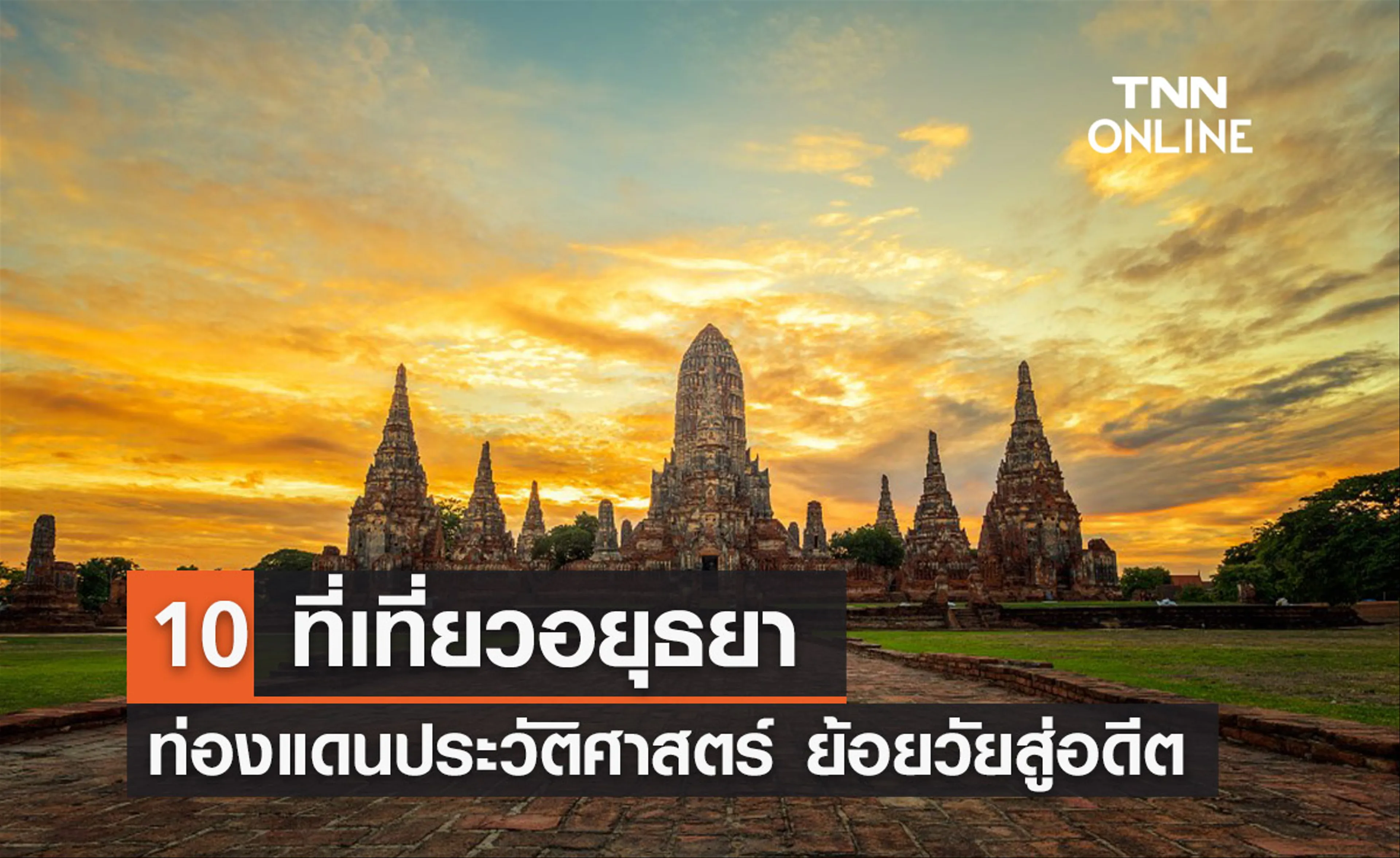
Ayutthaya is a province full of valuable and important history. Let us check out 10 places to visit in Ayutthaya, Thailand.
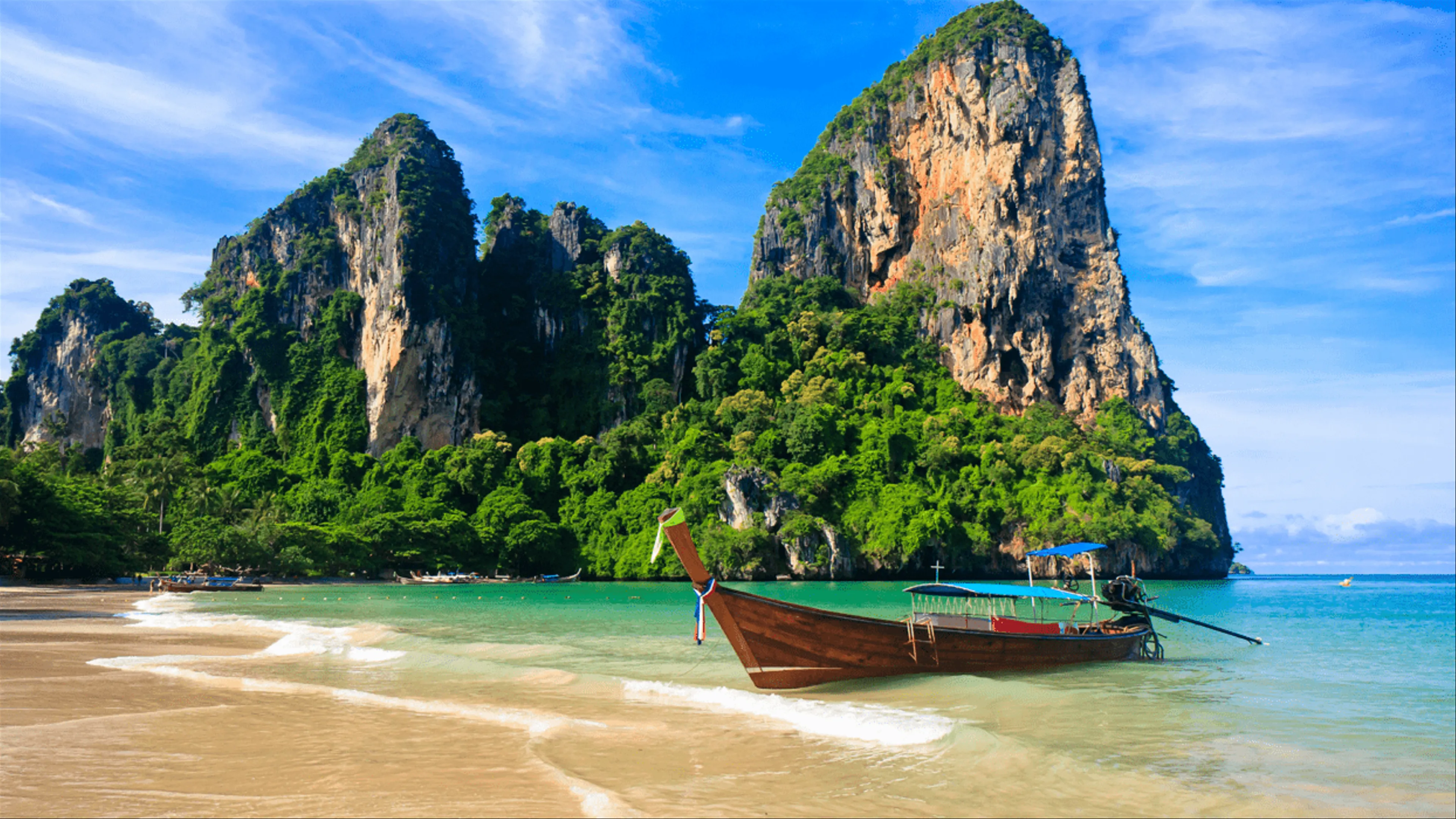
Explore Thailand's stunning temples and pristine beaches for a journey filled with cultural wonders and natural beauty.