
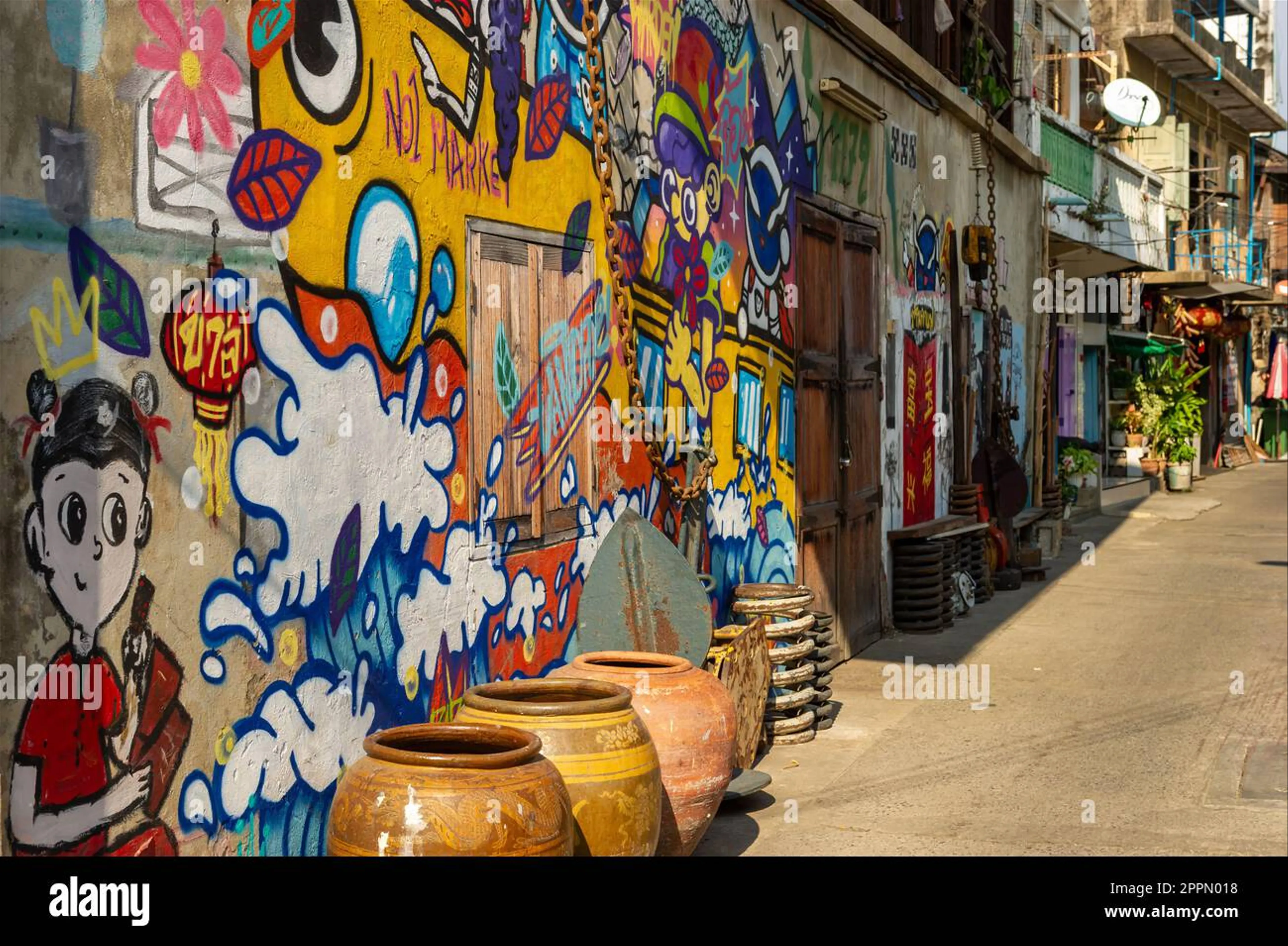
Explore the vibrant street art of Talat Noi in Bangkok, where creativity meets cultural heritage in stunning murals.
Tucked away in the bustling heart of Bangkok, Talat Noi is a neighborhood that effortlessly blends the past with the present, offering a glimpse into the city's rich tapestry of history and modern creativity. Known for its vibrant street art and eclectic allure, Talat Noi stands as a cultural gem waiting to be discovered by adventurous travelers seeking the city's hidden treasures. This charming enclave, often overshadowed by its more famous neighbors, is a testament to Bangkok's dynamic spirit and diverse cultural landscape.

Historically, Talat Noi has been a melting pot of cultures, with its roots tracing back to the early Chinese settlers who made this area their home centuries ago. The name "Talat Noi" itself means "small market," reflecting its origins as a bustling hub of trade and community life. Today, the neighborhood retains its unique architectural charm, with narrow labyrinthine alleys lined with centuries-old shophouses and crumbling colonial facades that tell stories of the past.
Yet, Talat Noi is far from a relic frozen in time. Instead, it has transformed into a lively canvas that showcases the evolving art scene of Bangkok. Street artists from across the globe have flocked to this area, drawn by its rich cultural backdrop and the freedom to express their creativity in an unrestrained environment. As you wander through its streets, you'll encounter a vibrant mix of murals, graffiti, and installations that infuse the neighborhood with color and life, making it a living gallery that continually evolves.
This unique blend of history and art makes Talat Noi a must-visit destination for those looking to experience a different side of Bangkok. It’s a place where the past and present collide, creating an atmosphere that is both nostalgic and refreshingly contemporary. Whether you're an art enthusiast, a history buff, or simply a curious traveler, Talat Noi offers an intimate connection with Bangkok's soul, inviting you to explore, discover, and be inspired by its hidden beauty.
The evolution of street art in Bangkok is a fascinating journey that mirrors the city’s own transformation over the decades. Once viewed as mere vandalism, street art in Bangkok has gradually gained recognition as a legitimate and celebrated form of artistic expression. This shift is largely attributed to the city's growing appreciation for contemporary art forms and the increasing influence of global street art movements. As Bangkok developed into a cosmopolitan hub, it began to attract artists from around the world, each bringing their unique styles and perspectives, further enriching the local art scene.
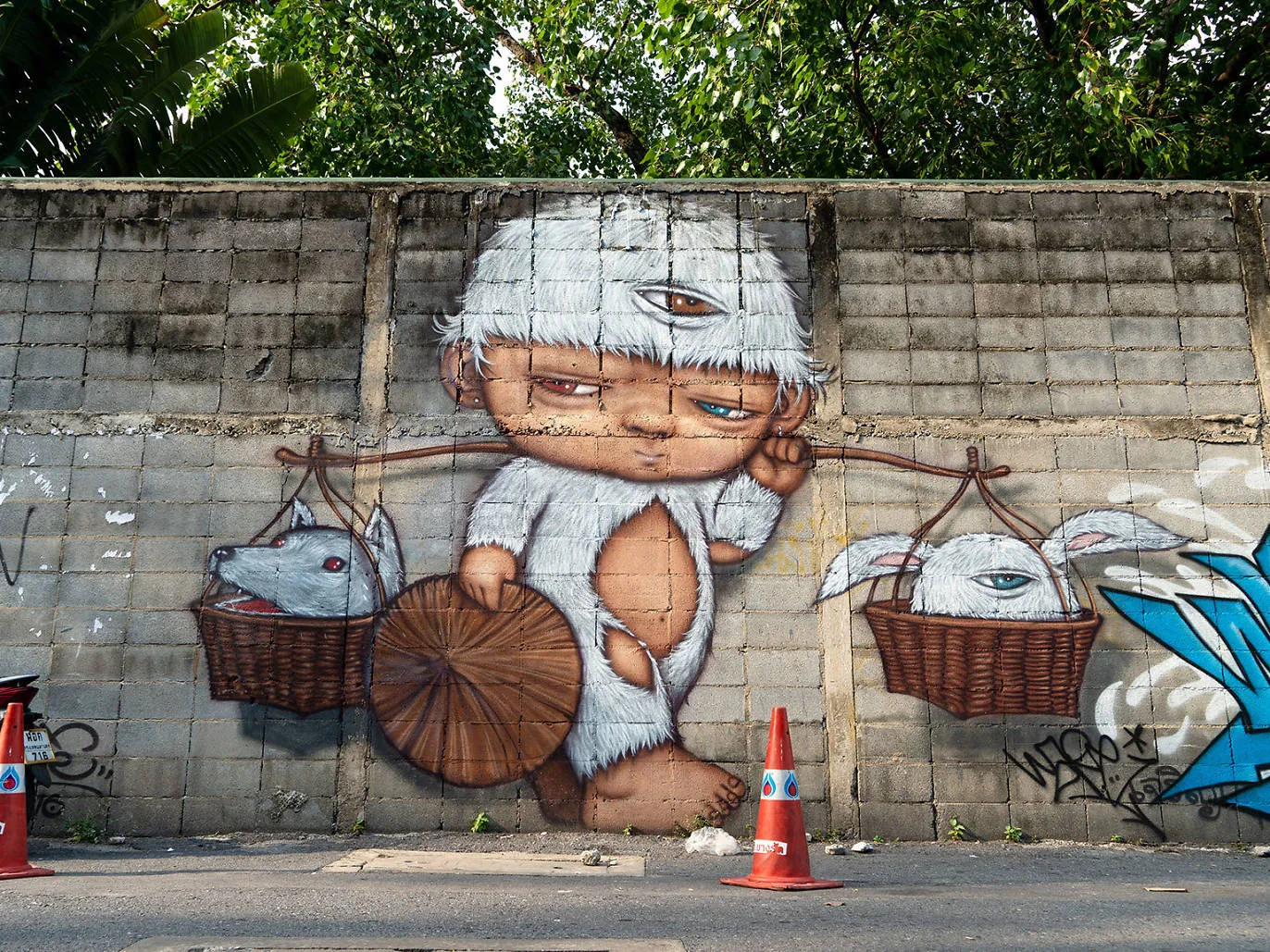
In the early days, street art in Bangkok was primarily underground, with artists operating under the cover of night to avoid legal repercussions. The works were often ephemeral, painted over as quickly as they appeared. However, by the 2000s, things began to change. The city's art scene started to embrace this once-marginalized form, recognizing its power to transform urban spaces and engage the public in new ways. Grassroots art festivals and events, such as the Bukruk Urban Arts Festival, played a pivotal role in shifting perceptions by showcasing street art as a vibrant and dynamic component of Bangkok's cultural fabric.
Talat Noi, in particular, has emerged as a focal point for this burgeoning street art movement. Its rich historical context and labyrinth of alleys offer a perfect canvas for artists to explore themes of identity, culture, and social commentary. As street art gained popularity, local authorities began to support and even commission works, turning Talat Noi into an open-air gallery where traditional and contemporary art coexist. This neighborhood has become a symbol of how street art can revitalize and redefine a community, drawing both locals and tourists to appreciate its ever-changing landscape.
Today, street art in Bangkok is not only celebrated for its visual appeal but also for its ability to spark conversation and provoke thought. Many murals in Talat Noi address social issues, cultural heritage, and environmental concerns, providing a voice to the community and encouraging dialogue among viewers. The evolution of street art in Bangkok is not just about aesthetics but also about storytelling and connecting people to the city's diverse narratives. As you explore Talat Noi, you'll witness firsthand how street art has become an integral part of Bangkok’s identity, reflecting its dynamic spirit and openness to change.
As you delve into the colorful world of Talat Noi, you'll find that each mural tells its own unique story, offering insight into the minds of the artists and the cultural narratives that shape them. One of the most iconic pieces in the neighborhood is the vibrant mural of the Chinese dragon, a nod to Talat Noi's historical roots as a Chinese enclave. This striking artwork, with its swirling colors and dynamic composition, encapsulates the energy and resilience of the community, symbolizing prosperity and good fortune.

Another captivating piece is the mural depicting a traditional Thai dancer, intricately adorned in cultural attire. This mural serves as a bridge between old and new, showcasing how contemporary street art can honor traditional Thai culture while introducing it to a broader audience. The artist's use of bold lines and vivid colors captures the grace and fluidity of the dancer, inviting viewers to appreciate the beauty of Thailand's artistic heritage.
Among these visual narratives, you'll also find a mural dedicated to the everyday lives of Talat Noi's residents. This artwork portrays local street vendors, shopkeepers, and families bustling through their daily routines, serving as a homage to the neighborhood's enduring spirit and community bonds. Through this piece, the artist highlights the importance of preserving the human stories that define Talat Noi, prompting passersby to reflect on the intersection of tradition and modernity.
Street art in Talat Noi is not just about celebrating beauty but also about sparking dialogue. One mural stands out for its poignant commentary on environmental issues, depicting a surreal scene of vibrant marine life intertwined with plastic waste. This piece is a powerful reminder of the environmental challenges facing urban spaces and invites viewers to consider their impact on the world around them. The artist's imaginative approach transforms an alleyway into a thought-provoking canvas, urging collective action towards sustainability.
Perhaps one of the most thought-provoking murals is the one that explores themes of identity and diversity. It features a series of portraits representing the myriad cultures that have influenced Bangkok over the centuries. This mural is a testament to the city's multicultural tapestry, celebrating diversity as a source of strength and innovation. Each face tells a different story, encouraging viewers to embrace the rich cultural exchanges that define Bangkok's identity.
Talat Noi's street art is a living, breathing testament to Bangkok's evolving narrative. Each mural offers a window into the city's soul, inviting both locals and travelers to pause, reflect, and engage with the stories that unfold in this vibrant urban gallery. As you wander through these alleys, you'll find that the art speaks volumes, connecting you to the past, present, and future of this remarkable neighborhood.
Talat Noi's vibrant street art scene owes much to the talented artists who have left their mark on its walls, turning this neighborhood into a renowned gallery of urban creativity. These artists, both local and international, bring diverse backgrounds and perspectives, contributing to the rich tapestry of murals that adorn the area. Their works not only captivate visually but also narrate stories that resonate with viewers, offering insights into cultural, social, and personal themes.
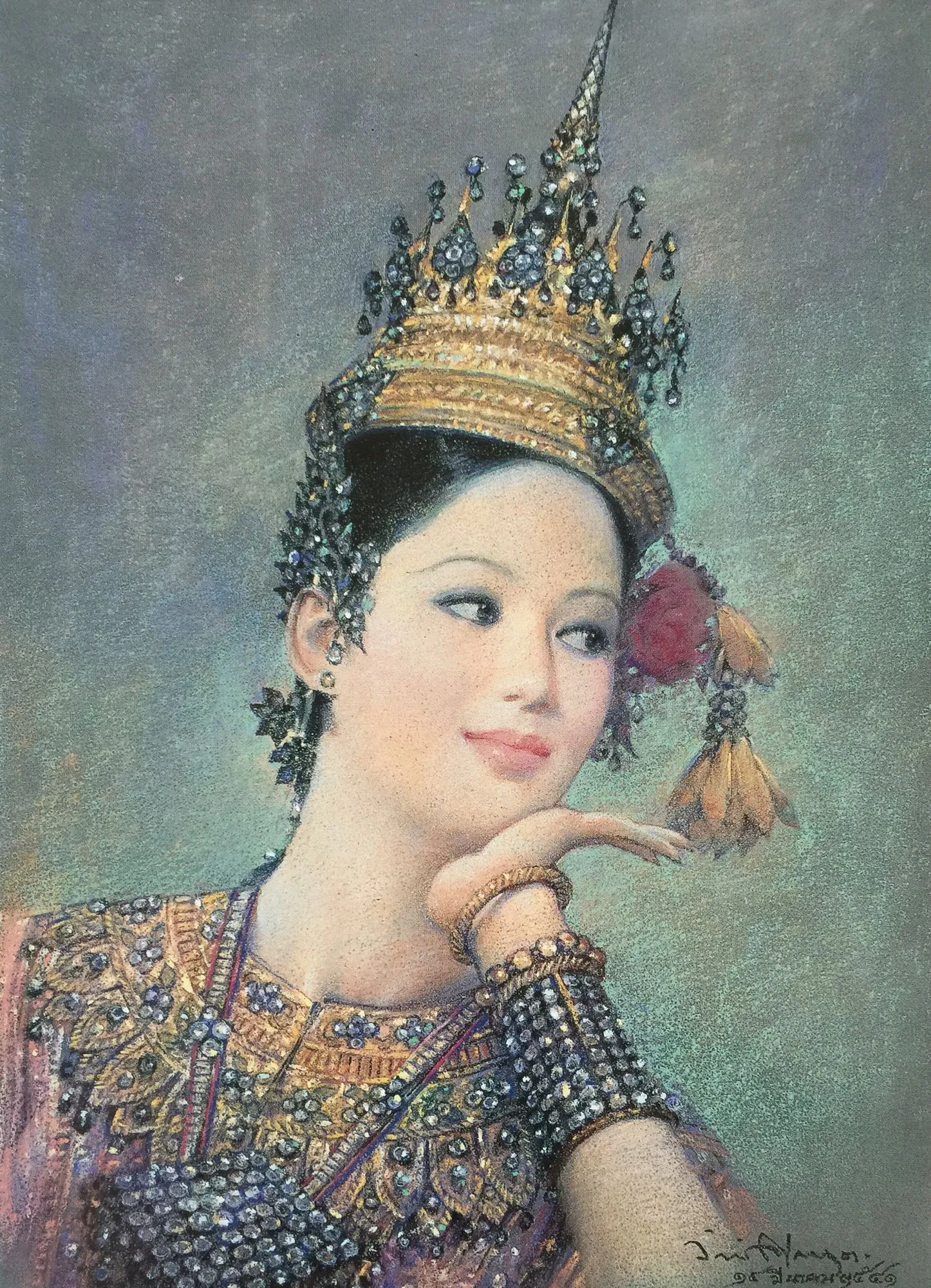
One of the most influential figures in Talat Noi's street art community is Alex Face, a Thai artist known for his iconic character, "Mardi." With its distinctive three-eyed child, Mardi frequently appears throughout Bangkok, symbolizing innocence and resilience. In Talat Noi, Alex Face's murals engage with the local context, often reflecting on societal issues and the rapid changes experienced by urban communities. His work encourages viewers to ponder the juxtaposition of innocence against the backdrop of urban development and the challenges it brings.
Another prominent artist who has significantly influenced Talat Noi's street art is ROA, a Belgian artist renowned for his large-scale depictions of animals. ROA's murals often explore themes of nature and humanity's impact on the environment. In Talat Noi, his artworks serve as a poignant reminder of the delicate balance between urbanization and ecological preservation. His detailed and monochrome style contrasts sharply with the vibrant chaos of the neighborhood, creating an arresting visual dialogue that captivates passersby.
PichiAvo, a Spanish duo known for their fusion of classical and contemporary art, also contributes to Talat Noi’s dynamic art scene. Their murals blend graffiti with elements of classical sculpture, resulting in striking compositions that challenge traditional notions of art. In Talat Noi, PichiAvo's works often reflect on the cultural exchanges that define Bangkok, merging different styles and influences to create pieces that speak to the city's multicultural identity. Their art invites viewers to appreciate the harmony that can emerge from cultural diversity and artistic innovation.
Local artist Bonus TMC is another key contributor to Talat Noi’s street art landscape. Known for his bold and colorful depictions of Thai folklore and mythology, Bonus TMC's murals celebrate Thailand's rich cultural heritage. His work often incorporates traditional motifs and modern elements, bridging the past and present in a way that resonates deeply with both locals and tourists. Through his art, Bonus TMC fosters an appreciation for Thailand's history and culture, encouraging a deeper understanding of the stories that shape the nation.
These artists, along with many others, have transformed Talat Noi into a vibrant canvas that reflects Bangkok's dynamic spirit and its openness to artistic expression. Their influence extends beyond aesthetics, sparking conversations and inviting viewers to engage with the broader narratives of identity, culture, and change. As you explore the streets of Talat Noi, you'll encounter not just art, but a living dialogue that connects the city's past, present, and future through the visionary works of its most prominent artists.
Exploring Talat Noi's street art scene is akin to embarking on a treasure hunt through a vibrant maze of creativity and history. The neighborhood's narrow alleys and hidden corners are a canvas for artists who transform the urban landscape into a living gallery. To fully appreciate the dynamic art scene, it's essential to know how to navigate this intriguing area effectively.
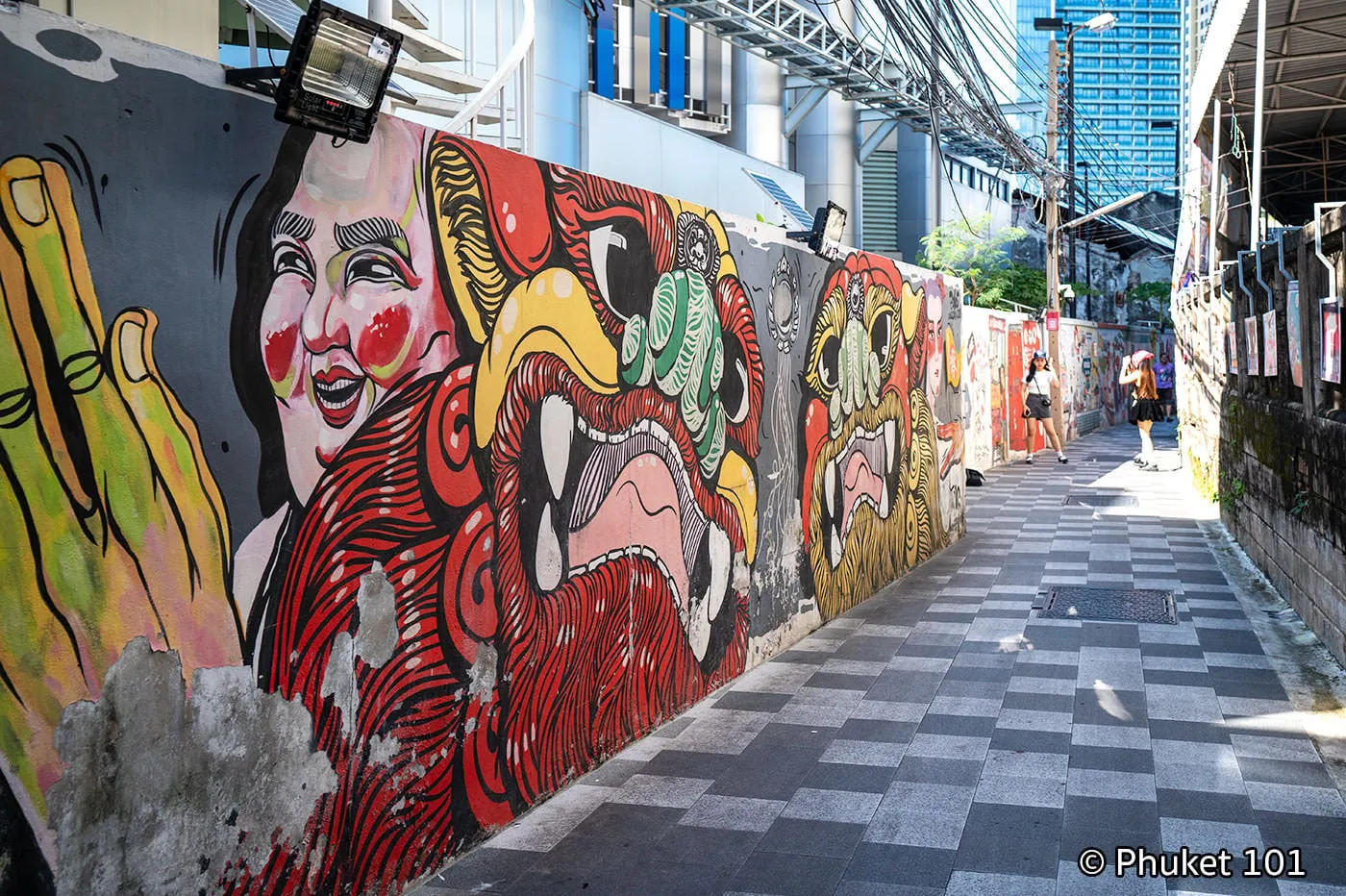
Begin your journey at the heart of Talat Noi, where the Chao Phraya River meets the bustling streets. The riverfront offers a unique vantage point, with stunning views of the city's skyline and the neighborhood's historic architecture providing a picturesque backdrop. From here, wander into the labyrinth of alleys that make up Talat Noi. Each turn reveals new surprises, from colorful murals to intricate graffiti, each telling its own story.
As you explore, take your time to absorb the details. Some of the most impressive artworks are tucked away in unexpected places, requiring a keen eye and a curious spirit to uncover. Many murals are located on the facades of old shophouses, so it's worth looking up and around to ensure you don't miss any hidden gems. The juxtaposition of contemporary art against the backdrop of crumbling colonial architecture adds a layer of depth to the experience, highlighting the neighborhood's unique character.
Consider joining a guided tour to gain deeper insights into the stories behind the artworks and the artists who created them. Local guides often have in-depth knowledge of the neighborhood's history and the meanings behind the murals, offering an enriched perspective that enhances your exploration. Alternatively, some visitors prefer to wander independently, allowing the art to speak to them personally and discovering pieces at their own pace.
For those interested in capturing the essence of Talat Noi's street art through photography, timing is everything. Visit early in the morning or late in the afternoon when the light is softer, casting a warm glow on the murals and creating ideal conditions for photography. Be respectful of the local residents and businesses as you explore, and remember that the art you are admiring is a part of their daily environment.
Don't forget to take a moment to engage with the local community. Talat Noi remains a vibrant residential area, and interactions with its residents can provide invaluable context and insight into the neighborhood's transformation. Stop by a local café or street vendor to experience the area's culinary offerings, which often reflect the diverse cultural influences that have shaped Talat Noi over the years.
As you navigate through Talat Noi, keep an open mind and a sense of adventure. The neighborhood's street art is not just a visual spectacle; it is a dialogue between the past and the present, a testament to Bangkok's evolving identity. Each mural invites you to pause, reflect, and appreciate the stories that unfold, connecting you to the rich tapestry of life in this captivating corner of the city.
Street art in Thailand, particularly in neighborhoods like Talat Noi, holds deep cultural significance that extends beyond its aesthetic appeal. It serves as a modern-day narrative tool that reflects and shapes the social, political, and cultural landscapes of Thai society. This form of art is uniquely positioned to bridge traditional Thai culture with contemporary issues, offering a platform for artists to express identity, heritage, and societal change in a way that resonates with diverse audiences.
In Thai society, where respect for tradition and authority has long been paramount, street art represents a form of creative rebellion and freedom. It challenges conventional norms, offering a space where artists can voice their perspectives on pressing issues such as environmental sustainability, social justice, and globalization. This artistic expression is particularly powerful in a society that has undergone rapid modernization and urbanization, as it allows for a dialogue between the past and the present, integrating age-old customs with new-world ideas.
Historically, Thailand has been a melting pot of cultures, and street art reflects this multicultural tapestry. Artists often incorporate traditional Thai motifs, religious symbols, and folklore into their works, creating a fusion of old and new that resonates deeply with both locals and visitors. This blending of cultural elements not only preserves heritage but also invites contemporary audiences to engage with Thailand’s rich history in an accessible and dynamic way.
Moreover, street art in Thailand acts as a catalyst for community engagement and urban regeneration. In areas like Talat Noi, murals and graffiti breathe new life into neglected spaces, transforming them into vibrant hubs of activity and interaction. This reinvigoration of urban areas fosters a sense of pride and ownership among residents, while also attracting tourists and art enthusiasts, thereby boosting local economies and promoting cultural tourism.
The role of street art in Thai society is also instrumental in encouraging dialogue and reflection. Many murals address themes of identity and diversity, highlighting Thailand’s ethnic and cultural plurality. By presenting these narratives in public spaces, street art invites viewers to consider the complexities of Thai identity and the importance of inclusivity and acceptance in a rapidly changing world.
In essence, street art in Thailand is much more than an artistic endeavor; it is a vibrant and evolving part of the nation's cultural fabric. It challenges viewers to see beyond the surface and engage with the stories and meanings embedded within each piece. As a form of public expression, it democratizes art, making it accessible to all and ensuring that the voices of both artists and communities are heard and celebrated. In doing so, it enriches Thai society, fostering a deeper appreciation for the diverse narratives that shape the nation’s identity.
Photographing street art, especially in a vibrant neighborhood like Talat Noi, is a rewarding experience that allows you to capture the essence of cultural expression and creativity. To make the most of your photography adventure, consider these tips that will help you preserve the stunning visuals and stories embedded in these urban masterpieces.
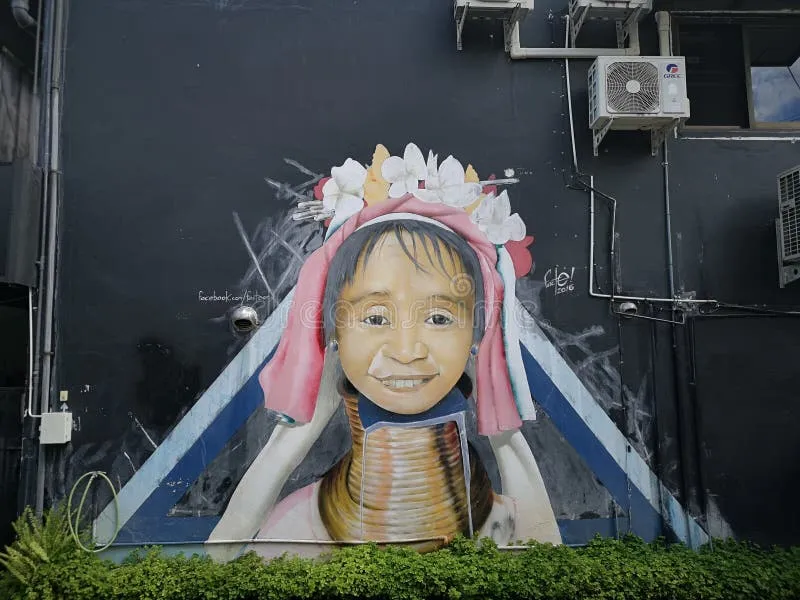
First and foremost, timing is crucial. The best times to photograph street art are early in the morning or late in the afternoon. During these hours, the natural light is softer and casts fewer harsh shadows, allowing the colors and details of the murals to stand out beautifully. The golden hour, which occurs shortly after sunrise and before sunset, provides a warm, diffused light that enhances the vibrancy of the artwork.
When photographing street art, pay attention to composition. Consider the context of the mural within its environment. Include elements of the surrounding architecture or street life to tell a broader story. Using the rule of thirds can help you create balanced and engaging compositions. Position key elements of the mural along the gridlines or at the intersections to draw the viewer’s eye naturally and add depth to your photos.
Taking close-ups is another technique to consider. Street art often features intricate details and textures that can be easily overlooked. Capture these elements by getting up close and focusing on specific parts of the mural. This approach not only highlights the skill and creativity of the artist but also allows you to appreciate the nuances that contribute to the overall impact of the piece.
Be mindful of your perspective. Experiment with different angles and viewpoints to find the most striking way to capture the artwork. Crouch down low for a dramatic effect or shoot from a high vantage point to include more of the mural’s surroundings. Changing your perspective can offer fresh insights and bring out unique aspects of the art that might not be immediately visible from eye level.
Street art is a public, dynamic form of expression, so engaging with the environment is key. Consider incorporating people into your shots to provide scale and context. Capturing interactions between locals and the murals can add a human element to your photos, illustrating how art and community coexist. Be respectful and patient, waiting for the right moment to capture an interaction that enhances the narrative of your image.
When photographing in narrow alleyways or spaces with limited natural light, adjusting your camera settings is essential. Increasing your ISO can help capture more light, while a wider aperture will allow you to maintain focus on your subject with a blurred background. If you're using a smartphone, take advantage of HDR mode to balance the exposure between light and dark areas.
Finally, respect the art and the community. Avoid obstructing traffic or disturbing residents as you photograph. Street art is part of their daily lives, and maintaining a respectful presence ensures that everyone can enjoy the beauty of Talat Noi’s vibrant art scene. Remember, each photograph is an opportunity to share the story of a place where creativity and culture converge, so take your time to appreciate and capture the essence of this unique urban gallery.
Exploring Talat Noi's street art is not just a visual feast; it's an immersive cultural experience that can be wonderfully complemented by indulging in the local cuisine. As you wander through the vibrant alleys adorned with murals and graffiti, you'll also discover a culinary landscape that reflects the neighborhood's rich cultural tapestry. Combining art discovery with local cuisine enhances your understanding of the area, providing a holistic glimpse into the life and soul of Talat Noi.

Start your culinary journey at one of the many street food stalls that line the bustling streets. These stalls offer an array of traditional Thai delicacies, each with its own distinct flavors and aromas. Savor a steaming bowl of boat noodles, a dish native to Bangkok, known for its rich broth and aromatic spices. The complex flavors of the noodles mirror the intricate details of the street art, offering a multi-sensory experience that is quintessentially Talat Noi.
For those seeking something sweet, try Khanom Bueang, a traditional Thai dessert that resembles a crispy pancake filled with meringue and sweet toppings. This delicacy provides a delightful contrast to the savory dishes and offers a taste of Thai culinary heritage. Just like the street art, these flavors tell a story of tradition and innovation, blending old recipes with modern twists.
Venture further into Talat Noi to discover its hidden gems—cozy cafes and eateries that provide a perfect respite from your explorations. Many of these establishments are housed in charming historic buildings, seamlessly blending with the neighborhood’s aesthetic. Enjoy a cup of locally brewed coffee or Thai iced tea, as you take a break and reflect on the art you've encountered. The cafes often serve as informal galleries themselves, displaying works by local artists, which adds another layer to your cultural experience.
In addition to street food and cafes, Talat Noi's proximity to the Chao Phraya River provides access to restaurants offering fresh seafood and riverside views. Dining in these settings allows you to appreciate the neighborhood's unique geographical context, where the serenity of the river contrasts with the vibrant energy of the streets. Try dishes like grilled river prawns or spicy som tam salad, which showcase the freshness and bold flavors characteristic of Thai cuisine.
To truly appreciate the cultural fusion that defines Talat Noi, consider joining a food tour that combines street art exploration with culinary tastings. These tours often include visits to local markets, where you can learn about the ingredients and techniques used in Thai cooking. Engaging with vendors and chefs provides a deeper understanding of the cultural significance of the food, much like the stories behind the murals you admire.
In Talat Noi, art and cuisine are intertwined, each reflecting the neighborhood's diverse heritage and dynamic spirit. By combining your exploration of street art with the discovery of local flavors, you not only satisfy your senses but also gain a richer appreciation for the community's identity. Whether you're savoring a spicy dish or admiring a colorful mural, each experience contributes to a deeper connection with this enchanting corner of Bangkok.
As travelers seek more meaningful and responsible ways to explore the world, sustainable tourism practices have become increasingly important, especially in culturally rich neighborhoods like Talat Noi. This vibrant enclave in Bangkok offers a unique opportunity to engage with local culture while minimizing environmental and social impacts. By adopting sustainable tourism practices, visitors can contribute to the preservation of Talat Noi's heritage and support the community's long-term well-being.

One of the most effective ways to practice sustainable tourism in Talat Noi is to support local businesses. Choosing to dine at neighborhood eateries, shop at local markets, and engage with small-scale vendors helps ensure that tourism dollars directly benefit the community. This support not only boosts the local economy but also encourages the preservation of traditional crafts and cuisines that are integral to Talat Noi’s cultural identity.
Travelers are encouraged to explore Talat Noi on foot or by bicycle, which not only reduces carbon emissions but also allows for a more intimate interaction with the neighborhood. Walking or cycling through the narrow alleys provides a slower pace to appreciate the street art and historical architecture, fostering a deeper connection with the area’s unique character. This mode of exploration also decreases congestion and pollution, contributing to a cleaner, quieter environment for both residents and visitors.
Participating in guided tours led by local residents is another sustainable practice that enriches the visitor experience. These tours offer authentic insights into Talat Noi’s history, culture, and art scene, while also providing income and employment opportunities for local guides. By choosing tours that emphasize cultural sensitivity and respect for the community, visitors can ensure their explorations are both enlightening and respectful.
Respect for the local environment is crucial in sustainable tourism. Visitors should be mindful of their waste disposal, ensuring they do not litter and that they recycle whenever possible. Carrying reusable water bottles and bags can significantly reduce plastic waste, aligning with efforts to maintain the neighborhood’s cleanliness and beauty. Supporting initiatives that promote environmental awareness and conservation within Talat Noi can further enhance these efforts.
Engaging with community projects and initiatives is a meaningful way to contribute to Talat Noi’s sustainable development. Visitors can volunteer with local organizations focused on cultural preservation or environmental conservation. These interactions not only benefit the community but also provide travelers with a deeper understanding of the neighborhood’s challenges and aspirations, fostering a sense of global citizenship and stewardship.
Ultimately, sustainable tourism in Talat Noi is about creating a positive impact while enjoying the rich tapestry of art, history, and culture. By being conscious of their ecological footprint and actively supporting the local community, travelers can help ensure that this vibrant neighborhood continues to thrive for future generations. Each mindful step taken in Talat Noi contributes to a larger movement towards responsible travel, preserving the soul of this enchanting part of Bangkok for all to enjoy.
Planning your visit to Talat Noi, a hidden gem in Bangkok's bustling urban landscape, requires a bit of preparation to ensure a seamless and enriching experience. Whether you're a seasoned traveler or a first-time visitor, having practical travel information at your fingertips can make all the difference. Here's what you need to know to make the most of your journey to this captivating neighborhood.

Getting to Talat Noi is relatively straightforward, thanks to Bangkok's extensive transportation network. The most convenient way is to take the MRT (Metropolitan Rapid Transit) to Hua Lamphong Station. From there, it's a short walk to the neighborhood. Alternatively, you can use the Chao Phraya Express Boat service, getting off at the Ratchawong Pier, and stroll through the charming streets filled with historical architecture and vibrant street art. For those preferring a taxi or tuk-tuk, these are readily available throughout Bangkok, though be sure to agree on a fare or ask for the meter to be turned on before starting your journey.
Accommodation options near Talat Noi range from budget-friendly hostels to mid-range hotels, many of which are located in the nearby Chinatown area. Staying in this vicinity not only provides easy access to Talat Noi but also allows you to explore other cultural attractions and savor the diverse culinary offerings of Chinatown. For a more immersive experience, consider booking a stay at a boutique hotel or a guesthouse that reflects the local charm and character of the area.
When planning your itinerary, consider the best times to visit Talat Noi. The neighborhood can be explored throughout the year, but the cooler months from November to February offer more comfortable weather for walking tours. Early mornings or late afternoons are ideal for leisurely strolls, as the light is perfect for photography, and the streets are less crowded. Additionally, checking the local calendar for any cultural events or festivals can enhance your visit, offering a glimpse into the vibrant community life.
To make the most of your time in Talat Noi, it’s wise to come prepared with a map or a reliable navigation app. While part of the appeal of the neighborhood is its maze-like alleys, having a guide will help you locate specific murals and points of interest without missing out on hidden gems. If you’re interested in a more structured experience, guided tours are available, providing expert insights into the art and history of the area.
Remember to dress comfortably and appropriately for your visit. Lightweight clothing, a hat, and sunscreen are recommended to protect against the tropical sun. Comfortable walking shoes are a must, as you’ll likely spend a good portion of the day on your feet exploring the streets and alleys. If you plan to visit any religious sites, ensure your attire is respectful, with shoulders and knees covered.
Lastly, while exploring Talat Noi, keep in mind the local customs and etiquette. Politeness and respect go a long way in Thai culture. Greet locals with a smile and a "wai," a traditional Thai greeting, and be mindful of noise levels in residential areas. By embracing these cultural norms, you’ll enrich your travel experience and foster a positive interaction with the community.
With these practical travel tips, you're well-equipped to embark on a memorable journey through Talat Noi, where every corner reveals a story and every street is a canvas of history and creativity. Enjoy discovering one of Bangkok’s most intriguing neighborhoods, and let its vibrant spirit captivate your senses.
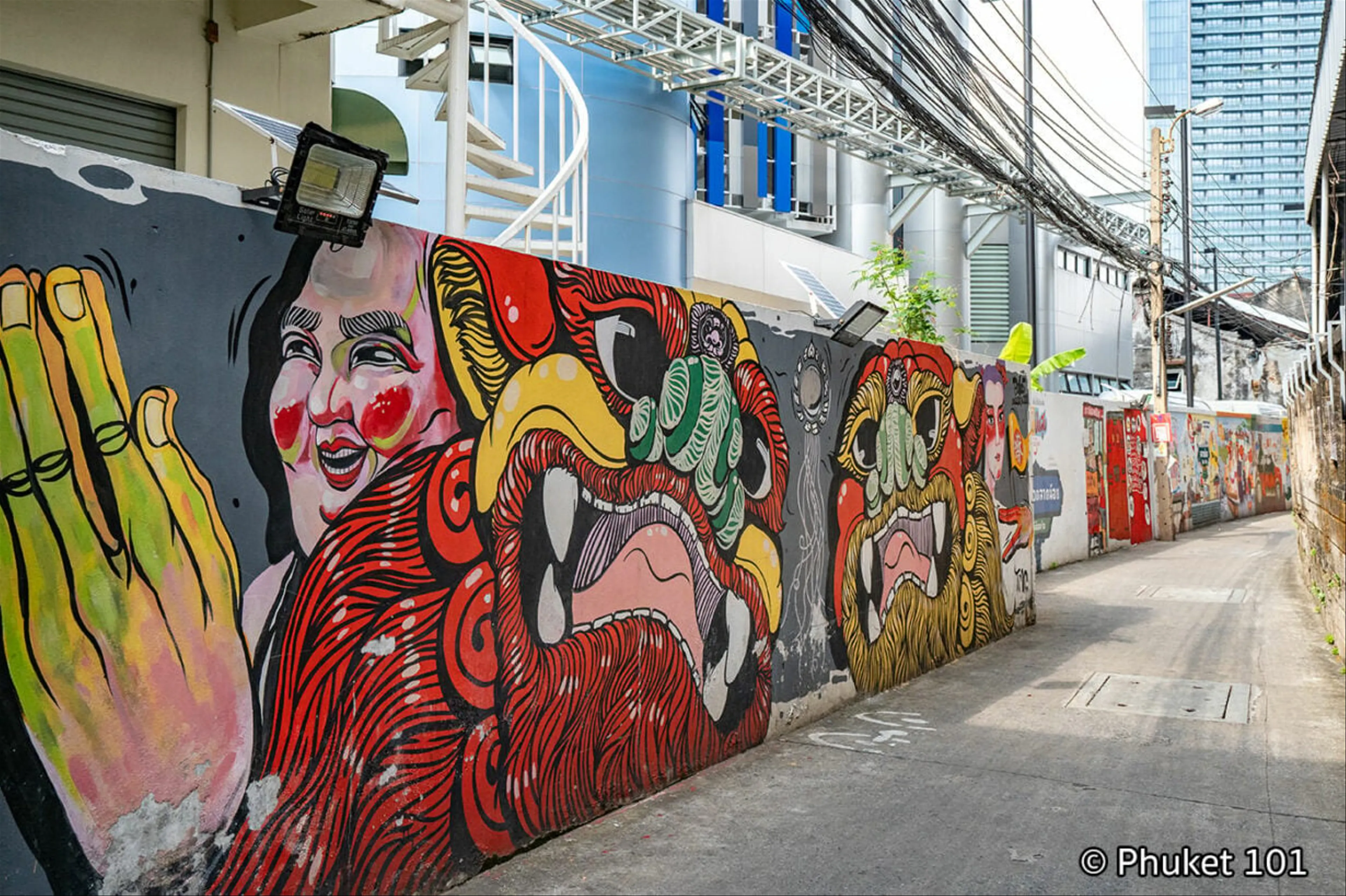
Uncover the vibrant street art of Talat Noi, Bangkok, where history and creativity meet on every wall.
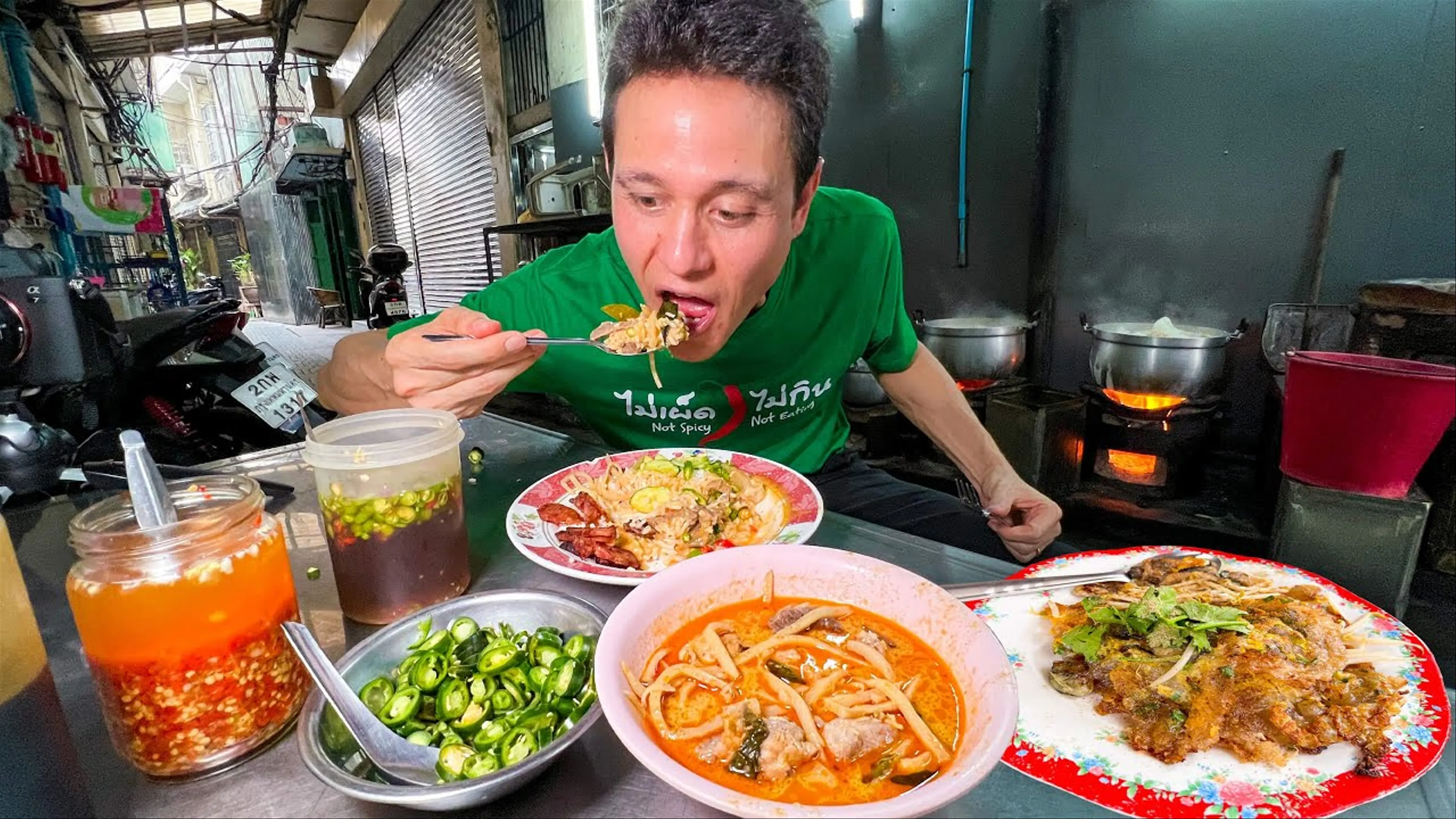
Explore Bangkok's Chinatown and indulge in a street food adventure with flavors that capture the essence of Thai culture.
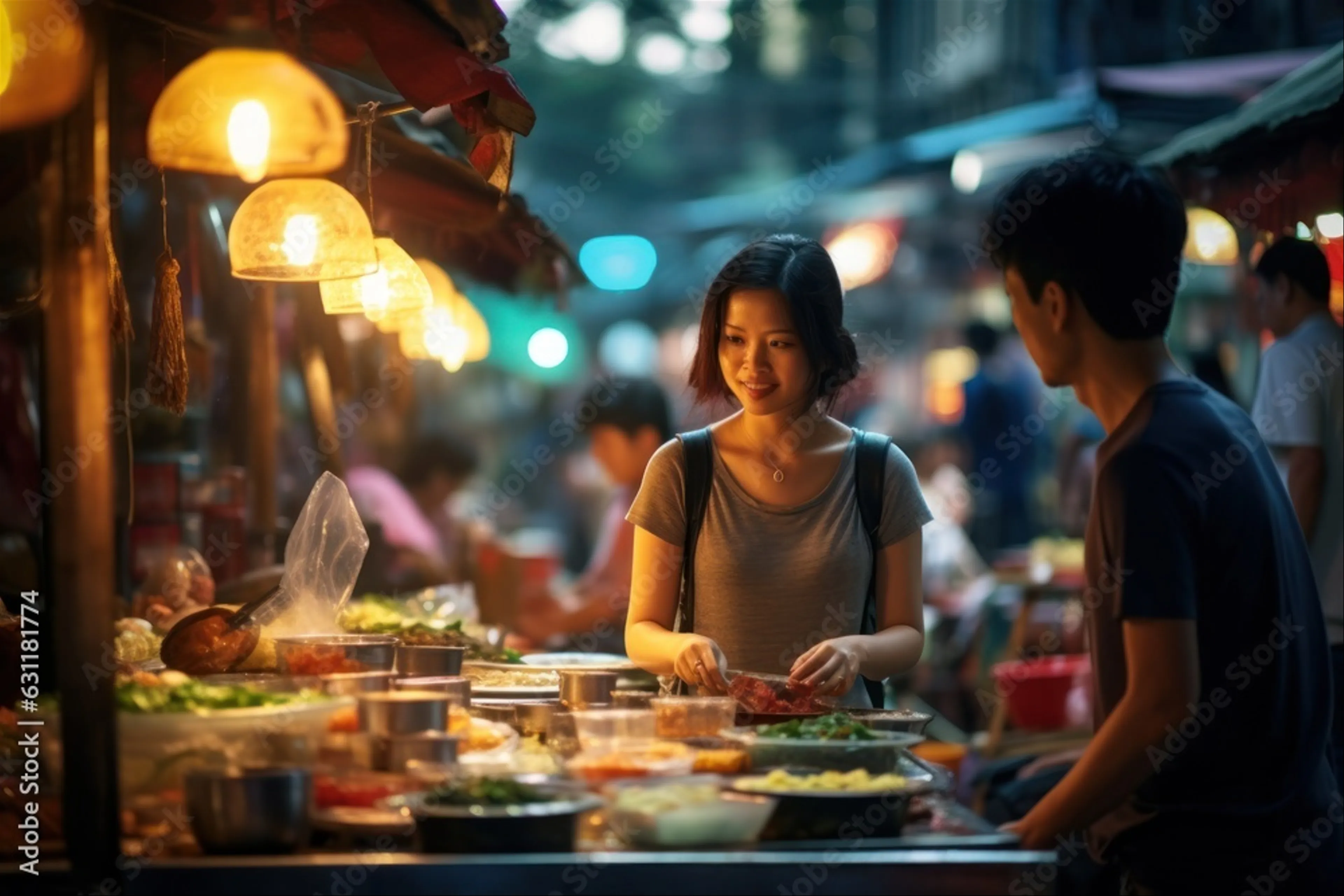
Explore Bangkok's night markets and indulge in authentic Thai street food. Discover the vibrant flavors and cultural delights of Thailand's cuisine.