
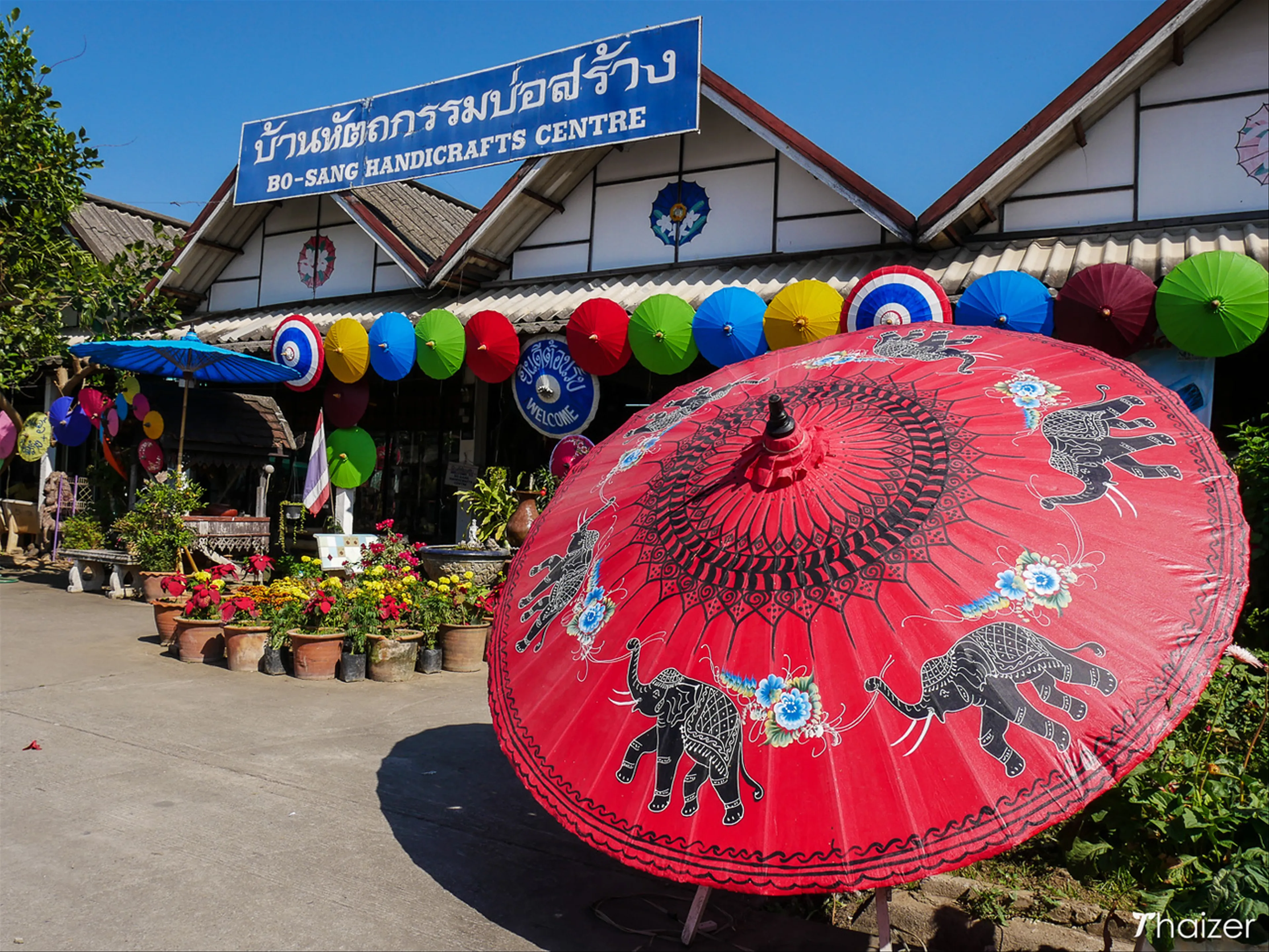
Uncover the magic of Chiang Mai's Umbrella Village, where traditional Thai artistry and vibrant craftsmanship create stunning hand-painted umbrellas.
Nestled in the serene surroundings of Chiang Mai, the Umbrella Village, known locally as Bo Sang, is a testament to the region's rich artistic heritage. This quaint village has been the heart of traditional umbrella making for over a century, drawing travelers from around the globe eager to witness this unique craft. The origins of umbrella making in Chiang Mai can be traced back to the early 19th century, when Buddhist monks, returning from their pilgrimages to neighboring Burma (now Myanmar), brought back the knowledge and techniques of crafting these beautiful parasols.
The introduction of umbrella making to Chiang Mai was not merely an artistic endeavor but also a cultural exchange that enriched the local communities. The monks, with their newfound skills, began teaching the locals, who quickly embraced this art form, integrating it into their daily lives and traditions. As the practice spread, Bo Sang emerged as the focal point for this burgeoning craft, with families dedicating themselves to mastering the intricacies of umbrella production.
Over the decades, the craft evolved, influenced by the distinct cultural tapestry of Northern Thailand. Artisans began incorporating vibrant colors and intricate designs, often reflecting elements of Thai folklore and natural beauty. The umbrellas, originally made for practical purposes to protect against the sun and rain, soon became coveted decorative items, symbolizing the region's rich cultural identity.
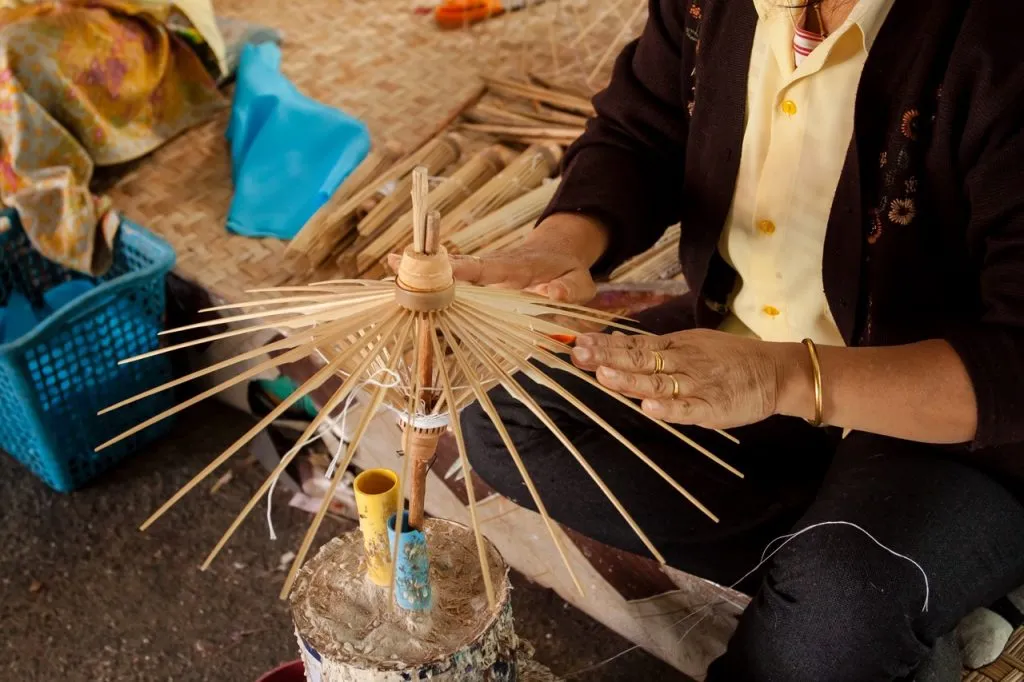
The umbrella-making process in Chiang Mai is a meticulous labor of love, requiring a blend of skill, patience, and artistic flair. Craftsmen start with the selection of bamboo for the frames, which is carefully split, shaped, and polished. The covers are traditionally made from paper derived from the mulberry tree, known as Sa paper, which is both durable and receptive to dyes and paints. Once the structure is complete, artists embellish the umbrellas with hand-painted motifs, each piece telling a unique story.
Today, Bo Sang’s reputation as the 'Umbrella Village' is not only a nod to its historical roots but also a celebration of its ongoing commitment to preserving this cherished art. Visitors to the village can immerse themselves in the history and craftsmanship, watching artisans at work and even trying their hand at painting their own umbrellas. The village stands as a vibrant symbol of cultural preservation, where the past and present harmoniously coexist, offering a glimpse into the rich tapestry of Chiang Mai's artistic legacy.
Delving into the craftsmanship behind Chiang Mai's famous umbrellas, one uncovers a world where tradition and artistry intertwine seamlessly. The creation of these umbrellas is a testament to the dedication and skill passed down through generations, with each step of the process reflecting a deep respect for materials and technique.

The journey begins with the careful selection of bamboo, chosen for its flexibility and strength. Artisans meticulously split the bamboo into thin strips, which are then shaped into the frame of the umbrella. This stage requires precision and patience, as each piece must fit perfectly to ensure the structural integrity of the final product. The bamboo frame is then bound with cotton thread, a technique that not only adds durability but also allows for a graceful, lightweight design.
The next phase involves creating the umbrella's canopy, traditionally crafted from Sa paper. This special paper, derived from the bark of the mulberry tree, is renowned for its resilience and texture. It is hand-stretched over the bamboo structure, then treated to withstand the elements, ensuring the umbrella is both functional and enduring.
What sets these umbrellas apart is the intricate hand-painted designs that adorn them. Local artisans use natural dyes and pigments to craft vivid patterns that capture the essence of Thai culture. These designs often depict scenes from nature, folklore, or religious iconography, each telling a story unique to the artisan's vision. The painting process demands a steady hand and a keen eye for detail, as each brushstroke contributes to the overall harmony of the design.
Beyond their aesthetic appeal, the umbrellas of Bo Sang embody a philosophy of sustainability and resourcefulness. Every component, from the bamboo to the Sa paper, is sourced locally, emphasizing an eco-friendly approach that respects the environment. This commitment to sustainability ensures that the craft not only thrives but also respects the natural resources that make it possible.
In the Umbrella Village, visitors have the rare opportunity to witness this craftsmanship firsthand. Workshops and demonstrations offer insight into each stage of production, providing a deeper appreciation for the skill and artistry involved. By engaging in these experiences, travelers gain a profound understanding of the cultural significance and artistic heritage that these umbrellas represent.
Exploring Bo Sang, the Umbrella Village, offers travelers a unique cultural experience that transcends the mere observation of craftsmanship. As you wander through the village, the vibrant colors of the umbrellas hanging overhead create a kaleidoscope of hues, immediately immersing you in the artistic spirit of this community. Each corner reveals workshops bustling with activity, where artisans passionately engage in their craft, welcoming visitors with warm smiles and a willingness to share their knowledge.

The village itself is a tapestry of tradition and innovation. As you stroll along the quaint streets, you'll encounter a variety of shops and stalls, each displaying an array of handcrafted umbrellas, fans, and other artisanal goods. These items are not just souvenirs; they are a testament to the skill and creativity that define Bo Sang's identity. Local vendors, often artisans themselves, are eager to discuss the history and production techniques, enhancing your understanding of the intricate processes behind each piece.
Beyond the workshops, Bo Sang hosts an annual Umbrella Festival, a vibrant celebration that showcases the village's cultural heritage. During the festival, the streets come alive with traditional music, dance performances, and parades, providing a dynamic backdrop to the displays of craftsmanship. This event is a highlight for visitors, offering a deeper connection to the community and a chance to witness the pride and joy the villagers take in their legacy.
Engaging with the community is an essential part of the experience. Many artisans offer hands-on workshops where you can try your hand at painting an umbrella or making Sa paper. These interactive sessions are not merely instructional; they are a chance to connect with the artisans on a personal level, gaining insight into their lives and the cultural significance of their work. Such experiences often leave a lasting impression, fostering a greater appreciation for the skill and dedication involved.
As you explore, you'll also discover that Bo Sang is a community deeply rooted in sustainability. The village's commitment to using locally sourced materials and traditional methods is evident in every aspect of their craft. This environmentally conscious approach not only preserves the natural beauty of the region but also ensures the longevity of the craft itself, offering visitors a model of harmonious living with nature.
A visit to Bo Sang is more than just a journey into the world of traditional Thai umbrellas; it is an invitation to immerse yourself in a living culture that cherishes its artistic heritage. The village is not just a destination; it's a vibrant community that warmly welcomes travelers, offering both inspiration and a richer understanding of Thailand's cultural tapestry. Whether you're an art enthusiast or simply a curious traveler, Bo Sang promises an enriching experience that leaves you with memories as colorful and enduring as the umbrellas themselves.
In Bo Sang, the heart of Chiang Mai's Umbrella Village, the art of umbrella making is not just a skill but a legacy passed down through generations. To truly appreciate the craftsmanship, one must meet the artisans whose stories breathe life into each creation. These artisans, often working in family-run workshops, embody a passion and dedication that goes beyond mere craftsmanship. Their personal narratives reveal a deep connection to their heritage and the cultural significance of their work.
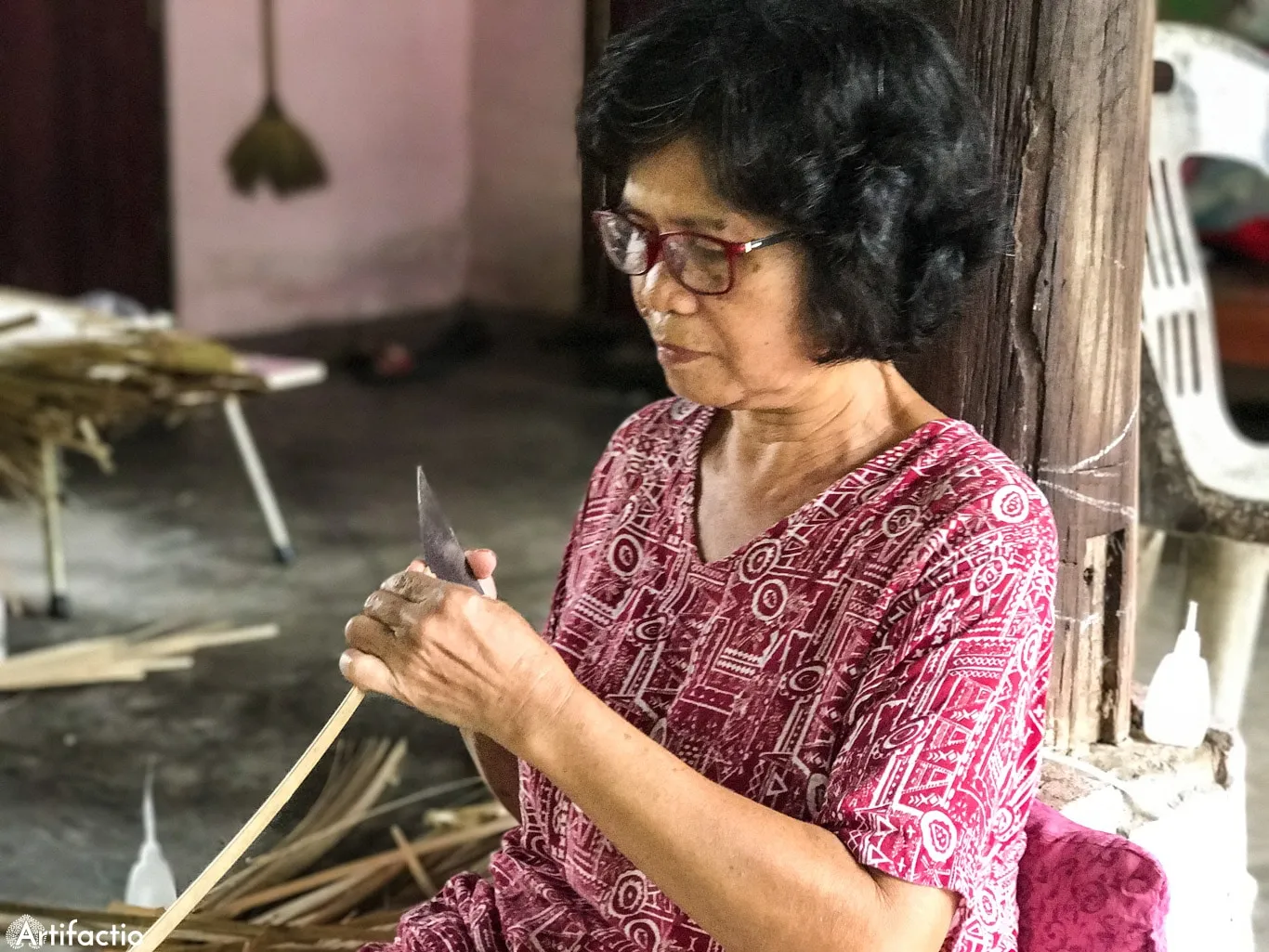
Many of the artisans in Bo Sang began learning the craft at a young age, often under the guidance of a parent or grandparent. This tradition of mentorship ensures that the techniques and artistic sensibilities are preserved and refined over time. One such artisan, Khun Somchai, recalls his childhood memories of watching his grandfather meticulously paint delicate motifs onto umbrella canopies. Inspired by these early experiences, Khun Somchai devoted himself to mastering the art, now crafting umbrellas that carry the distinct style and flair of his family's legacy.
For others, like Mae Pranee, umbrella making is a means of cultural expression. Her designs are inspired by the lush landscapes and vibrant festivals of Northern Thailand. Each umbrella she creates tells a story, whether it's the depiction of a bustling market scene or the serene beauty of local flora. Mae Pranee's work is a testament to the personal nature of this craft, where each piece is a canvas reflecting her individual perspective and artistic voice.
The artisans of Bo Sang also exemplify a spirit of innovation, blending traditional methods with contemporary influences. Younger craftsmen, such as Anan, are infusing modern designs and techniques into their work, appealing to a global audience while maintaining the authenticity of their craft. Anan, who studied art in Chiang Mai, returned to his village to incorporate new styles and materials, ensuring that the craft remains relevant and dynamic in a changing world.
These personal stories highlight more than just skill; they reveal a profound respect for the cultural heritage that umbrellas represent. The artisans see themselves as guardians of a tradition that is integral to their community's identity. By sharing their stories and engaging with visitors, they foster a deeper understanding and appreciation of the craft's significance.
Meeting these artisans offers travelers a unique opportunity to connect with the people behind the artistry, enriching the experience of visiting Bo Sang. It's a chance to witness firsthand the dedication and passion that transforms simple materials into vibrant works of art. The stories of these artisans are a vital part of the tapestry that makes Chiang Mai's Umbrella Village a destination of cultural and artistic discovery.
In the heart of Chiang Mai's Umbrella Village, Bo Sang, the opportunity to engage directly with the art of umbrella making awaits. The village offers a variety of workshops and demonstrations that invite travelers to experience the intricacies of this craft firsthand. These sessions provide a hands-on approach to learning, allowing visitors to appreciate the meticulous process of creating these iconic umbrellas.

Workshops in Bo Sang are designed for all ages and skill levels, welcoming everyone from enthusiastic novices to seasoned art lovers. Under the guidance of skilled artisans, participants can immerse themselves in the traditional techniques of umbrella making. The experience typically begins with an introduction to the materials used, such as the local bamboo and Sa paper, offering insight into their selection and preparation. This initial step sets the stage for understanding the importance of each component in crafting a quality umbrella.
Participants then move on to the more creative aspects of the process. The workshops often involve painting the umbrella's canopy, a task that requires patience and a steady hand. Visitors are encouraged to let their creativity flow, choosing colors and patterns that speak to their personal artistic style. With guidance from the artisans, even those new to painting can create a beautiful, personalized piece to take home. These sessions not only foster creativity but also offer a deeper appreciation for the skill and precision required in the art of umbrella making.
Beyond individual creativity, these workshops highlight the collaborative nature of the craft. Participants often work alongside artisans, sharing stories and techniques that enrich the experience. This interaction provides a unique cultural exchange, where travelers can learn about the artisans' lives and the significance of their work in the broader context of Thai culture.
Demonstrations complement the hands-on workshops, offering a detailed look at specific stages of the umbrella-making process. Artisans showcase their expertise in tasks such as bamboo splitting, frame assembly, and canopy stretching. These demonstrations are not only educational but also fascinating to watch, as they reveal the dedication and precision involved in each step.
Engaging in these workshops and demonstrations allows visitors to form a personal connection to Bo Sang and its heritage. The experience is not just about creating a souvenir; it's about gaining a newfound respect for the artistry and tradition that define the Umbrella Village. By participating, travelers contribute to the preservation of this cultural craft, ensuring its continuity for future generations to enjoy. This hands-on journey into the world of umbrella making is a memorable highlight of any visit to Chiang Mai, offering both inspiration and a lasting appreciation for the vibrant artistry of Northern Thailand.
The designs and patterns adorning the umbrellas of Chiang Mai's Bo Sang village are more than mere decorations; they are profound expressions of cultural identity and storytelling. Each motif is meticulously chosen, reflecting a rich tapestry of symbolism and tradition that is deeply rooted in Thai culture. This artistic expression transforms the umbrellas into more than functional objects; they become narrative canvases that communicate the heritage and beliefs of the artisans who create them.

Many of the patterns found on these umbrellas are inspired by the natural beauty of Northern Thailand. Florals, such as lotus blossoms and orchids, are common motifs, symbolizing purity, resilience, and the natural splendor of the region. These botanical designs are not only visually appealing but also carry cultural significance, often associated with Buddhist teachings and local lore. In portraying these elements, artisans draw a connection between their craft and the environment, celebrating the harmony between nature and human creativity.
Beyond nature, the umbrellas often feature scenes from Thai folklore and mythology. These narratives are rendered through intricate patterns, depicting legendary creatures like the Naga serpent or mythological tales that have been passed down through generations. Such designs serve as a bridge to the past, preserving stories that might otherwise be lost in the modern world. For the artisans, each umbrella becomes a vessel for cultural preservation, a means to share their heritage with those who admire their work.
The use of color in umbrella designs is equally significant. Vibrant hues are chosen not only for their aesthetic appeal but also for their symbolic meanings. Colors like red, gold, and green are prevalent, each carrying its own connotations within Thai culture. Red often represents life and vitality, gold signifies prosperity and enlightenment, while green embodies growth and harmony. These colors are carefully balanced in each design to evoke emotions and convey messages that resonate with the observer.
Moreover, contemporary artisans are increasingly incorporating modern influences into their traditional designs. This fusion of old and new breathes fresh life into the craft, making it relevant to a global audience while respecting its roots. Modern patterns might include abstract designs or geometric shapes, offering a fresh perspective that appeals to contemporary tastes without losing the traditional essence.
The significance of the designs and patterns on Chiang Mai's umbrellas is a testament to the skill and creativity of the artisans. Each umbrella is a unique piece of art, a reflection of the artisan's vision and an embodiment of cultural storytelling. For visitors to Bo Sang, understanding the meanings behind these designs enriches the experience, offering a deeper appreciation for the craftsmanship and the cultural narratives that define this vibrant community.
Planning a visit to Chiang Mai's Umbrella Village, or Bo Sang, is an exciting venture into the heart of Northern Thailand's cultural and artistic heritage. To make the most of your journey, it's essential to know how to navigate your way there and what to expect along the way. Here are some practical travel tips to ensure a smooth and enriching experience.

Bo Sang is conveniently located about 9 kilometers east of Chiang Mai city center, making it easily accessible for travelers. The most straightforward route is by car or motorbike, which allows you to explore at your own pace and enjoy the scenic drive through the lush countryside. If you're renting a vehicle, head east on Route 1006, also known as San Kamphaeng Road, which will take you directly to the village. The journey typically takes around 20 minutes, depending on traffic.
For those who prefer public transportation, there are several options available. Songthaews, the shared red pickup trucks that operate as local taxis, are a popular and cost-effective way to travel. You can catch a songthaew from the Warorot Market area in Chiang Mai, which will take you directly to Bo Sang. Be sure to negotiate the fare before setting off, as prices can vary. Alternatively, you can arrange for a private taxi, which offers a more comfortable and direct journey, albeit at a higher cost.
If you're looking for a more immersive experience, consider joining a guided tour. Many local travel agencies offer day trips to Bo Sang, often combined with visits to nearby attractions such as the San Kamphaeng Hot Springs or the Handicraft Village. These tours provide valuable insights into the region's artistic heritage and allow you to relax while someone else handles the logistics.
Once you've arrived in Bo Sang, the village is best explored on foot. Strolling through the charming streets allows you to fully appreciate the vibrant displays of umbrellas and engage with the artisans in their workshops. Wear comfortable shoes and bring a hat or umbrella to protect yourself from the sun, as you'll likely spend several hours exploring the area.
For those visiting during the annual Umbrella Festival, typically held in January, it's advisable to book accommodations well in advance, as the event attracts many visitors. Staying in Chiang Mai city center offers a wide range of hotels and guesthouses to suit all budgets, and the short distance to Bo Sang makes it easy to visit the festival while enjoying the city's amenities.
Whether you're traveling independently or as part of a tour, visiting Chiang Mai's Umbrella Village is a rewarding experience that offers a unique glimpse into Thailand's rich artistic traditions. With a little planning and these travel tips in mind, you're well on your way to discovering the hidden artistry of Bo Sang and creating lasting memories of your time in this enchanting region.
Supporting local communities and promoting sustainable tourism are integral to preserving the cultural and artistic heritage of Chiang Mai's Umbrella Village. As more travelers venture to Bo Sang, the emphasis on sustainable practices not only ensures the longevity of traditional crafts but also enriches the lives of those who call this village home.

One of the key aspects of supporting local communities is recognizing the value of artisanal work. When visitors purchase handcrafted items directly from artisans, they contribute to the village's economy in meaningful ways. This direct support helps families sustain their livelihoods and continue passing down their skills to future generations. Moreover, it empowers artisans to invest in raw materials, improve their workshops, and innovate within their craft, ensuring that the tradition remains vibrant and relevant.
Sustainable tourism in Bo Sang extends beyond economic support. It also involves fostering a respectful and responsible travel culture that appreciates and protects the environment. The village's reliance on locally sourced materials, such as bamboo and Sa paper, highlights a commitment to eco-friendly practices. Visitors are encouraged to engage with this ethos by minimizing waste, respecting natural resources, and understanding the significance of using sustainable materials.
Engaging in community-based tourism initiatives is another way travelers can support Bo Sang. Many artisans and local organizations offer workshops and cultural experiences that invite visitors to learn about traditional crafts while participating in their creation. These activities not only provide an educational insight into the cultural significance of umbrella making but also create a platform for meaningful cultural exchange. By participating, travelers contribute to a mutual understanding and appreciation between cultures, fostering a sense of global community.
Additionally, travelers can support sustainability by choosing accommodations and tours that prioritize environmental and social responsibility. Many local businesses in Chiang Mai have adopted sustainable practices, such as reducing energy consumption, supporting fair trade, and promoting conservation efforts. By opting for these environmentally conscious options, visitors can ensure that their travel choices align with the values of the Umbrella Village and the broader goals of sustainable tourism.
Ultimately, supporting local communities and sustainable tourism in Bo Sang is about creating a positive impact that extends beyond a single visit. By respecting and valuing the traditional artistry of this unique village, travelers contribute to the preservation of its cultural heritage and ensure that future generations can continue to enjoy and be inspired by the artistry of Chiang Mai's Umbrella Village.

Discover Chiang Mai's artisan villages and their beautiful handicrafts. Immerse in Thailand's rich cultural heritage and craftsmanship.

Adventures abound in Vietnam. You can climb the heights and scuba dive the lows, immerse yourself in culture or just kick back on the sand, confident in the knowledge that a fantastic meal is waiting for you at the end of the day. But there are things to know before you go, to avoid pitfalls in paradise. These are our top tips.
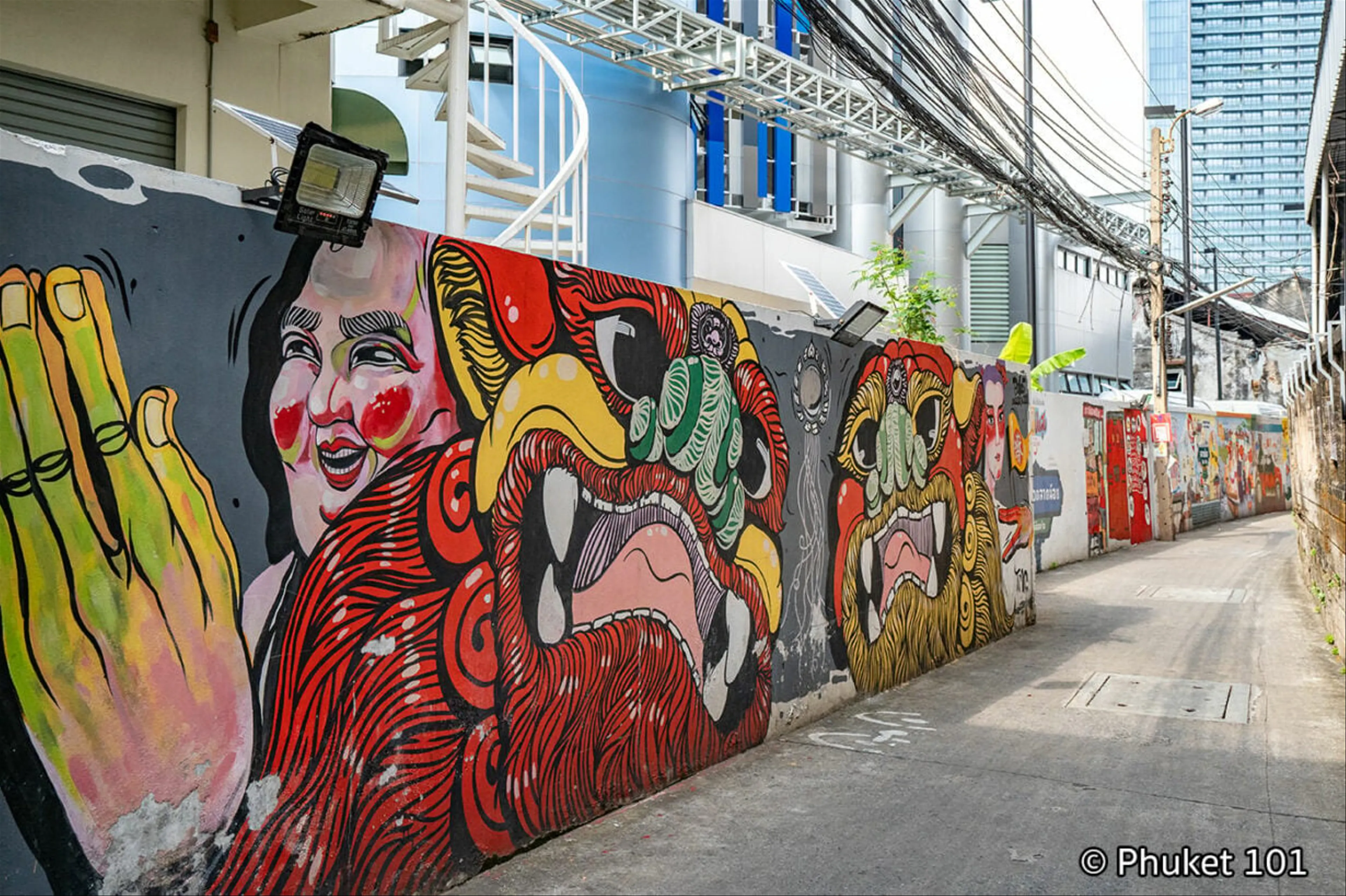
Uncover the vibrant street art of Talat Noi, Bangkok, where history and creativity meet on every wall.