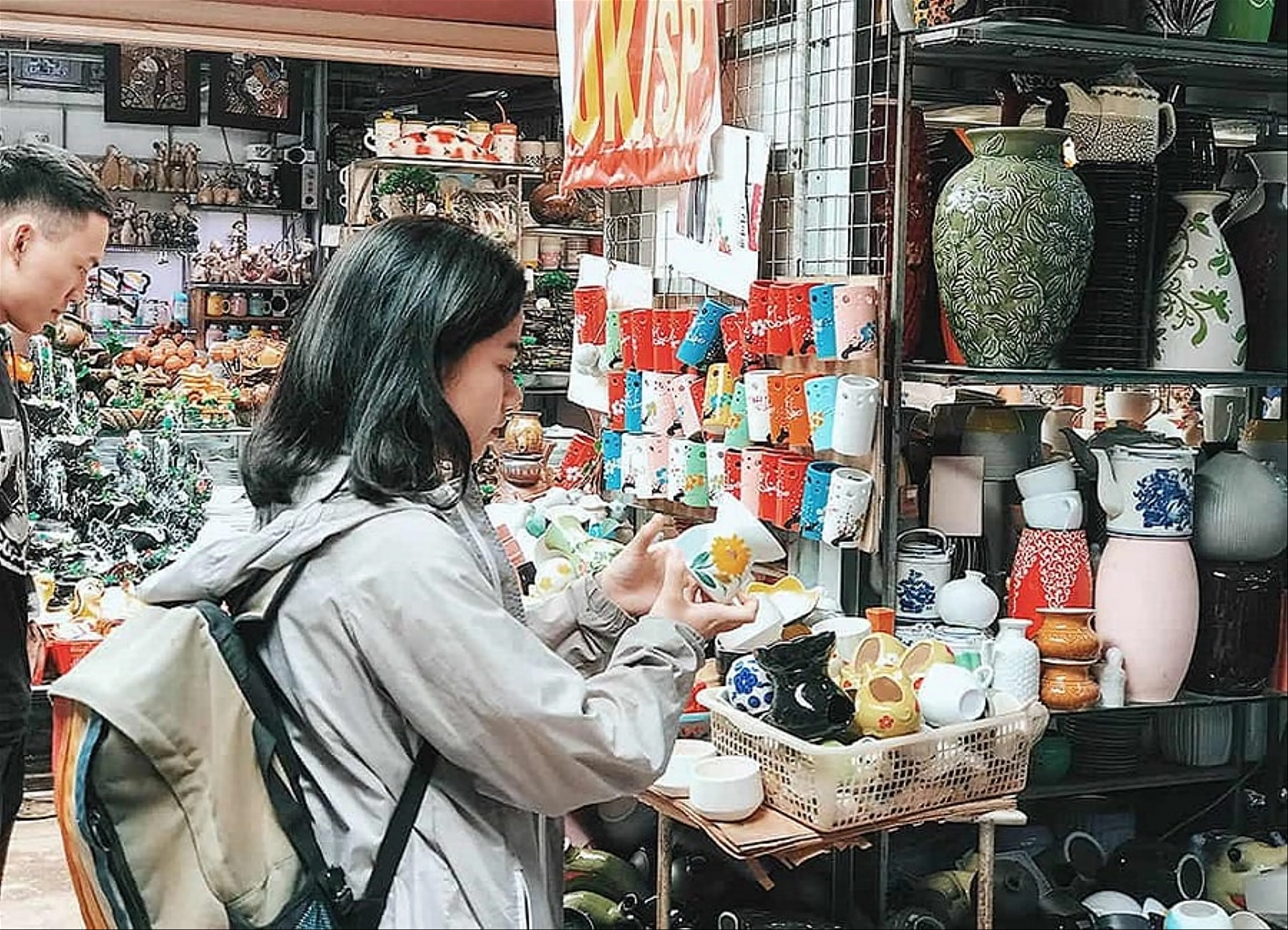

Discover Chiang Mai's artisan villages and their beautiful handicrafts. Immerse in Thailand's rich cultural heritage and craftsmanship.
Chiang Mai, nestled in the mountainous terrain of Northern Thailand, is often referred to as the cultural capital of the region. At its heart lies the legacy of Lanna crafts, a tradition that dates back several centuries. The Lanna Kingdom, which flourished between the 13th and 18th centuries, is the origin of these distinctive crafts, and its influence remains deeply embedded in the artisan villages scattered around Chiang Mai.

The Lanna people were known for their artistic prowess, which is evident in the intricate designs and techniques passed down through generations. Each craft tells a story, often reflecting the beliefs, customs, and everyday life of the Lanna culture. The kingdom’s artisans were skilled in various forms of craftsmanship, including wood carving, silverwork, pottery, and textiles, each with its own unique style and local significance.
Wood carving, for instance, is a revered tradition in Lanna culture and is characterized by its elaborate and detailed patterns. The art of carving is most prominently seen in the ornate temples and traditional wooden houses that dot the landscape of Chiang Mai. These carvings often depict mythical creatures, deities, and motifs inspired by nature, revealing the spiritual and naturalistic aspects of Lanna life.
Another cornerstone of Lanna crafts is silverwork. The silver artisans of Chiang Mai are celebrated for their ability to transform sheets of metal into exquisite jewelry and decorative items. The traditional methods of hammering, engraving, and embossing create intricate designs that are both beautiful and meaningful, often symbolizing prosperity and protection.
The textile industry in the Lanna Kingdom was equally influential, with the region’s weavers mastering the art of creating vibrant fabrics using natural dyes. Silk weaving, in particular, became an esteemed craft, producing textiles that were not only functional but also a symbol of status and wealth. The traditional patterns and colors reflect the intricate artistry of the Lanna weavers and are still cherished in modern Thai fashion.
Pottery, too, holds a special place in the Lanna craft heritage. The kilns of Chiang Mai have been active for centuries, producing earthenware that is both practical and decorative. The unique shapes and traditional glazing techniques have made Lanna pottery a sought-after item for collectors and cultural enthusiasts alike.
Today, the legacy of Lanna crafts continues to thrive in Chiang Mai’s artisan villages. These communities are dedicated to preserving their heritage, offering travelers a glimpse into the past while showcasing the creativity and resilience of Lanna culture. As you explore these villages, you’ll find that each craft is not just a product but a testament to the enduring spirit of the Lanna people.
Ban Tawai, located about 15 kilometers south of Chiang Mai city, is widely recognized as the epicenter of woodcarving in Thailand. This charming village, steeped in tradition, offers an enchanting blend of artistry and culture, attracting travelers eager to witness the intricate craftwork that has become synonymous with the region. As you stroll through Ban Tawai, you’ll be greeted by a myriad of workshops and galleries, each displaying an impressive array of wooden sculptures, furniture, and decorative items.

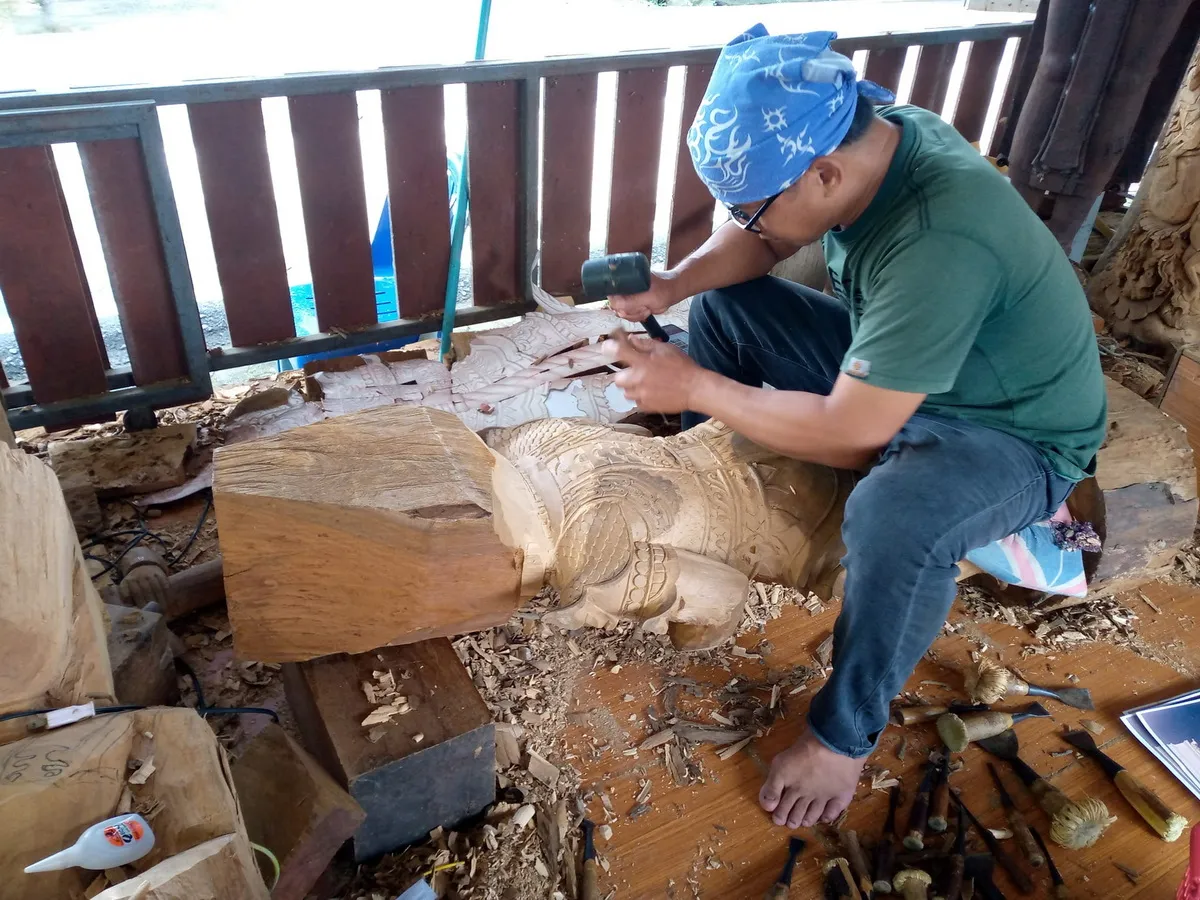
The roots of woodcarving in Ban Tawai can be traced back to the village’s founding families, who passed down their skills through generations. Today, this time-honored craft is not only a source of livelihood but a symbol of community pride. Many artisans are eager to share their passion and expertise with visitors, offering demonstrations that reveal the meticulous process behind each creation. From selecting the perfect piece of teakwood—prized for its durability and beautiful grain—to the careful chiseling of intricate designs, the journey from raw material to finished work is a testament to the artisans’ dedication and skill.
Ban Tawai's woodcarving tradition is characterized by a fusion of traditional Lanna motifs and modern influences, resulting in pieces that are both timeless and contemporary. You’ll find everything from life-sized elephant sculptures and intricate Buddha statues to delicately carved panels depicting scenes from Thai mythology. Each piece tells its own story, capturing the essence of Thai spirituality and the natural beauty of the region.
While exploring Ban Tawai, don’t miss the opportunity to engage with the artisans themselves. Many are happy to offer insights into their creative processes and the cultural significance of their work. This interaction provides a deeper understanding of the craft and enriches the overall experience, allowing travelers to appreciate not just the finished product but the cultural heritage it represents.
For those looking to take a piece of Ban Tawai home, the village offers a range of beautifully crafted souvenirs. Whether you’re in search of a small trinket or an elaborate piece of furniture, the quality and authenticity of these works make them a cherished reminder of your journey through Chiang Mai’s artisan heartland.
Beyond its artistic appeal, Ban Tawai is also a testament to the resilience and adaptability of traditional crafts in the modern world. By maintaining their heritage while embracing new techniques and designs, the artisans of Ban Tawai ensure that their unique craft continues to captivate and inspire both locals and visitors alike.
San Kamphaeng, a district located approximately 13 kilometers east of Chiang Mai, is a vibrant hub of traditional silk weaving and ceramics. This enchanting locale is renowned for its exquisite craftsmanship, offering visitors a unique insight into the intricate processes that have shaped the region's artisanal heritage. A journey to San Kamphaeng is not just a visit to a destination; it is an immersion into the living history of Thai craftsmanship, where each thread and pot carries the legacy of generations.

The art of silk weaving in San Kamphaeng is a mesmerizing spectacle. Visitors are often captivated by the rhythmic clatter of looms and the deft movements of artisans as they transform raw silk into luxurious textiles. This craft, steeped in tradition, employs age-old techniques that have been refined over centuries. Artisans use locally sourced silk, which is carefully dyed using natural pigments derived from plants and minerals, resulting in vibrant hues that reflect the natural beauty of Northern Thailand. The intricate patterns woven into the fabric often tell stories of cultural significance, with motifs inspired by nature, mythology, and the rich tapestry of Thai folklore.
In addition to silk weaving, San Kamphaeng is celebrated for its ceramics. The district's pottery tradition is a testament to the creativity and skill of its artisans, who have mastered the delicate balance of form and function. The clay used in San Kamphaeng is sourced from local rivers, known for its exceptional quality and suitability for pottery. Each piece is meticulously crafted, from shaping the clay to the careful application of traditional glazes, which give the ceramics their distinct sheen and durability. The designs often feature intricate carvings and detailed embossing, showcasing the artisan's precision and artistic flair.
Visitors to San Kamphaeng can experience firsthand the dedication and artistry involved in these crafts. Many workshops offer demonstrations and hands-on experiences, where travelers can try their hand at weaving or pottery under the guidance of skilled artisans. This interactive approach not only enriches the visitor experience but also fosters a deeper appreciation for the time-honored techniques that define San Kamphaeng's craftsmanship.
Beyond the workshops, the district is dotted with charming boutiques and galleries, where visitors can purchase exquisite silk scarves, garments, and ceramic pieces. These items serve as more than just souvenirs; they are tangible connections to the cultural heritage of Chiang Mai, embodying the artistry and passion of the local community.
San Kamphaeng’s artisans have embraced the challenge of preserving their traditional crafts while adapting to contemporary trends. By blending timeless techniques with modern aesthetics, they ensure that their crafts remain relevant and continue to captivate a global audience. A visit to San Kamphaeng not only supports the local economy but also helps preserve these invaluable cultural traditions for future generations.
Bo Sang, a quaint village located just a short drive southeast of Chiang Mai, is famed for its vibrant umbrella-making tradition. Known as the "Umbrella Village," Bo Sang is a colorful testament to the artistry and cultural heritage of Northern Thailand. This village, with its lush landscapes and bustling workshops, offers a unique glimpse into the delicate craft of umbrella making—a tradition that has been lovingly preserved for generations.
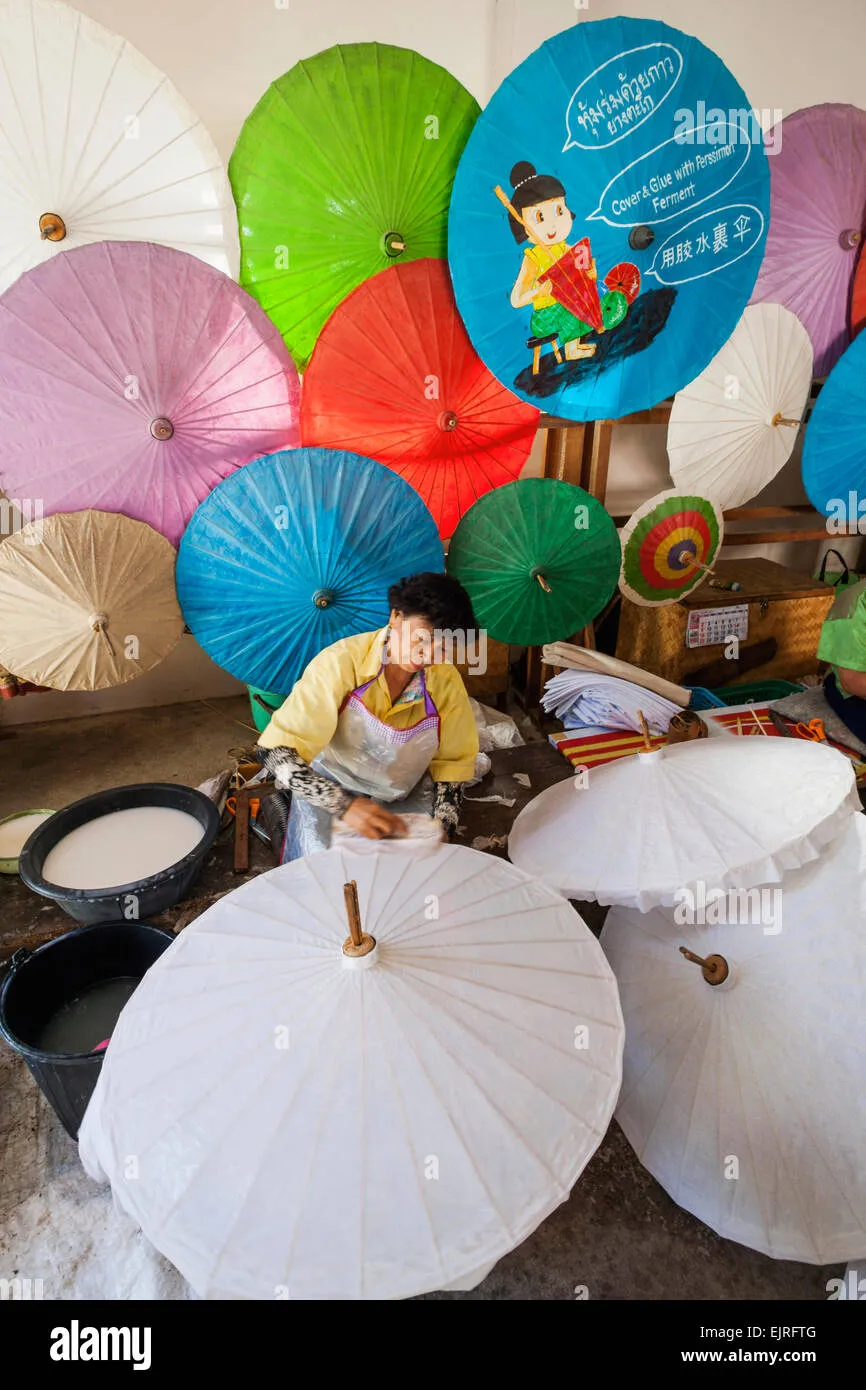
The origins of Bo Sang's umbrella-making craft are steeped in folklore and history. It is said that a Buddhist monk, who traveled to Burma, brought back the knowledge of making paper umbrellas to Bo Sang. Over time, the villagers embraced and refined the craft, creating a distinctive style that has become synonymous with the region. The umbrellas, traditionally made from bamboo and mulberry paper, are not only practical but also serve as vibrant canvases for artistic expression.
Visitors to Bo Sang are greeted by a kaleidoscope of colors as they wander through the village. The umbrellas, adorned with intricate hand-painted designs, range from delicate floral patterns to depictions of local wildlife and landscapes. Each piece is a work of art, reflecting the creativity and skill of the artisans. The process of making these umbrellas is equally fascinating, involving a meticulous series of steps that highlight the artisan's precision and dedication.
The creation of a Bo Sang umbrella begins with the careful selection of bamboo, which is then split and shaped into the umbrella's frame. The frame is meticulously assembled, ensuring that it is both lightweight and sturdy. Next, sheets of mulberry paper, locally known as "sa paper," are carefully attached to the frame. This paper, renowned for its durability and texture, provides the perfect surface for painting intricate designs. Once the paper is affixed, skilled artisans bring the umbrellas to life with their vibrant and detailed artwork.
For travelers seeking an immersive cultural experience, Bo Sang offers the opportunity to witness these artisans at work. Many workshops provide demonstrations, allowing visitors to observe each step of the umbrella-making process. Additionally, some workshops offer hands-on experiences, where travelers can try their hand at crafting and painting their own umbrellas. This interactive approach not only enhances the visitor experience but also fosters a deeper appreciation for the skill and artistry involved in this traditional craft.
Bo Sang's annual Umbrella Festival, held each January, is a celebration of the village's rich cultural heritage. During the festival, the streets come alive with vibrant parades, traditional music, and dance performances. The festival offers a unique opportunity for visitors to engage with the local community and experience the joy and pride that the villagers take in their craft.
For those eager to take home a piece of Bo Sang, the village is dotted with charming shops offering a wide range of umbrellas and parasols. Whether you're looking for a functional piece to shield you from the sun or a decorative item to brighten your home, these umbrellas serve as beautiful reminders of your journey through Chiang Mai's artisan villages.
Bo Sang's commitment to preserving its traditional craft while embracing new designs and techniques ensures that its umbrellas continue to captivate and inspire visitors from around the world. A visit to this enchanting village not only supports local artisans but also helps keep the vibrant legacy of Bo Sang's umbrella-making tradition alive for future generations.
Wiang Kum Kam, a historical site located just a few kilometers south of Chiang Mai, is not only a testament to the ancient capital's rich past but also a thriving center for traditional Thai silverwork. This craft, renowned for its intricate designs and cultural significance, has been an integral part of Northern Thailand's artisanal heritage for centuries. Visitors to Wiang Kum Kam will find themselves immersed in the mesmerizing world of silver artisans, where each piece is a reflection of skill, tradition, and Thai cultural identity.

Silverwork in Wiang Kum Kam is deeply rooted in the region’s history, with techniques and styles that have evolved over generations. The art of transforming silver into exquisite jewelry and decorative items involves a meticulous process that showcases the artisan's precision and creativity. Each piece begins with raw silver, which is carefully melted and shaped into sheets or wires. From there, artisans employ traditional methods such as hammering, engraving, and embossing to create intricate patterns and motifs.
The designs often draw inspiration from the natural world and Thai mythology, featuring elements like floral patterns, mythical creatures, and sacred symbols. These motifs are not only aesthetically pleasing but also imbued with cultural meaning, often signifying protection, prosperity, and harmony. The finished products, whether they are delicate earrings, ornate necklaces, or detailed decorative items, are celebrated for their beauty and craftsmanship.
Visitors to Wiang Kum Kam have the unique opportunity to observe these talented artisans at work. Many workshops are open to the public, providing demonstrations that reveal the dedication and skill involved in each step of the silver-making process. Watching an artisan transform a simple piece of metal into a stunning work of art offers a profound appreciation for the craft and the cultural heritage it represents.
In addition to observing the artisans, visitors can engage with them to learn more about the cultural significance of their work. These interactions offer insights into the historical and symbolic aspects of silverwork, enriching the travel experience and fostering a deeper connection to the local traditions.
For those wishing to take home a piece of Wiang Kum Kam's artistry, the village offers a selection of beautifully crafted silver items for purchase. These pieces make for meaningful souvenirs, serving as tangible reminders of the rich cultural tapestry of Chiang Mai and the skill of its artisans. Whether you're drawn to the intricate beauty of a silver bracelet or the cultural symbolism of a pendant, each item is a testament to the enduring legacy of traditional Thai silverwork.
Wiang Kum Kam's commitment to preserving and promoting its silverwork tradition ensures that this craft continues to thrive in the modern world. By embracing both traditional techniques and contemporary designs, the artisans of Wiang Kum Kam keep their heritage alive, captivating visitors from around the globe and inspiring future generations to appreciate and continue this exquisite art form.
Nestled in the serene hills of Northern Thailand, the village of Baan Mae Chaem offers a journey into the world of handcrafted paper-making, a craft that intertwines nature and creativity in its most delicate form. This village, surrounded by lush landscapes and flowing streams, is a haven for artisans devoted to the traditional art of creating "sa paper," made from the bark of the mulberry tree. The process, steeped in tradition and sustainability, is a testament to the ingenuity and resourcefulness of the local community.
The craft of making sa paper in Baan Mae Chaem reflects the villagers' deep respect for their natural environment. The process begins with the careful harvesting of mulberry bark, ensuring that the trees are left unharmed and can continue to flourish. The bark is then soaked and boiled to soften the fibers, which are subsequently beaten into a pulp. This pulp is spread evenly on a fine mesh frame submerged in water, allowing the fibers to settle and form a thin layer. Once lifted from the water, the frame is left to dry in the sun, resulting in a sheet of beautiful, textured paper.
Each sheet of sa paper is unique, often featuring embedded natural elements such as petals, leaves, and seeds, which add a distinctive beauty and texture. This incorporation of natural materials not only enhances the paper's aesthetic appeal but also symbolizes the harmonious relationship between the artisans and their environment. The paper's durability and versatility make it ideal for a variety of uses, from artistic creations and stationery to decorative elements in home decor.
Visitors to Baan Mae Chaem can immerse themselves in the paper-making process, gaining hands-on experience under the guidance of skilled artisans. This interactive opportunity allows travelers to appreciate the meticulous craftsmanship required at each stage of production, fostering a deeper understanding of the cultural and environmental significance of sa paper. The village workshops often offer demonstrations and classes, providing insights into both traditional techniques and modern adaptations that keep the craft relevant and vibrant.
Beyond its practical applications, the paper-making tradition in Baan Mae Chaem is celebrated for its role in preserving cultural heritage and promoting sustainable practices. The community's commitment to eco-friendly production and their innovative spirit have earned them recognition both locally and internationally. By supporting this craft, travelers contribute to the preservation of an important cultural tradition and help sustain the livelihoods of local artisans.
As you explore the quaint village and its surroundings, take the time to visit the charming shops where a variety of sa paper products are available. Whether you're looking for a unique gift or a special keepsake, these items serve as beautiful reminders of your journey through Chiang Mai's artisan villages. From intricately designed notebooks to handcrafted lanterns, each piece carries the essence of Baan Mae Chaem's dedication to art, nature, and tradition. Embracing both the past and the present, the village ensures that the art of sa paper-making continues to inspire and delight for generations to come.
Travelers to Chiang Mai have a unique opportunity to dive deeper into the rich tapestry of Lanna culture through immersive workshops and artisan tours. These experiences go beyond mere observation, inviting participants to engage directly with the crafts and the artisans who pour their heart and soul into each creation.
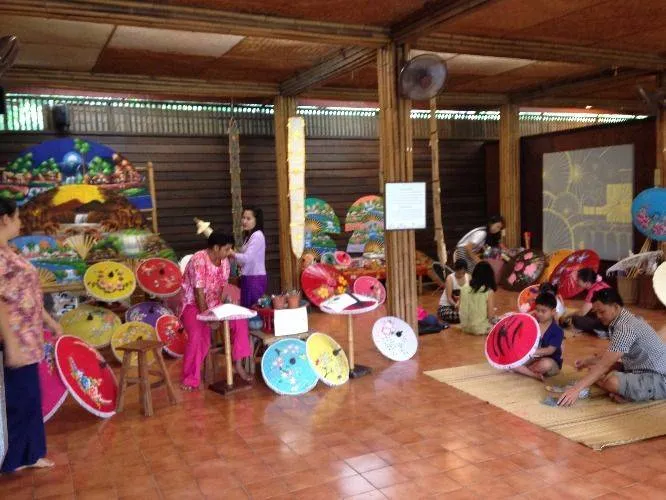
Many villages around Chiang Mai, such as Ban Tawai, San Kamphaeng, Bo Sang, and Baan Mae Chaem, offer hands-on workshops that cater to both beginners and those with a keen interest in traditional crafts. These workshops are often led by master artisans who are not only skilled in their craft but are also passionate about sharing their knowledge and cultural heritage with visitors. Participants can learn the basics of wood carving, silk weaving, umbrella painting, or paper making, providing a hands-on understanding of the meticulous techniques involved.
For those interested in a more comprehensive cultural exploration, artisan tours offer a curated journey through multiple villages, each highlighting different aspects of Chiang Mai’s artisanal heritage. These tours often include guided visits to workshops where travelers can watch artisans at work, alongside opportunities to try their hand at crafting. This immersive experience is often complemented by engaging narratives from local guides, who provide historical and cultural context, enriching the overall understanding of the crafts’ significance.
Beyond the technical skills, these interactions provide valuable insights into the lives of the artisans. Visitors often hear personal stories of how crafts have shaped the community, the challenges of preserving traditional techniques in a modern world, and the innovative ways artisans are adapting to contemporary trends. This connection fosters a deeper appreciation for the crafts and the people behind them, transforming a simple visit into a meaningful cultural exchange.
For those seeking to extend their learning, some artisan communities offer longer-term residencies or focused workshops for in-depth skill acquisition. These programs allow participants to immerse themselves fully in the craft, working alongside artisans daily, and gaining a comprehensive understanding of the cultural nuances and technical intricacies involved.
Participating in these workshops and tours not only supports local artisans economically but also plays a vital role in preserving Chiang Mai’s rich cultural heritage. By engaging with these experiences, travelers contribute to the continuity of traditional crafts, ensuring they remain vibrant and relevant for future generations. Whether you're a casual traveler or a dedicated craft enthusiast, these cultural experiences provide a unique and enriching way to connect with the heart of Northern Thailand's artistic legacy.
When visiting Chiang Mai's artisan villages, supporting local artisans through ethical shopping is a meaningful way to contribute to the preservation of traditional crafts and the local economy. Here are some valuable tips to ensure that your purchases are both responsible and impactful.

Firstly, seek out authentic craft shops and workshops where artisans are directly involved in the production and sale of their goods. Buying directly from the source not only ensures the authenticity of your purchase but also means that a greater portion of the proceeds goes to the artisans themselves. This direct interaction often provides a richer cultural experience, as artisans are usually eager to share the stories and techniques behind their creations.
When purchasing handmade items, it's important to educate yourself about the crafts and the materials used. Understanding the intricacies involved in creating a piece can enhance your appreciation and help you identify quality craftsmanship. Look for signs of authenticity, such as unique patterns, traditional techniques, and the use of locally sourced materials. Asking questions about the process and the significance of the designs can deepen your connection to the item and the artisan.
Consider the impact of your purchase on the environment and the community. Opt for products made using sustainable practices and materials, such as bamboo, natural dyes, or recycled elements. Many artisans in Chiang Mai prioritize eco-friendly methods, reflecting their respect for nature and commitment to sustainability. Supporting these practices helps promote environmental awareness and conservation within the artisan community.
Be mindful of fair pricing. While everyone loves a bargain, remember that handcrafted items represent the skill, time, and effort of the artisans. Fair pricing ensures that artisans receive a just compensation for their work, which is crucial for sustaining their livelihoods and motivating the continuation of their craft. If you're unsure about pricing, consider the complexity of the item and the hours of labor involved in its creation.
Engaging in ethical shopping also means considering the longevity and purpose of your purchase. Choose pieces that hold personal significance or that can be cherished as unique mementos of your journey. By selecting items that you will value for years to come, you honor the artisan's work and contribute to a more sustainable cycle of consumption.
Lastly, share your experience and the stories behind your purchases with others. By spreading awareness about the artisans and their crafts, you help promote cultural heritage and encourage others to support local artisans. Your advocacy can play a part in ensuring that these traditional crafts continue to thrive and inspire future generations.
By approaching your shopping with intention and awareness, you not only acquire beautiful and meaningful items but also become a partner in preserving Chiang Mai's rich artistic heritage. Ethical shopping is a conscious choice that benefits both the artisan community and the global appreciation of traditional crafts.
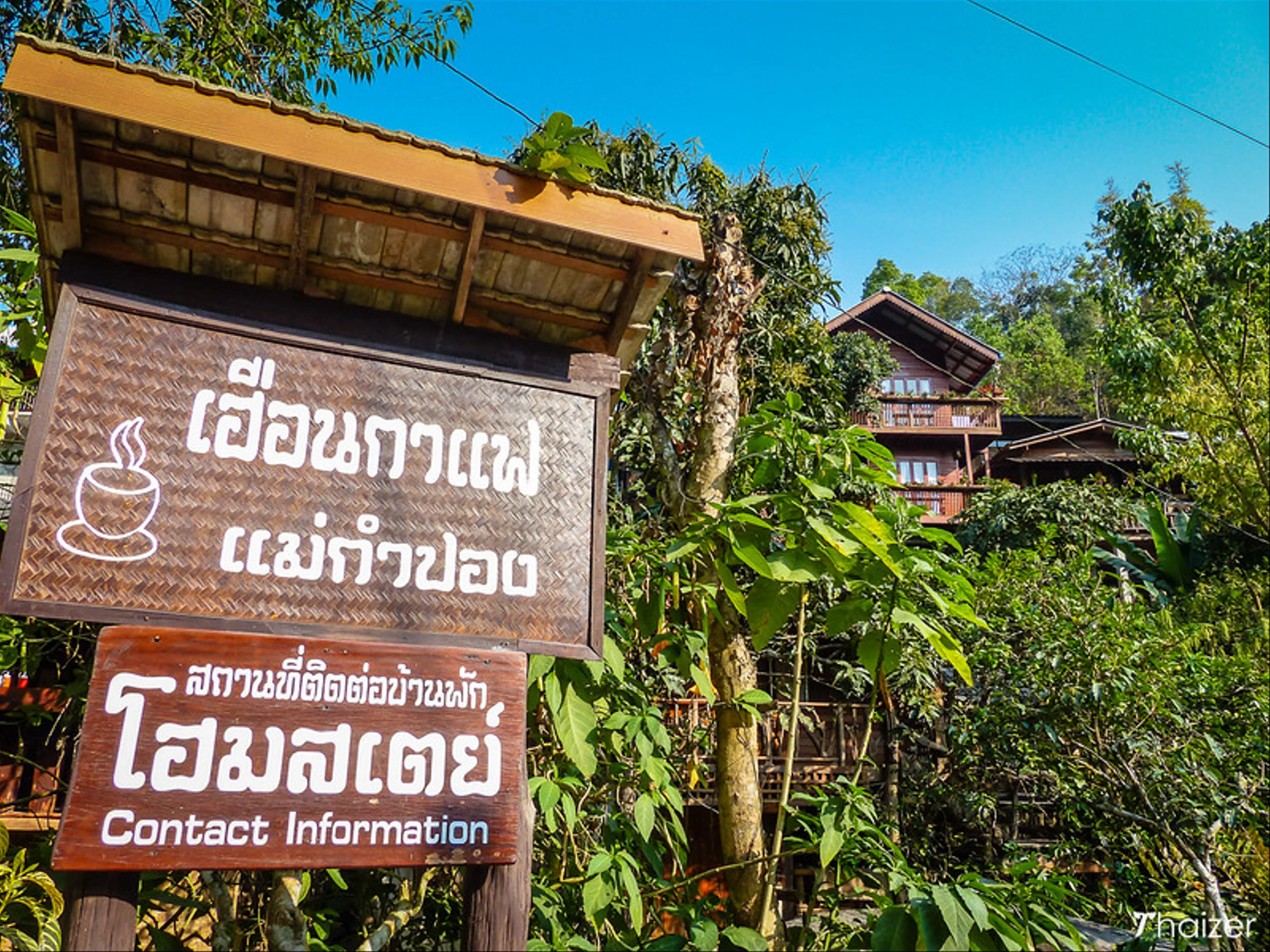
Explore Mae Kampong, a tranquil village near Chiang Mai, Thailand, known for its tea culture and picturesque landscapes.

Discover Chiang Mai's hidden culinary gems in its charming alleyways, offering a taste of authentic Thai flavors.
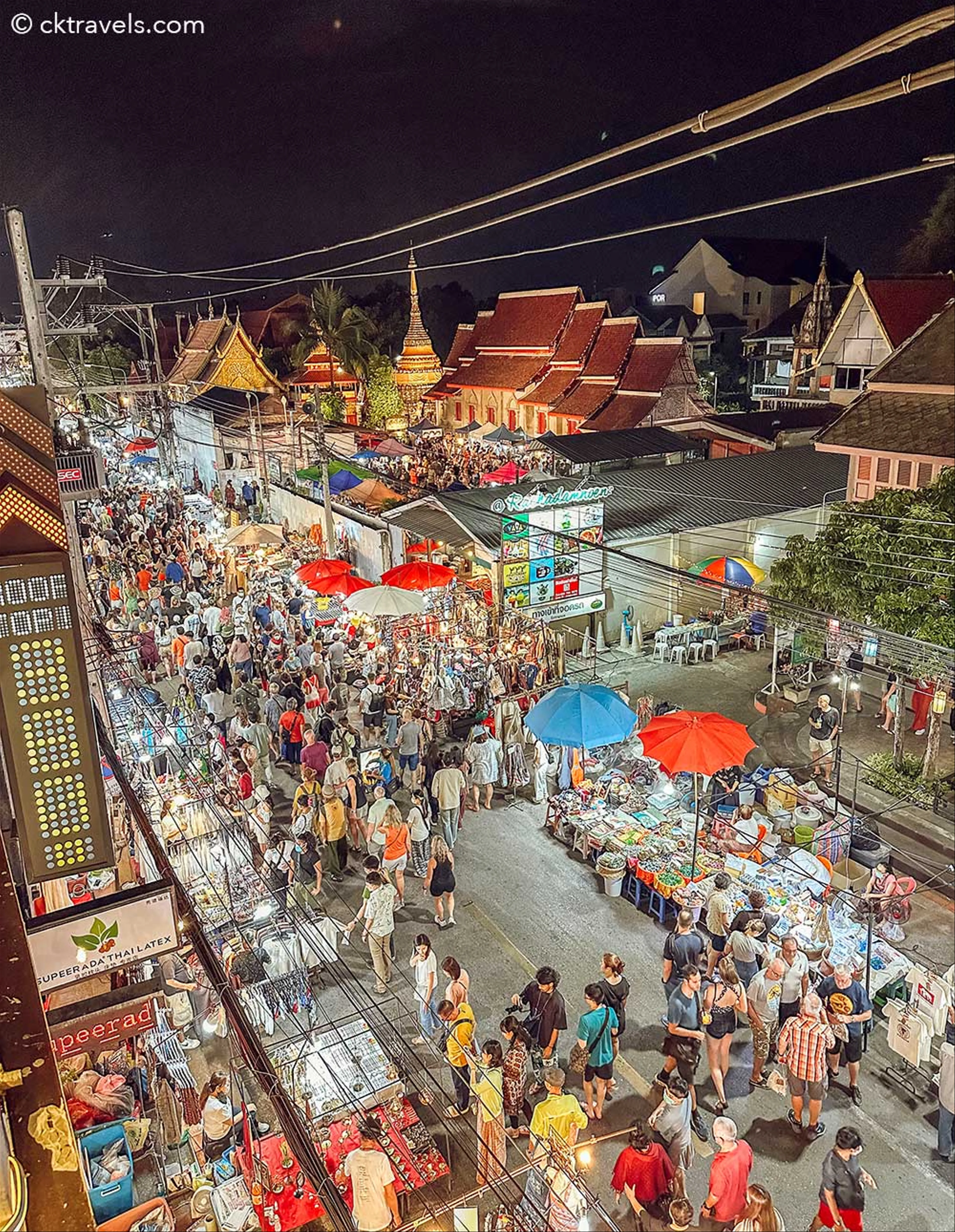
Explore Chiang Mai's night markets, a culinary paradise where the flavors of Northern Thailand come alive with every bite.