
Sweden, a captivating tapestry of natural wonders, cultural heritage, and modern innovation, beckons travelers with its unique blend of serene landscapes and vibrant urban life. From the mystical Northern Lights dancing across the Arctic skies to the cutting-edge design sensibilities found in Stockholm, Sweden offers an array of experiences that capture the essence of its Nordic charm. Whether you're drawn to its historical landmarks, culinary delights, or outdoor adventures, Sweden promises a journey of discovery that appeals to both the heart and mind.
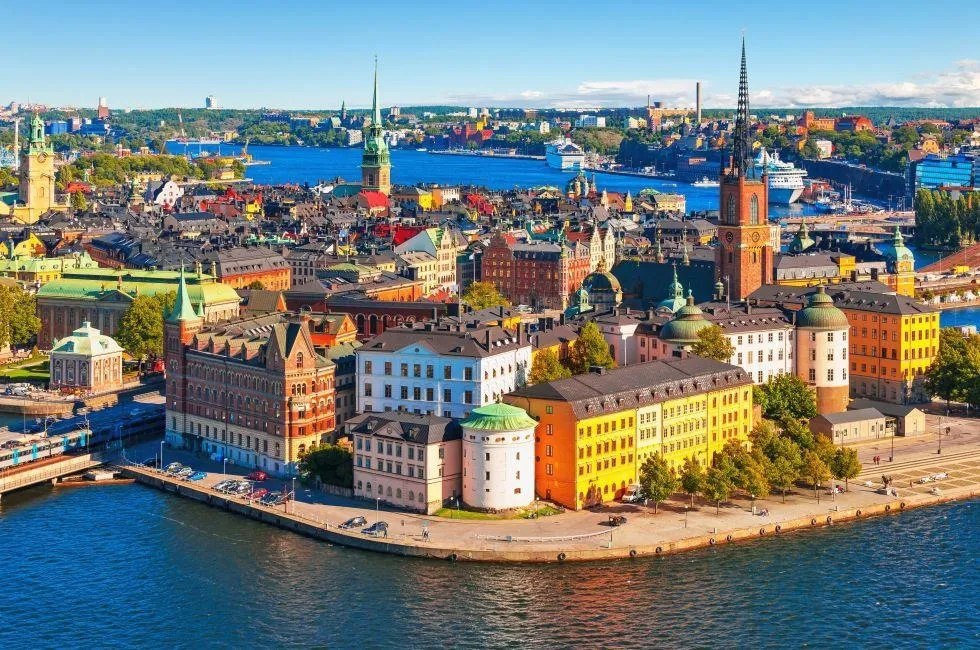
Stockholm, the vibrant capital of Sweden, is a city spread across 14 islands, offering a remarkable blend of old-world charm and modern elegance. Explore the cobblestone streets of Gamla Stan, the city's old town, with its colorful buildings and historic sites like the Royal Palace and Stockholm Cathedral. Don't miss the world-renowned Vasa Museum, showcasing a 17th-century warship, and the contemporary art installations at Moderna Museet.
For an unforgettable natural phenomenon, venture to the northern regions of Sweden, where the Aurora Borealis paints the sky with mesmerizing colors. The best time to witness this stunning light display is during the winter months in areas like Abisko National Park. This remote location offers clear skies and minimal light pollution, making it one of the top spots in the world to experience the Northern Lights.
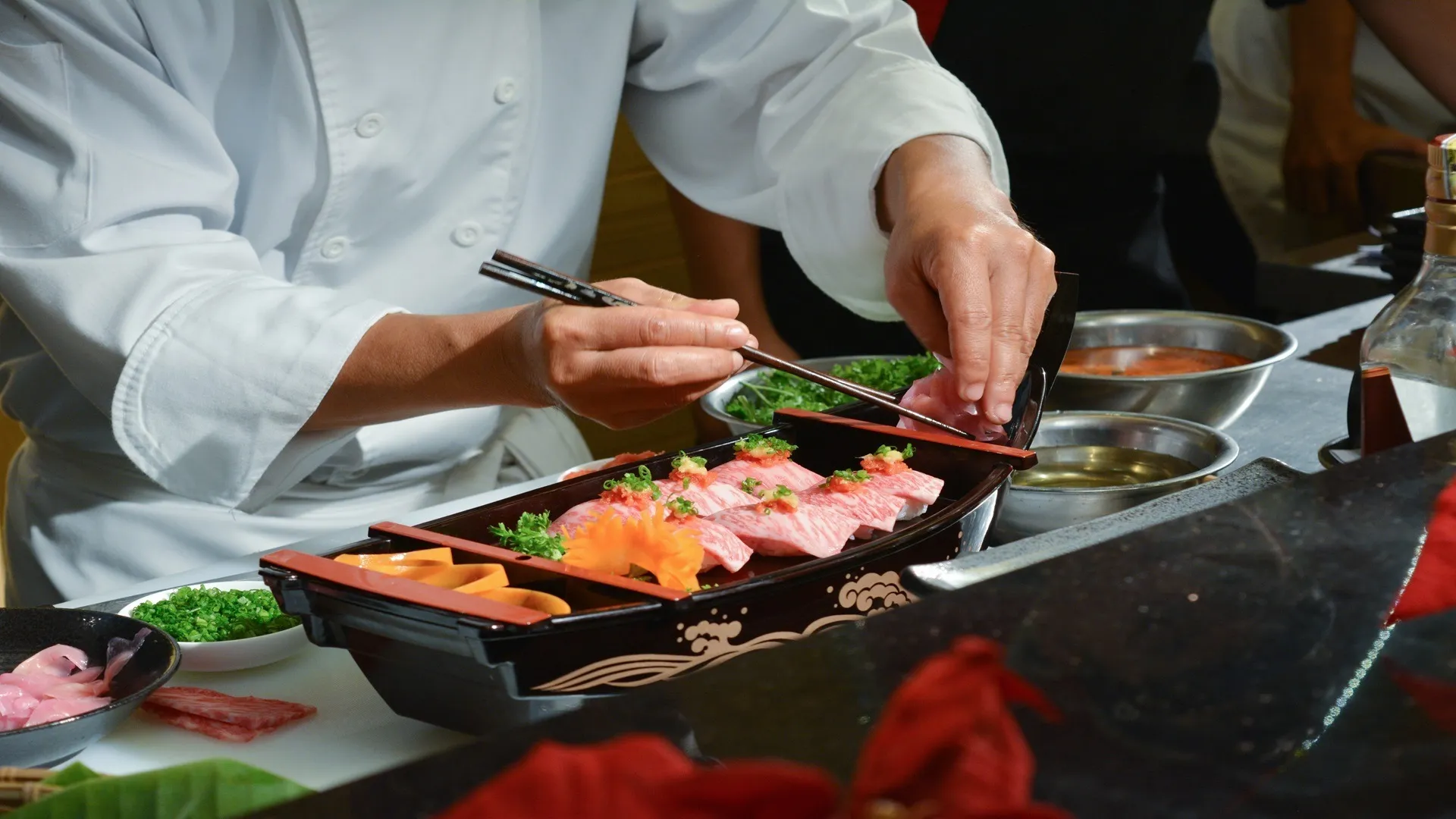
Swedish cuisine is a delightful mix of traditional flavors and modern culinary innovation. Indulge in iconic dishes such as meatballs served with lingonberry sauce, gravlax, and the famous smörgåsbord a buffet-style meal featuring a variety of cold and hot dishes. For a sweet treat, try the cinnamon-laden kanelbullar or the delicate princess cake.
Sweden's diverse landscapes offer endless opportunities for outdoor enthusiasts. In the summer, explore the pristine archipelagos or hike through the lush forests and rolling hills of the countryside. Winter transforms Sweden into a snowy wonderland, perfect for skiing, snowboarding, and dog sledding in destinations like Åre and the Lapland region.
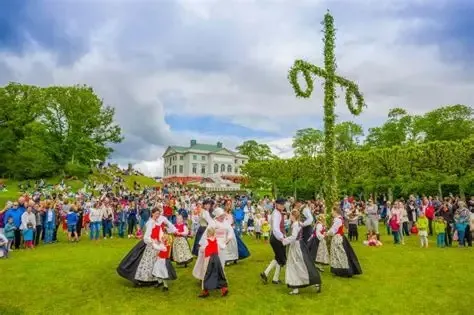
The Midsummer Festival is one of Sweden's most cherished celebrations, marking the summer solstice with a joyful blend of traditions, music, and dance. Gather with locals to decorate maypoles with flowers, enjoy a feast of herring and potatoes, and participate in folk dances. This celebration of light and life is a unique cultural experience that highlights the warmth and community spirit of the Swedish people.
Sweden, with its rich history and stunning natural beauty, is home to a myriad of destinations that captivate and inspire. From the picturesque streets of medieval towns to the breathtaking vistas of untouched wilderness, each location offers its own unique slice of Swedish charm. Here are some of the must-visit places that should be on every traveler's itinerary when exploring this Nordic gem.
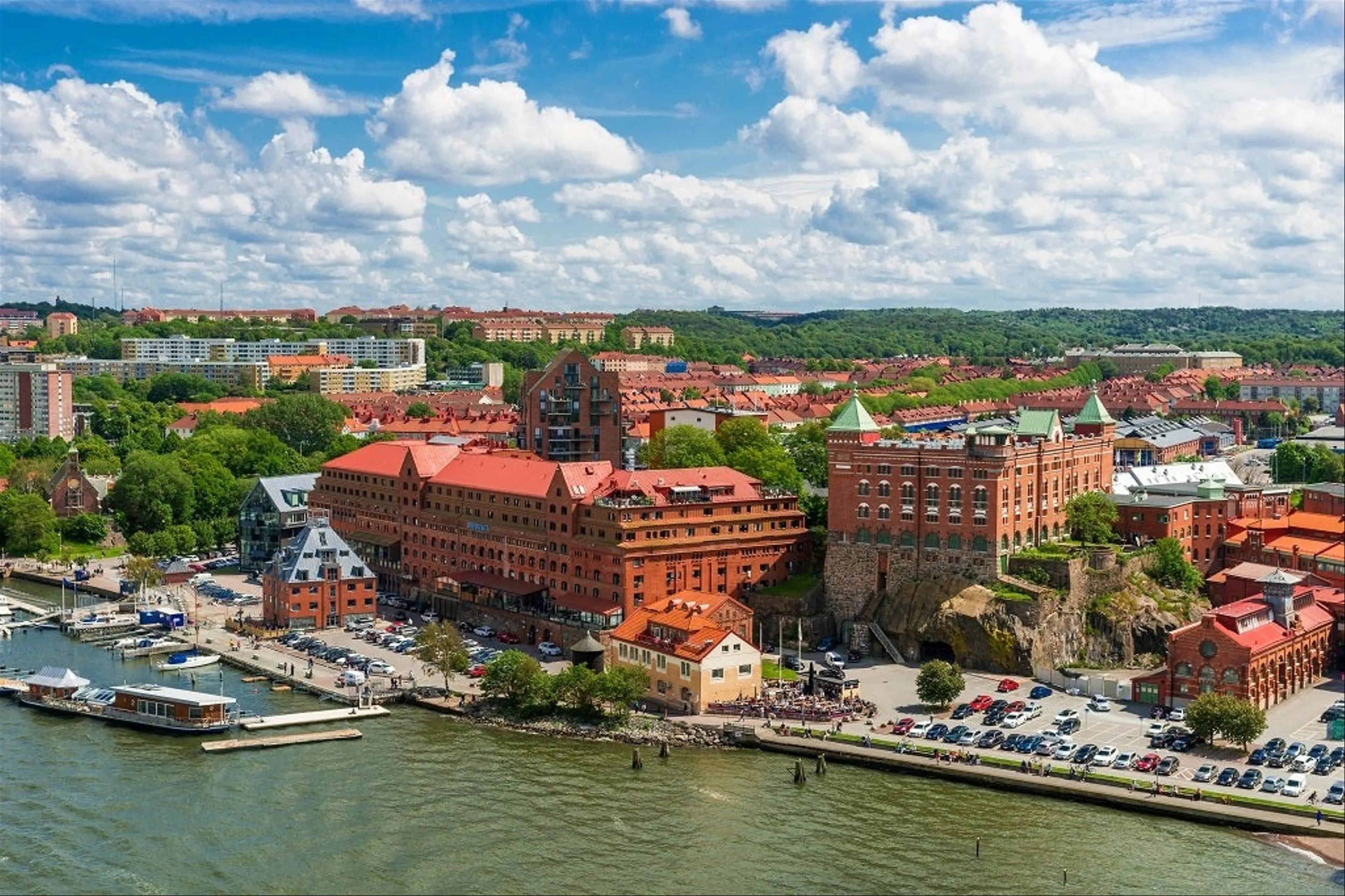
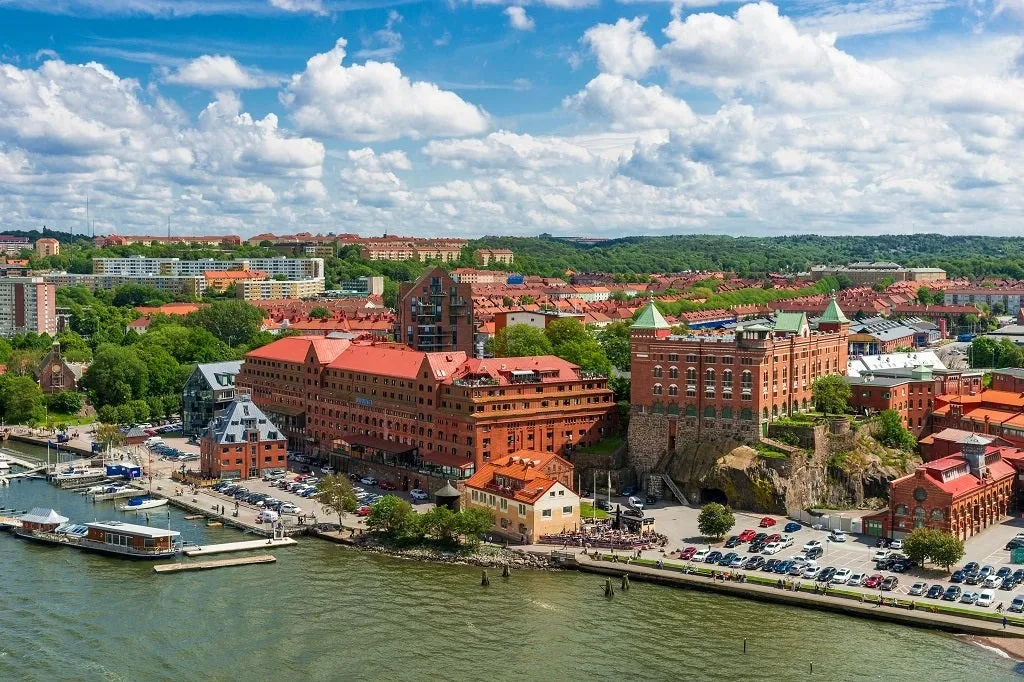
Gothenburg, Sweden's second-largest city, is renowned for its friendly atmosphere and vibrant cultural scene. Stroll along the scenic canals or visit the Liseberg amusement park for thrilling rides and entertainment. The city is also a culinary hotspot, famous for its fresh seafood, particularly the shrimp and lobster served at its numerous waterfront restaurants.
Visby, located on the island of Gotland, is a UNESCO World Heritage site that transports you back to the medieval era. Wander through its enchanting cobblestone streets, surrounded by well-preserved city walls, towers, and ruins. The annual Medieval Week in August brings the town to life with jousting tournaments, markets, and costumed parades.
Kiruna, located in the far north of Sweden, is the perfect base for Arctic adventures. It's the starting point for excursions to the Icehotel in Jukkasjärvi, a unique accommodation crafted entirely from ice and snow. The surrounding wilderness offers opportunities for dog sledding, ice fishing, and witnessing the Northern Lights.
Gotland, the largest island in the Baltic Sea, is a summer haven known for its sunny beaches, charming villages, and historical landmarks. Explore the island's rocky coastline and lush countryside, or visit the Visby medieval city center. Gotland is a favorite vacation spot for Swedes, offering a relaxing escape with plenty of cultural and natural attractions.
Lapland, a region in northern Sweden, is a magical destination where you can experience the Midnight Sun during summer and the Northern Lights in winter. Discover the rich culture of the indigenous Sámi people, explore the vast national parks, and enjoy activities like reindeer sledding and snowmobiling in this untouched wilderness.
Malmö, located in the southern part of Sweden, is a vibrant city that perfectly balances historic charm with modern innovation. Visit the iconic Turning Torso skyscraper or the historic Malmöhus Castle. The city is a gateway to the Öresund Bridge, connecting Sweden to Denmark, and offers a lively arts scene, beautiful parks, and diverse culinary delights.
Sweden is a country rich in traditions that reflect its deep-rooted cultural history and modern lifestyle. From its iconic celebrations and social practices to its commitment to sustainability and innovation, Sweden offers a fascinating blend of old and new. Understanding these cultural nuances not only enhances your travel experience but also provides a deeper appreciation of the Swedish way of life.
Fika is more than just a coffee break in Sweden; it is a cherished social institution. Swedes take time out of their day to enjoy a cup of coffee and a pastry, often with friends or colleagues. This tradition emphasizes slowing down and savoring the moment, fostering a sense of community and well-being.
The Swedish concept of "lagom" represents the idea of moderation and balance. It permeates every aspect of Swedish life, from work to leisure, encouraging a lifestyle that is neither excessive nor lacking. Embracing lagom means finding contentment and harmony in simplicity and moderation.
Sweden is a global leader in sustainability, integrating eco-friendly practices into daily life. From efficient public transportation and widespread recycling programs to sustainable fashion and renewable energy, Swedes prioritize environmental responsibility. Visitors will notice the strong commitment to preserving the natural beauty that defines this Nordic country.
Celebrated on December 13th, Lucia is one of Sweden's most beloved traditions, marking the beginning of the Christmas season. Processions featuring girls dressed in white gowns with candles in their hair bring light and warmth to the dark winter days. The festival includes singing traditional songs and enjoying saffron buns and coffee.
The sauna is an integral part of Swedish culture, offering a place for relaxation and socialization. Whether in a private home or a public facility, saunas provide an opportunity to unwind, detoxify, and rejuvenate. This tradition highlights the importance Swedes place on health and well-being.
In August, Swedes celebrate the end of summer with lively crayfish parties, known as "kräftskiva." These gatherings feature long tables adorned with boiled crayfish, bread, cheese, and schnapps, accompanied by singing and merriment. It's a festive occasion that showcases Swedish hospitality and love for outdoor dining.
Sweden is a land of diverse natural beauty, where breathtaking landscapes range from dense forests and serene lakes to rugged mountains and sweeping coastlines. This Nordic country is a paradise for nature lovers and outdoor enthusiasts, offering countless opportunities to explore its unspoiled wilderness. Whether you're seeking solitude in the vast wilderness or adventure in its national parks, Sweden's landscapes promise an unforgettable experience that showcases the country's commitment to preserving its natural heritage.
Sweden boasts numerous archipelagos, each offering a unique escape into nature. The Stockholm Archipelago, with its 30,000 islands, is perfect for sailing, kayaking, and island-hopping. The Gothenburg Archipelago, meanwhile, offers quaint fishing villages and rocky shores ideal for peaceful exploration and picnics by the sea.
In the far north lies Swedish Lapland, a region renowned for its Arctic beauty and rich Sámi culture. The landscape here is characterized by vast forests, majestic mountains, and expansive tundra. It’s a haven for those seeking adventure, with activities like hiking the Kungsleden Trail, visiting the Abisko National Park, and experiencing the unique flora and fauna of the region.
Sweden is home to over 100,000 lakes, each offering a tranquil setting for relaxation and recreation. Lake Vänern and Lake Vättern, two of the largest lakes in Europe, are popular destinations for fishing, boating, and swimming. The lakes' surrounding areas provide scenic trails for hiking and cycling, allowing visitors to immerse themselves in the serene beauty of Swedish nature.
Located in southern Sweden, Skåne is known for its picturesque landscapes of rolling fields, sandy beaches, and charming villages. The region's fertile land supports vibrant agriculture, and its coastline offers stunning beaches perfect for sunbathing and swimming. Explore the region's scenic countryside by bike or enjoy a leisurely walk through its lush meadows and forests.
The High Coast, with its dramatic cliffs and unique geological features, is a UNESCO World Heritage site offering some of Sweden's most striking coastal scenery. The region is perfect for hiking, with trails that provide panoramic views of the Gulf of Bothnia and the surrounding landscape. The High Coast is a testament to the power of natural forces, shaped by the rising land and retreating glaciers over millennia.
Sarek National Park is one of Europe's oldest and most rugged national parks, offering a raw and untouched wilderness experience. With its dramatic peaks, deep valleys, and glacial rivers, Sarek is a challenging destination for seasoned hikers and adventurers. The park is home to diverse wildlife, including reindeer and moose, providing a glimpse into Sweden's wild heart.
Sweden’s culinary landscape is as varied and enticing as its natural scenery, offering a delightful exploration of flavors steeped in tradition and enhanced by modern innovation. From hearty comfort foods that warm the soul to exquisite seafood dishes that reflect Sweden's coastal bounty, the country's cuisine is a testament to its rich cultural heritage and commitment to quality ingredients. Here are some quintessential Swedish dishes you must try during your visit.
Swedish meatballs are perhaps the country's most iconic dish, traditionally served with creamy gravy, boiled potatoes, lingonberry sauce, and pickled cucumber. These flavorful meatballs represent the heart of Swedish home cooking and are a must-try for any traveler seeking a taste of classic Swedish comfort food.
Gravlax is a sophisticated dish of salmon cured with a mixture of salt, sugar, and dill. Often served as an appetizer with mustard sauce and rye bread, this delicacy showcases the fresh, clean flavors of Swedish seafood and is a testament to the country's love for simple yet elegant culinary traditions.
The shrimp sandwich is a beloved staple in Sweden, featuring fresh, cold-water shrimp piled high on buttered bread, typically garnished with egg slices, mayonnaise, and a sprinkle of dill and lemon. This open-faced delight is perfect for a light lunch or an afternoon fika (coffee break).
The smörgåsbord is a traditional buffet-style meal offering a variety of hot and cold dishes. Expect to find an assortment of herring preparations, cured meats, cheeses, salads, and bread. This communal dining experience allows you to savor the diverse flavors of Swedish cuisine in one sitting.
For the adventurous eater, surströmming is a fermented Baltic herring known for its pungent aroma. Traditionally enjoyed in northern Sweden, it is often eaten with flatbread, potatoes, and onions. While it may be an acquired taste, surströmming offers a unique glimpse into the regional culinary practices of Sweden.
No trip to Sweden is complete without indulging in a kanelbulle, or cinnamon bun. These sweet, aromatic buns are a staple of Swedish fika culture and are often enjoyed with a cup of coffee. Their soft, buttery texture and cinnamon flavor make them a delightful treat any time of day.
The prinsesstårta is a visually stunning dessert with layers of sponge cake, pastry cream, and a thick dome of whipped cream, all encased in green marzipan and topped with a pink marzipan rose. Originally created for Swedish royalty, this cake is a symbol of celebration and indulgence.
A staple in Swedish households, knäckebröd is a type of crispbread made from rye flour. It serves as a versatile accompaniment to meals, often topped with cheese, butter, or cured meats, and is cherished for its crunchy texture and long shelf life.
Deciding when to travel to Sweden depends on the type of experiences you seek. Each season offers its own unique charm, from the snowy landscapes and vibrant winter festivals to the long, sunlit days of summer perfect for exploring the outdoors. Regardless of when you choose to visit, Sweden promises unforgettable adventures steeped in natural beauty and cultural richness.
Spring in Sweden, from March to May, is a time of renewal when nature awakens from its winter slumber. The days gradually become longer, and the landscapes burst into color with blooming flowers and lush greenery. It's an ideal time for outdoor activities like hiking and birdwatching, as well as exploring the charming countryside and enjoying the mild weather.
Summer, spanning June to August, is a popular time to visit Sweden, thanks to the pleasant temperatures and long daylight hours. The phenomenon of the Midnight Sun in the northern regions extends the daylight almost around the clock, providing ample time for adventure and relaxation. This season is perfect for enjoying Sweden's beautiful beaches, archipelagos, and festivals, including the lively Midsummer celebrations.
Autumn in Sweden, from September to November, is marked by a stunning display of fall foliage. The forests transform into a tapestry of reds, oranges, and yellows, creating picturesque landscapes. This is a wonderful time for hiking, photography, and experiencing traditional autumnal activities such as mushroom picking. The crisp air and fewer crowds make it an ideal season for nature enthusiasts.
Winter, from December to February, transforms Sweden into a snowy wonderland, offering a host of winter sports and activities. The northern regions are particularly popular for witnessing the Northern Lights and enjoying unique experiences like staying in an ice hotel or going on a dog sledding adventure. In the south, cities like Stockholm and Gothenburg are adorned with festive decorations and Christmas markets, adding to the winter charm.
Sweden boasts an efficient and well-connected transportation system, making it easy for travelers to explore the country's diverse landscapes and vibrant cities. From modern trains and extensive bus networks to scenic ferry rides and well-maintained roads, navigating Sweden is both convenient and enjoyable. Here's a guide on how to get around in this Nordic gem.
Sweden's rail network is extensive and well-developed, offering a fast and comfortable way to travel between major cities and regions. The national railway company, SJ, operates modern trains with amenities such as free Wi-Fi, dining cars, and comfortable seating. High-speed trains like the X2000 connect cities such as Stockholm, Gothenburg, and Malmö, making rail travel an excellent option for both short and long distances.
For areas not covered by the rail network, buses provide an excellent alternative. Companies like FlixBus and Nettbuss offer long-distance routes across the country, while regional bus services connect smaller towns and rural areas. Buses are a cost-effective way to explore Sweden's picturesque countryside and less-traveled destinations.
With thousands of islands in its archipelagos, Sweden's ferry services are essential for island-hopping adventures. Companies like Waxholmsbolaget operate regular ferries from Stockholm to the surrounding islands, while Stena Line and Viking Line offer routes between Sweden and neighboring countries. Enjoy the scenic views as you glide across the tranquil waters.
For those seeking flexibility and independence, renting a car is a great option. Sweden's roads are well-maintained and signposted, and driving can offer a unique perspective of the country's natural beauty. Car rental services are available at major airports and cities. Keep in mind that driving in winter requires special precautions due to snow and ice.
In cities like Stockholm, Gothenburg, and Malmö, public transportation is efficient and easy to navigate. The Stockholm metro, known as the Tunnelbana, is renowned for its art-covered stations, while trams and buses provide reliable transport in other urban areas. Consider purchasing a travel card for unlimited access to public transportation within your chosen city.
Cycling is a popular and eco-friendly way to explore Swedish cities and countryside. Many cities offer bike rental services and have dedicated cycling lanes, making it safe and convenient for cyclists. Explore scenic routes and enjoy the fresh air as you pedal through Sweden's beautiful landscapes.
Traveling to Sweden offers a delightful mix of natural beauty, cultural richness, and modern conveniences. To make the most of your journey, it's essential to be well-prepared and informed about the local customs, practicalities, and travel requirements. Here are some practical travel tips to ensure a seamless and enjoyable experience while exploring this Nordic gem.
The official currency in Sweden is the Swedish Krona (SEK). Credit and debit cards are widely accepted, even for small transactions, and contactless payments are common. While cash is less frequently used, it's advisable to have some on hand for places that may not accept cards.
Swedish is the official language, but English is widely spoken, especially in urban areas and tourist destinations. You will find that most Swedes are fluent in English, making communication smooth for international travelers. Learning a few basic Swedish phrases can enhance your travel experience and is appreciated by locals.
Sweden's weather varies by season, so packing appropriate clothing is crucial. Summers are mild, requiring light layers and comfortable shoes, while winters can be harsh, especially in the north, necessitating warm clothing, waterproof boots, and insulated outerwear. Always check the weather forecast for your specific travel dates.
Sweden is considered a safe country for travelers, with low crime rates and a high standard of healthcare. However, it's always wise to take standard precautions, such as safeguarding your belongings and being aware of your surroundings. Travel insurance is recommended to cover any unexpected medical expenses or disruptions.
Swedes value punctuality and respect for personal space. It's customary to remove your shoes when entering someone's home and to queue politely in public spaces. Tipping is not obligatory, but rounding up the bill or leaving a small tip for good service is appreciated in restaurants and cafes.
Sweden uses the Europlug (Type C and Type F) for electrical outlets, with a standard voltage of 230 volts. Travelers from countries with different plug types will need a suitable adapter and possibly a voltage converter to use their electronic devices.
In case of emergencies, dial 112 for police, fire, or medical assistance. This is a toll-free number accessible from any phone. It's advisable to have a local SIM card or an international roaming plan to ensure connectivity throughout your stay.
Swedes are generally reserved and appreciate tranquility. Loud conversations and public displays of affection might be considered intrusive. It's best to maintain a low volume in public places and respect the peaceful atmosphere.
Sweden is committed to sustainability and environmental conservation. Travelers are encouraged to participate in recycling, use public transportation, and minimize waste. Being environmentally conscious not only aligns with local values but also helps preserve the country's natural beauty for future generations.
Sweden is a country that vibrantly celebrates its cultural heritage, seasonal changes, and community spirit through an array of festivals and events. From traditional celebrations rooted in centuries-old customs to modern music and film festivals that attract global audiences, these events offer a unique glimpse into Swedish culture and lifestyle. Whether you're interested in experiencing the magic of a Swedish winter or the lively festivities of summer, there's always something happening in Sweden to captivate your heart and mind.
Walpurgis Night, celebrated on April 30th, marks the arrival of spring with bonfires and singing. This ancient festival has its roots in pagan traditions and is celebrated across Sweden, particularly in university towns like Uppsala and Lund. People gather around large bonfires to ward off evil spirits, while choirs sing traditional spring songs to welcome the warmer season.
The Midsummer Festival, held in late June, is one of Sweden's most cherished celebrations. Marking the summer solstice, it involves decorating maypoles with flowers, dancing, singing, and enjoying a feast of traditional dishes like herring and potatoes. This vibrant event is a perfect opportunity to experience Swedish culture and community spirit firsthand.
In August, Swedes celebrate the end of summer with crayfish parties, known as "kräftskiva." These festive gatherings feature tables adorned with boiled crayfish, bread, cheese, and schnapps, accompanied by singing traditional songs. It's a lively occasion that highlights Swedish hospitality and the joy of dining outdoors during the warm summer evenings.
The Stockholm Culture Festival, held annually in August, transforms the city into a hub of artistic expression. This free event features a diverse range of performances, including music, dance, theater, and art installations. With activities for all ages, the festival showcases both local talent and international artists, making it a must-visit for culture enthusiasts.
Each December 10th, Stockholm hosts the prestigious Nobel Prize Ceremony, awarding achievements in physics, chemistry, medicine, literature, and economic sciences. The event includes a grand banquet attended by the Swedish royal family and distinguished guests from around the world. While the ceremony itself is not open to the public, the associated lectures and exhibitions are accessible, offering insight into some of the world's most significant contributions to science and the arts.
The Gothenburg Film Festival, the largest in Scandinavia, takes place annually in late January or early February. It showcases a wide array of international films, with a special focus on Nordic cinema. The festival attracts filmmakers, actors, and cinephiles from around the globe, offering screenings, workshops, and discussions that celebrate the art of filmmaking.
Celebrated on December 13th, Lucia Day is a beloved Swedish tradition marking the start of the Christmas season. It features processions of young girls dressed in white, wearing crowns of candles, singing traditional songs. The festival brings light to the dark winter days and is accompanied by the enjoyment of saffron buns and coffee, creating a cozy and heartwarming atmosphere.
Beyond its well-trodden tourist paths, Sweden is home to a wealth of unique experiences and hidden gems that offer a deeper connection to its natural beauty and cultural heritage. From secluded islands and historic villages to innovative attractions, these lesser-known destinations provide travelers with an opportunity to explore Sweden's diverse landscapes and traditions away from the crowds. Discover the charm and allure of these secret treasures that promise memorable adventures and authentic encounters.
As Sweden's first marine national park, Kosterhavet offers an underwater paradise brimming with biodiversity. Located off the west coast, the park is perfect for snorkeling and diving enthusiasts eager to explore vibrant coral reefs and marine life. The Koster Islands themselves are car-free, providing a serene environment for cycling and hiking amidst scenic coastal landscapes.
In the heart of the popular ski resort town of Åre lies a sweet escape for chocolate lovers. The Åre Chocolate Factory offers guided tours where visitors can learn about the art of chocolate making and sample exquisite handmade chocolates. This delightful experience is a perfect treat after a day on the slopes or exploring the surrounding mountains.
Fjällbacka, a picturesque coastal village on Sweden's west coast, is known for its charming streets and stunning archipelago views. This quaint town gained fame as the setting of author Camilla Läckberg's crime novels. Visitors can enjoy seafood delicacies at local restaurants, explore the nearby Vetteberget hiking trails, or take boat tours to the beautiful Weather Islands.
Unearth Sweden's ancient past by visiting the rock carvings in Bohuslän, a UNESCO World Heritage site. These fascinating petroglyphs date back to the Bronze Age and depict scenes of daily life, rituals, and mythology. The Vitlycke Museum offers insights into the history and significance of these carvings, providing a captivating glimpse into Sweden's prehistoric culture.
Sigtuna, founded in the 10th century, is Sweden's oldest town and a place where history comes alive. Stroll along the charming streets lined with traditional wooden buildings, visit the medieval church ruins, and explore the local museums. Sigtuna's rich history and quaint atmosphere make it a delightful day trip from Stockholm.
For an unforgettable stay, the Treehotel in Harads offers a unique blend of nature and modern design. Nestled in the forest, each treehouse is a work of art, providing panoramic views of the surrounding wilderness. This innovative accommodation allows guests to reconnect with nature while enjoying the comforts of contemporary living.
Färnebofjärden National Park, located along the Dalälven River, is a hidden gem for nature lovers. The park's diverse ecosystems include wetlands, forests, and rivers, offering excellent opportunities for birdwatching, canoeing, and hiking. Its serene landscapes and rich biodiversity make it a perfect destination for those seeking tranquility and natural beauty.
Österlen, in southern Sweden, is a picturesque region known for its rolling hills, apple orchards, and charming villages. This scenic area is ideal for cycling and exploring local art galleries, farm shops, and cozy cafes. Österlen's rural charm and vibrant cultural scene make it a captivating escape from urban life.
Experience the rich culture of the Sámi people at the Jokkmokk Winter Market, held annually in February. This traditional market has been a gathering place for over 400 years, offering handcrafted Sámi goods, reindeer products, and cultural performances. The festive atmosphere and unique cultural insights make it a must-visit event in Swedish Lapland.
No tours published here yet.
Stay connected in Sweden with instant mobile data — no roaming fees, no physical SIM.
Discover tours, attractions and travel services for Sweden.