
Spain, a country where ancient history and contemporary culture converge, offers a remarkable blend of landscapes, traditions, and experiences. From the sun-drenched beaches of the Mediterranean coast to the rugged terrains of the Pyrenees, every corner of Spain is imbued with its own distinct charm. Whether you are drawn to the bustling energy of its cities or the tranquil allure of its countryside, Spain offers a rich tapestry of experiences that cater to every traveler's desires. Delve into a land where the past and present coexist harmoniously, and discover the essence of Spain.
Barcelona, the vibrant capital of Catalonia, is a city that captivates with its unique blend of artistic heritage and modernist architecture. Marvel at the whimsical creations of Antoni Gaudí, including the iconic Sagrada Familia and the colorful Park Güell. Stroll down La Rambla, a lively boulevard teeming with street performers, shops, and cafes, and immerse yourself in the city's dynamic atmosphere.

As the capital city, Madrid pulsates with an energy that is both exhilarating and inviting. Visit the Royal Palace, an architectural masterpiece that stands as a testament to Spain's royal heritage. Explore the world-renowned Prado Museum, home to an extensive collection of European art, and savor the vibrant nightlife that defines the city's spirit. Madrid is a place where tradition meets innovation, offering something for every visitor.
Seville, with its Moorish influences and passionate flamenco rhythms, embodies the spirit of Andalusia. Wander through the historic streets of the Barrio Santa Cruz, revel in the grandeur of the Alcázar Palace, and witness the imposing beauty of the Seville Cathedral. Don't miss the chance to experience a traditional flamenco performance, a captivating dance that tells the story of the region's rich cultural heritage.
Valencia, situated on the southeastern coast, is a city that harmoniously balances the old and the new. Explore the futuristic City of Arts and Sciences, a sprawling complex dedicated to culture and science. Delight in the flavors of paella, a traditional Valencian dish, and unwind on the pristine beaches that stretch along the coastline. Valencia is a city where innovation and tradition thrive side by side.
Nestled in the Basque Country, San Sebastián is a haven for food enthusiasts. Renowned for its exquisite culinary scene, the city boasts numerous Michelin-starred restaurants and vibrant pintxo bars. Indulge in the local delicacies while enjoying the stunning views of La Concha Beach, a perfect blend of natural beauty and gastronomic excellence that defines this coastal gem.

Spain is a treasure trove of unmissable destinations, each offering a unique glimpse into the country's diverse cultural and natural landscapes. From architectural wonders to breathtaking natural parks, these handpicked locations promise unforgettable experiences for every traveler. Dive into the heart of Spain and explore these iconic places that should be on every travel itinerary.
Perched on the hills of Granada, the Alhambra is a stunning example of Moorish architecture and a UNESCO World Heritage site. This palatial fortress complex is renowned for its intricate carvings, beautiful gardens, and panoramic views of the Sierra Nevada. A visit to the Alhambra offers a captivating journey through centuries of history and artistry.
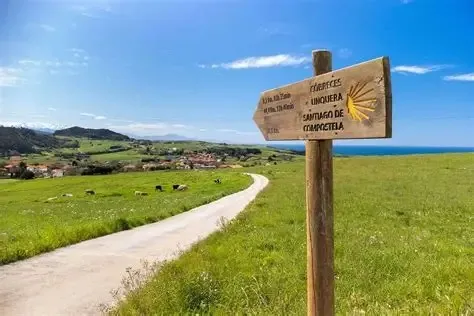
For those seeking adventure and introspection, the Camino de Santiago is a historic pilgrimage route culminating at the Cathedral of Santiago de Compostela. Spanning various regions, including Galicia, this journey offers a profound experience of Spain's spiritual and cultural richness, traversing scenic landscapes and charming villages along the way.
No visit to Spain is complete without witnessing the awe-inspiring La Sagrada Familia in Barcelona. This basilica, designed by the visionary architect Antoni Gaudí, is a masterpiece of modernist architecture. Its towering spires and intricate facades continue to attract millions of visitors, making it one of the most iconic landmarks in Spain.
Join the vibrant chaos of La Tomatina, an annual festival held in the small town of Buñol. This unique event sees thousands of participants engage in a massive tomato fight, painting the town red in a spirit of fun and camaraderie. La Tomatina is a quintessential Spanish experience that encapsulates the country's lively festivities.
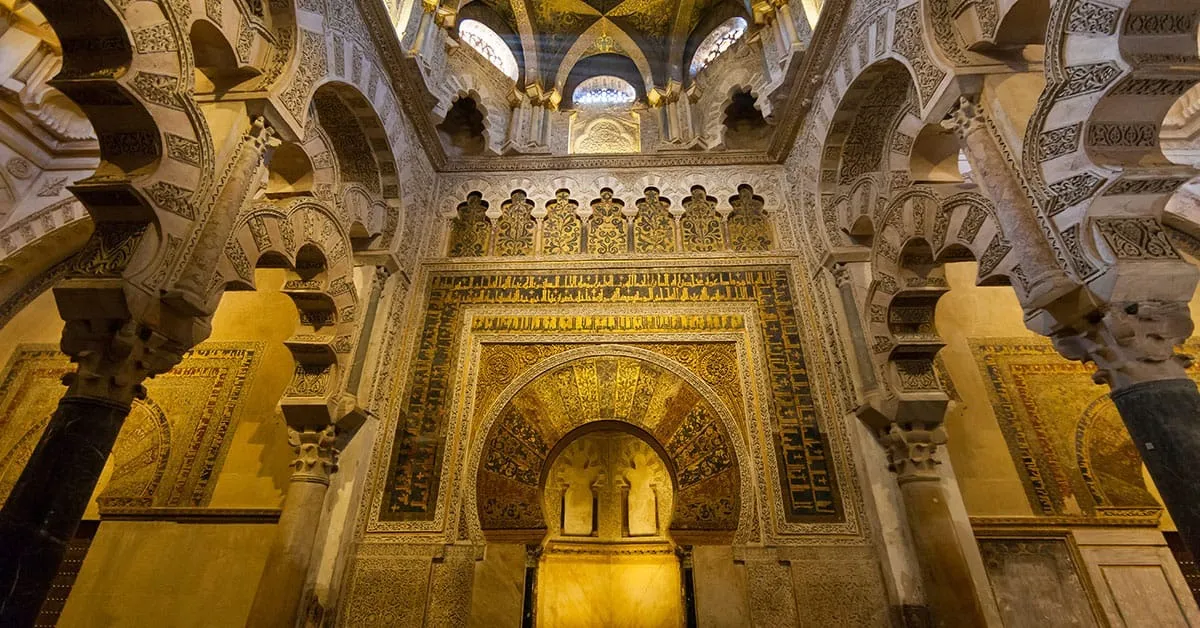
The Great Mosque, or Mezquita, in Córdoba is a testament to Spain's diverse cultural heritage. This architectural marvel, originally a mosque and later transformed into a cathedral, features a breathtaking array of arches and columns. Its rich history and stunning design make it a must-visit site for history enthusiasts and architecture lovers alike.
Known for its vibrant nightlife, Ibiza also boasts some of the most beautiful beaches in Spain. From the serene Cala Comte to the lively Playa d'en Bossa, the island offers a variety of coastal experiences. Whether you're looking to relax or dance the night away, Ibiza's beaches provide the perfect backdrop for a memorable seaside escape.
To truly understand Spain, one must delve into its vibrant culture, a tapestry woven from centuries of tradition and a lively contemporary lifestyle. The Spanish way of life is characterized by a profound appreciation for food, music, art, and community, with each region offering its own distinct customs and festivities. From the rhythm of flamenco to the flavors of tapas, Spain's cultural landscape is as diverse as its geography, inviting travelers to immerse themselves in its dynamic and welcoming spirit.
Flamenco is more than just music and dance; it's a profound expression of emotion and tradition. Originating in the Andalusian region, this art form combines guitar playing, singing, dancing, and handclaps to convey a deep sense of passion and storytelling. Attending a live flamenco performance is an unforgettable experience that reveals the soul of Spanish culture.
Eating tapas is a quintessential Spanish tradition, providing an opportunity to savor a variety of small dishes that showcase the country's culinary diversity. Whether enjoyed in a bustling market or a cozy local bar, tapas encourage socializing and sharing among friends, reflecting the communal nature of Spanish dining.
La siesta, the traditional afternoon rest, is a cherished Spanish custom that underscores the importance of balance and relaxation in daily life. Although modern work schedules have reduced its prevalence, the siesta remains a symbol of Spain's laid-back lifestyle and the cultural value placed on taking time to recharge.
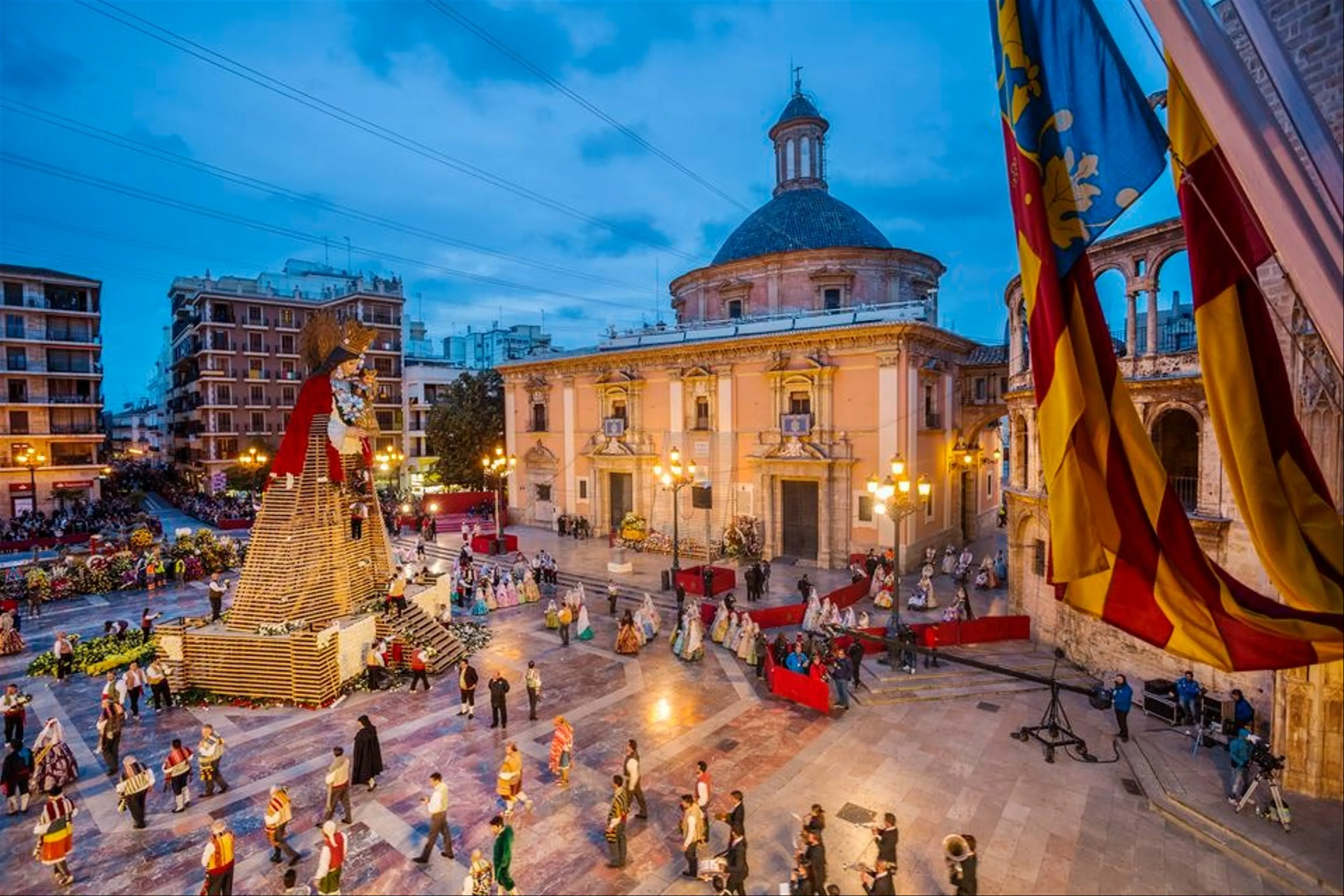
Spain is famous for its vibrant festivals, each offering a unique glimpse into the country's rich traditions and exuberant spirit. From the exhilarating Running of the Bulls in Pamplona to the dazzling Fallas of Valencia, these events are marked by music, dance, and a sense of community, inviting everyone to join in the celebration.
Spain's artistic legacy is vast and varied, with contributions from masters like Pablo Picasso and Salvador Dalí. The country's architecture, ranging from the intricate detailing of Moorish palaces to the avant-garde designs of contemporary structures, reflects a long history of innovation and creativity. Exploring Spain's art and architecture offers insight into its past and present cultural influences.
While Spanish is the primary language, Spain is home to several regional languages, including Catalan, Basque, and Galician, each with its own cultural identity. This linguistic diversity is a testament to the country's complex history and regional pride, enriching the cultural fabric of Spain and offering travelers a deeper understanding of its multifaceted nature.
Spain's diverse landscapes offer a captivating array of natural wonders that beckon travelers to explore its scenic beauty. From the sun-kissed coastlines to the verdant mountain ranges and arid deserts, Spain is a haven for nature enthusiasts. Each region boasts its unique geographical features and ecosystems, providing endless opportunities for outdoor adventures and breathtaking sights that showcase the country's natural splendor.
Stretching along the northeastern border, the Pyrenees mountain range is a paradise for hikers, skiers, and nature lovers. With its rugged peaks, lush valleys, and picturesque villages, the Pyrenees offer a perfect blend of adventure and tranquility. Visitors can explore the numerous hiking trails, enjoy winter sports in the snowy months, or simply soak in the stunning vistas that define this majestic landscape.
Located in Andalusia, Doñana National Park is a UNESCO World Heritage site renowned for its biodiversity. This expansive wetland is a critical habitat for numerous bird species, making it a popular destination for birdwatching. The park's varied landscapes, including marshes, dunes, and forests, support a rich array of flora and fauna, offering a peaceful retreat for nature enthusiasts.
The Picos de Europa, situated in northern Spain, is one of the country's most breathtaking mountain regions. Known for its dramatic limestone peaks and deep gorges, this national park provides a haven for wildlife and outdoor activities. Adventurers can embark on challenging hikes, explore hidden caves, or enjoy the serene beauty of the lakes nestled within the mountains.
Off the northwest coast of Africa, the Canary Islands boast a diverse range of landscapes, from volcanic terrains to lush forests and pristine beaches. Each island offers its unique natural attractions, with Tenerife's Mount Teide, an active volcano and Spain's highest peak, being a notable highlight. The islands' year-round mild climate makes them an ideal destination for beachgoers and nature explorers alike.
In southern Spain, the Sierra Nevada mountain range is a stunning natural wonder known for its diverse ecosystems and outdoor recreational opportunities. Home to the highest point on the Iberian Peninsula, Mulhacén, these mountains attract hikers, skiers, and nature lovers. The area also features charming villages and rich cultural heritage, providing a unique blend of natural beauty and traditional Spanish life.
The rugged coastline of Galicia, in northwestern Spain, is characterized by dramatic cliffs, secluded coves, and pristine beaches. This region is perfect for those seeking tranquility and natural beauty, with opportunities to explore coastal trails, enjoy seafood delicacies, or simply relax by the sea. The interplay of ocean and land creates a mesmerizing landscape that captures the essence of Galicia's natural allure.
Spain's culinary landscape is as diverse and vibrant as its cultural heritage, offering a tantalizing array of flavors that reflect the country's rich history and regional diversity. From hearty stews and fresh seafood to world-renowned wines and delectable desserts, Spanish cuisine invites travelers on a delicious journey through its varied regions. Whether you're savoring tapas in a bustling bar or enjoying a leisurely meal in a seaside restaurant, the flavors of Spain promise to delight and inspire.
Originating from Valencia, paella is one of Spain's most iconic dishes. Traditionally cooked in a large, shallow pan over an open flame, this saffron-infused rice dish is typically made with a combination of seafood, chicken, rabbit, and vegetables. Each region adds its own twist, making it a versatile and beloved staple of Spanish cuisine.
Gazpacho, a refreshing cold soup from Andalusia, is perfect for hot summer days. Made with ripe tomatoes, cucumbers, peppers, onions, garlic, and olive oil, this vibrant dish is blended to a smooth consistency and served chilled. It's a healthy and delicious way to experience the fresh flavors of southern Spain.
The Spanish omelet, or tortilla española, is a simple yet satisfying dish made with eggs, potatoes, and onions. Cooked to a golden brown, this hearty omelet is often enjoyed as a tapa or a main course. Its comforting taste and texture make it a favorite across Spain, showcasing the beauty of uncomplicated ingredients.
A beloved treat, churros con chocolate is a must-try for those with a sweet tooth. These deep-fried dough pastries are dusted with sugar and traditionally served with a thick, rich chocolate sauce for dipping. Whether enjoyed for breakfast or as an afternoon snack, this indulgent pairing is a quintessential Spanish delight.
Jamon Ibérico, a cured ham from the Iberian Peninsula, is a delicacy that epitomizes Spain's culinary excellence. Made from acorn-fed pigs and aged for several years, this ham is renowned for its rich flavor and melt-in-your-mouth texture. Often served thinly sliced, it is a highlight of Spanish tapas and charcuterie boards.
A staple of Spanish tapas, patatas bravas are crispy fried potatoes topped with a spicy tomato sauce and sometimes aioli. This simple yet flavorful dish is a popular choice in tapas bars across the country, offering a satisfying combination of textures and tastes that pairs perfectly with a cold drink.
Pulpo a la Gallega, or Galician-style octopus, is a traditional dish from the region of Galicia. The octopus is boiled until tender, then seasoned with olive oil, paprika, and sea salt, and served on a bed of sliced potatoes. This dish exemplifies the simplicity and quality of Galician cuisine, highlighting the fresh flavors of the sea.
No visit to Spain is complete without trying sangria, a refreshing and fruity wine-based beverage. Made with red wine, chopped fruits, and a splash of brandy or orange juice, this delightful drink is perfect for enjoying on a warm afternoon. Sangria's vibrant flavors and sociable nature make it a staple at gatherings and celebrations throughout Spain.
Deciding when to travel to Spain depends on the type of experiences you're seeking. Spain's diverse climate and cultural calendar offer unique opportunities throughout the year, from sunny beach holidays to vibrant festivals and serene countryside escapes. Whether you're looking to bask in the Mediterranean warmth, enjoy a snowy retreat in the mountains, or immerse yourself in age-old traditions, Spain has something to offer all year round.
Spring is an idyllic time to visit Spain, as the weather is pleasantly mild and the landscapes burst into vibrant colors. This season is perfect for exploring the country's natural beauty, with the famous almond blossoms in full display and the countryside coming to life. It's also a time of cultural festivities, with traditional Easter celebrations, known as Semana Santa, taking place in cities like Seville and Malaga, where elaborate processions and religious rituals fill the streets with a sense of wonder and devotion.
Summer in Spain is all about enjoying the sun-soaked beaches and lively festivals. The coastal areas, particularly the Costa del Sol and the Balearic Islands, become popular destinations for those seeking a beach holiday. This is also the season for iconic festivals such as La Tomatina in Buñol and the Running of the Bulls in Pamplona, which attract thrill-seekers and cultural enthusiasts alike. While temperatures can soar, especially in inland regions, the coastal breezes offer a refreshing respite.
Autumn brings a sense of tranquility to Spain, with cooler temperatures and fewer tourists. It's an excellent time to explore the country's vineyards during the grape harvest season, particularly in regions like Rioja and Ribera del Duero, where wine lovers can indulge in tastings and vineyard tours. Cultural events like the San Sebastián International Film Festival and the Bienal de Flamenco in Seville offer enriching experiences for art and music aficionados.
Winter in Spain offers a unique blend of festive celebrations and winter sports. The holiday season is marked by Christmas markets, nativity scenes, and the lively Three Kings’ Day parades. For those seeking snow, the Pyrenees and the Sierra Nevada provide excellent skiing and snowboarding opportunities, catering to both beginners and seasoned adventurers. Meanwhile, the southern regions remain relatively mild, making them ideal for off-season cultural exploration.
Navigating Spain is an adventure in itself, with a well-developed transportation network that makes it easy for travelers to explore the country's diverse regions. Whether you prefer the speed and efficiency of high-speed trains, the flexibility of renting a car, or the convenience of public buses, Spain offers a variety of options to suit your travel preferences. Understanding the available modes of transportation will help you make the most of your journey, ensuring a seamless and enjoyable experience as you traverse this beautiful country.
Spain's AVE trains are a fantastic way to travel quickly and comfortably between major cities. Operated by Renfe, the national railway company, these high-speed trains connect destinations such as Madrid, Barcelona, Seville, and Valencia, allowing you to cover long distances in a short amount of time. With modern amenities and frequent departures, the AVE is a popular choice for both locals and tourists seeking an efficient travel experience.
For those looking to explore smaller towns and scenic routes, Spain's regional and local train services are an excellent option. These trains connect less-traveled destinations and offer a more leisurely pace, providing a glimpse into the country's picturesque landscapes and charming villages. Renfe and other regional operators ensure a comprehensive rail network that makes it easy to access even the more remote areas.
Spain's extensive bus network complements its rail services, offering connections to destinations not accessible by train. Long-distance bus companies like ALSA and Avanza provide comfortable and affordable travel options across the country. Buses are particularly useful for reaching rural areas and coastal towns, with frequent services and modern amenities ensuring a pleasant journey.
Renting a car in Spain offers the freedom to explore at your own pace, especially if you're planning to visit rural regions or embark on a road trip. With major car rental companies operating throughout the country, you can easily pick up a vehicle in cities, airports, or train stations. Driving in Spain is generally straightforward, with well-maintained roads and clear signage, although it's essential to be aware of local driving laws and regulations.
Spain's major cities boast efficient public transportation systems, making it easy to navigate urban areas without a car. Metro networks in cities like Madrid, Barcelona, and Valencia provide quick and affordable access to key attractions and neighborhoods. Additionally, buses and trams offer extensive coverage, ensuring you can reach every corner of the city with ease. Purchasing a travel card or pass can provide savings and convenience for frequent use.
Taxis are readily available in Spanish cities and towns, offering a convenient option for short trips or when public transportation isn't accessible. Metered fares ensure transparent pricing, and ridesharing services like Uber and Cabify are also available in many urban areas, providing an alternative with app-based convenience. These options are particularly useful for travelers with luggage or those seeking a more direct route to their destination.
Traveling to Spain offers a rich tapestry of experiences, but being prepared with practical tips can enhance your journey. From cultural etiquette to essential travel advice, understanding the nuances of Spanish life will help you navigate the country with ease and confidence. Whether it's knowing when to tip or how to communicate effectively, these insights will ensure a smooth and enjoyable adventure as you explore the vibrant landscapes and cultures of Spain.
While Spanish is the official language, many Spaniards, especially in tourist areas, speak English. However, learning a few basic phrases in Spanish can go a long way in enhancing your interactions with locals. In regions like Catalonia, the Basque Country, and Galicia, regional languages are also spoken, reflecting the country's linguistic diversity.
Spain uses the Euro (€) as its currency. Credit and debit cards are widely accepted in cities and tourist areas, but it's advisable to carry some cash for small purchases or in rural areas. ATMs are readily available, and withdrawing cash is straightforward, though checking with your bank about international fees is wise.
Spanish dining customs might differ from what you're used to. Lunch, the main meal of the day, is typically served between 2 PM and 4 PM, while dinner is usually enjoyed from 9 PM onwards. Tipping is appreciated but not obligatory; leaving small change or rounding up the bill is common practice.
The traditional afternoon siesta, though less common in urban areas today, still influences business hours in smaller towns, where shops may close for a few hours in the afternoon. Planning your activities around these hours ensures you won't be caught off guard by unexpected closures.
Spain is generally a safe country for travelers, but it's always prudent to stay vigilant, especially in crowded tourist spots where pickpocketing can occur. Healthcare services are excellent, with pharmacies easily accessible. It's advisable to have travel insurance that covers health and emergencies.
Spain's public transportation is reliable and efficient. When using trains or buses, purchasing tickets in advance, especially for high-speed trains, can save money and guarantee a seat. In cities, consider using a travel card for metro and bus services to save on fares.
Spain's climate varies significantly by region. Coastal areas enjoy mild winters and hot summers, while interior regions can experience more extreme temperatures. Packing appropriate clothing for the season and region you're visiting will ensure comfort throughout your stay.
Spaniards are warm and friendly, and respecting local customs will enrich your experience. Dress modestly when visiting religious sites, and greet locals with a polite "hola" or "buenos días." Participating in local events and festivals is a great way to immerse yourself in Spanish culture.
Free Wi-Fi is widely available in cafes, restaurants, and hotels, making it easy to stay connected. Consider purchasing a local SIM card for your phone for more reliable access to the internet and local calls, especially if you plan to travel extensively throughout the country.
Spain's festivals and events are a vibrant reflection of the country's rich cultural heritage and lively spirit. From centuries-old traditions to modern celebrations, these events offer travelers a unique glimpse into the heart of Spanish life. Whether you're drawn to the electrifying energy of music festivals or the solemn beauty of religious processions, Spain's calendar is filled with experiences that promise to captivate and inspire.
Semana Santa, or Holy Week, is one of Spain's most significant religious events, celebrated across the country with fervor and devotion. During this week leading up to Easter, cities like Seville and Malaga come alive with elaborate processions featuring impressive floats, traditional music, and participants in historical costumes. This profound display of faith and culture attracts thousands of visitors eager to witness the solemnity and beauty of these age-old traditions.
Held in Seville, La Feria de Abril is a week-long celebration of Andalusian culture, featuring flamenco dancing, horse parades, and vibrant fairgrounds. This lively event, which takes place two weeks after Easter, showcases the region's passion for music and dance, with locals and visitors donning traditional attire and gathering in colorful casetas (tents) to enjoy tapas, sherry, and festivities that last well into the night.
The San Fermín festival in Pamplona is world-famous for its thrilling Running of the Bulls, where participants dash through the city's streets alongside a group of bulls. Taking place every July, this event is part of a larger celebration honoring Saint Fermín, featuring parades, fireworks, and concerts. While the bull run is the highlight, the festival's lively atmosphere and cultural events draw visitors from around the globe.
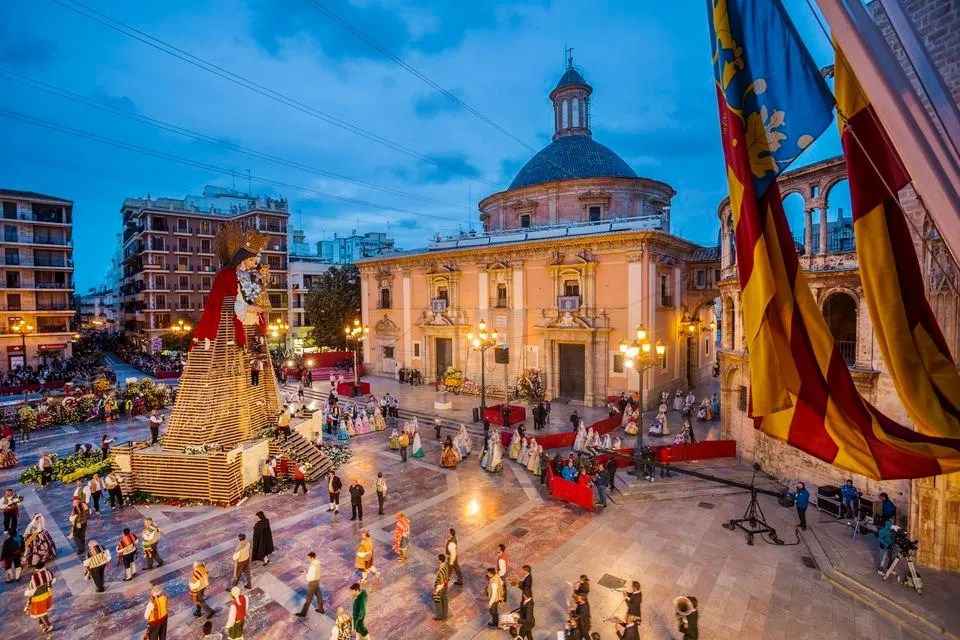
Valencia's Las Fallas is a spectacular festival held every March, known for its impressive display of art and pyrotechnics. The event culminates in the burning of large, intricately crafted ninots (puppets and figures) made from wood and papier-mâché. These stunning creations, which often satirize politics and culture, are set ablaze in a fiery finale that lights up the city, accompanied by music and joyous celebrations.
La Tomatina, held in the town of Buñol, is a unique festival where participants engage in a friendly yet chaotic tomato fight. Taking place on the last Wednesday of August, this lighthearted event attracts thousands of revelers who gather to hurl ripe tomatoes at each other, turning the streets into a sea of red. The festival's playful nature and sense of camaraderie make it a must-experience highlight of Spain's summer festivities.
Primavera Sound, hosted in Barcelona, is one of Europe's most renowned music festivals, drawing a diverse lineup of international artists and music lovers. Taking place in late spring, the festival offers an eclectic mix of genres, from indie and rock to electronic and hip-hop, set against the backdrop of the city's coastal scenery. With multiple stages and a vibrant atmosphere, Primavera Sound is a celebration of music and creativity.
Barcelona's La Mercè festival, held in September, is a city-wide celebration honoring the city's patron saint, the Virgin of Mercy. The event features a wide range of activities, including parades, concerts, and the traditional castellers (human towers). A highlight of the festival is the correfoc, or fire run, where participants dressed as devils run through the streets with fireworks, creating a spectacular and exhilarating spectacle.
Spain is a land of endless discovery, where well-trodden paths often lead to unexpected delights and hidden treasures await the curious traveler. Beyond its iconic landmarks and celebrated cities, Spain offers a plethora of unique experiences and secret spots that promise to enrich your journey. Whether it's exploring the quaint villages of the countryside, uncovering ancient traditions, or savoring local delicacies in off-the-beaten-path locations, these hidden gems invite you to delve deeper into the authentic heart of Spain.
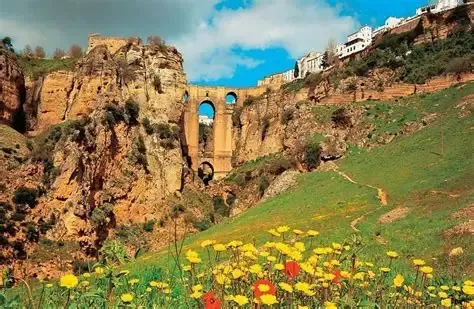
Perched atop the dramatic cliffs of the El Tajo gorge, the picturesque town of Ronda offers breathtaking views and a sense of timeless beauty. The iconic Puente Nuevo bridge spans the gorge, connecting the old and new towns and providing stunning vistas of the surrounding landscape. Wander through Ronda's charming streets, explore its historic bullring, and savor the local wines and tapas while soaking in the enchanting atmosphere of this hidden Andalusian gem.
Located in the region of León, Las Médulas is a UNESCO World Heritage site showcasing the remnants of an ancient Roman gold mining operation. The striking red cliffs and tunnels, carved by hydraulic mining techniques, create a surreal landscape that invites exploration. Hike through the scenic trails, discover the fascinating history of the site, and marvel at the panoramic views of this unique and lesser-known destination in Spain.
Setenil de las Bodegas, in the province of Cádiz, is a remarkable town where whitewashed houses are built into and under massive rock overhangs. This unusual architectural feature creates a unique and captivating streetscape. Stroll along the narrow, winding streets, enjoy local delicacies in cozy cave-like restaurants, and experience the charm and ingenuity of this Andalusian treasure.
Nestled in the hills of the Costa del Sol, Frigiliana is a quintessential white village known for its narrow cobblestone streets, vibrant ceramic tiles, and stunning views of the Mediterranean Sea. Wander through its labyrinthine alleys, visit the Moorish castle ruins, and indulge in the local sweet wine, all while enjoying the peaceful ambiance and picturesque beauty of this enchanting village.
In the heart of the Basque Country, the Forest of Irati is one of Europe's largest and best-preserved beech and fir forests. This magical woodland offers a serene escape into nature, with lush greenery, babbling brooks, and a network of trails that cater to hikers and nature lovers. Explore this enchanting landscape during autumn when the forest is ablaze with brilliant hues, creating a breathtaking tapestry of colors.
Tucked away in the province of Albacete, Alcalá del Júcar is a picturesque village built into the steep cliffs along the Júcar River. Its whitewashed houses, winding streets, and medieval castle perched atop the hill create a captivating setting. Discover the village's unique cave dwellings, relax by the riverside, and enjoy the tranquility of this hidden gem that offers a glimpse into traditional Spanish life.
For adventure seekers, El Caminito del Rey offers an exhilarating experience. This narrow walkway, suspended along the steep walls of a gorge in the province of Málaga, was once considered one of the most dangerous paths in the world. Now refurbished and safe for visitors, it provides a thrilling trek with breathtaking views of the surrounding cliffs and river below, making it a must-visit for those seeking an adrenaline rush.
On the northern coast of Spain, the charming village of Cudillero captivates visitors with its colorful houses cascading down the hillside towards the sea. Known for its fishing heritage and vibrant ambiance, Cudillero offers a delightful escape with its fresh seafood, scenic views, and friendly locals. Explore the narrow streets, enjoy the catch of the day at a seaside restaurant, and soak in the idyllic beauty of this coastal gem.
In the province of Almería, the Tabernas Desert offers a stark contrast to Spain's lush landscapes. Known for its vast, arid terrain and dramatic rock formations, this desert served as the backdrop for many classic Western films. Visit the film sets turned tourist attractions, explore the rugged landscapes, and discover the unique flora and fauna that inhabit this fascinating and unexpected corner of Spain.
No tours published here yet.
Stay connected in Spain with instant mobile data — no roaming fees, no physical SIM.
Discover tours, attractions and travel services for Spain.