
Russia, the largest country in the world, is a land of extraordinary diversity and captivating contrasts. From the imperial grandeur of its historical cities to the untouched wilderness of its vast landscapes, Russia offers travelers a unique blend of culture, history, and natural beauty. This section delves into the essence of Russia, highlighting its key attractions, cultural treasures, and the unique experiences it promises to all who venture into its enigmatic lands.
As the capital city, Moscow is a vibrant blend of old and new, where grand Tsarist-era architecture stands alongside modern skyscrapers. The iconic Red Square, the historic Kremlin, and the vibrant arts scene make Moscow an unmissable destination. Visitors can explore the Tretyakov Gallery to witness the richness of Russian art or take a leisurely stroll through Gorky Park to experience the city's lively atmosphere.
Known as Russia's cultural heart, St. Petersburg is famed for its stunning architecture and rich artistic heritage. The city is home to the Hermitage Museum, one of the largest and oldest museums in the world, where art lovers can indulge in masterpieces spanning from ancient times to modernity. The city's network of canals and grand palaces, including the Winter Palace, offer a glimpse into the opulence of the Russian Empire.
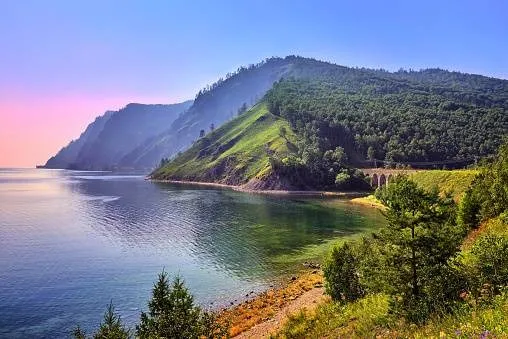
For those seeking adventure, the Trans-Siberian Railway offers an unparalleled journey across Russia's vast landscapes. Spanning over 9,000 kilometers from Moscow to Vladivostok, this legendary train journey takes travelers through the heart of Siberia, offering breathtaking views of forests, mountains, and Lake Baikal—the deepest freshwater lake in the world.
Lake Baikal is a natural wonder and a UNESCO World Heritage site, revered for its stunning clarity and unique wildlife. Visitors can explore its frozen surface in winter or enjoy hiking and boat tours during the warmer months. The lake's surrounding region is a haven for outdoor enthusiasts, offering opportunities for trekking, fishing, and wildlife spotting.
Russian cuisine is a delightful mix of hearty and comforting dishes that reflect the country's diverse climate and culture. From the warming embrace of borscht and the savory layers of beef stroganoff to the delicate sweetness of blini, Russian food is a must-try for any visitor. Pair these dishes with a glass of kvass or vodka to truly savor the flavors of Russia.
Russia's vibrant festivals offer a window into its rich traditions and cultural diversity. Celebrations like Maslenitsa, the Slavic festival to welcome spring, showcase traditional music, dance, and cuisine. Meanwhile, the White Nights Festival in St. Petersburg, with its dazzling array of concerts and performances, highlights the city's artistic passion and enduring spirit.
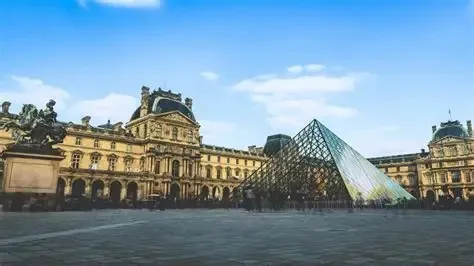
Russia is a treasure trove of stunning destinations that captivate travelers with their historical significance, natural beauty, and cultural richness. From the remote reaches of Siberia to the bustling streets of its major cities, Russia offers a diverse array of places that promise unforgettable experiences. This section highlights some of the unmissable places in Russia that every traveler should consider including in their itinerary.
Located where Europe meets Asia, Kazan is a city that beautifully blends Russian and Tatar cultures. Known for its harmonious coexistence of different religions, Kazan's skyline is dotted with both Orthodox churches and Islamic mosques. The Kazan Kremlin, a UNESCO World Heritage site, is a must-visit, offering insights into the city's rich history and architectural splendor.
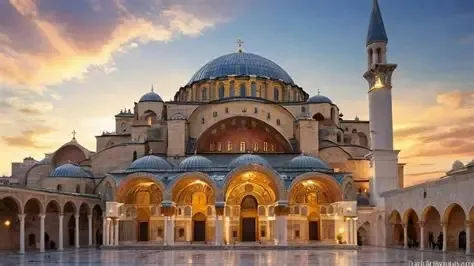
Famed for hosting the 2014 Winter Olympics, Sochi is a vibrant resort city located on the Black Sea coast. It offers a unique combination of sandy beaches and snow-capped mountains, ideal for both summer and winter activities. Visitors can explore the scenic beauty of the Caucasus Mountains or relax at the city's luxurious spas and resorts.
As Russia's major Pacific port city, Vladivostok is known for its strategic location and stunning seaside views. The city serves as the eastern terminus of the Trans-Siberian Railway and offers a mix of Russian and Asian influences. Visitors can explore the impressive bridges, vibrant markets, and the Vladivostok Fortress, which holds significant historical importance.
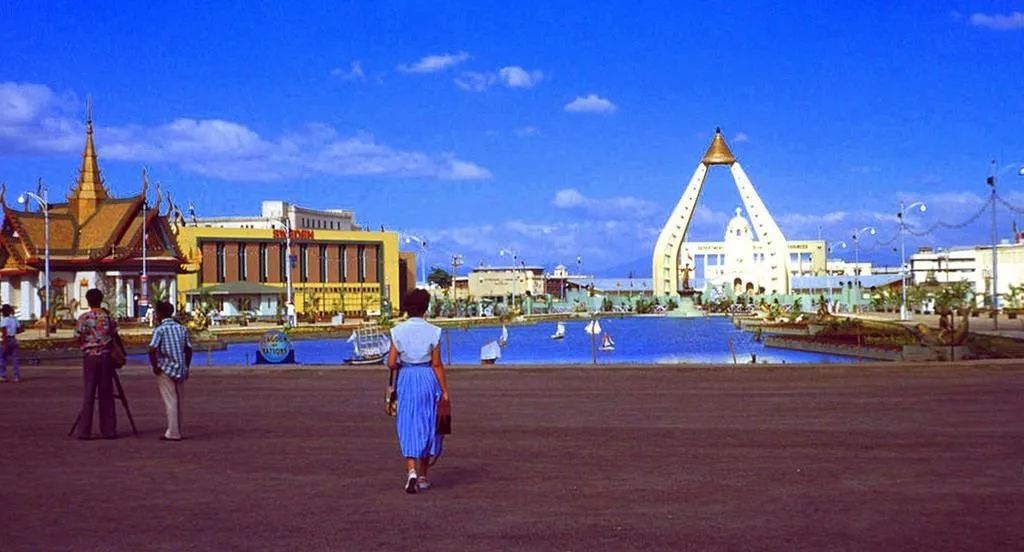
The Golden Ring is a collection of historic cities northeast of Moscow, known for their picturesque landscapes and ancient architecture. This area is a living museum of Russia's cultural heritage, featuring charming kremlins, wooden churches, and traditional Russian villages. Cities like Suzdal and Vladimir offer a glimpse into the country's past with their well-preserved medieval structures.
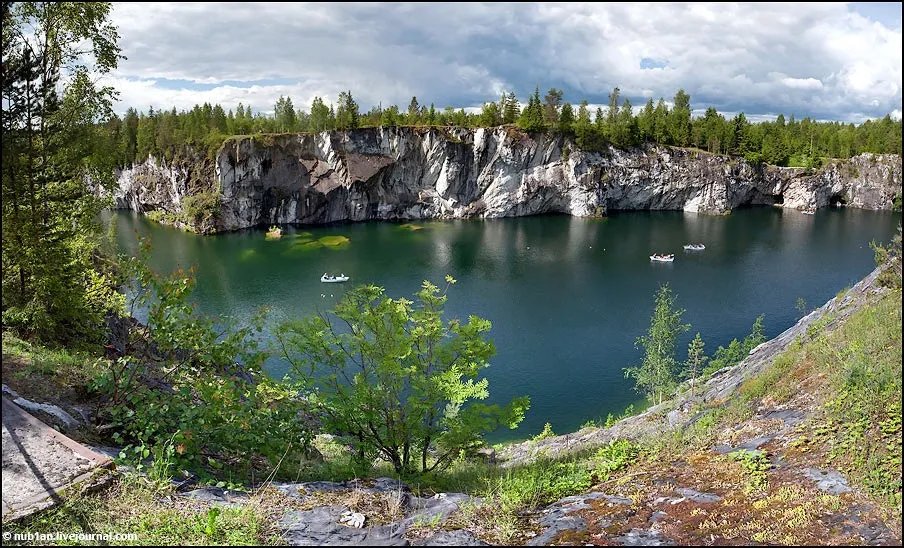
Karelia, located in northwestern Russia, is a paradise for nature lovers, known for its dense forests, pristine lakes, and rugged landscapes. The region is perfect for outdoor activities such as hiking, kayaking, and fishing. The Kizhi Island, with its UNESCO-listed wooden churches, is a highlight, showcasing Russian craftsmanship and architectural ingenuity.
Russia's rich tapestry of traditions and lifestyle offers travelers a fascinating glimpse into a culture that is both deeply rooted in history and dynamically evolving. From time-honored customs and artistic expressions to the everyday life of its people, understanding Russian culture provides a deeper appreciation of this vast and diverse nation. This section explores the key cultural insights that define Russia's identity, offering travelers a chance to connect more meaningfully with the country's soul.
Hospitality is an integral part of Russian culture. Known for their generosity, Russians often welcome guests with an abundance of food and drink. A visit to a Russian home typically involves a feast where traditional dishes are shared, reflecting the host's warmth and kindness. This tradition underscores the importance of community and companionship in Russian society.
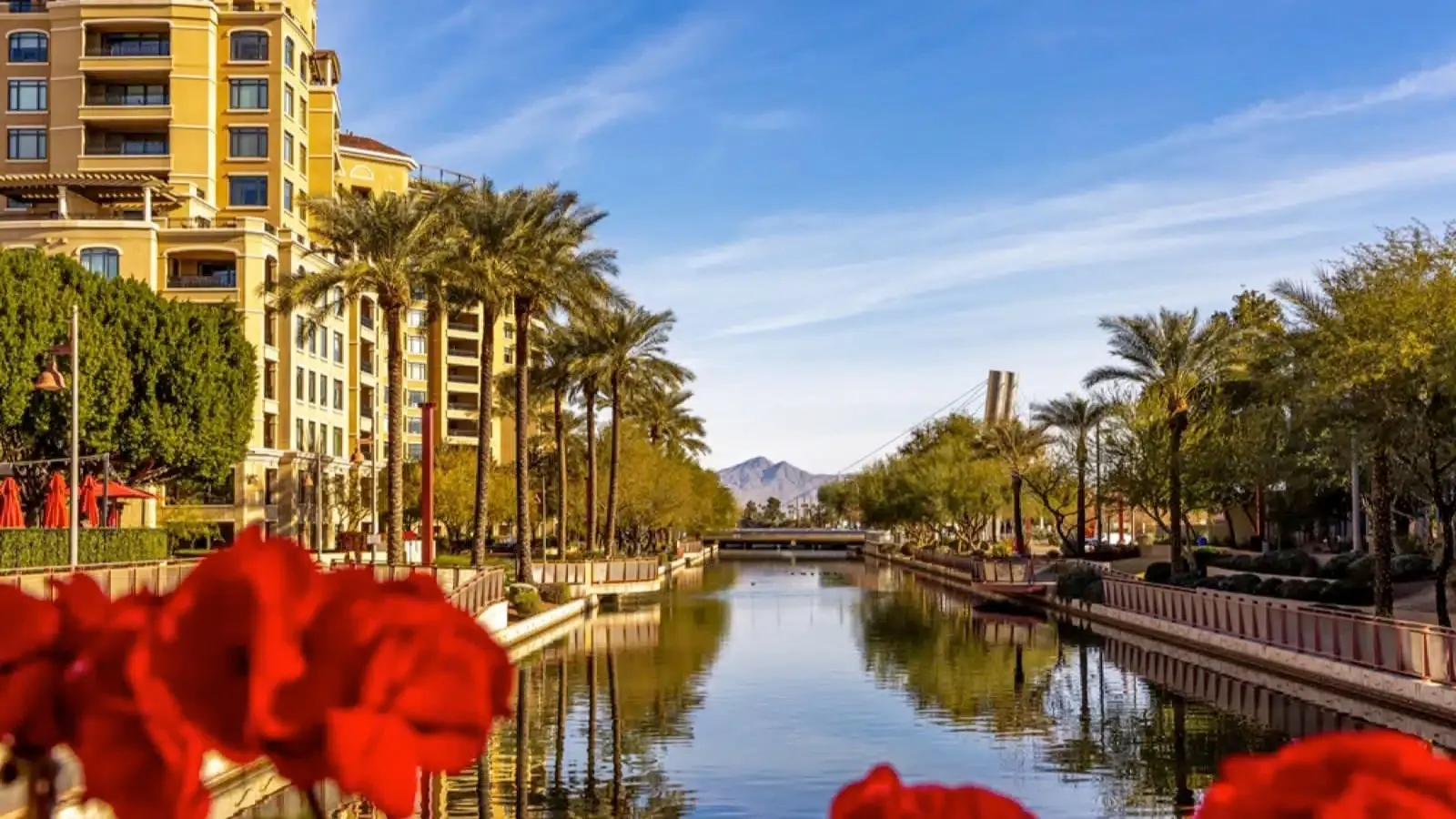
Russia's folk art is a vibrant expression of its cultural heritage. From the intricate patterns of Matryoshka dolls to the colorful designs of Khokhloma wood paintings, these traditional crafts tell stories of the past. Visitors can explore local markets and craft fairs to appreciate these artistic creations and even take home a piece of Russia's cultural legacy.
The Russian Orthodox Church plays a significant role in the country's cultural and spiritual life. With its iconic onion domes and richly adorned interiors, the church is a symbol of Russia's profound religious traditions. Many Russians participate in church rituals and celebrate religious festivals such as Easter and Christmas with great fervor, reflecting the deep spiritual roots of the nation.

Russian literature is celebrated worldwide for its depth and complexity, with authors like Tolstoy, Dostoevsky, and Pushkin leaving an indelible mark on global literature. The Russian language itself, with its Cyrillic script and poetic cadence, is a cornerstone of national identity. Travelers can explore literary landmarks and museums to gain insight into the profound influence of Russian writers and poets.
Russian lifestyle is a blend of tradition and modernity, where age-old customs harmoniously coexist with contemporary trends. In urban areas, modern conveniences and technology are embraced, while rural regions often retain traditional ways of living. This balance is evident in the country's cuisine, fashion, and social practices, offering travelers a rich and varied experience.
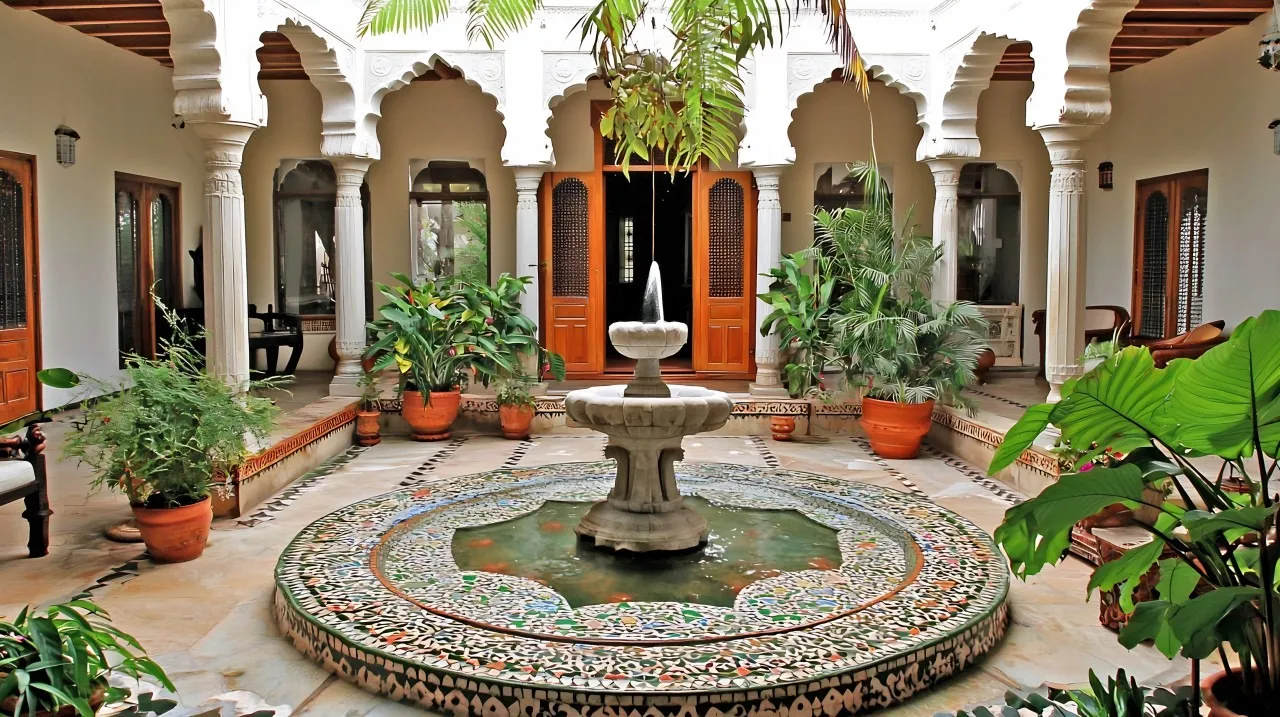
Music and dance are vital expressions of Russian culture. The country is renowned for its classical composers like Tchaikovsky and Stravinsky, whose works continue to inspire. Traditional folk music and dance, with their lively rhythms and colorful costumes, remain popular at festivals and celebrations, offering a joyful glimpse into the heart of Russian culture.
Russia's vast and diverse landscapes are a testament to its dramatic natural beauty, offering a mesmerizing array of ecosystems and geographical wonders. From the frozen tundras of the Arctic and the rolling plains of the steppes to the majestic peaks of the Caucasus and the serene beauty of its lakes and rivers, Russia's nature is as varied as it is breathtaking. This section explores the country's most iconic natural landscapes, inviting travelers to immerse themselves in the untamed beauty and serene tranquility that define the Russian wilderness.
The Russian Arctic, a remote and icy wilderness, is a realm of stunning polar landscapes and unique wildlife. This region is home to polar bears, walruses, and an array of bird species, offering unparalleled opportunities for wildlife enthusiasts. The Northern Lights, or Aurora Borealis, are a spectacular natural phenomenon that can often be seen dancing across the Arctic skies, providing a magical experience for visitors.
The Ural Mountains stretch from north to south, forming the natural boundary between Europe and Asia. This ancient mountain range is rich in mineral resources and offers a rugged terrain ideal for hiking and exploring. The Urals are also steeped in history and legend, with numerous archaeological sites and local folklore adding to their mystique.
Kamchatka, located in Russia's Far East, is renowned for its dramatic volcanic landscapes and geothermal activity. The peninsula boasts over 300 volcanoes, 29 of which are active, creating a dynamic environment of hot springs and geysers. This remote region is a paradise for adventure seekers, offering opportunities for hiking, heli-skiing, and wildlife watching, including sightings of the famous Kamchatka brown bears.
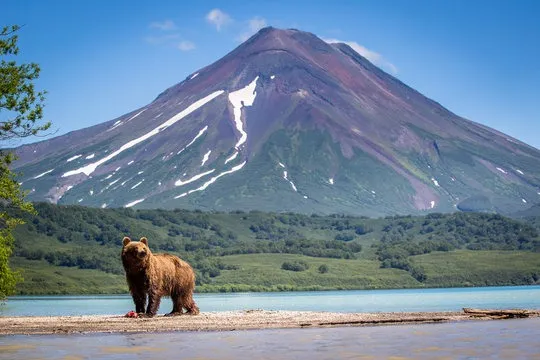
The Altai Mountains, a UNESCO World Heritage site, are a pristine and untouched region of stunning beauty. Known for their diverse flora and fauna, the Altai are home to snow leopards, ibex, and a variety of bird species. The region offers breathtaking landscapes, from snow-capped peaks to lush valleys, making it a perfect destination for trekking, horseback riding, and cultural experiences with the indigenous peoples.
The Volga River, the longest river in Europe, is often referred to as the lifeline of Russia. It flows through the heart of the country, supporting a rich ecosystem and numerous communities along its banks. The Volga is synonymous with Russian history and culture, and a cruise along its waters offers travelers a unique perspective on the landscapes and cities that define the Russian heartland.
The Siberian Taiga, part of the world's largest forest, is an expanse of coniferous woodlands that stretch across Siberia. This vast and remote region is characterized by its dense forests, tranquil lakes, and diverse wildlife, including wolves, elk, and Siberian tigers. The Taiga offers a true wilderness experience, where visitors can disconnect from the modern world and reconnect with nature.
The Caucasus Mountains, straddling the border between Europe and Asia, are renowned for their dramatic peaks and cultural diversity. This region is a haven for outdoor enthusiasts, offering opportunities for mountaineering, skiing, and exploring ancient villages. The Caucasus is also home to Mount Elbrus, the highest peak in Europe, attracting climbers from around the world.
Russia's culinary landscape is as vast and varied as its geography, offering a rich tapestry of flavors that reflect the country's diverse heritage and regional influences. From hearty comfort foods that warm the soul during the long winters to delicate pastries and refreshing beverages, Russian cuisine is a culinary journey in itself. This section explores the must-try dishes and drinks that capture the essence of Russian gastronomy, inviting travelers to savor the flavors that define this enigmatic land.
Borscht is a quintessential Russian dish, known for its vibrant red color and rich flavor. Made primarily from beets, this hearty soup often includes ingredients like cabbage, potatoes, and meat. Served hot with a dollop of sour cream, borscht is a comforting staple during Russia's cold winters, offering warmth and nourishment in every bowl.
Pelmeni are savory dumplings that are a beloved staple in Russian households. Typically filled with minced meat such as beef, pork, or lamb, these dumplings are boiled and served with butter or sour cream. Pelmeni are perfect for a quick and satisfying meal, showcasing the simplicity and heartiness of Russian home cooking.
Blini are thin, crepe-like pancakes that can be enjoyed in both sweet and savory forms. Traditionally served during the Maslenitsa festival, they are often topped with sour cream, caviar, jam, or honey. Blini are a versatile dish that highlights the rich flavors and textures of Russian ingredients.
Beef Stroganoff is a classic Russian dish that has gained international fame. It consists of sautéed pieces of beef served in a creamy sauce with onions and mushrooms, often accompanied by rice or noodles. This dish embodies the rich and indulgent aspects of Russian cuisine, making it a favorite among locals and visitors alike.
Kvass is a traditional Russian drink made from fermented rye bread. It has a unique, slightly sour taste and is often flavored with fruits or herbs. Kvass is a popular non-alcoholic beverage enjoyed throughout Russia, offering a refreshing taste that pairs well with the country's hearty dishes.
Pirozhki are small pastries that can be filled with a variety of ingredients, from savory options like meat, cabbage, and potatoes to sweet fillings such as berries and jam. These hand-held pies are a popular street food and snack in Russia, providing a delicious and convenient way to enjoy the country's culinary traditions.
Olivier Salad, known internationally as Russian Salad, is a festive dish typically served during holidays and special occasions. It consists of diced potatoes, vegetables, and meats, bound together with mayonnaise. This salad is a symbol of celebration in Russia, often found on tables during New Year's Eve and other festive events.
Medovik is a traditional Russian honey cake that layers thin sheets of honey-flavored dough with a creamy filling. The cake is known for its delicate sweetness and tender texture, making it a beloved dessert at celebrations and gatherings. Medovik is a testament to the art of Russian baking, offering a sweet conclusion to any meal.
When planning a trip to Russia, it's essential to consider the best time to visit based on the experiences you seek. Russia's vast size and varying climates mean that each season offers unique opportunities and challenges for travelers. Whether you're interested in exploring the cultural cities, embarking on outdoor adventures, or experiencing traditional festivals, understanding the seasonal highlights can help you make the most of your journey through this captivating country.
Spring in Russia, from March to May, is a time of renewal and beauty as the country emerges from its long winter. The melting snow gives way to blooming flowers and greenery, making it an ideal time for nature lovers to visit. Cities like Moscow and St. Petersburg come alive with vibrant colors and mild weather, perfect for sightseeing and enjoying outdoor events like the Victory Day celebrations in May.
From June to August, summer in Russia is marked by warm temperatures and long daylight hours, especially in the northern regions. This is the peak tourist season, as visitors flock to enjoy the cultural festivals and outdoor activities. The famous White Nights in St. Petersburg, where the sun barely sets, offer a magical experience with late-night concerts and performances. It's also a great time to explore natural wonders like Lake Baikal and the Black Sea coast.
Autumn, from September to November, brings a stunning display of colors as the leaves change, creating picturesque landscapes across the country. The cooler weather is ideal for exploring Russia's cities and countryside without the crowds of summer tourists. This season is perfect for cultural enthusiasts, as it features events like the Moscow International Film Festival and the Golden Autumn Harvest Festival, showcasing the country's agricultural heritage.
Winter in Russia, from December to February, transforms the country into a snowy wonderland, offering a unique and enchanting atmosphere. While temperatures can be extremely cold, especially in Siberia, this season offers unparalleled activities such as ice skating in Red Square, attending the Russian Orthodox Christmas celebrations, and experiencing the magical beauty of the Northern Lights in the Arctic regions. Adventurous travelers can also enjoy winter sports in the Caucasus Mountains or the resorts of Sochi.
Traveling across Russia is an adventure in itself, with an array of transportation options that cater to different preferences and budgets. From the vast expanses of Siberia to the bustling streets of Moscow and St. Petersburg, understanding how to navigate this immense country is key to making the most of your Russian journey. This section provides insights into the various modes of transportation available, helping you choose the best way to explore Russia's diverse landscapes and vibrant cities.
Russia's extensive rail network is one of the most efficient and scenic ways to travel across the country. The Trans-Siberian Railway, spanning from Moscow to Vladivostok, is a legendary journey offering breathtaking views. High-speed trains like the Sapsan connect major cities such as Moscow and St. Petersburg, providing a fast and comfortable travel experience. Traveling by train also allows you to interact with locals and enjoy the changing landscapes from your window.
For long distances, especially when time is a constraint, flying is the quickest option. Russia boasts a well-developed network of domestic flights linking major cities and remote regions. Airlines such as Aeroflot, S7 Airlines, and others offer frequent services, making it convenient to cover vast distances in a short time. Airports in major cities are well-equipped, providing international travelers with easy access to various destinations within Russia.
Buses are a cost-effective way to travel within cities and to nearby towns. They are an excellent option for budget travelers and those looking to explore rural areas. Intercity buses connect major cities and smaller towns, providing a glimpse into the local lifestyle. While bus travel may take longer than trains or flights, it offers an opportunity to see the countryside and experience local life more intimately.
Renting a car is ideal for travelers seeking flexibility and the freedom to explore off-the-beaten-path destinations at their own pace. Russia's road network is extensive, with highways connecting major cities and regions. However, driving in Russia requires familiarity with local traffic regulations and road conditions, especially in remote areas. Ensure you have the necessary documents, such as an international driving permit, and be prepared for varying weather conditions, especially in winter.
In major cities like Moscow and St. Petersburg, the metro is a fast, efficient, and affordable way to navigate urban areas. Moscow's metro system is renowned for its ornate stations, each a work of art. The metro operates frequently, making it convenient to reach popular tourist destinations and local neighborhoods. This mode of transport is ideal for avoiding city traffic and getting a feel for the local way of life.
Taxis and rideshare services like Yandex.Taxi and Uber offer convenient transportation options in urban areas. They are ideal for short distances or when public transport is less accessible. Rideshare apps provide the advantage of cashless transactions and upfront fare estimates. Taxis can be hailed on the street or booked via apps, offering a comfortable and private way to travel within cities.
For environmentally conscious travelers, cycling is an increasingly popular way to explore Russian cities and countryside. Many cities have bike rental services and dedicated cycling paths, allowing you to enjoy the scenery at a leisurely pace. Cycling is particularly enjoyable in parks and along scenic routes, offering an intimate connection with the surroundings while promoting a healthy and eco-friendly lifestyle.
Traveling to Russia can be a rewarding experience filled with rich cultural encounters, stunning landscapes, and historical insights. To ensure a smooth and enjoyable journey, it's essential to be well-prepared with practical travel tips. This section provides important information on visas, safety, language, and other key aspects to help you navigate your adventure in this vast and diverse country with confidence.
Before traveling to Russia, ensure you have the appropriate visa, as entry requirements vary depending on your nationality. Most travelers will need to apply for a visa in advance through a Russian consulate or visa center. Ensure your passport is valid for at least six months beyond your planned departure from Russia, and that you have all necessary documents, such as an invitation letter, for your visa application.
Russia is generally a safe country for travelers, but it's wise to take standard precautions. Stay informed about local news and avoid demonstrations or crowded areas that could pose risks. Health-wise, ensure you have travel insurance that covers medical expenses. It's also advisable to bring any necessary medications with you, as availability may vary across regions.
Russian is the official language, and while English is spoken in major cities and tourist areas, it's helpful to learn some basic Russian phrases. This can enhance your travel experience and help you connect with locals. Consider downloading a translation app or carrying a phrasebook to assist with communication in more remote areas where English may be less common.
The Russian Ruble (RUB) is the official currency. Credit cards are widely accepted in cities, but it's advisable to carry cash for smaller towns and rural areas. ATMs are prevalent in urban areas, and currency exchange services are available at airports and banks. Be cautious of exchange rates and fees when withdrawing cash or exchanging money.
Russia's climate varies significantly across its vast expanse, so pack according to the regions you plan to visit and the time of year. Winters can be extremely cold, especially in Siberia, so warm clothing is essential. In summer, lightweight clothing is recommended, although evenings can be cool. A versatile wardrobe will help you adapt to changing weather conditions.
Familiarize yourself with the local transportation options, such as the metro, buses, and taxis, to navigate cities efficiently. In Moscow and St. Petersburg, the metro is a convenient choice. For longer distances, consider trains or domestic flights. Always verify transport schedules in advance, and consider booking tickets early, especially during peak travel seasons.
Understanding Russian cultural etiquette can enrich your travel experience. Greet people with a firm handshake, and use formal titles unless invited to use first names. It's customary to remove your shoes when entering a home. When visiting religious sites, dress modestly to show respect. Familiarize yourself with local customs to avoid unintentional faux pas.
Internet access is widely available in urban areas, with many cafes, hotels, and public spaces offering free Wi-Fi. Consider purchasing a local SIM card for your phone to stay connected and access maps and travel apps. Mobile coverage is generally good in cities but may be limited in remote areas.
In case of emergencies, dial 112 for immediate assistance in Russia. This number connects you to emergency services, including police, fire, and medical help. It's a good idea to have the contact information for your country's embassy or consulate handy in case you need assistance during your stay.
Russia, with its rich cultural tapestry and diverse traditions, hosts a myriad of festivals and events that offer travelers an immersive experience into the country's vibrant life. From ancient rituals to modern celebrations, these events reflect Russia's historical depth and contemporary dynamism. Attending these festivals is a unique way to witness the country's cultural heritage, artistic expression, and communal spirit.
Maslenitsa, also known as Butter Week, is a traditional Russian festival marking the end of winter and the arrival of spring. Celebrated in the week leading up to Lent, this vibrant festival features pancake feasts, folk music, and colorful parades. Visitors can enjoy traditional games, sledding, and snowball fights, culminating in the burning of a straw effigy to symbolize the departure of winter.
Held during the magical period of the Midnight Sun, the White Nights Festival in St. Petersburg is a cultural extravaganza showcasing world-class performances. From ballet and opera to classical concerts and theatrical productions, this festival highlights the artistic prowess of Russian and international performers. The city’s streets come alive with vibrant celebrations, making it an unforgettable experience for attendees.
A highlight of the White Nights Festival, the Scarlet Sails is a spectacular event featuring a grand fireworks display and a ship with scarlet sails cruising along the Neva River. Originally celebrating the end of the school year, this event has grown into a massive public celebration attracting millions of spectators who gather to witness the dazzling display of lights and music.
Celebrated on May 9th, Victory Day is one of Russia’s most significant holidays, commemorating the Soviet victory over Nazi Germany in World War II. The day is marked by grand military parades, fireworks, and solemn ceremonies honoring veterans. In cities like Moscow and St. Petersburg, visitors can witness the impressive display of military might and join locals in paying tribute to the nation’s history.
New Year's Eve is a major celebration in Russia, marked by fireworks, feasting, and festive gatherings. Families and friends come together to enjoy traditional dishes, exchange gifts, and partake in the "New Year’s toast" as the clock strikes midnight. In major cities, public celebrations and fireworks displays light up the sky, offering a joyous start to the new year.
Celebrated on January 7th, Russian Orthodox Christmas is a deeply spiritual occasion marked by church services, caroling, and family gatherings. The holiday is observed with rituals that include fasting, attending midnight mass, and sharing a festive meal. Visitors can experience the warm hospitality and traditional customs that make this holiday a cherished time for Russian families.
One of the oldest film festivals in the world, the International Moscow Film Festival showcases a diverse range of films from Russia and around the globe. Held annually, this prestigious event attracts filmmakers, critics, and cinema enthusiasts to Moscow, offering screenings, discussions, and awards ceremonies that celebrate the art of filmmaking.
Dedicated to the performing arts, the Golden Mask Festival is a national theater award and festival held in Moscow. It features the best productions of drama, opera, ballet, and contemporary dance from across Russia. Visitors can attend performances by top Russian theaters and enjoy the creative diversity that defines the nation's performing arts scene.
Russia is a land of mystery and allure, offering travelers not only famous landmarks and well-trodden paths but also unique experiences and hidden gems that reveal the country's rich tapestry of history, nature, and culture. Beyond the iconic attractions, there are countless lesser-known destinations and activities that promise an authentic and unforgettable journey through this vast nation. From remote villages steeped in tradition to natural wonders off the beaten path, here are some of the unique experiences and hidden gems waiting to be discovered in Russia.
Located in the heart of Lake Onega in Karelia, Kizhi Island is home to an open-air museum of wooden architecture. The island's highlight is the Kizhi Pogost, a UNESCO World Heritage site featuring the stunning Transfiguration Church, built entirely without nails. Visitors can explore this serene island to witness the artistry of Russian carpenters and enjoy the tranquil beauty of its landscapes.
The Solovetsky Islands, situated in the White Sea, are known for their remote beauty and historical significance. The islands host the Solovetsky Monastery, a fortress-like structure with a tumultuous past. This UNESCO World Heritage site offers a glimpse into Russia's religious history and its role as a former Soviet labor camp, all set against a backdrop of pristine natural beauty.
Nestled in southern Siberia, the Altai Republic is a hidden gem known for its breathtaking landscapes and spiritual significance. This remote region is a haven for nature lovers, offering opportunities for trekking, horseback riding, and exploring ancient petroglyphs. The Altai Mountains are also considered a sacred place by local indigenous peoples, adding a spiritual dimension to any visit.
Vladikavkaz, the capital of North Ossetia-Alania, is a lesser-known destination that serves as a gateway to the majestic Caucasus Mountains. This charming city is rich in history and culture, with a diverse blend of Russian and Ossetian influences. Visitors can explore its beautiful architecture, vibrant markets, and use it as a base for adventures into the surrounding mountains.
Kaliningrad, Russia's westernmost region, is a unique enclave nestled between Poland and Lithuania. Known for its fascinating mix of Russian and European cultures, Kaliningrad offers a rich history, beautiful beaches along the Baltic Sea, and the famous Curonian Spit—a UNESCO World Heritage site. The city's architecture reflects its varied past, from medieval fortresses to Soviet-era buildings.
The Kamchatka Peninsula is renowned for its volcanic landscapes and geothermal activity, making it a perfect destination for those seeking natural relaxation. The region's hot springs, such as the Paratunka Hot Springs, offer soothing retreats amidst stunning surroundings. Visitors can unwind in the warm mineral waters while enjoying views of snow-capped volcanoes and untouched wilderness.
Part of Russia's Golden Ring, Yaroslavl is a city that beautifully preserves its rich architectural heritage. Situated at the confluence of the Volga and Kotorosl rivers, Yaroslavl boasts a stunning collection of medieval churches, monasteries, and civic buildings. The city is also home to vibrant cultural festivals, making it a must-visit for history enthusiasts and cultural explorers.
In the Zabaykalsky Krai region, the Chara Sands present an unexpected natural wonder—a desert amidst the Siberian taiga. This small expanse of sand dunes offers a stark contrast to its surrounding landscapes, creating a surreal and captivating environment. Visitors can explore this unique desert, hike the nearby Kodar Mountains, and enjoy the pristine beauty of this remote location.
Located near the Finnish border, Vyborg is a city that offers a glimpse into Russia's medieval past. With its cobblestone streets, historic castle, and charming old town, Vyborg is a delightful destination for those interested in history and architecture. The city's unique blend of Russian and Nordic influences creates a distinct atmosphere that captivates every visitor.
Stay connected in Russia with instant mobile data — no roaming fees, no physical SIM.
No tours published here yet.
Discover tours, attractions and travel services for Russia.