
Portugal, a captivating destination in Southern Europe, is a country where tradition and modernity seamlessly blend. Known for its stunning landscapes, rich cultural heritage, and vibrant cities, Portugal offers an unparalleled travel experience. From the sun-kissed beaches of the Algarve to the historic streets of Lisbon and the lush vineyards of the Douro Valley, Portugal's diverse regions promise endless discoveries for every traveler. Let's delve deeper into the essence of Portugal and explore what makes this country a must-visit destination.
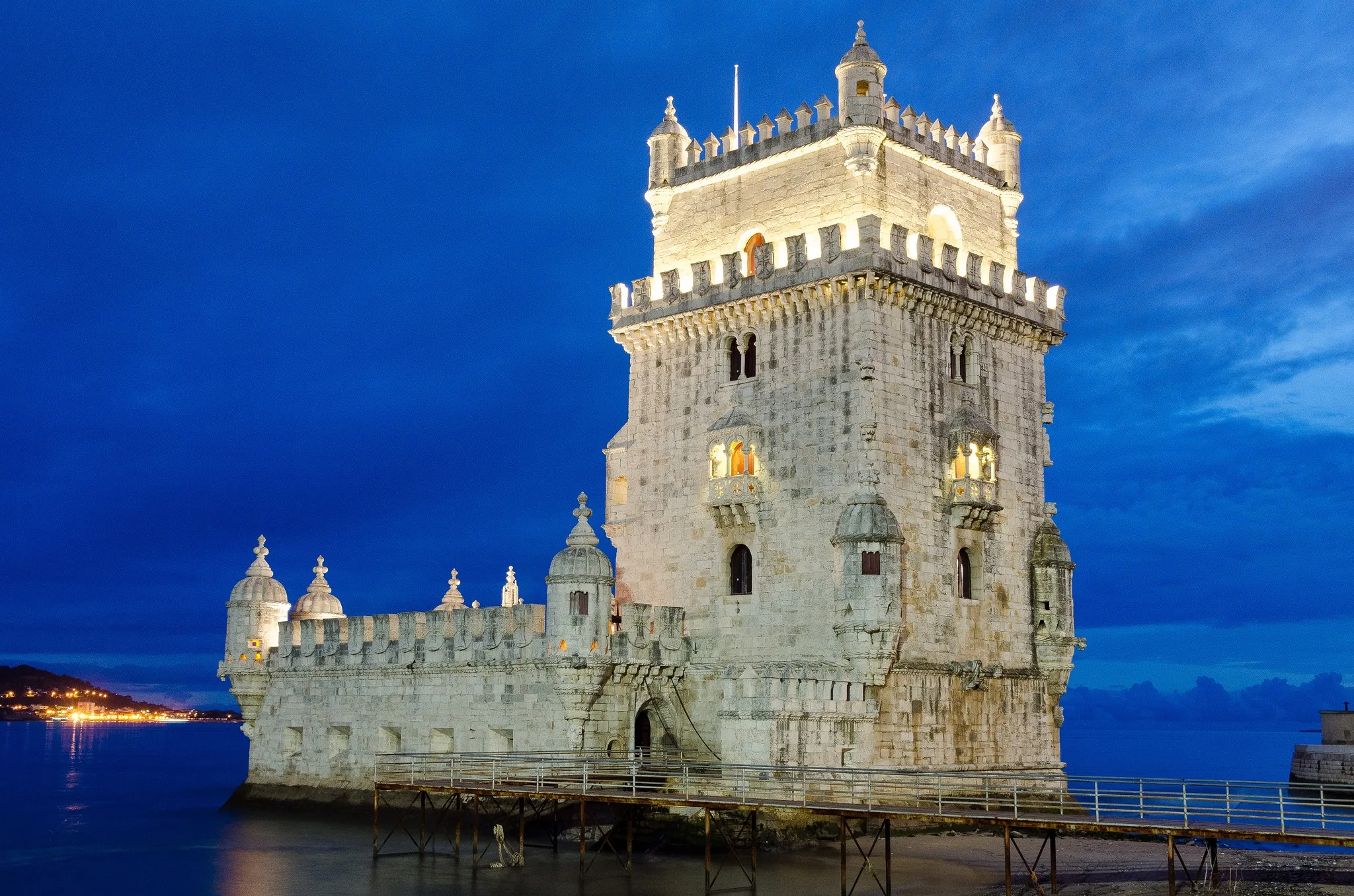
Lisbon, the capital city, is a mesmerizing blend of old-world charm and contemporary flair. Its iconic yellow trams, cobbled streets, and the hauntingly beautiful fado music create an atmosphere that is both nostalgic and vibrant. Visitors can explore historic neighborhoods like Alfama and Belém or indulge in the bustling nightlife of Bairro Alto. Don't miss the opportunity to savor pastéis de nata, the famous Portuguese custard tarts, at their birthplace in Belém.
Known for its stately bridges and port wine production, Porto is a city that captivates with its unique character and stunning architecture. Wander through the UNESCO-listed Ribeira District with its colorful riverfront buildings, or visit the Livraria Lello, one of the most beautiful bookstores in the world. A tasting tour at the nearby port wine cellars in Vila Nova de Gaia is a must for any wine enthusiast.
The Algarve, Portugal's southernmost region, is famous for its dramatic cliffs, golden beaches, and warm, azure waters. This coastal paradise offers opportunities for relaxation and adventure, from lounging on pristine beaches to exploring sea caves and rock formations. The charming towns of Lagos and Albufeira offer vibrant nightlife and rich local culture, making the Algarve a perfect destination for sun seekers and explorers alike.
Renowned for its terraced vineyards and world-class wines, the Douro Valley is a picturesque region that promises tranquility and indulgence. Visitors can enjoy scenic river cruises, sample exquisite wines at local quintas, and soak in the valley's breathtaking landscapes. The Douro Valley is a testament to Portugal's longstanding tradition of wine-making and its commitment to preserving natural beauty.
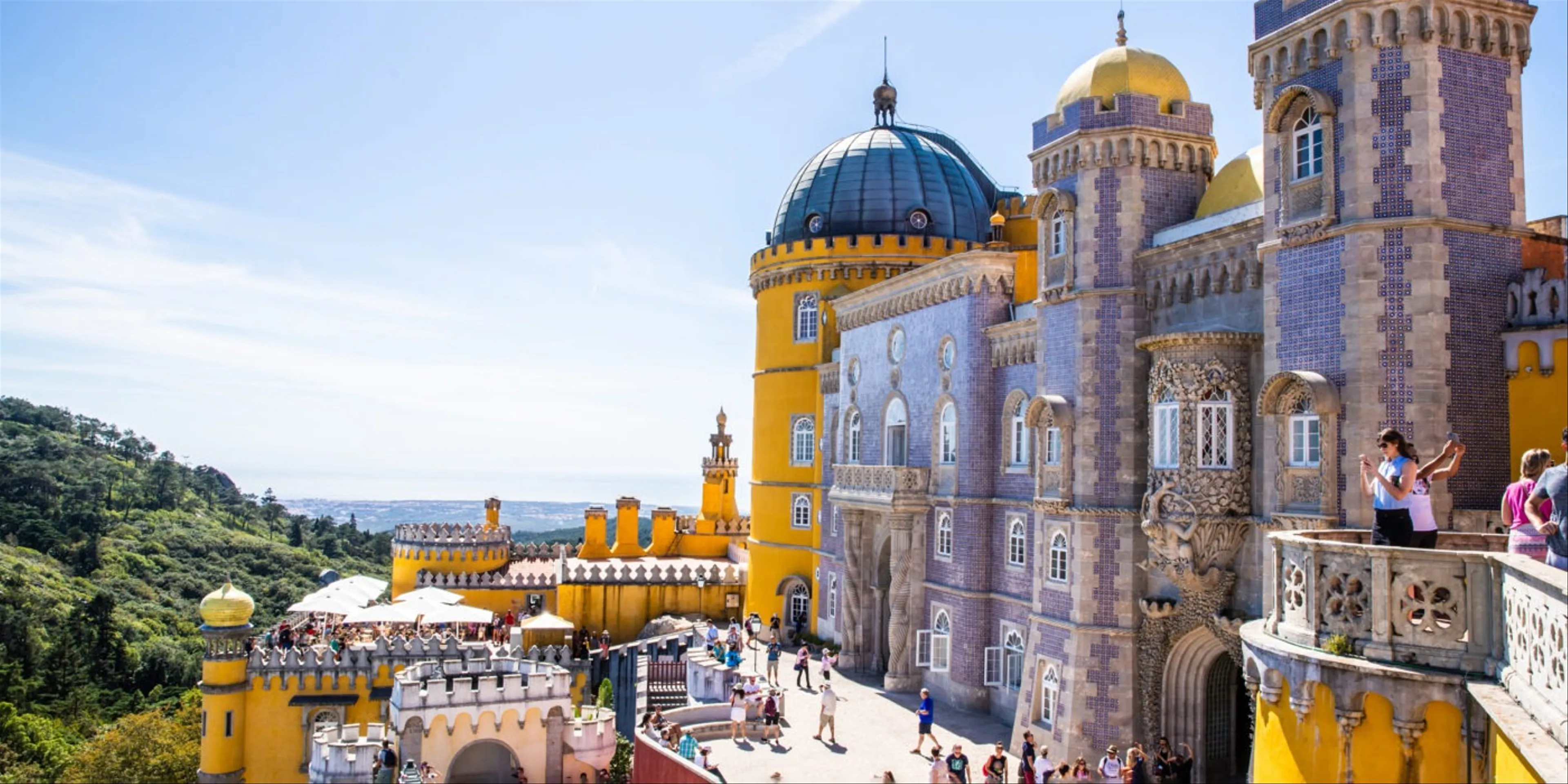
Nestled in the foothills of the Sintra Mountains, this enchanting town is renowned for its romantic 19th-century architecture and lush gardens. The colorful Pena Palace, with its whimsical design, and the mysterious Quinta da Regaleira, with its intricate and symbolic gardens, are must-visit attractions. Sintra offers a magical escape from the hustle and bustle of city life, captivating visitors with its fairy-tale charm.
Portugal is a treasure trove of captivating landscapes, historic landmarks, and vibrant culture that beckons travelers from around the globe. Whether you're exploring ancient castles, savoring exquisite cuisine, or experiencing lively festivals, the country's diverse attractions offer something for everyone. Here are some unmissable places to add to your Portuguese itinerary.
Step back in time in the charming town of Óbidos, a beautifully preserved medieval village encircled by imposing castle walls. Stroll through its narrow cobbled streets, lined with whitewashed houses adorned with colorful bougainvillea. The town's annual Medieval Market, where locals dress in period costumes and reenact historic events, adds an extra layer of magic to any visit.
Located in the Atlantic Ocean, Madeira is known for its lush landscapes, mild climate, and vibrant festivals. Hike through the island's Laurisilva forests, a UNESCO World Heritage site, or take a scenic drive along the dramatic coastline. Don't miss the annual Flower Festival, a dazzling celebration of Madeira's rich floral heritage and vibrant culture.
In the heart of the Alentejo region lies Évora, a city rich in history and cultural heritage. Home to the well-preserved Roman Temple of Diana and the eerie Chapel of Bones, Évora's historical significance is palpable. Stroll through the city's charming squares and alleyways, and savor the traditional flavors of Alentejo cuisine in local taverns.
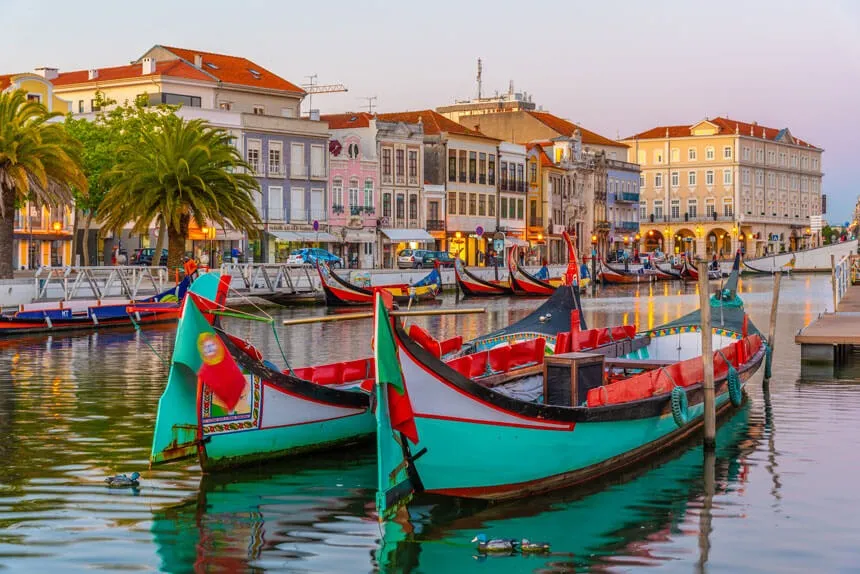
Famed for its network of picturesque canals and colorful moliceiro boats, Aveiro offers a unique blend of natural beauty and rich history. Explore the Art Nouveau architecture that graces the town or indulge in the local sweet delicacy, ovos moles, a creamy treat wrapped in a thin wafer. A boat tour through the canals provides a relaxing way to appreciate the town's charm.
Home to one of the world's oldest universities, Coimbra is a city steeped in academic tradition and youthful energy. Visit the stunning Joanina Library, adorned with intricate woodwork and gilded details, and enjoy a performance of fado de Coimbra, a unique style of fado music performed by students. The city's blend of history and vibrant student life makes it a fascinating place to explore.
Portugal is a country steeped in rich traditions and a vibrant lifestyle that reflects its historical roots and openness to modern influences. The Portuguese are known for their warm hospitality, deep sense of community, and a lifestyle that balances work, family, and leisure. From traditional music and dance to culinary delights and annual festivities, Portugal offers a cultural tapestry that invites travelers to immerse themselves in its unique way of life.
Fado is more than just music in Portugal; it is the soulful expression of the nation's heart and history. Typically performed in intimate venues, fado songs are characterized by their melancholic melodies and poignant lyrics, often reflecting themes of longing, love, and nostalgia. Lisbon and Coimbra are renowned for their fado traditions, where visitors can experience this emotive music in atmospheric settings.
The culinary landscape of Portugal is as diverse as its regions, offering a delightful array of flavors and dishes. From the fresh seafood of the coastal areas to the hearty stews of the interior, Portuguese cuisine is a celebration of local ingredients and traditional recipes. Don't miss trying bacalhau, the famous salted cod, or the savory cozido, a traditional meat and vegetable stew. Portuguese wines, particularly port and vinho verde, perfectly complement the country's gastronomic offerings.
Portugal's calendar is dotted with vibrant festivals that celebrate everything from religious traditions to local customs. The Festas de Lisboa in June transforms the capital with street parties, music, and parades, while the Carnaval of Ovar and Loulé bring colorful costumes and lively dances to the forefront. These festivals are a testament to the Portuguese spirit of joy and togetherness, offering travelers a chance to join in the celebrations.
The art of azulejos, or ceramic tiles, is an iconic aspect of Portuguese culture. These intricately patterned tiles adorn buildings, churches, and public spaces, telling stories of the country's history and artistic heritage. Walking through Portuguese cities, one can admire the colorful mosaics that add a unique charm and character to the urban landscape, making azulejos an integral part of Portugal's cultural identity.
The Portuguese lifestyle is characterized by a laid-back approach and a focus on enjoying life's simple pleasures. Family and community play a central role, with gatherings often centered around shared meals and conversations. The tradition of the evening passeggiata, a leisurely walk through the streets, reflects the importance of socializing and relaxation. Whether sipping coffee at a neighborhood café or enjoying a sunset by the sea, the Portuguese way of life encourages an appreciation for the present moment.
Portugal's natural beauty is as diverse as it is stunning, offering a variety of landscapes that range from rugged coastlines and golden beaches to lush forests and rolling hills. This small but geographically rich country invites nature lovers and adventure seekers to explore its breathtaking scenery, whether through hiking, surfing, or simply soaking in the serene vistas. Here are some of the most remarkable natural landscapes that make Portugal a standout destination for nature enthusiasts.
Situated in the northern region of Portugal, the Peneda-Gerês National Park is the country's only national park and a haven for wildlife and outdoor activities. With its mountainous terrain, cascading waterfalls, and ancient Roman roads, this park offers endless opportunities for hiking, birdwatching, and exploring picturesque villages. The park is home to diverse flora and fauna, including wild horses and the Iberian wolf, making it a must-visit for nature lovers.
Located in the Algarve, the Ria Formosa Natural Park is a unique coastal lagoon system that stretches along the coast of Faro. This protected area is a vital habitat for numerous bird species, making it a paradise for birdwatchers. Visitors can explore the park's diverse ecosystems, including salt marshes and barrier islands, through guided boat tours or by leisurely walks along its nature trails.
As the highest mountain range in mainland Portugal, Serra da Estrela offers stunning vistas, challenging hiking trails, and the country's only ski resort. This region is also famous for its traditional cheese, Queijo da Serra, a creamy delight that visitors can sample in local villages. The dramatic landscape, with its granite peaks and glacial valleys, provides a breathtaking backdrop for outdoor adventures year-round.
Just a short drive from Lisbon, the Arrábida Natural Park is renowned for its pristine beaches, turquoise waters, and lush Mediterranean vegetation. The park's limestone hills offer spectacular views of the Atlantic Ocean, while its secluded coves provide the perfect spot for swimming and sunbathing. Visitors can also explore the park's diverse flora and fauna through hiking or biking trails that meander through its scenic landscape.
The Azores, an autonomous region of Portugal, is an archipelago in the mid-Atlantic known for its volcanic landscapes, lush greenery, and vibrant marine life. Each island offers unique experiences, from the hot springs and fumaroles of São Miguel to the dramatic cliffs and waterfalls of Flores. The Azores are also a premier destination for whale watching, with numerous species of cetaceans frequenting its waters throughout the year.
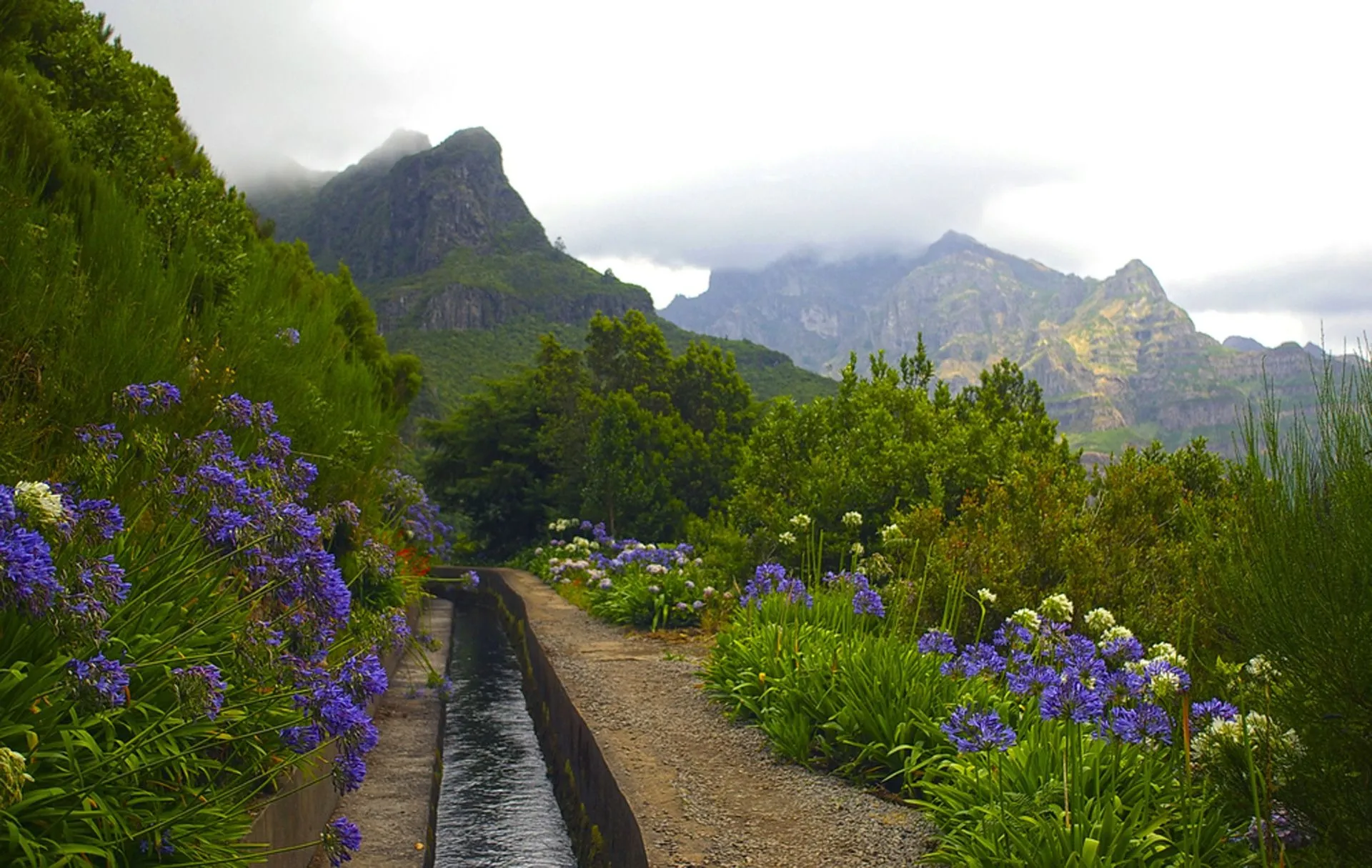
Often referred to as the "Pearl of the Atlantic," Madeira is a lush, subtropical island known for its stunning landscapes and vibrant gardens. The island's levadas, or irrigation channels, provide a network of trails that guide hikers through verdant forests, terraced fields, and breathtaking viewpoints. Madeira's temperate climate and diverse flora make it a year-round paradise for nature enthusiasts and adventure seekers alike.
Portugal's culinary scene is a rich tapestry of flavors and traditions, offering a delightful journey through the country's diverse regions. From the seafood-rich coastline to the hearty inland dishes, Portuguese cuisine is a celebration of fresh ingredients and time-honored recipes. Embark on a gastronomic adventure and savor the tastes that define Portugal's culinary heritage.
Known as the "faithful friend" in Portuguese cuisine, bacalhau, or salted cod, is a staple dish with over a thousand different recipes. Whether it's prepared with cream, grilled, or in a hearty stew, this versatile ingredient is a must-try for anyone visiting Portugal. Each region boasts its own unique take on bacalhau, showcasing the creativity and tradition of Portuguese cooking.
This indulgent sandwich, originating in Porto, is a must-try for meat lovers. The francesinha is layered with cured ham, linguiça, steak, and melted cheese, all smothered in a rich, spicy tomato and beer sauce. Often served with a side of fries, it's a hearty meal that perfectly captures the robust flavors of Portuguese comfort food.
Caldo verde is a beloved Portuguese soup that hails from the northern region of Minho. Made with kale, potatoes, and slices of chorizo, this simple yet flavorful dish is a comforting staple in Portuguese households. Often enjoyed during celebrations and festivals, caldo verde is both nourishing and delicious.
No trip to Portugal is complete without trying pastéis de nata, the iconic custard tarts that boast a crispy pastry shell and creamy filling. Originally from Lisbon's Belém district, these sweet treats are enjoyed nationwide and pair perfectly with a cup of strong Portuguese coffee.
This Algarve specialty is a seafood lover's dream, featuring a medley of clams, prawns, and fish cooked in a traditional copper cataplana dish. The combination of fresh seafood, tomatoes, and aromatic herbs creates a flavorful and aromatic stew that highlights the bounty of Portugal's coastline.
Arroz de tamboril, or monkfish rice, is a comforting seafood dish often compared to a risotto. This flavorful meal combines tender pieces of monkfish with rice, tomatoes, and a hint of saffron, resulting in a creamy and savory dish that is popular throughout the country.
Hailing from the Serra da Estrela region, queijo da Serra is a creamy, soft cheese made from sheep's milk. Its rich, buttery texture and slightly tangy flavor make it a delicious addition to any cheese platter. This artisanal cheese is best enjoyed with a slice of crusty bread or a drizzle of honey.
Infused with the fiery flavors of piri-piri peppers, this spicy grilled chicken dish is a favorite among locals and visitors alike. Often served with a side of fries or a fresh salad, piri-piri chicken showcases the bold and vibrant flavors that are characteristic of Portuguese cuisine.
Portugal is a year-round destination, offering unique experiences in every season. Whether you're drawn to its vibrant festivals, mild climate, or stunning landscapes, there's always a perfect time to explore this captivating country. Understanding the regional climates and seasonal highlights can help you plan an unforgettable Portuguese adventure tailored to your interests.
Spring is a delightful time to visit Portugal, as the weather is mild and the countryside bursts into bloom. This season is ideal for exploring the lush Douro Valley or embarking on hiking trails in the Peneda-Gerês National Park. With fewer tourists, spring offers a more relaxed experience in popular destinations like Lisbon and Porto.
Summer is peak tourist season in Portugal, with warm, sunny days perfect for beach vacations in the Algarve or exploring the stunning coastline of the Azores. Major cities like Lisbon and Porto buzz with energy, hosting numerous festivals and events. However, be prepared for larger crowds and higher prices during this period.
Autumn is a fantastic time to visit Portugal, as the summer crowds wane and the landscape takes on vibrant hues. The harvest season in the Douro Valley offers wine enthusiasts the chance to participate in grape-stomping festivities. The mild weather is also perfect for sightseeing and enjoying the country's rich culinary offerings.
Winter in Portugal is mild compared to other European countries, making it a great escape from colder climates. Cities like Lisbon and Porto offer cultural attractions and cozy cafes, while the Algarve remains a pleasant destination for sunshine seekers. Winter is also an excellent time for exploring Madeira's lush landscapes without the summer rush.
Traveling around Portugal is a delightful experience, thanks to its well-connected transportation network and scenic routes. Whether you prefer the convenience of public transport or the freedom of exploring by car, Portugal offers various options to suit your travel style. Discover the best ways to navigate this charming country and make the most of your Portuguese adventure.
Portugal's railway network is extensive and efficient, making trains an excellent option for long-distance travel. The country's high-speed Alfa Pendular trains connect major cities like Lisbon, Porto, and Faro, offering a fast and comfortable journey with modern amenities. Regional trains provide access to smaller towns and scenic routes, such as the Linha do Douro, which offers breathtaking views of the Douro Valley. Booking tickets in advance can secure better rates and seat reservations.
Buses are a cost-effective and reliable mode of transportation in Portugal, especially for reaching destinations not served by trains. The national bus company, Rede Expressos, operates routes connecting major cities and towns across the country. Local and regional bus services offer convenient options for exploring rural areas and coastal regions. Buses are typically equipped with air conditioning and comfortable seating, ensuring a pleasant travel experience.
Renting a car is a popular choice for travelers seeking the flexibility to explore Portugal at their own pace. The country's well-maintained road network includes scenic routes along the coast and through picturesque countryside. Driving in Portugal is straightforward, with clear signage and modern highways. Keep in mind that tolls are common on major motorways, and city centers can have narrow streets and limited parking. Renting a GPS or using a reliable navigation app can enhance your driving experience.
Lisbon and Porto both feature efficient metro systems that are ideal for getting around the cities quickly and affordably. The Lisbon Metro has four lines covering various neighborhoods and key attractions, while Porto's Metro do Porto extends to nearby suburbs and towns. Metro stations are typically clean and well-marked, with frequent service ensuring minimal wait times. Purchasing a rechargeable travel card can offer discounted fares for regular journeys.
Trams are an iconic feature of Lisbon's public transport system, offering a charming way to navigate the city's historic districts. The famous Tram 28 route takes passengers through picturesque neighborhoods like Alfama and Bairro Alto, providing a scenic journey through narrow streets and steep hills. While trams can become crowded during peak tourist seasons, they remain a quintessential Lisbon experience. In Porto, the heritage trams offer short rides along the riverfront and through the city center.
Taxis are widely available in Portuguese cities and towns, offering a convenient option for short distances or when public transport is less accessible. Licensed taxis are metered, and fares are generally reasonable. Ride-sharing services like Uber and Bolt also operate in major cities, providing an alternative to traditional taxis. These services can be easily booked through mobile apps, offering transparent pricing and cashless payment options.
For those who enjoy cycling, Portugal offers numerous opportunities to explore its landscapes on two wheels. Many cities, including Lisbon and Porto, have bike-sharing schemes and dedicated cycling paths. The Ecovia do Litoral is a popular coastal route in the Algarve, offering stunning views and leisurely rides. Cycling is an eco-friendly and active way to discover Portugal's scenic beauty at a relaxed pace.
Traveling to Portugal promises an unforgettable journey filled with stunning landscapes, rich culture, and delicious cuisine. To make the most of your visit, it's essential to be equipped with practical travel tips that can enhance your experience. From understanding local customs to navigating the public transport system, these tips will ensure a smooth and enjoyable trip to this enchanting country.
Portuguese is the official language of Portugal, and while many locals speak English, especially in tourist areas, knowing a few basic Portuguese phrases can be helpful and appreciated. Simple greetings or polite expressions can go a long way in enhancing your interactions with locals and immersing yourself in the culture.
The currency in Portugal is the Euro (€). Credit and debit cards are widely accepted, especially in urban areas, but it's always a good idea to carry some cash for smaller establishments or markets. ATMs are readily available, and foreign cards are generally accepted, but be aware of any potential fees from your bank.
Tipping in Portugal is not mandatory but is appreciated for good service. In restaurants, it is customary to leave a tip of 5-10% of the bill if service is not included. For taxi drivers, rounding up the fare is a common practice, and hotel staff may be tipped a small amount for exceptional service.
Portugal is considered one of the safest countries in Europe for travelers. However, it's always wise to exercise common safety precautions, like being aware of your surroundings and securing personal belongings. Healthcare services are excellent, and pharmacies are well-stocked. Ensure you have travel insurance that covers any medical needs during your trip.
Portugal uses the standard European plug type C and F, with a voltage of 230V. Travelers from countries with different plug types should bring an adapter. Wi-Fi is widely available in hotels, cafes, and public areas, and purchasing a local SIM card can provide additional connectivity for your travels.
Portugal's dress code is generally casual, but modesty is appreciated when visiting religious sites. The weather varies by region and season, so pack accordingly. Lightweight clothing is suitable for summer, while warmer layers are recommended for cooler months, especially in the northern regions.
Portuguese people are known for their warm hospitality and politeness. Greeting with a handshake or a kiss on both cheeks is common in social situations. It's customary to greet shopkeepers and waitstaff with a polite "bom dia" (good day) or "boa tarde" (good afternoon) upon entering establishments.
Portugal's public transport system is efficient and affordable. Invest in a rechargeable travel card for metro and bus rides to save on fares. In Lisbon, the Viva Viagem card offers unlimited travel for a set period, making it a convenient option for city exploration. Always validate your ticket before boarding to avoid fines.
Engaging with locals can enrich your travel experience. Consider joining a guided tour or participating in local events and workshops to learn more about Portuguese culture and traditions. Socializing at neighborhood cafes or markets provides opportunities to connect with residents and gain insider tips on the best local spots.
Portugal is a country that thrives on celebration, with its calendar packed full of festivals and events that highlight its rich cultural heritage and vibrant community spirit. From religious festivities to music and art festivals, these events offer unique insights into Portuguese traditions and provide travelers with unforgettable experiences. Here are some of the most notable festivals and events to consider when planning your visit to Portugal.
Carnaval in Portugal is a lively and colorful event celebrated across the country before Lent. The festivities are particularly grand in cities like Lisbon, Ovar, and Loulé, featuring parades with elaborate costumes, samba music, and vibrant floats. This celebration is a fantastic opportunity to experience the exuberance and creativity of Portuguese culture.
Taking place throughout the month of June, the Festas de Lisboa transform the capital into a lively celebration of Saint Anthony, the city's patron saint. This festival features street parties, traditional music, dance, and the famous sardine grills. The highlight is the Marchas Populares, a parade where different neighborhoods compete with colorful costumes and choreographed routines.
Held in Viseu, the Feira de São Mateus is one of Portugal's oldest and most traditional fairs, dating back to the 12th century. This event spans several weeks in the summer, offering a mix of music concerts, traditional crafts, food stalls, and amusement rides. It's a perfect blend of historical traditions and contemporary entertainment.
Located in Zambujeira do Mar, the Festival do Sudoeste is one of Portugal's largest music festivals, attracting international and local artists. Set against the stunning backdrop of the Alentejo coast, this festival is a must for music lovers seeking a diverse lineup of performances ranging from rock and pop to electronic music.
Celebrating the arrival of spring, the Madeira Flower Festival is a spectacular event held in Funchal, featuring vibrant parades, floral carpets, and intricate flower displays. The highlight is the Wall of Hope ceremony, where children place flowers on a wall to symbolize peace and unity. This festival showcases the island's rich floral diversity and cultural pride.
The Sao Joao Festival, celebrated in Porto, is a lively midsummer festival dedicated to Saint John. The city comes alive with fireworks, concerts, and street parties, while locals and visitors partake in the tradition of hitting each other with soft plastic hammers. The festival culminates in a stunning display of fireworks over the Douro River.
Held every four years in Tomar, the Festa dos Tabuleiros is a unique festival featuring processions of elaborately decorated trays carried on the heads of women dressed in traditional attire. The trays are adorned with bread, flowers, and wheat, symbolizing prosperity and community spirit. This festival is a spectacular display of local tradition and artistic expression.
Nos Alive is a popular music festival held in Lisbon, drawing international crowds with its impressive lineup of global artists. Known for its diverse music genres and vibrant atmosphere, this festival takes place near the stunning beaches of Algés, making it an ideal destination for music fans and beachgoers alike.
This festival celebrates fado, the soulful music genre that is deeply embedded in Portuguese culture. Taking place in various cities, including Lisbon and Porto, the Fado Festival features performances by renowned fado singers in atmospheric venues. It's a chance for visitors to experience the emotive power and haunting beauty of this traditional music style.
Beyond Portugal's famous landmarks and well-trodden tourist paths lie unique experiences and hidden gems waiting to be discovered. From enchanting coastal villages to mysterious archaeological sites, Portugal offers a myriad of off-the-beaten-path adventures that promise to enrich your travel experience. Whether you're a history enthusiast, a nature lover, or a culinary explorer, these lesser-known destinations and activities provide a deeper connection to the authentic spirit of Portugal.
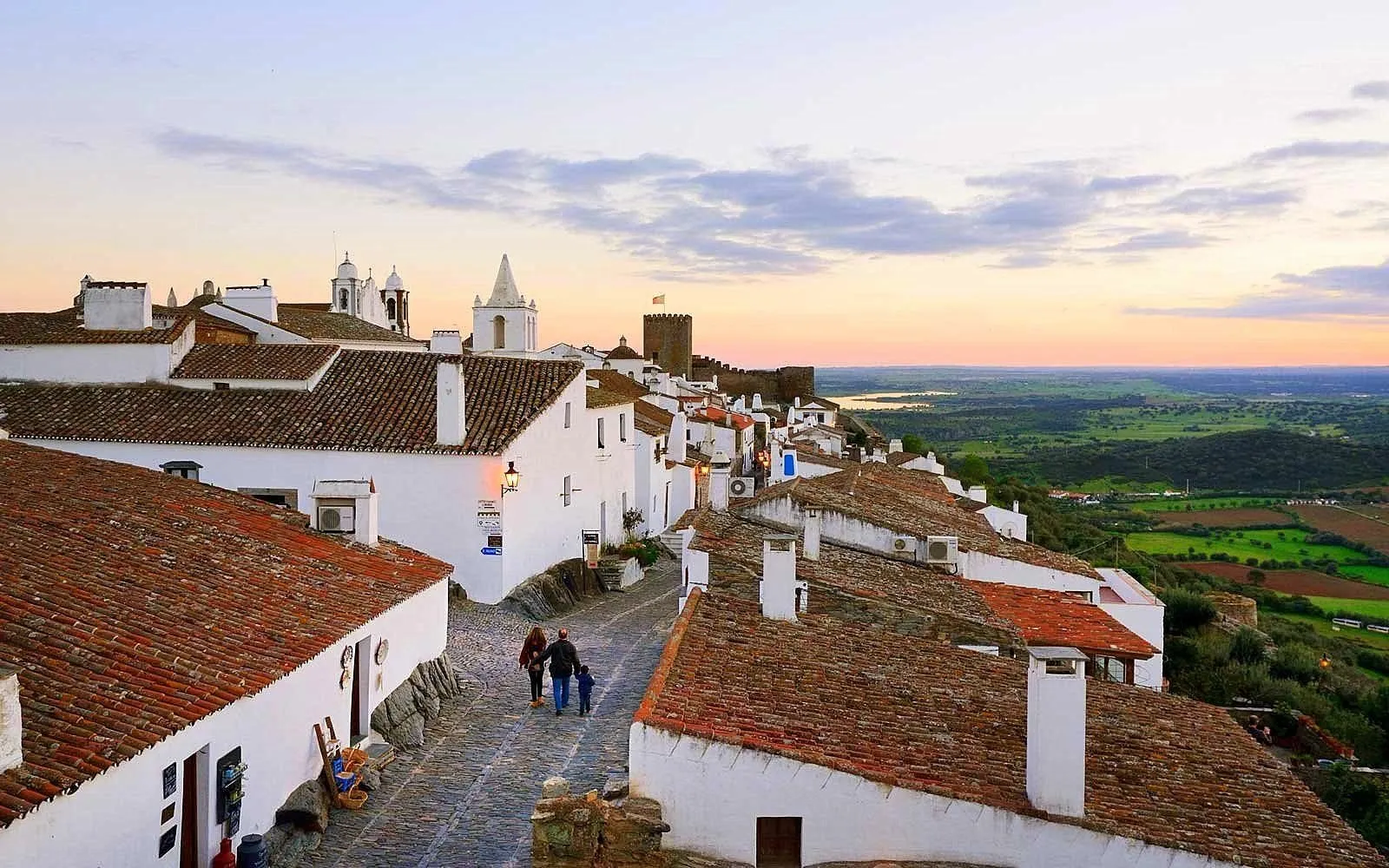
Explore the tranquil beauty of Alentejo, a region renowned for its rolling plains and charming whitewashed villages. Places like Monsaraz and Marvão captivate with their medieval architecture and panoramic views. Wander through cobblestone streets, savor regional wines, and discover the region's rich history and warm hospitality.
The Côa Valley is home to one of the world's largest open-air collections of prehistoric rock art. Guided tours offer insights into the ancient engravings that date back to the Upper Paleolithic period. This UNESCO World Heritage site is a hidden gem for those interested in archaeology and human history.
For surf enthusiasts seeking uncrowded waves, the Costa Vicentina is a paradise. This stretch of protected coastline offers pristine beaches, rugged cliffs, and consistent swells. Whether you're a seasoned surfer or a beginner, the natural beauty and laid-back vibe make for an unforgettable experience.
The Bussaco Forest is a mystical woodland that combines natural beauty with historical intrigue. Wander through its lush landscape dotted with exotic plants, ancient trees, and the stunning Bussaco Palace. The forest's serene trails and hidden chapels offer a peaceful retreat into nature.
Venture into the depths of the Grutas de Mira de Aire, one of Portugal's most impressive cave systems. The guided tour takes you through a labyrinth of limestone formations, underground lakes, and stunning stalactites and stalagmites. This natural wonder provides a fascinating glimpse into the subterranean world.
Alcobaça, famous for its UNESCO-listed monastery, is also a haven for pastry lovers. The town offers a delightful array of conventual sweets, traditional pastries created by nuns using centuries-old recipes. Try the "cornucópias" and "tibias," which are as rich in flavor as they are in history.
Tomar, a town steeped in the legacy of the Knights Templar, is home to the Convent of Christ, a UNESCO World Heritage site. Explore the castle's intricate architecture and learn about the Templars' profound influence on Portuguese history. Tomar's historic charm and mysterious past make it a captivating destination.
On the island of São Miguel in the Azores, Furnas is famous for its geothermal activity and soothing thermal baths. Relax in the natural hot springs surrounded by lush greenery, or try the traditional "cozido das Furnas," a stew slow-cooked underground using volcanic heat.
Tavira, a picturesque town in the Algarve, offers a glimpse into the region's Moorish past. Its charming streets are lined with traditional architecture, beautiful churches, and a scenic Roman bridge. Enjoy a leisurely stroll along the Gilão River and immerse yourself in Tavira's laid-back ambiance.
No tours published here yet.
Stay connected in Portugal with instant mobile data — no roaming fees, no physical SIM.
Discover tours, attractions and travel services for Portugal.