
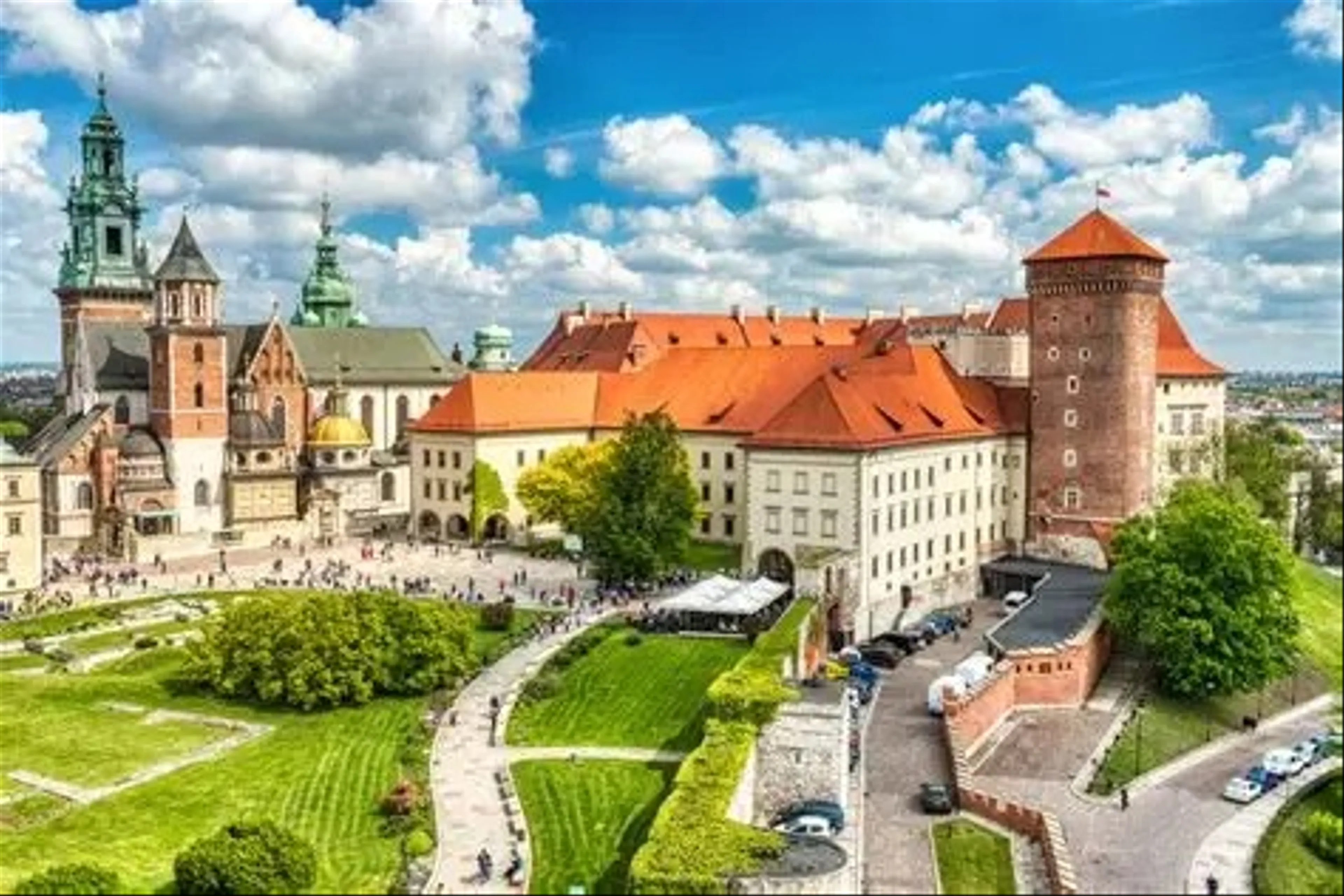
Poland, a land where the echoes of history meet the vibrancy of modern life, offers a unique tapestry of experiences that captivate the heart and soul of travelers. From its medieval architecture and sprawling natural landscapes to its vibrant cultural festivals and delectable cuisine, Poland is a country that seamlessly blends tradition with contemporary allure. Whether you're wandering through ancient streets or indulging in the local flavors, every corner of Poland invites you to discover its essence in a myriad of unforgettable ways.
Poland's cities are living museums, each with its own story to tell. Kraków, with its stunning Old Town and the iconic Wawel Castle, is a testament to Poland's rich medieval past. Warsaw, the capital, presents a remarkable blend of history and modernity, with its meticulously reconstructed Old Town and soaring skyscrapers. Gdańsk, on the Baltic coast, entices visitors with its maritime heritage and charming Hanseatic architecture.
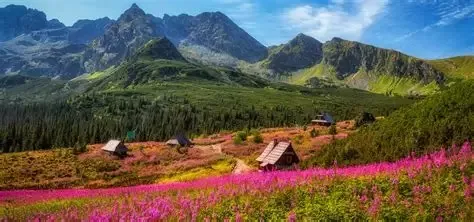
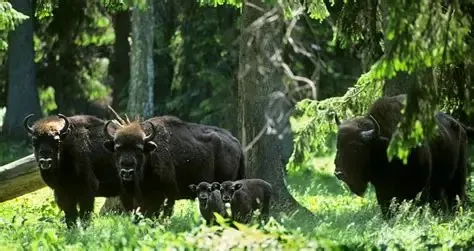
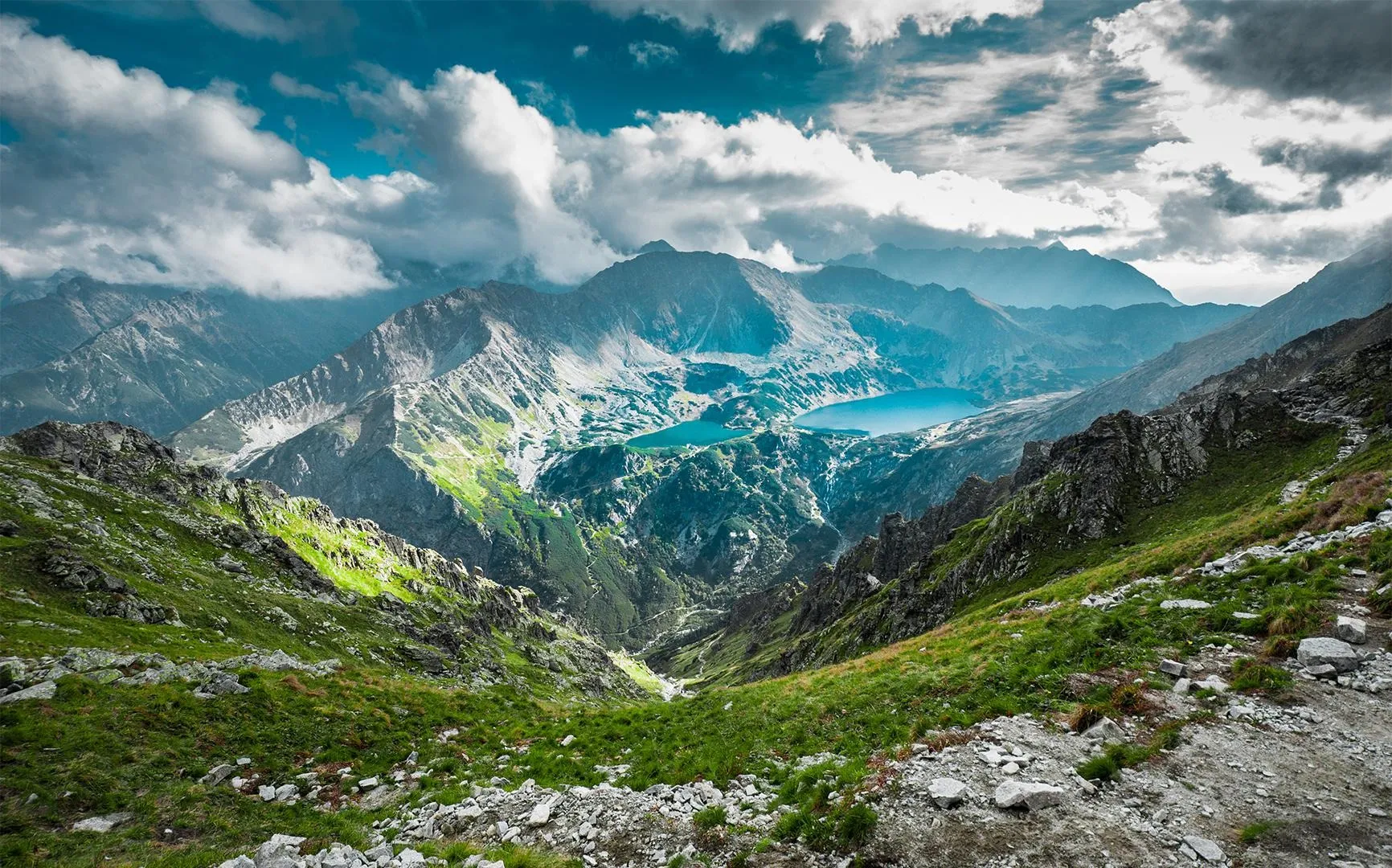
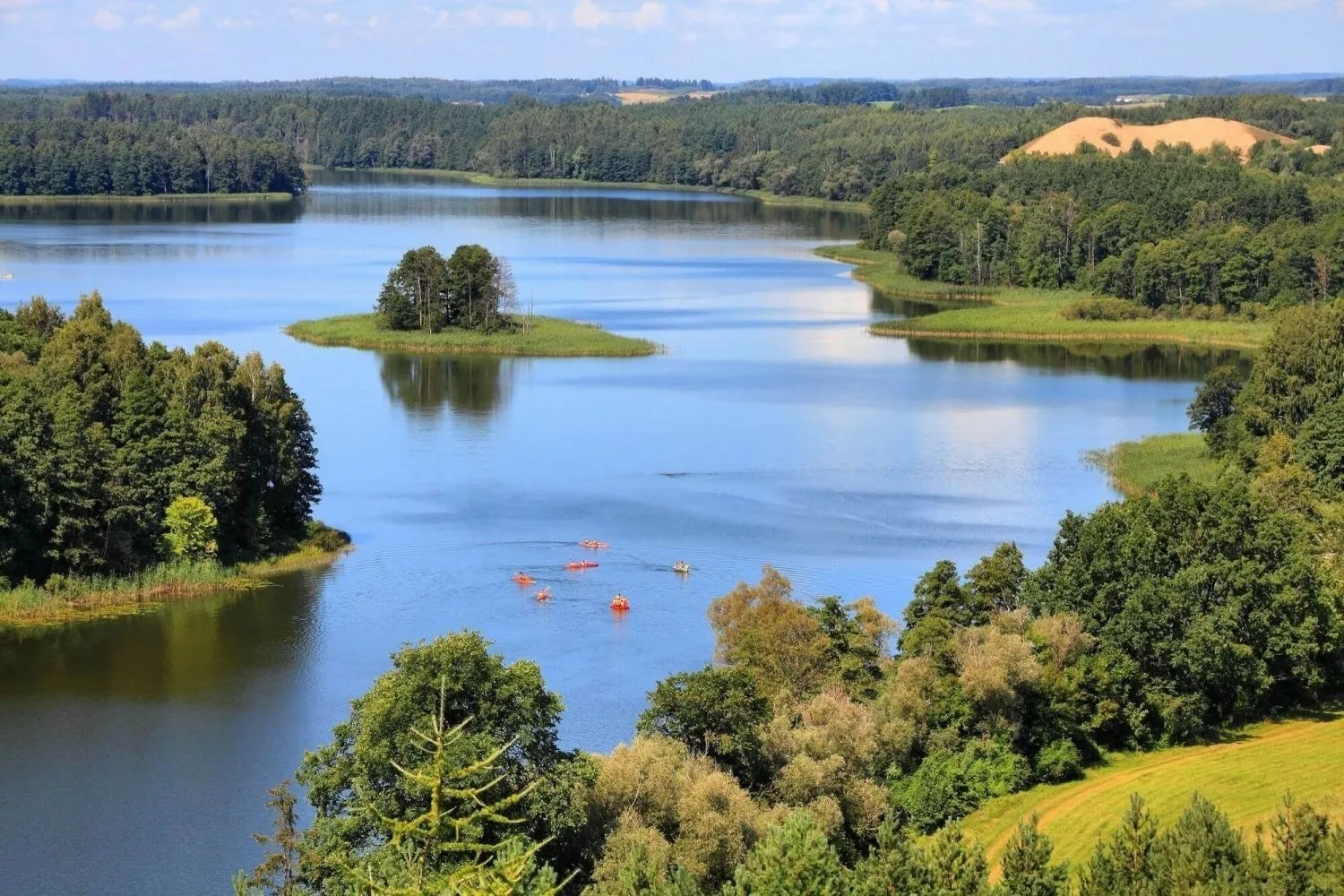
Poland's diverse landscapes offer breathtaking natural beauty that appeals to nature enthusiasts and adventure seekers alike. The Tatra Mountains, with their rugged peaks and serene valleys, provide excellent opportunities for hiking and skiing. The lush Białowieża Forest, a UNESCO World Heritage site, is home to the European bison and offers a rare glimpse into Europe's primeval forests. The picturesque Masurian Lake District, with over 2,000 lakes, is perfect for sailing and relaxation.
Poland's vibrant cultural scene is punctuated by numerous festivals that celebrate its traditions and modern culture. The Kraków Film Festival and the Warsaw International Film Festival highlight the country's dynamic film industry. The annual Pierogi Festival in Kraków showcases the beloved Polish dumplings in a variety of flavors, reflecting the country's rich culinary heritage. Additionally, the Wianki Festival in Warsaw, a midsummer celebration, features music, dance, and traditional rituals along the Vistula River.
Polish cuisine is a delightful exploration of flavors, deeply rooted in tradition yet open to modern influences. Pierogi, the famous Polish dumplings, are a must-try, available in both savory and sweet varieties. Bigos, known as hunter's stew, is a hearty dish made from sauerkraut and meat, perfect for warming up during the colder months. Don't miss the chance to savor traditional Polish desserts like sernik, a creamy cheesecake, or paczki, delicious doughnuts typically enjoyed during Fat Thursday.
Poland is a treasure trove of unique destinations that promise unforgettable experiences for every type of traveler. From charming towns steeped in history to breathtaking natural landscapes, each location offers its own distinct allure. This section highlights some of the must-visit places in Poland, inviting you to explore the country's diverse and captivating attractions.
Known as the "Venice of Poland" due to its picturesque network of canals and stunning architecture, Wrocław is a vibrant city that enchants visitors with its colorful Market Square and the Gothic beauty of Wrocław Cathedral. The city is also renowned for its whimsical dwarf statues scattered throughout the streets, each with its own backstory, adding a touch of charm and intrigue to your exploration.
Nestled at the foot of the Tatra Mountains, Zakopane is Poland’s premier mountain resort, attracting visitors year-round with its outdoor activities. In winter, it becomes a wonderland for skiing and snowboarding enthusiasts, while summer offers hiking trails with breathtaking views. The town itself is a showcase of traditional highlander culture, with wooden chalets and local crafts providing a glimpse into the region's rich heritage.
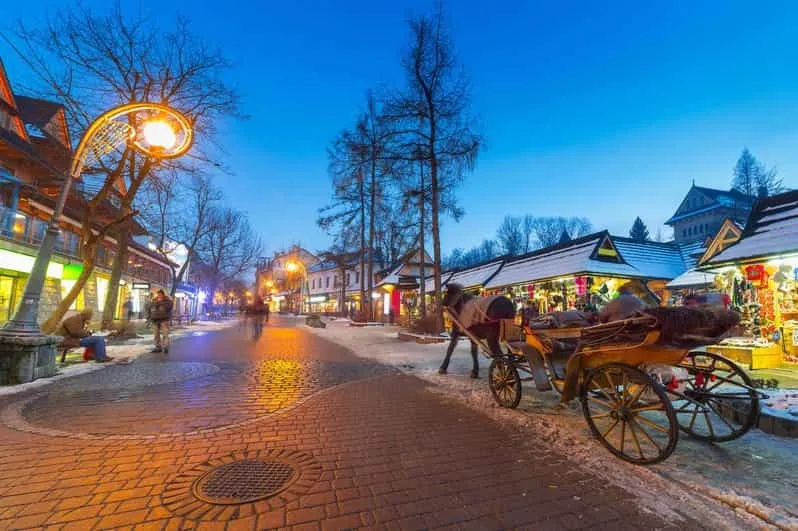
Toruń, the birthplace of the astronomer Nicolaus Copernicus, is a city that boasts a perfectly preserved medieval old town, recognized as a UNESCO World Heritage site. Famous for its Gothic architecture and delicious gingerbread, Toruń is a delightful destination for history buffs and food lovers alike. Don’t miss a visit to the Copernicus Museum and the Leaning Tower of Toruń.
A visit to Auschwitz-Birkenau is a poignant and necessary experience for any traveler seeking to understand Poland's history. As the largest of the Nazi concentration camps, it stands as a solemn memorial to the millions who lost their lives during the Holocaust. Guided tours offer a deeply moving insight into the past, ensuring the memories of those who suffered are never forgotten.
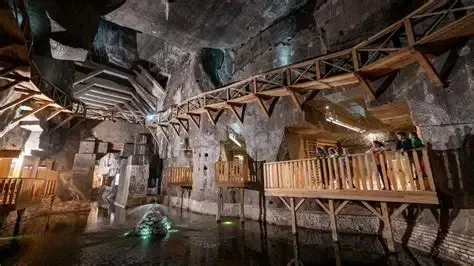
Located near Kraków, the Wieliczka Salt Mine is a remarkable underground labyrinth of tunnels, chambers, and chapels carved entirely from salt. This UNESCO World Heritage site offers guided tours that take you through its stunning subterranean landscapes, showcasing intricate salt sculptures and the breathtaking Chapel of St. Kinga. It's a testament to human ingenuity and a truly unique attraction not to be missed.
Poland is a country deeply rooted in tradition, where age-old customs blend seamlessly with contemporary lifestyles. From its folklore and traditional crafts to its modern urban culture, Poland offers a rich tapestry of cultural insights that provide a deeper understanding of its people and their way of life. This section delves into the traditions and lifestyle that define Poland, offering travelers a glimpse into the heart of this vibrant nation.
Polish traditional crafts are a testament to the country's rich cultural heritage, passed down through generations. One of the most renowned crafts is the art of Wycinanki, intricate paper cuttings that depict various motifs and are used for decoration. Another notable craft is pottery from Bolesławiec, famous for its distinctive blue and white patterns. These crafts not only preserve Poland's artistic legacy but also make for unique souvenirs.
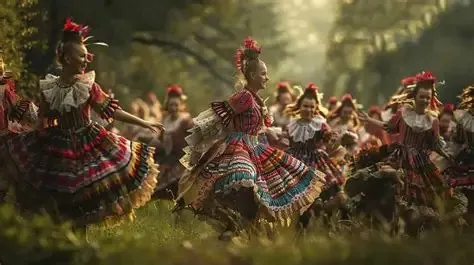
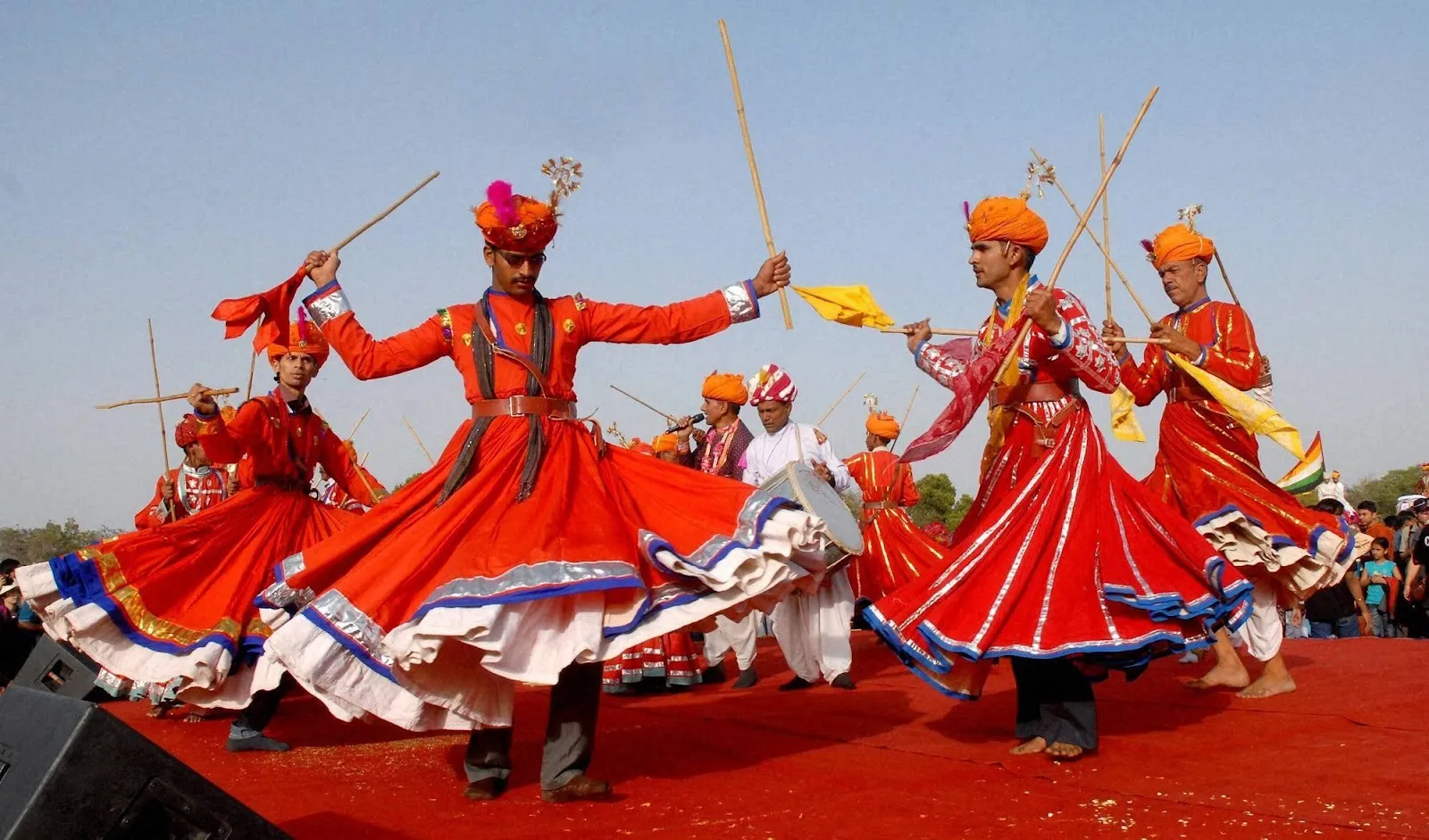
Folk music and dance are integral to Polish culture, with each region boasting its own unique style. The lively Mazurka and the Polonaise are traditional dances often performed at festivals and cultural events. Music, played on instruments like the accordion and violin, accompanies these dances, creating an atmosphere of joy and celebration. Experiencing a Polish folk performance offers a vibrant insight into the country's cultural soul.
Religion plays a significant role in Polish life, with Catholicism being the predominant faith. Many Polish traditions are intertwined with religious customs, such as the celebration of Easter and Christmas. During Easter, the blessing of Easter baskets and the Śmigus-Dyngus water splashing tradition are observed with enthusiasm. Christmas in Poland is marked by the sharing of opłatek wafers and the Wigilia feast, reflecting the country's strong sense of community and family.
Poland's calendar is filled with festive celebrations that showcase its rich cultural tapestry. One of the most colorful is the Wianki festival in Kraków, where floating wreaths on the Vistula River mark the summer solstice. Another is the Lajkonik festival, a lively parade in Kraków featuring a costumed horse rider, rooted in medieval history. These celebrations offer travelers a chance to immerse themselves in the joyous spirit and traditions of Poland.
While Poland cherishes its traditions, it also embraces modernity, evident in its bustling cities and contemporary art scene. Urban centers like Warsaw and Kraków are hubs of innovation and creativity, with a thriving café culture, trendy boutiques, and dynamic nightlife. The juxtaposition of historical landmarks with modern architecture reflects Poland's evolution into a nation that honors its past while looking toward the future.
Poland's natural beauty is as diverse as it is breathtaking, offering a wealth of landscapes that range from majestic mountain ranges to serene lakes and expansive forests. This rich variety provides ample opportunities for outdoor adventures and peaceful retreats, making Poland a haven for nature lovers and adventurers alike. Whether you're scaling the heights of the Tatra Mountains or exploring the tranquil paths of its lush national parks, Poland's landscapes promise unforgettable experiences.
The Tatra Mountains, part of the Carpathian range, are a stunning natural border between Poland and Slovakia. Known for their dramatic peaks and valleys, the Tatras offer numerous hiking trails, ranging from leisurely walks to challenging climbs. The area is particularly popular among winter sports enthusiasts, with resorts like Zakopane providing excellent skiing and snowboarding facilities. The mountains also host a rich array of flora and fauna, including the rare Tatra chamois.
As one of the last and largest remaining parts of the primeval forest that once covered much of Europe, Białowieża Forest is a UNESCO World Heritage site and a natural wonder. Home to the European bison, this ancient woodland offers a glimpse into the continent's prehistoric past. Visitors can explore the forest through guided tours, which provide insights into its unique ecosystem and the ongoing conservation efforts to protect this vital habitat.
Renowned for its more than 2,000 lakes, the Masurian Lake District is a paradise for water sports enthusiasts and those seeking relaxation by the water. The region's interconnected lakes and rivers make it an ideal destination for sailing, kayaking, and fishing. Aside from water activities, the area boasts charming villages and historic castles, providing a picturesque setting for leisurely exploration and cultural discovery.
The Bieszczady Mountains, located in southeastern Poland, offer a serene escape into nature's tranquility. Known for their rolling hills and unspoiled landscapes, these mountains are perfect for hiking and wildlife watching. The region's remote location and low population density create a sense of seclusion, allowing visitors to truly disconnect and enjoy the natural beauty around them. The Bieszczady are also home to rare animal species such as lynxes and wolves.
Famous for its shifting sand dunes, Slowinski National Park along the Baltic Sea coast is a unique landscape that resembles a desert. The park's dunes, some reaching heights of up to 30 meters, are constantly reshaped by the wind, creating a dynamic and ever-changing scenery. Visitors can walk along the wooden paths and sand trails, discovering the diverse plant and animal life that thrives in this coastal environment.
Polish cuisine is a delightful journey through rich flavors and traditional recipes that have been passed down through generations. Known for its hearty and comforting dishes, Polish food offers a unique blend of ingredients and techniques that reflect the country's diverse history and cultural influences. From savory staples to sweet treats, the culinary landscape of Poland is as varied as it is delicious, promising a memorable experience for every palate. Whether you're dining in a cozy countryside inn or a bustling city restaurant, the flavors of Poland are sure to enchant and satisfy.
Pierogi are arguably the most iconic Polish dish, beloved by locals and visitors alike. These dumplings are typically filled with a variety of ingredients, including potatoes, cheese, meat, mushrooms, or fruit. Served boiled, fried, or baked, pierogi can be enjoyed as a main course or a sweet dessert. They are often topped with sour cream, butter, or crispy onions, making them a versatile and comforting meal.
Known as "hunter's stew," Bigos is a traditional Polish dish that embodies the essence of home-cooked comfort food. It is made with a mix of sauerkraut and fresh cabbage, slow-cooked with a variety of meats such as pork, beef, and sausage. Flavored with spices like bay leaves and allspice, Bigos is a hearty and satisfying dish that is especially popular during the colder months.
Zurek is a distinctive sour rye soup that holds a special place in Polish cuisine. Made with fermented rye flour, it is often enriched with smoked sausage, boiled eggs, and potatoes, offering a tangy and savory flavor profile. Zurek is traditionally served in a bread bowl, adding an extra layer of texture and taste to this beloved soup.
Gołąbki, or stuffed cabbage rolls, are a staple in Polish households and a favorite at family gatherings. These rolls are made by wrapping a mixture of minced meat, rice, and spices in cabbage leaves, then baking them in a tomato sauce until tender. Gołąbki offer a delicious blend of flavors and are often enjoyed with a dollop of sour cream.
Kielbasa, the famous Polish sausage, is a versatile meat delicacy that comes in various flavors and styles. Made from pork, beef, or a combination of meats, Kielbasa is seasoned with garlic, marjoram, and other spices. It can be grilled, boiled, or smoked, and is often served with mustard, sauerkraut, or as an accompaniment to other traditional dishes.
Sernik is a classic Polish dessert that is sure to delight any sweet tooth. This creamy cheesecake is made with twaróg, a type of Polish curd cheese, giving it a distinct texture and flavor. Often flavored with vanilla, lemon zest, or raisins, Sernik is a must-try treat that showcases the simpler, yet rich side of Polish baking traditions.
Pączki are sweet, airy doughnuts that are typically filled with fruit jam or custard and dusted with powdered sugar. Traditionally enjoyed on Fat Thursday, the last Thursday before Lent, Pączki are a delectable indulgence that has become a year-round favorite in Poland. With their soft, pillowy texture and sweet fillings, these doughnuts are a delightful way to end any meal.
When planning a trip to Poland, it's essential to consider the country's distinct seasons, each offering its unique experiences and attractions. Whether you're drawn to the summer festivals, the vibrant colors of autumn, the winter wonderlands, or the blooming spring landscapes, Poland welcomes travelers year-round with its diverse climate and cultural events. This section provides insights into the best times to visit Poland, helping you make the most of your journey.
Spring in Poland is a time of renewal, with blooming flowers and milder temperatures making it an ideal time for outdoor activities and sightseeing. The countryside comes alive with vibrant colors, and city parks offer a pleasant backdrop for leisurely strolls. Spring is also the season for Easter celebrations, a significant cultural event in Poland, where you can experience traditional customs and culinary delights.
Summer is the peak tourist season in Poland, with warm weather and long days perfect for exploring the country's natural beauty and historic sites. The coastal areas along the Baltic Sea are particularly inviting, offering sandy beaches and lively seaside resorts. Summer is also festival season, with events like the Heineken Open'er Festival in Gdynia and Kraków's Jewish Culture Festival providing vibrant cultural experiences.
Autumn in Poland is a picturesque time of year, with the landscapes transforming into a tapestry of red, orange, and gold. This season is perfect for hiking in the mountains or visiting the many national parks. Autumn is also harvest time, offering a chance to savor seasonal produce and traditional Polish dishes at food festivals across the country. The cooler temperatures make for comfortable sightseeing in the cities as well.
Winter in Poland is synonymous with snow-covered landscapes and festive cheer. The Tatra Mountains become a hub for winter sports enthusiasts, with skiing and snowboarding opportunities aplenty. Poland's cities, especially Kraków and Warsaw, are beautifully illuminated with Christmas markets and holiday decorations. Experiencing traditional Polish winter dishes, like warm soups and hearty stews, adds to the cozy atmosphere of a winter visit.
Getting around Poland is a pleasant and straightforward experience, offering a variety of transportation options that cater to every traveler's needs. Whether you're exploring bustling cities, quaint towns, or picturesque countryside, Poland's efficient infrastructure ensures that your journey is comfortable and convenient. This section provides insights into the best ways to travel across Poland, helping you make the most of your visit.
Poland boasts a well-developed rail network that connects major cities and towns, making trains a popular choice for both short and long-distance travel. Operated primarily by Polskie Koleje Państwowe (PKP), the trains range from high-speed intercity services to scenic regional lines. Traveling by train offers a comfortable and scenic way to explore the country, with many routes providing stunning views of Poland's diverse landscapes.
Buses offer an extensive network across Poland, reaching destinations that may not be accessible by train. Companies like PolskiBus and FlixBus provide affordable and reliable services, connecting cities and smaller towns. Buses are a great option for budget travelers and those looking to explore off-the-beaten-path locations. Modern coaches often come equipped with Wi-Fi and comfortable seating, ensuring a pleasant journey.
For travelers short on time, domestic flights are a convenient option for covering long distances within Poland. Major airlines like LOT Polish Airlines offer regular flights between key cities such as Warsaw, Kraków, Gdańsk, and Wrocław. While flying might be more expensive than other modes of transport, it significantly reduces travel time, allowing you to maximize your time exploring the country.
Renting a car in Poland provides the flexibility to explore the country at your own pace. It is an excellent option for those planning to visit rural areas or embark on road trips through Poland's scenic countryside. Car rental agencies are widely available at airports and in major cities. Driving in Poland is relatively straightforward, with well-maintained roads and clear signage, though it's advisable to familiarize yourself with local traffic regulations.
Poland's cities offer efficient public transportation systems, including buses, trams, and metro services that make getting around urban areas easy and convenient. Warsaw's metro is particularly noteworthy for its speed and coverage. Public transport is not only affordable but also provides a glimpse into local life. Tickets are available at kiosks and automated machines, and multiple ride passes can offer savings for longer stays.
Taxis are readily available in Polish cities and can be a convenient option for short distances or when public transport is less accessible. It's advisable to use official taxi services or apps like iTaxi or Bolt to ensure fair pricing. Ride-sharing services such as Uber are also available in major cities, offering a reliable and often cost-effective alternative to traditional taxis.
Traveling to Poland offers a wealth of experiences, from its historic cities and stunning natural landscapes to its rich cultural heritage and delicious cuisine. To ensure a smooth and enjoyable trip, it’s helpful to be equipped with some practical travel tips. This section provides essential advice on everything from currency and language to safety and etiquette, helping you navigate Poland with ease and confidence.
The official currency of Poland is the Polish Zloty (PLN). While credit cards are widely accepted in cities, it's advisable to carry some cash, especially in smaller towns and rural areas where card payments might not be possible. ATMs are readily available, and currency exchange offices (Kantor) offer competitive rates. Always check for hidden fees when exchanging money or withdrawing cash.
Polish is the official language, and while many younger Poles speak English, especially in urban areas and tourist spots, it's useful to learn a few basic Polish phrases to enhance your travel experience. Simple greetings and polite expressions are appreciated and can help in interactions with locals, particularly in more remote areas.
Poland is generally a safe country for travelers, with low crime rates and a welcoming atmosphere. However, it's always wise to remain vigilant, especially in crowded places and tourist hotspots, to avoid pickpocketing. Keep your belongings secure and be cautious when using ATMs. In case of emergencies, dial 112 for European emergency services.
Poland has a good standard of healthcare, with pharmacies (Apteka) widely available even in smaller towns. It's recommended to have travel insurance that covers medical expenses during your trip. For EU citizens, the European Health Insurance Card (EHIC) provides access to necessary medical treatment on the same terms as Polish nationals.
When using public transportation, it's polite to offer your seat to the elderly, pregnant women, and those with disabilities. Tickets should be validated upon boarding, and spot checks are common. In taxis, it's customary to round up the fare as a tip, though tipping is not obligatory.
Poles are known for their hospitality and politeness. When greeting someone, a firm handshake and direct eye contact are standard. It’s customary to address people with their titles and last names unless invited to use first names. When visiting someone’s home, it's polite to bring a small gift, such as flowers or chocolates.
Be aware of Poland's public holidays, as many businesses and attractions may close. Important holidays include Christmas (December 25), Easter, and All Saints' Day (November 1). During these times, public transport might operate on a reduced schedule, so plan accordingly.
Poland is a vibrant tapestry of cultural events and festivals that reflect the rich heritage and contemporary spirit of the nation. Throughout the year, cities and towns across the country come alive with celebrations that showcase traditional customs, modern arts, and everything in between. From music and film festivals to historical reenactments and seasonal festivities, Poland offers a diverse array of events that invite travelers to immerse themselves in the local culture and experience the joyous spirit of its people.
As one of the oldest film festivals in Europe, the Kraków Film Festival is a prestigious event that draws filmmakers and cinema enthusiasts from around the world. Held annually in late May or early June, the festival showcases a wide variety of documentaries, short films, and animated features. Attendees can enjoy screenings, discussions, and workshops, making it a must-visit event for film lovers.
Another highlight on Poland's cinematic calendar is the Warsaw International Film Festival, which takes place every October. This event features a diverse selection of international films and serves as a platform for emerging filmmakers. The festival offers film screenings, panel discussions, and networking opportunities, providing a comprehensive cinematic experience.
The Heineken Open'er Festival, held in Gdynia during the summer, is one of Poland's largest and most popular music festivals. Featuring a lineup of international and local artists across various genres, this festival attracts music fans from all over Europe. In addition to performances, the festival offers art installations, fashion shows, and film screenings, creating a dynamic cultural experience.
Celebrating the rich Jewish heritage of Kraków, this festival is an immersive cultural experience held annually in the historic Kazimierz district. Spanning over a week, the event features concerts, workshops, lectures, and exhibitions that explore Jewish music, art, and traditions. The festival culminates in a lively street party, offering a unique insight into Jewish culture in Poland.
The Wianki Festival in Warsaw marks the summer solstice with a vibrant celebration along the banks of the Vistula River. Traditionally centered around the ancient Slavic custom of floating wreaths on water, the festival now includes live music performances, dance, and fireworks. It's a magical event that captures the essence of midsummer celebrations in Poland.
A unique and colorful event in Kraków, the Lajkonik Festival is rooted in medieval history and local legend. Celebrated each June, the festival features a parade led by the Lajkonik, a man dressed as a Tatar horseman, who rides through the streets bestowing good luck on spectators. This lively celebration includes music, dancing, and traditional costumes, providing a fascinating glimpse into Kraków's cultural heritage.
Held in Gdańsk, St. Dominic's Fair is one of the largest open-air markets in Europe, with a history dating back over 750 years. Taking place in August, the fair features a vast array of stalls selling crafts, antiques, and regional specialties. Visitors can also enjoy street performances, concerts, and parades, making it a lively and engaging event for all ages.
Poland is a land full of surprises, offering unique experiences and hidden gems that go beyond the well-trodden tourist paths. For those adventurers seeking to delve deeper into this captivating country, Poland offers a plethora of lesser-known attractions and activities that promise to enrich your travel experience. From enchanting underground wonders to quaint villages and cultural enclaves, these hidden treasures invite you to explore the authentic and diverse facets of Poland.
Nestled near the village of Gryfino, the Crooked Forest is a mysterious and enchanting grove of oddly shaped pine trees. Each tree bends sharply at the base before curving back upright, creating a surreal spectacle. While the origin of their unusual shape remains a topic of debate, visiting this natural wonder provides a unique and otherworldly experience. It's a perfect spot for photography enthusiasts and nature lovers.
Known as the "Painted Village," Zalipie is a charming rural village famous for its beautifully painted houses. Local women have adorned the walls, ceilings, and exteriors of homes with vibrant floral patterns for over a century. This tradition creates a picturesque and colorful landscape that is a delight to explore. Visitors can immerse themselves in the village's artistic heritage and even try their hand at painting.
Situated along the Vistula River, Kazimierz Dolny is a quaint and picturesque town that captivates visitors with its artistic ambiance and Renaissance architecture. Known for its thriving arts community, the town hosts numerous galleries and art festivals. Stroll through the charming streets, visit the bustling marketplace, and enjoy the serene river views. It's an ideal destination for a relaxing retreat and cultural exploration.
Located on the island of Wolin in the Baltic Sea, Wolin National Park is a haven of natural beauty and biodiversity. The park features dramatic cliffs, pristine beaches, and lush forests, providing a perfect setting for hiking and wildlife observation. It is home to the rare European bison, and visitors can explore the scenic trails and enjoy panoramic views from points like the Kawcza Mountain.
Hidden deep within the Owl Mountains, the Underground City of Osówka is a fascinating relic from World War II. Originally part of a secret Nazi construction project, these tunnels and chambers remain shrouded in mystery. Guided tours take you through the eerie underground passages, offering insights into the site's historical significance and the enigmatic stories surrounding its purpose.
The Bieszczady region is not only known for its natural beauty but also for its collection of historic wooden churches, a testament to the region's rich cultural heritage. These charming structures, many of which are UNESCO World Heritage sites, are scattered throughout the countryside. Each church boasts intricate woodwork and unique architectural designs, offering a window into the spiritual and artistic traditions of the area.
Once an industrial powerhouse, Łódź has transformed into a vibrant hub of art and culture. The city is renowned for its street art, with colorful murals adorning buildings throughout the urban landscape. Piotrkowska Street, one of the longest commercial thoroughfares in Europe, is a lively area filled with shops, cafes, and galleries. Explore the city's creative energy and discover its burgeoning art scene.
Podlasie, a region in northeastern Poland, is a cultural melting pot where different traditions and communities coexist harmoniously. Known for its picturesque wooden houses with intricately carved shutters, Podlasie offers a glimpse into the traditional way of life. Visitors can explore the scenic landscapes, sample local delicacies, and experience the warm hospitality of the region's diverse inhabitants.
Stay connected in Poland with instant mobile data — no roaming fees, no physical SIM.
No tours published here yet.
Discover tours, attractions and travel services for Poland .