
Located in the north eastern part of Binh Phuoc Province, Phu Rieng District possesses a very distinctive beauty shaped by its rich red basalt soil a land where vast natural landscapes, a heroic history and the peaceful rhythm of rural life in Southern Viet Nam come together in perfect harmony. Although it has not yet developed tourism as strongly as Dong Xoai or Bu Dang, it is precisely this rustic, untouched charm that makes Phu Rieng an ideal destination for those who love exploration, hands on experiences and a deep connection with nature.
If you are looking for a place to “escape” the rush of everyday life somewhere with fresh air, endless rubber plantations and echoes of history then Phu Rieng is the answer.
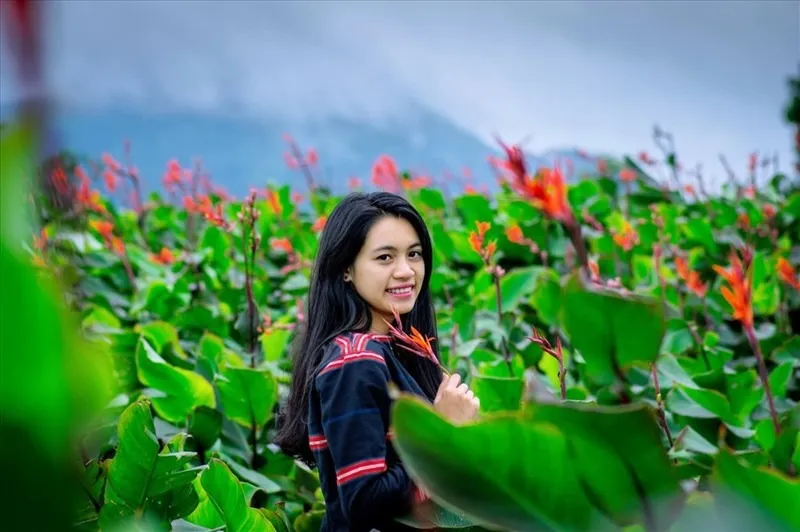
Phu Rieng District was established in 2015 after being separated from the former Bu Gia Map District and is now one of the youngest yet most promising localities in Binh Phuoc Province.
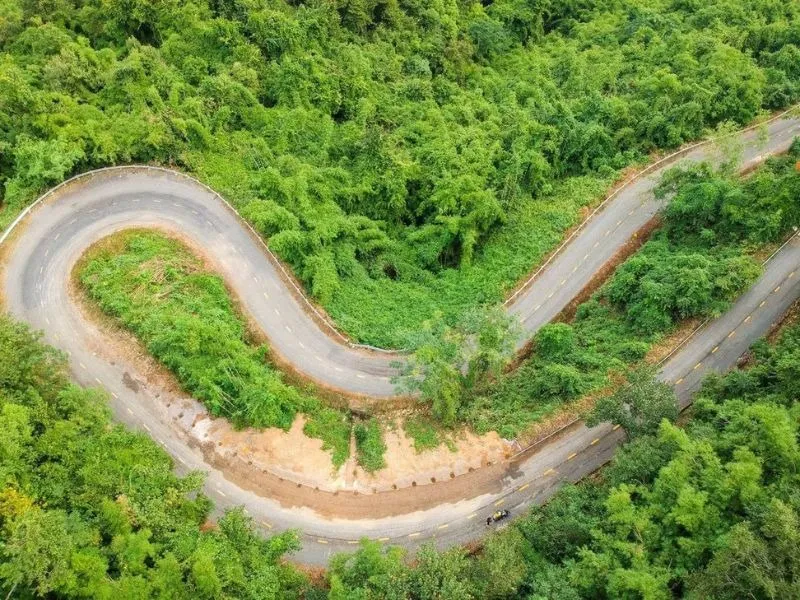
Phu Rieng is well known for:
Each season paints Phu Rieng in a different light:
This is an ideal getaway for those who love eco tourism, slow living and nature based travel.
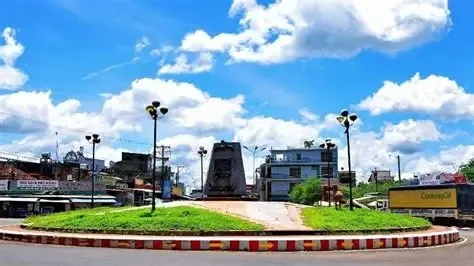
When speaking of Phu Rieng, it is impossible not to mention the historic Phu Rieng Do Movement of 1930 a significant revolutionary movement of rubber plantation workers during the French colonial period.
The name “Red Phu Rieng” has gone down in history as a powerful symbol of the resilience and fighting spirit of Vietnamese workers and people.
➡ This historical legacy is also a great advantage for developing heritage tourism, historical tours and educational trips that combine sightseeing with learning about national traditions.
Today, Phu Rieng is home to many ethnic communities: Kinh, S’Tieng, Khmer, Tay, Nung and others.
Each group adds its own colour to the cultural mosaic:
This creates valuable potential for community based tourism, rural homestays and local cultural experiences.
Although not yet widely developed, Phu Rieng already offers many attractive locations for exploration:
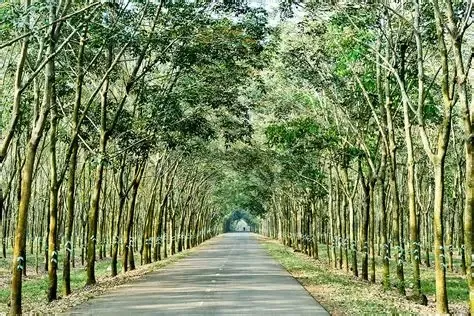
Long roads running between straight, evenly-spaced rows of rubber trees create a romantic and highly photogenic scene.
Perfect for: photo shoots, vlogging, cycling, weekend picnics
Best time to visit: early morning or during sunset
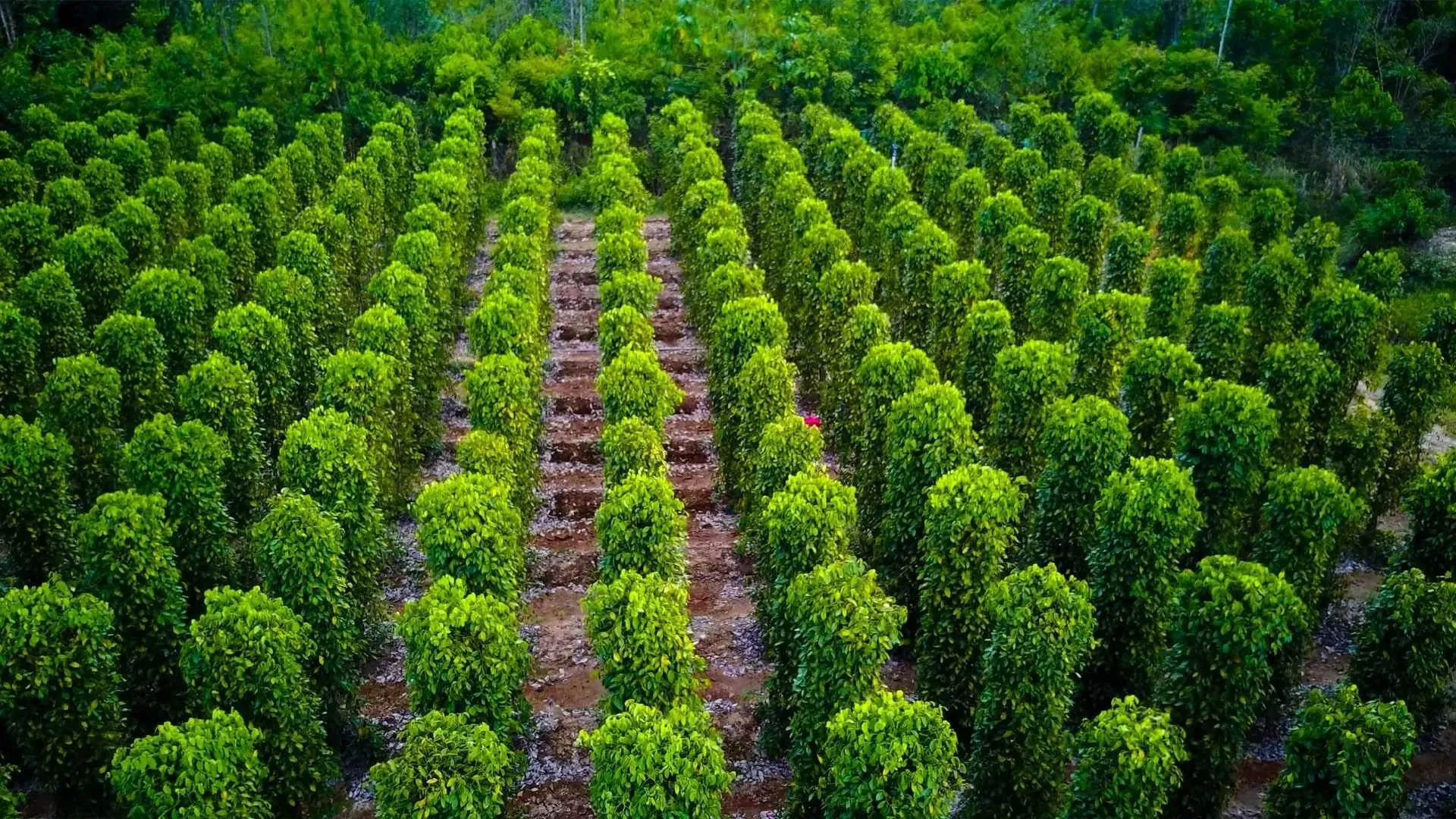
Visitors can experience:
This is a growing trend among urban travellers: agricultural tourism, farm stays and hands on rural life experiences.
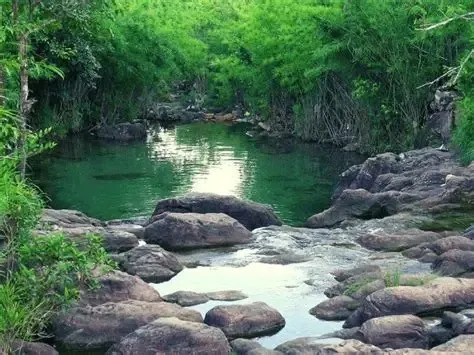
Although not widely known, Phu Rieng’s small streams and lakes offer:
With proper investment, these areas could become ideal weekend retreats for young travellers.
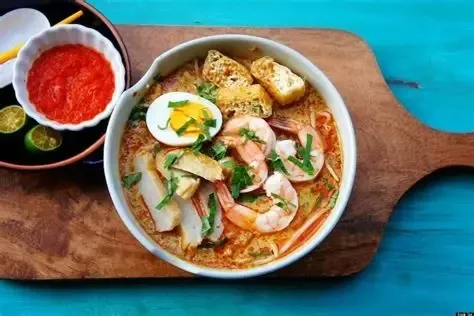
A visit to Phu Rieng would not be complete without trying its local specialities, rich in the flavours of Binh Phuoc:
The food here is simple, rustic yet deeply memorable.
You can visit Phu Rieng all year round, but the most ideal periods are:
Each season brings a different emotion and experience, perfect for those who enjoy returning to discover a destination in new ways.
Tourism in Phu Rieng District may not be bustling or famous yet, but it leaves a deep impression thanks to its rustic beauty, sincerity and rare peace. Among the endless rubber forests, red earth roads and slow rhythm of life in the southern countryside, Phu Rieng unfolds as an ideal space for rest, relaxation and a true reconnection with nature. With its strong potential for eco-tourism, historical tourism and agricultural experiences, Phu Rieng promises to become an exciting new destination on the tourism map of Binh Phuoc, especially for those who seek discovery and long to return to raw, sustainable and authentic values.
No tours published here yet.
Discover tours, attractions and travel services for Phu Rieng District.