
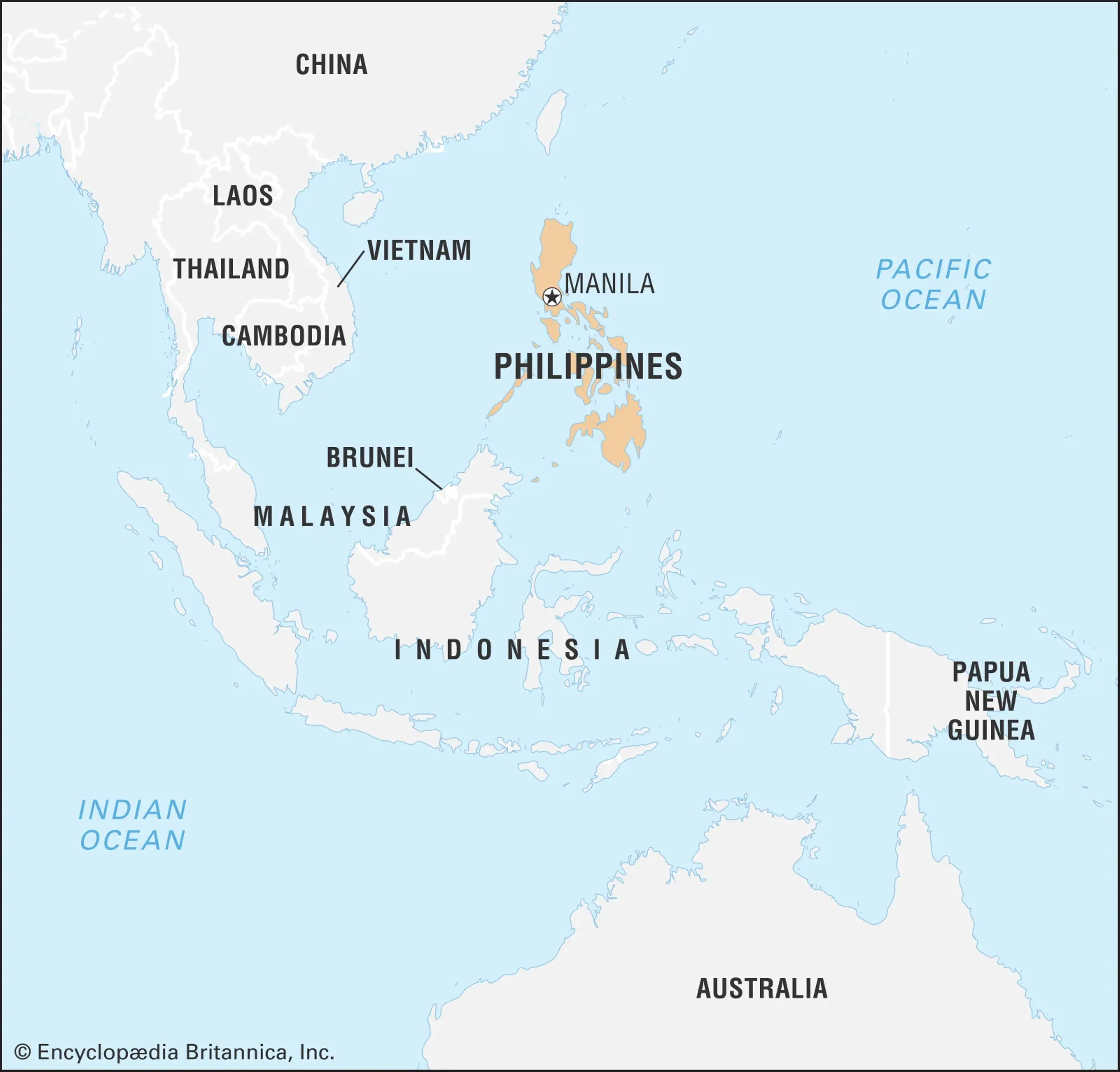
Nestled in the heart of Southeast Asia, the Philippines is an archipelago of more than 7,000 islands, each offering a unique blend of natural beauty, cultural heritage, and vibrant local life. From its pristine beaches and lush mountains to its historic cities and indigenous communities, the Philippines is a tapestry of experiences that beckon travelers from around the globe. Whether you're seeking adventure, relaxation, or a cultural journey, the Philippines promises an unforgettable exploration of its diverse landscapes and rich traditions.

The Philippines is renowned for its stunning beaches, with powdery white sands and azure waters that stretch as far as the eye can see. Boracay, with its famous White Beach, is a must-visit for sun-seekers, while Palawan's El Nido and Coron offer dramatic limestone cliffs and hidden lagoons that are perfect for kayaking and snorkeling. For those looking to escape the crowds, the serene beaches of Siargao and Camiguin provide a tranquil retreat.
The Filipino spirit comes alive in its festivals, a vibrant display of the nation's rich cultural tapestry. The Sinulog Festival in Cebu, with its lively street parades and colorful costumes, celebrates the country's patron saint, while the Ati-Atihan in Kalibo invites everyone to join in its rhythmic dance and music. Each festival is a reflection of the Philippines' diverse heritage, offering visitors a chance to immerse themselves in local traditions and community celebrations.

For thrill-seekers, the Philippines offers a plethora of adventures. Dive into the deep waters of Tubbataha Reefs Natural Park, a UNESCO World Heritage site teeming with marine life, or trek the scenic trails of the Banaue Rice Terraces, marveling at the engineering marvels of ancient Filipinos. The rugged terrain of Mount Apo, the country's highest peak, challenges hikers with its diverse ecosystems and breathtaking views.
The culinary scene in the Philippines is as diverse as its islands, featuring a fusion of flavors influenced by its history and geography. Savor the national dish, adobo, a savory concoction of meat stewed in vinegar and soy sauce, or try lechon, a whole roasted pig that is a centerpiece of Filipino celebrations. Don't miss sampling fresh seafood dishes, such as kinilaw, a Filipino-style ceviche that highlights the freshness of local ingredients.

Beyond its natural wonders and cultural attractions, the true essence of the Philippines lies in its people. Known for their warmth and hospitality, Filipinos are always ready to welcome visitors with open arms and a smile. Whether you're exploring bustling cities or remote villages, you'll find that the locals are eager to share their stories, traditions, and a sense of community that makes every traveler feel at home.
The Philippines is a treasure trove of breathtaking destinations, each offering its own unique experiences and attractions. From the bustling streets of its capital to the serene landscapes of its remote islands, the country boasts an array of locations that are a testament to its rich biodiversity and cultural diversity. Here are some unmissable places in the Philippines that every traveler should explore.
The vibrant capital city of the Philippines, Manila, is a hub of history, culture, and modernity. Explore the walled city of Intramuros, where colonial-era architecture tells stories of the country's past, or visit the National Museum to immerse yourself in Filipino art and history. Don't miss the bustling markets of Divisoria for a unique shopping experience and savor the local street food at every corner.

Known as the "Queen City of the South," Cebu is a perfect blend of urban excitement and natural beauty. Visit the iconic Magellan’s Cross and Basilica Minore del Santo Niño for a glimpse into the country's colonial heritage. For nature lovers, the nearby beaches of Mactan and the stunning waterfalls of Kawasan offer a refreshing escape.
Home to the famous Chocolate Hills, Bohol is a must-visit for its unique geological formations and natural wonders. Enjoy a river cruise along the Loboc River, where you can dine while being serenaded by local musicians. Don't forget to meet the tarsiers, one of the world's smallest primates, at the Tarsier Sanctuary.

Often hailed as one of the world's best islands, Palawan is a paradise for nature enthusiasts. The Puerto Princesa Underground River, a UNESCO World Heritage site, offers a surreal underground boat tour. El Nido and Coron are renowned for their limestone cliffs, crystal-clear lagoons, and vibrant marine life, making them ideal for diving and island-hopping adventures.
Step back in time in Vigan, a UNESCO World Heritage site known for its well-preserved Spanish colonial and Asian architecture. Stroll along Calle Crisologo, where cobblestone streets and historic mansions bring the past to life. Experience traditional pottery making and try the local delicacy, empanada, for a taste of Vigan's culinary heritage.

Famed for the Banaue Rice Terraces, often referred to as the "Eighth Wonder of the World," this region showcases the ingenuity of ancient Filipino engineering. Trek through the terraces and immerse yourself in the stunning landscapes while interacting with the indigenous Ifugao people who maintain their cultural traditions to this day.
The Philippines is a country rich in cultural diversity, shaped by its history and the multitude of ethnic groups that call it home. The blend of indigenous traditions, Spanish influence, and modern elements creates a unique cultural tapestry that is both fascinating and inviting. Understanding the traditions and lifestyle of the Philippines offers travelers a deeper appreciation of its people, their values, and everyday life.
Family is the cornerstone of Filipino society, often extending beyond the nuclear family to include a wide network of relatives. This strong family bond is evident in everyday interactions and is a central theme in social gatherings and celebrations. Community life is also integral, with neighborhoods often functioning like extended families, providing support and camaraderie.
Fiestas are a major part of Filipino culture, reflecting the country's rich history and religious devotion. Each town or barangay has its own patron saint, celebrated with colorful festivals that include processions, street dancing, and feasting. These events are not only religious in nature but also serve as opportunities for communities to come together, fostering unity and joy.

The traditional clothing of the Philippines is a symbol of its diverse cultural heritage. The barong Tagalog, an embroidered shirt for men, and the terno, a formal dress for women, are worn during special occasions. These garments often feature intricate designs, showcasing the craftsmanship and artistry of Filipino weavers and embroiderers.
While Filipino and English are the official languages, the Philippines is home to over 170 languages and dialects, reflecting its ethnic diversity. This linguistic variety plays a crucial role in daily communication and cultural expression. Filipinos are known for their warmth and friendliness, often engaging visitors with smiles and a genuine interest in conversation.
Food is an essential part of Filipino culture, with meals often serving as social gatherings. Dining etiquette highlights the importance of sharing and hospitality, with an emphasis on communal dining. Traditional dishes are typically served family-style, and guests are encouraged to try a bit of everything, reflecting the Filipino value of generosity.

Predominantly Catholic, the Philippines' religious practices are deeply woven into the fabric of daily life. Churches play a central role in communities, and religious celebrations, such as Holy Week and Christmas, are celebrated with fervor and devotion. These practices not only reflect spiritual beliefs but also reinforce cultural identity and unity among Filipinos.
The Philippines, with its stunning array of natural landscapes, is a paradise for nature lovers and adventure seekers alike. From majestic mountains and verdant rainforests to pristine beaches and vibrant coral reefs, the country's diverse environments offer endless opportunities for exploration and discovery. Whether you're trekking through lush jungles, diving into the blue depths of the ocean, or simply soaking in the breathtaking views, the natural beauty of the Philippines is sure to captivate your senses.

The Philippines is home to an impressive range of mountains, each offering unique challenges and breathtaking views. Mount Apo, the tallest peak in the country, is a favorite among hikers for its diverse ecosystems and panoramic vistas. Meanwhile, Mount Pulag, known for its sea of clouds, provides a mystical experience for those who make the climb. These mountains are not only a testament to the country's geological wonders but also serve as important cultural sites for indigenous communities.
The country's rainforests are teeming with biodiversity, housing thousands of plant and animal species, many of which are endemic to the Philippines. The Northern Sierra Madre Natural Park, the largest protected area in the country, is a haven for wildlife enthusiasts, offering the chance to spot rare species like the Philippine eagle. Exploring these dense forests allows travelers to connect with nature and witness the incredible variety of life that thrives in these lush environments.

Scattered throughout the islands, the Philippines boasts a plethora of stunning waterfalls that provide dramatic and serene settings for nature lovers. The Kawasan Falls in Cebu, with its multi-tiered cascades and turquoise pools, is perfect for a refreshing swim. On the island of Mindanao, the Maria Cristina Falls, often dubbed the "twin falls," is a powerful and awe-inspiring sight, showcasing the country's natural beauty and power.
The Philippines is part of the Coral Triangle, a region known for its exceptional marine biodiversity. Divers from around the world flock to the Tubbataha Reefs Natural Park, a UNESCO World Heritage site, to witness its underwater wonders. The vibrant reefs of Apo Island and the marine sanctuaries in Anilao are also popular spots for snorkeling and diving, offering encounters with colorful fish, majestic turtles, and other marine life.

The Banaue Rice Terraces, often referred to as the "Eighth Wonder of the World," are a testament to the ingenuity of ancient Filipino engineers. Carved into the mountains of Ifugao over 2,000 years ago, these terraces present a breathtaking landscape that is both a cultural and agricultural marvel. Visitors can trek through these terraces, gaining insight into the traditional farming practices that continue to sustain the local communities.
The dramatic limestone formations of El Nido and Coron in Palawan are iconic landscapes that define the Philippines' natural allure. These towering cliffs and hidden lagoons offer unforgettable kayaking and island-hopping experiences. Exploring these natural wonders allows travelers to appreciate the geological processes that have shaped the country's unique and stunning coastlines.

The culinary landscape of the Philippines is a vibrant fusion of flavors, deeply rooted in its history, cultural diversity, and abundance of fresh ingredients. From savory dishes that have been passed down through generations to sweet treats that celebrate the country's tropical bounty, Filipino cuisine offers a delightful exploration for the taste buds. Whether you're indulging in street food or dining in a local home, the flavors of the Philippines promise an unforgettable gastronomic journey.
Considered the unofficial national dish of the Philippines, adobo is a savory and hearty stew made with chicken, pork, or both, simmered in vinegar, soy sauce, garlic, bay leaves, and black peppercorns. The result is a rich, flavorful dish that is both comforting and satisfying, often served with steamed rice.

Sinigang is a beloved Filipino soup known for its sour and savory profile, often achieved with tamarind, tomatoes, and other sour fruits. It's typically cooked with pork, beef, shrimp, or fish, along with a variety of vegetables like kangkong (water spinach) and radish, making it a wholesome and hearty meal.
Lechon is a festive centerpiece in Filipino celebrations, featuring a whole pig roasted to perfection over an open flame. The crispy skin and tender meat are seasoned with a blend of herbs and spices, creating a flavorful and aromatic dish that is a must-try for any visitor.

Pancit refers to a variety of noodle dishes in the Philippines, each offering a unique taste and texture. Pancit Canton, Pancit Malabon, and Pancit Bihon are among the popular variations, often stir-fried with vegetables, meat, and seafood. These dishes are staples in Filipino gatherings, symbolizing long life and prosperity.
A quintessential Filipino dessert, halo-halo is a colorful mix of crushed ice, evaporated milk, and a variety of sweet ingredients such as ube (purple yam), sweet beans, jelly, and tropical fruits. Topped with leche flan and ube ice cream, this refreshing treat is perfect for cooling down on a hot day.

Kare-Kare is a rich and creamy stew made with oxtail, tripe, and vegetables, cooked in a thick peanut sauce. This beloved dish is often served with bagoong (fermented shrimp paste) on the side, adding a salty contrast to the sweet and savory flavors, and is typically enjoyed during family gatherings and special occasions.
For the adventurous foodie, balut offers a unique and daring experience. This delicacy consists of a fertilized duck egg with a partially developed embryo, boiled and eaten from the shell. While it may be an acquired taste, balut is a popular street food that provides a glimpse into the more unconventional side of Filipino cuisine.

Turon is a popular Filipino snack or dessert made with ripe bananas and jackfruit, wrapped in a spring roll wrapper and deep-fried until golden and crispy. The sweet filling and crunchy exterior make it an irresistible treat, often enjoyed as a street food or homemade delicacy.
Ensaymada is a soft, fluffy pastry that's a favorite among Filipinos, typically topped with butter, sugar, and grated cheese. This sweet and savory bread is perfect for breakfast or as a snack, often enjoyed with a cup of hot chocolate or coffee.
Exploring the flavors of the Philippines is not just about tasting delicious food; it's an opportunity to connect with the country's rich heritage and the stories behind its cherished recipes. Whether you're savoring home-cooked meals or indulging in street food adventures, the culinary delights of the Philippines are sure to leave a lasting impression.

The Philippines is a year-round destination, but understanding its climate and peak travel seasons can help you plan the perfect trip. With its tropical weather, the country experiences two main seasons: the dry season and the rainy season. Each offers unique opportunities and experiences, so consider what type of adventure you're seeking as you choose the best time to visit.
The dry season is considered the best time to visit the Philippines, with sunny skies, lower humidity, and minimal rainfall. This period is ideal for beach lovers and outdoor enthusiasts looking to explore the country's stunning islands and landscapes. The months of December to February offer cooler temperatures, making it perfect for trekking adventures in the mountains or exploring vibrant cities without the discomfort of intense heat.
March to May marks the summer months in the Philippines, characterized by hotter temperatures and increased tourist activity. This is a popular time for locals and visitors to hit the beaches and enjoy water activities. However, it's also the peak tourist season, so be prepared for larger crowds and book accommodations and tours in advance.
The rainy season in the Philippines brings frequent showers and occasional typhoons, particularly from July to September. While this might deter some travelers, it can also be a great time to experience the lush greenery and fewer tourists. If you don't mind the rain, this is an opportunity to enjoy a more tranquil visit and take advantage of off-peak discounts on flights and accommodations.
Timing your visit to coincide with one of the Philippines' vibrant festivals can add an extra layer of excitement to your trip. Major festivals like Sinulog in Cebu (January) and Panagbenga in Baguio (February) are celebrated during the dry season, offering a glimpse into the country's rich cultural heritage through lively parades, music, and dance.
Travelers planning a visit during the rainy season should stay informed about weather conditions, as typhoons can disrupt travel plans. It's advisable to have flexible itineraries and consider travel insurance for added peace of mind. Despite the weather challenges, the rainy season can still offer memorable experiences for those who plan accordingly.
Ultimately, the best time to visit the Philippines depends on your personal interests and how you wish to experience this beautiful archipelago. Whether you're drawn to the clear skies of the dry season or the lush landscapes of the rainy season, the Philippines promises a warm welcome and unforgettable adventures at any time of the year.
Getting around the Philippines can be an adventure in itself, offering a mix of modern conveniences and traditional experiences. With its vast archipelago of islands, navigating the country requires a bit of planning but rewards travelers with a deeper connection to its diverse landscapes and cultures. Whether you're hopping between islands, exploring bustling cities, or venturing into remote areas, the Philippines provides various transportation options to suit every traveler's needs.

With over 7,000 islands, domestic flights are the fastest way to cover long distances in the Philippines. Major airlines like Philippine Airlines, Cebu Pacific, and AirAsia offer regular flights connecting key cities and popular tourist destinations. Booking in advance can secure better rates and ensure availability, especially during peak travel seasons.
Ferries and boats are essential for island hopping and reaching destinations not accessible by air. Companies like 2GO Travel and OceanJet offer services between major islands. For a more local experience, traditional bangkas (outrigger boats) provide a scenic and cultural way to explore smaller islands and coastal areas.

Jeepneys are iconic symbols of Filipino transportation, recognized for their vibrant designs and practicality. Serving as shared taxis, they are an affordable way to travel short distances within cities and towns. While routes can be complex, locals are often friendly and willing to help guide you to your destination.
For traveling between cities and regions on larger islands, buses are a reliable option. Companies like Victory Liner and Ceres Liner operate extensive networks across Luzon, Visayas, and Mindanao. Buses range from air-conditioned coaches to more basic options, with varying levels of comfort and amenities.

In smaller towns and rural areas, tricycles and pedicabs (bicycle-powered cabs) offer convenient and affordable transportation for short distances. They are perfect for navigating narrow streets and reaching destinations not accessible by larger vehicles. Fares are usually negotiated with the driver before starting your journey.
In urban areas like Manila and Cebu, taxis and ride-sharing services such as Grab provide comfortable and convenient ways to get around. Taxis are metered, but it's always wise to ensure the driver uses the meter or agree on a fare beforehand. Ride-sharing apps offer transparency in pricing and are widely used by locals and tourists alike.
For those who prefer independence and flexibility, renting a car can be a great option. International and local rental companies offer a range of vehicles, but be prepared for varying road conditions and traffic, especially in major cities. Driving in the Philippines requires a valid International Driving Permit (IDP) alongside your home country license.
For adventure seekers, renting bicycles or motorbikes offers an exciting way to explore scenic areas at your own pace. Many tourist destinations provide rental services, allowing you to traverse coastal roads and countryside trails while enjoying the breathtaking views.
Whether you choose the speed of air travel, the cultural richness of a jeepney ride, or the freedom of a rental vehicle, getting around the Philippines is part of the adventure. Embrace the journey as you explore the diverse and beautiful landscapes of this enchanting archipelago.
Traveling to the Philippines can be an exhilarating experience, filled with stunning landscapes, vibrant culture, and warm hospitality. To make the most of your journey, it's helpful to be equipped with some practical travel tips. From understanding local customs and currency to ensuring your safety and comfort, these insights will help you navigate the archipelago with ease and confidence.

The local currency in the Philippines is the Philippine Peso (PHP). It's advisable to carry some cash, especially when traveling to remote areas where card payments might not be accepted. ATMs are widely available in urban areas, but it's best to withdraw larger amounts to avoid frequent fees. Always check the exchange rates and consider using a money converter app for real-time updates.
While Filipino and English are the official languages, English is widely spoken, especially in urban areas and tourist destinations. Learning a few basic Filipino phrases can be useful and appreciated by locals. Simple greetings or expressions like "Salamat" (thank you) or "Magandang umaga" (good morning) can enhance your interactions and show respect for the local culture.
Before traveling, ensure you're up-to-date with vaccinations and consider travel insurance that covers health and emergencies. Drink bottled or purified water to avoid potential stomach issues. The Philippines is generally safe, but like any travel destination, it's wise to stay vigilant, especially in crowded areas. Keep your belongings secure and be cautious when using public transportation at night.
Filipinos are known for their hospitality and friendliness. When greeting someone, a friendly smile and a nod are customary. It's polite to address elders with respect, using "po" and "opo" in conversations. Dress modestly when visiting religious sites and be mindful of local customs and traditions, especially in rural areas.
The Philippines has widespread mobile coverage, and SIM cards are easily available at airports and convenience stores. Major providers include Globe and Smart, offering affordable data plans for travelers. Wi-Fi is accessible in most hotels, cafes, and airports, but connectivity in remote areas might be limited.
Peak travel seasons can lead to crowded tourist spots and higher accommodation prices. Book flights and lodgings in advance to secure the best rates. If you prefer a quieter experience, consider visiting during the shoulder seasons when the weather is still pleasant but with fewer tourists.
The Philippines offers a diverse culinary landscape, but vegetarians and vegans may need to plan ahead, as many traditional dishes contain meat or seafood. Most restaurants in urban areas will accommodate dietary preferences, but it's always good to communicate your needs clearly when ordering food.
Familiarize yourself with local transportation options, such as jeepneys, tricycles, and buses, which are cost-effective ways to travel. For longer distances, domestic flights and ferries are convenient. Always plan your route and check schedules in advance to avoid delays.
By keeping these practical tips in mind, you'll be well-prepared to explore the Philippines' incredible destinations and immerse yourself in its vibrant culture. Enjoy every moment of your adventure in this breathtaking archipelago, where every island offers a new story and a warm welcome.
The Philippines is a country rich in culture and tradition, and its numerous festivals and events are vibrant celebrations that capture the spirit and diversity of the nation. These festivities offer travelers a unique opportunity to experience the Philippines' cultural heritage, religious devotion, and community spirit. Whether you're witnessing a colorful parade, participating in traditional dances, or enjoying local delicacies, the festivals of the Philippines promise an unforgettable cultural experience.

Held every January in Cebu City, the Sinulog Festival is one of the Philippines' most famous and vibrant celebrations. It honors the Santo Niño, the child Jesus, with a grand parade featuring colorful costumes, rhythmic dances, and lively music. The festival is a mix of religious devotion and cultural celebration, attracting millions of local and international visitors eager to partake in the festivities.
Known as the "Mother of All Philippine Festivals," the Ati-Atihan Festival takes place in Kalibo, Aklan, every January. Participants paint their faces with black soot and don tribal costumes to honor the Santo Niño and celebrate the indigenous Ati people. The streets come alive with energetic dancing and drumbeats, inviting everyone to join in the revelry and experience the local culture.
In the town of Lucban, Quezon, the Pahiyas Festival is celebrated every May in honor of San Isidro Labrador, the patron saint of farmers. The festival is famous for its vibrant display of colorful rice, vegetables, fruits, and handcrafted decorations adorning houses. It's a thanksgiving celebration for a bountiful harvest, where visitors can enjoy local delicacies, street performances, and cultural exhibits.
Also known as the "Flower Festival," the Panagbenga Festival takes place in Baguio City every February. This month-long event celebrates the blooming season with stunning floral floats, street dancing, and various cultural and sporting events. The festival highlights the region's rich floral industry and showcases the creativity and talent of the local community.
Celebrated in Davao City every August, the Kadayawan Festival is a week-long thanksgiving celebration for the bountiful harvest. It features street parades, cultural performances, and exhibitions showcasing the diverse culture and heritage of the city's indigenous tribes. The festival is a vibrant display of Davao's rich agricultural produce, including exotic fruits and flowers.
Held in Bacolod City every October, the MassKara Festival is a joyful celebration characterized by smiling masks, colorful costumes, and lively street dancing. The festival was conceived as a way to uplift the spirits of the locals during challenging times and has since evolved into a grand celebration of Bacolod's positive outlook and vibrant culture.
These festivals and events are just a glimpse into the rich cultural tapestry of the Philippines. Each celebration offers a unique experience, inviting travelers to immerse themselves in the country's traditions, enjoy its warm hospitality, and create unforgettable memories amidst the vibrant festivities. Whether you're drawn to the rhythmic beats of drumlines or the kaleidoscope of colors parading down the streets, the festivals of the Philippines are a must-see for any visitor.
The Philippines, with its endless archipelago, offers not only popular destinations but also unique experiences and hidden gems waiting to be discovered. Beyond the well-trodden paths, travelers can find untouched landscapes, cultural treasures, and authentic adventures that reveal the true essence of Filipino life. Whether you're seeking solitude in nature, cultural immersion, or off-the-beaten-path adventures, the Philippines has a wealth of hidden wonders to explore.

While Siargao is famed for its Cloud 9 surf break, the island is dotted with lesser-known surf spots that offer thrilling waves without the crowds. Areas like Pacifico and Alegria provide a more intimate surfing experience, surrounded by stunning natural beauty and local charm. These hidden spots are perfect for surfers seeking a quieter escape.
Tucked away in the island of Samar, the Sohoton Caves and Natural Bridge Park is a paradise for nature enthusiasts. Explore the enchanting caves with their impressive stalactites and stalagmites, or take a boat ride through the emerald waters beneath the stunning natural bridge. This hidden gem offers an unforgettable adventure in one of the country's most pristine environments.

Located off the coast of Leyte, Kalanggaman Island is a picturesque slice of paradise known for its powdery white sandbars extending into crystal-clear waters. Ideal for day trips, the island offers a serene getaway with opportunities for swimming, snorkeling, and simply basking in the sun. Its untouched beauty makes it a hidden treasure among the Philippines' many islands.
While the Banaue Rice Terraces draw many visitors, the nearby Batad Rice Terraces offer a quieter, more secluded experience. Nestled in a remote valley, these amphitheater-like terraces are a stunning testament to ancient farming techniques. Trekking to Batad provides not only breathtaking views but also an opportunity to interact with the Ifugao people and learn about their rich cultural heritage.

Off the coast of Camiguin Island lies a fascinating historical site—a sunken cemetery marked by a large cross rising from the sea. Submerged by a volcanic eruption in the 19th century, the site is now a popular snorkeling and diving spot, where underwater graves are visible amid vibrant marine life. It's a unique blend of history and natural beauty that captivates visitors.
Sagada, a mountain town in the northern Philippines, is renowned for its unique burial tradition of hanging coffins on cliff faces. The Echo Valley offers a serene hiking experience through pine forests to witness this cultural practice firsthand. Alongside the hanging coffins, the area boasts stunning landscapes and ancient caves waiting to be explored.

The island province of Marinduque hosts the Moriones Festival during Holy Week, a vibrant and colorful event where locals don Roman soldier costumes to reenact the story of Longinus. This unique festival provides a deeper understanding of Filipino religious traditions and showcases the creative spirit of the island's people, offering travelers an immersive cultural experience.
By venturing beyond the usual tourist trails, travelers can uncover the Philippines' hidden gems and unique experiences that offer a more personal and rewarding journey. From secluded islands and ancient traditions to breathtaking natural wonders, these lesser-known treasures invite exploration and discovery, promising unforgettable memories in this enchanting archipelago.
No tours published here yet.
Stay connected in Philippines with instant mobile data — no roaming fees, no physical SIM.
Discover tours, attractions and travel services for Philippines.