
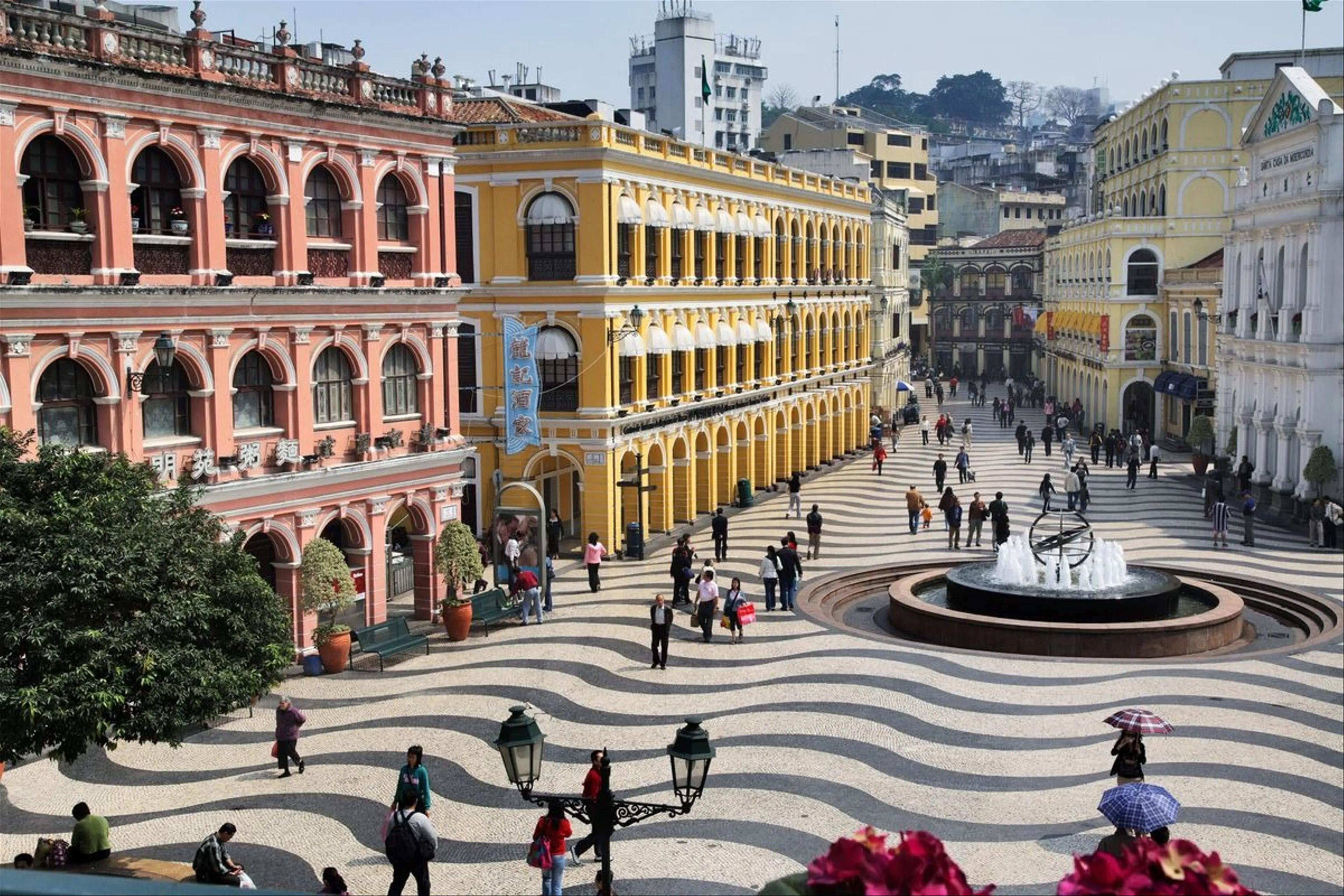
Macau, the vibrant fusion of East and West, is a destination that promises a unique blend of tradition and modernity. Known for its towering casinos, historic architecture, and rich cultural tapestry, Macau invites travelers to explore its diverse offerings. Whether you're drawn to its UNESCO World Heritage Sites or its world-class entertainment, Macau is a place where the past meets the present in spectacular fashion.
Wander through the cobblestone streets of the Historic Centre of Macau, a UNESCO World Heritage Site that encapsulates the city’s Portuguese and Chinese heritage. Here, you'll find iconic landmarks such as the Ruins of St. Paul's, Senado Square, and the A-Ma Temple, each telling stories of Macau's past through their intricate architecture and cultural significance.
For those seeking a thrill, the Macau Tower offers breathtaking panoramic views of the cityscape from its observation deck. Adventure enthusiasts can take the excitement a notch higher by experiencing the world’s highest commercial bungee jump. Whether you’re there for the views or the adrenaline rush, the Macau Tower is an unmissable highlight.
Macau is a culinary paradise, offering a symphony of flavors that reflect its multicultural roots. Try the famous Macanese egg tarts, savor the spicy African chicken, or indulge in a hearty Portuguese seafood rice. The city's vibrant food scene is a testament to its rich history and the perfect way to experience its cultural diversity.
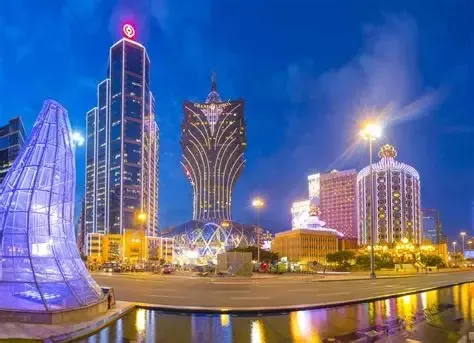
Experience the glitz and glamour of the Cotai Strip, Macau’s answer to the Las Vegas Strip. This bustling area is home to lavish resorts, high-end shopping, and world-class entertainment. Whether you're trying your luck at the casino tables or catching a spectacular show, the Cotai Strip offers endless excitement and luxury.
Macau's calendar is filled with vibrant festivals that highlight its cultural diversity. From the colorful streets during the Chinese New Year celebrations to the spectacular fireworks festival, Macau’s events are a feast for the senses. Participate in the Macau Grand Prix for a dose of high-speed action or enjoy the Mid-Autumn Festival’s lantern displays, each event offering a unique insight into the local culture.
Macau is a treasure trove of attractions that cater to all kinds of travelers. From historical landmarks and cultural sites to modern marvels and scenic spots, the city offers an array of destinations that promise unforgettable experiences. Here are some must-visit places that should be on every traveler's itinerary when exploring Macau.
One of Macau's most iconic landmarks, the Ruins of St. Paul's, stands as a testament to the city's rich history. Originally a 17th-century Portuguese church, the ruins now feature a grand stone façade that is both intricate and imposing. Visitors can explore the nearby Museum of Sacred Art and Crypt to delve deeper into Macau's religious and cultural past.
A-Ma Temple is a serene sanctuary that dates back to the 15th century and is dedicated to the sea goddess Mazu. This beautifully preserved temple complex is a spiritual haven, offering visitors a glimpse into traditional Chinese religious practices. The temple's architecture and tranquil atmosphere make it a perfect spot for reflection and appreciation of Macau's cultural heritage.
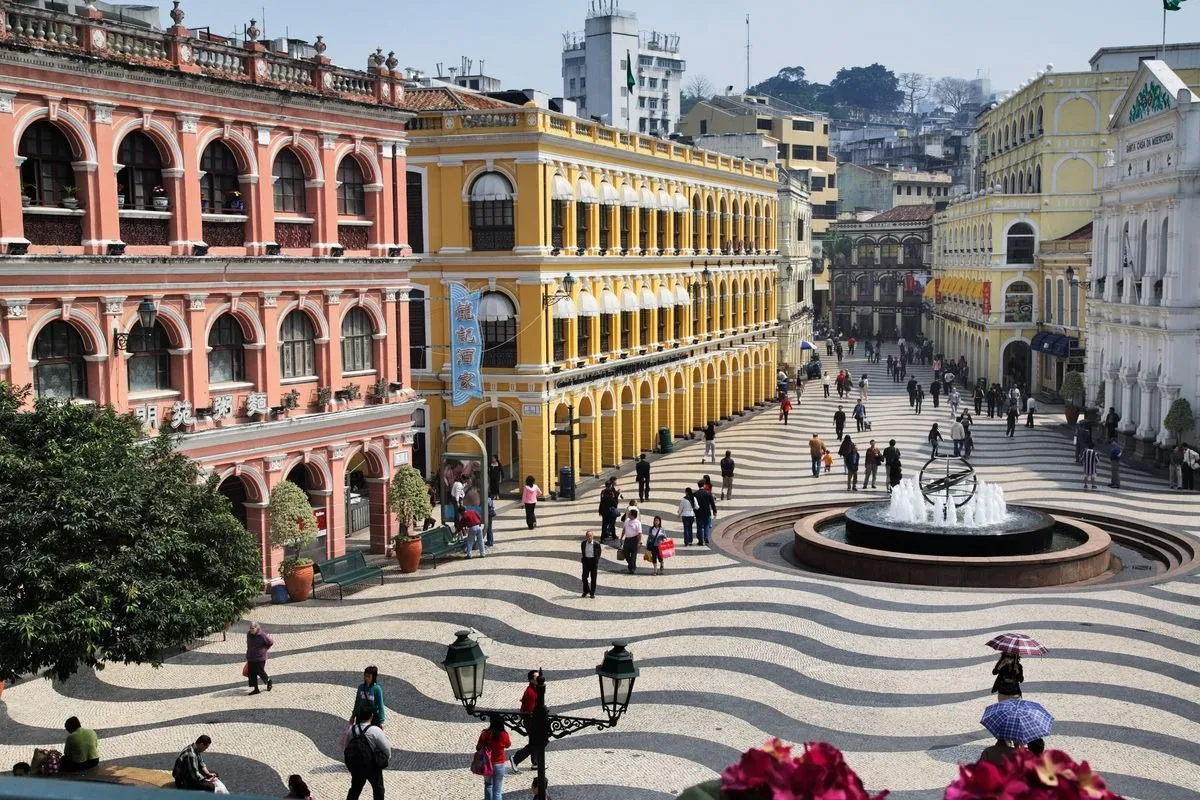
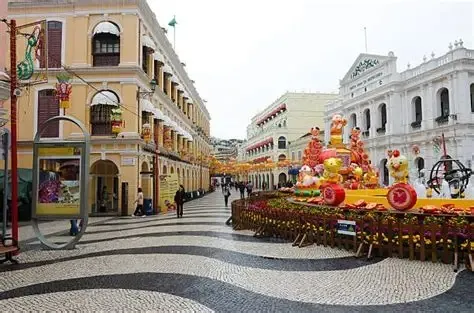
Located in the heart of Macau, Senado Square is a vibrant hub of activity surrounded by colonial buildings and bustling shops. The square's distinctive wave-patterned mosaic pavement and beautiful fountains create a picturesque setting for leisurely strolls or shopping excursions. It's also a venue for cultural events and festivals, making it a lively part of the city's social scene.
Explore the charming streets of Taipa Village, where you can experience a blend of traditional and contemporary Macau. The village is known for its colorful colonial houses, quaint shops, and delectable street food. Whether you're sampling local delicacies or visiting the Taipa Houses Museum, Taipa Village offers a delightful cultural experience.
For a peaceful escape from the city's hustle and bustle, head to Coloane Island. This tranquil area boasts beautiful beaches, lush greenery, and hiking trails. Visit the Chapel of St. Francis Xavier and enjoy the serene surroundings of Hac Sa Beach or Cheoc Van Beach. Coloane Island provides a perfect blend of relaxation and nature exploration.
Macau's culture is a vivid tapestry woven from centuries of Portuguese and Chinese influences. This unique blend is evident in the city's traditions, lifestyle, and everyday interactions. From time-honored customs to contemporary practices, Macau offers a fascinating glimpse into a society where East meets West harmoniously. Discover the local customs, artistic expressions, and social nuances that define life in Macau.
Macau is a city that celebrates its cultural diversity through a variety of traditional festivals. The Dragon Boat Festival, marked by thrilling boat races and colorful parades, is a beloved event that showcases the community spirit. The Feast of the Drunken Dragon, where participants dance with dragon heads while consuming wine, is another unique spectacle that reflects the city's rich folklore and traditions.
The arts and crafts of Macau are a testament to its rich cultural heritage. Visitors can explore the intricate bamboo scaffolding techniques used in traditional constructions or admire the delicate craftsmanship of Chinese porcelain. The city also hosts numerous art exhibitions and cultural events, providing a platform for local artists to showcase their talents and creativity.

The linguistic landscape of Macau is as diverse as its culture. While Cantonese and Portuguese are the official languages, you will also hear Macanese Patois, a creole language that embodies the city's multicultural identity. Understanding a few basic phrases in these languages can enhance your travel experience and connect you with the local community.
Religious diversity is a hallmark of Macau, where temples, churches, and mosques coexist peacefully. The city's religious landscape is a reflection of its history and multicultural ethos. Visiting places of worship like the A-Ma Temple, St. Dominic's Church, or the Kun Iam Temple offers insight into the spiritual life of Macau's residents and the harmonious blend of different faiths.
Understanding local etiquette is essential for a respectful and enjoyable visit to Macau. Residents place a high value on politeness and hospitality, and it's customary to greet others with a friendly nod or a slight bow. When dining, it's polite to wait for the host to begin eating before you start. Respect for elders and maintaining harmony in social interactions are deeply ingrained in the local lifestyle.
While Macau is renowned for its vibrant city life and rich cultural heritage, it also offers breathtaking natural landscapes that provide a tranquil escape from urban bustle. From serene beaches and verdant parks to picturesque hiking trails, Macau's natural beauty promises a refreshing experience for nature lovers and outdoor enthusiasts.
Hac Sa Beach, located on Coloane Island, is Macau's largest natural beach and a popular spot for relaxation and leisure. Named after its distinctive black sand, the beach offers a serene setting for sunbathing, swimming, or enjoying a leisurely stroll along the shoreline. Facilities such as barbecue pits and picnic areas make it a perfect destination for a family outing or a romantic seaside picnic.
Cheoc Van Beach, also on Coloane Island, is a smaller, more secluded beach known for its golden sands and tranquil waters. It provides a peaceful retreat for those looking to unwind amidst nature. The beach is equipped with a swimming pool and a few quaint cafes, offering visitors a chance to enjoy a snack or a refreshing drink while taking in the scenic views.
Seac Pai Van Park is one of Macau's largest and most accessible green spaces. The park is home to the Giant Panda Pavilion, where visitors can observe these charming creatures in a naturalistic environment. With its lush landscapes, walking trails, and a small zoo, Seac Pai Van Park is ideal for a leisurely day out with family or friends.
For hiking enthusiasts, Coloane offers several trails that wind through its hilly terrain and lush forests. The Coloane Trail, the longest on the island, provides panoramic views of the South China Sea and the Macau skyline. These trails are perfect for those seeking adventure and a chance to explore Macau's natural beauty on foot.
Lou Lim Ieoc Garden is a traditional Chinese garden located in the heart of Macau. Its harmonious design features classical Chinese architecture, intricate rock formations, and peaceful ponds filled with lotus flowers and koi fish. A stroll through this garden offers a tranquil escape and a chance to appreciate the artistry and serenity of traditional Chinese landscaping.
Macau's culinary scene is a vibrant reflection of its multicultural heritage, combining Portuguese, Chinese, and local influences to create a unique gastronomy that delights the palate. From street food stalls to upscale restaurants, Macau offers a diverse array of flavors that cater to all tastes. This section explores the quintessential dishes you must try to experience the true essence of Macanese cuisine.
A trip to Macau would be incomplete without indulging in its famous Portuguese egg tarts. These flaky pastries, filled with a creamy and slightly sweet egg custard, are best enjoyed fresh from the oven. Their caramelized top and buttery crust make them an irresistible treat for breakfast, dessert, or any time in between.
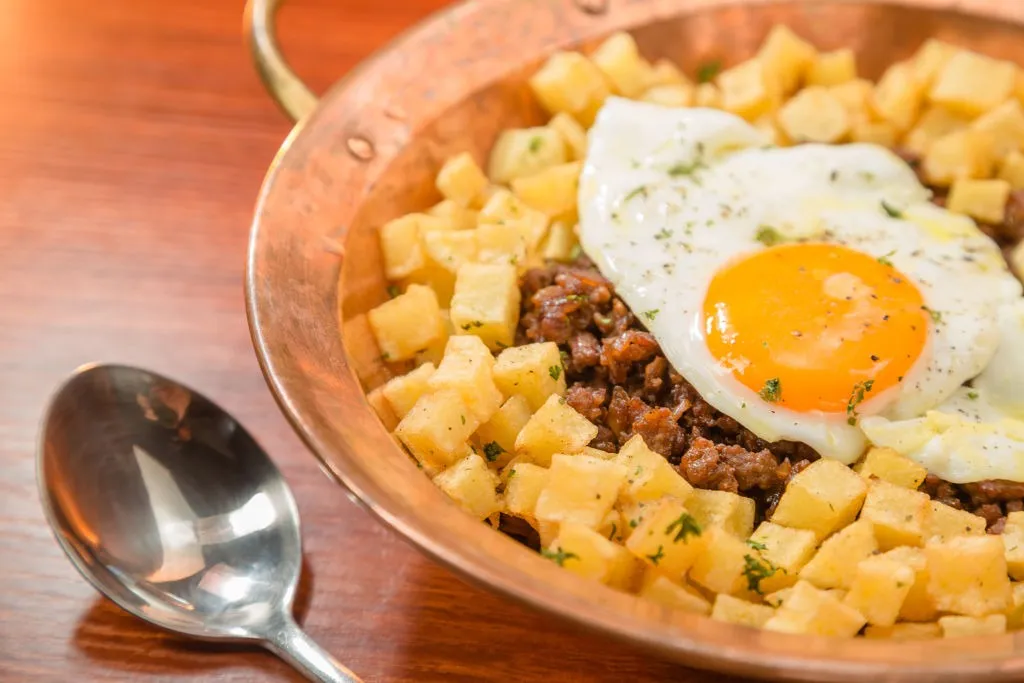
Minchi is a beloved comfort dish in Macau, showcasing the fusion of Portuguese and Chinese cooking styles. It consists of minced meat, typically beef or pork, stir-fried with diced potatoes, onions, and soy sauce. Often served with a fried egg on top, this hearty meal is a staple in Macanese households and a must-try for visitors.
Despite its name, African Chicken is a Macanese creation that combines spices and influences from Portugal, Mozambique, and local culinary traditions. This dish features roasted chicken marinated in a rich, spicy sauce made with coconut milk, peanuts, and chili. The flavorful blend of spices offers a taste of Macau's historical connections with the Portuguese-speaking world.
Macau's almond cookies are a popular souvenir and a delightful snack. Made with ground almonds, flour, and sugar, these crumbly cookies melt in your mouth and offer a subtle sweetness. They are often found in local bakeries and are perfect for enjoying with a cup of tea or coffee.
Known as the "Macau Burger," the pork chop bun is a simple yet satisfying street food favorite. It features a juicy, seasoned pork chop sandwiched in a freshly baked, crispy bun. The combination of tender meat and crunchy bread makes it a popular choice for a quick and tasty meal on the go.
Tacho is a traditional Macanese stew that reflects the city's cultural melting pot. It includes a variety of meats such as pork, chicken, and Chinese sausages, simmered with cabbage, potatoes, and carrots. The dish is seasoned with a blend of spices that enhance its rich flavors, making it a comforting and hearty option for those seeking an authentic taste of Macau.
While dim sum is a staple in many Chinese cuisines, Macau offers its own delightful twist on these bite-sized delicacies. In Macau, you'll find a variety of dim sum options, from steamed dumplings and buns to savory pastries, all showcasing the city's culinary artistry. Trying dim sum in a local teahouse provides a perfect opportunity to experience Macau's vibrant food culture.
Macau is a year-round destination, each season offering its own unique allure. The best time to visit largely depends on what you wish to experience, from cultural festivals and pleasant weather to bustling holiday events. This section provides an overview of Macau's seasons to help you plan your trip for the most favorable conditions and activities.
Spring in Macau is characterized by mild temperatures and blooming flowers, making it an ideal time for outdoor activities and sightseeing. With temperatures ranging between 15°C and 25°C (59°F to 77°F), it's perfect for exploring the city's scenic spots and historic landmarks. The pleasant weather also coincides with the annual Macau Arts Festival, offering travelers a chance to experience local and international cultural performances.
Summers in Macau are hot and humid, with temperatures often exceeding 30°C (86°F). While the weather can be intense, it's a vibrant time to visit as the city comes alive with festivals like the Feast of Na Tcha and the Macau International Fireworks Display Contest. To beat the heat, visitors can enjoy indoor attractions such as museums, shopping malls, and casinos, or relax at the beaches on Coloane Island.
Autumn is considered the best time to visit Macau, thanks to its comfortable temperatures and lower humidity levels. Ranging from 20°C to 28°C (68°F to 82°F), the climate is perfect for outdoor adventures, making it an excellent season for hiking the Coloane Trails or enjoying the Macau Grand Prix. Autumn also hosts the Mid-Autumn Festival, where you can experience traditional celebrations and mooncake tastings.
Winter in Macau is mild and dry, with temperatures averaging between 10°C and 20°C (50°F to 68°F). This season is ideal for exploring the city without the crowds, as well as indulging in Macau's culinary delights and festive events. The Christmas and New Year celebrations are particularly enchanting, with dazzling decorations and lively performances throughout the city.
Navigating Macau is a breeze, thanks to its compact size and efficient public transportation system. Whether you prefer the convenience of buses, the charm of trishaws, or the independence of rental cars, Macau offers a variety of options to suit every traveler's needs. Here's a guide to help you explore the city with ease.
Buses are a popular and affordable way to get around Macau. The city's bus network is extensive, covering major attractions, neighborhoods, and outlying islands. Routes are clearly marked, and fares are reasonable, making it easy for visitors to hop on and off as they explore. Remember to have small change ready for fares, as buses do not give change.
Taxis are readily available throughout Macau and provide a convenient option for getting around, especially if you're traveling in a group or with luggage. Fares are metered, and taxi stands can be found at major hotels, shopping centers, and tourist spots. While most drivers speak Cantonese, some may understand basic English or Portuguese, making communication manageable.
For a more leisurely and nostalgic way to explore Macau, consider a ride on a trishaw. These three-wheeled pedicabs offer a charming way to see the sights at a slower pace. Trishaws are ideal for short distances and can be found near popular tourist areas. Be sure to agree on a fare before starting your journey.
Given Macau's compact size, walking is one of the best ways to explore its historic streets and vibrant neighborhoods. Many of the city's major attractions, such as Senado Square and the Ruins of St. Paul's, are within walking distance of each other. Walking also allows you to discover hidden gems, local eateries, and the unique architecture that defines Macau.
For those who prefer the freedom of driving, car rentals are available in Macau. While the city is easy to navigate, it's important to note that traffic can be congested, and parking may be limited in busy areas. Driving is on the left side of the road, and an international driving permit is required for foreign visitors.
The Macau LRT is a modern and efficient way to travel, especially for connecting to the Cotai Strip and Taipa areas. This driverless train system is designed to ease congestion and provide a quick link between key destinations. The LRT is a convenient option for those looking to access the newer parts of the city with ease.
Traveling to Macau promises an exciting adventure filled with cultural discoveries, culinary delights, and vibrant cityscapes. To ensure you have a smooth and enjoyable visit, it's essential to consider practical travel tips that can enhance your experience. From visa requirements and currency details to local customs and safety advice, this section provides helpful insights to make your trip to Macau as seamless as possible.
Before traveling to Macau, check if you require a visa. Many nationalities enjoy visa-free entry for short stays, while others may need to apply for a visa in advance. It's advisable to confirm the latest visa policies with a Macau consulate or embassy prior to your departure.
The local currency in Macau is the Macanese Pataca (MOP), although Hong Kong dollars (HKD) are widely accepted. It's useful to carry some local currency for small purchases, as not all places accept credit cards. ATMs are readily available in urban areas, and currency exchange services can be found at the airport, hotels, and banks.
While Cantonese is the most commonly spoken language in Macau, many locals also speak Mandarin and some English, especially in tourist areas. Portuguese is one of the official languages and is used in signage and official documents. Learning a few basic Cantonese or Portuguese phrases can enhance your interaction with locals.
Macau is generally a safe destination for travelers, but it's wise to take standard precautions. Keep an eye on your belongings in crowded areas, and avoid displaying expensive items openly. Tap water is safe to drink, but many visitors prefer bottled water. Health care facilities in Macau are of a high standard, but it's recommended to have travel insurance that covers medical expenses.
Respecting local customs and etiquette is key to a pleasant stay in Macau. It's customary to greet people with a nod or slight bow, and using polite phrases is appreciated. Dress modestly when visiting places of worship, and always ask for permission before taking photos of people or religious ceremonies.
Macau operates on a 220V supply voltage and 50Hz frequency. Power outlets typically accept type G plugs, the same as in the UK, so visitors may need a travel adapter to use their electronic devices. It's a good idea to check your device compatibility or bring a universal adapter.
The climate in Macau is subtropical with distinct seasons. It's advisable to pack appropriate clothing for the weather during your visit. Light, breathable clothing is ideal for the hot and humid summers, while a warm jacket might be necessary for the cooler winter months.
Staying connected in Macau is easy, with free Wi-Fi available at most hotels, cafes, and public areas. Consider purchasing a local SIM card or a portable Wi-Fi device if you need constant internet access while exploring the city.
Macau's efficient transportation network makes getting around straightforward. Be sure to familiarize yourself with the bus routes and schedules, or consider using taxis for convenience. Walking is an excellent way to explore the city, especially in the historic districts where many attractions are located close to each other.
Macau is a city that pulses with life throughout the year, thanks to its vibrant array of festivals and events that reflect its rich cultural heritage and modern flair. From traditional Chinese celebrations to international sporting events, Macau offers a diverse calendar that attracts visitors from all around the world. Whether you're interested in cultural immersion or thrilling experiences, Macau's festivals and events provide a perfect opportunity to explore the city's unique identity.
The Chinese New Year is the most significant festival in Macau, celebrated with grand parades, dragon and lion dances, and spectacular firework displays. The city comes alive with vibrant decorations, and visitors can enjoy traditional performances and culinary delights at various markets and fairs. It's a time of joy and cultural celebration, offering a glimpse into Macau's Chinese heritage.
For motorsport enthusiasts, the Macau Grand Prix is an unmissable event that takes place every November. This thrilling street circuit race attracts top drivers from around the globe, competing in categories such as Formula 3, touring cars, and motorcycles. The high-speed action and the city's stunning backdrop make it a highlight in Macau's event calendar.
Held annually between September and October, the Macau International Fireworks Display Contest is a spectacular event featuring pyrotechnic teams from different countries. The fireworks illuminate the night sky over Macau's waterfront, offering a breathtaking visual experience. Visitors can enjoy the displays from various vantage points around the city while experiencing the festive atmosphere.
The Macau Arts Festival, held in May, celebrates the city's vibrant arts scene with a diverse program that includes theatre performances, music concerts, dance shows, and art exhibitions. It brings together local and international artists, offering a platform for creative expression and cultural exchange. The festival is a must-visit for art lovers and those seeking cultural enrichment.
The Mid-Autumn Festival, also known as the Moon Festival, is celebrated in September with lantern displays, mooncakes, and family gatherings. Senado Square and other public spaces are adorned with colorful lanterns, creating a magical atmosphere. Visitors can partake in mooncake tastings and enjoy traditional performances that highlight the festival's cultural significance.
The Feast of the Drunken Dragon is a unique and lively festival held on the eighth day of the fourth month of the lunar calendar. Participants drink rice wine and perform a dragon dance through the streets, visiting local markets and shops. This lesser-known festival offers a fascinating insight into Macau's folklore and community spirit.
Every November, the Macau Food Festival attracts food enthusiasts eager to sample a wide variety of local and international cuisines. Held at the Sai Van Lake Square, the festival features food stalls, cooking demonstrations, and live entertainment. It's a culinary celebration that showcases Macau's diverse gastronomic offerings and is a treat for the senses.
Macau, while famed for its grand casinos and rich history, holds a trove of unique experiences and hidden gems that offer travelers a deeper glimpse into its multifaceted character. Beyond the well-trodden paths, there are quaint neighborhoods, local delicacies, and cultural treasures waiting to be discovered. Whether you're an adventurer, a history buff, or a curious traveler, Macau's lesser-known attractions promise a rewarding experience.
Tucked away in a quiet part of the city, the Lin Zexu Memorial Museum commemorates the life and achievements of Lin Zexu, a respected Chinese scholar and official. The museum offers insightful exhibits on the Opium Wars and Lin's significant contributions to Chinese history. It's a peaceful place for reflection and an educational stop for those interested in the broader historical context of Macau.
Located in the Lou Lim Ieoc Garden, the Macau Tea Culture House is a charming venue dedicated to the art and history of tea in Macau. Visitors can explore exhibitions detailing the evolution of tea culture, partake in tea-tasting sessions, and even participate in tea ceremonies. This hidden gem provides a unique opportunity to appreciate the subtleties of a pivotal aspect of Chinese tradition.
The Mandarin's House is a beautifully restored traditional Chinese residence that offers a glimpse into the opulent lifestyle of the Qing Dynasty's elite. This architectural gem, featuring intricate woodwork and spacious courtyards, was once the home of Zheng Guanying, a renowned Chinese thinker. Visitors can explore its rooms and discover exhibits that delve into the cultural heritage of Macau.
A cluster of five pastel-colored colonial houses in Taipa Village, the Taipa Houses-Museum showcases the harmonious blend of Portuguese and Chinese architectural styles. Each house features different exhibits, from traditional Macanese living spaces to contemporary art installations. This picturesque site offers a serene setting and an intimate look at Macau's colonial past.
Escape the urban hustle at Camões Garden and Grotto, a lush retreat named after the Portuguese poet Luís de Camões. The garden features winding trails, tranquil ponds, and a serene grotto, creating a perfect environment for leisurely walks or quiet contemplation. It's a popular spot among locals, offering a peaceful atmosphere and the chance to immerse yourself in nature.
For a taste of local life, visit the bustling Red Market, housed in a striking Art Deco building. Here, you can explore stalls brimming with fresh produce, seafood, and traditional snacks. The lively atmosphere and vibrant colors make it a fascinating place to observe Macau's daily rhythms and perhaps pick up some local delicacies to try.
The St. Lazarus District is a picturesque neighborhood characterized by its cobblestone streets and colorful colonial buildings. Often overlooked by tourists, this area is a haven for art lovers, with numerous galleries and cultural centers showcasing local creativity. Strolling through its charming streets offers a sense of stepping back in time and discovering the artistic heart of Macau.
A well-preserved example of a traditional Chinese courtyard house, Lou Kau Mansion provides insight into the luxurious lifestyle of Macau's affluent families in the late 19th century. The mansion's elegant design features intricately carved wooden screens and beautiful tiled floors, reflecting a blend of Eastern and Western influences. It's a hidden historical gem that tells the story of Macau's prosperous past.
Stay connected in Macau with instant mobile data — no roaming fees, no physical SIM.
No tours published here yet.
Discover tours, attractions and travel services for Macau .