
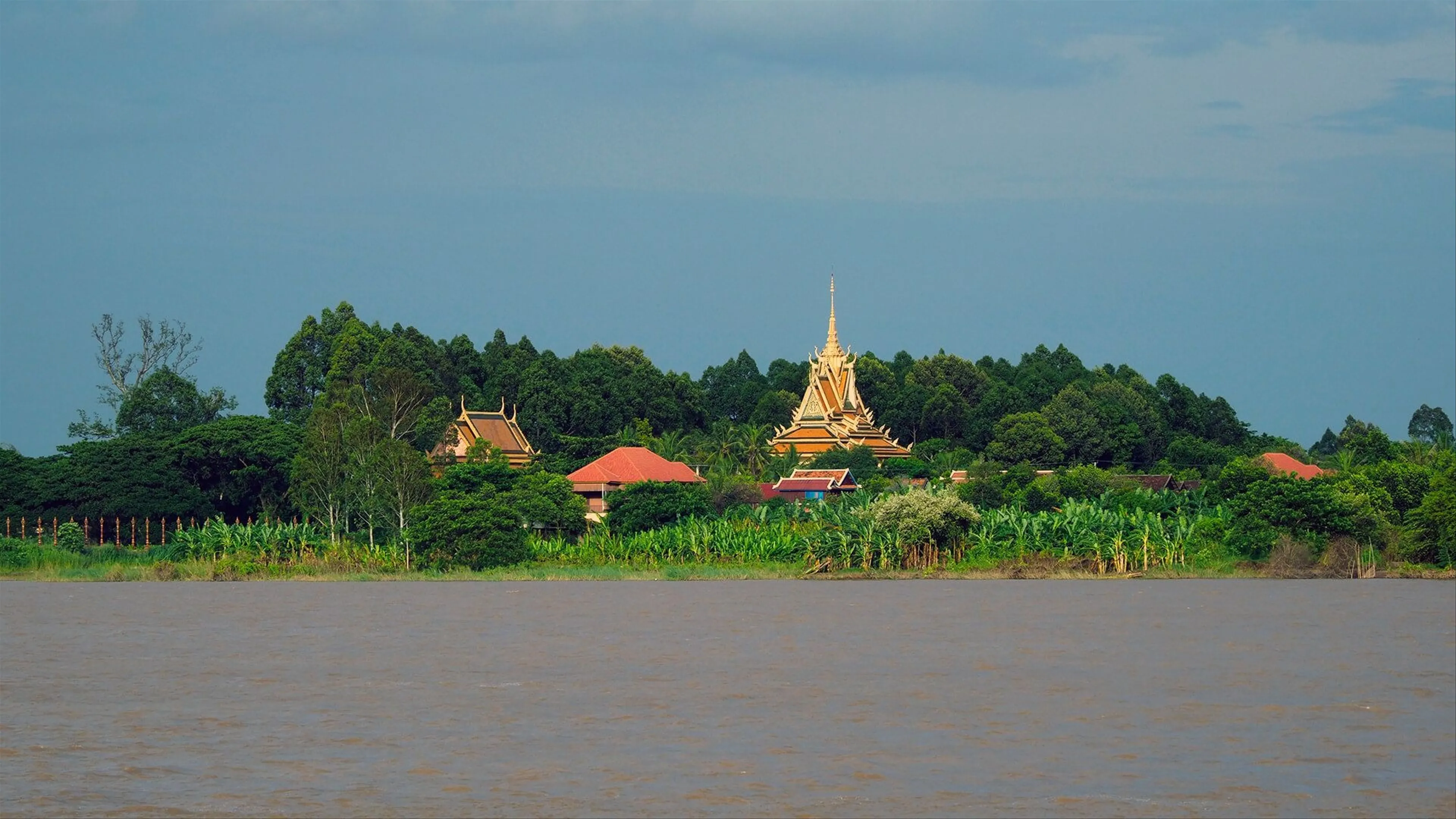
Laos, a landlocked gem in Southeast Asia, is a country where tranquility and tradition seamlessly blend with breathtaking natural landscapes and rich cultural heritage. Known for its lush mountains, serene rivers, and vibrant traditions, Laos offers a unique escape for those seeking both adventure and peace. From the majestic temples to the tranquil Mekong River, Laos invites you to explore its authentic charm and discover its timeless beauty.
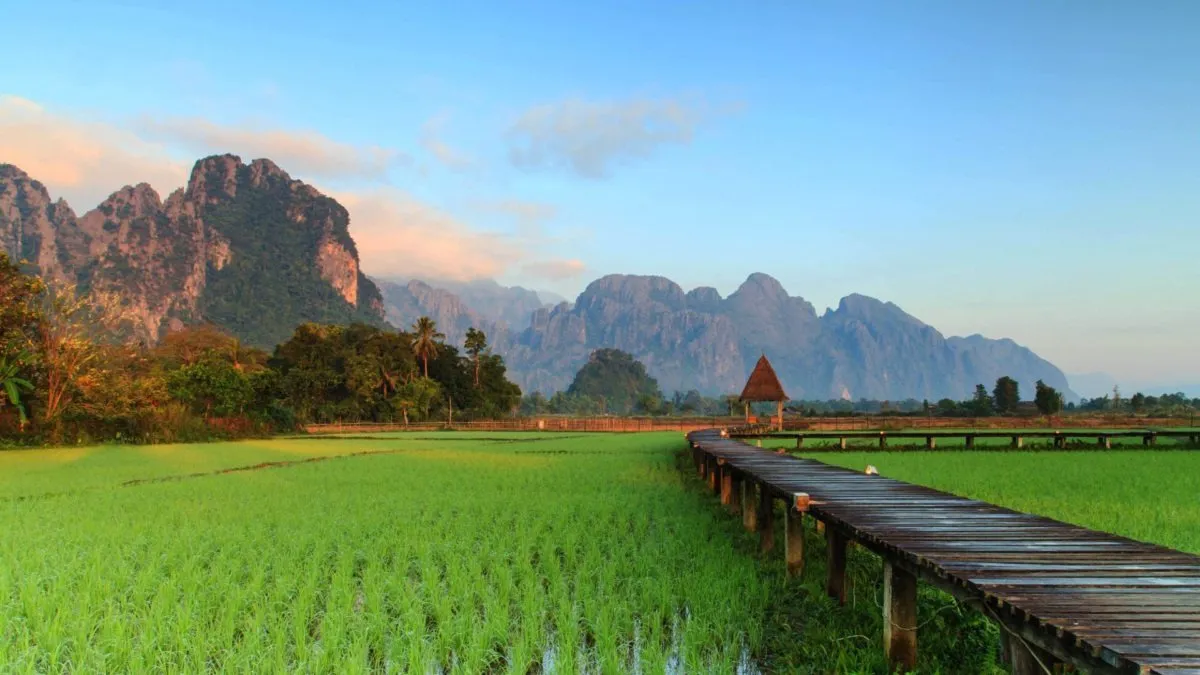
Nestled at the confluence of the Nam Khan and Mekong Rivers, Luang Prabang is a UNESCO World Heritage site that captivates visitors with its stunning natural beauty and well-preserved architectural wonders. The city is renowned for its golden temples, traditional wooden houses, and the daily almsgiving rituals of saffron-clad monks. A visit to the Kuang Si Waterfalls nearby is a must, where turquoise waters cascade into serene pools surrounded by lush greenery.
The capital city of Laos, Vientiane, offers a charming mix of French colonial architecture and ancient Lao temples. Key attractions include the Pha That Luang, a gold-covered large Buddhist stupa, and the Patuxai, reminiscent of the Arc de Triomphe, providing panoramic views of the city. With its laid-back atmosphere and vibrant street markets, Vientiane offers a refreshing change from the bustling capitals of the world.
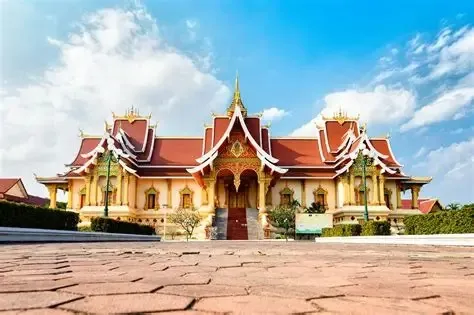
Once famed for its vibrant backpacker party scene, Vang Vieng has transformed into a haven for nature lovers and adventure seekers. Surrounded by striking limestone karsts and the Nam Song River, the area offers numerous activities such as tubing, kayaking, and exploring caves. The natural beauty and outdoor adventures make Vang Vieng a favorite among travelers seeking both thrill and tranquility.
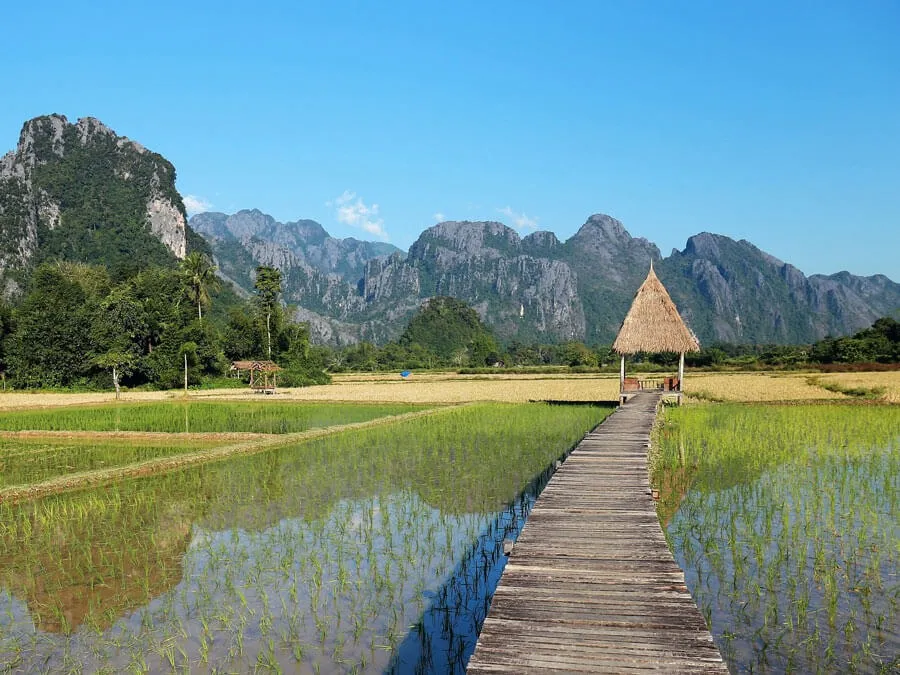
Laos offers a delightful culinary journey that reflects its rich cultural heritage. The national dish, Laap, is a flavorful minced meat salad usually accompanied by sticky rice. Another must-try is Tam Mak Hoong, a spicy green papaya salad that tantalizes the taste buds. The local markets abound with fresh ingredients and traditional dishes that offer a true taste of Laotian culture.
Laos is a country where ancient traditions and vibrant festivals play a significant role in daily life. The Lao New Year, or Pi Mai, celebrated in April, is a joyous occasion marked by water fights, parades, and religious ceremonies. Boun Bang Fai, the Rocket Festival, is another lively event where homemade rockets are launched to ensure good rains for the upcoming farming season. These festivals offer a glimpse into the heart of Laotian culture and its enduring traditions.
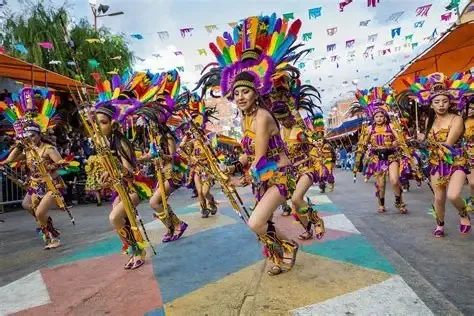
Laos, with its serene landscapes and rich cultural heritage, is home to a plethora of enchanting destinations that promise unforgettable experiences. From ancient temples nestled in verdant landscapes to bustling markets teeming with local life, each corner of Laos beckons with its unique charm. Here are some unmissable places that should be on every traveler's itinerary.
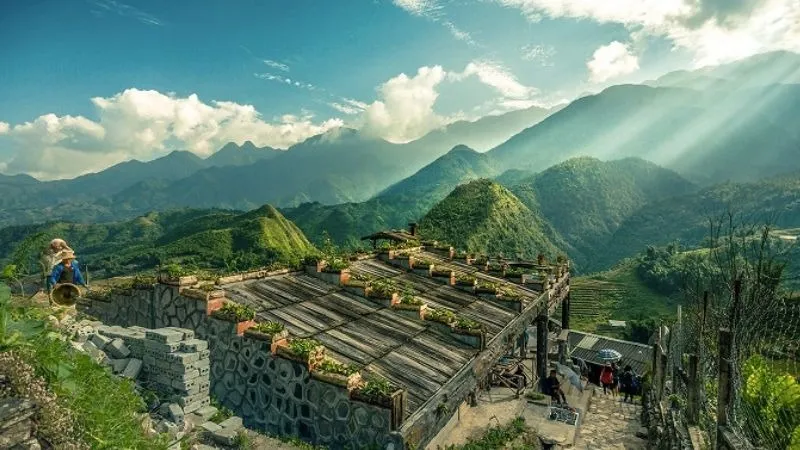
Shrouded in mystery, the Plain of Jars is a sprawling archaeological site on the Xiangkhoang Plateau, filled with thousands of large stone jars scattered across fields. The origins and purpose of these ancient jars remain a subject of intrigue, drawing historians and curious travelers alike. This enigmatic site offers a glimpse into the ancient past of Laos and is a must-visit for those interested in history and archaeology.
Located in the Mekong River, Si Phan Don is a stunning archipelago of islands offering a peaceful retreat. The area is ideal for those looking to unwind amidst natural beauty, with opportunities for kayaking, cycling, and dolphin watching. Don Khon and Don Det are two of the most popular islands, known for their laid-back atmosphere and picturesque sunsets.
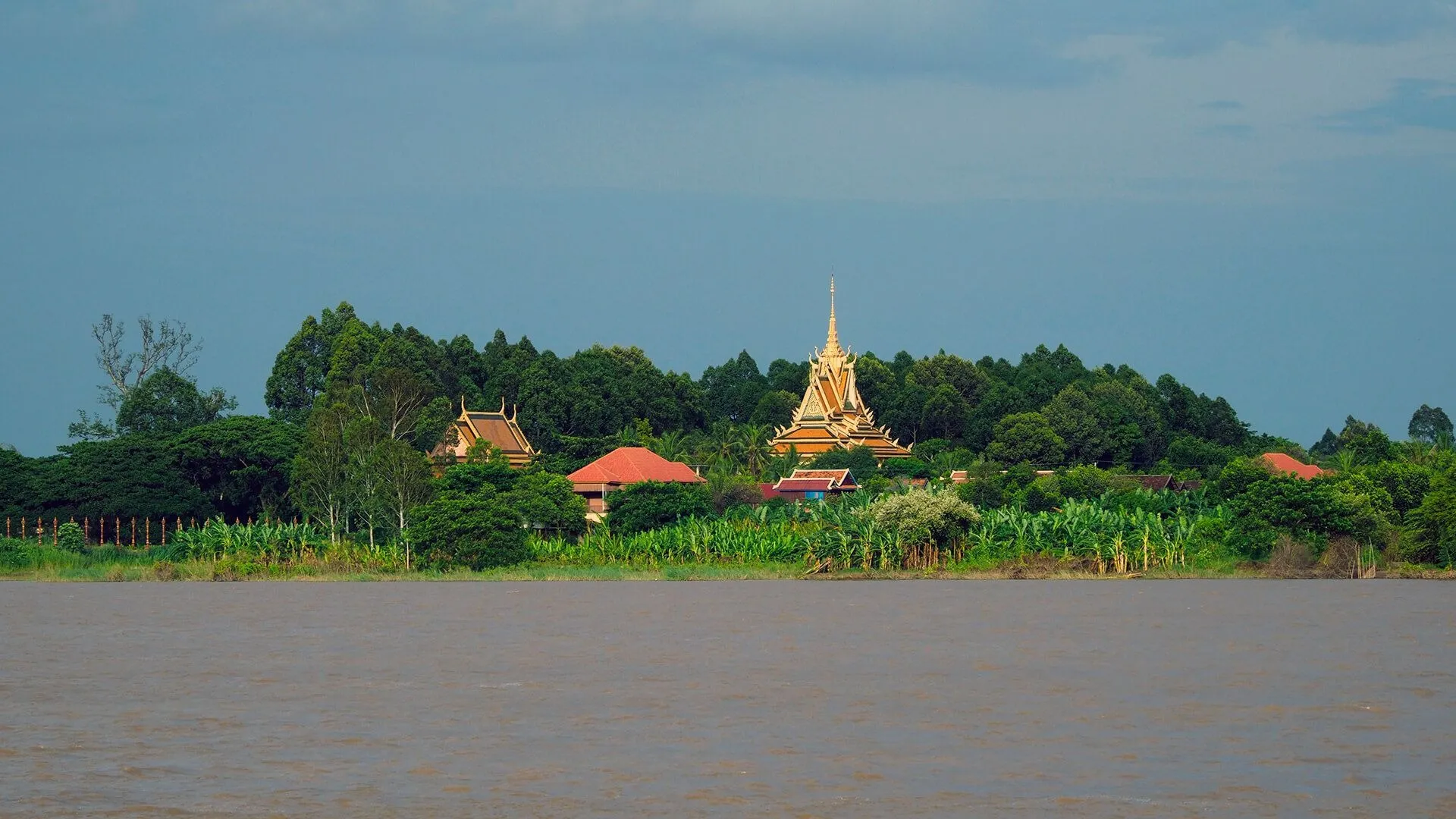
Situated in southern Laos, Wat Phu is an ancient temple complex that dates back to the Khmer Empire. Recognized as a UNESCO World Heritage site, Wat Phu is renowned for its stunning architecture and its setting at the base of Phou Khao mountain. The temple complex offers a spiritual journey through its well-preserved ruins and provides breathtaking views of the surrounding landscape.
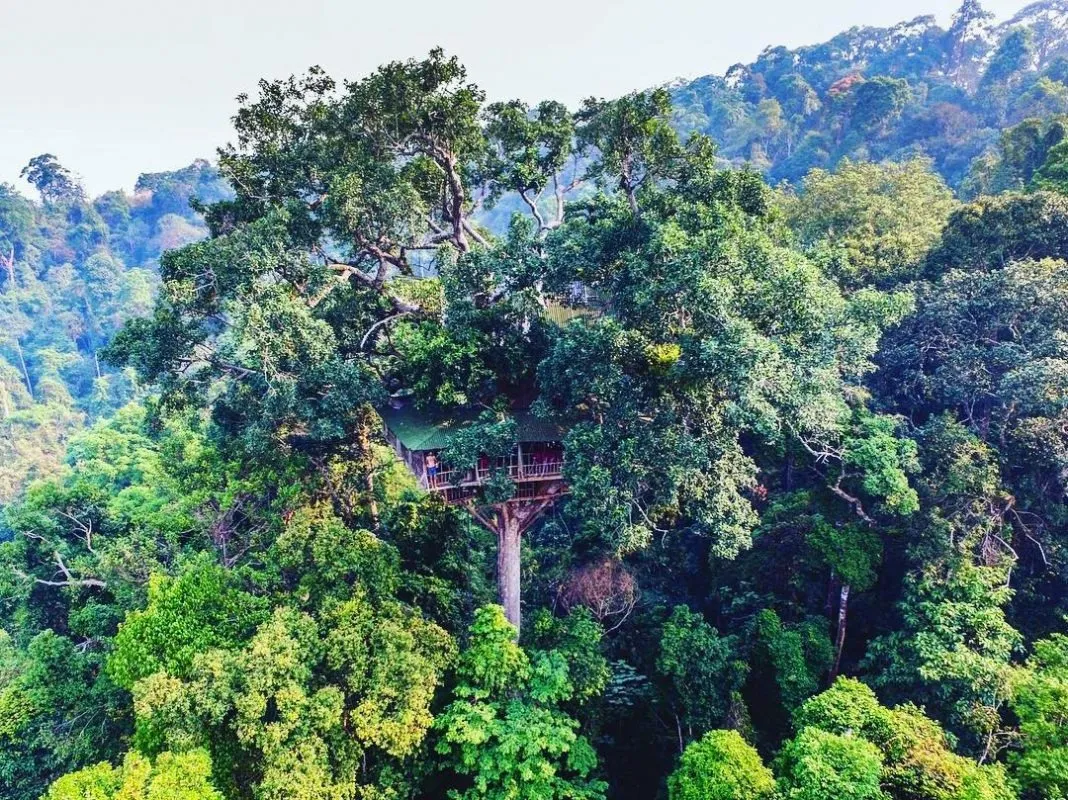
For the adventurous at heart, the Bokeo Nature Reserve offers an exhilarating experience in the heart of the jungle. The reserve is home to the Gibbon Experience, where visitors can stay in treehouses and traverse the forest canopy via zip lines. This conservation area not only provides a thrilling adventure but also supports wildlife protection efforts, making it a rewarding experience for eco-conscious travelers.
As a gateway to the Bolaven Plateau, Pakse is a charming town that serves as a perfect base for exploring the region's coffee plantations and waterfalls. The plateau is renowned for its fertile soil and cool climate, producing some of the best coffee in Southeast Asia. Visitors can explore the Tad Fane and Tad Yuang waterfalls, which offer stunning natural beauty and a refreshing escape from the heat.
Laos, with its rich tapestry of traditions and way of life, offers travelers a unique opportunity to immerse themselves in a culture that is both deeply spiritual and community-oriented. The Laotian lifestyle is characterized by a harmonious blend of ancient customs and modern-day practices, where respect for nature, community, and spiritual beliefs play a central role. From daily rituals to communal festivities, Laotians express their cultural identity in ways that are both subtle and profound, providing visitors with a deeper understanding of their serene way of life.
The artistic heritage of Laos is reflected in its traditional crafts, including weaving, pottery, and wood carving. Laotian silk weaving is renowned for its intricate patterns and vibrant colors, often using techniques passed down through generations. Villages such as Ban Xang Khong near Luang Prabang are famous for their handwoven textiles. Visitors can often participate in workshops to learn about these traditional crafts and bring home unique souvenirs.
Buddhism plays a vital role in the daily lives of Laotians, with temples and stupas serving as spiritual centers in every community. The practice of almsgiving, where locals offer food to monks every morning, is a deeply respected tradition reflecting the Buddhist principles of generosity and humility. Visitors are encouraged to observe or participate respectfully in these ceremonies, gaining insight into the spiritual fabric that binds the Laotian people.

In Laos, community and family ties are paramount. Villages often operate as close-knit communities where cooperation and mutual support are fundamental values. Traditional Lao houses are typically built on stilts, providing a communal space underneath for gatherings and daily activities. Family gatherings are common, especially during festivals and important ceremonies, where food and storytelling play a central role.
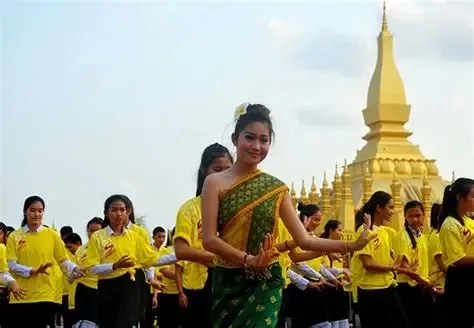
Laotian music and dance are integral to the country's cultural expression, with styles varying across different regions. The khene, a bamboo mouth organ, is a traditional instrument that produces melodic tunes characteristic of Lao folk music. Traditional dances, often performed during festivals and celebrations, tell stories of local folklore and are a vibrant display of the country's cultural diversity.
Laos has a strong connection to its natural environment, and sustainability is woven into its cultural practices. Many communities engage in sustainable farming and fishing methods, emphasizing a balance with nature. Eco-tourism initiatives, such as those in the Bokeo Nature Reserve, highlight the country's commitment to preserving its rich biodiversity while providing meaningful cultural exchanges for travelers.
Laos, with its stunning natural beauty and diverse landscapes, offers a tranquil escape into some of the most picturesque settings in Southeast Asia. From towering mountains and lush forests to mighty rivers and serene waterfalls, the country's natural wonders invite travelers to immerse themselves in an unspoiled paradise. Whether you're an adventurer seeking thrills or a nature lover looking for peace, the landscapes of Laos promise unforgettable experiences and breathtaking vistas.
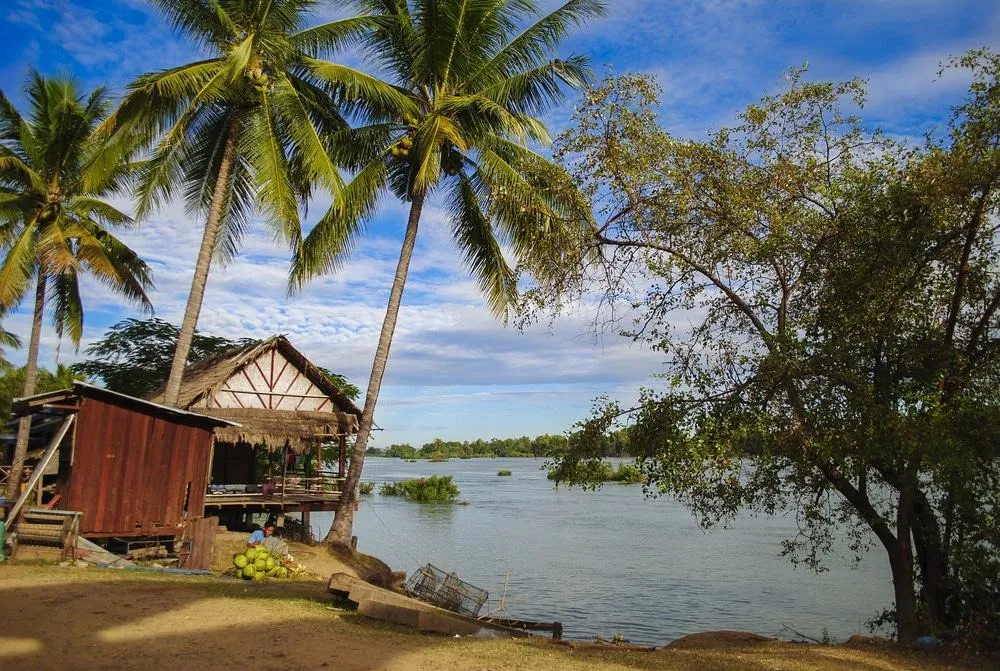
The lifeblood of Laos, the Mekong River flows majestically through the country, supporting the livelihoods of countless communities along its banks. The river's tranquil waters provide opportunities for boating, fishing, and riverside relaxation. Cruising along the Mekong offers a unique perspective of the Laotian countryside, with its verdant hills and traditional villages. The river is especially enchanting at sunset when the sky paints a vivid backdrop over its gentle currents.
Stretching along the eastern border of Laos, the Annamite Range features dramatic mountain landscapes that offer a sanctuary for wildlife and adventure seekers alike. These mountains are home to dense forests and rare species, making them a prime destination for trekking and ecotourism. The rugged terrain and mist-covered peaks create an awe-inspiring backdrop for those exploring the country's highlands.
Located near Luang Prabang, the Kuang Si Waterfalls are a must-visit for anyone traveling to Laos. These multi-tiered falls cascade into turquoise pools surrounded by lush jungle, creating a natural oasis perfect for swimming and picnicking. The area also features a rescue center for Asiatic black bears, providing visitors with an opportunity to learn about conservation efforts in the region.
Vang Vieng is renowned for its striking limestone karsts that rise dramatically from the landscape, offering a surreal and stunning view. These natural formations are perfect for rock climbing and spelunking, with numerous caves to explore. The karsts also provide a picturesque setting for the Nam Song River, where activities such as tubing and kayaking are popular among visitors looking to soak in the area's natural beauty.
Famed for its cool climate and fertile soil, the Bolaven Plateau is a lush highland region known for its coffee plantations and cascading waterfalls. Visitors can explore the stunning Tad Fane and Tad Yuang waterfalls, which offer breathtaking views and refreshing escapes from the tropical heat. The plateau is also a cultural hub, home to various ethnic groups and traditional villages that provide insight into Laotian rural life.
Laos offers a culinary landscape as rich and diverse as its culture, where traditional flavors are crafted using fresh, local ingredients. Laotian cuisine is characterized by its bold flavors, fragrant herbs, and the harmonious balance of spicy, sour, salty, and sweet. Whether enjoying street food in bustling markets or dining in a local eatery, the flavors of Laos promise a delightful gastronomic adventure that reflects the country's unique cultural tapestry.
Laap is considered the national dish of Laos, a flavorful minced meat salad that is both refreshing and aromatic. Typically made with chicken, beef, or fish, the meat is seasoned with lime juice, fish sauce, herbs, and toasted rice powder, offering a delightful texture and taste. Served with sticky rice, Laap is a must-try for anyone looking to experience authentic Laotian cuisine.
This spicy and tangy salad is a staple in Laotian cuisine, featuring shredded green papaya mixed with tomatoes, lime, garlic, fish sauce, and chilies. The dish is often garnished with peanuts and fresh herbs, providing a vibrant burst of flavors. Tam Mak Hoong is a popular choice for those seeking a light yet flavorful meal.
Sticky rice is a cornerstone of Laotian meals, traditionally steamed in bamboo baskets and served in small woven containers. It is typically eaten with hands and pairs well with almost every dish, from savory curries to spicy salads. The sticky texture and mild flavor make it a comforting and essential part of the Laotian dining experience.
Khao Poon is a traditional Laotian noodle soup made with rice vermicelli and a rich, spicy broth infused with coconut milk, lemongrass, and galangal. The soup is often topped with a variety of meats, such as chicken or pork, and garnished with fresh herbs and lime. This hearty dish is perfect for those looking to savor the comforting flavors of Laos.
Sai Oua is a delicious Laotian sausage made from minced pork, flavored with lemongrass, kaffir lime leaves, and galangal. The sausages are typically grilled, offering a smoky, aromatic flavor that is both savory and satisfying. Often served with sticky rice and fresh vegetables, Sai Oua provides a taste of traditional Lao street food.
Jeow Bong is a spicy Lao chili paste that adds a fiery kick to any meal. Made with roasted chilies, garlic, and fermented fish, this condiment is both pungent and flavorful. Often served alongside grilled meats and sticky rice, Jeow Bong is a staple for spice enthusiasts looking to elevate their culinary experience in Laos.
Or Lam is a traditional Laotian stew known for its hearty and aromatic qualities. Typically made with a variety of vegetables, mushrooms, and meats like beef or chicken, the dish includes distinctive ingredients such as lemongrass, dill, and chili wood. Or Lam is a comforting dish that showcases the unique flavors and culinary traditions of Laos.
Laos, with its diverse climate and vibrant cultural calendar, offers a multitude of experiences throughout the year. Understanding the best time to visit can greatly enhance your travel experience, allowing you to partake in festivals, enjoy outdoor adventures, or simply relax in its serene landscapes. Here's a guide to help you decide when to embark on your journey to this enchanting land.
The cool and dry season is considered the best time to visit Laos, with pleasant temperatures ranging from 15°C to 30°C (59°F to 86°F). This period is ideal for exploring the country's natural beauty, from trekking in the Annamite Range to cruising on the Mekong River. The clear skies and mild weather also make it a perfect time for sightseeing in cities like Luang Prabang and Vientiane. However, this is also the peak tourist season, so it's advisable to book accommodations and tours in advance.
The hot season in Laos is characterized by rising temperatures, often reaching up to 38°C (100°F) in some regions. While the heat can be intense, this is a great time for water-based activities, such as swimming in the Kuang Si Waterfalls or kayaking in the Mekong River. The hot season is also when the Lao New Year, Pi Mai, is celebrated in April, offering a vibrant cultural experience with water festivities and traditional ceremonies.
The rainy season, also known as the green season, transforms the Laotian landscape into a lush, vibrant expanse, with rice paddies and forests coming alive. Although the rains can be heavy, they are usually brief, often occurring in the late afternoon or evening. This season is perfect for those looking to experience the tranquility of Laos without the crowds, and it's also a fantastic time for photography enthusiasts to capture the country's verdant beauty. Travelers should prepare for occasional travel disruptions due to weather conditions, but the rewards of experiencing Laos in its most fertile state are plentiful.
Laos is home to numerous festivals throughout the year, offering unique insights into its rich cultural heritage. Apart from Pi Mai in April, visitors can experience Boun Bang Fai, the Rocket Festival, typically held in May, or Boun That Luang, a religious festival in November that attracts thousands of pilgrims to the Pha That Luang in Vientiane. Planning your visit around these festivals can provide an immersive cultural experience, allowing you to partake in the joyous celebrations and understand the significance of these traditions in Laotian society.
Ultimately, the best time to visit Laos depends on your interests and what you wish to experience. Whether you're drawn to the country's natural wonders, cultural festivities, or simply its peaceful ambiance, Laos offers something special year-round, promising an unforgettable journey into its serene embrace.
Navigating Laos is an adventure in itself, offering a variety of transportation options that cater to different travel styles and budgets. From scenic riverboat cruises to local tuk-tuks, each mode of transportation provides a unique perspective of this enchanting land. Understanding the available options will enhance your travel experience, ensuring you explore Laos with ease and comfort.
For those short on time or looking to cover large distances quickly, domestic flights are a convenient option in Laos. The country’s main airline, Lao Airlines, offers flights connecting major cities such as Vientiane, Luang Prabang, and Pakse. While more expensive than other modes of transport, flying can save significant travel time, especially if you're planning to visit multiple regions within a limited schedule.
Buses and minivans are the most common and affordable ways to travel between cities and towns in Laos. The bus network is extensive, with regular services connecting major tourist destinations. VIP and sleeper buses offer more comfort for long journeys, while minivans provide a faster option for shorter distances. Be prepared for winding roads and varying road conditions, especially in mountainous areas.
For short distances within cities and towns, tuk-tuks and songthaews (shared pick-up trucks) are popular and inexpensive options. These vehicles offer a more local experience, allowing you to interact with residents and get a feel for the everyday life in Laos. Always agree on a fare before starting your journey to avoid misunderstandings.
Renting a motorbike is a popular choice for adventurous travelers looking to explore at their own pace. It provides the flexibility to visit remote areas and take scenic routes that larger vehicles cannot access. However, ensure you have a valid driving license, and always wear a helmet for safety. Be aware of local traffic rules and road conditions, which can be challenging in some areas.
With the Mekong River flowing through the heart of Laos, riverboats and ferries offer a scenic way to travel between destinations. Slow boats, particularly between Luang Prabang and Huay Xai, provide a leisurely journey with stunning views of the river and surrounding landscapes. For shorter trips, local ferries offer crossings at various points along the river, connecting towns and villages.
In cities like Luang Prabang and Vientiane, bicycles are a convenient and eco-friendly way to explore. Many guesthouses and rental shops offer bicycles for hire, allowing you to navigate at your own pace and discover hidden gems off the beaten path. Cycling is particularly enjoyable in areas with less traffic, where you can leisurely take in the sights and sounds of Laos.
Ultimately, the choice of transportation in Laos depends on your itinerary and travel preferences. Whether you prefer the comfort of a flight or the local experience of a tuk-tuk ride, each option provides an opportunity to explore the country's diverse landscapes and cultural treasures.
Traveling through Laos can be an enriching and unforgettable experience, filled with cultural discoveries and natural wonders. To make your journey smoother and more enjoyable, here are some practical travel tips to keep in mind. From understanding the local customs to preparing for the tropical climate, these insights will help you navigate Laos with ease and appreciation.
Most travelers to Laos will need a visa, which can be obtained upon arrival at major airports and land border crossings. It's advisable to check the latest visa regulations for your nationality before traveling. Ensure you have a passport valid for at least six months beyond your intended stay and carry passport-sized photos for the visa application process.
The official currency of Laos is the Lao Kip (LAK). While credit cards are accepted at some hotels and larger establishments, cash is king in Laos, especially in rural areas and local markets. ATMs are available in major towns and cities, but it's wise to carry sufficient cash when traveling to remote regions. Currency exchange services are also widely available.
The official language of Laos is Lao, and learning a few basic phrases can enhance your travel experience and interactions with locals. While English is spoken in tourist areas, especially in hotels and tour agencies, a little effort to speak Lao can go a long way in building rapport and respect with the local community.
Before traveling to Laos, ensure that your vaccinations are up to date, including those for hepatitis A and B, typhoid, and tetanus. Malaria is present in some areas, so consult your healthcare provider about prophylaxis. Tap water is not safe to drink, so always opt for bottled or filtered water. Exercise standard precautions to avoid petty theft, and keep personal belongings secure, especially in crowded places.
Laotian culture places a strong emphasis on respect and humility. Dress modestly, particularly when visiting religious sites, and always remove your shoes before entering temples or homes. It's considered disrespectful to touch someone's head or to point with your feet. When greeting, the traditional "nop" gesture, with palms pressed together in a prayer-like position, is a polite way to show respect.
Road conditions in Laos can vary significantly, with rural areas having more challenging terrain. If you're renting a vehicle or motorbike, ensure it's in good condition and familiarize yourself with the local traffic rules. For public transport, it's common for buses and minivans to depart only when full, so be prepared for flexible schedules.
Laos has a tropical climate, so pack lightweight, breathable clothing to stay comfortable in the heat. During the rainy season, waterproof clothing and sturdy footwear are essential for navigating wet conditions. The cooler months from November to February can be chilly in mountainous areas, so layering is recommended.
Laos is known for its stunning natural landscapes and biodiversity. Practice eco-friendly travel habits, such as minimizing waste and supporting conservation efforts. Be mindful of wildlife and natural habitats, and follow local guidelines when visiting protected areas to ensure these treasures are preserved for future generations.
Armed with these practical tips, you're well-prepared to explore the serene beauty and rich culture of Laos. Whether you're trekking through lush jungles, marveling at ancient temples, or savoring local delicacies, your journey through Laos promises to be a remarkable adventure.
Laos is a country where vibrant festivals and cultural events play a central role in the social and spiritual life of its people. These celebrations offer a rich tapestry of traditional practices, lively parades, and communal gatherings that reflect the deep-rooted customs and beliefs of the Laotian people. Attending these festivals not only provides insight into the cultural heritage of Laos but also offers a unique opportunity to experience the warmth and hospitality of its communities.
Celebrated in mid-April, Pi Mai is one of the most anticipated events in Laos, marking the start of the Lao New Year. This vibrant festival is characterized by water splashing, symbolizing cleansing and renewal, as well as colorful parades, traditional music, and dance performances. Families come together to clean their homes, make offerings at temples, and build sand stupas along riverbanks, creating a festive atmosphere that captivates both locals and visitors.
Held in May, the Boun Bang Fai, or Rocket Festival, is a lively and exhilarating event that celebrates the onset of the rainy season. Villages compete by launching homemade rockets into the sky, which are believed to prompt the rain gods to bless the upcoming agricultural season. The festival includes traditional music, dance, and plenty of food, making it a joyous occasion filled with community spirit and excitement.
Marking the beginning of the Buddhist Lent in July, Boun Khao Phansa is a significant religious festival in Laos. During this time, Buddhist monks retreat to their temples for three months of meditation and study, while laypeople engage in increased spiritual activities. The festival is marked by candlelit processions, offerings to monks, and prayers, providing a serene and spiritual experience for those who partake.
Boun That Luang is a major religious festival held in November at the Pha That Luang in Vientiane, the most important national monument in Laos. Pilgrims from across the country gather to pay homage to this revered stupa, participating in rituals, processions, and almsgiving ceremonies. The festival culminates in a grand firework display, illuminating the night sky in celebration of faith and unity.
Concluding the Buddhist Lent, Boun Ok Phansa, held in October, is a time of celebration and thanksgiving. The festival involves vibrant boat races on the Mekong River, where teams compete in longboats adorned with colorful decorations. Communities gather along the riverbanks to cheer on the participants, enjoying the lively atmosphere and the spirit of camaraderie.
These festivals and events in Laos offer an immersive experience into the cultural heart of the country, allowing travelers to witness and participate in the joyous celebrations that define Laotian life. Whether you're drawn by the spiritual significance or the festive merriment, attending these events provides a deeper appreciation of the traditions that make Laos a unique and enchanting destination.
Laos, a country of enchanting landscapes and rich cultural heritage, offers travelers a wealth of unique experiences and hidden gems waiting to be discovered. Beyond the well-trodden paths and famous tourist attractions, the heart of Laos reveals itself through its lesser-known wonders and authentic local encounters. From secluded natural beauties to traditional villages steeped in history, these hidden treasures promise an unforgettable journey into the soul of this captivating nation.
Located near the scenic town of Nong Khiaw, the 100 Waterfalls are a breathtaking natural wonder offering a unique trekking experience. This off-the-beaten-path adventure takes you through lush jungle terrain and cascading waterfalls, providing an intimate encounter with the pristine beauty of Laos. The hike, guided by local villagers, offers insights into rural life and the opportunity to connect with the tranquil surroundings.
Hidden in the remote northeast of Laos, the Vieng Xai Caves hold a fascinating history as the secret city of the Pathet Lao during the Indochina War. These caves served as shelters, hospitals, and government offices, providing refuge for thousands. Today, guided tours reveal the intriguing stories and artifacts from this period, offering a unique glimpse into the resilience and ingenuity of the Laotian people.
For wildlife enthusiasts, the Ban Na Elephant Tower near the village of Ban Na provides a rare opportunity to observe wild elephants in their natural habitat. The tower, located within the Phou Khao Khouay National Park, is the perfect spot for witnessing these majestic creatures while supporting local conservation efforts. The experience is both thrilling and rewarding, offering a deeper understanding of Laos' commitment to preserving its wildlife.
Accessible only by boat, the village of Muang Ngoi Neua is a hidden gem that offers a peaceful retreat from the hustle and bustle of modern life. Nestled along the Nam Ou River, this idyllic village is surrounded by stunning karst mountains and lush greenery. Visitors can explore nearby caves, hike through rice paddies, or simply relax in a hammock, soaking in the serene atmosphere and the warmth of the local community.
While the Plain of Jars is a well-known archaeological site, its less-visited locations offer a quieter and more intimate exploration of these ancient wonders. Sites such as Ban Phakeo and Ban Nakho are less frequented by tourists, providing a more personal encounter with the enigmatic stone jars scattered across the landscape. These remote sites offer the same historical intrigue with the added charm of solitude and untouched beauty.
In the southern province of Champasak, the Tad Tayicsua Waterfalls are a series of spectacular cascades set amidst dense forest and dramatic landscapes. Unlike the more popular waterfalls in Laos, Tad Tayicsua remains largely unspoiled and offers a refreshing escape into nature. The area is perfect for adventurous hikes and picnics, with the chance to discover hidden pools and enjoy the tranquility of this secluded paradise.
Whether you're seeking adventure, history, or relaxation, these unique experiences and hidden gems in Laos promise to captivate and inspire, offering a deeper connection to the country's enchanting landscapes and vibrant culture.
No tours published here yet.
Stay connected in Laos with instant mobile data — no roaming fees, no physical SIM.
Discover tours, attractions and travel services for Laos.