
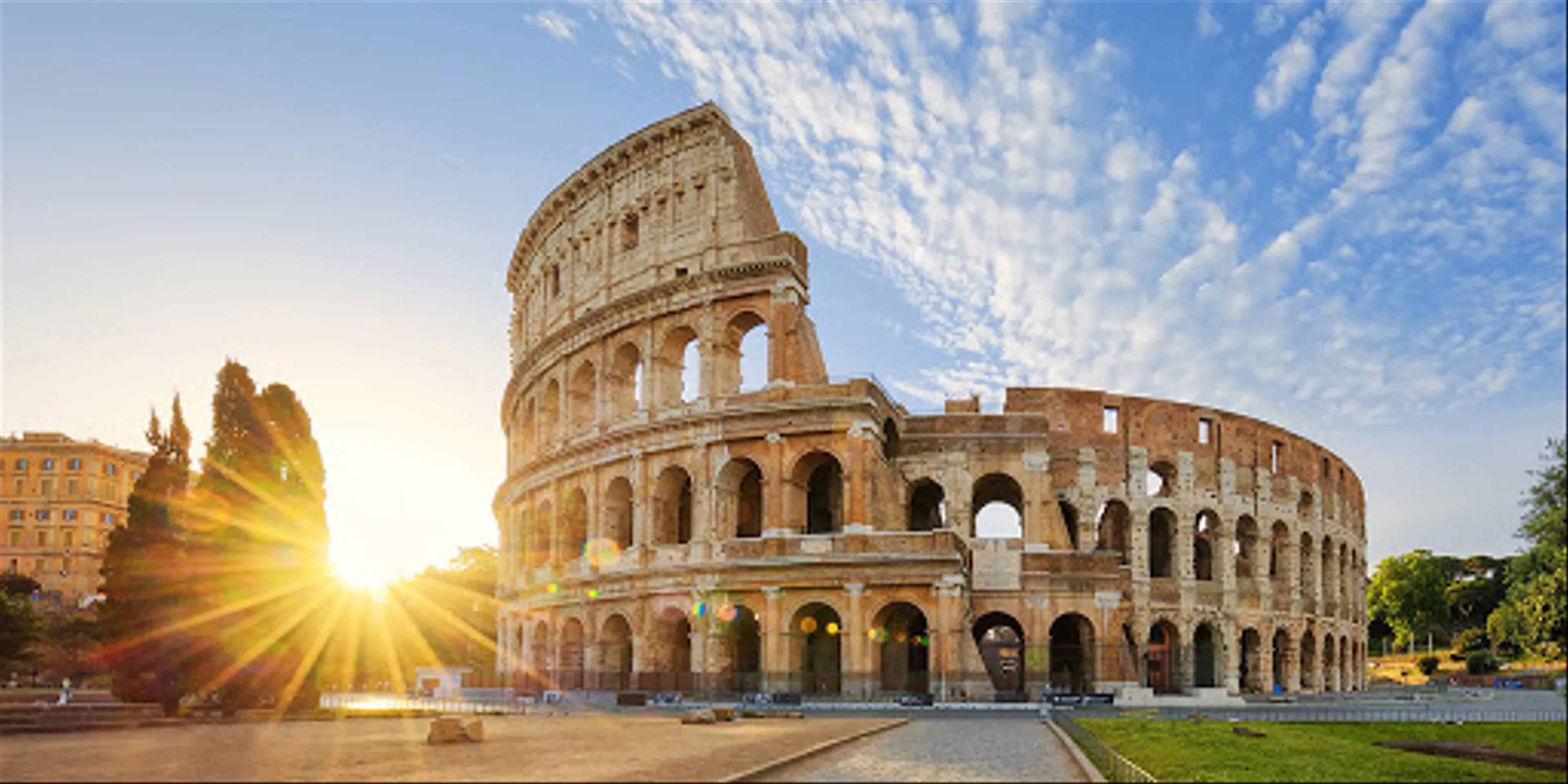
Italy is a country that captivates visitors with its rich tapestry of history, stunning landscapes, and culinary delights. From the rolling hills of Tuscany to the vibrant streets of Naples, Italy offers a diverse array of experiences that reflect its timeless charm. Whether you're an art enthusiast, a history buff, or a food lover, Italy is a destination that promises to ignite your senses and leave you yearning for more.
Rome, the capital of Italy, is a city where ancient history and modern life intertwine seamlessly. Marvel at the architectural grandeur of the Colosseum, explore the artistic treasures of the Vatican Museums, and toss a coin into the Trevi Fountain to ensure your return to this mesmerizing city. Rome's vibrant street life and exquisite cuisine make it a must-visit destination.
Florence is a city that celebrates art at every corner. As the birthplace of the Renaissance, it boasts an unparalleled collection of masterpieces. Visit the Uffizi Gallery to admire works by Botticelli and Michelangelo, stroll across the iconic Ponte Vecchio, and immerse yourself in the beauty of the city's historic architecture. Florence's enchanting atmosphere is sure to inspire.
Venice is a city like no other, with its intricate network of canals and stunning Gothic architecture. Glide along the Grand Canal on a gondola, explore the quiet charm of its hidden alleyways, and enjoy a coffee in the bustling Piazza San Marco. Venice's unique charm and romantic ambiance offer an experience that is both captivating and unforgettable.
Tuscany is renowned for its picturesque landscapes, rolling vineyards, and charming hilltop towns. Explore the medieval streets of Siena, savour the world-famous wines of Chianti, and bask in the sun-drenched beauty of the Val d'Orcia. Tuscany offers a serene escape where you can immerse yourself in the region's rich cultural heritage and culinary delights.
Sicily, the largest island in the Mediterranean, is a crossroads of culture and history. Discover the ancient ruins of Agrigento, explore the vibrant markets of Palermo, and enjoy the island's unique blend of Italian and North African influences. Sicily's diverse landscapes and rich cultural tapestry make it a fascinating destination for any traveler.
Italy is a treasure trove of unmissable places that offer a deep dive into its rich cultural fabric and stunning natural beauty. From iconic landmarks to hidden gems, each destination holds a story waiting to be discovered. Whether you seek historical grandeur, artistic brilliance, or gastronomic adventures, these unmissable places in Italy promise an unforgettable journey.
The Amalfi Coast is a breathtaking stretch of coastline renowned for its dramatic cliffs, azure waters, and charming seaside villages. Visit the picturesque town of Positano with its colorful cliffside houses, explore the historic streets of Amalfi, and take in the panoramic views from Ravello. This coastal paradise offers an idyllic setting for relaxation and adventure.
Step back in time at the ancient city of Pompeii, where you can explore the remarkably preserved ruins buried by the eruption of Mount Vesuvius in 79 AD. Wander through the ancient streets, visit the grand amphitheater, and marvel at the detailed frescoes that provide insight into daily life in ancient Rome. Pompeii offers a fascinating glimpse into history.
The Cinque Terre is a collection of five enchanting villages perched along the rugged Ligurian coast. Accessible by hiking trails and trains, these villages offer stunning views of terraced vineyards and the sparkling Mediterranean Sea. Discover the charm of each village, from the vibrant houses of Manarola to the tranquil harbor of Vernazza.
Lake Como, nestled in the foothills of the Alps, is a serene retreat known for its picturesque landscapes and elegant villas. Take a leisurely boat ride across the lake, explore the charming town of Bellagio, and visit the stunning gardens of Villa Carlotta. Lake Como's tranquil beauty and luxurious ambiance make it a perfect getaway for relaxation.
The Dolomites are a magnificent mountain range offering some of the most spectacular alpine scenery in Europe. Ideal for outdoor enthusiasts, the region is perfect for skiing in winter and hiking in summer. Explore the dramatic peaks, verdant valleys, and quaint alpine villages that define this UNESCO World Heritage site.
Turin, in the Piedmont region, is a city that seamlessly blends innovation with rich history. Known for its refined architecture and vibrant cultural scene, Turin boasts impressive museums like the Egyptian Museum and the National Museum of Cinema. Stroll through the elegant squares and enjoy the city's renowned chocolate and coffee culture.
Italy is a land of vibrant traditions and a lifestyle deeply rooted in its cultural heritage. The Italian way of life is characterized by a strong sense of community, a love for art and beauty, and an appreciation for the simple pleasures of life. This section delves into the cultural intricacies and everyday traditions that make Italy a captivating destination for travelers seeking a deeper understanding of its people and customs.
La Dolce Vita, or "the sweet life," epitomizes the Italian approach to living. It’s about savoring every moment, whether it’s enjoying a leisurely espresso at a local café, taking a passeggiata (evening stroll) through the piazzas, or indulging in a delicious meal with family and friends. This philosophy encourages living life to its fullest with joy and passion.
Family is the cornerstone of Italian society, and gatherings are often lively and filled with laughter. Italians celebrate numerous festivals throughout the year, such as Carnevale, with its colorful masks and parades, and Ferragosto, a summer holiday marked by feasting and fireworks. These celebrations reflect the community spirit and rich cultural traditions that define Italian life.
Italian cuisine is renowned worldwide for its emphasis on fresh ingredients and regional flavors. Each region offers its specialties, from the creamy risottos of the north to the spicy arrabbiata sauces of the south. Meals are a time for connection and are often enjoyed with loved ones, accompanied by local wines and lively conversation.
Italy's artistic heritage is unparalleled, with a legacy that spans centuries. The country is a treasure trove of art and architecture, from the awe-inspiring frescoes of the Sistine Chapel to the Renaissance masterpieces housed in Florence. Italians take great pride in their artistic achievements, which continue to inspire and influence the world.
Coffee is an integral part of Italian daily life, enjoyed not just for its rich flavor but as a social ritual. Italians start their day with an espresso or cappuccino, often standing at the bar, engaging in lively conversation. The coffee experience is about more than just the beverage; it’s a moment to connect and savor the day.
Italy is synonymous with style and elegance, home to iconic fashion houses such as Gucci, Prada, and Versace. Italians have a flair for fashion, evident in their impeccable sense of style and attention to detail. The country’s fashion scene is a reflection of its appreciation for beauty and quality craftsmanship.
Italy is a country blessed with a remarkable diversity of natural landscapes that captivate the imagination and inspire exploration. From the snow-capped peaks of the Alps to the sun-drenched beaches of the Mediterranean, Italy's natural beauty is as varied as it is breathtaking. This section explores some of the most stunning and iconic landscapes that define Italy's unique geographical tapestry.
The Italian Alps offer a dramatic backdrop of towering peaks and scenic valleys. This region is a paradise for outdoor enthusiasts, providing opportunities for skiing, hiking, and mountaineering. The breathtaking views from the Dolomites, a UNESCO World Heritage site, are a testament to the raw beauty and grandeur of these majestic mountains.
Stretching the length of the country, the Apennines are often referred to as the backbone of Italy. These mountains offer a more rugged and less explored terrain, home to charming villages and rich biodiversity. The region is perfect for trekking and discovering Italy's lesser-known natural wonders.
Italy's northern lakes, such as Lake Garda, Lake Maggiore, and Lake Como, are renowned for their serene beauty and picturesque settings. Surrounded by lush hills and elegant villas, these lakes provide a peaceful retreat and are ideal for boating, swimming, and simply soaking in the stunning scenery.
Italy's extensive coastline offers a myriad of stunning seascapes, from the rugged cliffs of the Amalfi Coast to the pristine beaches of Sardinia. The coastal areas are perfect for exploring charming fishing villages, enjoying fresh seafood, and experiencing the vibrant maritime culture that defines Italy's relationship with the sea.
Italy's islands, including Sicily, Sardinia, and the Aeolian Islands, each offer a unique blend of natural beauty and cultural richness. With volcanic landscapes, crystal-clear waters, and ancient ruins, these islands provide a captivating escape into the heart of the Mediterranean's allure.
The Italian countryside is synonymous with idyllic landscapes of rolling hills and lush vineyards. Regions like Tuscany and Umbria are celebrated for their scenic beauty, offering a tranquil setting for exploring picturesque villages, savoring local wines, and experiencing the timeless charm of rural Italy.
Italy is home to numerous national parks that preserve the country's diverse ecosystems and wildlife. From the Gran Paradiso National Park in the Alps to the Cilento and Vallo di Diano National Park in the south, these protected areas offer pristine environments where visitors can enjoy nature at its purest.
Italy's culinary scene is a vibrant tapestry of flavors and traditions, deeply rooted in regional diversity and a commitment to quality ingredients. From the northern delicacies of the Alps to the sun-kissed dishes of the southern coasts, Italian cuisine offers a delectable journey through a land where food is celebrated as an art form. Here, we explore some of the quintessential Italian dishes and culinary experiences that every traveler should savor.
Originating from Naples, Pizza Napoletana is a culinary masterpiece characterized by its thin, soft crust and simple yet flavorful toppings. Traditionally topped with San Marzano tomatoes, mozzarella di bufala, fresh basil, and a drizzle of olive oil, this iconic dish is cooked in a wood-fired oven, creating a perfect balance of textures and flavors.
Hailing from Rome, Pasta alla Carbonara is a creamy, indulgent dish made with eggs, Pecorino Romano cheese, guanciale (cured pork cheek), and freshly cracked black pepper. This classic Roman pasta dish is a testament to the simplicity and richness of Italian culinary tradition.
Risotto alla Milanese is a luxurious dish from Milan, known for its rich, creamy texture and vibrant yellow hue, achieved by adding saffron. The Arborio rice is gently simmered with broth, butter, and Parmesan cheese, creating a comforting and elegant dish that perfectly represents northern Italian cuisine.
Originating from Lombardy, Osso Buco is a hearty dish of cross-cut veal shanks braised with white wine, broth, and aromatic vegetables. Often served with a gremolata of lemon zest, garlic, and parsley, this dish is a flavorful testament to Italy's rich culinary heritage.
Lasagna is a beloved Italian classic, featuring layers of pasta sheets, rich meat ragù, creamy béchamel sauce, and Parmesan cheese. This comforting dish, with its roots in Emilia-Romagna, is a hearty and satisfying representation of Italian comfort food.
Tiramisu, meaning "pick me up" in Italian, is a classic dessert consisting of layers of coffee-soaked ladyfingers, mascarpone cheese, and a dusting of cocoa powder. This decadent treat, originating from the Veneto region, offers a perfect balance of flavors and textures, making it a delightful end to any Italian meal.
Gelato is a quintessential Italian dessert known for its rich flavor and creamy texture. Made with a higher proportion of milk and less air than traditional ice cream, gelato is available in a myriad of flavors, from classic vanilla and chocolate to innovative combinations like pistachio and stracciatella.
The regions of Piedmont and Umbria are renowned for their truffles, a prized delicacy in Italian cuisine. These aromatic fungi are often shaved over pasta, risotto, or eggs, adding an earthy richness that elevates any dish to a gourmet experience.
Limoncello is a vibrant lemon liqueur from the Amalfi Coast, traditionally made by steeping lemon peels in alcohol. Served chilled as a digestif, this refreshing drink captures the essence of Italy's sunny southern coast, offering a delightful end to any meal.
Italy is a year-round destination, offering unique experiences in every season. Whether you're drawn to the sun-drenched beaches, the snowcapped mountains, or the cultural festivals, Italy's diverse climate and regional variations provide something for every traveler. Understanding the best times to visit based on your interests can enhance your Italian adventure.
Spring, from March to May, is one of the best times to visit Italy. The weather is mild and pleasant, perfect for exploring cities and countryside alike. As flowers bloom and landscapes awaken from winter's slumber, destinations like Tuscany and the Amalfi Coast are particularly enchanting. This season also marks the start of various cultural events and Easter celebrations, offering a glimpse into Italy's vibrant traditions.
From June to August, Italy revels in the warmth of summer. This is the ideal time for beach lovers and those looking to enjoy the vibrant Mediterranean coastlines. Popular destinations such as the Amalfi Coast, Cinque Terre, and Sicily draw crowds with their stunning seaside vistas and lively atmosphere. However, be prepared for higher temperatures and bustling tourist sites, especially in major cities like Rome and Florence.
Autumn, spanning September to November, offers a delightful mix of mild weather and cultural richness. This is the season of harvest festivals, where you can immerse yourself in Italy's culinary traditions and enjoy wine tastings in regions like Tuscany and Piedmont. The countryside is painted in warm hues, creating picturesque settings for leisurely exploration without the summer crowds.
Winter in Italy, from December to February, brings a different kind of charm. While the northern regions boast excellent skiing opportunities in the Alps and Dolomites, the southern parts enjoy milder winters, making cities like Naples and Palermo attractive destinations. The festive holiday season transforms Italy with Christmas markets, nativity scenes, and vibrant New Year celebrations, offering a magical atmosphere to visitors.
Italy offers a variety of transportation options that make traveling across this beautiful country both convenient and enjoyable. Whether you prefer the efficiency of high-speed trains or the flexibility of car rentals, understanding how to get around in Italy will enhance your travel experience. Here, we explore the different modes of transportation available and provide tips on navigating Italy's roads, rails, and skies.
Trains are the backbone of Italy's public transportation system, offering an extensive network that connects major cities and charming towns alike. High-speed trains, such as the Frecciarossa and Italo, provide fast and comfortable travel between cities like Rome, Florence, and Milan. Regional trains offer a slower pace, perfect for exploring scenic routes and smaller destinations. Booking in advance can secure lower fares, and Italy's efficient rail system makes it easy to sit back and enjoy the journey.
Buses are a reliable option for reaching areas not served by trains, especially in rural regions and coastal areas. Companies like FlixBus and local operators provide affordable connections, allowing you to explore the picturesque countryside and off-the-beaten-path locations. While travel times may be longer, buses offer the flexibility to visit unique destinations that might otherwise be inaccessible.
For those seeking the freedom to explore at their own pace, renting a car is an excellent choice. Italy's well-maintained road network allows you to venture into the countryside, visit remote villages, and discover hidden gems. While driving in cities can be challenging due to traffic and limited parking, the scenic drives through regions like Tuscany and the Amalfi Coast are unforgettable. Be sure to familiarize yourself with local driving laws and consider renting a GPS or using a navigation app for ease of travel.
For travelers looking to cover large distances quickly, domestic flights are a viable option. Airlines such as Alitalia and low-cost carriers like Ryanair and EasyJet offer routes between major cities and islands, such as Sicily and Sardinia. While flights can be more expensive than train travel, they provide a convenient solution for those with limited time or specific itinerary needs.
With Italy's extensive coastline and numerous islands, ferries are an essential part of the travel experience, especially for reaching destinations like Sicily, Sardinia, and the Aeolian Islands. Companies such as Tirrenia and Moby Lines operate regular services, allowing you to enjoy the scenic beauty of the Mediterranean Sea. Ferry travel offers a leisurely way to explore Italy's rich maritime culture and stunning seascapes.
Italy's major cities boast efficient public transportation systems, including buses, trams, and metros, providing an easy way to explore urban areas. Rome, Milan, and Naples feature extensive metro networks that connect key attractions and neighborhoods. Purchasing tickets in advance or using contactless payment options can streamline your city travel, allowing you to immerse yourself in the vibrant city life without the hassle of navigating traffic.
Traveling to Italy offers a chance to immerse yourself in a rich blend of history, culture, and breathtaking landscapes. To make the most of your Italian adventure, it's essential to be well-prepared and informed. This section provides practical travel tips to help you navigate Italy with ease and ensure a memorable and enjoyable experience.
While many Italians, especially in tourist areas, speak English, learning a few basic Italian phrases can enhance your travel experience. Simple greetings and polite expressions like "buongiorno" (good morning), "grazie" (thank you), and "per favore" (please) are always appreciated and can help you connect with locals.
Italy uses the Euro (€) as its currency. It is advisable to carry some cash for small purchases, especially in rural areas and small establishments that might not accept cards. ATMs are widely available, and credit cards are generally accepted in most cities and larger towns.
Italy is a relatively safe country for tourists, but it's always wise to stay vigilant, particularly in crowded places like train stations and popular tourist sites. Be mindful of pickpockets and keep your belongings secure. It's also a good idea to carry a copy of your passport and important documents.
When visiting religious sites, such as churches or the Vatican, it's important to dress modestly. Shoulders and knees should be covered to show respect for the cultural norms. In general, Italians tend to dress elegantly, so embracing a smart-casual style can help you blend in.
Dining in Italy is a leisurely affair and a time to enjoy good food and company. Meals are often served in multiple courses, so pace yourself and savor each dish. Tipping is appreciated but not obligatory; rounding up the bill or leaving small change is a common practice.
Italy has several public holidays throughout the year, which can affect opening hours of businesses and tourist attractions. Familiarize yourself with major holidays like Ferragosto (August 15th) and Christmas to plan your itinerary accordingly and avoid potential disruptions.
When using trains and buses, remember to validate your ticket before boarding. Validation machines are typically found on station platforms or inside buses. Failure to validate can result in fines, so ensure your ticket is stamped with the date and time of travel.
It's advisable to have travel insurance that covers health emergencies and unexpected events. EU citizens can use the European Health Insurance Card (EHIC) for access to public healthcare. For non-EU visitors, check with your insurance provider for coverage options in Italy.
Italy offers good mobile network coverage, and purchasing a local SIM card can be a cost-effective way to stay connected during your trip. Free Wi-Fi is available in many hotels, cafés, and public areas, allowing you to share your Italian experiences with ease.
Italy operates on Central European Time (CET), which is UTC+1. During daylight saving time, from the last Sunday in March to the last Sunday in October, clocks are set forward one hour to Central European Summer Time (CEST), UTC+2.
Italy's vibrant culture comes alive through its numerous festivals and events, offering travelers a unique window into the country's rich traditions and lively spirit. From historical reenactments to world-renowned film festivals, Italy hosts a diverse array of celebrations that reflect its artistic, religious, and culinary heritage. Whether you're a fan of music, art, or gastronomy, attending these events provides unforgettable experiences and insights into the Italian way of life.
One of Italy's most iconic festivals, Carnevale di Venezia, transforms Venice into an enchanting spectacle of color and creativity. Celebrated in the weeks leading up to Lent, this festival is renowned for its elaborate masks, lavish costumes, and grand balls. Visitors can partake in the festivities by attending masquerade parties or simply strolling through the city to admire the stunning display of Venetian artistry.
The Palio di Siena is a thrilling horse race held twice a year in the historic city of Siena. Taking place in July and August, this medieval tradition involves ten riders from different city districts competing in a high-speed race around the Piazza del Campo. The event is steeped in local pride and rivalry, with each district passionately supporting their horse and jockey.
Known as "The Pink Night," La Notte Rosa is a vibrant celebration along the Adriatic Riviera, particularly in Emilia-Romagna. Held annually in July, this event is a night-long festival of music, performances, and fireworks, with towns and beaches adorned in pink. It symbolizes the Italian summer spirit, drawing visitors to enjoy the lively atmosphere and coastal charm.
For music enthusiasts, the Umbria Jazz Festival in Perugia is a must-attend event. Held every July, this renowned festival attracts international jazz legends and emerging artists, offering a diverse lineup of performances. Set against the backdrop of Perugia's historic architecture, the festival creates an immersive experience of music and culture.
A traditional festival in Florence, the Festa della Rificolona, or "Festival of the Lanterns," is celebrated on September 7th. Rooted in religious and historical significance, it features a colorful procession of lanterns carried by children through the city streets. This charming event offers a glimpse into Florence's cultural heritage and community spirit.
The Venice Film Festival, held annually in late August or early September, is one of the most prestigious film festivals in the world. Taking place on the Lido island, it showcases a diverse array of films from international filmmakers. The festival attracts celebrities and cinephiles alike, offering screenings, premieres, and a chance to experience the glamour of the film industry.
Celebrating the prized truffle, the Sagra del Tartufo takes place in various towns across Italy, particularly in regions like Piedmont and Umbria. This culinary festival, typically held in the autumn months, offers visitors the opportunity to savor truffle-infused dishes, participate in truffle hunts, and learn about the rich gastronomic traditions surrounding this earthy delicacy.
In the charming town of Noto, Sicily, the Infiorata di Noto is a breathtaking floral festival held in May. The streets are transformed into stunning carpets of intricate flower designs, celebrating art and nature. Visitors can admire the elaborate floral mosaics and enjoy a variety of cultural events that accompany this vibrant celebration.
Italy is a land filled with well-known landmarks and vibrant cities, but it also harbors a wealth of unique experiences and hidden gems that offer a fresh perspective on this timeless country. From secluded beaches to ancient villages, these lesser-known destinations provide an opportunity to escape the usual tourist paths and discover the authentic charm of Italy. Embark on a journey to uncover these hidden treasures that promise unforgettable memories and a deeper connection to Italian culture.
Matera, located in the region of Basilicata, is a captivating city known for its ancient cave dwellings, known as "Sassi." These houses carved into limestone cliffs offer a glimpse into prehistoric times and have earned Matera a UNESCO World Heritage status. Explore the labyrinthine streets, visit the rock-hewn churches, and immerse yourself in the unique atmosphere of this ancient city.
In the heart of Puglia, the town of Alberobello is famous for its trulli, distinctive conical-roofed houses. These charming structures create a fairytale-like setting and are another UNESCO World Heritage site. Wander through the narrow lanes of the Rione Monti district and discover the history and craftsmanship behind these unique dwellings.
Nestled in the Sibillini Mountains, Castelluccio di Norcia is renowned for its spectacular "Fioritura," a natural phenomenon where the plains are covered in vibrant blooms of lentils, poppies, and other wildflowers. Visit during late spring to witness this breathtaking display of colors, surrounded by the serene beauty of the Umbrian countryside.
Accessible only by boat or hiking trails, the San Fruttuoso Abbey is a hidden gem on the Ligurian coast. This ancient Benedictine monastery, nestled between the sea and lush hills, offers a tranquil retreat. Explore the monastic complex, relax on the secluded beach, and enjoy the stunning views of the Mediterranean Sea.
Perched atop a volcanic hill in Umbria, Orvieto is a town steeped in history and architectural splendor. Its magnificent cathedral, adorned with intricate mosaics and frescoes, is a masterpiece of Gothic architecture. Wander through the medieval streets, explore the underground tunnels, and savor the local wines and cuisine that make Orvieto a true hidden treasure.
The Valle d'Itria, located in Puglia, is a picturesque valley dotted with olive groves, vineyards, and charming towns like Locorotondo and Cisternino. Known for its tranquil ambiance and stunning landscapes, this region offers a quintessential Italian countryside experience. Explore the rolling hills, sample local delicacies, and enjoy the warm hospitality of its inhabitants.
Often described as one of the most beautiful gardens in the world, the Giardino di Ninfa is a romantic oasis in Lazio. Created around the ruins of a medieval town, the garden is a haven of lush vegetation, colorful blooms, and serene water features. Stroll through this enchanting landscape and discover the harmonious blend of nature and history.
No tours published here yet.
Stay connected in Italy with instant mobile data — no roaming fees, no physical SIM.
Discover tours, attractions and travel services for Italy.