
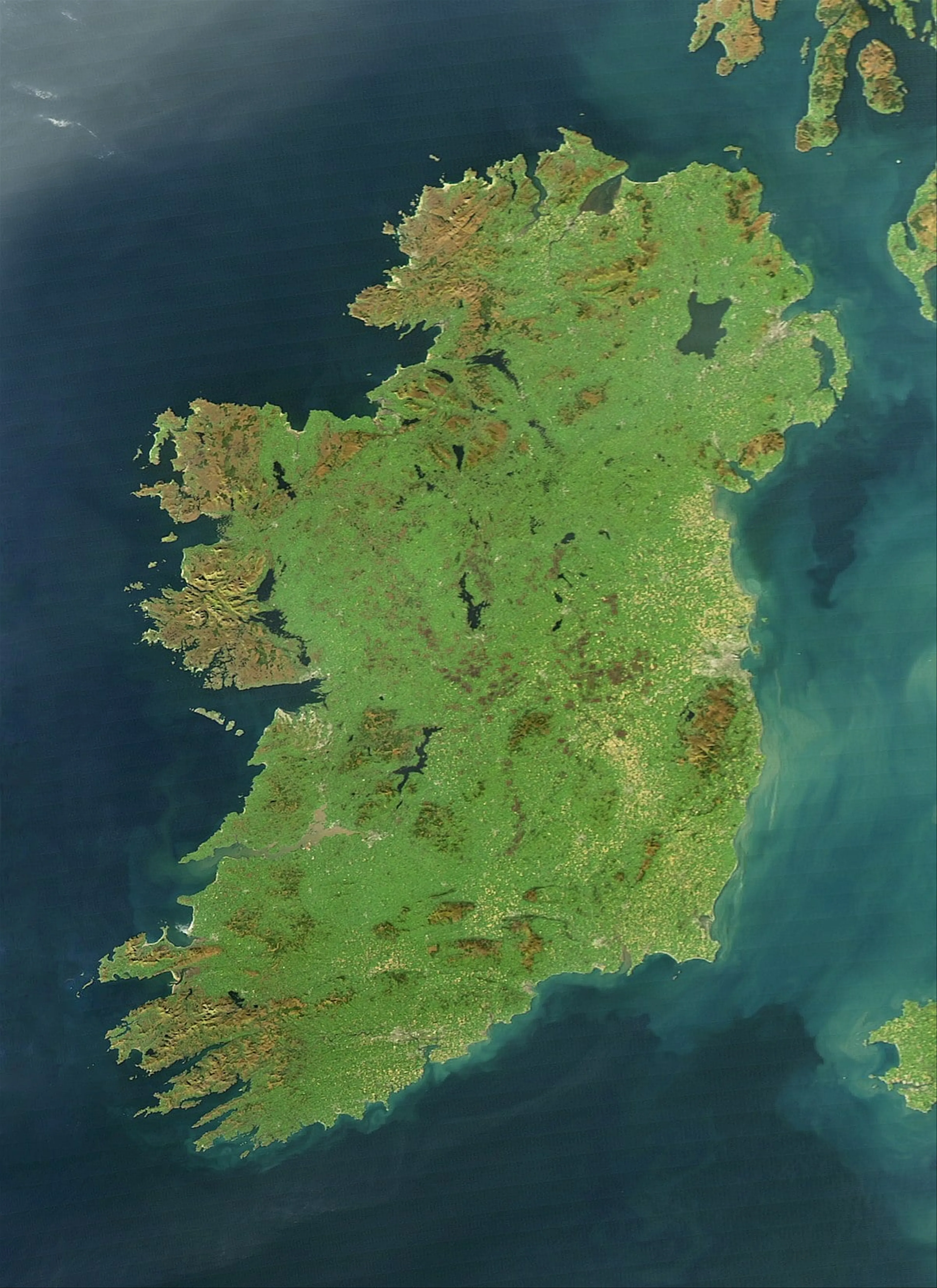
Ireland, often referred to as the Emerald Isle, is a land of legendary landscapes, vibrant culture, and rich history. This enchanting island is known for its lush greenery, rugged coastlines, and warm hospitality. As you traverse its scenic byways, you'll discover a tapestry of ancient ruins, lively cities, and charming villages that offer a glimpse into the heart and soul of Ireland. Whether you're exploring its storied past, indulging in its culinary delights, or enjoying its traditional music, Ireland promises an unforgettable journey for every traveler.
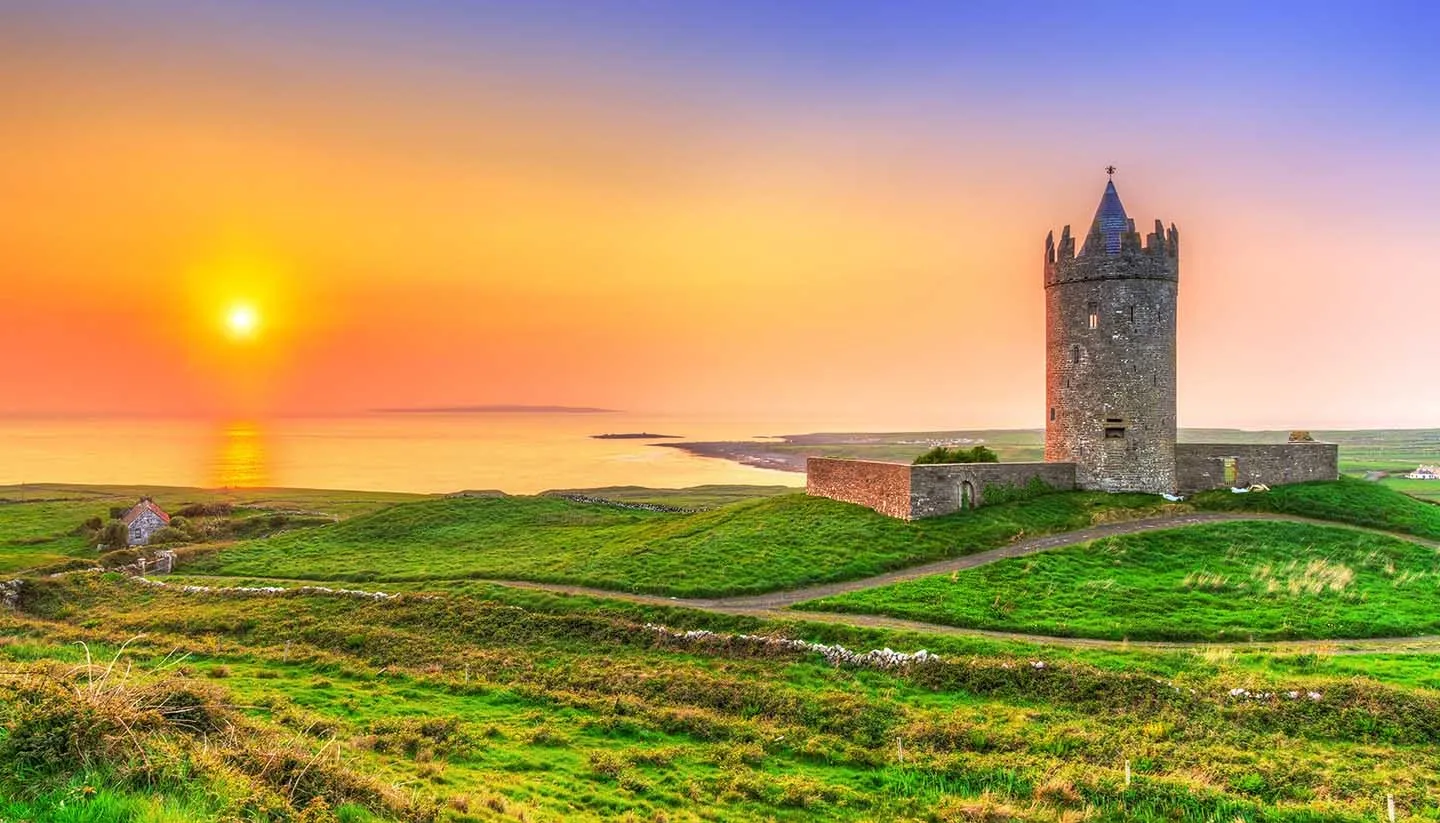
The capital city of Ireland, Dublin, is a vibrant blend of historical charm and modern energy. Here, you can walk the cobblestoned streets, visit the iconic Trinity College and its world-renowned library, or enjoy a pint of Guinness at one of its historic pubs. Dublin's rich literary heritage, with connections to James Joyce and Oscar Wilde, is celebrated at the Dublin Writers Museum and during the annual Bloomsday Festival.
Stretching over 2,500 kilometers along the western coast of Ireland, the Wild Atlantic Way is one of the world's most breathtaking driving routes. This scenic journey takes you through dramatic cliffs, pristine beaches, and charming seaside towns. Along the way, you'll encounter the Cliffs of Moher, the Burren's karst landscape, and the picturesque towns of Galway and Dingle. It's a haven for outdoor enthusiasts and photographers alike.
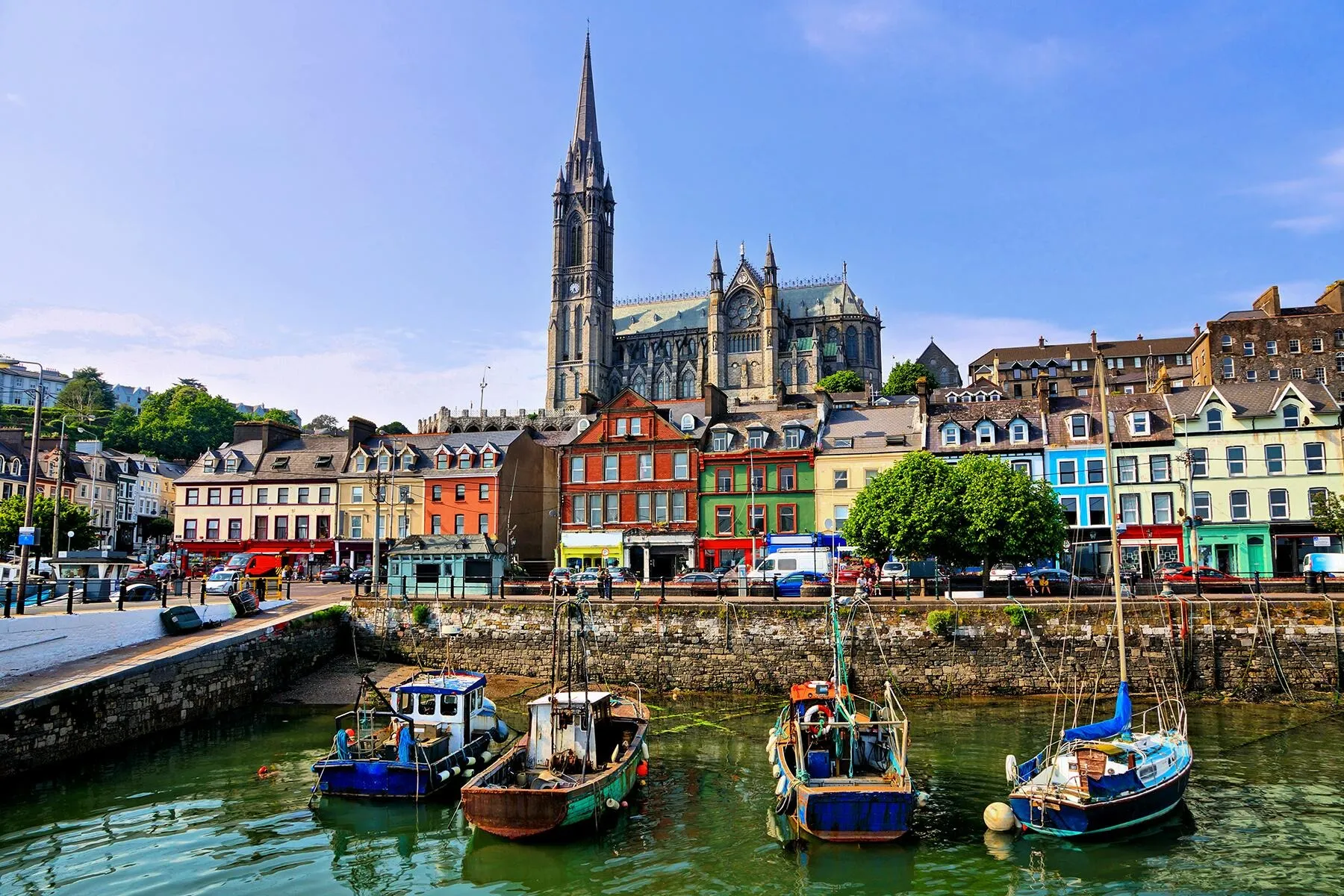
The Ring of Kerry is a spectacular loop that showcases some of Ireland's most stunning natural beauty. This 179-kilometer route takes you through the rugged mountains, lush valleys, and sparkling lakes of County Kerry. Highlights include the Killarney National Park, the scenic Gap of Dunloe, and the charming village of Sneem. It's an ideal destination for hiking, cycling, and soaking in the awe-inspiring scenery.
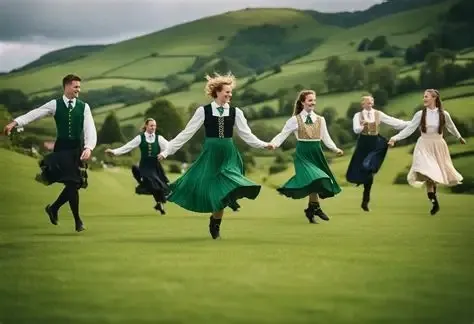
No visit to Ireland is complete without experiencing its traditional music and dance. You can find lively sessions in pubs across the country, where local musicians play traditional instruments like the fiddle, tin whistle, and bodhrán. Dance enthusiasts can enjoy performances of Irish step dancing, known for its rapid leg and foot movements. The Fleadh Cheoil, an annual music festival, is a celebration of Irish cultural heritage and a must-see for music lovers.
Irish cuisine is a delicious blend of traditional recipes and modern culinary innovation. Be sure to try classic dishes like Irish stew, made with tender lamb and hearty vegetables, or colcannon, a comforting blend of mashed potatoes and cabbage. Seafood lovers will delight in fresh catches from the Atlantic, such as oysters and smoked salmon. And don't miss sampling some of Ireland's artisanal cheeses and handmade chocolates.
Ireland is a treasure trove of captivating destinations, each offering its unique charm and allure. From ancient castles and natural wonders to bustling cities and quaint towns, there are countless places to explore and admire. Here are some unmissable spots that should be on every traveler's itinerary when visiting the Emerald Isle.
Located on the northeast coast, the Giant's Causeway is a UNESCO World Heritage site renowned for its unique geological formations. Composed of around 40,000 interlocking basalt columns, this natural wonder is steeped in Irish mythology, with legends of giants shaping the landscape. The dramatic scenery and coastal views make it a photographer's paradise.
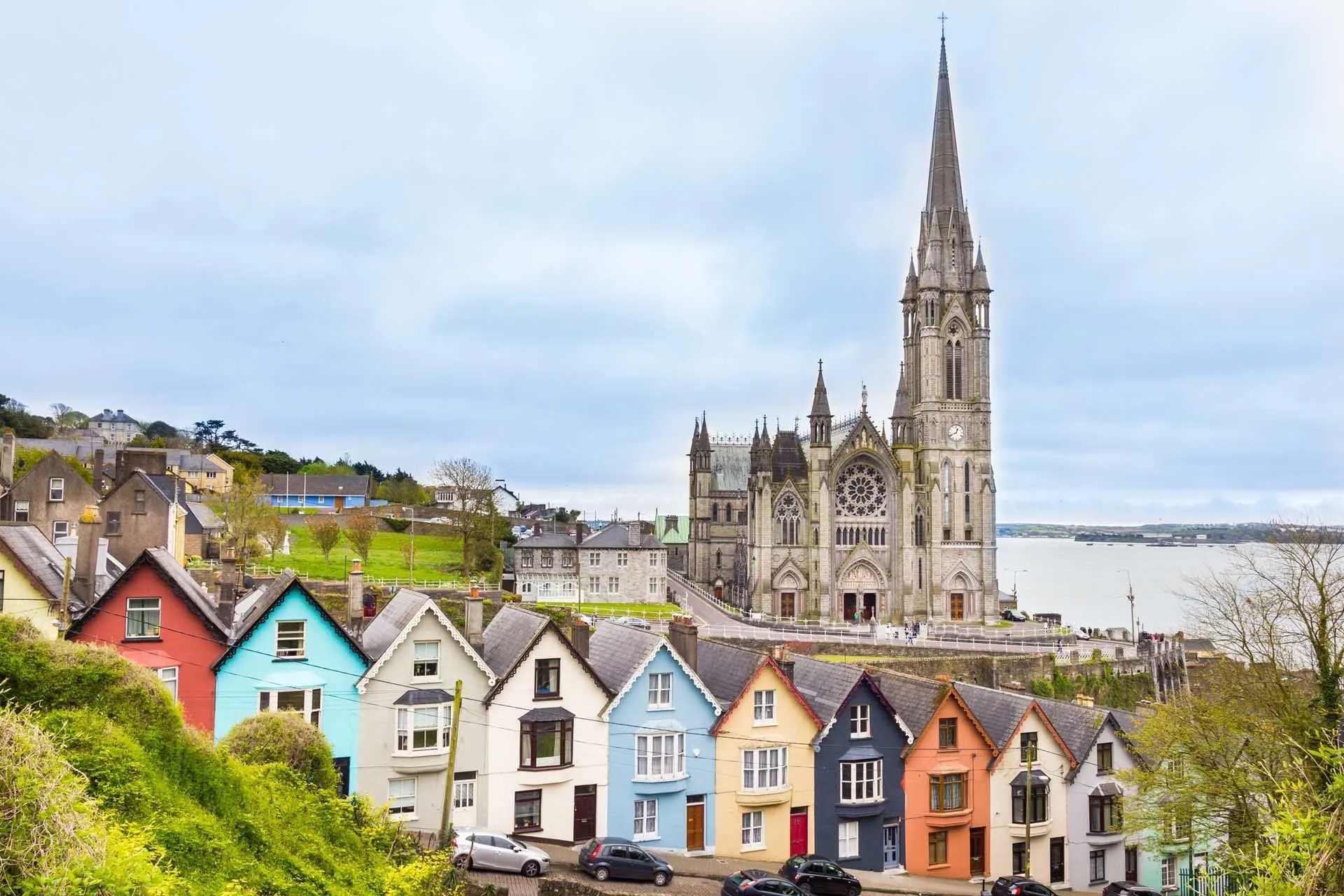
Blarney Castle, situated near Cork, is one of Ireland's most famous landmarks. Visitors flock here to kiss the Blarney Stone, a ritual said to bestow the gift of eloquence. The castle itself, surrounded by lush gardens and mystical rock formations, offers an intriguing glimpse into Ireland's medieval past.
Nestled in County Galway, Connemara National Park is a haven of natural beauty, featuring rugged mountains, expansive boglands, and serene lakes. Outdoor enthusiasts can enjoy hiking trails that offer panoramic views of the Twelve Bens mountain range. The park's diverse wildlife and vibrant landscapes make it an ideal spot for nature lovers.
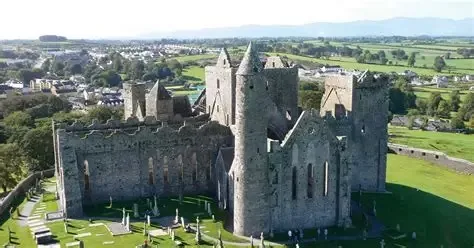
Perched on a hill in County Tipperary, the Rock of Cashel is a spectacular complex of medieval buildings. This historic site, once a seat of ancient kings, includes a round tower, a cathedral, and a high cross. The panoramic views of the surrounding countryside are breathtaking, and the site's storied past adds to its allure.
Kinsale is a picturesque harbor town in County Cork, known for its colorful buildings and vibrant culinary scene. Often referred to as the "Gourmet Capital of Ireland," Kinsale offers a delightful array of restaurants and cafes. Visitors can explore the town's rich maritime history, enjoy water sports, or simply stroll through its charming streets.
One of the most significant prehistoric sites in Europe, Newgrange is an ancient passage tomb located in County Meath. Built over 5,000 years ago, it predates both Stonehenge and the Great Pyramids of Giza. The site is especially famous for its winter solstice illumination, when sunlight floods the inner chamber, creating a mystical experience.
Ireland is a land where ancient traditions seamlessly blend with modern lifestyles, creating a unique cultural tapestry that captivates visitors. The Irish are known for their friendly and welcoming nature, and their way of life is deeply influenced by a strong sense of community and heritage. From age-old festivals and customs to contemporary arts and innovations, Ireland offers a rich cultural experience that reflects its storied past and dynamic present.
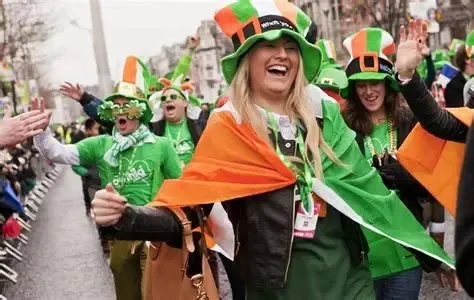
Festivals are an integral part of Irish culture, offering a vibrant display of music, dance, and community spirit. St. Patrick's Day, celebrated every March 17th, is the most renowned, with parades and festivities taking place across the country. The Puck Fair in County Kerry, one of the oldest fairs in Ireland, involves the crowning of a wild goat as "King Puck" amidst a lively carnival atmosphere. The Galway International Arts Festival is another highlight, showcasing a diverse range of performances and exhibitions.
Gaelic games, including hurling and Gaelic football, are at the heart of Irish sporting culture. These fast-paced, traditional sports are governed by the Gaelic Athletic Association (GAA) and are played with great passion and pride throughout the country. Attending a match at Croke Park in Dublin provides an exhilarating insight into Irish sportsmanship and community spirit.
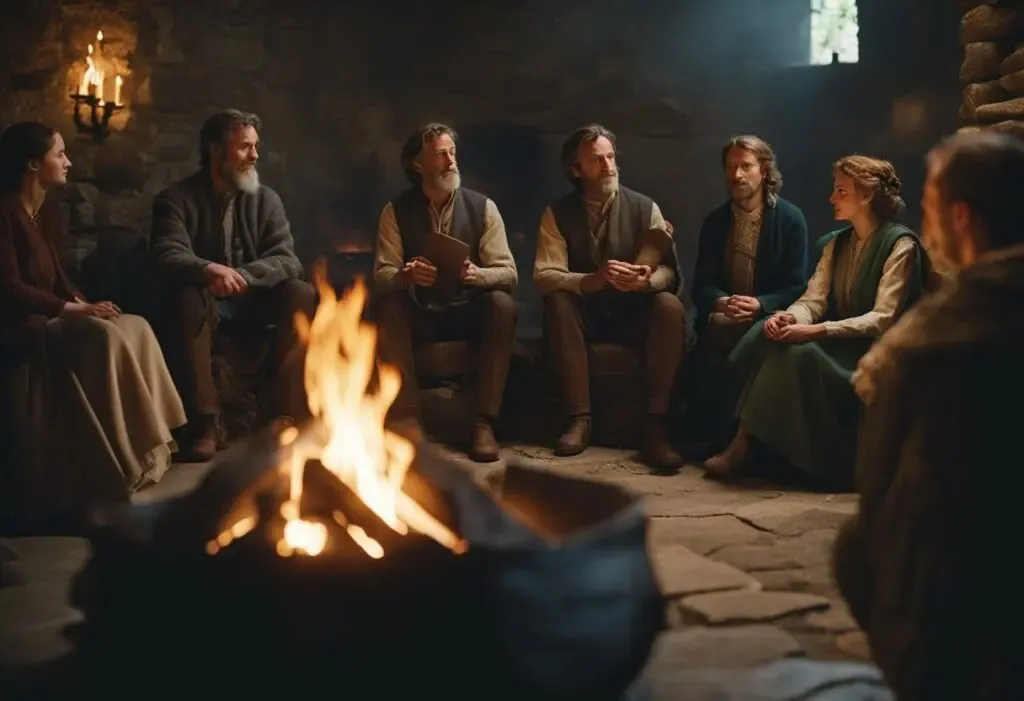
Storytelling is a revered tradition in Ireland, with roots that stretch back centuries. Known as "seanchaithe," traditional storytellers pass down tales of myths, legends, and folklore in captivating and often humorous performances. This oral tradition is celebrated at various storytelling festivals, such as the Cape Clear International Storytelling Festival, where audiences can immerse themselves in the art of the spoken word.
The Irish language, or Gaeilge, is an important aspect of Ireland's cultural identity. While English is predominantly spoken, Irish remains a vital part of the national heritage. You'll find road signs, public notices, and educational institutions promoting the use of the language. In the Gaeltacht regions, primarily located along the western coast, Irish is the main language of communication, providing a unique cultural experience for visitors.
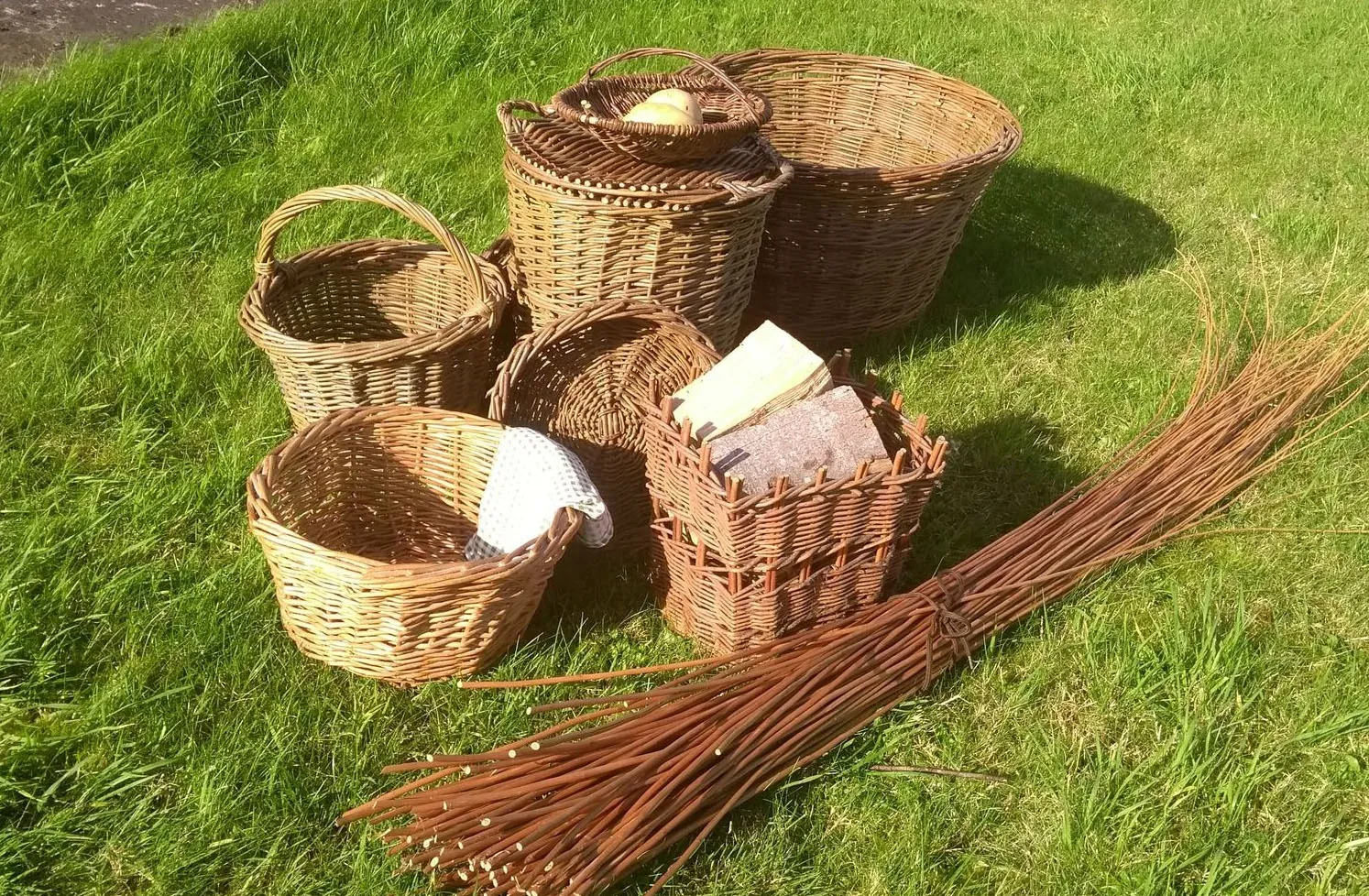
Irish craftsmanship is renowned for its quality and artistry, with a rich tradition in fields such as woolen textiles, pottery, and jewelry. The Aran sweater, handcrafted from local wool, is a famous symbol of Irish heritage. Visitors can explore bustling markets and artisan shops to discover unique crafts, or even participate in workshops to learn traditional skills firsthand.
The Irish pub is more than just a place to enjoy a drink; it is a cornerstone of social life and community. Pubs serve as gathering spots where locals and visitors alike can share conversations, listen to live music, and experience the warmth of Irish hospitality. Many pubs boast a rich history, with some dating back centuries, offering a cozy ambiance filled with stories of old.
Ireland's captivating landscapes are as diverse as they are beautiful, offering an array of natural wonders that beckon travelers from around the globe. From verdant hills and mystical forests to dramatic cliffs and tranquil lakes, the Emerald Isle's natural scenery is a testament to its untamed beauty. Each region of Ireland presents its own unique environment, where visitors can explore breathtaking vistas and experience the profound serenity of nature.
Situated in County Clare, the Burren is a distinctive karst landscape that features vast limestone pavements, dotted with cracks and crevices. This unique terrain supports a remarkable diversity of flora and fauna, including rare orchids and Arctic-alpine plants. The Burren is also home to ancient archaeological sites and offers numerous walking trails for nature enthusiasts to explore its rugged beauty.
Nestled in the heart of the Wicklow Mountains, Glendalough is a glacial valley renowned for its stunning scenery and rich monastic history. Visitors can hike through lush forests and along tranquil lakes, while exploring the remnants of an early medieval monastic settlement. The area's serene atmosphere and breathtaking landscapes make it a perfect retreat for those seeking solace in nature.
Located off the west coast of Ireland, the Aran Islands are a haven of natural and cultural beauty. The islands offer dramatic cliffs, ancient stone forts, and traditional Gaelic-speaking communities. Visitors can cycle or walk along scenic trails, discover breathtaking views of the Atlantic Ocean, and immerse themselves in the islands' rich cultural heritage.
Situated in County Donegal, Glenveagh National Park is a picturesque expanse of mountains, lakes, and woodlands. The park is home to the impressive Glenveagh Castle, surrounded by manicured gardens and rugged wilderness. Visitors can enjoy hiking, wildlife watching, and exploring the tranquil beauty of this remote and enchanting landscape.
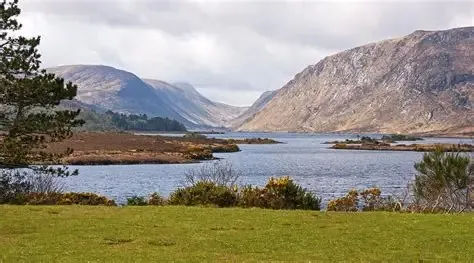
Slieve League, located in County Donegal, boasts some of the highest sea cliffs in Europe. These majestic cliffs rise dramatically from the Atlantic Ocean, offering panoramic views that are truly awe-inspiring. Adventurous travelers can take on the challenging cliffside trails, while those seeking a more leisurely experience can enjoy the breathtaking vistas from designated viewpoints.
Covering an expansive area in County Wicklow, this national park is a haven for outdoor enthusiasts. The Wicklow Mountains National Park features rolling hills, deep glacial valleys, and scenic lakes. Popular activities include hiking, bird watching, and exploring the picturesque Powerscourt Waterfall, Ireland's highest waterfall, which cascades down the mountainside in a spectacular display.
The culinary landscape of Ireland is a delightful fusion of traditional flavors and contemporary innovation, offering a feast for the senses. With a focus on fresh, local ingredients and time-honored recipes, Irish cuisine provides a true taste of the Emerald Isle. From hearty stews and fresh seafood to artisanal cheeses and sweet treats, there is a diverse array of dishes to savor during your visit. Here are some quintessential Irish foods you must try to fully experience the flavors of Ireland.
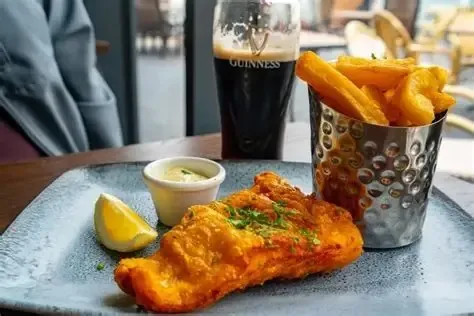
A beloved classic, Irish stew is a comforting dish traditionally made with lamb or mutton, potatoes, onions, and carrots. Slow-cooked to perfection, this hearty meal is a staple in Irish households and a must-try for anyone seeking an authentic taste of Ireland.
Boxty is a traditional Irish potato pancake that combines grated and mashed potatoes with flour and milk. Often served as a side dish or stuffed with savory fillings, boxty showcases the versatility of the humble potato and is a delicious accompaniment to any meal.
With its abundant coastline, Ireland is renowned for its fresh seafood. A warm bowl of seafood chowder, brimming with locally sourced fish, shellfish, and creamy broth, is a delicious way to experience the maritime flavors of the island.
Colcannon is a comforting dish made from mashed potatoes mixed with cabbage or kale, and often flavored with butter, cream, and scallions. This traditional favorite is especially popular during the autumn and winter months, providing a warm and satisfying side dish.
Irish soda bread is a simple yet delicious bread made with flour, baking soda, salt, and buttermilk. With its distinctive crust and dense texture, it's perfect for enjoying with a spread of Irish butter or alongside a bowl of stew.
A staple of the traditional Irish breakfast, black and white pudding are types of sausage made from pork meat, fat, and oatmeal, with black pudding also containing blood. These savory delicacies are often served fried and pair perfectly with eggs and toast.
Ireland produces a variety of artisanal cheeses, celebrated for their quality and flavor. From the creamy Cashel Blue to the sharp and tangy Dubliner, these cheeses are a testament to Ireland's rich dairy tradition and make for a delightful tasting experience.
Barmbrack is a traditional Irish fruitcake, often enjoyed with tea. Studded with dried fruits and spices, this sweet bread is particularly popular during Halloween, when it’s traditionally baked with small charms inside, each said to foretell the future of the person who finds it.
A perfect way to end a meal, Irish coffee is a delightful combination of hot coffee, Irish whiskey, and sugar, topped with a thick layer of cream. This classic drink offers a warm and indulgent conclusion to any dining experience in Ireland.
Deciding when to visit Ireland can significantly enhance your travel experience, as each season offers its own unique charm and appeal. Whether you're drawn to vibrant festivals, mild weather, or quieter landscapes, understanding the nuances of Ireland's climate and cultural calendar will help you plan the perfect trip. Here's a guide to the different times of the year and what they bring to the enchanting Emerald Isle.
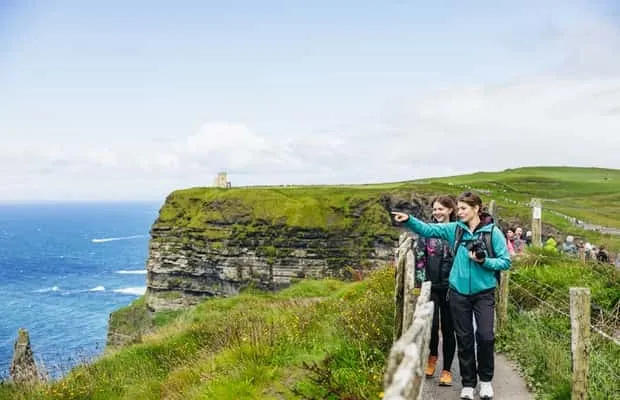
Spring is a delightful time to visit Ireland, as the countryside begins to awaken with blooming flowers and lush greenery. The weather is mild, with occasional showers, making it ideal for outdoor activities such as hiking and exploring gardens. This season also hosts the famous St. Patrick's Day celebrations in March, where you can experience parades and festivities across the country.
Summer is the peak tourist season in Ireland, with the warmest weather and the longest days. This is the best time to explore Ireland's beaches, participate in outdoor festivals, and enjoy the lively atmosphere of cities like Dublin and Galway. However, be prepared for larger crowds and higher accommodation prices. The Galway International Arts Festival in July is a highlight, offering a diverse array of performances and exhibitions.
Autumn in Ireland is characterized by stunning landscapes painted in hues of red, orange, and gold. The weather remains relatively mild, making it a great time for scenic drives, such as the Ring of Kerry or the Wild Atlantic Way. The crowds begin to thin, allowing for a more peaceful exploration of Ireland's natural beauty. Harvest festivals and Halloween celebrations also provide a unique cultural experience during this season.
Winter in Ireland is cooler and wetter, but it offers a magical charm with cozy pubs, festive holiday markets, and fewer tourists. This is an excellent time to explore Ireland's rich history and culture through its museums and galleries. The Christmas season adds a festive glow to cities and towns, while New Year's Eve celebrations offer a warm welcome to the year ahead. For those interested in history, the winter solstice at Newgrange is a captivating event.
Navigating through Ireland is an adventure in itself, offering a variety of transportation options that cater to different preferences and itineraries. Whether you're traversing the bustling streets of Dublin, exploring remote villages in the countryside, or embarking on a scenic road trip, Ireland's transportation network ensures that getting around is both convenient and enjoyable. Here's a guide to the different modes of transport available for exploring the Emerald Isle.
Ireland boasts an efficient public transportation system, particularly in major cities like Dublin, Cork, and Galway. Buses and trains are the primary modes of public transport, with Bus Éireann and Iarnród Éireann (Irish Rail) providing extensive services across the country. In Dublin, the Luas tram and DART (Dublin Area Rapid Transit) are popular for commuting and sightseeing. Purchasing a Leap Card can offer cost savings and convenience for those planning to use public transport frequently.
Renting a car is a popular option for travelers keen on exploring Ireland's stunning landscapes at their own pace. With well-maintained roads and scenic routes like the Wild Atlantic Way and the Ring of Kerry, driving offers the flexibility to visit off-the-beaten-path destinations. International visitors should note that driving is on the left side of the road, and it's advisable to book rental cars in advance, especially during peak tourist seasons.
For those who prefer a more structured travel experience, guided tours offer an excellent way to explore Ireland's highlights without the hassle of planning. Many tour operators provide day trips and multi-day excursions to popular attractions, complete with knowledgeable guides who offer insights into the country's history and culture. This option is ideal for travelers looking to maximize their time and gain a deeper understanding of Ireland's heritage.
Cycling is an eco-friendly and exhilarating way to explore Ireland, particularly in rural areas and national parks. Many towns and cities offer bike rental services, and there are numerous cycling trails and greenways that showcase Ireland's natural beauty. For cycling enthusiasts, the Great Western Greenway in County Mayo is a must-visit, offering a scenic route through some of the country's most picturesque landscapes.
Taxis are readily available in urban areas and can be hailed on the street, booked in advance, or found at designated taxi ranks. Ride-sharing services like Uber and Lyft are also operational in major cities, offering a convenient alternative for short trips or when public transport is less accessible. It's always advisable to check fare estimates and availability, especially when traveling late at night or in more remote areas.
For those interested in exploring Ireland's offshore islands, ferries provide regular services to destinations such as the Aran Islands, Skellig Michael, and Rathlin Island. These ferry trips offer a unique perspective of Ireland's coastal beauty and provide access to some of the country's most intriguing and less-explored sites. Booking in advance is recommended, particularly during the summer months when demand is high.
When planning a trip to Ireland, equipping yourself with practical travel tips can enhance your overall experience and help you make the most of your time on the Emerald Isle. From understanding local customs to navigating currency and weather, these insights will ensure a smoother and more enjoyable journey. Here's a guide to some essential tips for travelers heading to Ireland.
Ireland's weather is famously unpredictable, with frequent rain showers and changing conditions. It's wise to pack layers and a waterproof jacket to stay comfortable. While the climate is generally mild, it can be windy and cool, especially along the coast. An umbrella and sturdy walking shoes are also recommended for exploring Ireland's diverse landscapes.
The currency used in Ireland is the Euro (€). Credit and debit cards are widely accepted in most establishments, but it's advisable to carry some cash for small purchases or in more rural areas. ATMs are readily available in towns and cities. Tipping is customary in Ireland, with 10-15% being a typical gratuity for good service in restaurants and cafes.
The Irish are known for their friendliness and hospitality, so a warm greeting and a friendly smile go a long way. When visiting pubs, it's traditional to take turns buying rounds of drinks for your group. Respecting local customs and traditions, such as queuing politely and being mindful of noise levels in public places, will be appreciated.
English is the predominant language spoken in Ireland, but you'll also encounter Irish (Gaeilge), particularly in the Gaeltacht regions. Road signs and public notices are often bilingual. While you don't need to be fluent in Irish, learning a few basic phrases can be a fun way to engage with the culture and locals.
Ireland has good mobile network coverage, and Wi-Fi is widely available in hotels, cafes, and public spaces. Consider purchasing a local SIM card or an international roaming plan for your phone to stay connected. Emergency services can be reached by dialing 999 or 112.
Ireland is generally a safe destination for travelers, with low crime rates and friendly locals. It's always wise to take standard precautions, such as keeping an eye on personal belongings and being aware of your surroundings. Healthcare facilities are of a high standard; however, travel insurance is recommended to cover any unexpected medical expenses.
Familiarize yourself with Ireland's road signs and driving regulations if you plan to rent a car. Public transport is reliable and extensive, especially in urban areas. If using taxis or ride-sharing services, ensure they are licensed for a safe and comfortable journey. Consider purchasing travel passes for cost-effective public transport use.
Ireland's natural beauty is one of its greatest treasures, and preserving it is a collective responsibility. Follow the Leave No Trace principles by disposing of waste properly and staying on designated paths when exploring natural sites. Engaging with eco-friendly tours and activities supports sustainable tourism and helps protect Ireland's stunning landscapes for future generations.
Ireland is a country brimming with vibrant festivals and events that celebrate its rich cultural heritage, music, arts, and community spirit. From legendary music festivals to traditional fairs, these events provide visitors with the opportunity to immerse themselves in the local culture and experience the warmth of Irish hospitality. Whether you're a fan of music, arts, food, or history, there's a festival in Ireland that promises unforgettable experiences. Here are some of the must-attend festivals and events that showcase the best of what Ireland has to offer.
Celebrated on March 17th, St. Patrick's Day is Ireland's most famous festival, honoring its patron saint. The day is marked by lively parades, music, and dance throughout the country, with Dublin hosting one of the largest and most colorful celebrations. Visitors can join in the festivities by donning green attire and enjoying the vibrant atmosphere that takes over cities and towns.
Held every July, the Galway International Arts Festival is a two-week extravaganza of theater, music, visual arts, and street performances. This renowned festival attracts artists and performers from around the world, transforming the city into a hub of creativity and cultural exchange. It's an ideal event for art enthusiasts seeking diverse and innovative performances.
Taking place in August, the Rose of Tralee International Festival is a unique celebration of Irish culture and heritage. Named after a 19th-century ballad, the festival features a pageant, music, street entertainment, and fireworks. The highlight is the selection of the "Rose," a young woman who embodies the spirit of Ireland and its diaspora.
Jazz lovers flock to Cork every October for the Cork Jazz Festival, one of Europe's premier jazz events. This festival features a diverse lineup of international and local artists performing in venues across the city. Visitors can enjoy live concerts, jam sessions, and street performances, making it a must-visit for music enthusiasts.
One of Ireland's oldest and most unusual festivals, Puck Fair takes place in Killorglin, County Kerry, every August. It involves the crowning of a wild goat as "King Puck" and features a lively fair with music, dancing, and street entertainment. This traditional event is a fascinating glimpse into Ireland's rural customs and community spirit.
The Dublin Theatre Festival, held annually in September and October, is a celebration of Irish and international theater. It showcases an array of productions, from classic plays to cutting-edge performances, in venues across the city. Theater enthusiasts can enjoy a diverse program that highlights both established and emerging talents.
The Fleadh Cheoil na hÉireann, or "Music Festival of Ireland," is the world's largest annual celebration of Irish traditional music, held in August. This vibrant event brings together musicians, singers, and dancers from all over the world to compete and perform. It's an unmissable event for anyone interested in experiencing the soul of Irish music and culture.
Opera enthusiasts should not miss the Wexford Festival Opera, held each October in the charming town of Wexford. This internationally acclaimed festival features rare and lesser-known operatic works, attracting audiences and performers from around the globe. The festival's intimate setting and high-quality productions offer a unique cultural experience.
Every May, the Dublin Literary Festival celebrates the city's rich literary heritage with a program of readings, discussions, and workshops. Featuring renowned authors and emerging voices, the festival provides a platform for literary exchange and exploration. Literature lovers can engage with Ireland's storied past and its vibrant contemporary writing scene.
Beyond the well-trodden paths and iconic landmarks, Ireland offers a wealth of unique experiences and hidden gems that provide a deeper insight into the country's rich heritage and natural beauty. From enchanting islands and ancient sites to quaint villages and personal encounters, these lesser-known treasures promise an unforgettable exploration for those willing to venture off the beaten path. Here are some unique experiences and hidden gems awaiting discovery in Ireland.
A UNESCO World Heritage site, Skellig Michael is a remote island off the coast of County Kerry, famous for its early Christian monastic settlement. The island's dramatic beauty and historical significance make it a must-visit for history buffs and adventurers. Reaching the island involves a boat trip across often choppy seas, but the journey is well worth it for the breathtaking views and the opportunity to explore the ancient stone structures.
Located near the border of County Sligo and County Leitrim, Glencar Waterfall is a picturesque cascade set amidst lush woodland. At 50 feet high, the waterfall is a serene spot for a leisurely walk or a peaceful picnic. The area is also home to beautiful lakes and trails, making it a perfect destination for nature lovers seeking tranquility and natural beauty.
Nestled in the heart of Connemara, Kylemore Abbey is a stunning neo-Gothic castle surrounded by mountains and lakes. The abbey's history as a home, a school, and now a Benedictine monastery adds to its allure. Visitors can explore the beautifully restored Victorian Walled Garden and enjoy the serene landscapes that have inspired countless artists and photographers.
Tucked away in the hills of County Cork, Gougane Barra is a hidden gem known for its tranquil lake and charming chapel. The area is steeped in history, with connections to St. Finbarr, the patron saint of Cork. Visitors can enjoy walking trails through the surrounding forest park, which offers breathtaking views and a peaceful retreat in nature.
Experience a unique mode of transport by taking Ireland's only cable car to Dursey Island in County Cork. The cable car ride offers stunning views of the Atlantic Ocean and the rugged Beara Peninsula. Once on the island, explore its unspoiled landscapes, historic ruins, and abundant wildlife, including seabird colonies and seals.
One of the oldest operational lighthouses in the world, Hook Lighthouse in County Wexford offers a fascinating glimpse into maritime history. Visitors can climb to the top for panoramic views of the coastline and learn about the lighthouse's storied past through guided tours. The surrounding area is perfect for coastal walks and exploring the rich biodiversity of the Hook Peninsula.
Set in the Bricklieve Mountains of County Sligo, the Carrowkeel Passage Tombs are a series of ancient burial sites dating back over 5,000 years. These lesser-known tombs offer a quieter alternative to Newgrange, with stunning views of the surrounding countryside. The site is steeped in mystery and provides a remarkable insight into Ireland's prehistoric culture.
As the least visited of the Aran Islands, Inis Meáin offers a truly authentic Irish experience. Known for its rugged landscapes, traditional stone walls, and Gaelic-speaking community, the island is a haven for those seeking solitude and cultural immersion. Visitors can explore the island's walking trails, ancient forts, and enjoy the warm hospitality of the local people.
No tours published here yet.
Stay connected in Ireland with instant mobile data — no roaming fees, no physical SIM.
Discover tours, attractions and travel services for Ireland .