
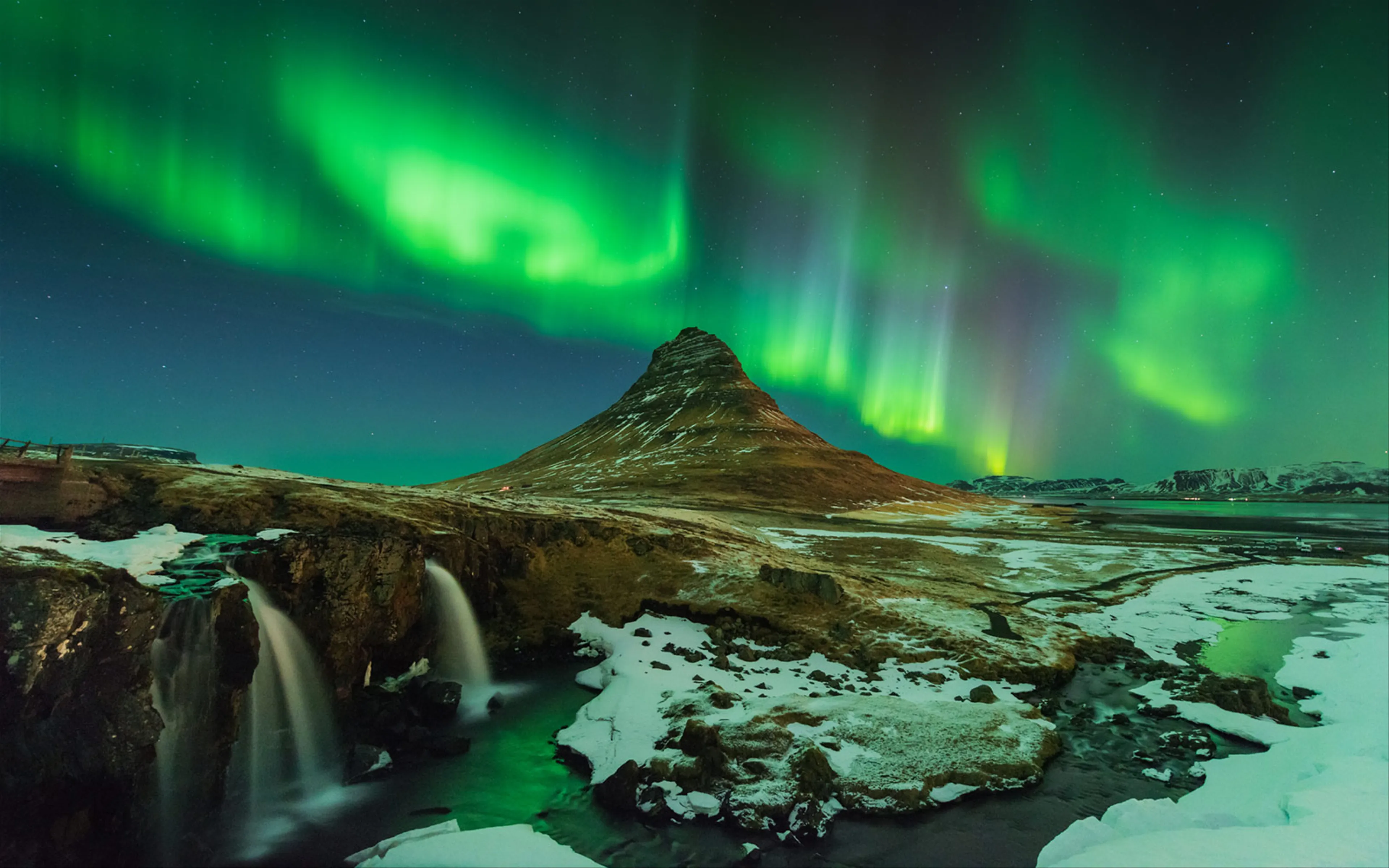
Iceland, often referred to as the "Land of Fire and Ice," is a mesmerizing destination that captivates travelers with its striking contrasts and natural beauty. From the ethereal glow of the Northern Lights to the steaming geysers and majestic waterfalls, every corner of this Nordic island offers an unparalleled experience that feels almost otherworldly. Iceland's unique blend of dramatic landscapes, rich Viking history, and vibrant culture makes it a must-visit for those seeking adventure and inspiration in one of the world's most enchanting settings.
Iceland's landscapes are a testament to the raw power of nature. With glaciers that gleam under the Arctic sun, volcanoes that rumble beneath the earth, and lava fields stretching as far as the eye can see, the country's terrain is as diverse as it is breathtaking. Explore the iconic Golden Circle, where you can witness the thundering Gullfoss waterfall, the erupting geysers of Strokkur and Geysir, and the tectonic rift in Thingvellir National Park, where North American and Eurasian plates diverge.
One of the most awe-inspiring natural phenomena on the planet, the Northern Lights, or Aurora Borealis, illuminate Iceland's night skies with vibrant hues of green, pink, and purple. This celestial display is best viewed from September to April, offering a magical experience that leaves visitors in awe of the universe's wonders. Whether you choose to chase the lights on a guided tour or from the comfort of a secluded cabin, witnessing the Northern Lights in Iceland is an unforgettable adventure.
Iceland's rich cultural tapestry is woven with tales of Vikings, folklore, and a deep connection to the land. Visit Reykjavik, the world's northernmost capital, to explore its charming streets, innovative architecture, and vibrant arts scene. Dive into the past at the National Museum of Iceland, where artifacts from the Viking era bring history to life. Iceland's unique culture is also reflected in its language, literature, and music, offering a fascinating blend of ancient traditions and modern influences.
Relaxing in a geothermal pool is an essential Icelandic experience. The Blue Lagoon, with its milky-blue waters rich in minerals, is a world-renowned spa destination that promises rejuvenation amid stunning volcanic landscapes. Beyond the Blue Lagoon, Iceland is dotted with hot springs and natural baths, inviting you to soak in the warmth and serenity of these geothermal wonders while surrounded by nature's beauty.
Iceland, the land of fire and ice, is a captivating destination with its stunning landscapes, vibrant cities, and rich cultural heritage. From bustling urban centers to serene natural wonders, Iceland offers a plethora of experiences for every traveler. Here are some notable destinations that should be on your Iceland itinerary.
The capital city of Iceland, Reykjavik, is a hub of culture, history, and modernity. Known for its colorful buildings and vibrant arts scene, the city offers a perfect blend of cosmopolitan attractions and small-town charm. Explore the iconic Hallgrímskirkja church, enjoy the lively nightlife, or relax in one of the many geothermal pools. Reykjavik is also the ideal starting point for exploring the rest of the country.
The Golden Circle is a popular tourist route that covers approximately 300 kilometers, looping from Reykjavik into the southern uplands of Iceland and back. This route includes three stunning natural attractions: Þingvellir National Park, Geysir Geothermal Area, and Gullfoss Waterfall. Þingvellir is a UNESCO World Heritage Site known for its historical significance and unique geological features. The geysers at Geysir Geothermal Area are a must-see, while the majestic Gullfoss Waterfall offers breathtaking views.
Vatnajökull National Park is home to Europe's largest glacier, Vatnajökull, and offers some of the most dramatic landscapes in Iceland. Visitors can explore the stunning ice caves, hike through diverse terrains, and even witness the powerful Dettifoss Waterfall. The park is a haven for nature enthusiasts, offering a glimpse into Iceland’s unique glacial and volcanic environment.
Known as the "Capital of the North," Akureyri is Iceland's second-largest city. This charming town is known for its stunning views of the surrounding mountains and fjords, as well as its vibrant cultural scene. Visitors can explore botanical gardens, visit the Akureyri Church, or enjoy the local cafes and restaurants. Akureyri also serves as a gateway to explore the nearby wonders of the north, such as Lake Mývatn and Goðafoss Waterfall.
Often referred to as "Iceland in Miniature," the Snæfellsnes Peninsula offers a diverse range of landscapes within a compact area. Visitors can explore the Snæfellsjökull National Park, home to the iconic Snæfellsjökull glacier-volcano. The peninsula is also known for its charming fishing villages, black sand beaches, and dramatic cliffs. It's a perfect destination for those looking to experience Iceland's natural beauty without venturing too far from Reykjavik.
The Westfjords are one of Iceland's most remote and unspoiled regions, offering breathtaking scenery and abundant wildlife. This area is perfect for those seeking solitude and adventure. Highlights include the stunning Dynjandi Waterfall, the bird cliffs of Látrabjarg, and the tranquil beauty of Rauðasandur beach. The Westfjords are less frequented by tourists, making them a hidden gem for those looking to escape the crowds.
Located in a lava field near Reykjavik, the Blue Lagoon is one of Iceland's most famous attractions. This geothermal spa offers a unique experience with its milky-blue waters rich in minerals, believed to have healing properties. Visitors can relax in the warm waters, enjoy a rejuvenating spa treatment, or indulge in fine dining at the on-site restaurant. The Blue Lagoon is a must-visit for anyone looking to experience Iceland’s geothermal wonders.
Iceland, known for its breathtaking landscapes and vibrant culture, is a country rich in traditions and customs that have been shaped by its unique history and geographical isolation. From traditional Viking customs to modern cultural festivals, Iceland offers a fascinating blend of old and new. Here are some key cultural elements that define the Icelandic way of life.
Icelanders have a deep-rooted connection to their Viking heritage, which is evident in many traditional customs. One of the most notable is the Icelandic language, which remains very close to Old Norse. Naming conventions are also unique, with most Icelanders using patronymic or matronymic last names rather than family surnames. Additionally, the tradition of storytelling is a vital part of Icelandic culture, with sagas and folklore passed down through generations.
Icelanders celebrate numerous festivals that highlight their cultural heritage and contemporary creativity. One of the most popular is Þorrablót, a midwinter festival where locals indulge in traditional foods such as fermented shark and smoked lamb. The Reykjavik Arts Festival and Iceland Airwaves are modern events that showcase the country’s thriving art and music scenes, attracting international visitors every year.
The Icelandic lifestyle is characterized by a strong sense of community and a deep appreciation for nature. Many Icelanders enjoy outdoor activities such as hiking, fishing, and geothermal bathing, taking advantage of the country's unique natural beauty. Sustainability and environmental consciousness are also integral to daily life, with a focus on renewable energy and conservation efforts. Socially, Icelanders value equality and have a progressive outlook, as seen in their leadership in gender equality and LGBTQ+ rights.
Exploring the Natural Beauty of Iceland
Iceland, a land of fire and ice, offers an unparalleled display of natural wonders. From towering mountains and black sand beaches to its quaint rural landscapes, this Nordic island nation is a paradise for nature lovers and adventure seekers alike. Journey through Iceland's diverse regions and discover the breathtaking beauty that makes it a top travel destination.
Iceland's mountains are a striking feature of its landscape, offering dramatic vistas and challenging hikes. The iconic Kirkjufell, often dubbed the most photographed mountain in Iceland, rises sharply from the Snæfellsnes Peninsula. Meanwhile, the rugged peaks of the Westfjords provide a remote and tranquil setting, perfect for those seeking solitude in nature. Whether you're driving the Ring Road or exploring off the beaten path, Iceland's mountains are sure to leave a lasting impression.
Iceland's beaches are not your typical sunbathing spots, but they are no less captivating. The black sands of Reynisfjara Beach, with its towering basalt sea stacks and roaring Atlantic waves, create a hauntingly beautiful scene. On the southeastern coast, the Diamond Beach sparkles with icebergs that have drifted from the nearby Jökulsárlón Glacial Lagoon. These coastal wonders offer a unique perspective on Iceland's connection to the sea, blending stark beauty with the raw power of nature.
Beyond its dramatic landscapes, Iceland's rural areas offer a glimpse into the country's cultural heart. Small towns and farms dot the countryside, where traditional practices meet modern living. In the north, the town of Akureyri serves as a gateway to the surrounding fjords and offers a cozy base for exploring the region. Meanwhile, the eastern fjords provide a peaceful retreat, with quaint fishing villages and scenic drives through untouched nature. Embracing the rural charm of Iceland reveals a slower pace of life, rich in tradition and community spirit.
Icelandic cuisine offers a unique blend of traditional and contemporary flavors, deeply rooted in the island's history and environment. With an emphasis on fresh, local ingredients, Icelandic dishes often surprise visitors with their distinct taste profiles and cultural significance. Here, we introduce you to some popular Icelandic dishes that you must try when visiting this beautiful country.
Hákarl is perhaps one of the most notorious Icelandic dishes, known for its strong ammonia smell and acquired taste. Traditionally, Greenland shark is fermented and then hung to dry for several months. While the taste can be challenging for the uninitiated, it holds a place of pride in Icelandic culture as a testament to the resourcefulness of the people who made use of the natural resources available to them.
Skyr is a creamy dairy product similar to yogurt but with a milder taste and thicker consistency. High in protein and low in fat, it has been a staple in the Icelandic diet for over a thousand years. Skyr is often enjoyed as a snack or dessert, topped with fresh berries or honey, offering a delightful taste that is both tangy and sweet.
Kjötsúpa is a traditional Icelandic lamb soup, made with tender lamb meat, root vegetables, and herbs. It is a comforting dish, especially popular during the colder months. The soup is known for its hearty and rich flavors, providing a warm and satisfying meal that reflects Iceland's pastoral heritage.
Rúgbrauð is a dense, dark rye bread that is typically baked using geothermal heat, giving it a slightly sweet and earthy flavor. This traditional bread is often served with butter, herring, or lamb, and is a perfect accompaniment to many Icelandic meals. Its unique baking process and rich taste make it a cultural icon in Icelandic gastronomy.
Plokkfiskur is a comforting fish stew made from boiled fish, potatoes, onions, and béchamel sauce. This creamy dish showcases the abundance of fresh seafood available in Iceland and is a testament to the country's fishing heritage. Plokkfiskur's mild yet savory flavors make it a favorite among locals and visitors alike.
Pylsur is Iceland's take on the hot dog, but with a twist. Made with a blend of lamb, pork, and beef, Icelandic hot dogs are famous for their unique flavor. They are typically served with a combination of raw onions, crispy fried onions, ketchup, sweet brown mustard, and remoulade. Pylsur is a beloved street food that offers a delicious and quick taste of Icelandic culinary culture.
Harðfiskur is dried fish, usually cod or haddock, that is eaten as a snack in Iceland. It is a healthy, protein-rich treat often enjoyed with a bit of butter spread on top. The drying process gives the fish a chewy texture and a concentrated flavor, making it a traditional and nutritious snack that has been part of Icelandic diets for centuries.
Iceland is a captivating destination with distinct seasons, each offering unique experiences and breathtaking landscapes. Whether you're seeking the magical Northern Lights, lush green landscapes, or vibrant cultural events, there's a perfect time to visit Iceland for everyone. Here's a breakdown of the best travel seasons in Iceland, along with weather conditions and notable events.
Winter in Iceland is a wonderland for those enchanted by snow-covered landscapes and the mesmerizing Northern Lights. The weather is cold, with temperatures ranging from -1°C to 3°C (30°F to 37°F), and shorter daylight hours. This season is ideal for exploring ice caves, glacier hiking, and witnessing the magical Aurora Borealis. The Reykjavik Winter Lights Festival in February is a highlight, celebrating both the winter and the growing light after the darkest days of the year.
Spring is a transitional period when Iceland slowly emerges from winter. Temperatures gradually rise, ranging from 0°C to 10°C (32°F to 50°F), and daylight hours extend significantly. It's a fantastic time for birdwatching as migratory birds return, and the landscapes begin to thaw and bloom. The Reykjavik Arts Festival in May showcases a diverse array of performances and exhibitions, celebrating the arts in various forms.
Summer in Iceland offers the warmest weather, with temperatures ranging from 10°C to 15°C (50°F to 59°F) and nearly 24 hours of daylight, thanks to the Midnight Sun. This season is perfect for exploring Iceland's stunning landscapes, including waterfalls, geysers, and national parks. The Icelandic National Day on June 17th and the Reykjavik Jazz Festival in August are vibrant events celebrating the country's culture and music.
Autumn is a serene time to visit Iceland, with fewer crowds and stunning fall foliage. Temperatures range from 0°C to 10°C (32°F to 50°F), and the days gradually shorten. This season offers a second chance to see the Northern Lights and enjoy outdoor activities like hiking and hot spring bathing. The Iceland Airwaves Music Festival in November is a must-attend event for music lovers, featuring a lineup of international and local artists.
Iceland, with its breathtaking landscapes and unique natural wonders, offers a variety of transport options to help you explore the country comfortably. Understanding these methods will enhance your travel experience, ensuring you can reach even the most remote locations with ease.
Renting a car is one of the most popular ways to explore Iceland. It gives you the freedom to travel at your own pace and reach destinations that are off the beaten path. Most rental agencies are located in Reykjavik and at Keflavik International Airport, offering a range of vehicles suitable for Iceland's diverse terrain. It is important to consider the season and road conditions when choosing a vehicle, as some areas require a 4x4.
Iceland's public bus system, operated by Strætó, connects major towns and cities with a reliable service. From Reykjavik, you can reach various parts of the country, including popular tourist spots like the Golden Circle. While buses are less flexible than car rentals, they are a cost-effective option for budget travelers.
For those looking to cover large distances quickly, domestic flights are an efficient option. Icelandair and Air Iceland Connect offer flights from Reykjavik to various locations across the country, such as Akureyri and Egilsstaðir. These flights are perfect for travelers who wish to maximize their time exploring Iceland's far-reaching attractions.
Iceland's ferry services are crucial for accessing some of the country's islands and coastal regions. The ferry to the Westman Islands and the Baldur Ferry to the Westfjords are popular routes that offer stunning views of Iceland's coastline. Ferries provide a unique perspective on the country's maritime landscape and are a scenic alternative to driving.
While not the most economical option, taxis are available in urban areas like Reykjavik for convenient short-distance travel. Ride-sharing services are not as prevalent in Iceland, but some local apps offer similar services. Taxis are best suited for travelers needing quick and comfortable transit within cities.
For the adventurous traveler, cycling can be an exhilarating way to explore Iceland's scenic routes. Bike rentals are available in Reykjavik and other major towns. However, cyclists should be prepared for challenging weather conditions and varying terrain. The summer months offer the best conditions for biking adventures.
Traveling to Iceland offers a unique blend of breathtaking natural landscapes and vibrant cultural experiences. To ensure you make the most of your trip, it’s essential to be prepared in terms of safety, money management, and local etiquette. Here are some essential tips to guide you on your journey.
Iceland is known for its stunning yet rugged natural beauty, which requires travelers to be cautious and prepared. Weather conditions can change rapidly, so always check the forecast and dress in layers to stay warm and dry. When exploring the countryside, stick to marked paths and avoid venturing onto glaciers or into caves without a guide. In urban areas, crime is rare, but it's still wise to keep an eye on your belongings.
The Icelandic króna (ISK) is the official currency, and while credit and debit cards are widely accepted, it's a good idea to carry some cash for small purchases in remote areas. Iceland is known for being expensive, so plan your budget accordingly. Consider purchasing a City Card in Reykjavik for discounts on attractions and transportation. Additionally, tax-free shopping is available for tourists, so save your receipts for potential refunds.
Icelanders are generally informal and friendly, but it's important to respect their cultural norms. Greeting with a handshake and maintaining eye contact is customary. When dining, tipping is not expected as service charges are included, but rounding up the bill is appreciated for exceptional service. Be mindful of the environment—avoid littering and follow Leave No Trace principles to preserve Iceland's pristine nature. Lastly, while English is widely spoken, learning a few basic Icelandic phrases can be a nice gesture.
Iceland, known for its breathtaking landscapes and unique cultural heritage, is also home to a variety of vibrant festivals that captivate visitors from around the world. From celebrating Icelandic traditions to embracing international influences, these festivals offer a glimpse into the country's rich cultural tapestry.
The Reykjavik Arts Festival, held annually in May, is one of the oldest and most diverse cultural festivals in Iceland. It showcases a wide array of artistic expressions, including music, dance, theater, and visual arts, attracting artists and audiences from around the globe. The festival transforms the city into a dynamic hub of creativity, offering performances and exhibitions in various venues across Reykjavik.
Taking place during the summer solstice in June, the Secret Solstice Festival is a unique music festival that offers the rare experience of enjoying world-class performances under the midnight sun. Set in the stunning surroundings of Reykjavik, the festival features a diverse lineup of international and Icelandic artists, encompassing genres like rock, hip-hop, electronic, and more.
Thorrablot is an ancient Icelandic midwinter festival celebrated from January to February, honoring the Norse god Thor. It is a time for Icelanders to embrace their Viking heritage by feasting on traditional Icelandic foods, such as fermented shark, smoked lamb, and blood pudding. The festival also includes folk music, storytelling, and dancing, offering a fascinating insight into the country's cultural roots.
Reykjavik Pride, held every August, is one of the most colorful and inclusive events in Iceland. It celebrates the diversity and rights of the LGBTQ+ community with a vibrant parade through the streets of Reykjavik, followed by concerts, parties, and cultural events. The festival creates a festive atmosphere that promotes acceptance and equality, drawing locals and tourists alike.
Iceland Airwaves, held in November, is a renowned music festival that showcases new and emerging artists from Iceland and around the world. The festival takes place in various venues, ranging from intimate clubs to large concert halls, throughout Reykjavik. Known for its eclectic lineup and vibrant atmosphere, Iceland Airwaves is a must-attend event for music lovers looking to discover the next big thing.
Iceland, known for its dramatic landscapes and popular tourist spots like the Blue Lagoon and Golden Circle, also offers a plethora of lesser-known experiences that are just as captivating. For travelers looking to venture off the beaten path, these hidden gems reveal the country's unique natural beauty and cultural heritage.
Þórsmörk, or Thorsmork, is a breathtaking valley nestled between glacier-topped mountains and lush forests. Accessible via a thrilling Super Jeep tour or a challenging hike, this secluded paradise offers picturesque landscapes, stunning hiking trails, and the chance to experience Iceland's raw nature away from the crowds.
The Westfjords region is one of Iceland's most remote areas, boasting dramatic fjords, towering cliffs, and picturesque fishing villages. Visitors can explore the stunning Dynjandi Waterfall, soak in the natural hot springs at Drangsnes, or immerse themselves in the tranquility of Rauðasandur Beach, known for its unique red sands.
Located near Reykjavik, the Rauðhólar Pseudocraters offer a unique geological experience. Formed by volcanic activity thousands of years ago, these reddish craters resemble a Martian landscape. A walk through this surreal terrain provides insight into Iceland's volcanic history and an opportunity for some striking photographs.
While many flock to popular spots like Reykjavik or Akureyri to witness the Northern Lights, the small village of Vogar offers a serene alternative. Located on the Reykjanes Peninsula, Vogar provides unobstructed views of the night sky, making it an ideal location to experience the mesmerizing dance of the auroras in a peaceful setting.
Hornstrandir is Iceland's northernmost peninsula, offering untouched wilderness and breathtaking views. This nature reserve is a haven for wildlife enthusiasts, with opportunities to spot Arctic foxes and various seabirds. Hiking through its rugged terrain rewards adventurers with dramatic cliffs and stunning coastal views.
Nestled in a picturesque fjord, the town of Seyðisfjörður is a cultural gem known for its vibrant arts scene and charming wooden houses. Visitors can explore local art galleries, enjoy the creative atmosphere, and partake in the town's annual festivals, all while surrounded by stunning natural beauty.
No tours published here yet.
Stay connected in Iceland with instant mobile data — no roaming fees, no physical SIM.
Discover tours, attractions and travel services for Iceland .