

Explore the architectural wonders of Paris' Marais District, uncovering its rich history and stunning designs from medieval to modern times.
Nestled in the heart of the Marais district, Église Saint-Merri stands as a testament to the enduring beauty and intricate craftsmanship of Gothic architecture. Often overshadowed by its more famous counterparts in Paris, this church provides a serene escape and a fascinating glimpse into the city's medieval past. Built between 1515 and 1612, Église Saint-Merri encapsulates the transitional style between the flamboyant Gothic and the emerging Renaissance, making it a unique architectural study.

One of the most striking features of Église Saint-Merri is its impressive façade, adorned with elaborate stone carvings and intricate details that captivate the eye. The façade's arched portals and rose window are quintessential examples of Gothic design, inviting visitors to admire the artistry that went into every stone. As you approach the church, take a moment to appreciate the craftsmanship of the gargoyles and the decorative pinnacles that adorn the exterior, offering a glimpse into the spiritual and artistic fervor of the time.
Stepping inside, the interior of Église Saint-Merri continues to enchant with its soaring vaulted ceilings and majestic nave. The church's acoustics are renowned; it has played host to numerous concerts and organ recitals that highlight its grand pipe organ, one of the oldest in Paris. The organ's deep, resonant tones have been known to fill the space with a hauntingly beautiful sound, providing an auditory experience that complements the visual feast offered by the architecture.
Beyond its architectural allure, Église Saint-Merri holds a rich historical significance. It is named after Saint Medericus, a revered hermit who lived in the 8th century and is believed to have performed miracles. The church's dedication to him underscores its role as a spiritual haven within the bustling Marais district. Visitors often find themselves drawn to the serene chapels and the quiet corners where they can reflect and absorb the deep sense of history that permeates the air.
Église Saint-Merri's location in the lively Marais district makes it a perfect starting point for exploring the area's vibrant culture and history. Just a stone's throw away from the Centre Pompidou and the bustling streets filled with boutiques and cafés, the church offers a peaceful respite and a chance to connect with the spiritual and architectural heritage of Paris. Whether you're a history enthusiast, an architecture lover, or simply seeking a moment of tranquility, Église Saint-Merri promises an enriching experience that stands as a testament to the timeless allure of Gothic architecture.
Wandering through the narrow lanes of the Marais district, one finds themselves irresistibly drawn to Rue des Rosiers, a street that pulses with a rich tapestry of history and culture. This charming thoroughfare is a living museum of medieval Paris, where every cobblestone seems to whisper stories of the past. Known for its vibrant Jewish heritage, Rue des Rosiers offers an evocative glimpse into the lives of those who have called this neighborhood home for centuries.
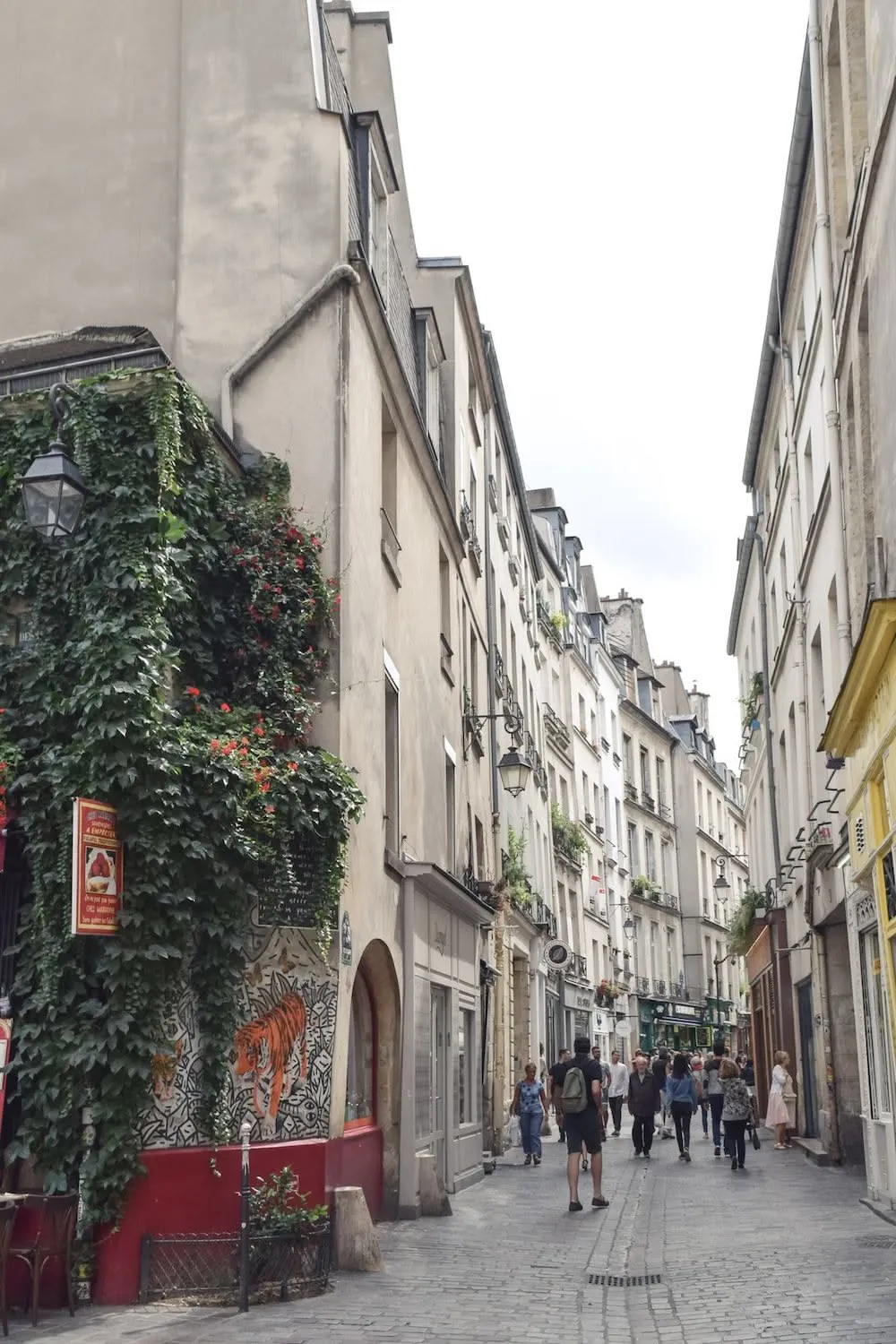
The medieval remnants along Rue des Rosiers are best appreciated by taking a leisurely stroll, allowing the architecture to unfold its secrets. As you wander, you'll encounter historic buildings with their distinctive half-timbered facades, a classic hallmark of medieval design. These structures, with their intricate wooden beams, stand as a testament to the skilled craftsmanship that has endured through the ages, offering a tangible connection to a bygone era.
Among the architectural gems, you’ll find the remains of ancient houses that once bustled with merchants and artisans, painting a vivid picture of daily life in medieval Paris. Each building tells a story; from the faded inscriptions that hint at long-forgotten trades to the weathered doorways that have welcomed countless generations. The ambiance is both nostalgic and vibrant, a juxtaposition that captures the essence of the Marais.
Rue des Rosiers is not only renowned for its architectural beauty but also for its cultural significance. The street is the heart of Paris's Jewish quarter, offering a rich tapestry of cultural heritage that dates back to the Middle Ages. Here, you can explore traditional bakeries and delis, where the aroma of freshly baked challah and the savory scent of falafel fill the air, inviting you to savor the culinary delights steeped in tradition.
The street's vibrant atmosphere is further enriched by the eclectic mix of boutiques, galleries, and bookshops that line its path. Each offers a unique slice of the Marais's artistic soul, providing visitors with endless opportunities to discover rare finds and unique souvenirs. This blend of history, culture, and modernity makes Rue des Rosiers a must-visit for anyone seeking to experience the authentic heartbeat of Paris.
In this historic enclave, the echoes of the past harmonize with the present, creating a unique cultural landscape. Whether you're exploring the architectural nuances, indulging in the local cuisine, or simply soaking in the vibrant street life, Rue des Rosiers promises an unforgettable journey through the layers of Parisian history.
As you meander through the Marais district, the magnificent Hôtel de Sens emerges as a beacon of Renaissance grandeur, showcasing the architectural opulence of a bygone era. This historic mansion, one of the few remaining examples of medieval civic architecture in Paris, stands proudly as a testament to the city's storied past. Constructed between 1475 and 1519, the Hôtel de Sens was initially built for the Archbishop of Sens, reflecting the wealth and influence the church wielded during that period.

The façade of Hôtel de Sens is an exquisite blend of Gothic and early Renaissance styles, characterized by its robust stone walls, turrets, and elaborate embellishments. As you approach, the intricacies of its design become apparent, with ornately carved doorways and pointed arches that transport you back to a time when craftsmanship was paramount. The mansion’s fortified appearance is a nod to its dual purpose as both a residence and a defensive structure, a necessity during the turbulent times in which it was built.
Inside, the Hôtel de Sens reveals a world of elegance and refinement. The grand spiral staircase is a marvel in itself, with its helical design demonstrating the architectural innovation of the era. Visitors can admire the beautifully restored interiors that reflect the tastes and sensibilities of the Renaissance, from the intricate woodwork and frescoes to the elegant stone fireplaces that once warmed the grand halls. Each room tells a story, inviting you to imagine the lives of the dignitaries and guests who once walked these halls.
Today, the Hôtel de Sens serves as the home of the Forney Library, an institution dedicated to the decorative arts. This transformation from a private residence to a public cultural space underscores the enduring legacy of the building, offering a modern purpose while preserving its historical essence. The library's collections provide a fascinating glimpse into the world of art and design, making it a treasure trove for history and art enthusiasts alike.
The gardens of Hôtel de Sens are a tranquil retreat, inviting visitors to pause and reflect amidst the lush greenery and carefully tended flowerbeds. This serene oasis offers a contrast to the bustling streets of the Marais, allowing you to absorb the beauty and history of the surroundings at a leisurely pace. Whether you're an architecture aficionado or simply curious about the rich tapestry of Parisian history, a visit to Hôtel de Sens promises to be an enriching experience, filled with the splendor and sophistication of the Renaissance.
The Majestic Place des Vosges, nestled in the Marais district, stands as one of Paris's most picturesque squares and a sterling example of early 17th-century urban planning. Originally known as Place Royale, it was commissioned by King Henri IV and completed in 1612, setting the standard for European residential squares. Its elegance and symmetry have long captivated visitors, making it a beloved landmark in the city.

The square's harmonious design is characterized by its uniform red brick façades, steep slate roofs, and arcaded walkways that encircle a perfectly manicured central garden. This architectural cohesion, a hallmark of the classic French style, creates an inviting atmosphere where both locals and tourists can enjoy leisurely strolls or a quiet moment on one of its many benches. The tranquil green space at the heart of Place des Vosges, adorned with neatly arranged trees and statues, offers a serene escape from the bustling streets of Paris, inviting visitors to bask in the beauty of their surroundings.
Place des Vosges holds a significant place in French history, not only for its architectural grandeur but also for its cultural impact. The square has been home to many notable figures, including Victor Hugo, who resided at No. 6. Today, his house is a museum that provides insight into the life and works of the famed writer, offering a unique cultural experience for literature lovers and history enthusiasts alike. The museum's well-preserved interiors and exhibits offer a fascinating glimpse into 19th-century Parisian life and the creative mind of one of France's most celebrated authors.
Beyond its historical and cultural significance, Place des Vosges remains a vibrant part of contemporary Parisian life. The arcades are lined with charming boutiques, art galleries, and cafés, each offering a taste of the district's rich artistic and culinary heritage. Whether you're seeking a unique piece of art, a delicious pastry, or simply a spot to sip coffee and people-watch, the square provides an array of options to suit every interest.
The allure of Place des Vosges lies not only in its physical beauty but also in the stories it tells. It stands as a testament to the vision of King Henri IV, whose ambition to create a unified and refined urban space has endured through centuries. Today, the square continues to enchant visitors with its timeless elegance and remains a cherished symbol of Parisian charm. Whether you're drawn by its history, architecture, or the simple pleasure of a sunny afternoon in the park, Place des Vosges promises an unforgettable experience steeped in the royal legacy of France's capital.
As you delve deeper into the Marais district, the Jewish Quarter, known as Le Pletzl, invites you to explore its vibrant tapestry of history, culture, and tradition. This area has been the heart of Jewish life in Paris for centuries, offering a rich blend of historical depth and contemporary vibrancy that captivates all who visit.
:max_bytes(150000):strip_icc()/GettyImages-538198194-6165a4a7e0d4423b87da5b1d8d58a471.jpg)
The Jewish Quarter's significance dates back to the Medieval period, when Jewish communities first began to settle in the area. Over time, it has evolved into a vital cultural hub, preserving its heritage amidst the changing tides of history. Walking through its narrow streets, you'll encounter a blend of old and new, where age-old traditions coexist with modern influences. This fusion creates a unique ambiance that is both nostalgic and alive with energy.
One of the most compelling aspects of the Jewish Quarter is its culinary scene, which offers a delicious journey through Jewish culinary traditions. From the enticing aroma of freshly baked challah to the savory flavors of falafel and pastrami sandwiches, the eateries here provide a taste of authentic Jewish cuisine. Establishments like L'As du Fallafel have become legendary, attracting locals and tourists alike with their mouthwatering offerings.
Beyond its gastronomy, the Jewish Quarter is a place of profound historical and cultural significance. The Musée d'Art et d'Histoire du Judaïsme, located in the Hôtel de Saint-Aignan, offers an enlightening exploration of Jewish art, culture, and history. The museum's extensive collections provide insights into the Jewish community's contributions to French society, highlighting the intersection of Jewish and French identities through the ages.
As you explore the Jewish Quarter, you'll also encounter numerous synagogues and cultural landmarks that stand as testaments to the enduring spirit of the community. The Synagogue de la rue Pavée, designed by the famed architect Hector Guimard, is a striking example of Art Nouveau architecture and remains a vibrant center for worship and community gatherings.
The Jewish Quarter's storied past is also evident in its commemorative spaces, which honor the memory of those lost during the Holocaust. These poignant reminders serve to educate and inspire, ensuring that the lessons of history are not forgotten. Walking through the neighborhood, you'll find plaques and monuments that tell the stories of resilience and remembrance, offering a powerful connection to the past.
Whether you're drawn to the Jewish Quarter for its historical significance, its culinary delights, or its vibrant cultural scene, this part of the Marais district offers a multifaceted experience. Every corner of this neighborhood tells a story, inviting you to uncover the layers of history and tradition that have shaped its unique character. As you stroll through its streets, you'll find yourself immersed in a world where the past and present coexist harmoniously, creating a rich tapestry that is both enlightening and profoundly moving.
As you continue your exploration of the Marais district, you'll find yourself enchanted by the striking Art Nouveau influences that add an unexpected yet delightful twist to this historic neighborhood. Known for its organic forms, intricate details, and flowing lines, Art Nouveau emerged in the late 19th century as a response to the rigid structures of traditional architecture. In the Marais, this artistic movement left a lasting imprint, seamlessly blending with the area’s rich tapestry of historical styles.

One of the most iconic examples of Art Nouveau architecture in the Marais is the Synagogue de la rue Pavée. Designed by Hector Guimard, a leading figure of the Art Nouveau movement, this synagogue showcases the elegant curves and delicate ironwork that are hallmarks of the style. As you admire the building, notice how Guimard's design merges religious tradition with modern aesthetics, creating a space that feels both sacred and avant-garde.
Beyond religious structures, Art Nouveau's influence can be felt in many of the residential and commercial buildings throughout the district. Wandering the streets, you’ll discover façades adorned with sinuous iron balconies, floral motifs, and stained glass windows that reflect the era's fascination with nature and craftsmanship. These decorative elements breathe life into the stone and brick, infusing the neighborhood with a sense of whimsy and elegance.
The Marais is also home to several hidden gems of Art Nouveau interior design. Step into the world of bespoke furniture and decor at galleries and antique shops that specialize in period pieces, offering an intimate glimpse into the movement's impact on everyday life. Here, you can find exquisite examples of Art Nouveau furniture, from gracefully curved chairs to intricate lamps, each piece telling a story of innovation and artistry.
Art Nouveau in the Marais is not only about architecture and design; it also extends to the area's cultural scene. The movement's emphasis on beauty and creativity resonates with the vibrant art galleries and creative spaces found throughout the district. These venues often host exhibitions and events that celebrate both historic and contemporary interpretations of Art Nouveau, inviting visitors to engage with this enduring artistic legacy.
Whether you're an architecture aficionado, an art lover, or simply curious about the diverse influences that shape the Marais, the Art Nouveau elements of the district offer a fascinating journey through a pivotal moment in design history. As you explore, take a moment to appreciate how these elegant forms and intricate details enrich the fabric of the neighborhood, creating a harmonious blend of the old and the new that defines the Marais's unique charm.
Amidst the historical allure of the Marais district lies Le Carreau du Temple, a striking example of how industrial spaces are being transformed into vibrant cultural hubs. Originally constructed in 1863 as a covered market, this architectural gem has evolved significantly over the years, reflecting the dynamic spirit of the neighborhood. Today, Le Carreau du Temple stands as a testament to the adaptive reuse of historic structures, offering visitors a unique blend of history, architecture, and contemporary culture.
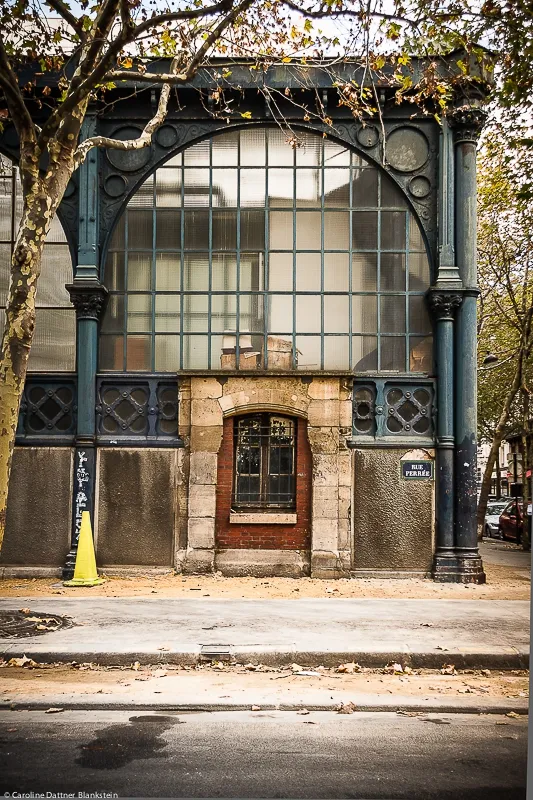
Le Carreau du Temple's architecture is a magnificent display of 19th-century industrial design, characterized by its iron framework and expansive glass windows. These elements not only highlight the engineering prowess of the era but also create an airy, light-filled interior that enhances its modern-day function. The structure's preservation and adaptive reuse are a nod to the growing trend of sustainable development, where historical integrity meets contemporary needs.
In its current incarnation, Le Carreau du Temple serves as a multifaceted cultural and community center, hosting a diverse array of events that cater to a broad audience. From fashion shows and art exhibitions to concerts and dance performances, the venue's versatile spaces are designed to accommodate a wide range of activities. This transformation has cemented its status as a cultural cornerstone of the Marais, drawing both Parisians and international visitors eager to experience its eclectic offerings.
The vibrant programming at Le Carreau du Temple reflects the Marais district's commitment to fostering creativity and innovation. Regular events such as workshops, markets, and festivals celebrate local artisans and entrepreneurs, providing a platform for them to showcase their talents. This dynamic atmosphere not only enriches the community but also encourages cultural exchange and collaboration, reinforcing the Marais's reputation as a hub of artistic expression.
Le Carreau du Temple's role as a cultural space extends beyond its events; it also serves as a gathering place for locals and tourists alike. Its open design invites visitors to explore and engage with the space, whether they are attending an event or simply enjoying the architecture. The surrounding area, with its charming streets and vibrant energy, enhances the experience, making every visit to Le Carreau du Temple an opportunity to discover the pulse of the Marais.
In essence, the transformation of Le Carreau du Temple from a bustling market to a thriving cultural venue exemplifies the Marais district's ability to honor its past while embracing the future. This seamless blending of history and modernity creates a unique cultural landscape that resonates with the diverse and dynamic spirit of Paris. As you explore Le Carreau du Temple, you'll find yourself captivated by its innovative approach to preserving heritage while fostering a vibrant community spirit.
In the heart of the Marais district, the Carnavalet Museum stands as a guardian of Parisian heritage, offering an immersive journey through the city's rich history. Housed in two magnificent mansions—the Hôtel Carnavalet and the Hôtel Le Peletier de Saint-Fargeau—this museum is dedicated to preserving and showcasing the vibrant tapestry of Paris's past. Its extensive collections and carefully curated exhibits provide a window into the evolution of the city from its earliest days to the present, making it an essential stop for history enthusiasts and curious travelers alike.

The Carnavalet Museum's exhibitions are a testament to the diverse historical narratives that have shaped Paris. Visitors can explore a wide array of artifacts, artworks, and documents that chronicle pivotal events, including the French Revolution, the Belle Époque, and the transformation of the cityscape under Haussmann's grand redesign. Each room within the museum is meticulously arranged to transport visitors back in time, offering a sensory experience that brings the stories of Paris to life. From intricate paintings and period furniture to personal items once owned by famous Parisians, the museum's treasures offer a multifaceted view of the city's dynamic history.
One of the museum's most compelling features is its collection of historical interiors, which have been reconstructed to reflect the styles and atmospheres of different eras. These immersive spaces provide a rare opportunity to step inside Parisian homes from centuries past, allowing visitors to gain insight into the daily lives, tastes, and social customs of their inhabitants. This attention to detail not only enriches the visitor experience but also underscores the museum's commitment to preserving the authenticity of Paris's cultural heritage.
The Carnavalet Museum also plays a vital role in ongoing historical research and education. Through its archives, the museum supports scholarly work and fosters a deeper understanding of Paris's complex history. Additionally, it offers a range of educational programs, workshops, and guided tours designed to engage visitors of all ages. These initiatives aim to inspire a new generation of history lovers and ensure that the stories of Paris continue to be told and appreciated.
After undergoing an extensive renovation, the museum has reopened with a fresh perspective, enhancing its accessibility and visitor experience. New interactive displays and multimedia installations have been integrated into the exhibits, allowing for a more engaging exploration of the city's past. These modern touches complement the traditional displays, creating a harmonious blend of old and new that mirrors the spirit of the Marais itself.
By preserving and presenting the stories of Paris, the Carnavalet Museum serves as a vital cultural institution within the Marais district. It not only celebrates the city's illustrious past but also invites visitors to reflect on its enduring legacy and the ways in which history continues to shape the present. Whether you're a seasoned historian or a first-time visitor, a journey through the Carnavalet Museum offers a profound appreciation for the rich and intricate history of one of the world's most iconic cities.
Amidst the cobblestone streets and historic façades of the Marais district, a new architectural narrative is quietly unfolding. The juxtaposition of contemporary design against the backdrop of centuries-old buildings creates an intriguing dialogue between past and present. Modern architecture in the Marais is not only about aesthetic innovation but also about the thoughtful integration of new structures within the historic urban fabric, highlighting the district's dynamic evolution.
One of the most striking examples of contemporary architecture in the Marais is the Centre Pompidou, located just a short walk from the district's heart. Designed by Renzo Piano and Richard Rogers, this iconic building challenges traditional architectural norms with its revolutionary "inside-out" design. Its exposed steel framework, brightly colored pipes, and transparent escalators stand in stark contrast to the classical architecture surrounding it, offering an audacious statement on modernity and function. Inside, the Centre Pompidou houses one of the most significant collections of modern and contemporary art in Europe, making it a cultural beacon that draws visitors from around the globe.
Another notable addition to the Marais's architectural landscape is the Archives Nationales, which has recently undergone a modern expansion. The sleek, minimalist extension complements the historic buildings of the original complex, creating a seamless integration of old and new. The design prioritizes natural light and open spaces, fostering an environment conducive to research and exploration. This thoughtful approach to modernization ensures that the Archives not only preserve history but also embrace future innovation.
The Marais district also showcases smaller-scale contemporary projects that transform traditional spaces into modern havens. Many historic townhouses have been renovated to incorporate modern amenities while retaining their original charm. These renovations often feature minimalist interiors, sustainable materials, and innovative use of space, reflecting a growing trend towards environmentally conscious design in urban living. This blend of old-world elegance with modern sensibilities highlights the adaptability and enduring allure of the Marais.
Beyond individual buildings, the Marais is home to a thriving community of architects and designers who contribute to the district's modern spirit. Design studios and galleries scattered throughout the area offer a window into the latest trends in architecture and design. These creative spaces frequently host exhibitions and workshops, providing a platform for artists and architects to engage with the public and share their visions for the future of urban living.
The presence of contemporary architecture amidst the Marais's rich historical context underscores the district's ability to evolve while honoring its storied past. This harmonious coexistence of styles fosters a unique cultural landscape where history and modernity are not at odds but rather complement and enrich each other. As you explore the Marais, take a moment to appreciate the subtle artistry of its contemporary architecture, which contributes to the district's vibrant, ever-changing character.
The Marais district, with its eclectic blend of history and modernity, has long been a crucible for Parisian fashion and culture. Known for its vibrant streets and artistic flair, the area exudes a unique charm that has captured the imagination of designers, artists, and trendsetters alike. This cultural hotspot has played a pivotal role in shaping not only the local but also the global perception of Paris as a fashion capital.

Historically, the Marais has been a melting pot of influences, drawing from its diverse communities and rich past to cultivate a distinct cultural identity. The district's narrow streets and historic buildings provide an atmospheric setting that has inspired countless creative minds. From the aristocratic elegance of past eras to the bohemian spirit of the 20th century, the Marais reflects the ever-evolving narrative of Parisian style.
In the realm of fashion, the Marais has emerged as a hub for both established designers and emerging talents. Its streets are lined with an array of boutiques, from high-end fashion houses to independent labels, each offering their unique take on contemporary style. This diversity allows fashion enthusiasts to explore a wide spectrum of aesthetics, from classic French chic to avant-garde innovation. The district's influence is evident in the way it nurtures creativity and champions individual expression, making it a favorite destination for fashion aficionados seeking the latest trends and timeless pieces.
Beyond fashion, the Marais is a thriving center for cultural exploration. Its galleries, museums, and art spaces host a myriad of exhibitions that celebrate both traditional and contemporary art forms. This vibrant cultural scene attracts a cosmopolitan crowd, fostering an environment where artistic exchange and collaboration flourish. The district's dynamic energy is palpable, creating an atmosphere that encourages experimentation and pushes the boundaries of artistic expression.
The Marais also plays a critical role in the broader cultural fabric of Paris. Its influence extends beyond its borders, impacting how the city is perceived worldwide. The district's ability to seamlessly blend the old with the new has made it a symbol of Paris's enduring allure and its capacity for reinvention. This reputation as a trendsetter and cultural innovator attracts visitors from around the globe, eager to experience the distinctive spirit of the Marais firsthand.
As you wander through the Marais, you'll notice the seamless integration of fashion and culture into daily life. Trendy cafés and stylish concept stores sit alongside historic landmarks, creating a tapestry of experiences that reflect the district's multifaceted identity. Whether you're shopping for a unique fashion piece, attending a cutting-edge art exhibition, or simply soaking in the vibrant street life, the Marais offers a rich and immersive experience that encapsulates the essence of Parisian culture.
The Marais' influence on Parisian fashion and culture is not static; it continues to evolve, driven by the creativity and innovation of those who call the district home. As new generations of designers and artists emerge, they bring fresh perspectives and ideas that further enrich the district's cultural landscape. This ongoing dialogue between past and present ensures that the Marais remains at the forefront of Parisian style and culture, a testament to the district's enduring impact on the city and beyond.
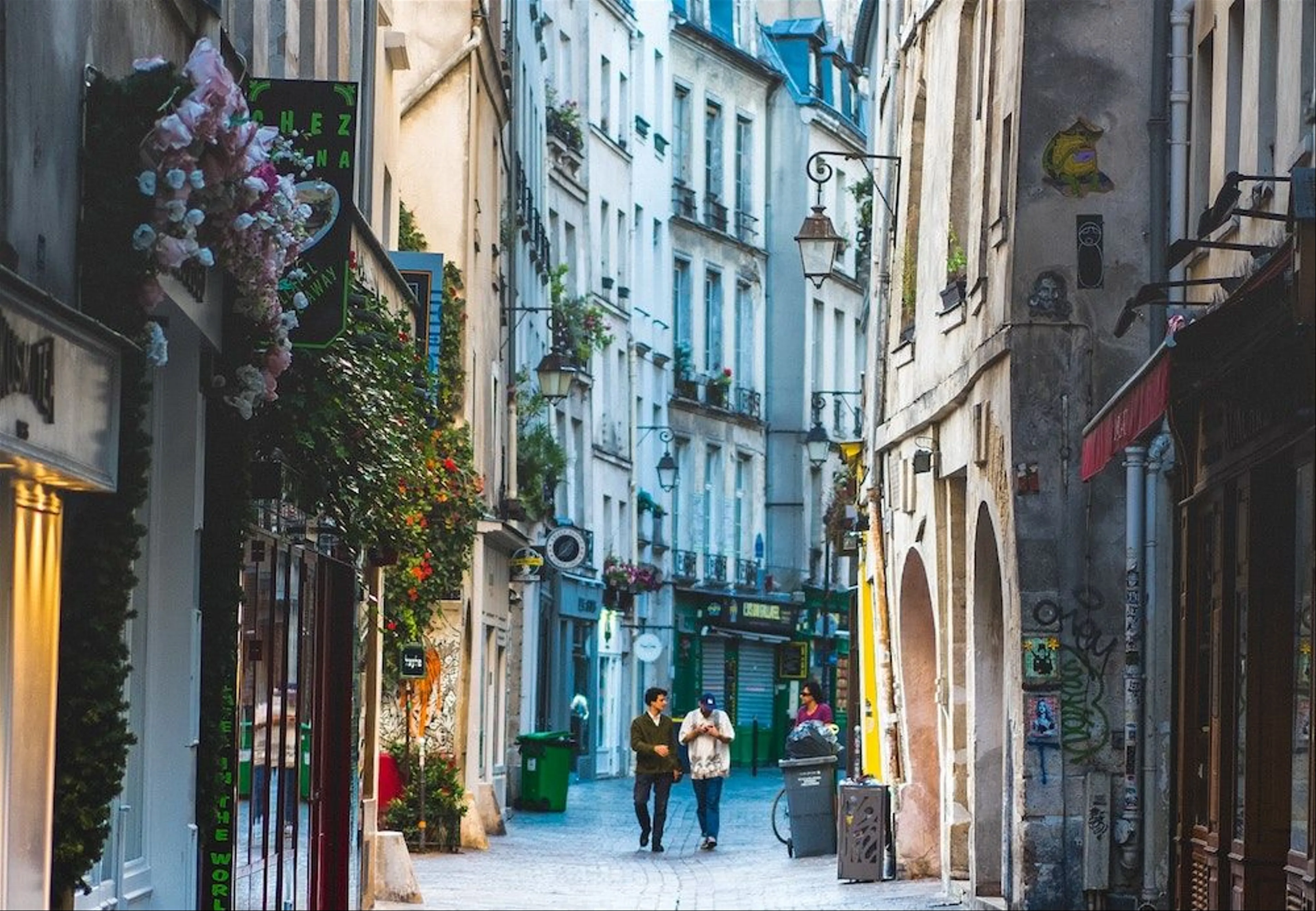
Explore the enchanting streets of Le Marais in Paris, uncovering its rich history and hidden gems. A must-visit for any traveler.

Explore Le Marais in Paris, home to hidden artisans, vibrant workshops, and unique cultural experiences.

Explore Montmartre's artistic legacy and historic allure on a captivating stroll through Paris' most charming district.