

Explore Paris' hidden architectural gems beyond the Eiffel Tower, discovering unique structures that tell the city's rich history.
In the heart of Paris' bustling Latin Quarter lies a relic of antiquity that offers a fascinating glimpse into the city’s Roman past: the Arènes de Lutèce. Often overshadowed by more prominent landmarks, these ancient Roman amphitheater ruins are a testament to the city's long and layered history. Built in the first century AD, the Arènes de Lutèce is one of the most significant remnants of the Gallo-Roman era in Paris, or Lutetia as it was known then.

The amphitheater once seated up to 15,000 spectators, who would gather to watch gladiatorial combats and theatrical performances, making it a hub of entertainment in ancient times. Walking through the stone remains, visitors can almost hear the echoes of the past, imagining the vibrant scenes that once unfolded here. The structure's elliptical shape and tiered seating, though partially restored, still convey the grandeur of its original design.
Today, the Arènes de Lutèce offers a serene escape from the urban hustle, nestled within a charming neighborhood that invites strollers to pause and reflect. It serves as a peaceful retreat, where locals and tourists alike can enjoy a leisurely picnic or a quiet moment of contemplation. The arena's grassy expanse is often dotted with people playing pétanque, a traditional French game, adding a touch of contemporary life to this ancient setting.
Visitors to the Arènes de Lutèce are not merely witnessing the remnants of a bygone era; they are stepping into a piece of living history. The site is a poignant reminder of Paris' transformation over millennia, from a Roman settlement to the vibrant metropolis it is today. As you explore these enigmatic ruins, you gain a deeper understanding of the cultural layers that define this iconic city.
For those willing to step off the beaten path, the Arènes de Lutèce offers an enriching experience that combines history, culture, and a unique perspective on Parisian life. It is a hidden architectural gem, inviting travelers to discover the lesser-known stories of Paris and to appreciate the city's diverse historical tapestry.
Tucked away in the Marais district, the Hôtel de Sully stands as a splendid example of French Renaissance architecture, offering visitors a journey back in time to the elegance and grandeur of the 17th century. This hôtel particulier, or grand townhouse, not only reflects the opulence of its era but also tells the story of Paris' transformation during the reign of Louis XIII.

Commissioned in the early 1600s by financier Mesme Gallet and later acquired by the Duke of Sully, a trusted minister of King Henry IV, the Hôtel de Sully is a masterpiece of design and craftsmanship. Its façade is adorned with elaborate stone carvings and classical motifs, capturing the artistic sensibilities of the Renaissance period. The symmetry and proportion seen in the architecture are hallmarks of the time, revealing a pursuit of harmony and balance that was esteemed by architects and patrons alike.
Stepping through the entrance, visitors are greeted by a tranquil courtyard that provides a stark contrast to the bustling streets of the Marais outside. This serene space invites contemplation and offers a peaceful retreat where one can appreciate the meticulous gardens, designed in the traditional French style with manicured hedges and vibrant flowerbeds. The gardens serve as a green oasis, echoing the grandeur of the past while providing a refreshing pause in the present.
The interiors of the Hôtel de Sully are equally captivating, featuring ornate woodwork and period furnishings that transport guests to another era. While the building now houses the Centre des Monuments Nationaux, which oversees the preservation of France's historic sites, its rooms still whisper tales of aristocratic life and the lavish gatherings that once took place here. Visitors can explore exhibitions that delve into the history and culture of France, further enriching their understanding of this fascinating period.
Adjacent to the Place des Vosges, the Hôtel de Sully is perfectly situated for travelers seeking to explore the hidden depths of Paris. Its strategic location makes it an ideal starting point for a leisurely stroll through the Marais, a neighborhood renowned for its rich history, artistic flair, and vibrant cultural scene. As you wander through its cobblestone streets, you'll discover a district brimming with contemporary art galleries, boutique shops, and charming cafés that seamlessly blend the old with the new.
The Hôtel de Sully is more than just a relic of the past; it is a living testament to Paris' architectural evolution and a window into the city's enduring allure. For those eager to uncover Paris' hidden architectural gems, this magnificent residence offers an intimate glimpse into a world of Renaissance grandeur and the timeless beauty of French heritage.
Paris is a city renowned for its historical charm, yet it also stands on the cutting edge of modernity, epitomized by the towering district of La Défense. Situated just west of the city center, La Défense is Europe’s largest purpose-built business district, showcasing a futuristic skyline that contrasts sharply with the traditional Parisian architecture. This vibrant hub is a testament to the city’s dynamic spirit, embracing innovation while still respecting its rich past.
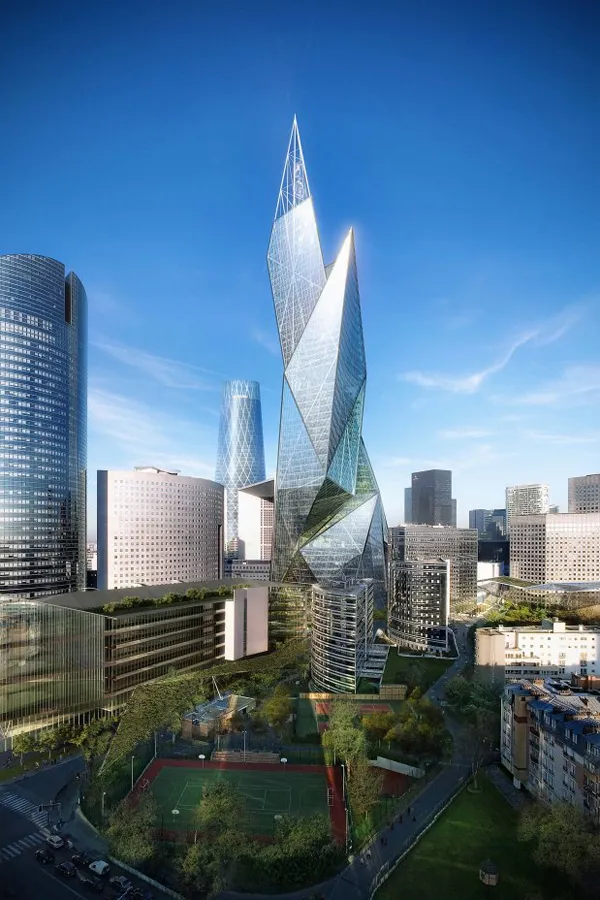
La Défense is distinguished by its collection of striking skyscrapers and avant-garde structures, which have become icons of modern architecture. Among these is the Grande Arche, a monumental modern triumphal arch that forms the focal point of the district. Completed in 1989, the Grande Arche is a marvel of engineering and design, conceived as a 20th-century counterpart to the Arc de Triomphe. Its massive, cube-like form is clad in white marble and granite, creating a striking visual against the Parisian skyline. Visitors can ascend to the rooftop terrace for panoramic views of the city, offering a unique perspective on Paris’ architectural evolution.
In addition to the Grande Arche, La Défense hosts an intriguing mix of buildings designed by world-renowned architects, including Jean Nouvel, César Pelli, and Norman Foster. Each structure contributes to the district’s eclectic aesthetic, blending sleek glass facades with bold geometric forms. This architectural diversity reflects the district’s role as a playground for contemporary design, encouraging innovation and creativity in every corner.
Beyond its architectural feats, La Défense is a bustling center of commerce and culture. The district is home to numerous multinational corporations, making it a vital economic engine for the city. Yet, it also offers a rich cultural landscape, with public art installations scattered throughout its plazas and open spaces. Works by artists such as Alexander Calder and Joan Miró add a vibrant artistic dimension to this urban environment, transforming it into an open-air museum that delights and inspires visitors.
La Défense is not just about business and architecture; it is also a place that embraces leisure and lifestyle. The Quatre Temps shopping center, one of Europe’s largest malls, provides a retail paradise for shoppers, while a variety of restaurants and cafes cater to diverse culinary tastes. This blend of work, culture, and leisure makes La Défense a microcosm of modern urban life, offering something for everyone.
For travelers eager to explore Paris beyond its historic core, La Défense offers a compelling glimpse into the city’s future. It is a district that challenges perceptions and invites visitors to experience a side of Paris that is bold, innovative, and ever-evolving. Whether you're an architecture enthusiast, a business traveler, or simply curious about Paris' modern landscape, La Défense promises a captivating journey into the heart of contemporary design and urban development.
In the historic Latin Quarter of Paris, the church of St. Étienne du Mont stands as a sublime embodiment of Gothic elegance, offering visitors a mesmerizing glimpse into the city’s architectural splendor. Nestled near the famous Panthéon, this lesser-known gem combines elements of Gothic, Renaissance, and Baroque styles, making it a unique testament to the artistic transitions of the 15th and 16th centuries. As you approach the church, its intricate façade captivates with its blend of flamboyant Gothic arches and Renaissance detailing, inviting travelers to delve deeper into its storied past.

St. Étienne du Mont is renowned for its stunning rood screen, an architectural masterpiece that is the last of its kind in Paris. This delicate stone structure separates the nave from the choir, adorned with exquisitely carved details that reflect the craftsmanship of its era. The screen creates a sense of mystery and reverence, drawing visitors' eyes upward to the beautifully vaulted ceiling adorned with elaborate ribbed arches that exemplify Gothic artistry at its finest.
Inside, the church's ethereal light filters through the vibrant stained glass windows, casting kaleidoscopic patterns across the stone floors. These windows, many of which date back to the 16th century, depict biblical scenes and saints, immersing visitors in a visual narrative that spans centuries. Among the church's treasured relics is the shrine of St. Geneviève, the patron saint of Paris, whose legacy of faith and resilience continues to inspire pilgrims and tourists alike.
The church's history is as rich as its architecture. Originally a modest chapel dedicated to St. Geneviève, it evolved into the grand edifice that stands today, reflecting the evolving tastes and religious fervor of the times. The church has witnessed numerous historical events, serving as a sanctuary during times of turmoil and a beacon of hope during the French Revolution. Its resilience and grace mirror the spirit of Paris itself, a city that continually reinvents while preserving its illustrious heritage.
For those seeking to explore the layers of Parisian history beyond its iconic landmarks, St. Étienne du Mont offers an intimate encounter with the city’s spiritual and architectural legacy. Its tranquil atmosphere provides a contemplative escape from the bustling streets, inviting visitors to pause and reflect. As you wander through its hallowed halls, you’ll gain a deeper appreciation for the intricate artistry and profound cultural significance that define this hidden architectural treasure.
Whether you're an aficionado of ecclesiastical art, a history enthusiast, or a curious traveler in search of Paris' hidden gems, St. Étienne du Mont promises an enriching experience that captures the essence of Gothic elegance and the enduring allure of Parisian architecture. As you stand beneath its soaring arches, you'll be transported to a realm where time stands still, and the beauty of the past lives on in the present.
Amidst the vibrant tapestry of Paris lies Le Marais, a neighborhood that masterfully weaves together threads of history and modernity. Nestled on the Right Bank of the Seine, this historic district is a treasure trove of architectural and cultural wonders, offering travelers an immersive experience that transcends time. Le Marais, once the aristocratic district of Paris, is now a lively hub that encapsulates the essence of Parisian charm and cosmopolitan flair.

Walking through the cobblestone streets of Le Marais, visitors are instantly enveloped in a world where medieval architecture stands alongside contemporary art galleries and boutiques. The neighborhood's rich past is reflected in its well-preserved hôtels particuliers, grand townhouses that once housed the nobility. These architectural gems, with their ornate façades and intricate courtyards, provide a window into the lavish lifestyles of the 17th and 18th centuries.
Yet, Le Marais is not merely a relic of the past. It thrives as a vibrant cultural district, renowned for its eclectic mix of art, fashion, and cuisine. The neighborhood is home to an array of galleries and museums, including the Musée Picasso, which houses one of the most extensive collections of the artist's works. Art enthusiasts can spend hours exploring these spaces, each offering a unique perspective on the evolution of artistic expression in Paris.
Beyond its artistic allure, Le Marais boasts a diverse culinary scene that caters to all tastes. From traditional French bistros to cutting-edge eateries, the district is a gastronomy lover's paradise. The Marché des Enfants Rouges, Paris' oldest covered market, is a must-visit for foodies. Here, visitors can sample an array of international cuisines, reflecting the multicultural tapestry that defines modern Paris.
Le Marais is also a shopping destination par excellence, with its streets lined with independent boutiques, vintage shops, and high-end fashion outlets. The area's unique blend of old and new attracts fashion-forward Parisians and savvy travelers alike, making it the perfect place to find one-of-a-kind pieces and cutting-edge designs.
The neighborhood's lively atmosphere is complemented by its role as a significant center for the LGBTQ+ community in Paris. The Marais is famous for its inclusive spirit and vibrant nightlife, offering a welcoming environment for locals and visitors from around the globe. This openness and diversity contribute to the district's dynamic character, making it a symbol of contemporary urban life in Paris.
In Le Marais, history and modernity coexist in harmony, creating a neighborhood that is as multifaceted as it is captivating. Whether you're drawn to its architectural beauty, cultural richness, or vibrant social scene, Le Marais invites exploration and discovery at every turn. For travelers seeking to delve deeper into the soul of Paris, Le Marais offers an unforgettable journey through time, art, and culture, capturing the city's enduring allure in its most enchanting form.
Amidst the grand boulevards and iconic sights of Paris lies a hidden gem that enchants with its whimsical charm and vibrant hues: Rue Cremieux. Nestled in the 12th arrondissement, this picturesque pedestrian street is a delightful departure from the city's more bustling thoroughfares, offering a serene escape into a world of color and quaint beauty.

Rue Cremieux is renowned for its rows of pastel-colored houses, each one unique in shade and adorned with charming details such as painted shutters, flower boxes, and artistic murals. The street's kaleidoscopic palette, ranging from soft pinks and blues to vibrant yellows and greens, creates a cheerful atmosphere that captivates travelers and photographers alike. This visual feast is a testament to the area's creative spirit, with each homeowner contributing to the street's collective charm through personalized touches and seasonal decorations.
The history of Rue Cremieux dates back to the late 19th century when it was developed to provide affordable housing for workers. Over time, the street has transformed into one of Paris' most photogenic locales, celebrated for its intimate, village-like ambiance amidst the urban expanse. Its cobblestone path and lack of vehicular traffic further enhance its quaint appeal, making it a beloved spot for leisurely strolls and quiet reflection.
Beyond its aesthetic allure, Rue Cremieux offers a glimpse into a more tranquil side of Parisian life. The street's residents and visitors often engage in friendly exchanges, creating a sense of community that is increasingly rare in the city's bustling neighborhoods. This welcoming spirit is part of what makes Rue Cremieux a cherished hidden treasure, inviting travelers to pause and savor the simple pleasures of a stroll down this charming lane.
While Rue Cremieux has gained popularity in recent years, it remains a relatively under-the-radar destination compared to Paris' more famous attractions. Its allure lies in its ability to transport visitors to a more intimate, almost magical world where time seems to slow down and the vibrancy of life is celebrated in every corner. For those seeking a unique experience away from the well-trodden paths, this colorful street offers a refreshing perspective on Parisian charm.
Visiting Rue Cremieux is an invitation to embrace the unexpected beauty that lies beyond the city's grand monuments. Whether you're capturing its vibrant hues with a camera or simply enjoying a leisurely walk, Rue Cremieux promises a memorable encounter with the enchanting side of Paris. It is a place where the spirit of creativity and the essence of community come together, embodying the city's timeless allure in the most delightful of ways.
Nestled in the heart of Paris, the Passage des Panoramas is a captivating portal to the past, offering visitors an enchanting glimpse into the city’s vibrant history and culture. As Paris' oldest covered passage, established in 1799, this historic arcade is a testament to the city’s enduring charm and architectural ingenuity. Located in the 2nd arrondissement, it stretches between Boulevard Montmartre and Rue Saint-Marc, providing a delightful refuge from the bustling streets above.

The Passage des Panoramas is a labyrinthine network of covered walkways that exudes an old-world allure, characterized by its glass roofs, wrought-iron embellishments, and exquisite mosaic floors. As you wander through its corridors, you’ll discover an eclectic array of shops and eateries that capture the essence of Parisian life. From vintage bookstores and antique shops to artisanal boutiques and charming cafés, the passage offers a sensory feast that transports visitors to another era.
One of the most striking features of the Passage des Panoramas is its ability to blend history with modernity. While it retains much of its 19th-century charm, the passage also embraces contemporary culture, housing trendy establishments that appeal to both locals and tourists. This dynamic mix creates a unique atmosphere where the past and present coexist harmoniously, offering a snapshot of Paris’ evolving landscape.
The passage’s storied past is reflected in its name, which pays homage to the panoramic paintings that once adorned its walls. These grand vistas were a popular form of entertainment in the 19th century, drawing visitors eager to experience the illusion of travel through art. Although the original panoramas have long since vanished, the passage remains a cultural hub, inviting exploration and discovery at every turn.
For those seeking a taste of authentic Parisian cuisine, the Passage des Panoramas does not disappoint. It is home to several renowned eateries, including the historic Le Bouillon Chartier, a brasserie that has been serving classic French fare since 1896. The passage's cafes and restaurants offer a diverse culinary experience, allowing travelers to savor everything from traditional pastries to contemporary culinary creations.
The Passage des Panoramas is more than just a shopping destination; it is a living museum that offers a fascinating insight into the history of Parisian commerce and social life. Its enduring appeal lies in its ability to transport visitors back in time while remaining a vibrant part of the city’s cultural fabric. Whether you're a history enthusiast, a culinary explorer, or simply looking for a unique shopping experience, this hidden gem promises a captivating journey through the heart of Paris.
As you stroll through the Passage des Panoramas, you’ll not only discover the rich tapestry of Paris’ past but also experience the city's timeless allure. It is a place where stories come to life, and the spirit of Paris can be felt in every corner, offering an unforgettable adventure for those willing to delve into its hidden depths.
In the verdant expanse of the Bois de Boulogne, a monumental structure rises, redefining the boundaries of contemporary architecture: the Fondation Louis Vuitton. Designed by the visionary architect Frank Gehry, this modern icon is an audacious blend of art and innovation, captivating visitors with its striking transparency and fluid forms. Established in 2014, the Fondation Louis Vuitton has quickly become a landmark of modern Paris, celebrated not only for its architectural prowess but also as a hub for cultural and artistic expression.

The building's facade is a masterpiece of design, resembling a ship with billowing glass sails that seem to float above the treetops. This dynamic structure was conceived to blend harmoniously with its natural surroundings, utilizing over 3,600 glass panels to create a kaleidoscope of reflections and light. Gehry's use of innovative materials and techniques enables the building to change appearance with the weather and time of day, transforming it into a living work of art that melds with the sky and forest.
Beyond its breathtaking exterior, the Fondation Louis Vuitton is a cultural beacon, dedicated to promoting contemporary art and fostering creative dialogue. Inside, visitors are greeted by expansive galleries that host rotating exhibitions, featuring works by both established and emerging artists from around the globe. The foundation's commitment to innovation is mirrored in the diverse range of media and artistic expressions on display, from painting and sculpture to digital installations and performance art.
The architectural journey through the Fondation Louis Vuitton is as much about the building itself as the art it houses. The interior spaces are as meticulously designed as the facade, with soaring ceilings and fluid lines that guide visitors through a seamless progression of galleries. The interplay of light and shadow, facilitated by the extensive use of glass, creates an ever-changing ambiance that enhances the viewing experience and underscores the building's role as an evolving artistic entity.
For architecture enthusiasts and art lovers alike, the Fondation Louis Vuitton offers a unique opportunity to explore the intersection of design, culture, and nature. The building stands as a testament to Gehry's genius and the enduring allure of modern architecture, inviting visitors to engage with the art of the present while contemplating the possibilities of the future. Its presence in Paris enriches the city's cultural landscape, offering a fresh perspective on what it means to be both a museum and a masterpiece.
Whether you're drawn to its architectural innovations, captivated by its artistic offerings, or simply seeking inspiration in one of Paris' most beautiful settings, the Fondation Louis Vuitton promises an unforgettable experience. It is a place where creativity knows no bounds, and where every visit reveals new facets of beauty and innovation, solidifying its status as a modern architectural icon.
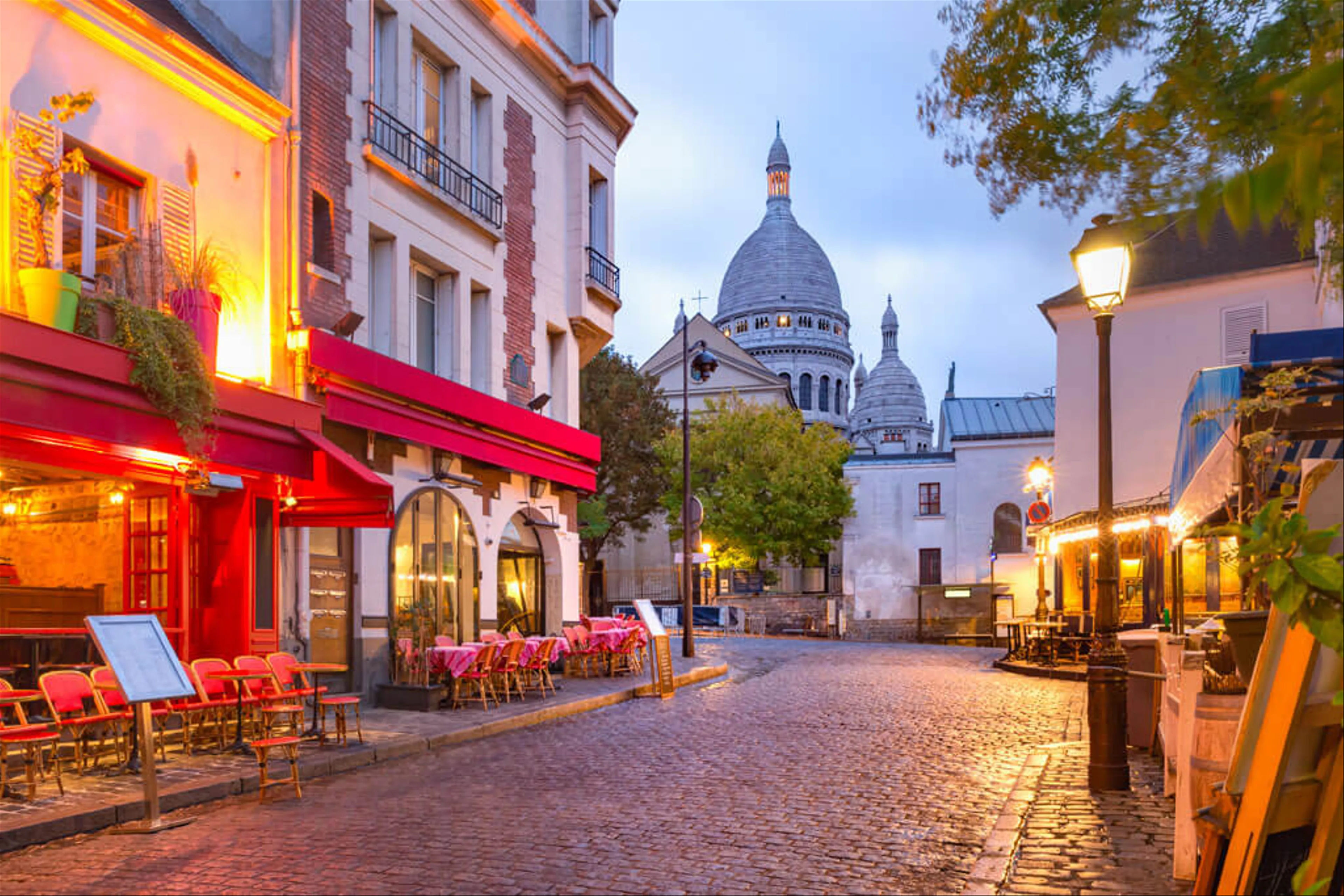
Explore Montmartre's enchanting art scene, vibrant history, and bohemian spirit in Paris' iconic artistic hub.
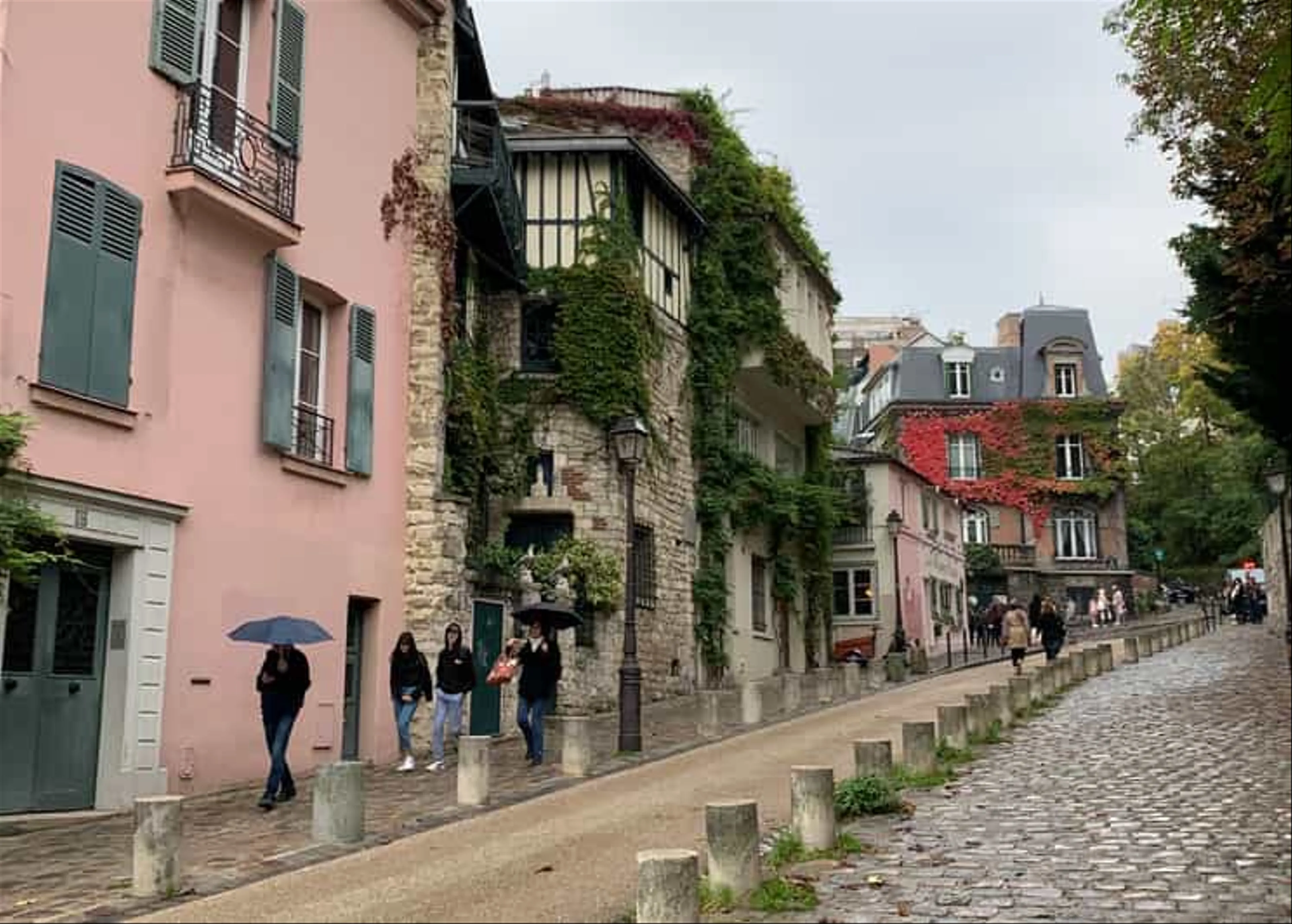
Explore Montmartre's artistic legacy and charming streets. Discover Paris's bohemian district with our comprehensive travel guide.

Explore Montmartre's artistic legacy and historic allure on a captivating stroll through Paris' most charming district.