
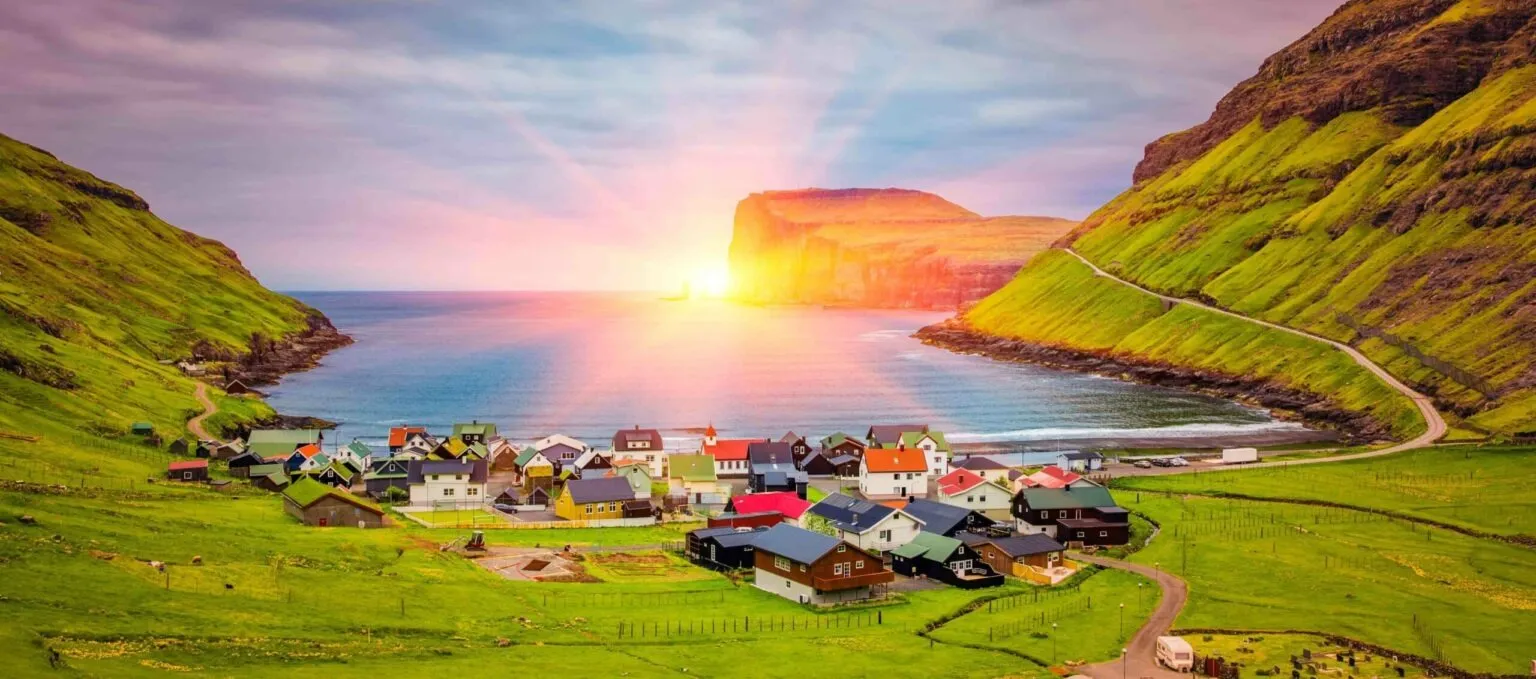
The Faroe Islands, an archipelago of 18 volcanic islands nestled between Iceland and Norway in the North Atlantic Ocean, captivate travelers with their dramatic landscapes, rich culture, and serene way of life. This hidden gem offers a unique blend of untouched natural beauty, vibrant local culture, and an inviting atmosphere that beckons adventurers and nature enthusiasts alike. As you explore the Faroe Islands, you'll discover a place where time seems to stand still, allowing you to immerse yourself in its breathtaking scenery and the warm hospitality of its people.
Tórshavn, one of the smallest capitals in the world, is a delightful blend of old-world charm and contemporary culture. Wander through the narrow lanes of Tinganes, where colorful turf-roofed houses stand as a testament to centuries of history. The city's vibrant art scene, intriguing museums, and cozy cafés offer a perfect introduction to Faroese culture. Don't miss a visit to the Nordic House, a cultural hub showcasing the best of Faroese and Nordic artistry.
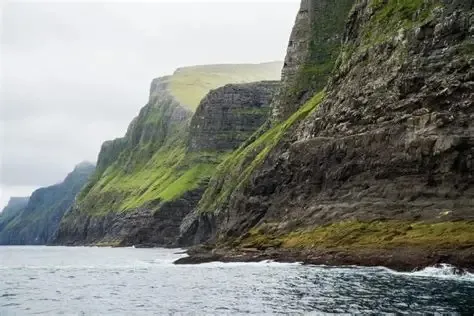
The cliffs of Vestmanna are a must-see for any visitor to the Faroe Islands. These towering sea cliffs, which rise dramatically from the ocean, provide a sanctuary for thousands of seabirds, including puffins, razorbills, and fulmars. A boat tour offers an unforgettable experience as you glide beneath these giant rock faces, with the cries of seabirds echoing in the salty air. The sheer scale and beauty of these cliffs will leave you in awe of nature's power.
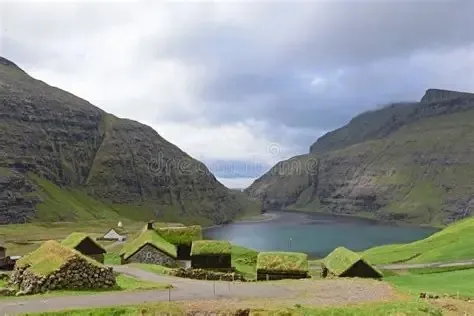
Nestled in a picturesque valley surrounded by steep mountains and a tranquil lagoon, the village of Saksun offers a glimpse into the timeless beauty of the Faroe Islands. With its traditional grass-roofed houses and the quaint Saksun Church, this village looks like it's been pulled straight from a fairytale. A visit to Saksun is not complete without a peaceful walk along the sandy lagoon, where you can breathe in the fresh Atlantic air and soak in the stunning surroundings.
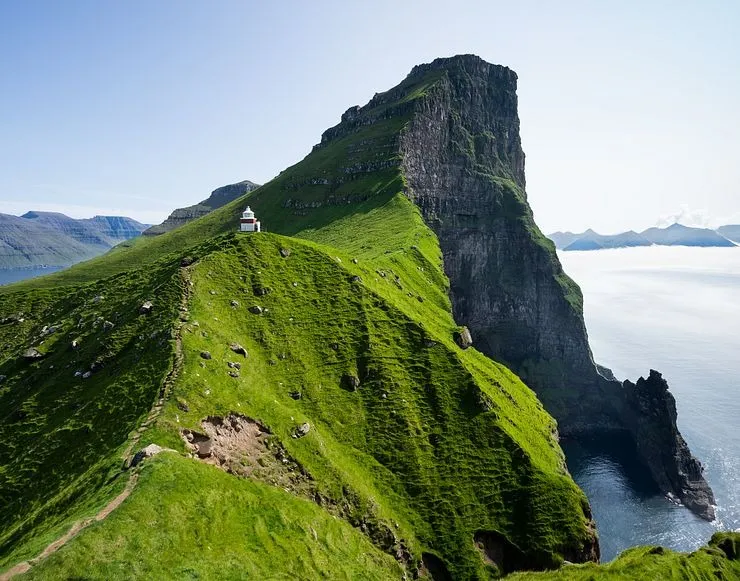
For those seeking adventure, the island of Kalsoy is a hiker's paradise. Known for its dramatic peaks and sweeping views, Kalsoy offers several hiking trails that cater to all levels of experience. The most famous of these is the hike to the Kallur Lighthouse, which offers panoramic views of the surrounding islands and the endless ocean. As you traverse the rugged terrain, you'll encounter the island's unspoiled landscapes and perhaps even catch sight of the elusive island sheep grazing on the hillsides.
Faroe Islands' cuisine is a reflection of its rugged landscape and rich maritime heritage. Traditional Faroese dishes often feature locally sourced ingredients such as fresh seafood, lamb, and root vegetables. Be sure to try specialties like skerpikjøt, a wind-dried mutton, and ræst kjøt, fermented lamb, which offer a taste of the islands' unique culinary tradition. For a sweet treat, sample a slice of rabarbuk, a delicious rhubarb cake that pairs perfectly with a cup of strong Faroese coffee.
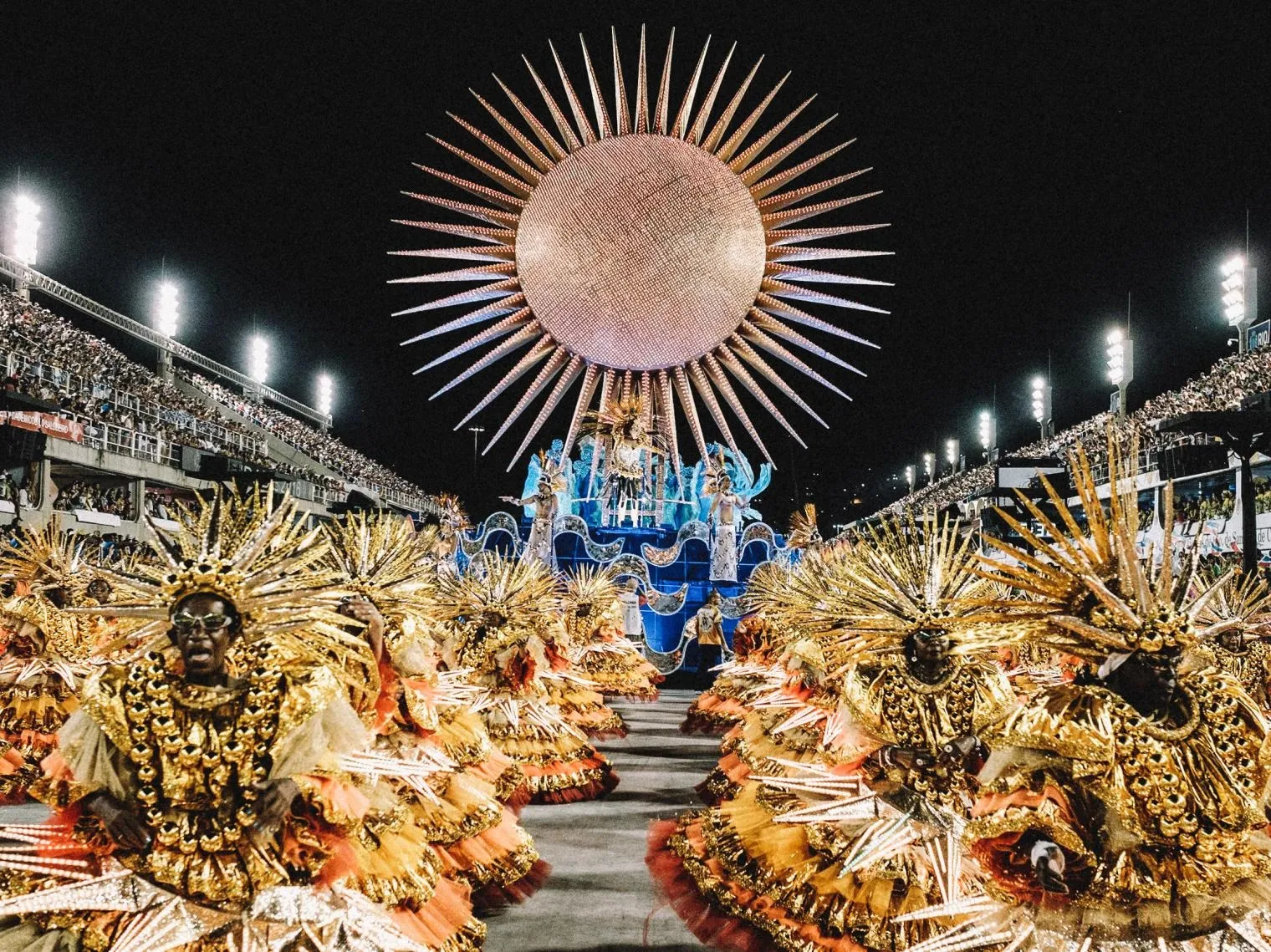
Immerse yourself in the local culture by attending one of the many festivals celebrated in the Faroe Islands each year. Ólavsøka, the national holiday celebrated in late July, is a vibrant display of Faroese culture, featuring traditional boat races, folk music, and dancing. Another highlight is the G! Festival, a unique music festival set on the beach in Gøta, offering an eclectic mix of international and Faroese artists. These events provide a wonderful opportunity to experience the warmth and community spirit of the Faroe Islanders.
The Faroe Islands, with their untouched landscapes and rich cultural heritage, are home to numerous unmissable destinations that promise to leave travelers enchanted. From serene villages to dramatic natural wonders, each location offers a unique glimpse into the islands' unparalleled beauty and tranquility. Whether you're a nature lover, history buff, or culture enthusiast, the Faroe Islands have something extraordinary to offer everyone.
Mykines, the westernmost island of the Faroe Islands, is a haven for birdwatchers and nature enthusiasts. Known for its puffin colonies and other seabirds, Mykines provides stunning vistas and a chance to witness these fascinating creatures up close. A hike to the Mykineshólmur lighthouse offers breathtaking views of the rugged coastline and the Atlantic Ocean, making it a truly unforgettable experience.
Kirkjubøur is the Faroe Islands' most significant historical site, offering a fascinating insight into the islands' medieval past. Visitors can explore the ruins of the Magnus Cathedral, the oldest church in the Faroe Islands, and the historic farmhouse Roykstovan, which has been inhabited by the same family for 17 generations. Kirkjubøur provides a unique opportunity to step back in time and explore the islands' rich history.
The charming village of Gjógv, located on the island of Eysturoy, is famous for its natural harbor formed by a sea-filled gorge. The village offers stunning views of the surrounding mountains and ocean, making it a perfect spot for photography and nature walks. Visitors can enjoy the peaceful atmosphere and explore the local church and charming houses, all while soaking in the serene beauty that Gjógv offers.
Known for its softer landscapes and sandy beaches, Sandoy is the perfect place for those seeking tranquility and natural beauty. The island is ideal for leisurely walks, birdwatching, and enjoying the serene Faroese countryside. With its rolling hills and picturesque villages, Sandoy provides a relaxing escape from the hustle and bustle of daily life.
Vágar, home to the Faroe Islands' only airport, serves as the gateway to the archipelago's wonders. The island boasts some of the most iconic landscapes, including the breathtaking Múlafossur waterfall and the tranquil Lake Sørvágsvatn, which appears to hang above the ocean when viewed from certain angles. Adventurers can explore the island's many hiking trails and discover its stunning natural beauty.
The Faroe Islands, with their unique geographical location and rich cultural heritage, offer a fascinating insight into the traditions and lifestyle of its people. The islands' culture is deeply rooted in Norse history and shaped by a close-knit community that values authenticity, sustainability, and a harmonious relationship with nature. Visitors to the Faroe Islands can immerse themselves in the distinctive customs and everyday life of the Faroese, gaining a deeper understanding of their way of life.
The Faroese language, derived from Old Norse, is a vital part of the islands' cultural identity. While Danish is also widely spoken, Faroese has survived through centuries and is celebrated in traditional songs and ballads known as "kvæði." These ballads, often performed at social gatherings, tell stories of legends and history, passed down through generations. The islands also host music festivals that blend traditional and contemporary Faroese music, allowing visitors to experience the vibrant local scene.
Traditional Faroese clothing is a colorful reflection of the islands' cultural heritage. For special occasions such as weddings and national celebrations, many Faroese wear traditional attire made from local wool. The intricate designs and vibrant colors of these garments are a testament to the craftsmanship and artistry that the Faroese people take great pride in. Witnessing these traditional outfits during festivals offers a glimpse into the islands' rich cultural tapestry.
Community life in the Faroe Islands is characterized by a strong sense of camaraderie and mutual support. The harsh weather conditions and remote location have fostered a culture of cooperation and resilience among the Faroese. Social gatherings, community events, and local sports activities such as rowing and football are an integral part of everyday life. Engaging with locals at these events offers a wonderful opportunity to experience the warmth and hospitality of the Faroese community.
Whaling, a tradition dating back centuries, remains a controversial yet significant aspect of Faroese culture. The practice, known locally as "grindadráp," involves the community coming together to catch pilot whales. It is regulated and carried out sustainably, with the meat distributed among the local population. Understanding this tradition provides insight into the Faroese way of life and their reliance on the ocean's resources for sustenance.
The Faroe Islands are a model for sustainable living, with a deep respect for nature ingrained in their culture. The islands harness renewable energy sources such as wind and hydroelectric power, aiming for energy self-sufficiency. Local food production is emphasized, with a focus on organic farming and fishing practices. Visitors can learn about these sustainable practices through tours and interactions with local farmers and fishermen, gaining a valuable perspective on eco-friendly living.
The Faroe Islands are a haven for nature lovers, boasting some of the most stunning and diverse landscapes in the North Atlantic. From rugged cliffs and rolling green hills to tranquil lakes and dramatic waterfalls, the islands offer a perfect blend of raw beauty and serene tranquility. Each island presents its own unique set of natural wonders, inviting visitors to explore and connect with the untouched beauty that defines the Faroese terrain.
Lake Sørvágsvatn, also known as Leitisvatn, is one of the most photographed locations in the Faroe Islands. This optical illusion lake appears to float above the ocean when viewed from the right angle, creating a breathtaking visual spectacle. The hike to the viewpoint offers panoramic vistas of the surrounding landscape, making it a must-visit for photographers and nature enthusiasts alike.
Located in the quaint village of Gásadalur on the island of Vágar, Múlafossur Waterfall is a mesmerizing sight. The waterfall plunges gracefully into the ocean, set against the backdrop of towering cliffs and lush greenery. The picturesque village and the stunning natural beauty of the waterfall create a scene that feels like stepping into a postcard.
Trælanípan, also known as Slave Cliff, offers one of the most dramatic views in the Faroe Islands. The sheer drop from the cliff to the ocean below is both awe-inspiring and humbling. The hiking trail leading to Trælanípan provides an opportunity to experience the rugged coastline and the powerful forces of nature that have shaped these majestic cliffs over millennia.
The village of Saksun is home to a tranquil lagoon surrounded by steep mountains and traditional Faroese architecture. The serene setting of the lagoon offers a peaceful escape, where visitors can enjoy a leisurely walk along the sandy beach and take in the stunning scenery. The harmonious blend of natural beauty and cultural heritage makes Saksun a delightful destination for those seeking solitude and reflection.
Perched atop the island of Kalsoy, the Kallur Lighthouse is renowned for its panoramic views of the surrounding ocean and islands. The hike to the lighthouse takes adventurers through dramatic landscapes dotted with grazing sheep and offers a sense of remoteness and tranquility. The lighthouse itself stands as a beacon of Faroese resilience against the elements, making it a symbol of the island's enduring spirit.
Eysturoy, the second-largest island in the Faroe Islands, is characterized by its lush valleys and rolling hills. The island is an ideal destination for hiking enthusiasts, with trails that lead through verdant landscapes and offer breathtaking views of the fjords and distant peaks. Eysturoy's natural beauty is a testament to the diverse and enchanting landscapes that the Faroe Islands have to offer.
The culinary landscape of the Faroe Islands is as unique and diverse as its natural scenery, offering a gastronomic journey that reflects the islands' maritime heritage and resourceful approach to food. With a focus on fresh, locally sourced ingredients, Faroese cuisine is a celebration of the islands' natural bounty and traditional cooking methods. Whether you're a food enthusiast eager to explore new flavors or a curious traveler looking to savor the essence of the Faroe Islands, the local dishes promise an unforgettable culinary experience.
Skerpikjøt is a traditional Faroese delicacy that showcases the islands' unique preservation techniques. This wind-dried mutton is aged in special drying sheds, where the cool, salty air gives it a distinct flavor and texture. Often enjoyed during festive occasions, skerpikjøt is typically sliced thin and served with bread and butter, offering a taste of the Faroese culinary heritage.
Ræst kjøt, or fermented lamb, is another staple of Faroese cuisine. The lamb is hung to cure and develop its signature tangy flavor, a result of the natural fermentation process. This dish is often served with potatoes and a rich gravy, providing a hearty and satisfying meal that reflects the islanders' resourcefulness in utilizing every part of their livestock.
Surrounded by the bountiful waters of the North Atlantic, the Faroe Islands are renowned for their fresh and flavorful seafood. Dishes such as grilled salmon, cod, and halibut highlight the quality of the local catch. Seafood is often prepared simply, allowing the natural flavors to shine. Visitors should also try ræstur fiskur, a fermented fish dish that is a testament to traditional Faroese culinary techniques.
For those with a sweet tooth, rabarbuk is a must-try dessert. This delicious rhubarb cake is a popular treat in the Faroe Islands, offering a perfect balance of tartness and sweetness. Often served with a dollop of cream or a scoop of ice cream, rabarbuk is a delightful end to any meal and pairs wonderfully with a cup of strong Faroese coffee.
To complement the local cuisine, the Faroe Islands offer a selection of traditional beverages worth sampling. Faroese beer, brewed using local ingredients, provides a refreshing accompaniment to any meal. For a unique taste, try the popular "Við Snaps," a traditional Faroese schnapps flavored with angelica, a herb native to the islands. These drinks offer a glimpse into the Faroese approach to brewing and distilling, rooted in tradition and local resources.
The best time to visit the Faroe Islands depends on what you want to experience, as each season offers its own unique charm. From the vibrant festivals of summer to the tranquil beauty of winter landscapes, the Faroe Islands provide a captivating backdrop for every type of traveler. Understanding the seasonal highlights will help you plan your trip to make the most of this breathtaking destination.
Spring, from April to June, sees the Faroe Islands coming to life with blooming wildflowers and the return of migratory birds. The days gradually grow longer, offering more daylight to explore the stunning landscapes. It's an excellent time for hiking and birdwatching, as the islands' natural beauty begins to flourish after the winter months.
Summer, from July to August, is the peak travel season in the Faroe Islands. The islands experience mild temperatures and nearly 24 hours of daylight, known as the "midnight sun." This is the best time for outdoor activities like hiking, boating, and exploring remote villages. Summer also hosts numerous cultural festivals, such as Ólavsøka, where you can immerse yourself in Faroese traditions and celebrations.
Autumn, from September to October, transforms the Faroe Islands into a palette of vibrant reds, yellows, and oranges. The landscapes are breathtaking, and the islands become quieter as the tourist crowds diminish. This season is perfect for those seeking solitude and a more intimate connection with nature. The weather can be unpredictable, so be prepared for a mix of sunshine and rain.
Winter, from November to March, blankets the Faroe Islands in snow, creating a magical and serene atmosphere. Although the days are shorter, the islands' dramatic landscapes are truly captivating under a winter sky. It's an ideal time for cozying up in local cafés and experiencing the warm Faroese hospitality. Winter also offers the chance to witness the mesmerizing Northern Lights, dancing in the polar night sky.
Navigating the Faroe Islands is a delightful adventure in itself, with each journey offering stunning vistas and a sense of solitude. Despite the islands' remote location, getting around is relatively straightforward, thanks to a well-maintained infrastructure connecting the main islands. Whether you prefer the flexibility of driving, the charm of ferries, or the convenience of public transportation, there are several options to help you explore the enchanting landscapes and quaint villages of the Faroe Islands.
Renting a car is one of the most popular ways to explore the Faroe Islands, providing the freedom to travel at your own pace and discover hidden gems off the beaten path. The islands are connected by a network of roads, tunnels, and bridges, making it easy to drive between the main destinations. Car rentals are available at Vágar Airport and in Tórshavn, and it's advisable to book in advance, especially during the peak summer months.
The Faroe Islands offer a reliable and affordable public bus service operated by Strandfaraskip Landsins. Buses connect most towns and villages on the main islands and offer a scenic way to travel while enjoying the dramatic landscapes. The timetables are designed to accommodate the local population's needs, so it's important to check schedules in advance to plan your journey accordingly.
Ferries are an integral part of transportation in the Faroe Islands, providing essential links between the islands. The ferry services, also operated by Strandfaraskip Landsins, connect the larger islands with several smaller ones, including Mykines, Sandoy, and Suðuroy. Ferry trips offer a unique perspective of the islands' rugged coastlines and are a must-experience for anyone looking to explore beyond the main islands.
For a truly unique experience, consider taking a helicopter ride with Atlantic Airways, the national airline of the Faroe Islands. Helicopter services connect several remote islands and provide breathtaking aerial views of the archipelago's dramatic landscapes. While helicopter travel can be more expensive, it is a convenient option for reaching isolated areas and offers an unforgettable perspective of the islands.
Cycling is an excellent way to explore the Faroe Islands for those who enjoy an active holiday. The islands' compact size and scenic roads make cycling a rewarding experience. However, the weather can be unpredictable, and the terrain is often hilly, so it's important to be prepared for changing conditions. Hiring a bicycle in Tórshavn or bringing your own can add an adventurous element to your trip.
Traveling to the Faroe Islands is an exciting adventure that promises remarkable experiences, from exploring breathtaking landscapes to immersing in the local culture. However, to make the most of your trip, it's essential to be prepared with some practical travel tips. This guide will help you navigate the unique aspects of traveling to the Faroe Islands, ensuring a smooth and enjoyable journey.
The weather in the Faroe Islands can be unpredictable, with frequent changes throughout the day. It's advisable to pack layers and waterproof clothing, as you may encounter rain, wind, and sunshine in quick succession. Always check the weather forecast before heading out for the day and be prepared for sudden changes.
The official currency of the Faroe Islands is the Faroese króna (DKK), although the Danish krone is also widely accepted. Credit and debit cards are commonly used for transactions, but it's a good idea to carry some cash for smaller purchases in remote areas or at local markets.
While Faroese is the official language, most locals speak English, especially in tourist areas, making communication relatively easy for English-speaking travelers. Learning a few basic Faroese phrases can enhance your experience and is appreciated by the locals.
The Faroese are known for their warm hospitality, and respecting local customs will ensure positive interactions. Greet people with a smile and a friendly "hello," and be mindful of the islands' natural beauty by adhering to the "leave no trace" principles, ensuring you leave places as you found them.
It's recommended to have comprehensive travel insurance that covers medical emergencies, trip cancellations, and unexpected changes. The islands' remote location means that medical evacuation can be costly, so ensure your policy includes coverage for such situations.
Wi-Fi is available in most hotels, cafés, and public places, but connectivity can be limited in remote areas. Consider purchasing a local SIM card for reliable mobile data access during your travels, enabling you to stay connected while exploring the islands.
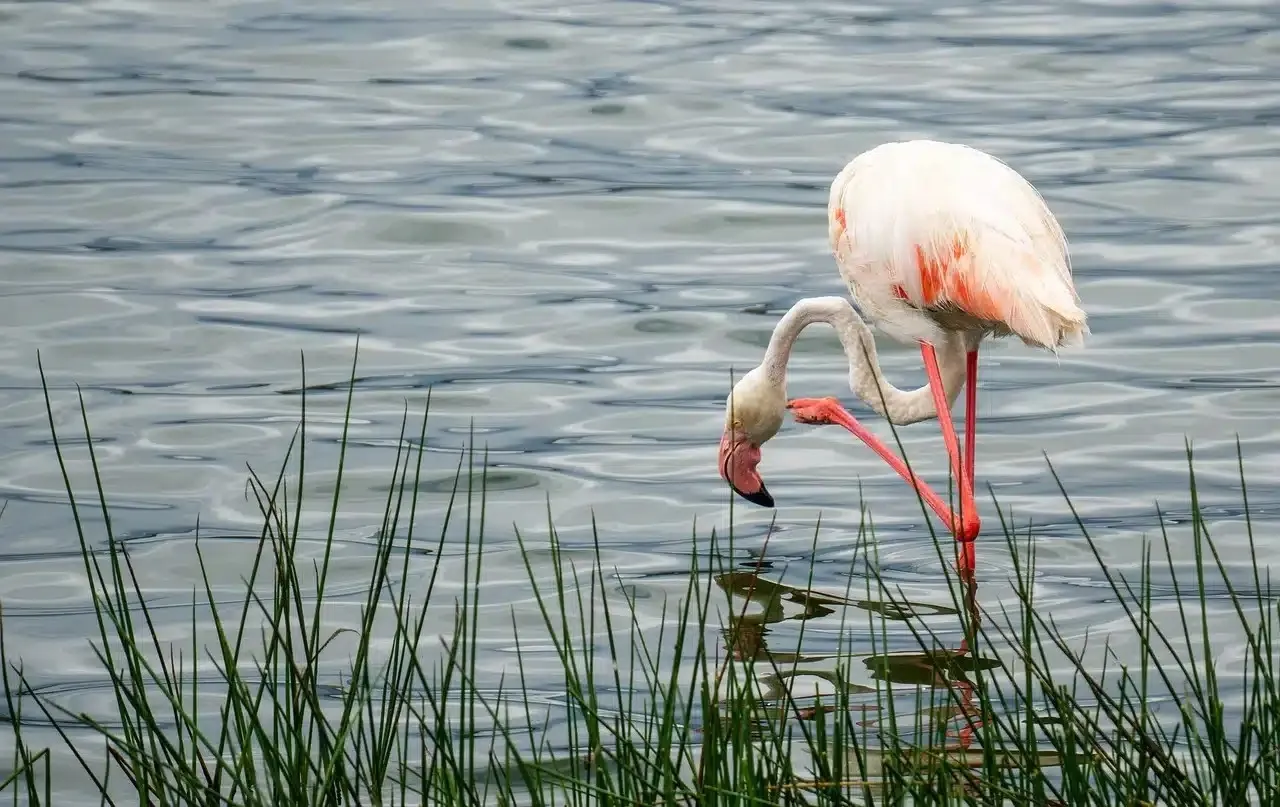
The Faroe Islands are home to diverse wildlife, including numerous bird species and marine life. When observing animals, maintain a respectful distance and avoid disturbing their natural habitats. Stick to marked trails when hiking to preserve the islands' pristine landscapes.
The Faroe Islands are generally safe, with low crime rates and a strong sense of community. However, it's wise to take standard precautions such as securing your belongings and being cautious in unfamiliar areas. Emergency services are efficient, but always have a plan for contacting help if needed.
The Faroe Islands, with their rich cultural heritage and strong sense of community, host a variety of festivals and events throughout the year. These celebrations offer a unique insight into Faroese traditions, music, and arts, providing visitors with unforgettable experiences. Whether you're interested in traditional boat races, vibrant music festivals, or local culinary events, the Faroe Islands have something to captivate every traveler.
Ólavsøka, held annually on July 29th, is the Faroe Islands' most significant cultural event. This national holiday marks the end of the Faroese parliament's legislative year and is celebrated with a series of events, including traditional boat races, parades, and cultural performances. The streets of Tórshavn come alive with music, dance, and festivities, offering visitors a chance to immerse themselves in Faroese culture and community spirit.
The G! Festival is a unique music festival set in the picturesque village of Gøta, where the beach and stunning ocean views provide a breathtaking backdrop for performances. Featuring a diverse lineup of Faroese and international artists, this festival celebrates music, art, and community. Attendees can enjoy a wide range of genres, from traditional Faroese tunes to contemporary beats, making it a must-visit for music lovers.
Summartónar is a summer-long festival dedicated to Faroese and Nordic music, with concerts held across various islands and venues. The festival showcases the talents of local musicians and composers, offering performances that range from classical to experimental music. This event provides an intimate setting to appreciate the rich musical tradition of the Faroe Islands and its connection to the broader Nordic region.
The Faroe Islands Regatta is an annual sailing event that attracts participants and spectators from across the islands. This multi-day event is a celebration of the maritime heritage of the Faroe Islands, featuring traditional wooden boats and modern yachts competing in races between different harbors. The regatta offers an exciting opportunity to witness the islands' seafaring traditions and enjoy the camaraderie of the local sailing community.
Held in the scenic village of Vestmanna, this festival combines nature and culture with a focus on the stunning bird cliffs that attract birdwatchers and nature enthusiasts. The festival includes guided tours, boat trips to the cliffs, and cultural activities showcasing local art and crafts. It's a perfect opportunity to experience the natural wonders of the Faroe Islands while engaging with the vibrant local culture.
The Tórshavn Jazz Festival is an annual event that brings together jazz enthusiasts and musicians from the Faroe Islands and beyond. Held in the capital city, the festival features performances in various venues, offering a diverse range of jazz styles and influences. This event is a celebration of the burgeoning Faroese jazz scene and provides a platform for both established and emerging artists to showcase their talents.
The Faroe Islands, with their enchanting landscapes and rich culture, offer an array of unique experiences and hidden gems waiting to be discovered. Beyond the well-trodden paths and popular attractions, the archipelago is home to secret spots and extraordinary activities that promise to elevate your journey. Whether you're seeking solitude in nature, exploring lesser-known villages, or experiencing local traditions firsthand, the Faroe Islands provide a treasure trove of unforgettable moments.
Nestled in a picturesque setting on the island of Eysturoy, Funningur is one of the oldest villages in the Faroe Islands. This charming village offers a serene escape with its traditional grass-roofed houses and stunning views of the surrounding mountains. A visit to Funningur provides a glimpse into the Faroese way of life, where you can enjoy peaceful walks and connect with the tranquil beauty of the countryside.
Off the coast of Eysturoy, the sea stacks known as Risin and Kellingin stand as iconic natural formations steeped in legend. According to folklore, these towering rocks are the petrified remains of a giant and a witch who attempted to steal the Faroe Islands. Visiting this site offers a dramatic view of the rugged coastline and a chance to delve into the captivating myths that enrich Faroese culture.
For a truly unique experience, join a seaweed foraging tour along the shores of the Faroe Islands. Guided by local experts, you'll discover the diverse types of seaweed that thrive in the pristine Atlantic waters. Learn about their culinary uses and nutritional benefits while enjoying the breathtaking coastal scenery. This hands-on adventure is perfect for food enthusiasts eager to explore the flavors of the Faroe Islands.
While controversial, the traditional grindadráp is an integral part of Faroese culture. Observing this communal whale hunting practice provides insight into the Faroese way of life and their reliance on the sea's resources. It's an opportunity to learn about the cultural significance of this event and engage in discussions about sustainability and tradition in the modern world.
Witnessing the Northern Lights in the Faroe Islands is a mesmerizing experience. During the winter months, the polar skies come alive with vibrant displays of aurora borealis, creating a breathtaking natural spectacle. The islands' remote location and minimal light pollution offer prime conditions for viewing this celestial phenomenon, making it a must-see for any visitor.
Fugloy, one of the most isolated islands in the Faroe Islands, offers a truly off-the-beaten-path adventure. Accessible by ferry or helicopter, this rugged island is home to dramatic cliffs, rich birdlife, and only a handful of inhabitants. Exploring Fugloy provides a sense of solitude and an opportunity to immerse yourself in the untouched wilderness of the Faroes.
The Faroese chain dance is a unique cultural tradition that dates back centuries. Participating in this communal dance, accompanied by traditional ballads, is a memorable way to experience Faroese culture firsthand. The dance is a celebration of community and history, offering a joyful and engaging activity for visitors eager to connect with the local heritage.
No tours published here yet.
Stay connected in Faroe Islands with instant mobile data — no roaming fees, no physical SIM.
Discover tours, attractions and travel services for Faroe Islands.