
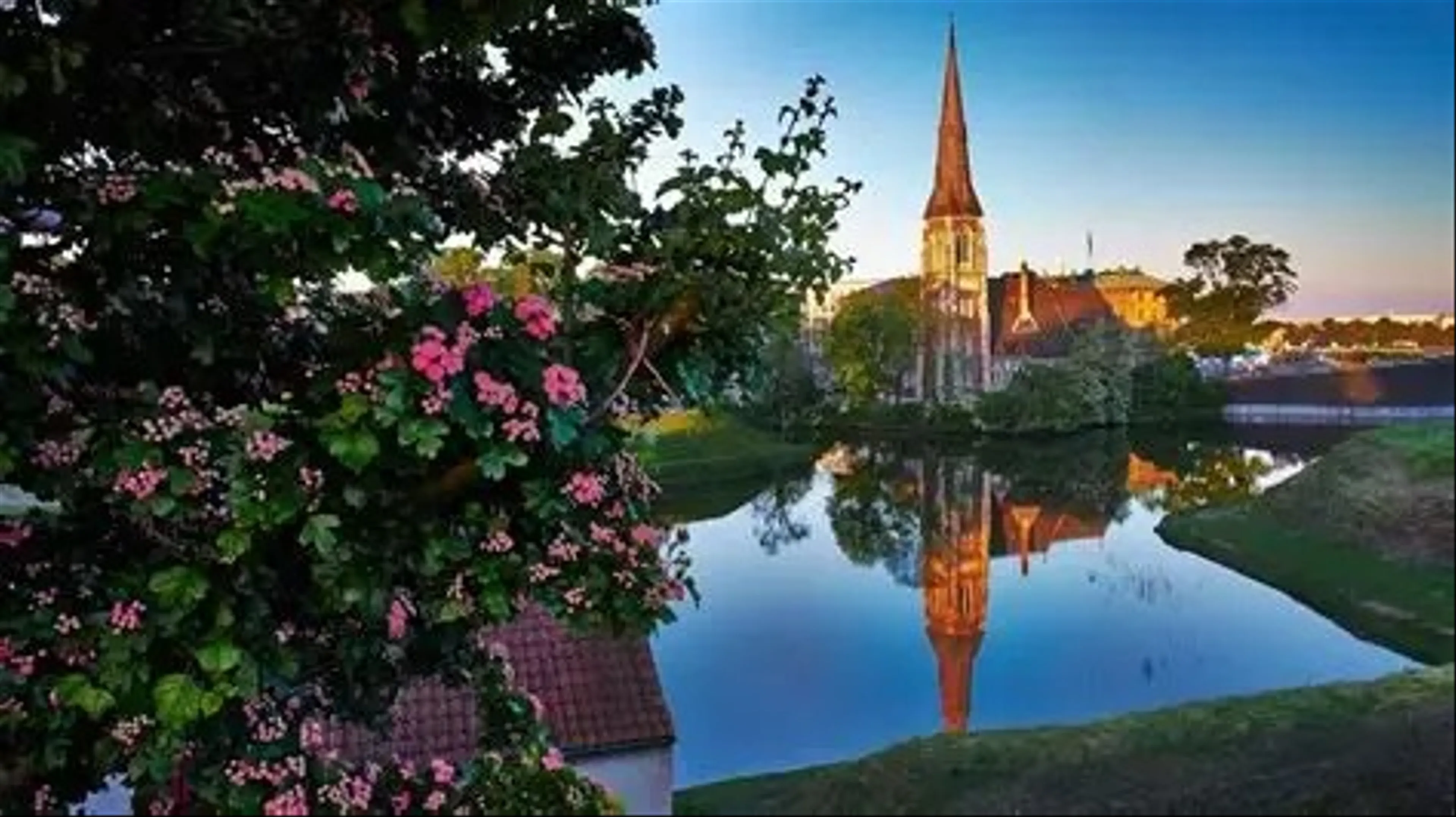
Denmark, a land where innovation meets tradition, offers an enchanting blend of historical wonders, modern design, and breathtaking landscapes. Renowned for its high quality of life, Denmark invites travelers to explore its charming cities, serene countryside, and captivating cultural heritage. From the vibrant streets of Copenhagen to the tranquil shores of its countless islands, Denmark promises an unforgettable journey into the heart of Scandinavia.
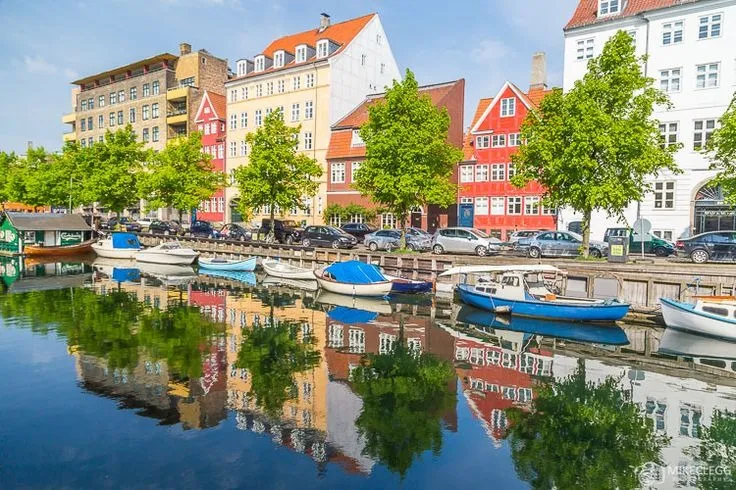
Copenhagen, Denmark's vibrant capital, is a city that effortlessly combines modernity with history. Stroll through the cobblestone streets of Nyhavn, explore the historic Tivoli Gardens, or admire the cutting-edge architecture in the Ørestad district. With its world-class dining, innovative design, and friendly locals, Copenhagen is a must-visit destination for any traveler.
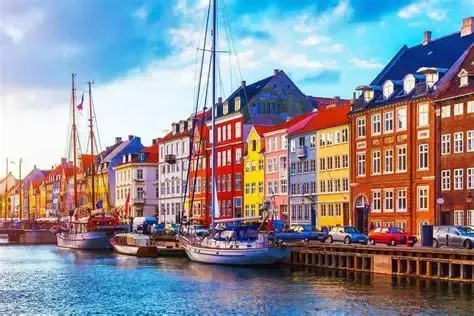
As the birthplace of Hans Christian Andersen, Odense offers a magical escape into the world of fairytales. Wander through the charming streets, visit the Hans Christian Andersen Museum, and explore the lush landscapes that inspired some of the world's most beloved stories. Odense is a perfect blend of cultural history and contemporary living.
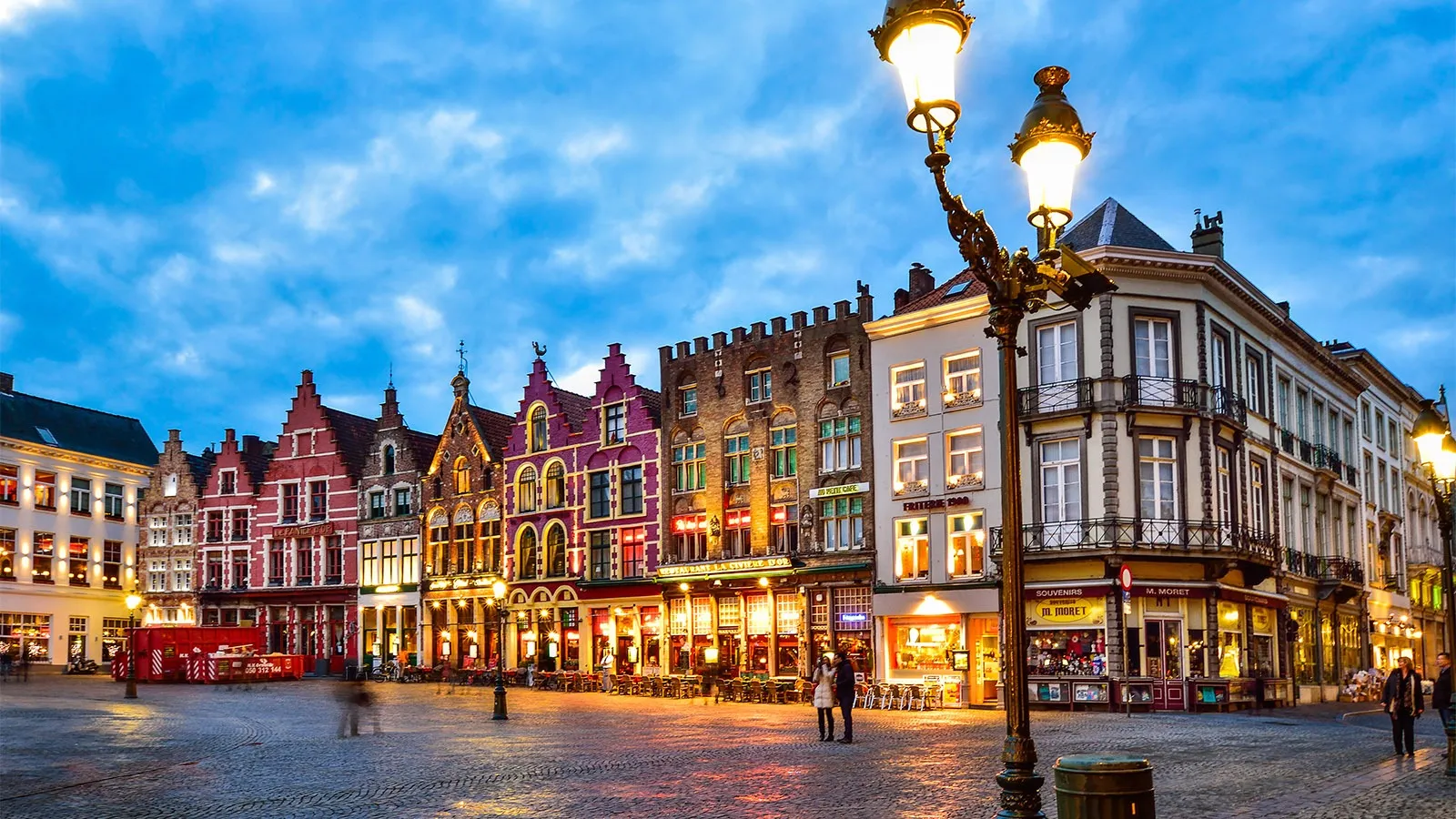
Aarhus, Denmark's second-largest city, is known for its youthful energy and rich cultural scene. Home to a vibrant arts community, Aarhus offers visitors a plethora of museums, galleries, and festivals. Don't miss the ARoS Aarhus Art Museum, with its iconic rainbow panorama, and the historic Den Gamle By, an open-air museum that brings Denmark's past to life.
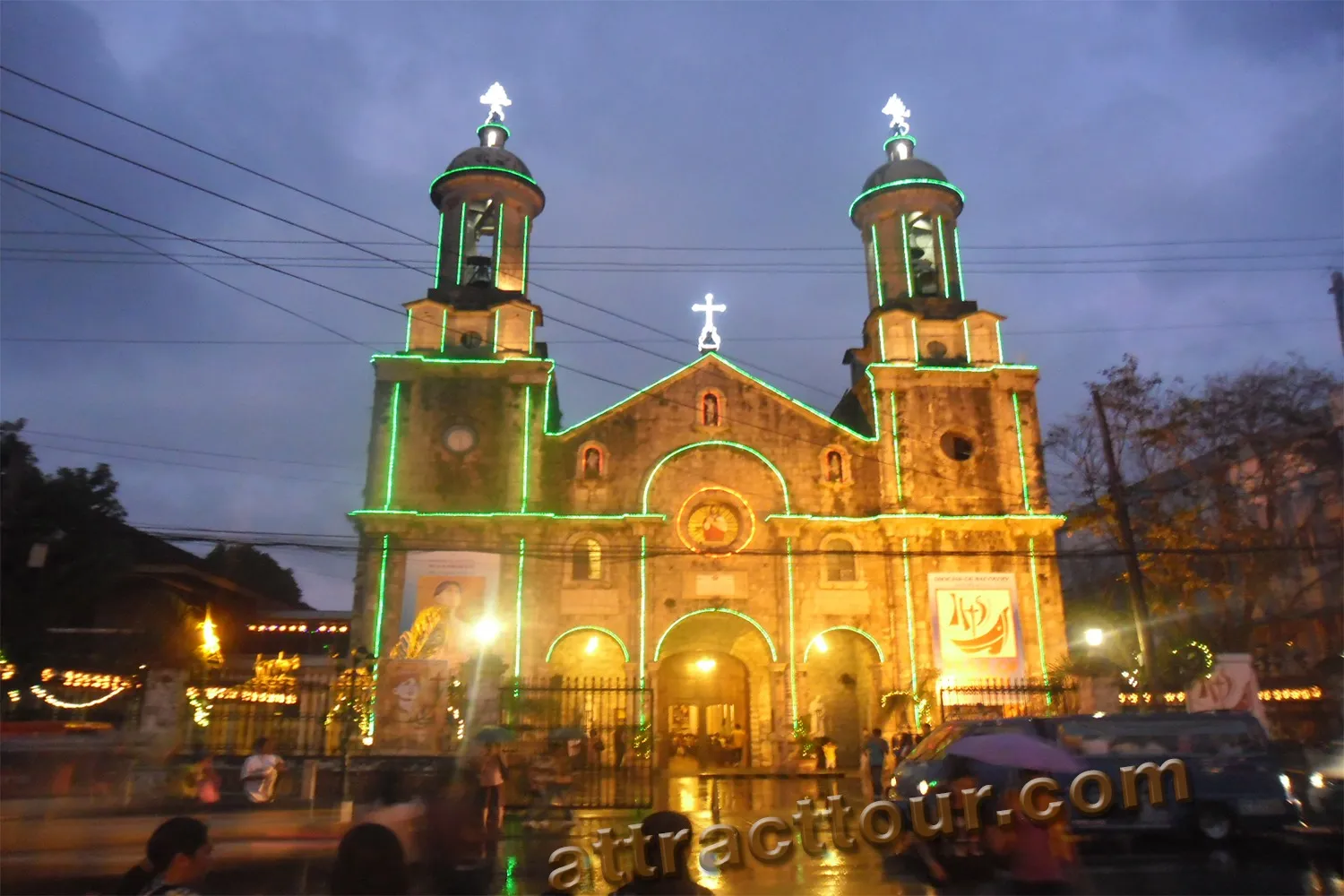
At Denmark's northernmost point lies Skagen, a picturesque town famous for its stunning natural beauty and unique light. Here, the North Sea and the Baltic Sea converge, creating a visual spectacle at Grenen. Skagen is also known for its rich artistic heritage, with many artists drawn to its serene landscapes and distinctive light.
For those seeking relaxation, the Danish Riviera offers miles of sandy beaches, quaint fishing villages, and serene coastal landscapes. Located just north of Copenhagen, this region is perfect for leisurely drives, beach outings, and exploring charming towns like Gilleleje and Hornbæk. The Danish Riviera is a haven of tranquility and natural beauty.
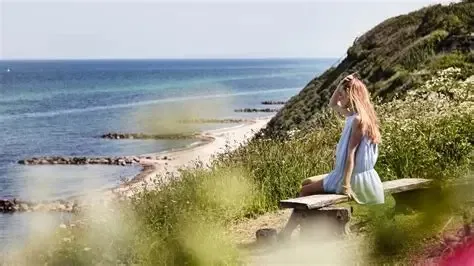
No visit to Denmark is complete without indulging in its traditional cuisine. From the open-faced sandwiches known as smørrebrød to the sweet delights of Danish pastries, the country's food scene is a delightful exploration of flavors. Don't forget to try the hearty stews and fresh seafood that reflect Denmark's coastal heritage.
Located at Christiansborg Palace in Copenhagen, the Folketinget is the Danish Parliament and a symbol of the country's democratic traditions. Visitors can tour the palace, explore its historic halls, and learn about Denmark's political system. The Folketinget is a testament to Denmark's commitment to transparency and governance.
Denmark is home to a myriad of captivating destinations that offer travelers an array of experiences, from historical sites to stunning natural wonders. Whether you're interested in exploring ancient castles, indulging in vibrant cultural festivals, or immersing yourself in the serene beauty of the Danish countryside, these unmissable places in Denmark promise to enchant and inspire.
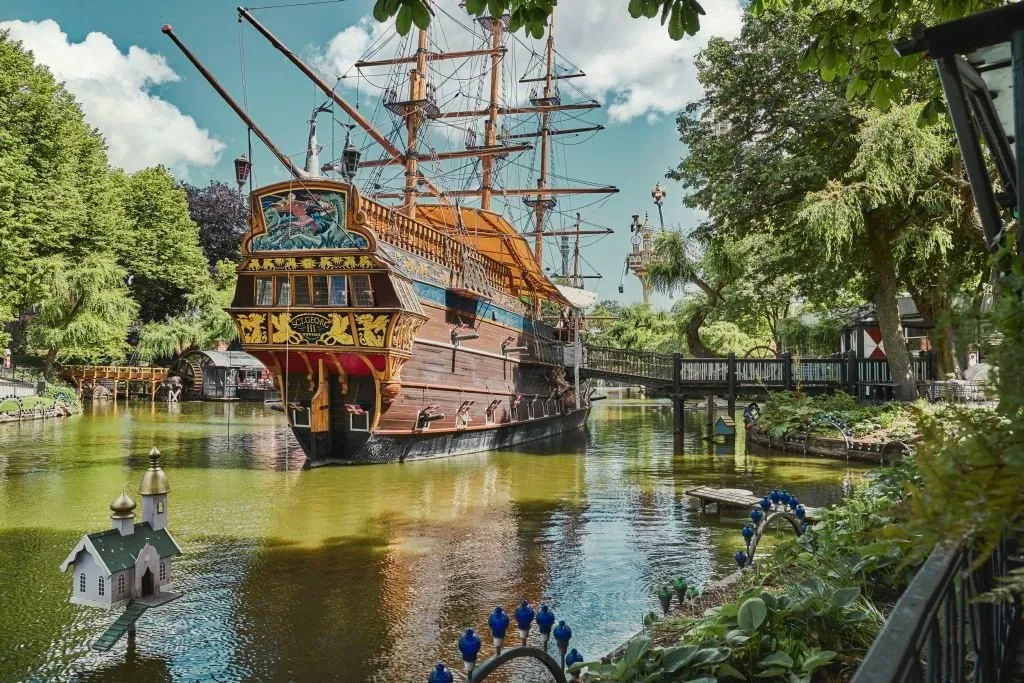
Located in Helsingør, Kronborg Castle is one of the most important Renaissance castles in Northern Europe and a UNESCO World Heritage Site. Famously known as the setting for Shakespeare's "Hamlet," this impressive fortress offers visitors a glimpse into Denmark's royal history. Tour the grand halls, explore the dungeons, and enjoy the panoramic views over the Øresund Strait.
While technically part of the Kingdom of Denmark, the Faroe Islands offer a unique travel experience with their dramatic landscapes and rich cultural heritage. The islands are a paradise for nature lovers, boasting rugged cliffs, cascading waterfalls, and quaint villages. Hiking, bird watching, and exploring the local traditions make for an unforgettable adventure.
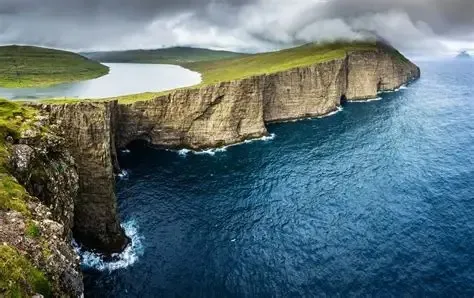
Roskilde is renowned for its Viking heritage and its annual music festival, one of the largest in Europe. Visit the Viking Ship Museum to discover ancient maritime history, and explore Roskilde Cathedral, a UNESCO World Heritage Site. Each summer, the Roskilde Festival attracts music enthusiasts from around the world, offering an eclectic mix of performances and a vibrant atmosphere.
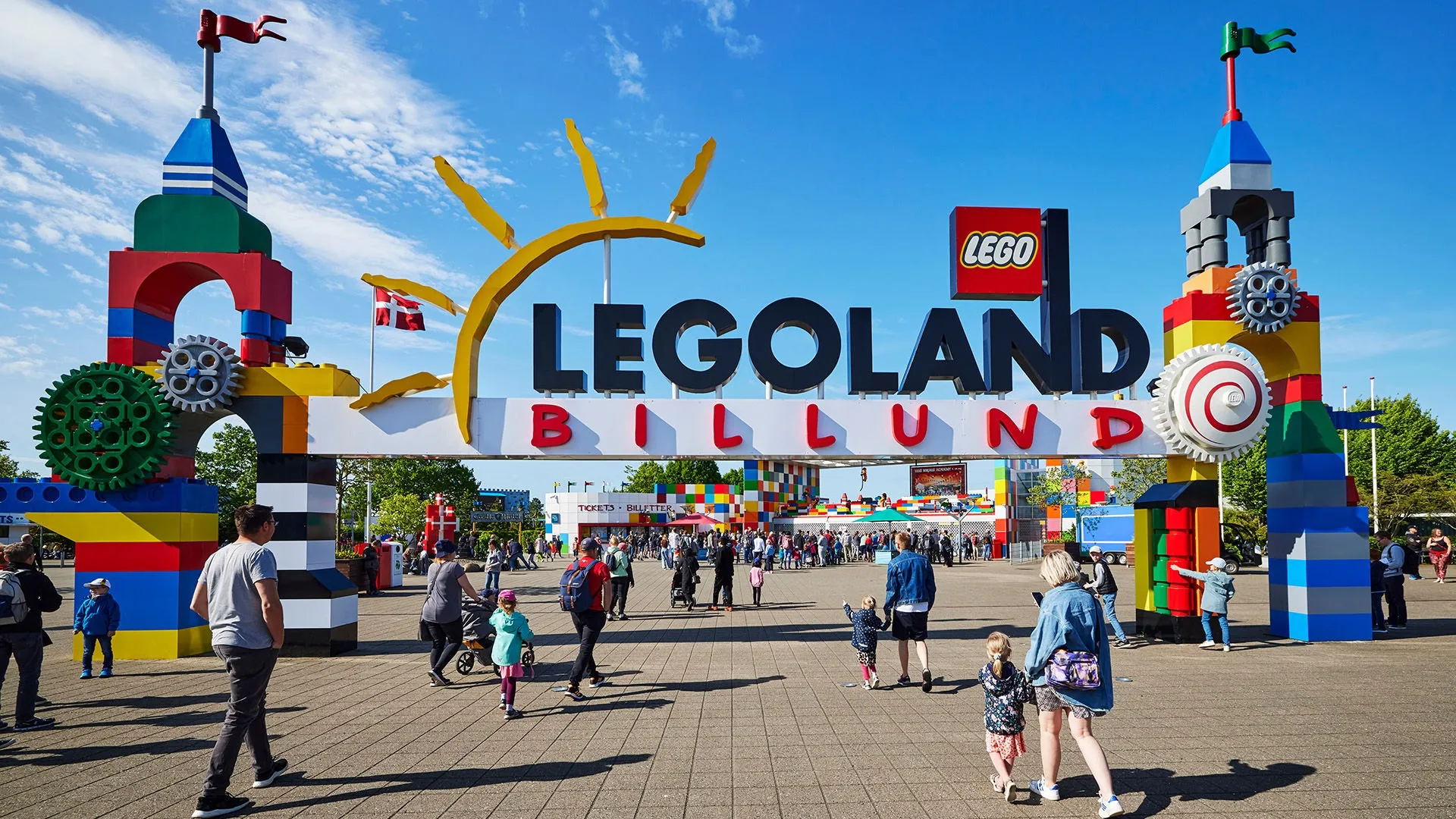
Perfect for families and fans of the iconic building blocks, Legoland Billund is a theme park that brings the magic of LEGO to life. Located in the town of Billund, the birthplace of LEGO, the park features thrilling rides, interactive attractions, and impressive LEGO models. It's a fun-filled destination that sparks creativity and joy among visitors of all ages.
Known for its beautiful beaches, rocky cliffs, and charming towns, Bornholm is a Danish island in the Baltic Sea that offers a peaceful escape from the hustle and bustle of city life. Visitors can explore its historic round churches, hike along scenic trails, and enjoy local delicacies such as smoked herring. Bornholm is a destination that perfectly balances relaxation and adventure.
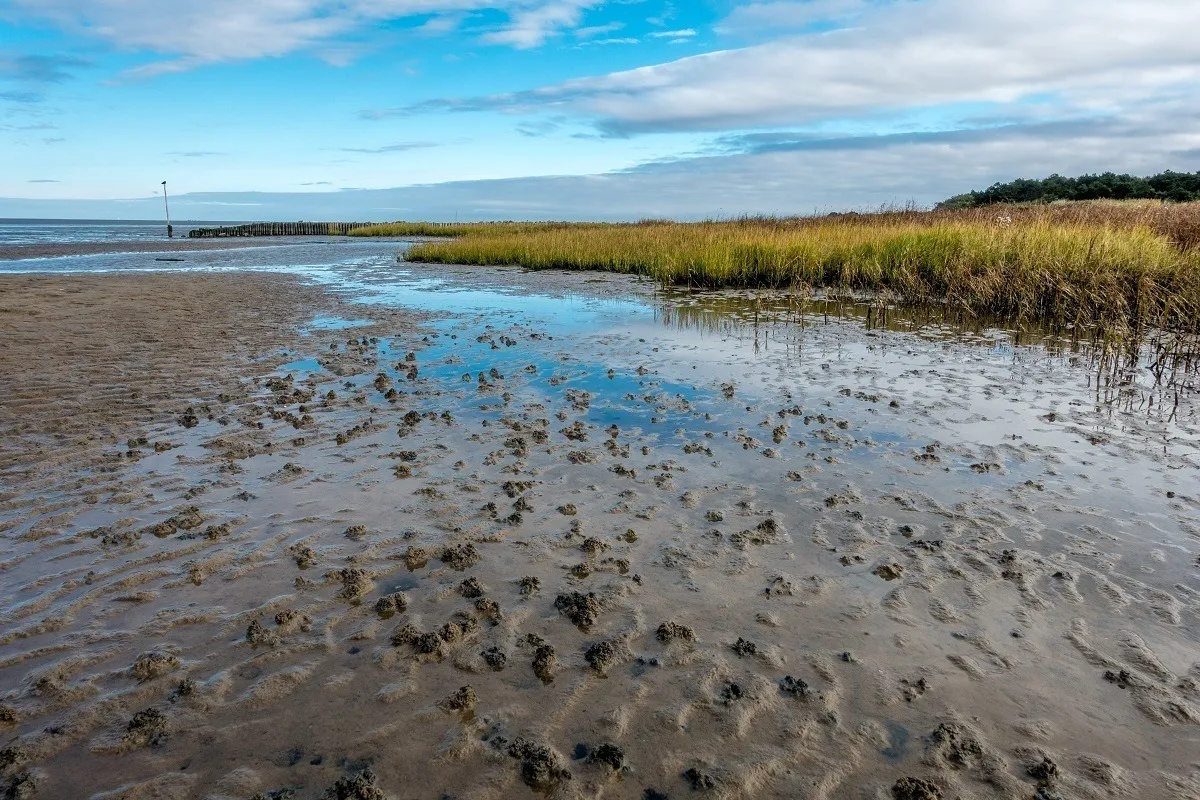
As a UNESCO World Heritage Site, the Wadden Sea National Park is a unique coastal ecosystem that stretches along Denmark's western coastline. It's a haven for birdwatchers, with millions of migratory birds passing through each year. Visitors can embark on guided tours to discover the park's diverse wildlife, mudflats, and salt marshes, offering an unparalleled glimpse into nature's wonders.
Denmark is a country where age-old traditions seamlessly blend with contemporary lifestyles. Known for its hygge culture, innovative design, and commitment to sustainability, Denmark offers a rich tapestry of cultural experiences. Whether you're exploring its historical roots or engaging with its modern artistic expressions, understanding Danish traditions and lifestyle provides a deeper appreciation of this Scandinavian wonderland.
Hygge, a defining element of Danish culture, is all about finding comfort and contentment in life's simple pleasures. Whether it's enjoying a warm cup of coffee by the fireplace or gathering with friends for a cozy dinner, hygge is the essence of Danish living. This concept encourages mindfulness and the appreciation of everyday moments, making it a central part of the Danish lifestyle.

Denmark is renowned for its design philosophy that emphasizes simplicity, functionality, and beauty. From furniture to architecture, Danish design is characterized by clean lines and a minimalist approach. Iconic designers like Arne Jacobsen and Hans Wegner have left a lasting legacy, and visitors can explore this through numerous design museums and shops across the country.
Throughout the year, Denmark hosts a variety of festivals that celebrate its rich cultural heritage. The Copenhagen Jazz Festival and the Roskilde Festival are among the highlights, offering music lovers an eclectic mix of performances. Traditional celebrations like Midsummer's Eve and Christmas bring communities together with bonfires, feasts, and festivities that showcase Danish hospitality and joy.
Denmark is a global leader in sustainability, with a strong focus on eco-friendly living. From extensive cycling paths in cities to wind farms on the coast, the country is committed to reducing its carbon footprint. Visitors are encouraged to engage in sustainable practices, such as using public transport or dining at organic restaurants, to experience Denmark's green lifestyle firsthand.
While Danish is the official language, English is widely spoken, making it easy for travelers to communicate. Denmark's education system is highly regarded, emphasizing creativity and critical thinking. Visitors interested in learning more about the language and culture can find various courses and programs that offer immersive experiences.
Denmark's culinary scene is a delightful exploration of traditional and modern flavors. Beyond the famous smørrebrød and pastries, the New Nordic Cuisine has gained international acclaim for its focus on local ingredients and innovative techniques. Dining in Denmark is not just about food; it's an experience that reflects the country's cultural values and creativity.
Community spirit is strong in Denmark, with a robust social welfare system that ensures a high quality of life for its citizens. This sense of community is reflected in the country's social structures, such as co-housing projects and local cooperatives, where collaboration and mutual support are key elements of daily life.
Denmark's diverse landscapes offer a mesmerizing blend of natural beauty, from serene beaches and lush forests to rolling hills and dramatic coastlines. As a country rich in scenic vistas and outdoor activities, Denmark provides ample opportunities for exploration and relaxation. Whether you're cycling through the countryside, exploring national parks, or enjoying coastal views, Denmark's natural beauty is sure to captivate the heart of any nature enthusiast.
Located on the island of Møn, the White Cliffs are a stunning natural wonder rising majestically from the Baltic Sea. These chalk cliffs, reaching up to 128 meters in height, offer breathtaking views and are surrounded by lush forests and diverse wildlife. Visitors can hike the trails, explore the visitor center, and enjoy the serene beauty of this unique landscape.
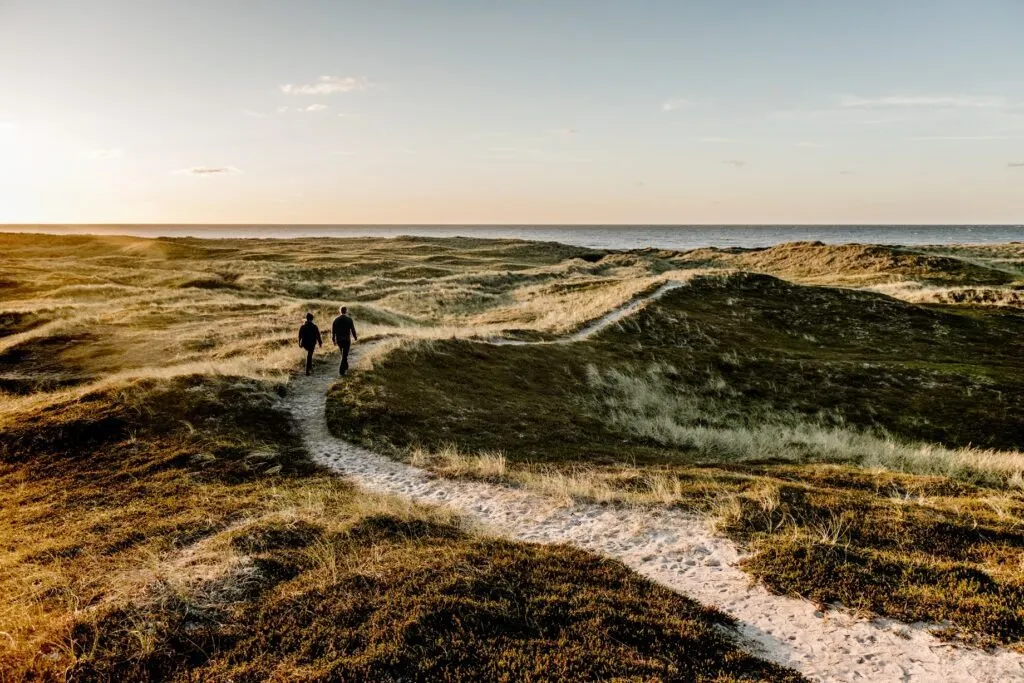
Thy National Park, Denmark's first national park, sprawls across the northwest coast of Jutland. Known for its rugged dunes, heathlands, and rich biodiversity, the park offers a glimpse into Denmark's natural wilderness. It's an ideal destination for hiking, birdwatching, and experiencing the raw, untouched beauty of the Danish outdoors.
Rold Skov, one of Denmark's largest forest areas, is a haven for nature lovers and adventure seekers. With its dense woodlands, sparkling lakes, and mysterious moss-covered trees, the forest offers a magical atmosphere perfect for hiking, cycling, and even horseback riding. The diverse flora and fauna make Rold Skov a captivating destination year-round.
Known as the Lake District of Denmark, Silkeborg is home to a series of picturesque lakes and gentle hills, offering a tranquil retreat for outdoor enthusiasts. The area is ideal for canoeing, fishing, and hiking, with numerous trails providing stunning views of the surrounding landscape. Silkeborg is a perfect escape for those seeking peace and natural beauty.
Anholt Island, situated in the Kattegat Sea, is renowned for its unique desert-like landscape, known as "Ørkenen." This rare environment offers a stark contrast to Denmark's typically lush scenery and is home to diverse wildlife, including seals and rare bird species. Visitors can explore the island's sandy dunes, crystal-clear waters, and charming village atmosphere.
Furesø, Denmark's deepest lake, is a popular destination for water sports, picnicking, and relaxation. Surrounded by scenic woodlands and quaint towns, the lake offers a peaceful setting for swimming, sailing, and enjoying the picturesque Danish countryside. It's a perfect spot for a leisurely day trip or a weekend getaway.
Denmark offers a culinary landscape as rich and varied as its scenic wonders. From traditional dishes that reflect centuries-old recipes to innovative creations that showcase the best of modern gastronomy, Denmark is a paradise for food enthusiasts. The nation's commitment to quality ingredients and sustainable practices is evident in every bite, making dining in Denmark a memorable and delicious experience.
Smørrebrød, the iconic open-faced sandwich, is a staple of Danish cuisine. Often enjoyed for lunch, these sandwiches feature a variety of toppings, including pickled herring, roast beef, and liver pâté, all beautifully presented on a slice of dense rye bread. With endless combinations, smørrebrød offers a delightful exploration of flavors and textures.
No visit to Denmark is complete without savoring the country's renowned pastries. Known locally as "wienerbrød," these flaky delights come in various forms, such as the cinnamon-spiced kanelsnegle (cinnamon rolls) and the delectable spandauer, filled with custard or jam. A visit to a Danish bakery is a must for anyone with a sweet tooth.
Frikadeller are traditional Danish meatballs that are a favorite among locals and visitors alike. Made from a mixture of minced pork and beef, these savory morsels are seasoned with onions and spices before being pan-fried to perfection. Served with potatoes and gravy or as part of a smørrebrød, frikadeller offer a taste of Danish comfort food.
This classic Danish dessert, whose name is famously challenging for non-Danes to pronounce, is a refreshing treat made from summer berries like strawberries, raspberries, and red currants. The fruit is cooked into a thick, sweet compote and traditionally served with a generous splash of cream, making it a perfect ending to a meal.
Often considered Denmark's national dish, stegt flæsk consists of crispy pork belly slices served with boiled potatoes and parsley sauce. This hearty dish reflects the country's agricultural heritage and is a beloved choice for those seeking a taste of authentic Danish cuisine.
Denmark is at the forefront of the New Nordic Cuisine movement, which emphasizes fresh, local, and seasonal ingredients. Restaurants across the country, including the world-renowned Noma in Copenhagen, embrace this philosophy, offering innovative dishes that celebrate Denmark's natural bounty. Dining at a New Nordic restaurant is an unforgettable experience that showcases culinary creativity and sustainability.
With its extensive coastline, Denmark is a haven for seafood lovers. From fresh oysters and mussels to smoked salmon and pickled herring, the country's seafood offerings are abundant and varied. Whether enjoyed at a seaside restaurant or at a bustling fish market, Denmark's seafood is a testament to its maritime heritage and culinary excellence.
When planning a trip to Denmark, understanding the country's seasonal nuances can enhance your travel experience. Denmark offers something unique throughout the year, from vibrant summer festivals and pleasant spring blooms to cozy winter hygge and colorful autumn landscapes. Choosing the right time to visit depends on your interests and what you wish to experience in this Scandinavian gem.
Spring in Denmark, from March to May, is a time of renewal and blooming beauty. As the weather warms, the country's parks and gardens come alive with colorful flowers, making it an ideal time for outdoor activities and sightseeing. Spring is also a great period to explore Denmark's charming countryside and enjoy festivals like the Copenhagen Sakura Festival, celebrating the cherry blossoms.
Summer, spanning June to August, is the peak tourist season in Denmark, attracting visitors with its long, sunny days and lively festivals. The warm weather is perfect for exploring Copenhagen's vibrant streets, relaxing on the Danish Riviera's beaches, or experiencing major events like the Roskilde Festival. Be prepared for bustling attractions and book accommodations early to secure your stay.
Autumn in Denmark, from September to November, paints the landscapes with stunning hues of orange, red, and gold. This season offers a more tranquil atmosphere, ideal for exploring Denmark's national parks and countryside. Autumn is also a time for culinary delights, with harvest festivals celebrating local produce and traditional dishes.
Winter, from December to February, is a magical time to experience Denmark's famous hygge culture. The country transforms into a winter wonderland, with festive Christmas markets, twinkling lights, and cozy cafes inviting you to warm up with a cup of gløgg, a traditional spiced wine. Winter sports enthusiasts can enjoy activities like ice skating and sledding, while cultural lovers can explore museums and galleries with fewer crowds.
Getting around Denmark is a breeze, thanks to its efficient and well-connected transportation network. Whether you're exploring the bustling streets of Copenhagen or venturing into the serene countryside, Denmark offers a variety of convenient travel options to suit every itinerary. From modern trains and buses to scenic cycling routes, navigating this Scandinavian wonderland is both easy and enjoyable.
Denmark's rail network is one of the most efficient ways to travel between cities and regions. The Danish State Railways (DSB) operates frequent services that connect major cities like Copenhagen, Aarhus, and Odense. Trains are comfortable, punctual, and offer scenic views of the Danish landscape. For longer journeys, consider booking a seat in advance, especially during peak travel times.
Buses provide an extensive network across Denmark, reaching destinations that may not be accessible by train. Companies like FlixBus and local operators offer comfortable and affordable services, making it easy to explore smaller towns and rural areas. Buses are equipped with modern amenities, and tickets can be purchased online or directly from the driver.
Denmark is a cyclist's paradise, with dedicated bike lanes and a strong cycling culture. Cities like Copenhagen are renowned for their bike-friendly infrastructure, making cycling a popular mode of transport for both locals and tourists. Renting a bike is easy, with numerous rental shops and bike-sharing programs available. Cycling is not only eco-friendly but also an excellent way to experience the country's charming streets and natural beauty up close.
Renting a car in Denmark provides the flexibility to explore off-the-beaten-path destinations at your own pace. The country boasts well-maintained roads and clear signage, making driving a straightforward option for those who prefer independence. However, be mindful of parking regulations and consider eco-friendly alternatives when possible, especially in urban areas.
Copenhagen's metro and S-Train systems offer a fast and efficient way to navigate the capital and its suburbs. The metro is driverless, operates 24/7, and covers key areas, including the airport. The S-Train network connects outlying neighborhoods and nearby towns, making it easy to explore beyond the city center. Tickets for both systems are integrated, allowing for seamless travel within the Greater Copenhagen area.
Denmark's numerous islands are accessible by ferry, providing a scenic and leisurely travel experience. Companies like Scandlines and DFDS offer regular services to islands such as Bornholm, as well as international routes to neighboring countries. Ferries are equipped with modern amenities, and booking in advance is recommended, particularly during the busy summer months.
Traveling to Denmark is an enriching experience, offering a harmonious blend of culture, history, and natural beauty. To ensure that your journey is smooth and enjoyable, it's helpful to be aware of some practical travel tips. From understanding local customs to navigating public transportation, these insights will help you make the most of your visit to this Scandinavian wonderland.
Denmark's official currency is the Danish Krone (DKK). While cash is accepted, credit and debit cards are widely used, even for small transactions. It's advisable to carry a card that does not charge foreign transaction fees. ATMs are readily available in cities and towns, but check with your bank about any international withdrawal charges.
Danish is the official language, but English is widely spoken, especially in tourist areas and larger cities. Most Danes are fluent in English, making communication easy for international travelers. Learning a few basic Danish phrases can be appreciated by locals and enhance your cultural experience.
Denmark uses the European standard 230V/50Hz electricity with Type C and Type K plugs. If your devices use a different plug type, you will need an adapter. It's a good idea to bring a universal adapter to ensure compatibility with Danish outlets.
Denmark is considered one of the safest countries in the world, with low crime rates. However, it's always wise to stay vigilant and keep your belongings secure in crowded places. Healthcare services are excellent, and EU citizens can use their European Health Insurance Card (EHIC) for medical assistance. It's recommended for non-EU travelers to have travel insurance that covers healthcare.
Danes are known for their politeness and respect for personal space. When greeting someone, a firm handshake with eye contact is customary. Punctuality is highly valued, so be sure to arrive on time for meetings and social events. Tipping is not obligatory, as service charges are included in the bill, but rounding up the amount is appreciated for excellent service.
Denmark boasts an efficient public transportation system, especially in cities like Copenhagen, where buses, trains, and metros are well-connected. Consider purchasing a City Pass or Rejsekort for unlimited travel within specific zones. Always check schedules in advance and be aware of peak travel times to avoid crowds.
Denmark's weather can be quite unpredictable, so it's wise to pack layers. Even in summer, evenings can be chilly. A waterproof jacket and sturdy shoes are essential, as rain is common. In winter, warm clothing, including a hat and gloves, is necessary to stay comfortable.
Free Wi-Fi is widely available in hotels, cafes, and public spaces, making it easy to stay connected. Consider purchasing a local SIM card if you require mobile data for navigation and communication. Denmark has excellent mobile coverage throughout the country.
In case of emergencies, dial 112 for police, fire, and ambulance services. This is the universal emergency number in Denmark and is free of charge from any phone. Always keep your essential information and contacts handy in case of unforeseen events.
Denmark is a country that loves to celebrate, offering a vibrant calendar of festivals and events that reflect its rich cultural heritage, creativity, and community spirit. From world-renowned music festivals to traditional celebrations that bring local customs to life, Denmark's events provide travelers with a unique opportunity to experience the country's lively atmosphere and friendly hospitality. Here are some of the most notable festivals and events to enjoy while visiting Denmark.
Every July, the streets of Copenhagen come alive with the soulful sounds of jazz. The Copenhagen Jazz Festival is one of Europe's largest and most acclaimed jazz festivals, attracting international and local musicians to perform in venues across the city. From intimate club performances to open-air concerts, this festival offers a diverse range of jazz experiences for music lovers.
Held annually in the city of Roskilde, this iconic music festival is one of the largest in Europe, drawing crowds from around the world. Known for its eclectic lineup of international artists and bands, the Roskilde Festival offers an unforgettable experience with music, art, and camping. It promotes sustainability and community, making it a must-visit event for festival-goers.
Every year in late August, the city of Aarhus hosts one of Scandinavia's largest cultural festivals. The Aarhus Festival features a wide array of events, including theater performances, visual arts, concerts, and street entertainment, turning the entire city into a vibrant stage. It's a celebration of creativity and culture that highlights both local and international talent.
During the holiday season, Copenhagen's Tivoli Gardens transforms into a winter wonderland with its enchanting Christmas market. Visitors can enjoy festive decorations, traditional Danish treats, and a warm, hygge atmosphere. The market features a variety of stalls selling crafts, gifts, and seasonal delicacies, making it a perfect spot to experience the magic of a Danish Christmas.
For those seeking a unique and exhilarating experience, the Skagen Winter Swimming Festival in January invites brave participants to plunge into the icy waters at Grenen, where the North Sea and the Baltic Sea meet. The event celebrates the Danish tradition of winter swimming and includes social gatherings, music, and a sense of camaraderie among participants.
Held near Aarhus at the Moesgaard Museum, the Viking Moot is an annual event that brings the Viking Age to life. Visitors can witness reenactments, explore authentic Viking markets, and enjoy traditional food and crafts. This event offers a fascinating glimpse into Denmark's Viking heritage and is a must-see for history enthusiasts and families alike.
Celebrated in early June, Distortion is an annual street festival in Copenhagen that transforms the city into a massive party. Known for its vibrant mix of music, art, and street life, the festival features events in various neighborhoods, culminating in a grand finale at the city harbor. It's a celebration of urban culture and community spirit, attracting revelers from all over the globe.
These festivals and events are just a glimpse of the dynamic cultural landscape that Denmark has to offer. Whether you're a music lover, history buff, or simply looking to immerse yourself in Danish traditions, there's an event in Denmark that will captivate and inspire you during your visit.
Denmark is not only about its famous landmarks and popular attractions; it also offers a wealth of unique experiences and hidden gems waiting to be discovered by the intrepid traveler. From quaint villages and mysterious landscapes to cultural curiosities, these lesser-known destinations provide a deeper insight into Denmark's rich tapestry of history, nature, and tradition. Embark on an adventure off the beaten path to uncover the true essence of this Scandinavian wonderland.
Located in the heart of Copenhagen, Freetown Christiania is a self-proclaimed autonomous neighborhood known for its vibrant and alternative lifestyle. This former military base has evolved into a colorful community that embraces creativity, sustainability, and freedom. Visitors can explore its art-filled streets, eclectic shops, and cafes, gaining a glimpse into a different side of Danish urban life.
Fanø Island, located in the Wadden Sea, offers a charming escape with its traditional thatched-roof houses and expansive sandy beaches. This island is known for its unique culture and traditions, including the Fanø International Kite Festival, where the skies fill with colorful kites of all shapes and sizes. Exploring Fanø gives travelers the chance to experience Denmark's coastal beauty and rich cultural heritage away from the crowds.
Set in the picturesque landscapes of Funen, Egeskov Castle is considered one of Europe's best-preserved Renaissance water castles. Surrounded by beautiful gardens and a moat, the castle offers a magical experience with its historical exhibitions, treetop walkways, and a vintage car museum. Visiting Egeskov is like stepping into a fairy tale where history and enchantment intertwine.
Twice a year, Denmark's marshlands become the stage for an extraordinary natural phenomenon known as the "Black Sun." During spring and autumn, thousands of starlings gather in the skies, creating mesmerizing patterns and formations as they prepare to roost. This spectacle is best witnessed in the Wadden Sea National Park, offering a breathtaking experience for nature enthusiasts and bird watchers.
Venture into the depths of the Mønsted Limestone Caves, the world's largest limestone mine, located near Viborg. These expansive caves feature a labyrinth of tunnels and chambers that stretch for miles beneath the ground. Visitors can explore the eerie, illuminated pathways and discover the fascinating history of limestone mining in Denmark, while bats flutter above in the cool, subterranean environment.
Ærø Island, nestled in the South Funen Archipelago, is a hidden gem known for its idyllic landscapes and charming villages. The island's cobblestone streets, colorful houses, and picturesque harbors make it an ideal destination for cycling and leisurely exploration. Ærø is also famous for its commitment to sustainability, with renewable energy sources powering much of the island.
Discover the medieval past of Denmark by visiting the Kalø Castle Ruins, located on a small peninsula in Djursland. This historic site offers stunning views over the surrounding landscape and the sea. The walk to the ruins, along a cobblestone causeway, is a scenic journey in itself. Once there, visitors can explore the remnants of the castle and imagine the stories of knights and nobility from centuries past.
These unique experiences and hidden gems in Denmark provide a deeper connection to the country's diverse culture, history, and natural beauty. Whether you're exploring mystical caves, witnessing a natural wonder, or strolling through a quaint village, Denmark's lesser-known treasures are sure to leave a lasting impression on any traveler.
Stay connected in Denmark with instant mobile data — no roaming fees, no physical SIM.
No tours published here yet.
Discover tours, attractions and travel services for Denmark.