
Colombia, a country of breathtaking landscapes and rich cultural tapestry, offers an unparalleled experience for travelers seeking adventure, history, and authenticity. From the lush Amazonian rainforests to the vibrant streets of Cartagena, Colombia is a symphony of natural beauty and cultural vibrancy. The nation's diverse heritage is reflected in its music, food, and festivals, making it a compelling destination for those eager to immerse themselves in a unique blend of the old and new.
Medellín, once infamous for its turbulent past, has transformed into a beacon of innovation and resilience. Known for its perfect climate, this dynamic city boasts stunning urban parks, a thriving art scene, and the annual Flower Festival, which showcases Colombia’s floral diversity. Visitors can explore the city's history at the Museum of Antioquia or take a scenic ride on the Metrocable for panoramic views of the Aburrá Valley.

Cartagena de Indias, with its colorful colonial architecture and cobblestone streets, is a UNESCO World Heritage site that captivates visitors with its historic charm. The walled city is home to vibrant plazas, centuries-old churches, and lively markets. As the sun sets, Cartagena comes alive with music and dance, offering a glimpse into the soul of Colombia's Caribbean coast.
Colombia's Coffee Triangle, comprising the departments of Caldas, Quindío, and Risaralda, is a paradise for coffee enthusiasts. Here, the rolling hills are dotted with coffee plantations where visitors can learn about the coffee-making process, from bean to cup. The region's mild climate and fertile soil produce some of the world's finest coffee, making it an essential stop for any traveler.

The Colombian Amazon is a vast expanse of lush rainforest teeming with biodiversity. Adventurers can embark on guided tours to explore the unique flora and fauna, meet indigenous communities, and experience the profound connection between nature and culture. The Amazon River offers opportunities for kayaking, fishing, and discovering hidden tributaries rich in wildlife.
Colombian cuisine is as diverse as its landscape, with each region offering its own culinary specialities. From the hearty bandeja paisa of Antioquia to the coastal delights of fresh seafood in Cartagena, the country's gastronomy reflects its cultural diversity. Don't miss the opportunity to try arepas, empanadas, and the refreshing taste of tropical fruits like lulo and maracuyá.
Colombia is a treasure trove of destinations that promise unforgettable experiences for every type of traveler. Whether you're drawn to the bustling energy of its cities, the serene beauty of its natural landscapes, or the rich history embedded in its ancient sites, Colombia offers a diverse array of places that should not be missed on any itinerary.
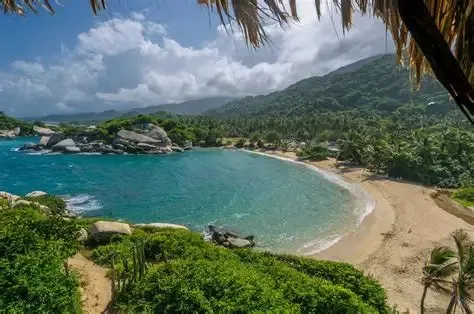
Nestled on the Caribbean coast, Tayrona National Park is a sanctuary of pristine beaches, lush tropical forests, and ancient ruins. This natural paradise is perfect for hiking, snorkeling, and soaking in the sun. Visitors can explore the coastal lagoons, swim in the azure waters, or connect with the indigenous culture that thrives in this protected area.
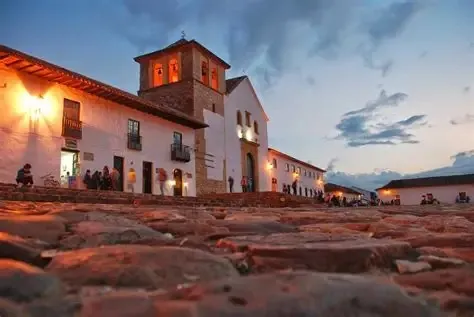
Step back in time with a visit to Villa de Leyva, a charming colonial town with cobblestone streets and whitewashed buildings. Located in the Andean highlands, this picturesque town is home to one of the largest town squares in South America. Its well-preserved architecture and tranquil atmosphere make it an ideal spot for relaxation and cultural exploration.
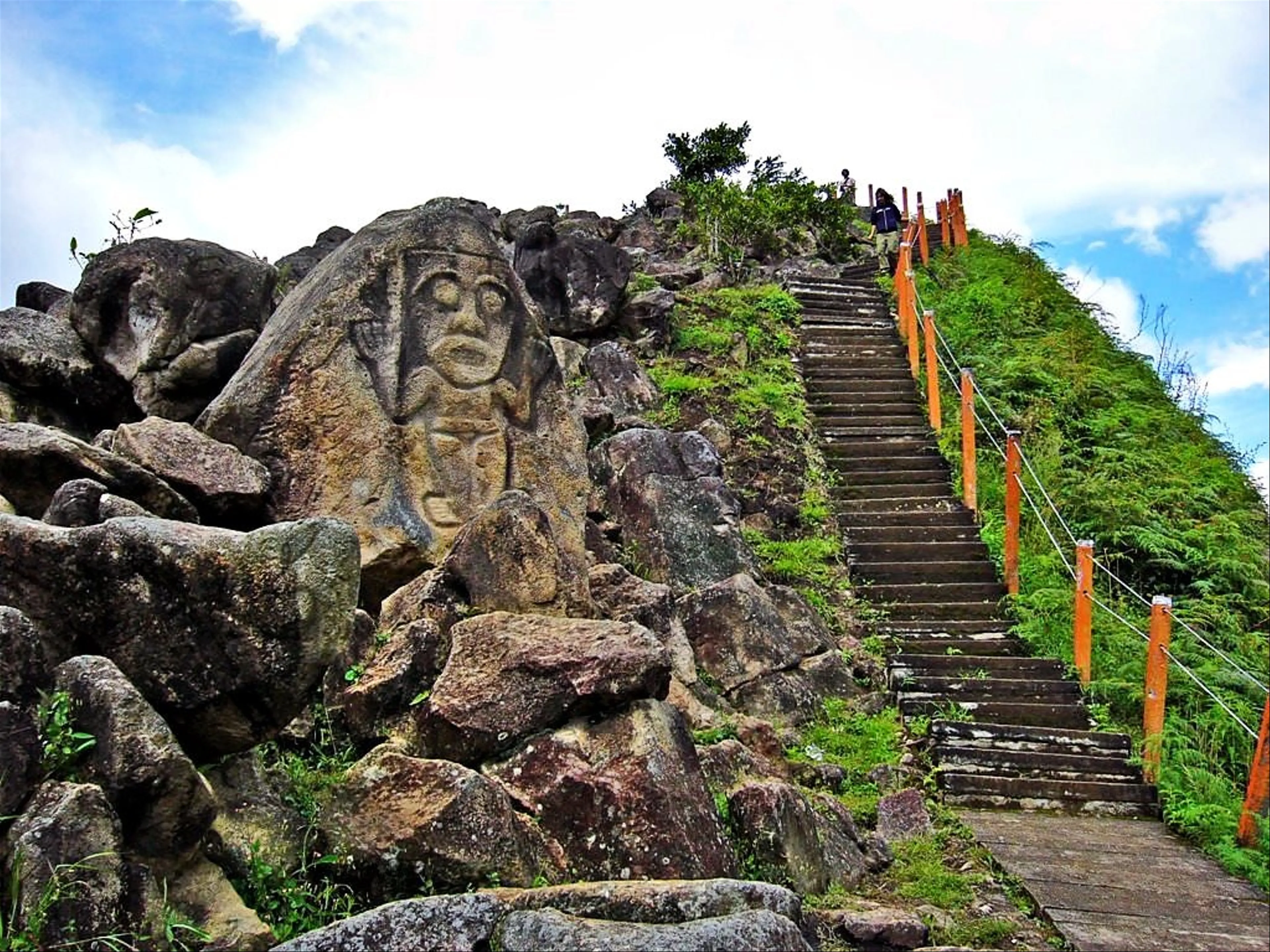
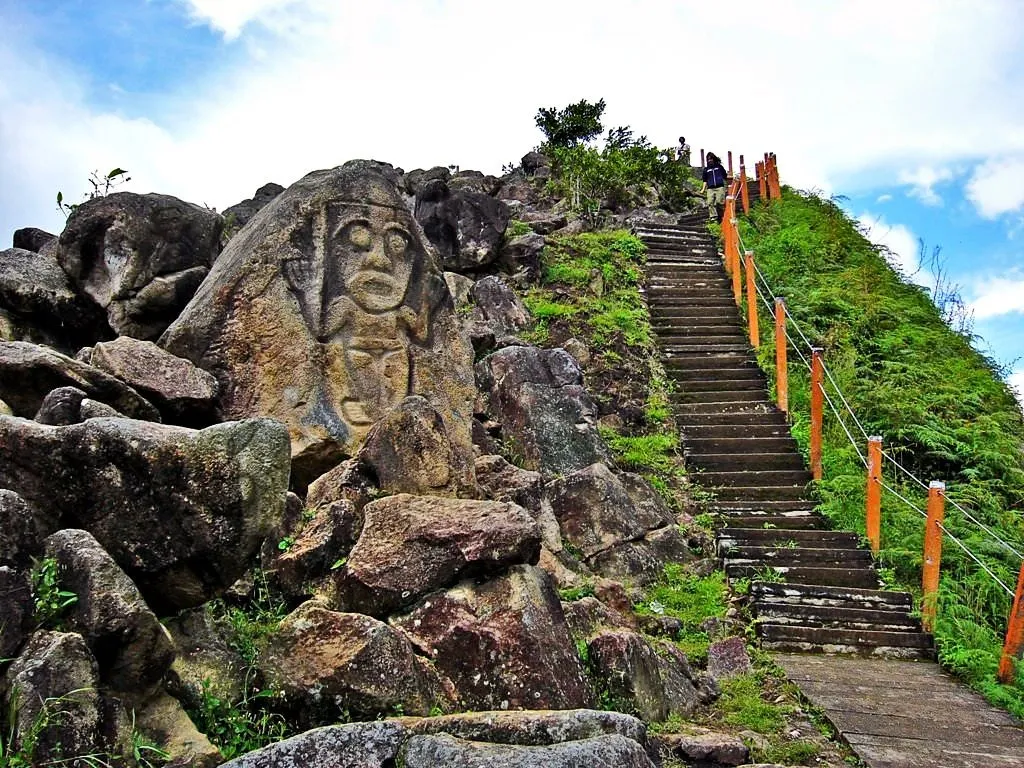
For history enthusiasts, the San Agustín Archaeological Park is a must-visit. This UNESCO World Heritage site is famed for its mysterious stone sculptures and burial mounds, which date back to a civilization that thrived between the 1st and 8th centuries AD. The park offers a fascinating glimpse into pre-Columbian history and is set amidst stunning natural scenery.
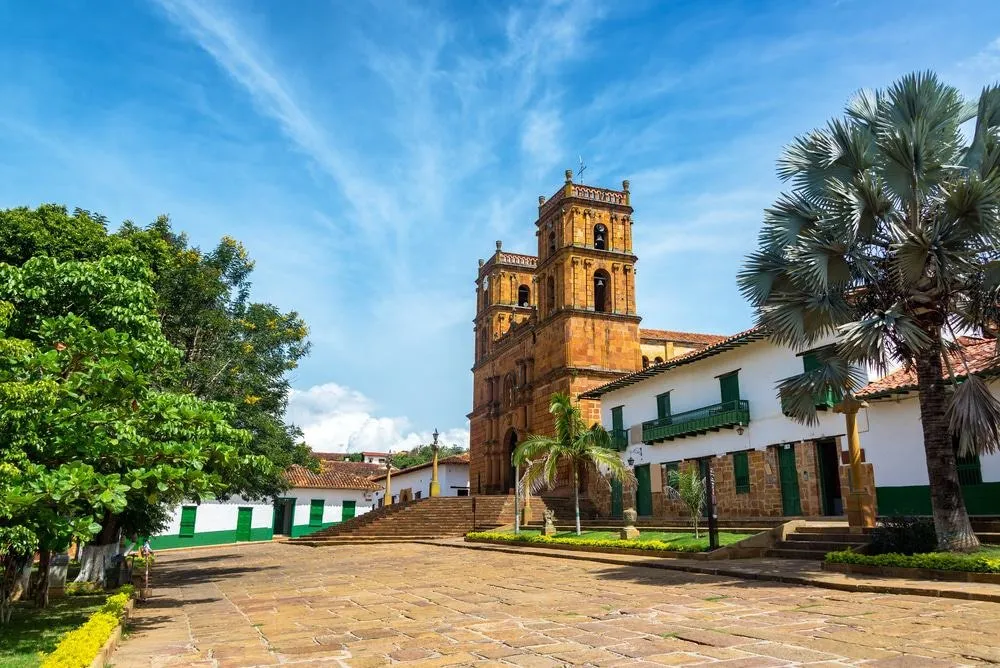
Often described as Colombia's most beautiful village, Barichara is a haven of tranquility and colonial charm. Perched on a hillside, this quaint town features red-tiled roofs, cobbled streets, and panoramic views of the surrounding countryside. It's an ideal destination for those seeking to unwind and appreciate the simplicity of rural Colombian life.
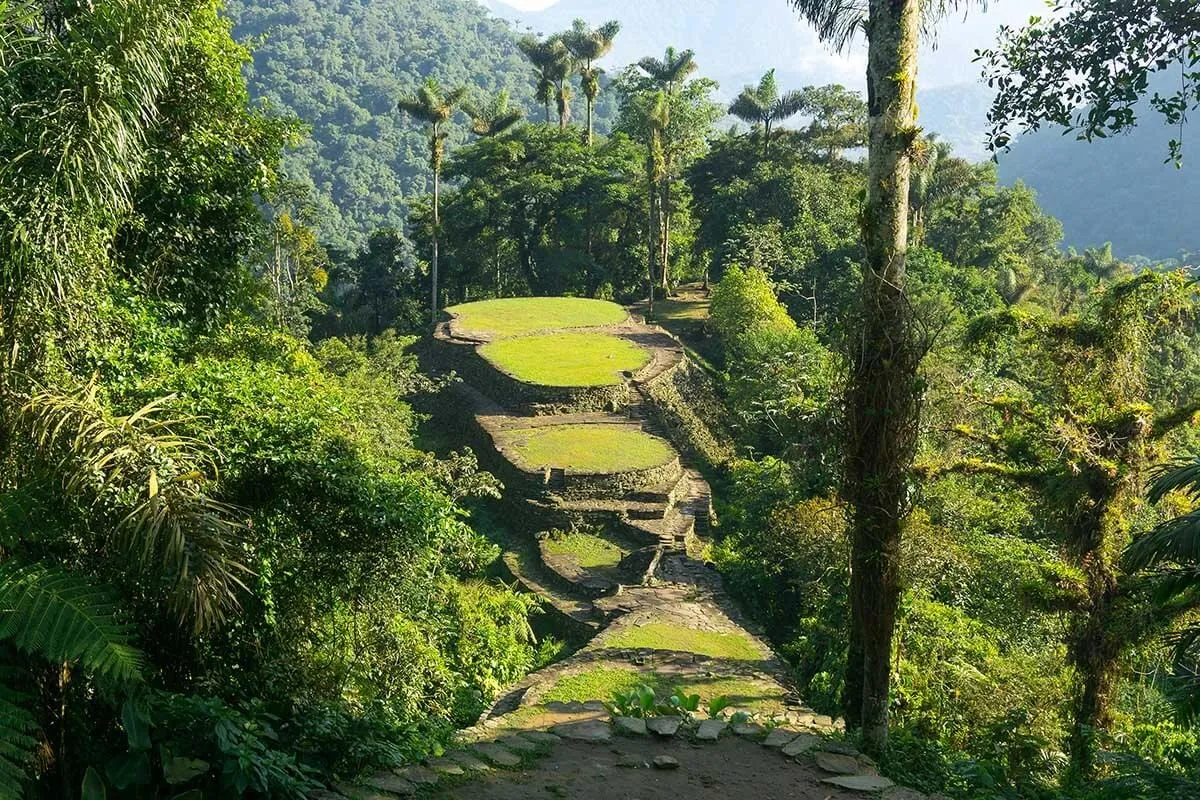
Embark on an adventurous trek to Ciudad Perdida, or the Lost City, hidden deep within the Sierra Nevada de Santa Marta mountains. This ancient city, believed to have been founded around 800 AD, predates Machu Picchu and offers a challenging yet rewarding journey through dense jungle and across roaring rivers, culminating in the discovery of this awe-inspiring archaeological wonder.
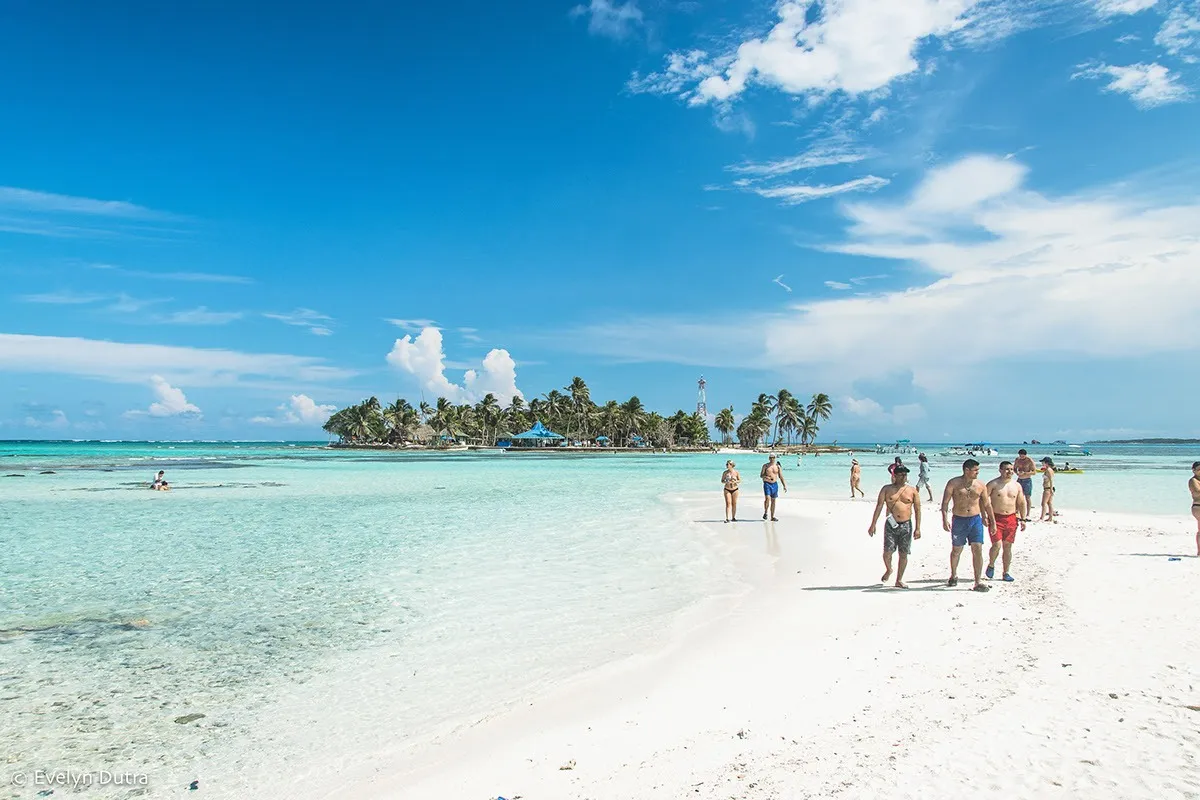
For a taste of the Caribbean, the islands of Providencia and Santa Catalina offer a secluded escape with crystal-clear waters, vibrant coral reefs, and a laid-back atmosphere. These islands are perfect for diving, snorkeling, and simply unwinding in a serene setting. Their isolation and natural beauty make them a hidden gem in Colombia's travel offerings.
Dubbed the "River of Five Colors," Caño Cristales is a natural wonder renowned for its vibrant hues. Located in the Serranía de la Macarena National Park, this stunning river bursts into a rainbow of colors during the wet season, thanks to the unique aquatic plants. Hiking to this breathtaking site is an unforgettable experience for nature lovers.
Colombia is a land where vibrant traditions and a rich cultural heritage seamlessly blend with the everyday lifestyle of its people. The Colombian way of life is a colorful tapestry woven from indigenous customs, Spanish influences, and African legacies, creating a unique cultural identity that is both diverse and captivating. From the spirited rhythms of cumbia and vallenato to the colorful celebrations that fill the streets, Colombia offers a wealth of cultural insights for the curious traveler.
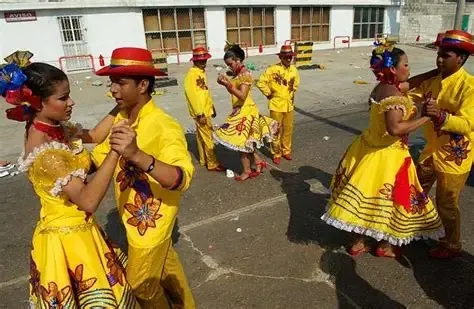
Music and dance are integral to Colombian culture, with genres like cumbia, vallenato, and salsa providing the soundtrack to daily life. Each region has its own distinct musical flavor, reflecting the country's diverse heritage. Festivals such as the Barranquilla Carnival and the Cali Fair celebrate these vibrant sounds, inviting locals and visitors alike to join the dance.
Colombia is renowned for its lively festivals, which are an expression of the country's joyful spirit and communal bonds. The Barranquilla Carnival, a UNESCO Intangible Cultural Heritage, is a riot of color and music, while the Feria de las Flores in Medellín showcases the beauty of Colombian flora. These events provide travelers with a glimpse into the nation's celebratory heart.
Traditional Colombian attire varies across regions but often includes vibrant colors and intricate patterns. The sombrero vueltiao, a woven hat, is a national symbol of cultural pride. Artisans create beautiful handicrafts such as mochila bags and pottery, reflecting the rich traditions passed down through generations.
Colombian cuisine is a flavorful journey through the country's diverse regions. Meals are often communal, emphasizing the importance of family and social connections. Dining etiquette is relaxed, but being courteous and appreciative of the host's efforts is valued. Sharing a hearty meal is a wonderful way to experience Colombian hospitality.
Spanish is the official language of Colombia, but numerous indigenous languages are also spoken, highlighting the country's ethnic diversity. Colombians are known for their warm and friendly communication style, often using gestures and expressions to convey emotions. Engaging with locals in their native language is greatly appreciated and enriches the travel experience.
Family is the cornerstone of Colombian society, with strong ties often extending across multiple generations. Social gatherings are frequent, and hospitality is a cherished value. Understanding the importance of family can provide deeper insights into Colombian culture and the warmth that defines its people.
Colombia is blessed with an extraordinary range of natural landscapes, from the snow-capped peaks of the Andes to the lush lowlands of the Amazon. This diverse geography is home to an incredible variety of ecosystems, making Colombia a paradise for nature lovers and adventure seekers. Whether you're exploring the high-altitude páramos, delving into the dense jungles, or relaxing on pristine beaches, Colombia's natural beauty is both captivating and diverse.
The Andes stretch through Colombia, offering breathtaking vistas and diverse ecosystems. Visitors can explore national parks like Los Nevados, where snow-capped volcanoes and glacial lakes create a stunning backdrop for hiking and wildlife spotting. This region is also home to unique páramo ecosystems, characterized by their misty landscapes and rare plant species.
Colombia's portion of the Amazon is a vast expanse teeming with biodiversity. This mysterious and lush region is perfect for those seeking adventure and a deeper connection with nature. Guided tours offer opportunities to see exotic wildlife, learn about indigenous cultures, and experience the raw beauty of the Amazon basin.
The Colombian Caribbean coast is a haven of sun, sand, and sea. With crystal-clear waters, coral reefs, and palm-fringed beaches, this region is ideal for relaxation and water sports. Tayrona National Park, with its stunning beaches and rich indigenous heritage, is a highlight for visitors seeking both natural beauty and cultural insights.
This lesser-known region offers an intriguing mix of savannas, rivers, and wetlands. It's a birdwatcher's paradise, with numerous species inhabiting its vast landscapes. The Orinoco River itself is a vital waterway that supports a wide range of wildlife and provides opportunities for eco-friendly exploration.
Known as the Eastern Plains, Los Llanos is an expansive region of flatlands that burst into life during the wet season. This area is renowned for its cowboy culture and abundant wildlife, including capybaras, anacondas, and caimans. Visitors can experience the traditional llanero lifestyle and enjoy the wide-open spaces unique to this part of Colombia.
Rising dramatically from the Caribbean coast, the Sierra Nevada de Santa Marta is the world's highest coastal mountain range. This region is not only a natural wonder but also a cultural treasure, home to indigenous communities like the Kogi and Arhuaco, who maintain their ancient ways of life amidst the stunning landscapes.
Colombian cuisine is a vibrant reflection of the country's diverse regions and rich cultural heritage. From the highland kitchens of the Andean region to the coastal flavors of the Caribbean, Colombian dishes offer a delightful culinary journey that is sure to tantalize your taste buds. Whether you're a fan of hearty meals or tropical delights, Colombia's gastronomic offerings provide a feast for every palate.
This iconic dish from the Antioquia region is a hearty platter that features a variety of flavors and textures. Typically served with beans, rice, ground beef, chorizo, fried egg, avocado, arepa, and a slice of chicharrón (pork belly), the bandeja paisa is a must-try for those seeking to experience Colombian comfort food at its best.
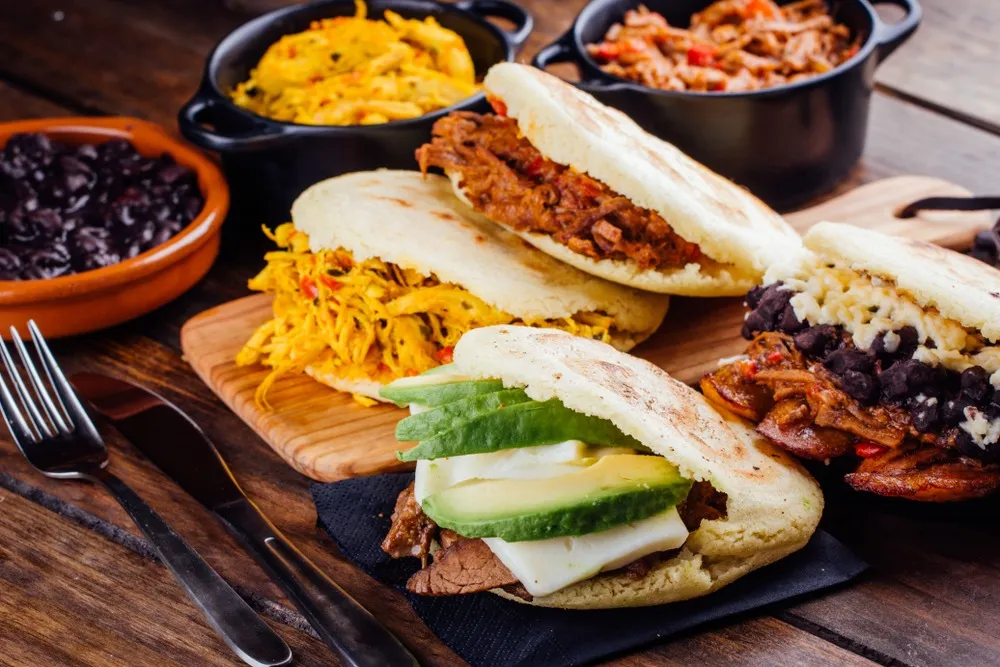
A staple of Colombian cuisine, arepas are cornmeal cakes that are versatile and delicious. They can be grilled, baked, or fried, and are often filled or topped with cheese, meats, or eggs. Each region in Colombia has its own variation, making them a delightful snack or side dish to discover during your travels.
Ajíaco is a traditional soup from Bogotá and the Andean region, known for its comforting and flavorful qualities. Prepared with chicken, three types of potatoes, and a local herb called guasca, it is typically served with corn on the cob, avocado, and capers, creating a harmonious blend of tastes in every spoonful.
These crispy pastries are filled with a variety of ingredients such as beef, chicken, or cheese, and are enjoyed across Colombia as a quick and tasty snack. Empanadas are often accompanied by a spicy ají sauce, adding an extra kick to their savory goodness.
Along the Caribbean and Pacific coasts, seafood lovers can indulge in cazuela de mariscos, a rich and creamy seafood stew. Made with a variety of fresh seafood, coconut milk, and spices, this dish captures the essence of Colombia's coastal flavors and is a true delight for the senses.
Lechona is a traditional dish from the Tolima region, consisting of a whole roasted pig stuffed with rice, peas, and spices. This festive dish is often served during celebrations and is a testament to Colombia's love for flavorful, communal meals.
Colombia's diverse climate allows for an abundance of exotic fruits that are a treat for any traveler. Sample the tangy lulo, the sweet maracuyá (passion fruit), or the creamy guanabana (soursop). These tropical delights are not only refreshing but also offer a taste of Colombia's natural bounty.
Originating from the Valle del Cauca region, cholado is a refreshing dessert made with shaved ice, fresh fruit, condensed milk, and fruit syrup. It's an ideal treat for cooling down on a warm day while experiencing the vibrant flavors of Colombia.
Colombia, with its diverse climates and vibrant cultural calendar, offers unique experiences for travelers throughout the year. Whether you're seeking sunny beaches, lush rainforests, or vibrant city life, understanding the best times to visit can enhance your Colombian adventure. From festive celebrations to ideal weather conditions, here's a guide to help you plan your journey.
The dry season, spanning from December to March, is considered the best time to visit Colombia. During these months, most regions experience sunny weather and minimal rainfall, making it perfect for outdoor activities. This is an ideal time for exploring the Andean highlands, trekking through the Amazon, or enjoying the beaches along the Caribbean coast.
Colombia's cultural calendar is filled with vibrant festivals that offer a glimpse into the nation's spirited culture. The Barranquilla Carnival in February is one of the most famous, featuring parades, music, and dance. In August, Medellín hosts the Feria de las Flores, a colorful celebration of Colombia's floral diversity. These events provide a festive backdrop for your travels.
From April to November, Colombia experiences its rainy season, with increased precipitation in most areas. While this period might deter some travelers, it also offers a chance to experience the country's lush landscapes at their most vibrant. The Amazon and Pacific regions, in particular, showcase their rich biodiversity during this time.
Colombia's diverse geography means that climate can vary significantly from one region to another. The Caribbean coast enjoys a tropical climate year-round, while the Andean regions can be cooler and wetter. The Coffee Triangle and Bogotá often experience a mix of sun and rain, making them suitable for travel at any time of the year. Understanding these variations can help tailor your itinerary to suit your preferences.
When planning your trip to Colombia, consider the peak travel seasons and local holidays, as popular destinations can become crowded. Advance bookings for accommodations and tours are recommended during major festivals and the dry season. Additionally, some remote areas may have limited accessibility during the rainy months, so it's essential to plan accordingly.
Traveling within Colombia is an exciting journey through diverse landscapes and vibrant cities. With a range of transportation options available, getting around is both convenient and varied, allowing travelers to explore the country's rich cultural and natural offerings with ease. Whether you're navigating bustling urban centers or venturing into remote regions, here's a guide to help you move around Colombia effectively.
For long distances, especially between major cities like Bogotá, Medellín, Cartagena, and Cali, domestic flights are a quick and efficient option. Colombia has several airlines offering reliable services, making it easy to cover large distances in a short time. Booking in advance is recommended to secure the best fares.
Buses are a popular and economical way to travel around Colombia. The country boasts an extensive network of bus routes connecting cities, towns, and rural areas. Luxury buses provide comfortable seating and amenities for longer journeys, while local buses offer a more authentic experience. Major bus terminals in cities like Bogotá and Medellín are hubs for intercity travel.
Taxis are readily available in urban areas and are a convenient way to get around cities. It's advisable to use registered taxi services or ride-sharing apps like Uber and Cabify, which offer safe and reliable transportation. Always confirm fares beforehand or ensure the meter is running to avoid overcharges.
Renting a car provides flexibility and convenience, especially for exploring rural regions or the scenic Coffee Triangle. Major international and local car rental agencies operate in Colombia's main cities and airports. However, driving in urban areas can be challenging due to traffic and local driving habits, so it's best suited for experienced drivers.
Colombia's cities have efficient public transportation systems. Bogotá's TransMilenio bus rapid transit system and Medellín's innovative metro and cable cars are cost-effective ways to navigate these cities. They offer a glimpse into daily Colombian life and are excellent options for budget-conscious travelers.
In cities like Bogotá and Medellín, cycling is an increasingly popular mode of transportation, with dedicated bike lanes and rental services available. Bogotá's Ciclovía, a weekly event where main roads are closed to vehicles for cyclists and pedestrians, is a unique way to explore the city on two wheels.
In some regions, especially in smaller towns and rural areas, motorcycles and scooters are a common and practical way to get around. Rentals are available, but travelers should be cautious and ensure they have the necessary licenses and insurance. It's an adventurous way to explore off-the-beaten-path destinations.
Traveling in Colombia can be an incredibly rewarding experience, offering a mix of vibrant cities, breathtaking natural landscapes, and rich cultural experiences. To help you make the most of your journey, here are some practical tips to ensure a smooth and enjoyable trip. From safety advice to local customs and essentials, these insights will prepare you for an unforgettable adventure in Colombia.
Colombia has made significant strides in improving safety for travelers. However, it's important to remain vigilant, especially in crowded areas and tourist hotspots. Stick to well-traveled routes, avoid displaying expensive items, and be cautious when using ATMs. It's advisable to check travel advisories and local news for updates on safety conditions.
Before traveling to Colombia, ensure that your vaccinations are up to date, including those for yellow fever and hepatitis A. It's also wise to carry a basic first-aid kit and mosquito repellent, particularly if you plan to visit jungle areas or regions with a tropical climate. Drink bottled or filtered water to avoid stomach issues.
The Colombian Peso (COP) is the official currency, and cash is widely used, especially in rural areas. ATMs are available in cities and towns, though it's best to carry some cash for small vendors and taxis. Credit cards are accepted in most hotels and restaurants. Be mindful of exchange rates and transaction fees when withdrawing money.
While Spanish is the official language, many Colombians have a basic understanding of English, particularly in tourist areas. Learning a few key Spanish phrases can enhance your travel experience and help you connect more deeply with locals. Colombians appreciate the effort and are generally helpful and friendly.
Colombian food is diverse and delicious. Don't hesitate to try local dishes and street food, which are often safe and flavorful. Be adventurous and sample regional specialties like arepas, empanadas, and fresh tropical fruits. Dining out is relatively affordable, making it easy to enjoy the country's culinary delights.
Colombia's public transportation system is efficient and cost-effective for getting around cities. For longer distances, domestic flights and buses are reliable options. When using taxis, ensure they are registered or use ride-sharing apps for convenience. Always plan your routes in advance, especially if traveling to remote areas.
Colombians are known for their warmth and hospitality. It's important to respect local customs and traditions, dress modestly when visiting religious sites, and be punctual for social events. Tipping is customary in restaurants and for services, so leave a small gratuity to show appreciation for good service.
Internet access is widely available in urban areas, with many cafes and hotels offering free Wi-Fi. Consider purchasing a local SIM card for affordable data plans if you need reliable connectivity on the go. Staying connected will help you navigate easily and stay informed during your travels.
Colombia's natural beauty is one of its greatest assets. Help preserve it by practicing eco-friendly travel habits. Respect wildlife, avoid littering, and support sustainable tourism initiatives. By being mindful of your environmental impact, you'll contribute to the conservation of Colombia's incredible landscapes.
Colombia is a country that knows how to celebrate life with enthusiasm and flair. Its festivals and events are vibrant expressions of its cultural diversity and historical richness, drawing visitors from around the world. From colorful parades and traditional dances to music festivals that set the rhythm of the nation, Colombia's calendar is packed with occasions that offer a deep dive into the nation's spirited culture. Each festival provides a unique opportunity to experience the warmth and joy of Colombian people, making it a must for any travel itinerary.
The Barranquilla Carnival, recognized by UNESCO as a Masterpiece of the Oral and Intangible Heritage of Humanity, is one of Colombia's most spectacular celebrations. Taking place in February, this four-day festival features vibrant parades, elaborate costumes, and lively music, showcasing the country's Caribbean culture. The carnival is a sensory feast that invites everyone to dance and celebrate the joy of life.
Held annually in August, the Feria de las Flores in Medellín is a dazzling celebration of Colombia's floral heritage. The festival features a grand parade of silleteros, who carry large flower arrangements on their backs, alongside concerts, horse parades, and cultural exhibitions. It's a beautiful tribute to the region's flower growers and a colorful spectacle that captivates all who attend.
Celebrated in the city of Pasto in early January, the Black and White Carnival is a unique event that symbolizes racial harmony and cultural unity. Participants paint themselves black on the first day and white on the second, engaging in playful festivities and parades filled with music and dance. This UNESCO-recognized event is a vibrant expression of Colombia's diverse heritage.
On July 20th, Colombians across the country commemorate their independence from Spain with patriotic pride. The day is marked by military parades, traditional dances, and various cultural activities. It's a time for Colombians to celebrate their national identity and for visitors to witness the nation's rich history and spirited celebrations.
The Cali Fair, held from December 25th to 30th, is one of the most exciting events in Colombia. Known as the "World Capital of Salsa," Cali hosts a festival filled with music, dance, and cultural events. The fair features salsa concerts, bullfighting, and horse parades, drawing crowds eager to experience the rhythm and energy of this vibrant city.
Every April, the city of Valledupar hosts the Vallenato Legend Festival, celebrating one of Colombia's most cherished musical genres. The festival brings together musicians from all over the country to compete in various categories, showcasing the distinctive sounds of accordion, caja, and guacharaca. It's a must-visit for music lovers eager to experience the heart and soul of Colombian folk music.
Holy Week is solemnly observed throughout Colombia, with elaborate processions and religious ceremonies. Cities like Popayán and Mompox are particularly famous for their Semana Santa celebrations, drawing visitors to witness the intricate processions and devotional acts. It's a reflective time that offers insight into Colombia's deep-rooted religious traditions and cultural customs.
Colombia is a land of endless surprises, offering unique experiences and hidden gems that go beyond the typical tourist trail. From secluded beaches to ancient archaeological sites, this country is brimming with lesser-known destinations and activities that promise to enrich your travel experience. Whether you're an adventurer seeking off-the-beaten-path locales or a cultural enthusiast eager to delve deeper into Colombia's rich tapestry, these hidden treasures will offer unforgettable memories.
Located near Medellín, the colorful town of Guatapé is renowned for its vibrant zócalos (decorative panels) that adorn the buildings. Take a short trip to the nearby El Peñol rock, where climbing its 740 steps rewards you with breathtaking panoramic views of the surrounding lakes and islands, making it a must-visit for photography enthusiasts and nature lovers.
For those seeking solitude and stunning landscapes, La Guajira Peninsula offers a fascinating blend of desert and sea. Visit Punta Gallinas, the northernmost point of South America, where dramatic dunes meet the Caribbean Sea. Experience the unique Wayuu culture and witness the vibrant sunsets over this serene and remote land.
Nestled in the canyon of the Guáitara River, the Las Lajas Sanctuary is a breathtaking Gothic-style church built into the cliffs. This architectural marvel is not only a place of pilgrimage but also a testament to Colombia's religious heritage. The stunning backdrop of waterfalls and lush greenery enhances the mystical atmosphere of this hidden gem.
For an authentic Caribbean experience away from the crowds, the villages of Capurganá and Sapzurro offer pristine beaches, crystal-clear waters, and a laid-back vibe. Accessible only by boat or plane, these secluded spots are perfect for snorkeling, diving, and unwinding in a tranquil setting surrounded by nature.
Known as Colombia's second-largest arid zone, the Tatacoa Desert is a striking landscape of ochre canyons and surreal rock formations. It's a paradise for stargazers, offering clear night skies ideal for observing celestial wonders. Explore the desert trails, relax in natural pools, and discover the unique flora and fauna that thrive in this harsh yet beautiful environment.
Venture to Tierradentro, a UNESCO World Heritage site, to explore ancient underground tombs and statues carved by pre-Columbian civilizations. The park's remote location in the Andean mountains offers both an archaeological marvel and a peaceful retreat, with hiking trails that provide stunning views of the surrounding valleys and hills.
A UNESCO World Heritage site, Mompox is a sleepy colonial town steeped in history and charm. Wander through its cobblestone streets, admire the well-preserved Spanish architecture, and enjoy the tranquil atmosphere by the Magdalena River. Mompox is also known for its traditional jewelry-making, offering a glimpse into Colombia's artisanal craftsmanship.
Stay connected in Colombia with instant mobile data — no roaming fees, no physical SIM.
No tours published here yet.
Discover tours, attractions and travel services for Colombia .