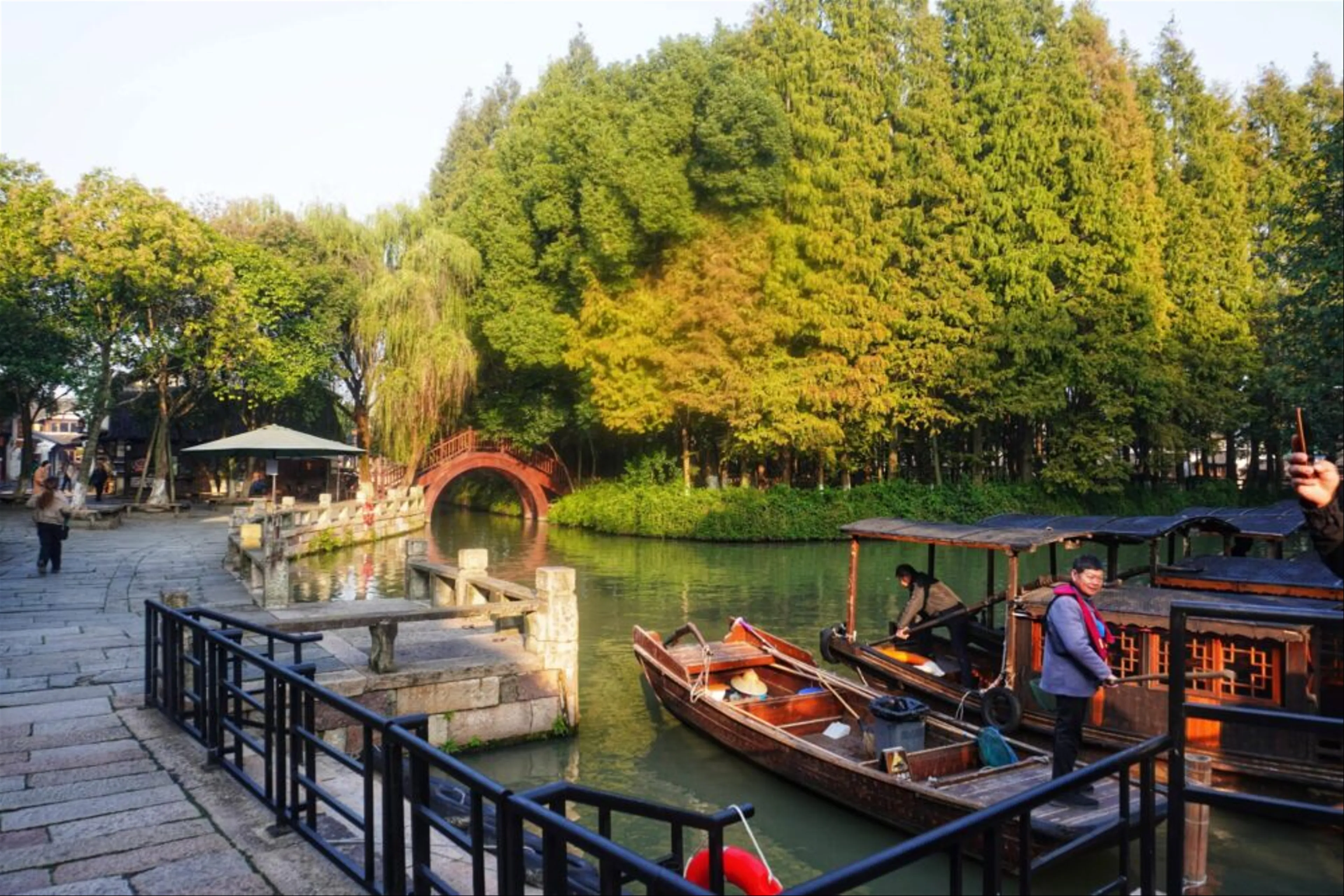
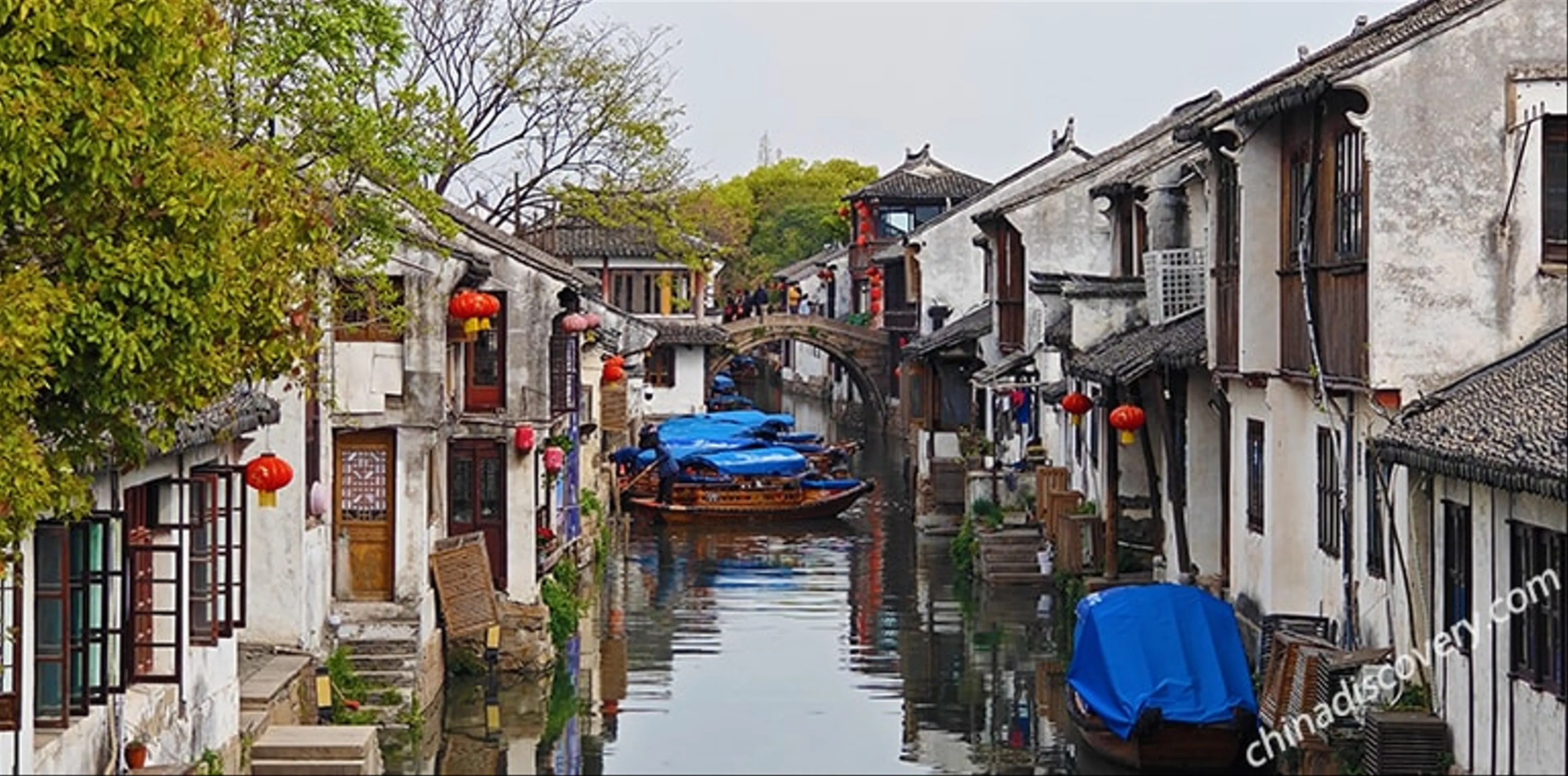
Explore Zhouzhuang, the Venice of the East, and uncover the charm of China's ancient water town with its scenic canals and rich cultural heritage.
Nestled in the heart of China's Jiangsu Province, Zhouzhuang is often celebrated as the "Venice of the East" for its intricate network of canals and enchanting waterways. This ancient water town, with its origins tracing back over 900 years, offers a glimpse into a world where the past and present merge seamlessly. Known for its well-preserved ancient architecture, winding canals, and stone bridges, Zhouzhuang invites travelers to step back in time and experience a slice of authentic Chinese culture.
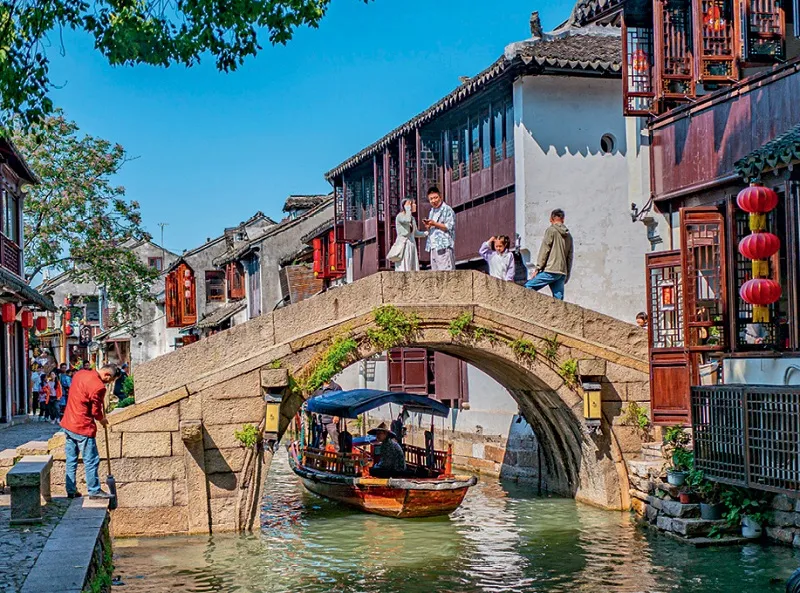
As one of China's earliest water towns, Zhouzhuang's historical significance is woven into its cobblestone streets and traditional homes, many of which date back to the Ming and Qing Dynasties. The town's layout, designed to incorporate the natural flow of the waterways, is a testament to the ingenuity and harmony of ancient Chinese civil planning. Visitors strolling through Zhouzhuang can admire the elegant blend of natural beauty and human artistry that defines this charming destination.
The town's serene ambiance is accentuated by its picturesque canals, where the gentle lapping of water against the boats creates a soundtrack that soothes the soul. Whether exploring by foot or taking a leisurely gondola ride, travelers are treated to stunning views of ancient stone bridges arching gracefully over the waterways. Each bridge tells its own story, with names like Fu'an and Twin Bridges reflecting the rich cultural tapestry and local legends that are the lifeblood of Zhouzhuang.
Zhouzhuang's allure extends beyond its physical beauty; it is a living museum where traditions are preserved and celebrated. Visitors have the opportunity to engage with local artisans, sample traditional Jiangnan cuisine, and witness the vibrant cultural practices that have been passed down through generations. This timeless water town is not just a destination; it's an invitation to connect with a bygone era and to appreciate the enduring spirit of Chinese heritage.
The history of Zhouzhuang is as deep and captivating as the waterways that flow through it. Established during the Spring and Autumn Period over a thousand years ago, the town gained prominence in the Yuan Dynasty when it became a prosperous commercial hub. Its strategic location between the bustling cities of Shanghai and Suzhou facilitated trade, allowing Zhouzhuang to flourish economically and culturally. This prosperity attracted wealthy merchants and scholars who contributed to the cultural riches of the town, leaving behind a legacy that continues to be celebrated today.
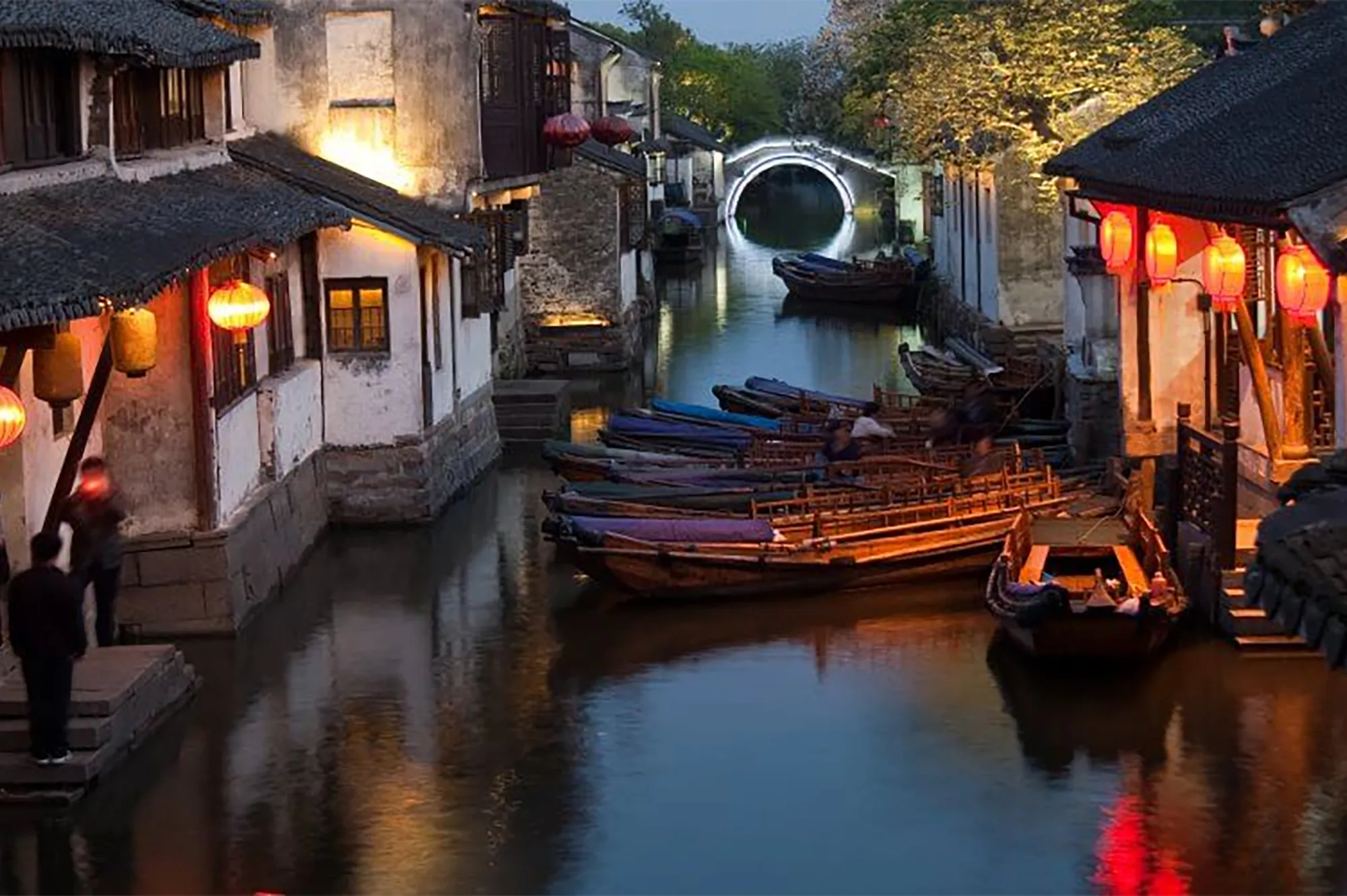
One of the most pivotal moments in Zhouzhuang's history occurred during the Ming Dynasty, when Shen Wansan, a legendary figure in Chinese folklore, rose to prominence. Shen, reputed to be one of the country's first millionaires, invested significantly in the town, financing the construction of many of its beautiful stone bridges and grand residences. His legacy is still palpable, with the Shen House standing as a testament to his influence and the affluence of the period. Visitors can explore the Shen House to admire its intricate woodwork, spacious courtyards, and detailed architecture, offering a window into the opulent lifestyles of the past.
Culturally, Zhouzhuang has served as a cradle for the preservation of Jiangnan traditions, a region noted for its unique artistic and culinary heritage. The town has been a muse for countless artists, poets, and writers who have drawn inspiration from its tranquil beauty and timeless charm. Traditional festivals such as the Lantern Festival and Dragon Boat Festival are celebrated with enthusiasm, providing visitors with vibrant displays of local customs and community spirit. These events highlight the town's role as a guardian of intangible cultural heritage, where ancient practices are kept alive and shared with new generations.
The town's cultural significance is further enhanced by its religious sites, such as the Chengxu Taoist Temple, which dates back to the Song Dynasty. This temple, one of the largest and most complete Taoist temples in the Jiangnan region, serves as a spiritual sanctuary and a place of pilgrimage. Its serene gardens and ancient halls offer a glimpse into the spiritual life that has been an integral part of Zhouzhuang's identity for centuries.
In essence, Zhouzhuang is more than just a picturesque destination; it is a living tapestry of history and culture. Its waterways are not just channels of water but conduits of stories and traditions that have shaped the town through the ages. As travelers navigate its canals and walk its storied paths, they are, in a sense, tracing the footsteps of those who have come before, experiencing the enduring legacy of a town that remains a cornerstone of China's cultural and historical landscape.
Exploring the canals of Zhouzhuang is akin to uncovering a treasure trove of history and beauty, where every turn reveals a new facet of this enchanting water town. The waterways, which serve as the lifeblood of Zhouzhuang, offer a unique perspective that is best enjoyed by drifting leisurely along their gentle currents. Whether from the vantage point of a traditional wooden boat or while strolling along the canal banks, each experience provides a distinct view of the town's architectural splendor and cultural heritage.

Among the most notable waterways in Zhouzhuang is the Double Bridges, also known as Shuangqiao. This iconic pair consists of the Shide and Yong'an Bridges, which intersect at right angles, creating a memorable silhouette that has become a symbol of the town. Built during the late Ming Dynasty, these bridges are celebrated not only for their elegant stone construction but also for their reflection in the water, forming a circular image that has inspired countless artists and photographers.
Another must-see is the Fu'an Bridge, which is unique for its dual function as both a bridge and a building. Constructed in the Song Dynasty, this multi-arched bridge is flanked by small shops and tea houses, inviting visitors to pause and enjoy the tranquil surroundings. As you stand on Fu'an Bridge, you can gaze out over the canals that stretch far into the distance, a reminder of Zhouzhuang's intricate network of waterways that have facilitated trade and communication for centuries.
The Zhenfeng Bridge, with its single arch design, offers a different perspective. Located near the Fuhui River, this bridge is perfectly positioned to witness the daily life of Zhouzhuang's residents. Early in the morning, you can observe locals engaging in traditional activities like washing clothes by the riverbank, a practice that has remained unchanged for generations. As the sun sets, the bridge becomes a romantic spot to watch the waters shimmer under the fading light.
Beyond these well-known structures, Zhouzhuang's canals are dotted with smaller bridges, each with its own story and significance. The Tonggui Bridge, for instance, is famous for its association with wishes and blessings, making it a popular spot for locals and tourists alike to pause and reflect. As you cross its ancient stones, you may feel a palpable connection to the countless individuals who have walked its path, each with their own hopes and dreams.
Navigating Zhouzhuang's waterways provides a serene escape from the hustle and bustle of modern life, inviting travelers to slow down and immerse themselves in the town's timeless charm. Whether you're captivated by the artistry of the bridges or the simple beauty of the canals themselves, exploring these waterways is an experience that enriches the soul and deepens one's appreciation for the enduring allure of one of China's most cherished water towns.
In the heart of Zhouzhuang, a journey through its architectural marvels offers a captivating glimpse into the artistry and craftsmanship of ancient China. The traditional homes and temples that line the town's canals are not merely structures; they are living testaments to the cultural and historical narratives that have shaped this enchanting water town. Each building stands as a silent witness to the ebb and flow of life over the centuries, embodying the elegance and harmony that characterize Chinese architectural philosophy.
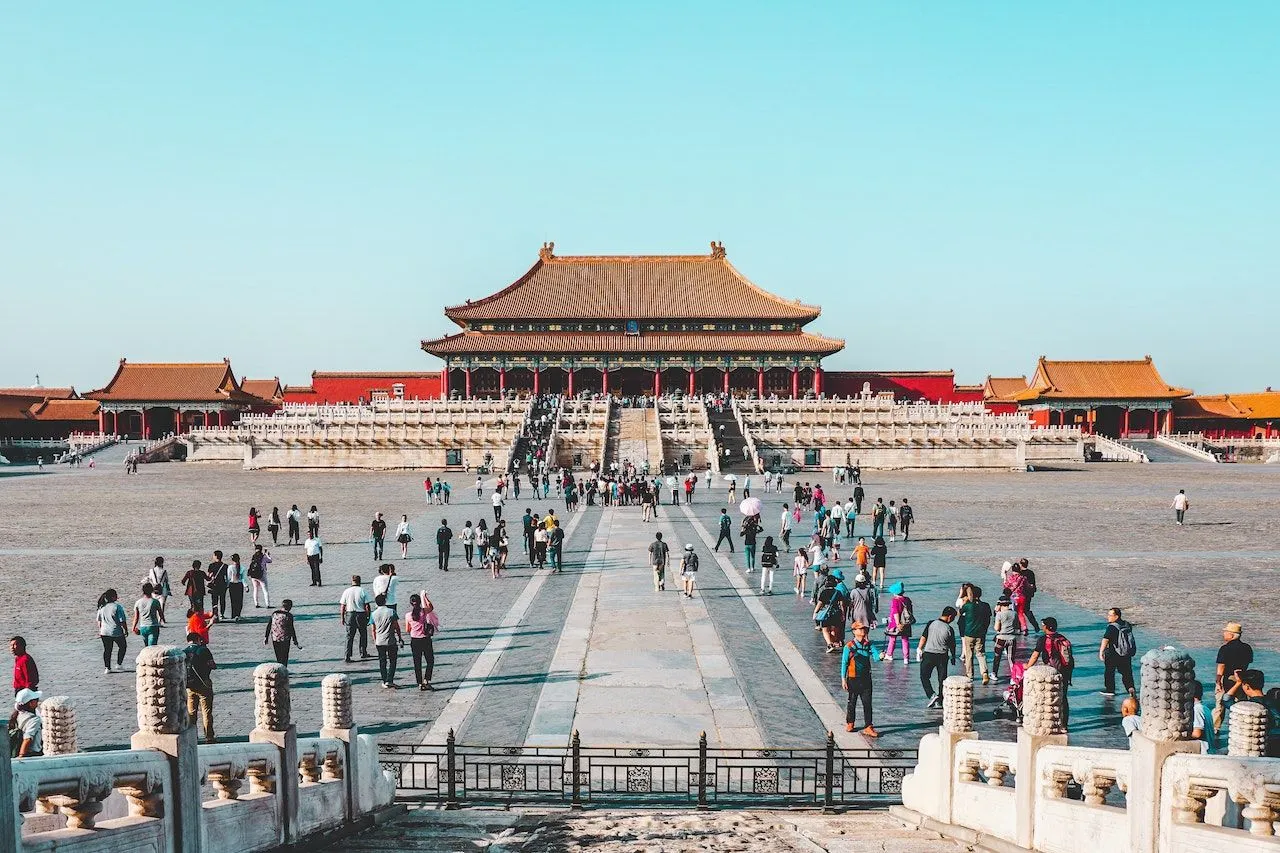
Among these architectural gems, the Zhang House stands out as an exemplary model of Ming Dynasty residential design. Built in 1436, the house is a sprawling complex of over 70 rooms, interconnected by a series of beautifully landscaped courtyards. Visitors are often struck by the intricate wood carvings and the symmetrical layout that reflects the traditional Chinese principles of balance and order. The Zhang House is more than a mere residence; it is a cultural artifact that offers a unique window into the domestic life and social customs of a bygone era.
Not far from the Zhang House lies the Ye Chucang Residence, a beautifully preserved Qing Dynasty home that once belonged to the famous poet Ye Chucang. This residence is renowned for its elegant simplicity and the poetic ambiance that permeates its halls. As travelers wander through its serene gardens and delicate pavilions, they can almost hear echoes of the verses that inspired Ye's celebrated literary works. The residence is a haven for those seeking to connect with the intellectual legacy of Zhouzhuang's past inhabitants.
Complementing these residential wonders are the town's temples, which serve as spiritual anchors within Zhouzhuang's cultural landscape. The Quanfu Temple, originally constructed during the Yuan Dynasty, is a masterpiece of Buddhist architecture. Its grand halls and tranquil courtyards provide a serene sanctuary for reflection and meditation, drawing both pilgrims and curious visitors alike. The temple's intricate frescoes and statues offer insight into the religious art and iconography that have played a pivotal role in Chinese spiritual life.
Equally impressive is the bustling Taoist Chengxu Temple, which invites visitors to explore its sprawling complex of halls, courtyards, and gardens. This temple, one of the most significant Taoist sites in the Jiangnan region, is a living testament to the rich spiritual traditions that have been nurtured in Zhouzhuang for centuries. The temple's architecture is a celebration of Taoist aesthetics, with its harmonious integration of natural elements and human artistry.
Together, the traditional homes and temples of Zhouzhuang form a vibrant architectural tapestry that invites exploration and admiration. They stand as enduring symbols of the town's rich heritage, each telling its own story while contributing to the larger narrative of Zhouzhuang's cultural and historical significance. As you wander through these marvels, you are not just observing buildings; you are stepping into a world where history, art, and spirituality converge, offering a profound connection to the timeless essence of this remarkable water town.
Embarking on a culinary journey in Zhouzhuang is an essential part of experiencing the town's rich cultural tapestry. The local cuisine, characterized by its use of fresh, seasonal ingredients and time-honored cooking techniques, offers a delectable exploration of Jiangnan flavors. Whether you're sampling street food along the cobblestone alleys or dining in a cozy riverside restaurant, Zhouzhuang's culinary offerings promise to delight the senses and provide a deeper understanding of the region's gastronomic heritage.

A must-try dish in Zhouzhuang is the famous Wansan Pork Knuckle, named after the legendary local figure Shen Wansan. This braised pork knuckle is a quintessential example of Jiangnan cuisine, known for its rich, savory flavor and tender texture. The dish is meticulously prepared by simmering the pork in a flavorful broth of soy sauce, rice wine, and aromatic spices until it achieves a melt-in-your-mouth consistency. Often served with steamed buns or rice, Wansan Pork Knuckle is a hearty dish that embodies the comfort and depth of traditional Chinese home cooking.
Another local favorite is the Zhouzhuang-style Steamed Fish, showcasing the region's abundance of fresh water seafood. Typically prepared using locally caught river fish, this dish is celebrated for its simplicity and purity of flavor. The fish is seasoned with ginger, scallions, and soy sauce, then steamed to preserve its natural sweetness and moist texture. This preparation highlights the delicate balance of flavors that is a hallmark of Jiangnan cuisine, allowing diners to savor the freshness of the ingredients.
For those with a sweet tooth, Zhouzhuang offers a variety of traditional desserts that are sure to satisfy. One such treat is the Sweet Osmanthus Rice Cake, a fragrant and chewy delicacy made from glutinous rice flour and infused with the floral aroma of osmanthus blossoms. This dessert is often enjoyed during the town's festivals and celebrations, adding a sweet note to the festive atmosphere. Another popular dessert is the Red Bean Paste Buns, which offer a delightful combination of soft, pillowy dough and a sweet, smooth filling made from red beans.
Street food enthusiasts will find much to enjoy in Zhouzhuang's vibrant food markets, where local vendors offer an array of snacks and delicacies. From savory scallion pancakes to crispy tofu skewers, the street food scene provides an opportunity to sample a variety of flavors and textures. One particularly popular snack is the Zhouzhuang-style Rice Dumpling, filled with pork, mushrooms, and salted egg yolk, wrapped in bamboo leaves, and steamed to perfection. These dumplings are not only delicious but also offer a glimpse into the town's culinary traditions and the importance of seasonal ingredients.
Overall, exploring the local delicacies of Zhouzhuang is an integral part of immersing oneself in the town's cultural heritage. Each dish tells a story of the region's history and culinary evolution, inviting travelers to savor the flavors that have been cherished by generations. Whether you're indulging in a leisurely meal by the canal or grabbing a quick bite at a street stall, the culinary journey in Zhouzhuang promises to be a memorable and enriching experience.
In Zhouzhuang, the vibrant tradition of art and crafts is as intrinsic to the town's identity as its waterways and architecture. This charming water town, renowned for its cultural depth, offers a fascinating exploration into the world of traditional Chinese craftsmanship. As you weave through its narrow alleys and bustling markets, you'll discover an array of artisan skills that have been passed down through generations, each telling its own unique story of creativity and heritage.

One of the most captivating aspects of Zhouzhuang's artisan heritage is its silk embroidery. This meticulous craft, celebrated for its intricate patterns and vibrant colors, is a hallmark of Jiangnan artistry. Local artisans, often seen skillfully working on their embroidery frames, create exquisite pieces that depict scenes of nature, folklore, and traditional motifs. These artworks are not only a testament to the artisans' dexterity and patience but also an embodiment of the region's rich cultural tapestry.
Another cornerstone of Zhouzhuang's craft scene is its pottery and ceramics. The town's artisans, drawing inspiration from the natural beauty surrounding them, produce a range of beautiful and functional pieces. From delicate teapots and cups to ornate vases and decorative items, Zhouzhuang's ceramics are renowned for their quality and artistry. Visitors can witness the pottery-making process firsthand in local workshops, where skilled craftsmen shape and glaze each piece with precision and care.
Beyond textiles and ceramics, Zhouzhuang is also home to a thriving tradition of paper cutting, an ancient Chinese art form that captures the imagination with its intricate designs. Using simple tools, artisans transform sheets of red paper into stunning silhouettes and patterns, often depicting auspicious symbols and festive themes. These delicate creations are popular during festivals and celebrations, serving as decorative elements that bring luck and joy to homes and businesses.
Wood carving is another revered craft in Zhouzhuang, with local artisans producing intricately carved panels, furniture, and decorative items. These works often feature traditional motifs and scenes from local folklore, showcasing the artisans' skill in creating depth and detail from blocks of wood. The town's wood carvings are not only valued for their beauty but also for their cultural significance, preserving the stories and traditions of Zhouzhuang's past.
Visitors to Zhouzhuang have the opportunity to engage with these artisans, learning about their techniques and the cultural contexts of their crafts. Many workshops offer hands-on experiences, allowing travelers to try their hand at creating their own souvenirs, whether it be a simple paper cut or a piece of painted pottery. These interactive experiences provide a deeper appreciation for the dedication and skill involved in traditional crafts and foster a connection between the visitor and the artisans who keep these traditions alive.
In essence, discovering Zhouzhuang's artisan heritage is a journey into the heart of the town's cultural soul. Each craft, with its unique techniques and traditions, offers an insight into the history and creativity that define this remarkable water town. As travelers explore the art and crafts of Zhouzhuang, they are not only witnessing the beauty of handmade creations but also participating in the preservation of a cultural legacy that continues to inspire and captivate.
Seasonal events and festivals in Zhouzhuang offer a vibrant tapestry of cultural experiences, inviting travelers to immerse themselves in the town's rich traditions and dynamic community life. Throughout the year, Zhouzhuang hosts a variety of festivals that highlight its unique heritage and provide insights into the customs that have been cherished by locals for generations. These events not only celebrate historical milestones and cultural practices but also foster a sense of community and belonging among both residents and visitors.
One of the most anticipated events in Zhouzhuang is the Lantern Festival, which marks the conclusion of the Chinese New Year celebrations. This festival is renowned for its enchanting display of lanterns, each meticulously crafted and illuminated to create a mesmerizing atmosphere. As night falls, the town transforms into a sea of light, with lanterns adorning homes, streets, and waterways. These lanterns often feature intricate designs and vibrant colors, depicting symbols of good fortune and prosperity. Visitors are encouraged to join the festivities, which include lantern riddle-solving contests, traditional music performances, and dragon and lion dances that fill the streets with energy and excitement.
Another key event in Zhouzhuang is the Dragon Boat Festival, celebrated with great enthusiasm and community spirit. This festival, which takes place on the fifth day of the fifth lunar month, honors the ancient Chinese poet Qu Yuan. The highlight of the festival is the thrilling dragon boat races, where teams of rowers compete in ornately decorated boats, their rhythmic paddling accompanied by the beat of drums. Spectators line the canals to cheer on their favorite teams, creating a lively and competitive atmosphere. In addition to the races, the festival is also an opportunity to enjoy traditional foods such as zongzi, sticky rice dumplings wrapped in bamboo leaves, which are prepared and shared among friends and family.
In the autumn, Zhouzhuang hosts the Mid-Autumn Festival, a celebration of the harvest and a time for family reunions. This festival is marked by the sharing of mooncakes, a traditional pastry filled with sweet or savory fillings. Families gather to enjoy these delicacies while appreciating the beauty of the full moon. In Zhouzhuang, the festival is also celebrated with cultural performances, including traditional music and dance, as well as storytelling sessions that recount local legends and folklore. The canals and bridges are often illuminated with lanterns, creating a romantic and festive ambiance that visitors can enjoy as they stroll through the town.
The Spring Festival, or Chinese New Year, is another cornerstone of Zhouzhuang's cultural calendar. This festival is celebrated with a series of events that extend over several days, including vibrant parades, fireworks, and family gatherings. As the town welcomes the new year, homes and businesses are decorated with red banners and couplets to ward off evil spirits and attract good luck. The festival is a time of joy and renewal, with traditional performances of Chinese opera, acrobatics, and folk dances captivating audiences. Visitors to Zhouzhuang during the Spring Festival can experience the warmth and hospitality of the local community, as well as partake in the many customs and traditions that define this joyous occasion.
These seasonal events and festivals in Zhouzhuang offer a unique window into the town's cultural fabric, allowing travelers to engage with its traditions in a meaningful way. Each festival provides an opportunity to celebrate the town's history and heritage while fostering a sense of connection and shared experience among participants. Whether you're drawn by the spectacle of the lantern displays, the excitement of the dragon boat races, or the warmth of the Spring Festival, experiencing Zhouzhuang's seasonal events is sure to leave a lasting impression and deepen your appreciation for this remarkable water town.
Planning a visit to Zhouzhuang, China's most enchanting water town, requires a bit of preparation to ensure a seamless and memorable experience. Here are some practical tips to help you make the most of your journey to this picturesque destination.
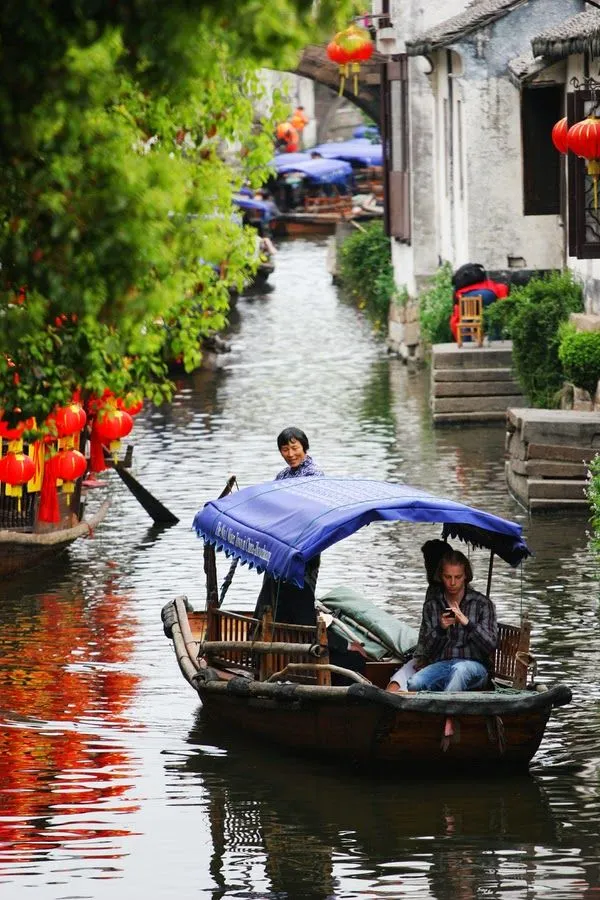
Firstly, consider the timing of your visit. Zhouzhuang's beauty is evident year-round, but the best times to experience its charm are during the spring (March to May) and autumn (September to November) months. The weather during these periods is generally mild and pleasant, making it ideal for exploring the town's outdoor attractions. Avoid visiting during the peak of summer and the Chinese national holidays, such as Golden Week in early October, as the town can become crowded with tourists.
When it comes to transportation, Zhouzhuang is conveniently accessible from major cities like Shanghai and Suzhou. A popular option is to take a high-speed train to Kunshan South Railway Station, followed by a short bus or taxi ride to Zhouzhuang. For those driving, there are parking facilities available on the outskirts of the town, as the historic area itself is best explored on foot or by boat.
Accommodation in Zhouzhuang ranges from traditional guesthouses to modern hotels, catering to various preferences and budgets. For an authentic experience, consider staying in a local inn or a historic residence, where you can enjoy the ambiance of ancient architecture. Booking in advance is advisable, especially during peak travel seasons, to secure your preferred lodging.
While exploring Zhouzhuang, comfortable footwear is essential as you will be walking on cobblestone streets and navigating narrow alleys. Additionally, pack light layers, as temperatures can vary throughout the day, especially near the water. Don't forget your camera—Zhouzhuang's scenic views and cultural landmarks offer countless photo opportunities.
Dining in Zhouzhuang is a delightful aspect of the visit, with many restaurants and street vendors offering local delicacies. To ensure you can enjoy the best of the region's cuisine, it's wise to carry some cash, as smaller establishments may not accept credit cards. Be sure to try the Wansan Pork Knuckle and Zhouzhuang-style Steamed Fish for an authentic taste of the area.
Language can be a barrier, as English is not widely spoken in Zhouzhuang. However, friendly locals are often willing to help, and having a translation app or phrasebook can be useful for basic communication. If you have specific dietary needs or require assistance, consider learning a few key phrases in Mandarin or traveling with a guide who can facilitate interactions.
Lastly, respect the local customs and environment. Zhouzhuang is a living museum of traditional Chinese culture, so be mindful of the historic sites you visit. Follow any posted guidelines, refrain from touching artifacts, and always ask permission before photographing locals or entering private spaces.
By considering these practical tips, you can enhance your visit to Zhouzhuang, allowing you to fully immerse yourself in the rich history and stunning beauty of this timeless water town. Whether you're wandering the charming streets, gliding gently along the canals, or engaging with local traditions, your journey through Zhouzhuang promises to be a rewarding and unforgettable adventure.
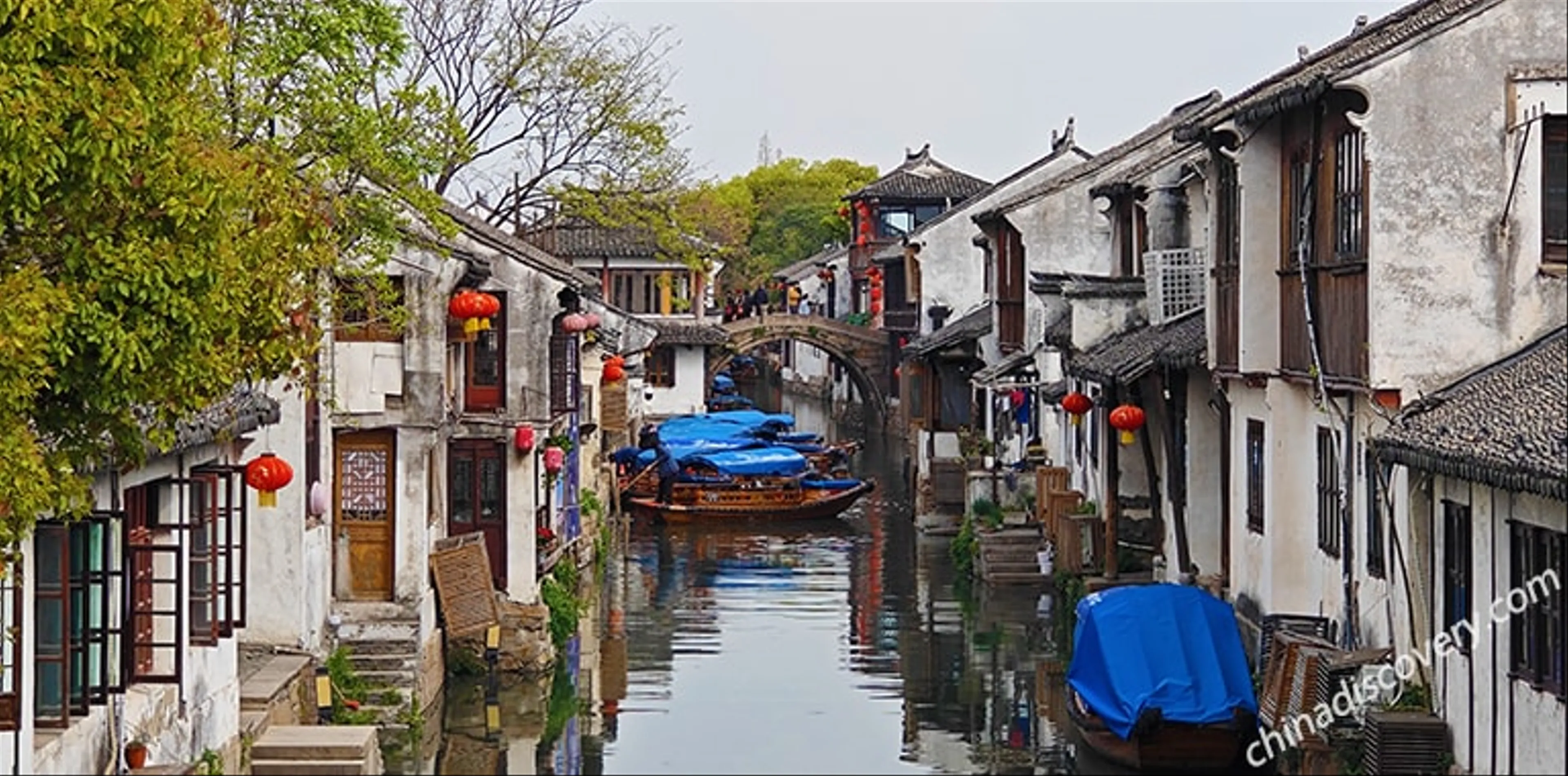
Explore the serene charm and cultural richness of China's historic water towns, perfect for a peaceful and enriching travel experience.
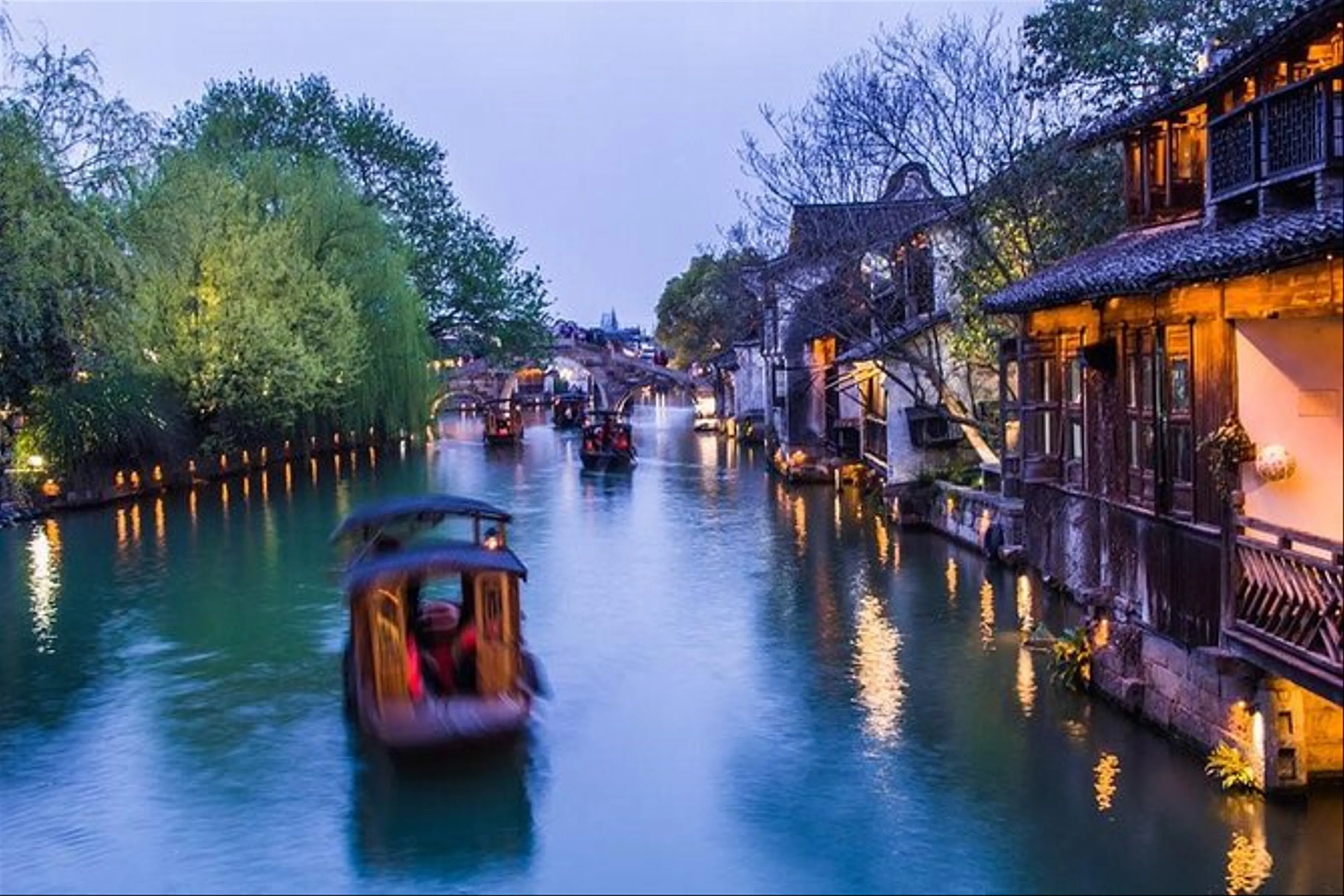
Explore Zhujiajiao, Shanghai's enchanting water town, where ancient bridges, serene canals, and traditional architecture await.
Explore Suzhou's hidden streets and water towns. Discover cultural gems and picturesque canals in China's enchanting region.