
Chile, a country stretching along South America's western edge, is a land of remarkable contrasts and stunning beauty. From the towering Andes mountains to the expansive Pacific coastline, Chile offers a diverse range of experiences for travelers seeking adventure, culture, and natural wonders. In this guide, we'll explore the essence of Chile, delving into its vibrant cities, breathtaking landscapes, and rich cultural heritage.
Santiago, the bustling capital of Chile, is a dynamic city where modernity meets tradition. Nestled in a valley surrounded by snow-capped mountains, Santiago is the perfect starting point for exploring Chile. The city boasts a vibrant arts scene, world-class museums, and lively nightlife. Stroll through the historic neighborhoods of Bellavista and Lastarria, visit the iconic Plaza de Armas, and savor Chilean cuisine at local eateries.
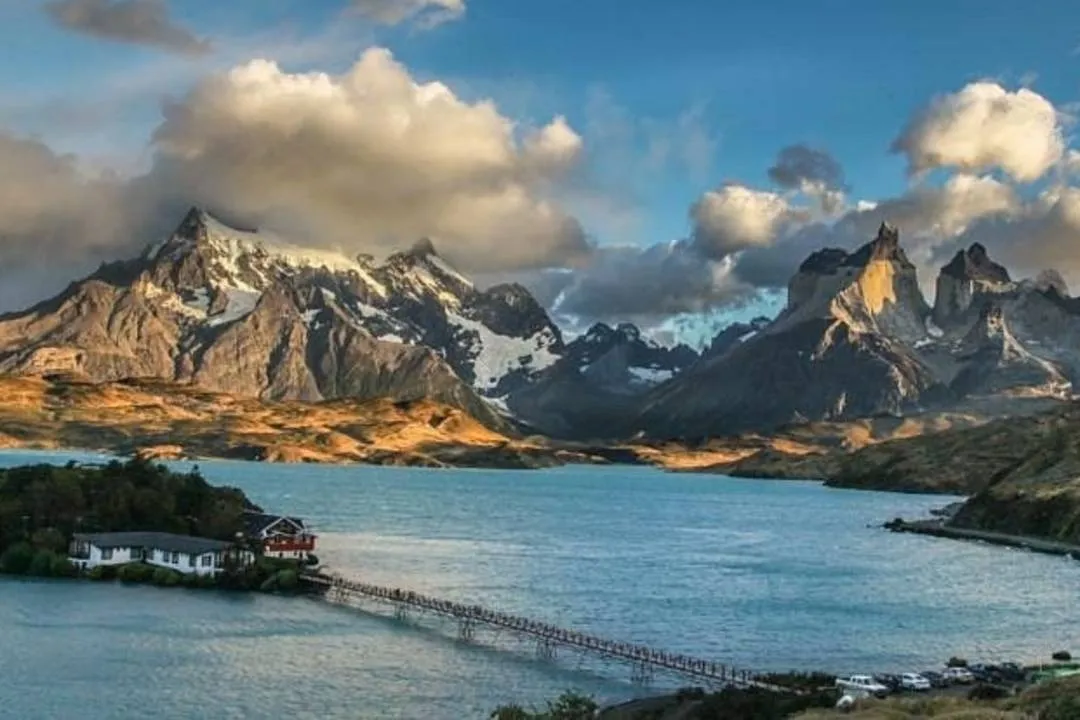
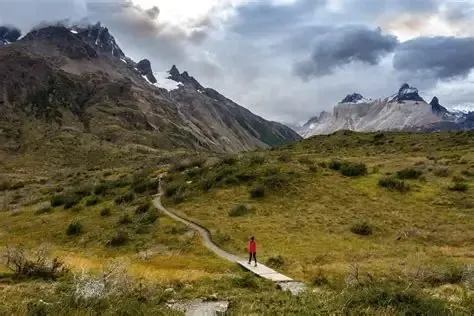
Patagonia, in the southern reaches of Chile, is a paradise for outdoor enthusiasts. Known for its rugged terrain, glacial landscapes, and unique wildlife, it offers endless opportunities for hiking, kayaking, and wildlife watching. The Torres del Paine National Park, with its jagged peaks and turquoise lakes, is a must-visit destination for anyone exploring Patagonia.
The Atacama Desert, one of the driest places on Earth, is a breathtaking destination with its otherworldly landscapes and clear night skies. Visitors can explore the salt flats, geysers, and colorful rock formations. The desert is also a prime location for stargazing, offering some of the best views of the night sky in the world.
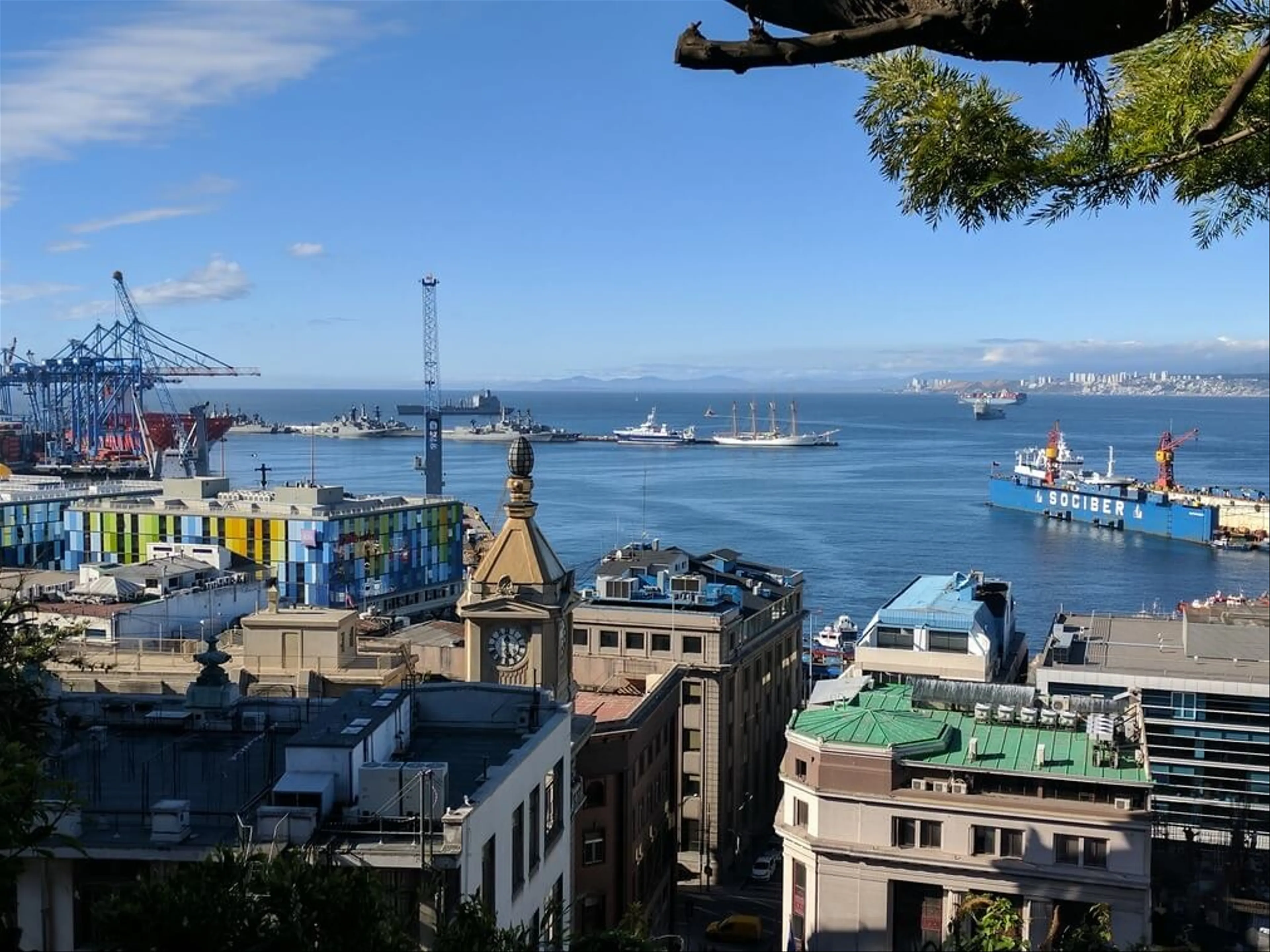
Valparaíso, a vibrant port city, is renowned for its colorful hillside homes, bohemian culture, and artistic spirit. Its steep funiculars and winding streets are a delight to explore. The city is a UNESCO World Heritage site, and its unique architecture and street art make it a photographer's dream. Enjoy fresh seafood at the local markets and take in stunning ocean views from the city's hills.
Chile's culinary offerings are as diverse as its landscapes. From fresh seafood along the coast to hearty stews in the mountains, Chilean cuisine is a celebration of flavors. Try traditional dishes like empanadas, pastel de choclo, and the famous Chilean wine. The country's vineyards, particularly in the Central Valley, are renowned for producing some of the world's finest wines.
Chile is a treasure trove of diverse landscapes and cultural experiences that beckon travelers from around the world. From the arid beauty of the Atacama Desert to the verdant valleys of the Lake District, Chile offers a multitude of unmissable places that showcase its natural beauty and cultural richness. Here, we highlight some of the most unforgettable destinations that should be on every traveler's itinerary when visiting this remarkable country.
Located over 2,000 miles from the Chilean mainland, Easter Island, or Rapa Nui, is famous for its enigmatic Moai statues. These colossal stone figures, carved by the island's early inhabitants, are shrouded in mystery and intrigue. Visitors can explore the island's archaeological sites, enjoy its stunning beaches, and experience the rich Rapa Nui culture firsthand.
The Chiloé Archipelago is known for its distinctive wooden churches, colorful stilt houses, and rich folklore. This enchanting region offers a glimpse into traditional island life with its vibrant markets, lush landscapes, and unique cultural heritage. Travelers can explore the Chiloé National Park, visit the charming towns of Castro and Ancud, and taste the local specialty, curanto, a hearty seafood and meat stew.
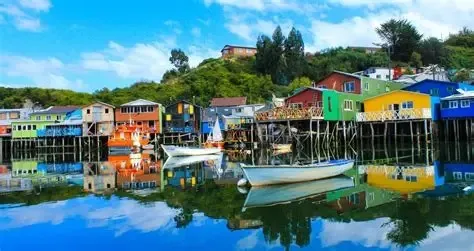
The Lake District is a picturesque region characterized by its crystal-clear lakes, snow-capped volcanoes, and lush forests. It's a paradise for outdoor enthusiasts, offering activities such as hiking, fishing, and kayaking. The charming town of Pucón, nestled at the foot of the Villarrica Volcano, serves as a gateway for exploring this scenic wonderland.
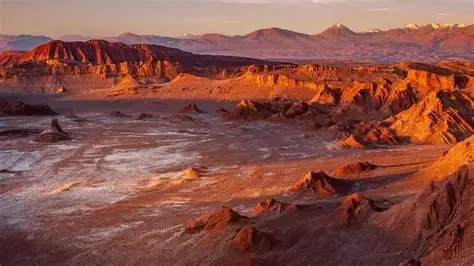
The quaint town of San Pedro de Atacama is the perfect base for exploring the surreal landscapes of the Atacama Desert. From here, visitors can embark on excursions to the Moon Valley, Tatio Geysers, and the high-altitude lagoons. The town itself offers interesting archaeological sites and a chance to immerse in the local culture.
Chile's wine valleys, particularly the Maipo, Colchagua, and Casablanca Valleys, are renowned for their exceptional wines. A visit to these regions offers wine enthusiasts the opportunity to tour vineyards, learn about the winemaking process, and taste award-winning wines in stunning settings. The valleys are also home to charming towns and gourmet dining experiences.
Chile is a land rich in cultural diversity and traditions, influenced by its indigenous peoples, Spanish colonizers, and waves of immigrants. This blend of cultures is evident in every aspect of Chilean life, from its vibrant festivals to its traditional music and dance. Understanding these cultural insights offers a deeper appreciation for the Chilean way of life and its warm, welcoming people.
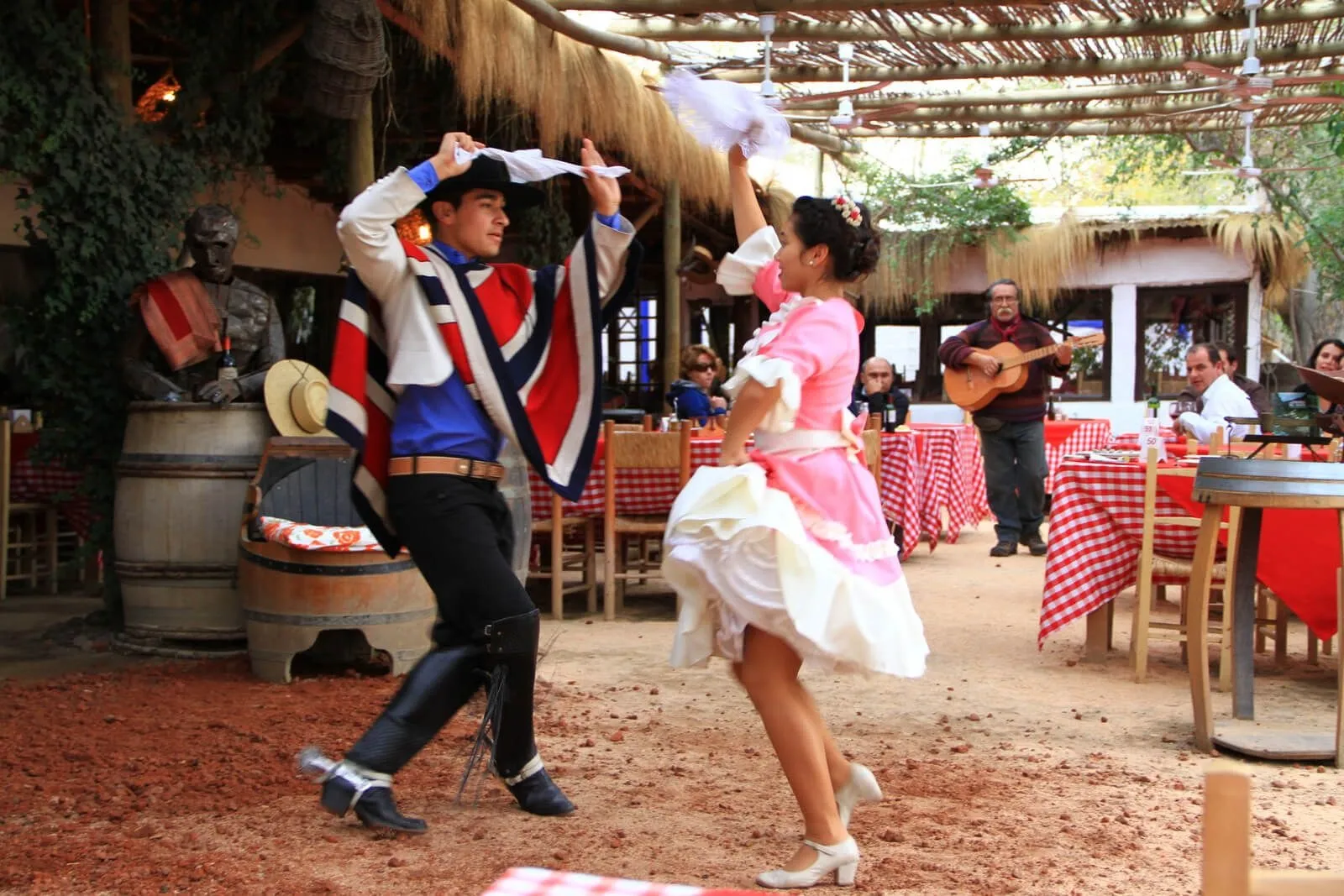
Every September, Chileans celebrate Fiestas Patrias, marking the country's independence from Spanish rule. This is a time of national pride and joy, characterized by parades, traditional music, and dance. The highlight of the festivities includes the cueca, Chile's national dance, and the consumption of asados (barbecues) and empanadas. The celebratory spirit unites locals and visitors alike in a vibrant display of Chilean heritage.
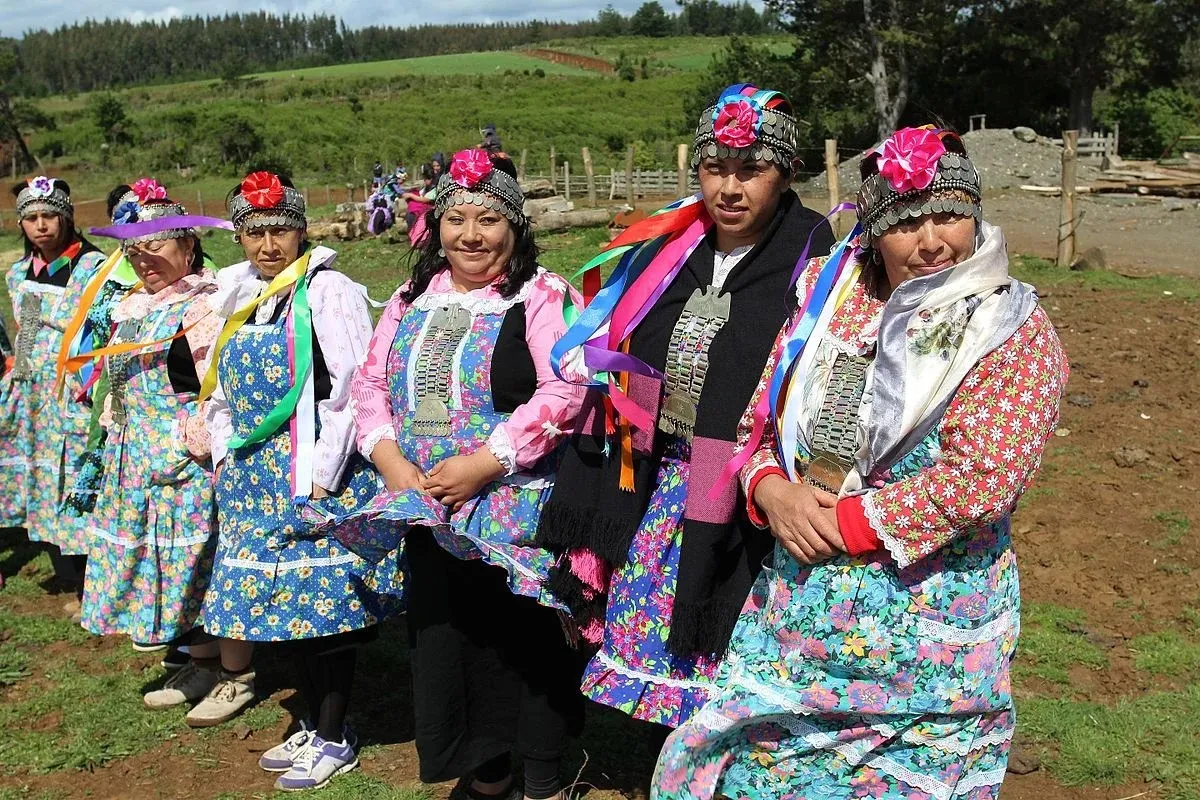
The Mapuche are the largest indigenous group in Chile, and their influence is deeply rooted in the country's cultural identity. Visitors can learn about Mapuche traditions, crafts, and spirituality by visiting communities in the Araucanía region. The Mapuche language, Mapudungun, is still spoken today, and traditional ceremonies and rituals continue to play a significant role in their culture.
Chilean rodeo is the country's national sport, distinct from its North American counterpart. It involves two riders, known as huasos, who guide a steer around an arena, aiming to pin it against a padded wall. This sport is a testament to Chile's agricultural history and is celebrated with enthusiasm in rural areas, especially during the national holidays.
Chile has a rich tradition of art and literature, with figures like Pablo Neruda and Gabriela Mistral leading the way. The country's vibrant arts scene includes everything from street art in Valparaíso to contemporary galleries in Santiago. Literature and poetry are an integral part of Chilean culture, with book fairs and literary festivals drawing enthusiasts from around the world.
Music and dance are central to Chilean culture, with a variety of traditional and contemporary styles. The cueca, with its lively rhythms and intricate footwork, is celebrated nationwide. Meanwhile, Chile's urban areas are alive with the sounds of cumbia, reggaeton, and rock. Festivals and live performances provide the perfect opportunity to experience the country's diverse musical landscape.
Chile is a country of unparalleled natural beauty, offering a diverse range of landscapes that captivate the soul and invigorate the spirit. From arid deserts to verdant forests, and from towering peaks to tranquil beaches, Chile's natural wonders are as varied as they are breathtaking. In this section, we explore the country's most iconic landscapes, each offering unique opportunities for adventure and discovery.
The Andes Mountains run the entire length of Chile, providing a stunning backdrop to the country's diverse landscapes. These majestic peaks are a haven for outdoor enthusiasts, offering activities such as skiing, mountain climbing, and trekking. The Andes are home to some of South America's highest peaks, including Ojos del Salado, the world's highest active volcano.
Chile's extensive Pacific coastline stretches for over 4,000 miles, offering a mix of rugged cliffs, sandy beaches, and bustling ports. Coastal towns like Viña del Mar and La Serena are popular destinations for sunbathers and water sports enthusiasts, while the Humboldt Current supports rich marine biodiversity, making the coastline a prime spot for whale watching and exploring marine reserves.
This region, with its shimmering lakes and lush forests, is a picturesque paradise. The Lake District is dotted with charming towns and offers a wide range of outdoor activities, including hiking, fishing, and kayaking. The serene beauty of this region is complemented by the presence of active volcanoes, such as Osorno and Villarrica, which add a dramatic touch to the landscape.
Known as the driest desert in the world, the Atacama Desert is a place of stark beauty and extreme conditions. Its unique landscapes include salt flats, geysers, and lunar-like valleys. The desert's clear skies are perfect for stargazing, offering a celestial experience like no other. Visitors can explore ancient archaeological sites and witness the vibrant colors of the Valley of the Moon.
Patagonia is a region of wild, untamed beauty, characterized by its dramatic landscapes of glaciers, fjords, and windswept plains. The Torres del Paine National Park, with its iconic granite towers and azure lakes, is a centerpiece of this region and a dream destination for hikers and nature lovers. Patagonia offers a sense of solitude and adventure at the edge of the world.
The Valdivian Rainforest, located in southern Chile, is one of the world's few temperate rainforests. It is a lush haven of biodiversity, home to ancient trees like the alerce and a variety of wildlife, including the endangered pudú, one of the world's smallest deer. This rainforest offers opportunities for hiking and birdwatching, immersing visitors in a world of verdant beauty and tranquility.
The southern coast of Chile is carved by stunning fjords, a testament to the region's glacial history. These deep, narrow inlets are surrounded by towering cliffs and dense forests, creating a breathtaking landscape. Cruising through the fjords offers a unique perspective on Chile's natural beauty, with opportunities to see marine wildlife such as seals and dolphins.
Chile's culinary landscape is as diverse and vibrant as its geography, offering a rich tapestry of flavors that reflect the country's cultural heritage and natural bounty. From the fertile valleys that produce world-class wines to the coastal waters teeming with seafood, Chilean cuisine is a delightful exploration of tastes and traditions. In this section, we delve into the must-try dishes and culinary experiences that make Chile a gastronomic paradise for travelers.
Empanadas are a quintessential Chilean snack, beloved by locals and visitors alike. These pastry pockets are typically filled with a savory mix of minced beef, onions, olives, hard-boiled eggs, and spices, known as "pino." Baked to golden perfection, empanadas are a delicious and convenient treat perfect for enjoying on the go or as a part of a leisurely meal.
A comforting and hearty dish, pastel de choclo is a Chilean classic that showcases the country's agricultural roots. This corn pie features a layer of seasoned ground beef or chicken, topped with a creamy corn mixture, then baked until golden and bubbly. Often garnished with olives and hard-boiled eggs, pastel de choclo is a beloved dish that embodies the flavors of home-cooked Chilean cuisine.
Originating from the Chiloé Archipelago, curanto is a traditional Chilean dish that combines seafood, meat, and vegetables cooked together in a pit lined with hot stones. This communal meal is typically prepared outdoors, with layers of shellfish, chicken, pork, sausages, potatoes, and dumplings covered with nalca leaves and steamed to perfection. Curanto is a festive dish that celebrates community and the bounty of the sea and land.
Ceviche is a refreshing seafood dish that captures the essence of Chile's coastal cuisine. Made with fresh fish marinated in lime juice, combined with onions, cilantro, and chili peppers, ceviche is a light and flavorful appetizer perfect for a sunny day by the sea. The dish highlights the freshness of Chile's seafood and is a must-try for any seafood enthusiast.
Lomo a lo pobre is a hearty Chilean dish that satisfies the appetite with its generous portions and rich flavors. This indulgent meal features a tender beef steak topped with fried onions and a couple of fried eggs, accompanied by a side of crispy French fries. It's a satisfying dish that offers a taste of Chilean comfort food at its finest.
Chilean wine is renowned worldwide, with the country's diverse climate and geography producing a wide range of varietals. From the bold reds of the Maipo Valley to the crisp whites of the Casablanca Valley, Chilean wines offer something for every palate. A visit to one of Chile's many vineyards provides an opportunity to sample these exquisite wines while enjoying the picturesque landscapes that surround them.
Pisco Sour is Chile's iconic cocktail, a refreshing blend of pisco (a type of brandy), lime juice, simple syrup, and egg white, shaken to a frothy perfection. Often garnished with a dash of bitters, this tangy and sweet drink is a staple at celebrations and gatherings across the country. Enjoying a Pisco Sour is a delightful way to toast to Chilean hospitality and culture.
Chile is a year-round travel destination, boasting a variety of climates and experiences to suit every traveler. The country's unique geography, stretching over 2,600 miles from north to south, means that visitors can find something to enjoy in any season. Whether you're seeking the warm beaches of the north, the winter snows of the Andes, or the temperate rainforests of the south, understanding the best times to visit each region can enhance your Chilean adventure.
Summer in Chile is the peak tourist season, offering warm weather and vibrant festivals. This is the best time to explore the southern regions, such as Patagonia and the Lake District, where long days allow for extended outdoor adventures. The beaches of the central and northern coasts are also popular during these months, perfect for sunbathing and water sports.
Autumn in Chile is a beautiful time to visit, with mild temperatures and fewer crowds. The central valleys, including the wine regions, are particularly stunning as the vineyards turn golden and red. This is an ideal season for wine tours and exploring the cultural highlights of cities like Santiago and Valparaíso.
Winter in Chile brings snow to the Andes, making it a prime season for skiing and snowboarding enthusiasts. The ski resorts near Santiago, such as Valle Nevado and La Parva, offer excellent facilities and breathtaking views. Meanwhile, the northern regions, including the Atacama Desert, remain pleasantly warm and are perfect for stargazing and exploring surreal landscapes.
Spring in Chile is a time of renewal and blooming landscapes. This season is ideal for visiting the central and southern regions, where wildflowers and lush greenery create picturesque scenes. Spring is also the time for the Fiestas Patrias, Chile's national holiday in September, offering a cultural feast of parades, music, and traditional foods.
When planning a trip to Chile, it's important to consider regional climate variations. The north is arid and dry year-round, while the south receives significant rainfall. Always check the specific weather conditions of your intended destinations and pack accordingly to ensure a comfortable and enjoyable journey.
Traveling through Chile is an adventure in itself, thanks to its diverse geography and well-developed transportation network. Whether you're navigating bustling city streets, exploring remote wilderness areas, or traversing the expansive countryside, there are several convenient and efficient ways to get around. In this section, we'll outline the various modes of transportation available to help you make the most of your Chilean journey.
Given Chile's elongated shape and the vast distances between its major attractions, domestic flights are a popular and time-saving option for travelers. Several airlines operate flights connecting Santiago with major cities like Punta Arenas, Calama, and Puerto Montt. Booking in advance can often secure better rates, and the country's airports are generally well-equipped and efficient.
Buses are the backbone of long-distance travel in Chile, offering an affordable and reliable way to traverse the country. The bus network is extensive, with services ranging from basic to luxury, the latter featuring amenities like reclining seats and onboard meals. Major companies such as Turbus and Pullman Bus connect cities across Chile, and overnight routes are available for longer journeys.
Renting a car provides the flexibility to explore Chile at your own pace, particularly in regions like the Lake District and Patagonia. Major international and local car rental agencies operate in cities and airports. Driving in Chile is generally straightforward, but be sure to familiarize yourself with local road rules and conditions, especially in remote areas where roads may be unpaved.
While not as extensive as the bus network, Chile's train services offer a scenic way to travel through parts of the country. The Tren Central operates routes from Santiago to cities like Chillán and Talca. The train journey through the central valleys is particularly picturesque and provides a relaxed travel experience.
In Chilean cities, public transportation systems are efficient and affordable. Santiago boasts a modern and comprehensive metro system that is easy to navigate, complemented by buses and taxis. Other cities, such as Valparaíso and Concepción, offer buses and local trains to help you get around. Ride-sharing apps like Uber and Cabify are also available in larger cities, providing additional convenience.
In regions like the Chiloé Archipelago and southern fjords, ferries and boats play a vital role in transportation. These services connect islands and remote communities, offering a unique perspective on Chile's coastal landscapes. Ferry routes can range from short crossings to longer journeys, such as the Navimag ferry that sails through the Patagonian fjords.
Exploring Chile's diverse regions is a rewarding experience, made easier by its varied transportation options. Whether you choose to fly, drive, or sail, each mode of transport offers a unique way to discover the country's rich landscapes and vibrant culture.
Traveling to Chile offers a blend of breathtaking landscapes, rich cultural experiences, and diverse adventures. To ensure a smooth and enjoyable journey, it's essential to equip yourself with some practical travel tips. From understanding local customs to navigating through Chile's diverse regions, these insights will help you make the most of your Chilean adventure.
Spanish is the official language of Chile, and while many Chileans in the tourism industry speak English, learning a few basic Spanish phrases can enhance your travel experience. It’s also helpful to download a translation app to assist with communication, especially in remote areas where English may be less common.
The currency in Chile is the Chilean Peso (CLP). Credit and debit cards are widely accepted in cities, but it's advisable to carry cash for smaller towns and local markets. ATMs are readily available, and currency exchange services can be found in major airports and cities. Always inform your bank of your travel plans to avoid any issues with card transactions.
Chile is generally a safe country for travelers, but it's wise to take standard precautions. Keep an eye on personal belongings in crowded areas and use reputable transportation options. Healthcare facilities are of a high standard in urban areas, but travel insurance is recommended to cover any medical needs. Tap water is safe to drink in most parts of Chile, but it’s always good to check locally.
Chile uses 220-240 volts and 50Hz, with type C and L plugs. Adapters are necessary for travelers from countries with different plug types. Internet access is widely available in urban areas, with many hotels and cafes offering free Wi-Fi. Consider purchasing a local SIM card for convenient mobile data access during your travels.
Chilean culture places a strong emphasis on politeness and respect. When greeting, a handshake or a kiss on the cheek is common. Tipping is customary in restaurants (around 10% of the bill) and for services such as hotel porters and tour guides. Dress is typically casual, but it's advisable to dress conservatively when visiting churches or attending formal events.
Given Chile's diverse climate, packing appropriately for your destinations is crucial. Layered clothing is recommended to accommodate varying temperatures, especially if you plan to visit multiple regions. Don't forget essentials such as sunscreen, a hat, and comfortable walking shoes, particularly if you plan to explore the outdoors.
Chile hosts numerous public holidays and festivals throughout the year that can affect travel plans. Major holidays include Fiestas Patrias in September and Christmas in December. During these times, transportation and accommodations may be busier, so booking in advance is advisable. Participating in local celebrations offers a unique glimpse into Chilean culture and traditions.
By keeping these practical travel tips in mind, you'll be well-prepared to explore Chile's stunning landscapes and vibrant culture. Whether you're wandering through bustling markets, hiking in the Andes, or savoring local cuisine, these insights will help you navigate your Chilean adventure with ease and confidence.
Chile is a country bursting with vibrant festivals and events that reflect its rich cultural heritage and lively spirit. Throughout the year, Chileans celebrate a variety of festivities, from traditional indigenous ceremonies to modern music festivals, each offering a unique glimpse into the country's diverse customs and traditions. Whether you're interested in experiencing the colorful Fiestas Patrias or joining a local celebration in a small town, Chile's festivals and events provide an exciting opportunity to immerse yourself in its joyous culture.
Fiestas Patrias, celebrated in September, marks the anniversary of Chile's independence from Spain. This national holiday is characterized by parades, rodeos, and traditional music and dance performances. The highlight of the festivities is the "cueca," Chile's national dance, as well as the widespread enjoyment of traditional foods such as empanadas and asados (barbecues). This period is marked by a sense of national pride and unity, making it a perfect time for visitors to experience Chile's vibrant culture firsthand.
Held in the northern town of Pica, the Tiradentes Carnival is a lively event that showcases the rich cultural heritage of the Andean region. The carnival features colorful parades with dancers in traditional costumes, music, and a variety of cultural performances. It's a celebration of indigenous traditions and a fantastic opportunity for travelers to witness the fusion of cultural influences that characterize northern Chile.
The Tapati Rapa Nui Festival takes place on Easter Island in February. This unique cultural event celebrates the heritage of the Rapa Nui people with traditional music, dance, and sporting competitions. Participants engage in events such as the "haka pei," where competitors slide down a hill on banana tree trunks. The festival offers a rare insight into the island's ancient customs and is a must-visit for anyone interested in the mystique of Easter Island.
Valparaíso hosts one of the most spectacular New Year's Eve celebrations in Chile, featuring a breathtaking fireworks display over the Pacific Ocean. Thousands gather along the coastline to watch the vibrant show, which is accompanied by music and revelry. The city's unique bohemian atmosphere adds to the festive spirit, making it an unforgettable way to ring in the new year.
The Grape Harvest Festival, or "Fiesta de la Vendimia," is celebrated in Chile's wine-producing regions, typically in March and April. This festival honors the grape harvest with wine tastings, vineyard tours, traditional music, and dance. It's an excellent opportunity for wine enthusiasts to explore Chile's renowned wine culture and enjoy local culinary delights.
The San Pedro Festival, held in June, is a tribute to Saint Peter, the patron saint of fishermen. Coastal towns across Chile celebrate with boat parades, religious ceremonies, and seafood feasts. In Valparaíso, the festival is particularly significant, with a colorful procession of boats decorated in honor of the saint, reflecting the deep connection between Chile's coastal communities and the sea.
Participating in Chile's festivals and events is a wonderful way to engage with the country's vibrant culture and welcoming people. Whether you're drawn to traditional celebrations or modern festivities, these events offer memorable experiences that capture the essence of Chile's diverse cultural landscape.
Chile is a land of extraordinary contrasts and hidden treasures waiting to be discovered. Beyond its popular tourist attractions, the country offers unique experiences and secret gems that provide travelers with a deeper understanding of its diverse landscapes and cultures. From remote islands to indigenous communities, and from ancient traditions to modern marvels, Chile's lesser-known wonders promise unforgettable adventures and authentic encounters.
Located on the remote General Carrera Lake in Patagonia, the Marble Caves are a stunning natural formation that captivates visitors with their ethereal beauty. Carved by centuries of wave action, the caves display swirling patterns of blue and white marble, creating an otherworldly spectacle. Accessible only by boat, this hidden gem offers a serene escape into nature's artistry.
The Chiloé Archipelago is renowned for its mystical landscapes and vibrant folklore. Venture into the island's dense forests to discover ancient myths and legends that are woven into the fabric of local life. The native Valdivian rainforest is home to unique flora and fauna, while the island's charming palafito houses and UNESCO-listed wooden churches offer a glimpse into its rich cultural heritage.
The Elqui Valley, with its clear skies and minimal light pollution, is a haven for astronomy enthusiasts. This tranquil region offers some of the best stargazing opportunities in the world. Visitors can explore observatories, such as the Mamalluca Observatory, to witness breathtaking celestial displays. The valley is also known for its vineyards and the production of pisco, making it a perfect blend of science and pleasure.
Radal Siete Tazas National Park is a hidden gem in central Chile, known for its series of seven natural pools formed by cascading waterfalls. The park's lush landscapes and crystal-clear waters are perfect for hiking, swimming, and picnicking. It's a lesser-known destination that offers tranquility and natural beauty away from the crowds.
The Queulat Hanging Glacier, located in the Aysén Region, is a breathtaking sight that seems to defy gravity. Perched high above a lush fjord, the glacier's icy mass descends dramatically, creating a stunning visual contrast with the green rainforest below. Hiking trails in the area provide spectacular views and the chance to experience one of nature's most awe-inspiring phenomena.
While Easter Island is famed for its Moai statues, it also boasts secluded beaches that offer a peaceful retreat. Anakena Beach, with its white sands and turquoise waters, is ideal for relaxation and exploration. Visitors can enjoy swimming, sunbathing, and snorkeling while taking in views of the island's unique archaeological sites.
Exploring Chile's unique experiences and hidden gems allows travelers to connect with the country's authentic spirit and diverse beauty. These off-the-beaten-path destinations provide insight into Chile's rich cultural tapestry and stunning natural landscapes, ensuring a truly memorable journey. Whether you're an adventure seeker, a nature lover, or a culture enthusiast, Chile's secrets await your discovery.
No tours published here yet.
Stay connected in Chile with instant mobile data — no roaming fees, no physical SIM.
Discover tours, attractions and travel services for Chile .