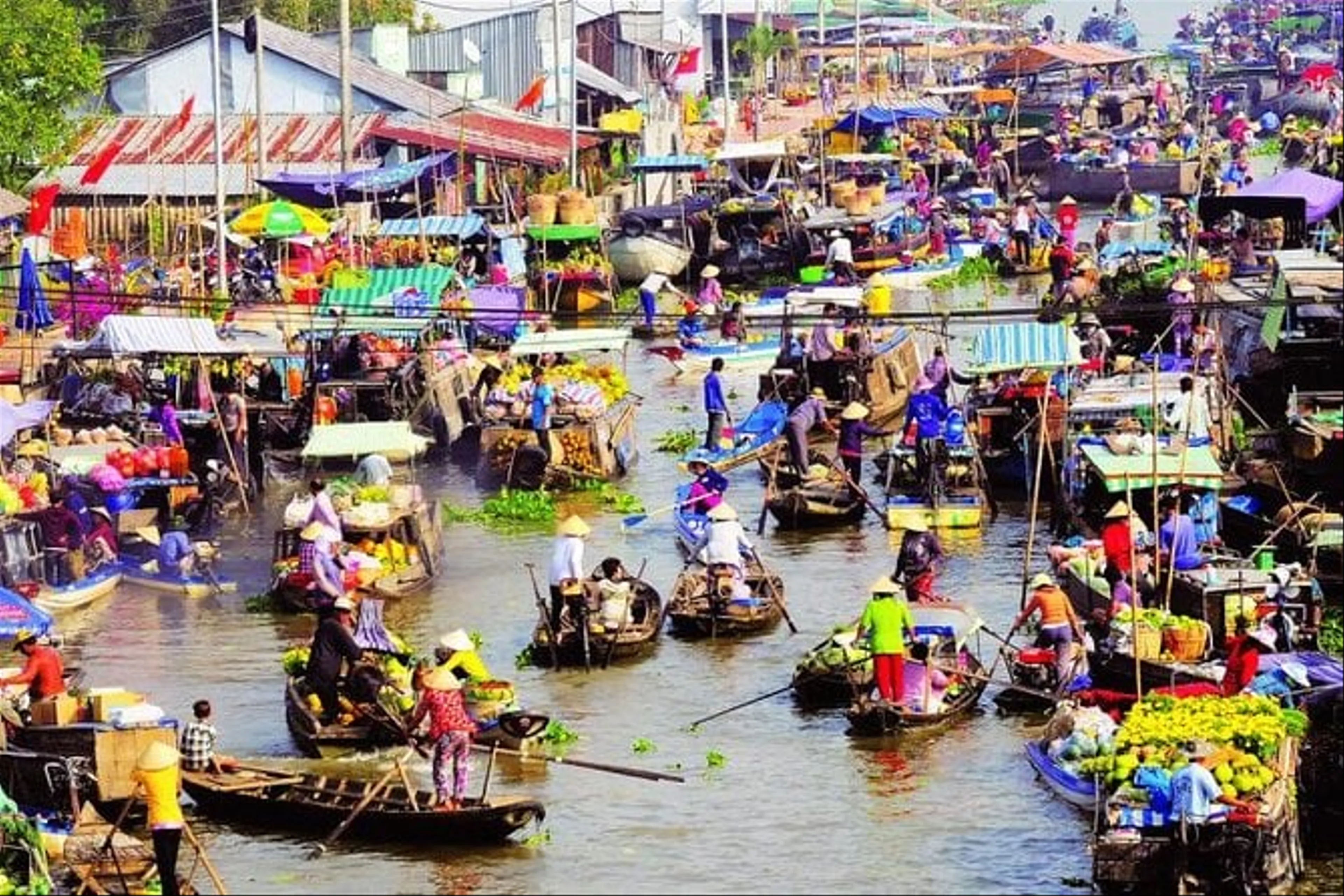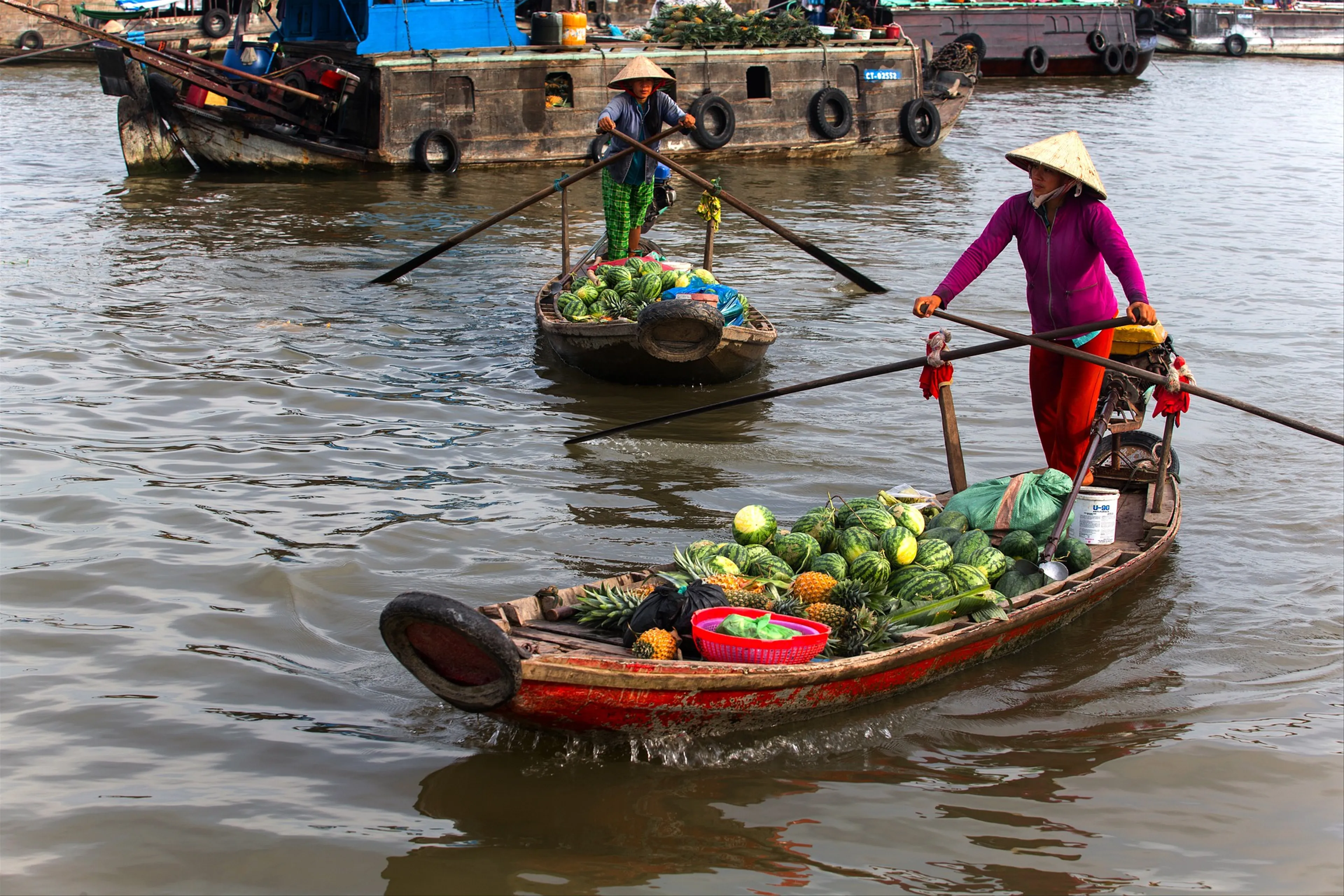
Chau Doc City, located in An Giang Province, lies in the south western region of Viet Nam. It is approximately 50 kilometres from Long Xuyen City and about 250 kilometres from Ho Chi Minh City. This is one of the key tourism cities of the Mekong Delta, especially renowned for its spiritual pilgrimage sites such as Ba Chua Xu Temple on Sam Mountain, Tay An Pagoda, Thoai Ngoc Hau’s Tomb, Hang Pagoda, and for its rare mountainous landscapes amid the flat delta plains.
Unlike most completely flat regions in the Mekong Delta, Chau Doc is distinguished by its limestone mountain system, including Sam Mountain, Cam Mountain and Ket Mountain, which create a panorama that is both poetic and mysterious.
In addition, Chau Doc is home to various ethnic communities such as the Kinh, Khmer, Cham and Chinese, resulting in a rich and unique cultural exchange.
One of the most frequently asked questions when planning a trip is: When is the most beautiful time to visit Chau Doc?
In reality, Chau Doc has a tropical monsoon climate, with warm sunshine throughout the year and rarely extreme temperatures. However, the city is at its most beautiful during two particularly ideal periods:
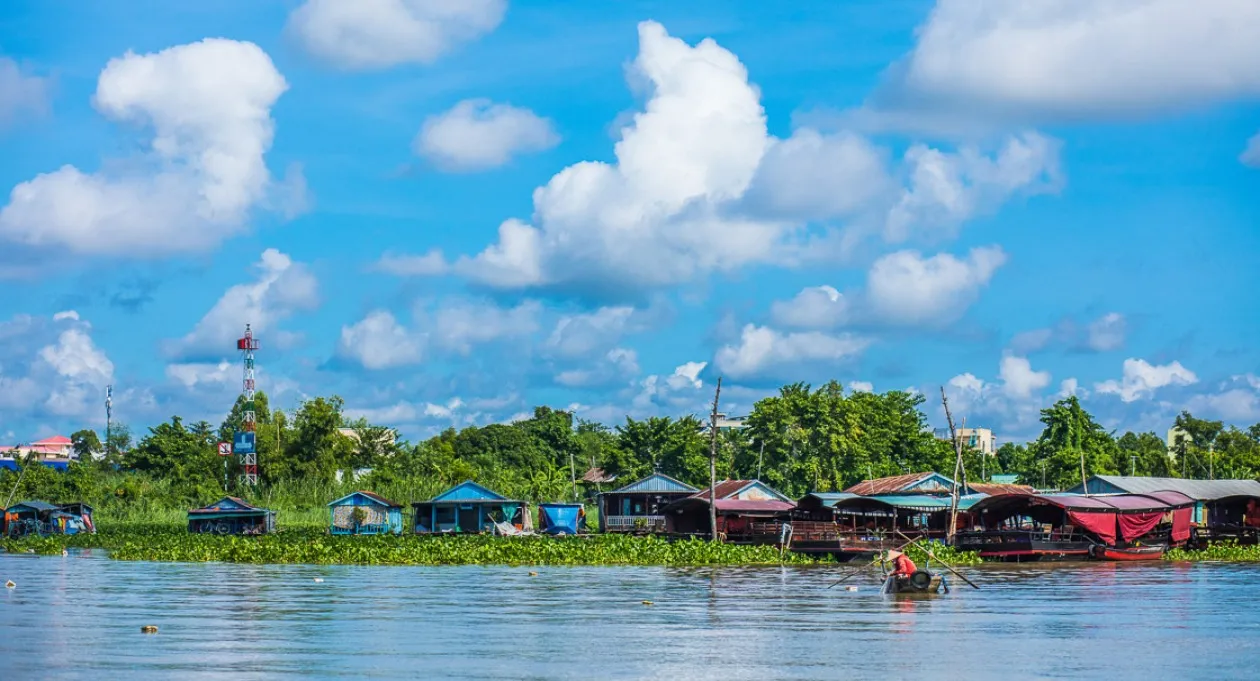
This is when Chau Doc puts on a completely different appearance. Water levels rise, turning rice fields into vast natural mirrors, while boats and sampans glide through the submerged landscape. The floodwaters bring abundant fish and shrimp, and the brilliant yellow blooms of the water mimosa flowers create a stunningly typical Mekong Delta scene.
Visiting Chau Doc during the flood season, travellers can:
The Ba Chua Xu Festival at Sam Mountain is one of the largest spiritual festivals in southern Viet Nam. Millions of pilgrims come here to pray for peace, prosperity and good health. This is also the most vibrant and lively time of the year in Chau Doc.
A trip to Chau Doc would not be complete without a visit to Ba Chua Xu Temple at the foot of Sam Mountain, one of the most important pilgrimage destinations in Viet Nam.
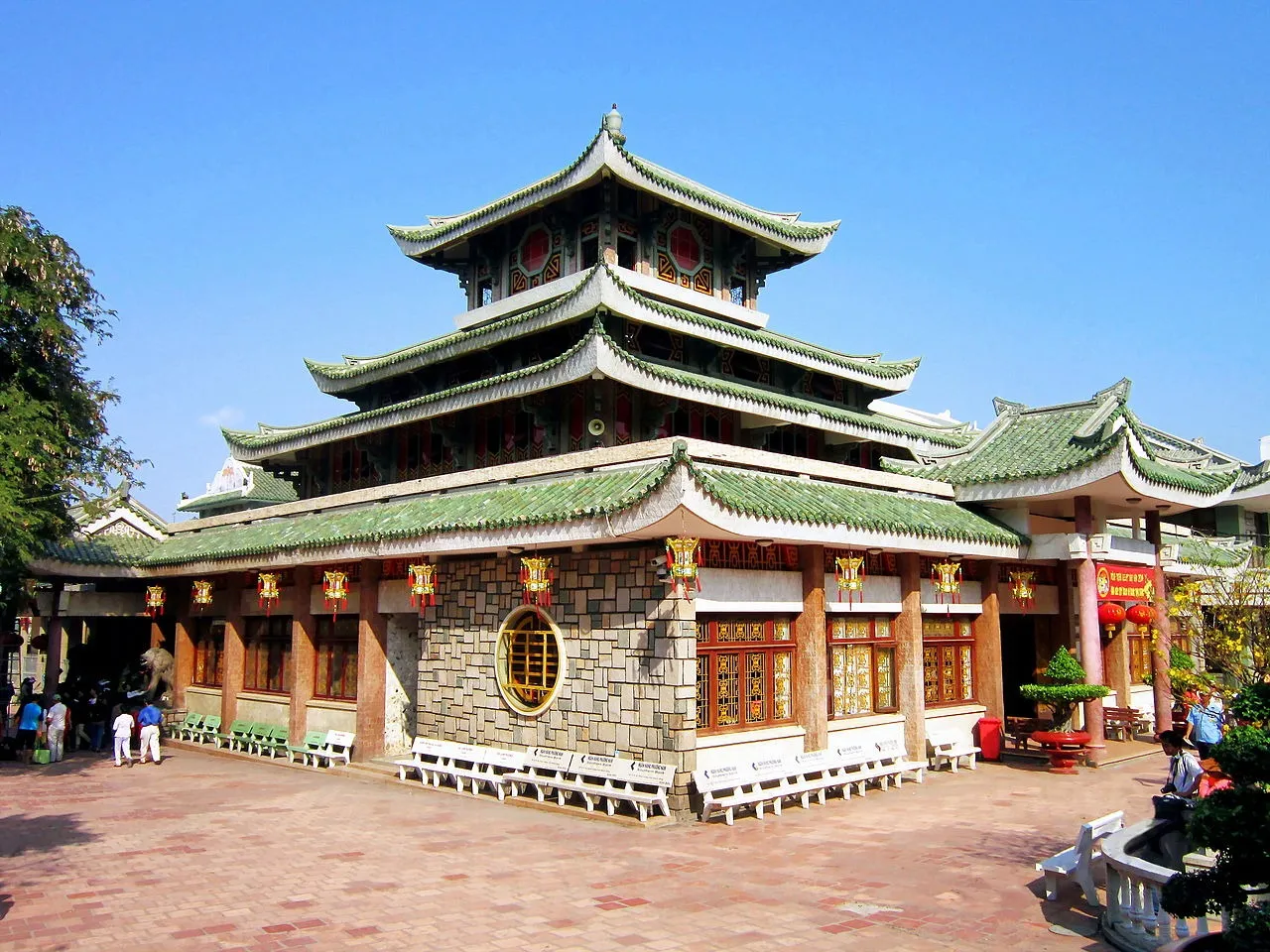
The temple is built in a distinctive Khmer inspired architectural style, with curved roofs and intricate decorative patterns. Local people firmly believe that Ba Chua Xu is extremely sacred, capable of blessing families with good fortune, successful careers and peaceful homes.
Visitors often come here to:
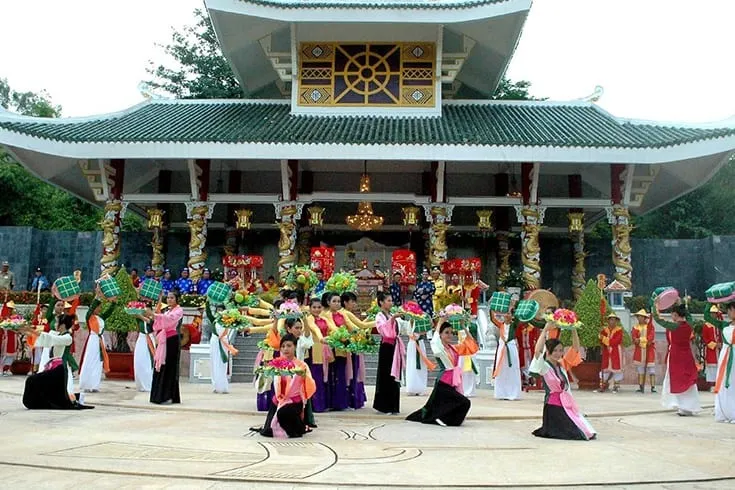
Sam Mountain rises to a height of around 284 metres. Although it is not very high, it is one of the best viewpoints in the area. From the top, you can admire:
Sam Mountain is also home to many famous spiritual landmarks, such as:
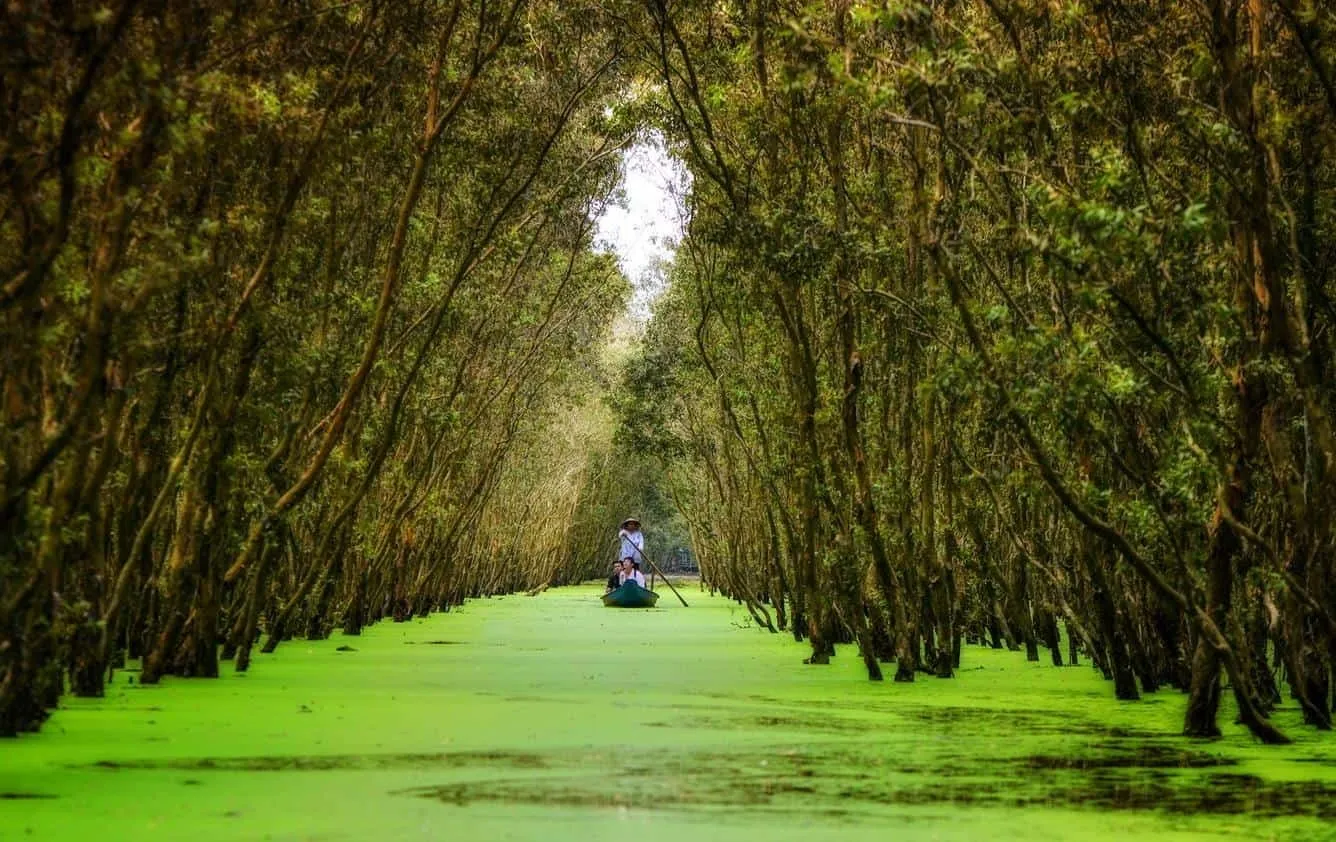
One of the most special experiences when visiting Chau Doc is a trip to Chau Giang Cham Village, where the Cham Muslim community has lived for generations.
Here, visitors can:
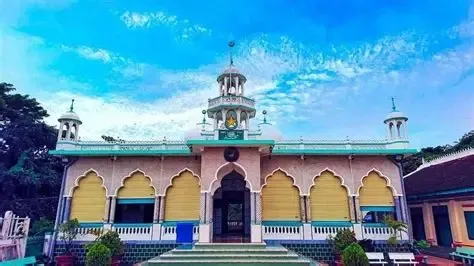
The peaceful scenery, friendly people and colourful traditional costumes make this a truly unforgettable destination.
From Chau Doc, it takes only about 30 minutes to reach Tra Su Cajuput Forest, one of the most beautiful flooded forests in the Mekong Delta.
Its highlights include:
You can take a motorboat or a traditional rowing boat through the forest, enjoy photography and experience a rare sense of tranquillity.

Chau Doc Market is known as the “kingdom of fermented fish”. If you would like to explore An Giang’s culinary specialities, this is a must visit destination.
At Chau Doc Market, you can find:
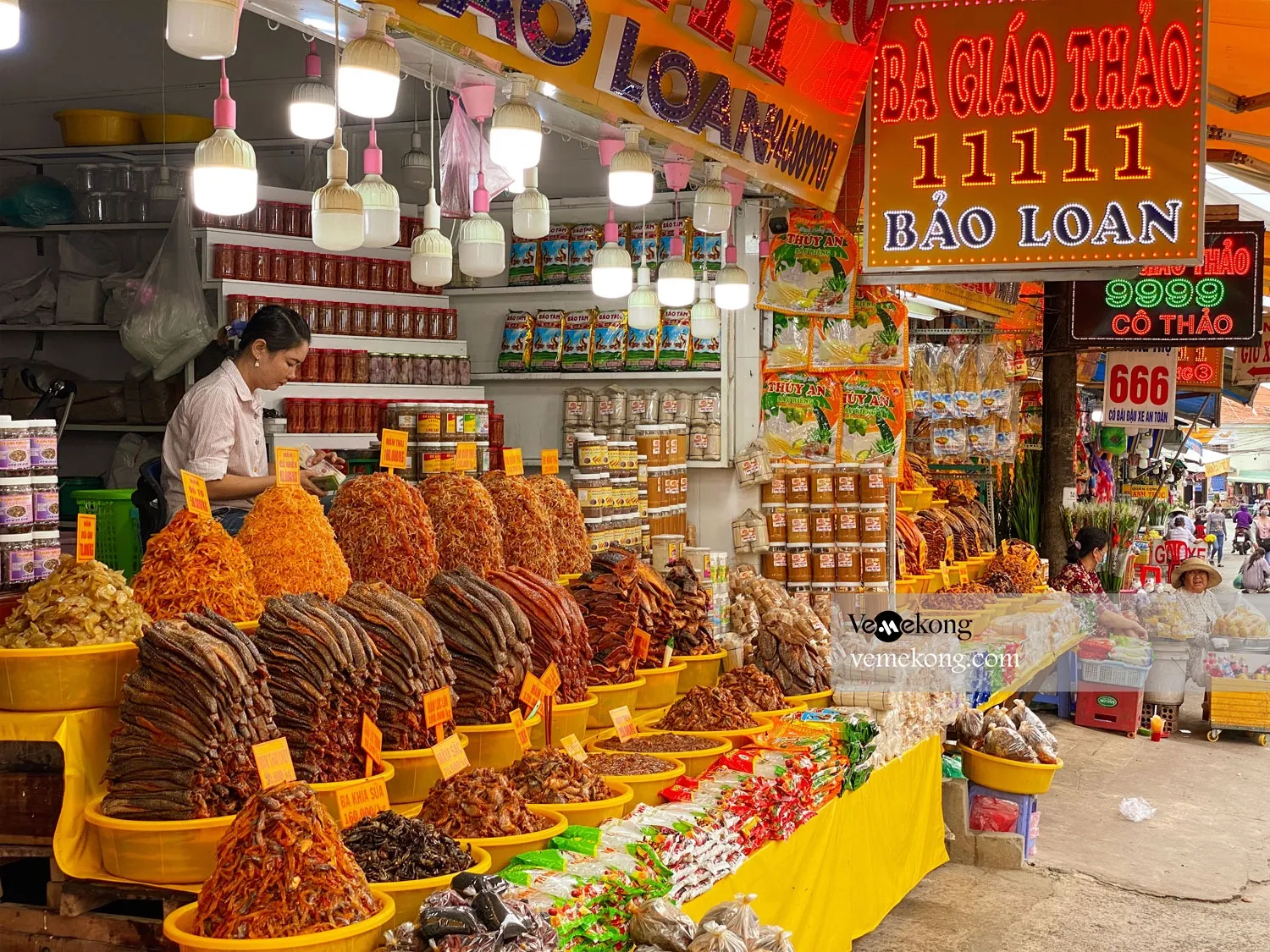
No trip to Chau Doc is complete without experiencing its incredibly rich cuisine. Some must try dishes include:
✅ Chau Doc fish noodle soup
✅ Fermented fish hotpot
✅ Beef porridge and snakehead fish porridge
✅ Cham beef sausage
✅ Linh fish braised with sugarcane
✅ Neem flower salad and green papaya salad with dried gourami
You can easily find well known eateries throughout the city centre and around Sam Mountain.
If you are planning to stay in Chau Doc for 1–2 days, you can choose from:
Recommended options include:
Room rates are generally reasonable, suitable for all types of travellers, from budget to luxury.
Travelling to Chau Doc City is not only a holiday, but also a journey towards spiritual values, cultural discovery and the peaceful rhythms of life in the Mekong Delta.
Discover tours, attractions and travel services for Chau Doc City.